• Link to X
  • Link to Facebook
  • Link to Instagram
  • Link to TikTok
  • Link to Youtube
  • About
    • About Us
      • President
      • Board of Directors
      • Board of Advisors
      • Financials
      • Our Methodology
      • Success Tracker
      • Contact
  • Act Now
    • 30 Ways to Help
      • Email Congress
      • Call Congress
      • Volunteer
      • Courses & Certificates
      • Be a Donor
    • Internships
      • In-Office Internships
      • Remote Internships
    • Legislation
      • Politics 101
  • The Blog
  • The Podcast
  • Magazine
  • Donate
  • Click to open the search input field Click to open the search input field Search
  • Menu Menu

Archive for category: Hunger

Food & Hunger, Global Poverty, Hunger

4 Foods That Can Feed the World’s Poor

Feed the World’s PoorPeople around the world are suffering from hunger—more than 800 million of them as of 2021, in fact. Some specific foods that can feed the world’s poor include amaranth, pigeon peas, taro and fonio. Apart from them being nutritious, their weather-resilient nature makes these crops ideal. While tackling the hunger crisis does involve immediate food relief, it also requires a longer-term investment in teaching people to plant well, using sustainable agricultural practices and crops suited to harsh environments. Here are four plants that communities can plant across the world to address hunger.
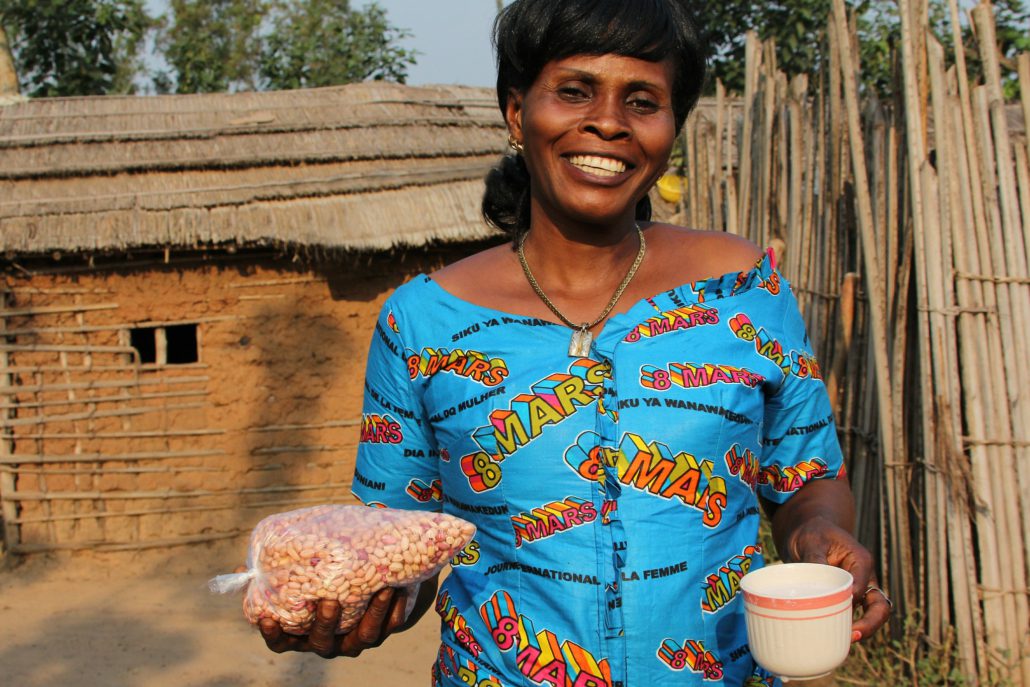
Amaranth

Although amaranth produces grain, every part of it is edible. Furthermore, its nine amino acids and high protein and fiber content make it a very nutritious meal. It is drought-resistant and has been planted yearly on nearly every continent, making it an excellent crop. Amaranth grain is easier to digest after soaking for a few days. It can be turned into flour or added to a variety of dishes. Amaranth tastes “sweet and nutty,” with a “crunchy [texture] when cooked.” Puente a la Salud Comunitaria is a nonprofit working in Oaxaca, Mexico, to reduce malnutrition and poor health. It is incorporating amaranth into its diet outreach and microenterprise workshops because of its high nutrition. Purdue also recognized the importance of amaranth as one of the foods that can feed the world’s poor when it created an amaranth popper for use in Africa.

Pigeon Peas

This “pea” is not a snap pea or a cowpea. While the grain is edible, the other parts of the plant have been used as roofing, medicine and charcoal. Its usefulness as far more than a food increases its favorability. Pigeon peas are drought and heat-resistant. They can be harvested ripe or dry and must be replanted every year in areas that receive frost. However, in areas without frost, the pea plant can last for up to five years. Under the right conditions, this is an extremely high-yield plant. One plant reportedly produced 2.5 lbs. of seeds, making it an excellent addition to the list of foods that can feed the world’s poor. It is grown widely in India and Africa and has been cultivated at high elevations.

This pea is known for its sweet flavor and must be cooked before it is eaten. In 2022, Madagascan farmers took advantage of pigeon peas’ drought-resistant nature and used the peas to feed their families. The improved soil quality post-pea can be used to plant other crops. In Malawi, pigeon peas have a reputation for being the food that gets eaten when there isn’t anything else to eat. This demonstrates their hardiness, but people are not receptive to it as a staple because they are unaware of its many uses. To solve that problem, a pigeon pea cookbook was published in 2022 to teach people how to use it.

Taro

The underground part of this plant is the most commonly eaten portion, but contrary to popular belief, it is a corm or underground stem, not a root. Although its leaves and stalks are also edible,  they are eaten less frequently. High in fiber and nutrients, this adaptable plant is grown around the world, making it one of the ideal foods that can feed the world’s poor. There are several varieties of taro, and as a result, it can be grown in different types of soil. It must be cooked before it is eaten due to its toxicity when raw, and “has a mildly sweet taste and a texture similar to potato” with a note of nuttiness. One of taro’s limits is its inability to store well for long periods of time. However, it can be prepared in various ways to feed the world’s poor.

The Center for Excellence in Disaster Management and Humanitarian Assistance recognizes that taro takes a limited amount of land and work to grow. This makes it an attractive option for farmers and countries in poverty. In 2018, the crop was “9th in the world for food crop production.”

Fonio

This hardy and nutritious grain is another food that can feed the world’s poor. It contains important amino acids along with plenty of fiber and nutrients. Fonio is extremely drought-resistant and can also flourish in less-than-ideal soil conditions. These two characteristics make this grain a formidable opponent of world hunger. It is a traditional African crop and has been grown there longer than any other cereal. It is also easily stored, enhancing its capacity to address hunger. This grain has a “rich, nutty flavor” and expands in size four times when cooked in water.

Looking Ahead

According to UNICEF, “more than one in five children under age 5 worldwide had stunted growth” as a result of malnutrition in 2022. With hardy, nutritious and versatile crops like taro, fonio, pigeon peas and amaranth available, solving world hunger and changing the lives of millions of people could be within reach.

– Abigail Leland
Photo: Unsplash

November 23, 2023
https://borgenproject.org/wp-content/uploads/borgen-project-logo.svg 0 0 Kim Thelwell https://borgenproject.org/wp-content/uploads/borgen-project-logo.svg Kim Thelwell2023-11-23 07:30:052024-06-11 00:17:594 Foods That Can Feed the World’s Poor
Food Security, Global Poverty, Hunger

3 US Initiatives Fighting Global Hunger

Fighting Global HungerGlobal hunger is a multifaceted issue that affects communities and economies. Addressing it is not only a humanitarian imperative but also essential for achieving broader global goals and ensuring a more equitable and sustainable future.

Despite the challenges posed by the Russo-Ukrainian war and the growing wave of nationalism, the United States continues to take initiatives aimed at reducing global hunger and improving food systems and nutrition security on a global scale.

What is the Global Hunger Index?

The Global Hunger Index (GHI) is responsible for calculating and tracking hunger at regional, national levels and global levels. GHI evaluation is done on the values of four component indicators: undernourishment, insufficient availability of food, shortfalls in the nutritional status of children and child mortality. The GHI score is measured on a 100-point scale reflecting the severity of hunger, where zero is the best score, indicating no hunger, and 100 is the worst.

According to the report, there are currently 46 countries experiencing “serious” or “alarming” levels of hunger. Unfortunately, without significant changes, both the global situation and approximately 46 specific countries are not expected to attain even a minimal level of hunger reduction, as the Global Hunger Index (GHI) measured, by the year 2030.

Some have said the reason to be the Russo-Ukrainian War, which has disturbed the supply chain. Before that, the COVID-19 pandemic worsened economic crises. Further climate change and civil disputes have increased the scale of global hunger. This has caused the need for the urgent scaling up of humanitarian and resilience-building responses.

The US Initiatives for Reducing Global Hunger

The U.S. is responding to these worrying details with three initiatives. The U.S. dollar has relatively high purchasing power, and the country is trying to contribute its fair share to end global hunger.

The following three initiatives have extended humanitarian assistance to the people who are facing hunger.

1. Feed the Future

The foundation of this initiative was laid down in 2010 by Barack Obama. The program has helped in the technological advancement of 9 million farmers and improved the diets of nearly 18 million children across the globe by working in a variety of sectors to reduce hunger and promote self-resilience. It is active in 19 countries including Ghana, Ethiopia, Uganda, etc. 

The program focuses on the promotion of agriculture. For example, the program has helped farmers in the Democratic Republic of Congo (DRC) to learn new techniques upon high prices of fertilizers. The Feed the Future DRC Fall Armyworm Activity program works with farmers to make them aware of new technology and methods of mitigating the Armyworm, an infectious pest.

Furthermore, Feed the Future catalyzes research in various fields. As an illustration, in 2023, Esther Achola conducted research aimed at combating groundnut rosette disease (GRD). This disease is especially harmful to peanut crops as it results in plant discoloration, stunting and distortion, leading to total loss of the crop. In April 2023, a five-year, USAID promised a $15 million investment in the Peanut Innovation Lab. This contribution will strengthen global food security and will prove a boon for farmers.

2. Food For Peace

Almost 60 years ago, President Dwight D. Eisenhower found a solution to the agricultural surplus going to waste in America. He signed the Agricultural Trade Development Assistance Act into law. In 1961, President John F. Kennedy expanded the program, naming it Food For Peace (FFP). The new program came under the purview of foreign policy and worked to provide food to people in need.

Through its emergency programs, the program can reach people in acute shortage of food, who natural disasters affect. The program also has a development-focused aspect which equips people to be less dependent on foreign assistance. 

Yemen has the most concerning situation in terms of food security. FFP provided more than $361 million in life-saving emergency food assistance to Yemen in 2018.

In Guatemala, FFP trains people to farm in a way that helps the environment and makes more food at home. In the area where the project happened, more farmers started using good farming methods. These methods include using better seeds, taking care of the soil, using natural fertilizers, growing gardens at home, looking after fruit trees and growing local herbs. In 2013, only 50.1% of farmers used these methods, but by 2018, it went up to 63.8%.

3. The Global Food Security Act

The Global Food Security Act of 2016 was aimed at extending the U.S. commitment to eliminate global hunger. The success of the Feed the Future program prompted the passing of this act. On October 11, 2018, President Trump signed a law that reauthorized the Global Food Security Act and added five years to achieve better results. It emphasized reducing global hunger and poverty with attention to solving the problem of malnutrition in developing countries. Sustainable development aims to achieve the reduction.

The Global Food Security Act of 2016, or GFSA, made official the methods that Feed the Future uses to combat global hunger. It is a commitment to keep fighting hunger and making sure everyone knows about it. Through GFSA, the United States made Feed the Future even stronger by improving how it tracks progress and making different parts of the government work together.

Looking Ahead

Addressing global hunger is imperative for a more equitable and sustainable future. Despite the challenges that conflicts pose, such as pandemics and changing weather patterns, the United States is actively engaged in combating global hunger through initiatives like Feed the Future, Food For Peace and the Global Food Security Act. These efforts exemplify the nation’s commitment to making a positive impact on the global food security landscape, emphasizing the urgency of collective global action to achieve meaningful progress.

– Asra Mairaj
Photo: Flickr

November 14, 2023
https://borgenproject.org/wp-content/uploads/borgen-project-logo.svg 0 0 Yuki https://borgenproject.org/wp-content/uploads/borgen-project-logo.svg Yuki2023-11-14 07:30:422024-06-11 00:17:593 US Initiatives Fighting Global Hunger
Global Poverty, Hunger

Everything to Know about Hunger in Palestine

Hunger in PalestineAs all eyes turn to Palestine and Israel amid the ongoing Israel-Hamas war, basic resource management and distribution will undoubtedly be essential for the survival of millions. As of October 9th, 2023, Israel laid a “complete siege” on Gaza, known as “the world’s largest open-air prison.” With no food, water or electricity allowed into the area, the UN World Food Programme (WFP) is racing against time to serve more than 800,000 people in need of basic resources.

Facts on the Gaza Strip

The Palestinian territories are split into two main regions, the Gaza Strip and the West Bank. The Gaza Strip is home to 2.3 million people and is considered one of the most “densely populated territories” internationally. According to the United Nations, 80% of Gazans live in poverty. However, food insecurity and insufficiency, while undoubtedly in need of critical attention right now, are not new needs in the Palestinian territories.

Hunger Crisis in Palestine

Here are four numbers you need to know about the hunger crisis in Palestine.

  1. About 76% is the percentage of those suffering from food insecurity in Gaza. According to the Food Security Cluster’s 2022 analysis, the clear majority of those suffering from food insecurity in the Palestinian territories are located in Gaza. Thus, 24% of “food insecure people” are located in the West Bank.
  2. As many as 400,000 in Gaza and the West Bank are routinely receiving UN World Food Programme assistance. The WFP has served Palestine since 1991. It provides general food assistance, mainly through the form of electronic vouchers, encouraging Palestinians through economic hardship and restricted accessibility to resources, and supporting the Palestinian Authority’s national safety net.
  3. Roughly 42% of children are receiving a “minimum diversity diet.” The flip side is that 58% of young children are not receiving the nutrients necessary for development. According to UNICEF, minimum dietary diversity is defined as regularly eating food from at least four of the seven food groups: “1) grains, roots and tubers, 2) legumes and nuts, 3) dairy products (milk, yogurt, cheese), 4) flesh foods (meat, fish, poultry and liver/organ meats), 5) eggs, 6) vitamin-A rich fruits and vegetables, and 7) other fruits and vegetables.”
  4. About 95% is the percentage of wheat that Palestine must import. This statistic is extremely important as it expresses the fragility of Palestine’s food access and its integral reliance on Israel for resources and products. The Israel-Hamas war undoubtedly will have negative effects on Israel and Palestine’s food exchange. The Palestine Authority (PA) does not own any food storage infrastructure, so it must rely on Israel’s facilities and the PA’s private sector.

Chain Reaction in Israel and Palestine from the Russia-Ukraine War

But the chain reaction does not stop there. Because Israel imports “half of its grain and cereals from Ukraine,” Israel, and thus Palestine, suffered great decreases in food reception because of the ongoing Ukraine crisis. According to the World Food Programme, the war between Russia and Ukraine resulted in increased food prices in the Palestinian territories with “wheat flour (up by 23.6%), corn oil (26.3%), lentils (17.6%) and table salt (30%), decimating Palestinians’ purchasing power.”

There is one more number to consider: 522,000. This is the number of people that the WFP has assisted in Palestine with cash and food since the start of the crisis. The organization’s current goal, in Palestine specifically, is to reach 805,000 people with food by the end of November 2023.

Focusing on Those in Need During the Israel-Hamas War

The World Food Programme is the world’s largest humanitarian organization. It has been active in serving others since 1961. The group is entirely reliant on donations from governments, institutions, groups and individuals, and “a total 93.5% of all government contributions go directly to supporting life-saving and life-changing operations.” The WFP aims to raise $74 million over the next three months to provide adequate assistance to those in need in Palestine. 

As Palestine and Israel continue to dominate headlines, humanitarian aid is poured out to those in need. However, the severe humanitarian and hunger crisis in Palestine is not a new or temporary occurrence. The Palestinian territories, now more than ever, need assistance from other countries and governmental organizations for access to food, water and sanitation.

– Kaitlyn Garrett
Photo: Flickr

November 13, 2023
https://borgenproject.org/wp-content/uploads/borgen-project-logo.svg 0 0 Jennifer Philipp https://borgenproject.org/wp-content/uploads/borgen-project-logo.svg Jennifer Philipp2023-11-13 01:30:072024-12-13 18:02:58Everything to Know about Hunger in Palestine
Global Poverty, Hunger

Everything to Know About Hunger in Haiti

Hunger in Haiti
Throughout history, misfortune has plagued Haiti. Just between 2010 and today, natural disasters and political instability have rendered it the poorest country in the Americas. As a result, the issue of hunger in Haiti has carried an overbearing toll on the country, only worsening in recent years. Political instability, natural disasters and subsequent gang violence and economic difficulties have made hunger a central threat to the livelihood of the Haitian population, and a crucial focus of relief agencies. 

Decades of Instability 

In the past 10 years alone, Haiti has struggled with at least four major political and natural disasters. Between 2000 and 2019, Haiti was the third country most affected by extreme weather patterns. Most notably, the 2010 earthquake and 2016 hurricane resulted in countless casualties and the destruction of infrastructure. Politically, the 2021 assassination of President Jovenel Moise has triggered a period of instability. As a result, gang activity has been at a high, seeing a surge in violence with negative spillover effects. Gangs have taken control over ports in the capital of Port-au-Prince, as well as agricultural areas, resulting in widespread hunger.

Economic Fall Out

Severe inflation has resulted in an exponential rise in hunger in Haiti. As Haiti is a country that is highly dependent on food imports given its agricultural struggles, inflation levels are volatile and particularly contingent on the global economy. Currently, inflation levels stand at 44%. This means that food prices are virtually unaffordable for much of the population, with the price of a food basket increasing by 88% in 2023 alone. The combination of gangs controlling ports and food-producing areas with the spike in food prices has left many in Haiti with limited options for survival.

Hunger Statistics

Haiti has one of the highest food insecurity levels in the world. As of 2021, its Human Development Index places it at 163 out of 191 countries. The past year has seen individuals continue to struggle at emergency levels. Almost 5 million people, half of the population, are in hunger and 1.8 million of them face severe starvation. Children are at particular risk, with 22% of Haiti’s children being malnourished, 10% underweight and 66% anemic. Experiencing hunger from such a young age places children in particularly vulnerable positions to a variety of health troubles that they are likely to experience into adulthood. 

Help is on the Way

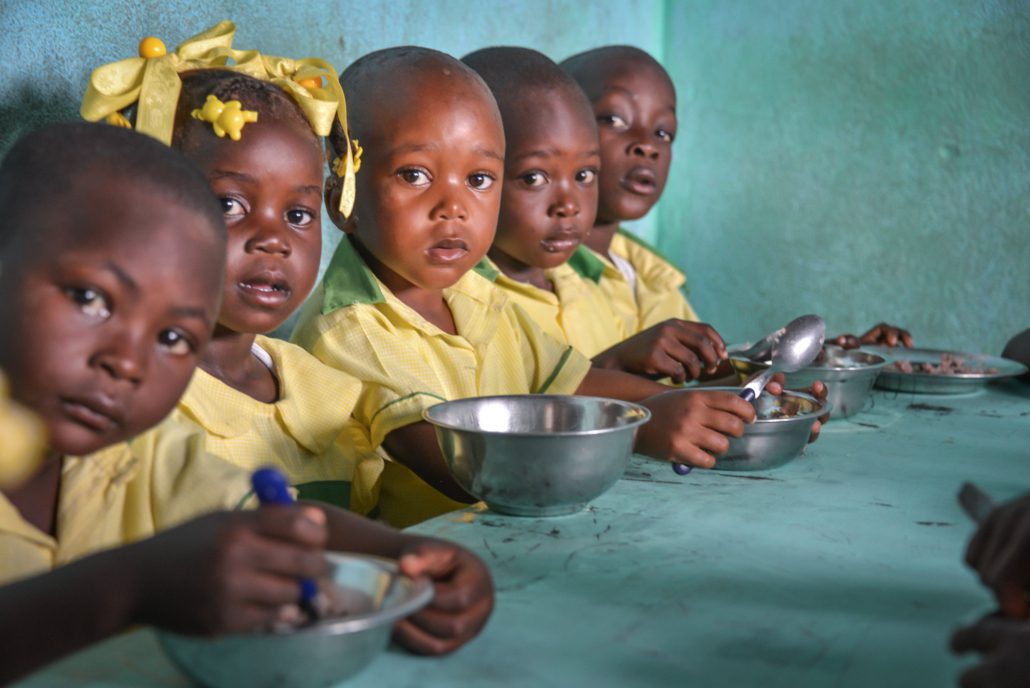
The United Nations has identified Haiti as one of the most pressing hunger “hotspots” in the world Despite the levels of hunger in Haiti, UN relief agencies such as the World Food Programme (WFP) have plans in place to aid the country. The biggest food safety net in the country is in the form of school feeding plans, with approximately 300,000 children being fed a day in more than 1,000 schools. WFP has also provided emergency food assistance to more than 150,000 people, as well as cash transfers to allow for independent allocation of resources. On top of these more direct aid efforts, WFP collaborates with communities to develop emergency preparedness and new farming techniques that will allow for long-term resilience in the face of such uncertain times.

Despite the scale of this aid, funding and donations are crucial to its maintenance. Donations and an upscale of attention from governments around the world are central to developing these funds. For 2023, the WFP is helping 1.47 million people through its various aid techniques. So far, as a part of those techniques, the WFP’s emergency assistance has helped countless people on the verge of starvation. In 2022, the WFP delivered food to 723,000 people, as well as transferred $22.9 million in cash to those in need.

In addition to emergency assistance, resilience programs were successfully implemented. Such programs included road and canal building, as well as tree planting. In total, these resilience programs reached 113,000 people, and strive to reach more in the coming year. Reaching funding goals has been crucial to these successes and in the future can dramatically improve levels of hunger in Haiti, saving even more lives than before.

– Lucie Dumont
Photo: Flickr

November 7, 2023
https://borgenproject.org/wp-content/uploads/borgen-project-logo.svg 0 0 Lynsey Alexander https://borgenproject.org/wp-content/uploads/borgen-project-logo.svg Lynsey Alexander2023-11-07 01:30:222024-06-11 00:17:58Everything to Know About Hunger in Haiti
Global Poverty, Hunger

Food or Farming Equipment? Achieving Zero Hunger in Nigeria 

Hunger in Nigeria
With a population of 213 million, Nigeria is the most populous country in Africa, but it suffers from uneven development and rapid population growth. An overwhelming 70% of the population lives below the poverty line, most of whom live in the northeast region. In this region alone, 8.4 million people are food insecure. With an array of fresh crises and so many mouths to feed, solutions are essential to stop Nigeria from falling further into this hunger crisis in Nigeria.

The Hunger Crisis in Nigeria

The northeast of Nigeria has been facing a humanitarian crisis for over a decade. In 2023, access to food is under threat due to increasing costs, armed violence and banditry specifically targeted at farmers. The increase in refugees in the region, mainly from Cameroon, has worsened this crisis. As of July 2023, Nigeria registered 87,228 refugees from Cameroon, who fled conflict in their country. Nigeria has displayed inspiring dedication to humanitarian goals by welcoming the refugees and allowing them to work in their country, but it does make their struggles for zero hunger a more dire situation.

The Importance of Farming in Nigeria

Perhaps surprisingly considering the crisis, estimates have indicated that more than 70% of Nigerians work in agriculture. The Nigerian economy is therefore closely tied to agriculture, as are many Nigerian livelihoods.

The solution to the hunger crisis is therefore more complex than increasing food importation. According to Adeole Akinola, a specialist in the region, reliance on imports would “incapacitate those rural dwellers that rely on the sale of their farm products.”

Why the Farming Industry is Not More Developed

Despite its clear cultural and economic importance, agriculture remains underdeveloped in Nigeria. Smallholders produce 90% of the food consumed in the country. These small-scale farmers often lack the machinery to optimize their yield and suffer attacks due to security issues.

The main reason why farming has remained in these precarious conditions and not developed into a larger industry is because of governmental focus. For most of the 20th century, the government believed that oil would provide the bulk of Nigeria’s GDP, leading to the neglect of other sectors.

As of today, the oil industry accounts for somewhere between 6% to 9% of Nigerian GDP. Agriculture accounts for more than 22%.

How Aid Can Eliminate Hunger in Nigeria

The obstacles to zero hunger in northeast Nigeria have not gone unnoticed in the global community. The U.K. has provided £38 million in aid, which has gone toward providing humanitarian assistance. Foreign Secretary James Cleverly states that the aid is “saving lives” and adds that “the international community must support these efforts.”

Food security is at its lowest between June and August when there is no harvest. In August 2023 alone, the World Food Programme (WFP) gave 9,932 new refugees emergency food provisions in the northeast region. However, WFP recognizes that the crisis will only persist, and has requested an urgent $152 million USD – even as the new harvest comes into effect – to continue to keep the situation under control.

In the meantime, there is a clear market.

Zero hunger will not occur with the current state of the Nigerian agricultural industry. Nigerian farmers need more security, as well as better equipment to increase their yield. The International Trade Administration recognizes that Nigeria is “a big window of opportunity for suppliers of agricultural equipment.”

Empowering Nigerian farmers seems to be the best way towards zero hunger and a solution beneficial to all.

– Luke Gouldson
Photo: Pixabay

November 4, 2023
https://borgenproject.org/wp-content/uploads/borgen-project-logo.svg 0 0 Jennifer Philipp https://borgenproject.org/wp-content/uploads/borgen-project-logo.svg Jennifer Philipp2023-11-04 03:00:592023-11-03 01:53:45Food or Farming Equipment? Achieving Zero Hunger in Nigeria 
Global Poverty, Hunger

Mary’s Meals is Reducing Hunger in Ethiopia

Hunger in EthiopiaAs of 2022, Ethiopia has 123 million citizens, making it Africa’s second most populous country. With a fertility rate of 4.6 children born per woman, projections have indicated its population will have significant growth moving forward. This has exacerbated the problem of hunger and poverty among Ethiopians. One organization, Mary’s Meals, noticed Ethiopia’s need for support and is attempting to reduce hunger in Ethiopia.

Mary’s Meals

Mary’s Meals is a nonprofit organization that Magnus MacFarlane-Barrow founded. It works to provide school meals to impoverished communities around the world. The organization believes that every child should have one nutritious meal daily. Magnus argues that this meal should be available at school. He asks, “How can any part of the human family make progress if its children are without adequate food and access to at least a basic education?”

A meal provides nourishment, enables access to education and provides hope for a different future.

Ethiopian Outreach

Mary’s Meals spread to Ethiopia in 2017. It now supplies meals to 24,320 Ethiopian children in the semi-arid impoverished Tigray region in an effort to reduce hunger in Ethiopia.

It costs $2,794 to feed a child for a year, and people around the world share their resources to help feed these children.

School Feeding Program

Mary’s Meals has been serving Ethiopia since 2017, working with a trusted in-country partner to deliver and support the sourcing, cooking and serving of meals to children in 36 places of education. Children in Tigray recently shared what a meal and education meant to them with Mary’s Meals staff.

Making a Difference

According to reports, Ethiopia is one of the poorest countries, ranking at 32, according to the Global Finance Magazine. An estimated 36% of children under the age of five have stunted growth. Ethiopia also has a very high school dropout rate, with an estimated 66% of children not completing primary school.  

Because of these statistics, children attend school where they can receive a meal and an education which can be a changing point and a lift out of poverty. It can also be a bridge to a better tomorrow. Helena Finnegan and the organization believes this is the turning point for making a difference. 

She shared that it is crucial to have a partnership to make a school-feeding program possible. Mary’s Meals’ in-country partner delivers the program with the commitment of dozens of local volunteers. The volunteers prepare, cook and serve the meals, ensuring that more than 24,000 children receive a meal. For many children it is the only meal they receive in 24 hours.

Devastation in Ethiopia

Mary’s Meals believes that its ability to continue providing meals throughout a sudden two-year civil war is a very great accomplishment as Tigray has been at the center of the conflict.

Since thousands of people had to leave their homes when this sudden conflict occurred, Mary’s Meals’ trusted in-country partner was able to pivot from feeding children at school to delivering emergency food to more than a dozen centers in Mekelle where people sought refuge. 

Visiting Ethiopia

When asked about their hands-on work done in Ethiopia, Helena Finnegan said, “While periodic in-country visits are needed to provide support and check on program status and impact, etc., these visits are undertaken in conjunction with other regional trips to maximize outreach efficiently. During the two-year conflict, it was not possible to travel to Tigray, and communications were sporadic, so this recent visit to reconnect and ensure support was particularly meaningful for everyone.”

Improvement

As Mary’s Meals’ founder, Magnus MacFarlane-Barrow says, “We always want to reach the places where life is most difficult for children, where people are suffering the most…In the many countries in which we serve such as Ethiopia, Haiti, South Sudan, Syria and Yemen, that is made even more challenging due to conflict and climate shocks.” 

After 21 years, Mary’s Meals has created and grown a well-organized, efficient and low-cost school feeding model for the students of Ethiopia who are unable to afford meals outside of school. 

Looking Ahead

When asked about the future, Helena Finnegan said, “A visit this summer enabled us to review the situation, meet with the partner and communities to determine their needs and the best ways to move forward in re-establishing the feeding programs back in schools/places of education. 

We are looking forward to partnering with the local Tigray communities as they work to re-open schools, which will be a process. In many cases, that requires repairing and rebuilding schools and the kitchens where food was prepared and cooked and coordinating the reestablishment of an in-school education program.” 

Mary’s Meals will continue to grow and reduce hunger in Ethiopia using the skills it has developed over the years since establishment.

– Abigail DiCarlo
Photo: Flickr

November 3, 2023
https://borgenproject.org/wp-content/uploads/borgen-project-logo.svg 0 0 Kim Thelwell https://borgenproject.org/wp-content/uploads/borgen-project-logo.svg Kim Thelwell2023-11-03 03:00:072023-11-03 01:39:36Mary’s Meals is Reducing Hunger in Ethiopia
Food Security, Global Poverty, Hunger

How Ramen Noodles Can Fight Global Hunger

Ramen Noodles
Ramen noodles, the humble staple of college students and budget-conscious individuals, emerge as powerful tools for addressing poverty, fostering entrepreneurship and providing emergency relief. Beyond their affordability and widespread popularity, ramen noodles possess unique qualities that make them well-suited for tackling various socioeconomic challenges.

Ramen for Emergency Relief

A key advantage of ramen noodles in the fight against poverty is their extended shelf life. When stored properly, these dried or instant noodles can last for months or even up to a year. This longevity makes them invaluable resources in times of crisis, such as natural disasters or humanitarian emergencies. When disaster strikes, access to food becomes a pressing concern. With their long shelf life, ramen noodles can be stockpiled and distributed efficiently to affected communities. Their simplicity in preparation — just boiling water is required — ensures that even in dire circumstances, people can access a hot meal. 

Initiatives like the World Instant Noodles Association’s (WINA) “Donation of Noodles” program highlight the global reach of ramen as a tool for poverty alleviation. WINA’s efforts involve providing substantial quantities of instant noodles to regions affected by disasters or economic challenges, helping secure access to food for millions of people. In February 2023, WINA donated 100,000 servings of instant noodles to the regions affected by the Turkey-Syria earthquake.

Entrepreneurship Opportunities

Beyond emergency relief, the income-generating potential of ramen noodles can catalyze entrepreneurship, particularly in low-income communities. Many small entrepreneurs around the world have harnessed the appeal of ramen noodles to create thriving businesses. One particular noodle-related success story comes from Hualong County in Qinghai Province, China. Residents of Hualong have used lamian (hand-pulled noodles) to lift themselves out of poverty. A decade ago, nearly half of Hualong’s 300,000-plus residents lived in poverty. Through the development of the lamian industry, Hualong County successfully eradicated poverty in the region. Currently, around 17,000 hand-pulled noodle restaurants, run by Hualong natives, operate across China, with an annual output value of 10 billion yuan ($1.5 billion) and involving 110,000 local people. The country’s government has also introduced initiatives to support poverty-stricken individuals in the lamian industry, leading to thousands emerging from poverty. 

A Path to Food Security

Ramen noodles offer a cost-effective solution for individuals and families struggling with food insecurity. Their affordability allows people on limited budgets to access filling and nourishing meals. This accessibility is vital in the fight against poverty, as inadequate nutrition can perpetuate a cycle of poor health and limited economic opportunities. By providing a source of convenient and satisfying sustenance, these organizations support vulnerable populations in maintaining their well-being. 

Challenges and Considerations

While ramen noodles offer a range of benefits in poverty alleviation, it’s important to acknowledge potential challenges. One concern is the nutritional quality of instant ramen, which can be high in sodium and lack essential nutrients. Organizations and individuals working with ramen for poverty alleviation must consider the need for a balanced diet and explore ways to supplement ramen with fresh and nutritious ingredients. Furthermore, the environmental impact of single-use packaging associated with instant ramen is a concern. Sustainable packaging options and responsible consumption practices are essential to mitigate this issue. 

Conclusion

Ramen noodles, often seen as simple and convenient meals, possess remarkable potential to alleviate poverty, foster entrepreneurship and provide emergency relief. Their long shelf life makes them invaluable in crises, their affordability makes them accessible to those on tight budgets and their popularity has fueled entrepreneurial ventures worldwide. By recognizing the diverse ways ramen is a tool for positive change, individuals, organizations and governments can work together to unlock the potential of this humble noodle to create a more equitable and nourished world.

– Genevieve Martin
Photo: Flickr

November 1, 2023
https://borgenproject.org/wp-content/uploads/borgen-project-logo.svg 0 0 Yuki https://borgenproject.org/wp-content/uploads/borgen-project-logo.svg Yuki2023-11-01 07:30:372023-10-30 01:40:17How Ramen Noodles Can Fight Global Hunger
Food Security, Global Poverty, Hunger

WHO and UNICEF Respond to Hunger in the Horn of Africa

Horn of Africa Climate Crisis
For the last 40 years, the greater Horn of Africa has borne the brunt of changing weather patterns and its knock-on effects. Extended periods of extreme heat and poor rainfall have led to conditions of drought in Ethiopia, Kenya and Somalia. This has affected crop growth and grazing land for animals, destabilizing already fragile subsistence farms and causing widespread hunger, thirst and desperation. Here is some information about what some are doing to address hunger in the Horn of Africa.

The Situation

Despite heavier rainfall during the wet season of 2023, the soil has become parched, damaged by severe and long-term drought and no longer able to absorb water. Floods have destroyed roads, washed away livestock and forced the closure of schools and medical facilities, on top of famine and water insecurity. More than 11 million people have become climate refugees, forced to leave their homes to seek pasture, food, water and medical treatment.

These factors have increased the risk of illness and disease. Contaminated water sources from flooding spread cholera, measles and other waterborne diseases. The nature of changing weather patterns means that extreme weather events such as these may occur more frequently and with more intensity. The resilience of these communities is reducing; many households are unable to bounce back before another onslaught of sickness, famine and financial loss.

Food Insecurity in the Horn of Africa

The number of people experiencing acute food insecurity has reached 45.8 million, with children among the most at risk. Four consecutive dry periods have killed crops and livestock, reducing the nutritious food available and food prices have inflated due to scarcity. The number of children under 5 years old suffering from malnutrition has skyrocketed to more than 7 million, with 1.9 million children at risk of death across seven countries. 

UNICEF

UNICEF issued an appeal in 2022, calling for funding to provide critical, life-saving treatment such as ready-to-use therapeutic food (RUTF). Supported by donors, the organization addressed hunger in the Horn of Africa by assisting 30 million children and mothers at risk of malnutrition through education, nutrition, immunization and child protection services. Immediate actions also included addressing the water insecurity crisis by drilling water boreholes to improve community resilience to future climate emergencies. Investments in government child social schemes, in addition to nutrition and health systems, address the need for longer-term resilience. 

The World Health Organization (WHO)

The World Health Organization (WHO) has been instrumental in coordinating efforts to treat diseases and provide food, water and sanitation. In Kenya, a rapid response team at county and sub-county levels was established to detect, report on and respond to drought early on. The government food and health emergency plan was revised in Ethiopia, as were the drought response activities. In Somalia, the WHO collaborated with UNICEF and 53 health partners to address the needs of internally displaced people. International cooperation between Somalia, Ethiopia and Kenya will combat the cholera outbreak. In Uganda, the WHO is responding to the measles outbreak by assisting with vaccinations and donating equipment to manage the number of cases. Along with the Ministry of Health, the WHO is training health workers, including nutrition leads, to manage health complications in Djibouti. 

Prompt responses to the effects of drought are crucial to the reduction of hunger in the Horn of Africa. Long-term damage to children’s well-being and devastation to livelihoods and the economy can be averted through a timely and well-coordinated course of action.

– Lydia Greene
Photo: Flickr

November 1, 2023
https://borgenproject.org/wp-content/uploads/borgen-project-logo.svg 0 0 Lynsey Alexander https://borgenproject.org/wp-content/uploads/borgen-project-logo.svg Lynsey Alexander2023-11-01 03:55:222023-11-03 05:19:16WHO and UNICEF Respond to Hunger in the Horn of Africa
Global Poverty, Hunger

5 Ways Foreign Policy Has Helped Tackle the Famine in Ethiopia

Famine in Ethiopia
Ethiopia is currently experiencing its sixth consecutively failed rainy season, prolonging a drought that is already affecting more than 30 million people. In 2023, Ethiopia still ranks number two on the world watch list, with 2023 global warming worsening the need for humanitarian aid. However, while Ethiopia is facing numerous challenges with famine, the world rallies together to try and relieve some of the suffering they are currently experiencing. With foreign aid in Ethiopia, significant progress has occurred in addressing this crisis. Here are five ways in which foreign policy and aid have played a crucial role in combating famine in Ethiopia.

1. Food Assistance

Foreign aid is instrumental in providing essential food assistance to those whom famine in Ethiopia has affected. Through partnerships with international organizations and donor countries, vulnerable communities have received food supplies, helping to alleviate hunger and malnutrition. A main example of this in regard to the Ethiopian famine includes the UN World Food Program (WFP). This program currently serves as a primary form of relief and food assistance for famine sufferers in Ethiopia, with new and enhanced controls being introduced to provide food security in more complex areas, such as Tigray, a zone that war has damaged. These measures have emerged to prevent food from falling into the wrong hands and being stolen from those who need it most and include tracking and digital registration of recipients and locations to ensure those in need of food security receive it. 

2. Agricultural Development

Agriculture is at the heart of Ethiopia’s economy, with 80% of its population residing in rural areas, where agriculture is their main source of income. With six consecutively failed harvest seasons, Ethiopia has been unable to feed its population that depends on the land to grow and sell its food. That is why a large focus of foreign aid in Ethiopia is directed at stimulating agricultural development by fertilizing land, teaching new skills and how to farm in differing conditions and investing in agricultural measures and equipment. This empowers local farmers to improve their practices, learn new ways of farming, enhance food production capabilities and create sustainable solutions to combat famine. While investing aid into agricultural development may not provide immediate relief, it has been proven to have long-lasting effects, providing Ethiopia with a more stable food security journey for the years to come. 

3. Health Care Support

Foreign aid also contributes to improving health care services in famine-affected areas. The United States is the main provider of humanitarian assistance in Ethiopia, providing the country with $331 million in foreign aid. This investment equips Ethiopia with life-saving support such as sanitation, hygiene, shelter and safe drinking water. By investing in medical infrastructure, training health care professionals and providing essential medical supplies, foreign policy initiatives have helped to address health challenges and reduce the impact of diseases, improving the overall well-being of the population.

4. Education Promotion

Foreign aid also extends to investments in education for Ethiopia, a crucial factor in breaking the cycle of poverty and famine. Foreign aid in terms of education paves the way for the building of schools, providing of educational resources, teacher training programs and equal quality educational access for all children in Ethiopia. This empowers individuals with the knowledge and skills needed to break the cycle of poverty and create sustainable solutions.

By promoting education, Ethiopians become more equipped to improve their agricultural practices, make informed decisions about their health and well-being and move their dependence upon agricultural systems to other focuses in their economy. Moreover, organizations such as Menschen fur Menschen target keeping women in education, providing statistics that show that educated women have fewer children and therefore have more opportunities in the working world to lift themselves out of poverty. Education fosters resilience and empowers communities to adapt to changing circumstances, such as drought, ultimately reducing vulnerability to famine. 

5. Infrastructure Investment

Investment in infrastructure plays a vital role in addressing famine in Ethiopia, as most of the population lives in rural areas. Infrastructure consists of physical systems and structures put in place that underpin society, such as roads, and without them, a developed modern life would not be possible. Infrastructure helps improve transportation, allows access to markets and enhances food security. Projects, such as building roads and irrigation systems, enable efficient distribution of food and resources to famine-affected areas. Additionally, developing infrastructure lessens vulnerability as it creates economic opportunities, improves agricultural productivity and enhances the overall resilience of communities in the face of food shortages.

Looking Ahead

Foreign policy and aid have been instrumental in addressing famine in Ethiopia. Through food assistance, agricultural development, health care support, education promotion and infrastructure investment, foreign aid has a positive impact in combating famine and improving the lives of people in Ethiopia. Continued international cooperation and support are essential to sustain efforts and contribute to a hunger-free future in Ethiopia.

 – Ellis Nicoll
Photo: Flickr

October 29, 2023
https://borgenproject.org/wp-content/uploads/borgen-project-logo.svg 0 0 Yuki https://borgenproject.org/wp-content/uploads/borgen-project-logo.svg Yuki2023-10-29 07:30:382023-10-25 08:01:475 Ways Foreign Policy Has Helped Tackle the Famine in Ethiopia
Food Security, Global Poverty, Hunger

The Plan To Fight Hunger in Sudan

Hunger in SudanOn September 9, 2023, the Food and Agriculture Organization (FAO) launched a new plan to tackle hunger in Sudan. The Emergency Livelihood Response Plan (ELRP) for Sudan will support Sudanese individuals affected by the ongoing civil war.

To fight hunger in Sudan, the FAO will boost agricultural prosperity in the distribution of supplies, including seeds and treatment equipment for livestock. The plan aims to support 10.1 million people in Sudan and claims it will require $123 million in funding to implement over the next 12 months. 

Food Security in Sudan

The food situation in Sudan has worsened since the outbreak of war on April 15, 2023, when the Sudanese Armed Forces clashed with the Rapid Support Forces in Khartoum. Violence and resulting displacement have significantly impacted the country’s food supply system, which has led to hunger and malnutrition within Sudanese communities. 

With a population of 48.6 million, more than 20 million (42% of Sudanese) are thought to be food insecure. Record high levels of food insecurity have been seen each year since 2020. As a result, the World Food Programme (WFP) has placed Sudan in the highest emergency response category. The Overarching goals of the WFP in Sudan in the wake of the crisis reflect some of the country’s most pressing issues: treatment for malnutrition, the provision of school meals and the wider employment of common services — namely, logistics and telecommunication. 

The FAO’s Latest Plan

Four main priorities front the FAO’s new strategy to improve the food security situation in Sudan: high-quality seed, livestock and veterinary support, fisheries support and cash+ modality. A shared action between these branches of support is the plan to target specific households, using data to determine the most vulnerable farmers or fishers. For example, they seek to know who will benefit significantly from the program. 

Cash+ modality is an extensive method of support. For the Sudan ELRP, using cash+ involves a combination of ‘unconditional cash assistance and in-kind support coupled with training during the dry season’ (FAO). It is a two-fold mechanism that will provide varied aid to vulnerable agricultural households. The FAO’s outline for its plan addresses the need for specially designed, time-sensitive assistance to ensure the food security situation in Sudan can improve all year round. 

As it tackles the issue of hunger, the ELRP for Sudan primarily comes under the progress of Sustainable Development Goal 2 (SDG 2), which aims to eradicate global hunger by 2030. The FAO also incorporates other SDGs into its plan for Sudan. For example, it will make progress towards SDG 5 (Gender Equality) in directing priority support towards female-headed agricultural households in the country since these households are statistically more food insecure than those headed by men. 

Conclusion

The FAO has a vast history of achievement, from its conception in 1945 to the present day. Amongst these successes, the FAO helped halve hunger statistics for individuals in Latin America and the Caribbean, currently maintains the largest global statistical database on food and agriculture and eradicated rinderpest. This disease proved fatal to livestock. 

Such a list of past achievements makes the FAO one of the key organizations in the fight to end extreme poverty. The planned improvement of food security and agricultural provisions in Sudan is a step towards advancing humanitarian aims and achieving global equality.

– Alice Weatherley
Photo: Unsplash

October 15, 2023
https://borgenproject.org/wp-content/uploads/borgen-project-logo.svg 0 0 Yuki https://borgenproject.org/wp-content/uploads/borgen-project-logo.svg Yuki2023-10-15 07:30:252023-10-11 19:42:04The Plan To Fight Hunger in Sudan
Page 11 of 72«‹910111213›»

Get Smarter

  • Global Poverty 101
  • Global Poverty… The Good News
  • Global Poverty & U.S. Jobs
  • Global Poverty and National Security
  • Innovative Solutions to Poverty
  • Global Poverty & Aid FAQ’s
Search Search

Take Action

  • Call Congress
  • Email Congress
  • Donate
  • 30 Ways to Help
  • Volunteer Ops
  • Internships
  • Courses & Certificates
  • The Podcast
Borgen Project

“The Borgen Project is an incredible nonprofit organization that is addressing poverty and hunger and working towards ending them.”

-The Huffington Post

Inside The Borgen Project

  • Contact
  • About
  • Financials
  • President
  • Board of Directors
  • Board of Advisors

International Links

  • UK Email Parliament
  • UK Donate
  • Canada Email Parliament

Get Smarter

  • Global Poverty 101
  • Global Poverty… The Good News
  • Global Poverty & U.S. Jobs
  • Global Poverty and National Security
  • Innovative Solutions to Poverty
  • Global Poverty & Aid FAQ’s

Ways to Help

  • Call Congress
  • Email Congress
  • Donate
  • 30 Ways to Help
  • Volunteer Ops
  • Internships
  • Courses & Certificates
  • The Podcast
Scroll to top Scroll to top Scroll to top