• Link to X
  • Link to Facebook
  • Link to Instagram
  • Link to TikTok
  • Link to Youtube
  • About
    • About Us
      • President
      • Board of Directors
      • Board of Advisors
      • Financials
      • Our Methodology
      • Success Tracker
      • Contact
  • Act Now
    • 30 Ways to Help
      • Email Congress
      • Call Congress
      • Volunteer
      • Courses & Certificates
      • Be a Donor
    • Internships
      • In-Office Internships
      • Remote Internships
    • Legislation
      • Politics 101
  • The Blog
  • The Podcast
  • Magazine
  • Donate
  • Click to open the search input field Click to open the search input field Search
  • Menu Menu

Archive for category: Humanitarian Aid

COVID-19, Education, Global Poverty, Humanitarian Aid, Refugees and Displaced Persons

How Sesame Workshop is Helping Syrian Refugees in Poverty

Syrian refugeesThe Syrian Arab Republic is a country in the Middle East with a rich and unique history that goes back as far as 10,000 years. More recently, political instability led to the Syrian civil war, which has created a humanitarian crisis that extends far beyond its borders. Syrian refugees are now found all around the world, having left their country fleeing the war. This has had a particularly severe impact on Syrian children.
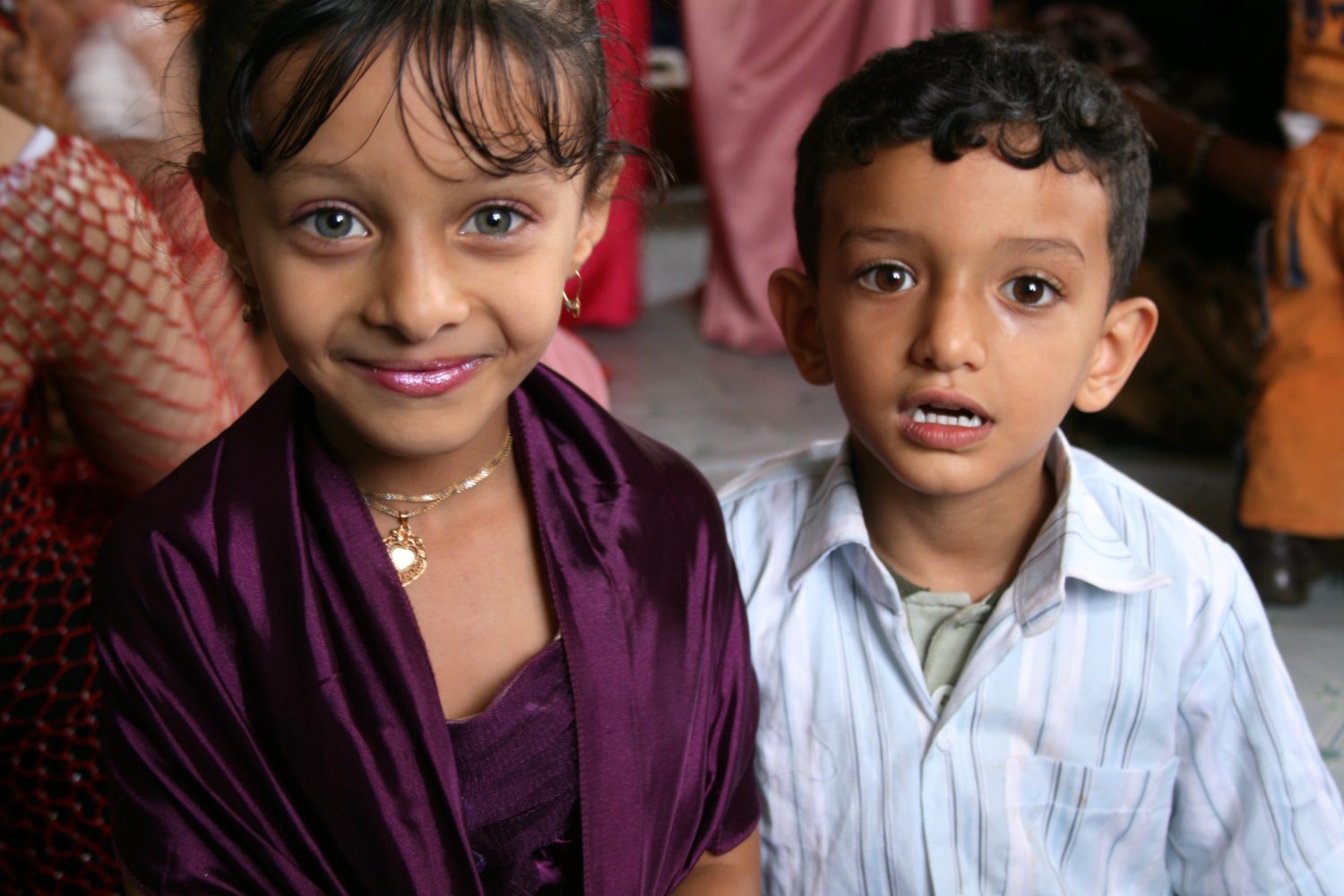
The Syrian Refugee Crisis

Many Syrians have been forced to relocate in order to escape violence and the indiscriminate bombings of roads, schools and hospitals at home. The U.N. estimates that more than 6 million Syrians are displaced outside of Syria, while another 6 million have fled to other parts of the country. In the Northwest region of Idlib, nearly 900,000 Syrians have fled since December 2019.

Although many Syrian refugees have fled to overflowing refugee camps for temporary relocation and safety, others flee to unstable urban settings instead in the hopes of permanent relocation. As many as 70% of Syrian refugees are living in severe poverty.

This humanitarian crisis was recently worsened by the COVID-19 pandemic. Syrian refugees’ need for food, medicine and access to clean water has increased. Delays in importing necessities has reduced refugees’ access to these essential items.

The Sesame Workshop: Helping Syrian Children

Of all humanitarian aid for the Syrian refugee crisis, only 2% goes to education. An even smaller chunk goes to support early childhood education. Considering that nearly half of all Syrian refugees are children, this aid is essential.

In 2017, the MacArthur Foundation provided the International Rescue Committee (IRC) and Sesame Workshop with a $100 million grant to fund a childhood education program for Syrian refugees. The IRC is an international NGO that has been providing humanitarian resources in Syria since the conflict first began. Sesame Workshop, the creators of the Sesame Street educational program for children around the world, partnered with the IRC to create “Ahlan Simsim,” meaning “Welcome Sesame” in Arabic.

The show will reach Syria, Iraq, Jordan and Lebanon to provide the refugees in Syria and the surrounding countries with quality education. This new version of Sesame Street is provided in both Arabic and Kurdish.

“Ahlan Simsim” has three main characters. Basma is a six-year-old purple muppet with two pigtails. She loves to sing and dance and is best friends with Jad. Jad is also six years old and is a yellow muppet who just moved into the neighborhood. Finally, Ma’zooza is a funny and hungry baby goat who follows both Basma and Jad on their adventures.

These new characters start with the basics: they teach young refugees about fundamental skills, such as emotions and the alphabet. They help their young audience gain educational skills and understand the world around them in a nurturing way. Despite the COVID-19 pandemic, the IRC and Sesame Workshop are still providing technological learning opportunities, resources for local implementation and preschool spaces for safe learning and playing. They also continue to advocate for these essential education programs.

Moving Forward

The Syrian refugee population is considered to be the most displaced population in the world. At this point, there are many Syrian children who were born into the conflict and do not know a life without it. The IRC and Sesame Workshop are working to ensure that these children have a stable future in which their lives can be defined by new opportunities.

– Camryn Anthony
Photo: Flickr

September 3, 2020
https://borgenproject.org/wp-content/uploads/borgen-project-logo.svg 0 0 Kim Thelwell https://borgenproject.org/wp-content/uploads/borgen-project-logo.svg Kim Thelwell2020-09-03 17:49:582020-09-04 06:45:20How Sesame Workshop is Helping Syrian Refugees in Poverty
Global Poverty, Humanitarian Aid

5 Celebrities Who Advocate For Yemen

Celebrities who advocated for YemenYemen is currently facing the largest humanitarian crisis in the world. In fact, 80% of 24 million Yemen citizens are in dire need of humanitarian aid and around 50% of them are children. On top of battling high poverty and famine rates, Yemen has also had to handle the rapid spread of COVID-19. Many healthcare workers are volunteering their services while not receiving a salary. Meanwhile, 10.2 million children do not have access to basic healthcare and now their futures are uncertain. Additionally, the ecology issue in Yemen is partially responsible for political instability. Yemen’s lack of a main water source has led to a low supply of food. This unfortunate problem has created many disputes in rural areas over food and water supplies. The quarrels are responsible for about 4,000 deaths each year. These conflicts have led many American celebrities to advocate for the country. Below are five celebrities who advocate for Yemen.

5 Celebrities Who Advocate For Yemen

  1. Halsey: Halsey is an American singer, songwriter and activist who advocates on her social media about the humanitarian crisis Yemen is currently experiencing. She shared that she made a $20,000 donation to help the children who are suffering. Halsey encourages her supporters to shed a light on Yemen’s issue by sharing her post and donating.
  2. George Clooney: Back in 2017, George Clooney, an American actor, film producer, director and activist, began advocating on the crisis in Yemen and other neighboring countries. People know him well for his humanitarian services. At the time, he encouraged all Americans to contribute donations for those suffering on impoverished lands.
  3. Gigi Hadid: The American fashion model Gigi Hadid advocated about Yemen’s crisis through an Instagram story. She brought awareness by sharing a post from an Instagram account named @muslim. In addition, Hadid provided a post with links for her fans to donate.
  4. Ben Stiller: Since 2017, Ben Stiller, an American actor, comedian, film producer, film director and writer has been urging citizens to pay attention to countries facing huge humanitarian crises. These countries include Somalia and its neighboring territories. He posted a two-minute video on his Twitter, informing viewers of how citizens are dying due to the lack of resources in countries like Yemen.
  5. Mark Ruffalo: The American actor and producer who many know for his role in “Avengers: Endgame” has called for citizens to help stop the ongoing illegal war in Yemen. In a video he recorded, Ruffalo informed his viewers that the United States is providing weapons to Saudi Arabia and that Saudi Arabia is using starvation as a tactic of war. He stated that the U.S. involvement is unconstitutional and needs to stop. Ruffalo has urged people to call Congress and vote for the Sanders-Lee Resolution to end the “unauthorized U.S. war in Yemen.”

When celebrities advocate on behalf of countries in need of aid, such as Yemen, they are bringing awareness to millions of their social media followers who were possibly unaware of foreign issues. By informing fans and making generous donations, the celebrities who advocate for Yemen can change and improve the living conditions of the country’s citizens.

– Megan Ha
Photo: Flickr

August 27, 2020
https://borgenproject.org/wp-content/uploads/borgen-project-logo.svg 0 0 Kim Thelwell https://borgenproject.org/wp-content/uploads/borgen-project-logo.svg Kim Thelwell2020-08-27 01:30:292024-05-29 23:22:235 Celebrities Who Advocate For Yemen
Global Poverty, Humanitarian Aid

The US Fights Crisis in Yemen with a Double-Edged Sword

Crisis in YemenTucked between Saudi Arabia and the Gulf of Aden, Yemen is suffering from the world’s worst humanitarian crisis – and COVID-19 may be the final straw that wipes the Middle Eastern country off the map.

The current crisis in Yemen arises from a complex history of unrest. From 2010 to 2012, the Arab Spring ushered in a period of political rebellion throughout the Middle East. Accordingly, Yemen’s push for democracy facilitated the rocky transition of power from President Ali Abdullah Saleh to his vice president, Abdrabbuh Mansour Hadi. Years of domestic hardship followed.

Islamic Houthi rebels and Saleh loyalists capitalized on Hadi’s weak state and seized control of the capital city of Sanaa in 2014. The following year, Saudi Arabia and the United Arab Emirates formed a coalition of states to invade Yemen, overpower the Houthi-Saleh rebels and reinstate Hadi’s government. More recently, coalition and Houthi alliances splintered, with Yemen as the battleground for new factions.

According to the Human Rights Watch, Saudi-led coalition attacks constitute a majority of the violence in Yemen, with approximately 12 airstrikes per day. Even so, all competing forces contribute to the bloodshed. Civilian deaths and injuries clock in at 17,500 since the conflict escalated in 2015.

Civil War, COVID-19 and Crisis: Yemen is a City on Fire

The onset of the highly infectious COVID-19 set Yemen’s conflict on fire; what remains is a full-blown crisis. Amid continued violence, 24 million Yemenis – 80% of the national population – are in dire need of humanitarian assistance. COVID-19 has worsened the already scarce supply of sanitation and clean water. Health care facilities have been dramatically reduced in capacity.

Thus far, the world has deprived 12 million Yemeni children of humanitarian aid. Innocent boys and girls are fighting for survival, some of which have yet to utter their first words. Moreover, pre-COVID-19, 2 million children faced barriers to education. Now, Yemen has 7.8 million children without schooling due to nation-wide closures.

The US Role in Yemen: Two Sides of a Different Coin

In the U.S., national headlines oscillate between COVID-19 and Donald Trump’s Twitter, with little to no mention of the ongoing crisis in Yemen. Though public awareness lacks, political action has indeed transpired on Capitol Hill.

The U.S. has funneled $721 million in humanitarian assistance to Yemen since 2017. In response to the pandemic, Secretary of State Michael Pompeo directed an additional $225 million in USAID funding to help the resource-stricken country.

Despite seemingly well-intended aid, the U.S. government’s support of coalition states tells a different story. A coalition powerhouse, Saudi Arabia’s authoritarian regime and aggressive military tactics clash against American pillars of democracy and peace. The Saudi-led coalition fly planes fueled by the U.S. military and drop bombs purchased in ongoing munition sales with the United States.

In fact, the U.N. Group of Eminent Experts suspected that the U.S., “may be complicit in war crimes in Yemen through arms sales and intelligence support given to the Saudi-led coalition.”

This year, Congress passed a bipartisan bill to scale back detrimental U.S. involvement in Yemen, ending the practice of the U.S. military refueling aircraft and using intelligence to support the coalition. Ultimately, President Trump vetoed the resolution, and Congress neglected to override Trump’s vote.

In an exclusive interview with The Borgen Project, Rep. Jared Huffman of California explained the significance of the Congressional statement: “I think that tells you that there is bipartisan support for distancing the United States from the military campaign from the Saudis in Yemen and for taking a more humanitarian approach.”

The Future of Fighting Against Crisis in Yemen

The crisis in Yemen presents as convoluted at best and depressing at worst. Fortunately, Huffman sheds light on the efforts unfolding within Congress, and there is a reason for optimism. Huffman declares, “There will be amendments and debates in the days ahead on the 2021 National Defense Authorization Act, and I am sure there will be Yemen amendments as part of that. And so, we’ll keep trying. We’re months away from a national election and some changes that could make it possible for us to go even further.”

Hence, war wages on in Yemen as people battle each other and COVID-19. Yet, another battleground begins at the voting ballot; the upcoming U.S. elections could decide the role the government plays in Middle Eastern politics. In addition, those compelled to help Yemen can donate to reputable organizations, such as UNICEF  or Save The Children.

– Maya Gonzales
Photo: Wikimedia

August 24, 2020
https://borgenproject.org/wp-content/uploads/borgen-project-logo.svg 0 0 Kim Thelwell https://borgenproject.org/wp-content/uploads/borgen-project-logo.svg Kim Thelwell2020-08-24 12:24:112024-05-29 23:22:22The US Fights Crisis in Yemen with a Double-Edged Sword
Activism, Food Insecurity, Global Poverty, Humanitarian Aid

Food Insecurity in Iraq

Food Insecurity in Iraq
Decades of conflict in Iraq have effectively destroyed what was once the center of human civilization. Many view Iraq as a country very costly to the U.S.—another war from which the U.S. must recover. However, the international community’s job is not done. Today, millions of Iraqis are displaced and suffer from food insecurity, a problem that the government has struggled to control. This article will delve into the background of food insecurity in Iraq and what various groups are doing to combat it.

Governance Issues

The oil industry accounts for 90% of Iraqi government revenue. The crash of oil prices caused a $40 billion deficit in the Iraqi budget, cutting this revenue in half. Iraq’s government has been unable to properly fund various institutions. Combined with a 66% rise in population since 2000, this has placed immense stress on the country’s food supply. Constant conflict and the corrupt management of resources have hindered any ability to keep up with this population boom. USAID labels just under one million Iraqis as food insecure. The World Food Program, however, estimates that this number is closer to two million.

While much focus is on obtaining aid from the international community, Iraq has not necessarily focused as much on reforming its own institutions governing agricultural industry networks. Iraq’s State-Owned Enterprises are involved in every step of food production, processing and distribution. The government attempts to distribute food products and support the industry through its bloated Public Distribution System (PDS), which in 2019 cost $1.43 billion, and its yearly $1.25 billion effort to buy wheat and barley from Iraqi farmers at double the international price. Despite these expensive programs, Iraq still ends up importing 50% of its food supply.

Inefficient growth, processing and distribution methods and a reliance on food imports place Iraq in a delicate position. They are susceptible to global food chain supply network failures and the threat of a budget collapse due to the crash of oil prices. Such an occurrence would likely cause the food system to implode without the current level of government intervention. These governance issues, on top of decades of conflict and displacement, have exacerbated food insecurity in Iraq.

The Pandemic

The COVID-19 pandemic has exposed many of the aforementioned issues confronting the Iraqi food supply. Cases in Iraq have skyrocketed during May and June as Iraqis faced the decision of staying home without reliable state support and suffering from lack of income or holding onto their jobs and risking infection.

The pandemic has worsened the already pervasive levels of poverty and food insecurity. Inefficient state institutions and bureaucracy have combined with the pandemic to display the fragility of the Iraqi food supply. There have already been severe shocks in the global supply chain. For a government that relies on imports for 50% of its food supply, this pandemic could cause the crisis of food insecurity in Iraq to spiral. The Iraqi government has faced issues of governance for decades. The pandemic has only emphasized these issues while placing millions of Iraqis at further risk of conflict and disaster.

Humanitarian Efforts

The stark problem of food insecurity in Iraq has caught the eye of many different aid organizations, both in the U.S. government and the intergovernmental level. USAID, the primary U.S. foreign aid organization, has spent years trying to help meet Iraqis’ basic humanitarian needs, especially in the face of seemingly endless conflict. USAID has provided almost $240 million in emergency food assistance to Iraqis since FY 2014. This money goes toward food vouchers, food baskets and cash for food, all under the coordination of the World Food Program (WFP), which the UN Food and Agriculture Organization (FAO) established with the UN General Assembly.

USAID has also supported WFP efforts to create an electronic distribution platform for Iraq’s PDS, which would allow Iraqis to update their locations, use biometrics for identification and improve overall access to food supplies. The WFP, in turn, supports 280,000 internally displaced Iraqis and 76,000 Syrian refugees in Iraq, providing monthly food support mainly through cash transfers. It also provides local, healthy food for over 324,000 schoolchildren in Iraq. The organization is currently looking to expand cash transfers and food access to over 35,000 refugees and 10,000 internally displaced people in response to the COVID-19 pandemic.

The FAO has worked with the WFP in Iraq by focusing on agricultural sustainability. To improve food security and Iraqi self-reliance, the FAO has supported livestock production through capital, seeds, fertilizer and resources to counter disease. It also uses “cash-for-work activities” to enhance local markets and support infrastructure in addition to its efforts to promote labor-saving technology to counteract food insecurity in Iraq.

Looking Forward

Poor food access has been an issue for many years, but the pandemic is making the situation worse. Constant conflict and a lack of effective governance are both serious obstacles to creating a stable food environment for Iraqis, but there is a significant commitment from the international community to shore up Iraqi agricultural sustainability and provide support to individual Iraqis. While many are still in dire need of access to food, organizations like these provide hope for the fight against food insecurity in Iraq.

– Connor Bradbury
Photo: Flickr

August 18, 2020
https://borgenproject.org/wp-content/uploads/borgen-project-logo.svg 0 0 Kim Thelwell https://borgenproject.org/wp-content/uploads/borgen-project-logo.svg Kim Thelwell2020-08-18 12:10:012024-05-29 23:18:58Food Insecurity in Iraq
Global Poverty, Health, Humanitarian Aid, Nonprofit Organizations and NGOs

How the Beirut Explosion Could Impact Health

Beirut Explosion
Though there is still uncertainty about the massive explosion that occurred on August 4, 2020, near the port of Beirut, the capital of Lebanon, there are some facts and predictions about the health outcomes that it has and will cause. NGOs mobilized humanitarian aid teams immediately after the tragedy in an effort to provide aid. The recent explosion could impact much of the population’s health, considering the mass amounts of ammonium nitrate and other toxins in the air, the falling infrastructure and destroyed hospitals, an increasing lack of access to healthcare and the rising demand for emergency response teams. The following four points are a few of the health outcomes and predictions regarding the Beirut explosion, as well as what organizations on the ground are doing to help those the explosion impacted the most.

4 Facts About How the Beirut Explosion Could Impact Health

  1. The toxins in the air could result in detrimental health impacts for much of the population. The Beirut explosion has a link to the storage of about 2,750 tons of ammonium nitrate. As a result, when the explosion occurred, it released multiple toxins into the air. The ammonia in the air is a corrosive gas that may cause cell damage, resulting in a burning feeling in a person’s eyes, nose, throat and respiratory tract. Furthermore, it can cause lung damage, blindness and death. Additionally, the nitrogen oxides in the air are especially dangerous for those with respiratory issues. These toxins are also dangerous to newborns and pregnant women, and could likely cause premature death. The Lebanese Red Cross called for an immediate dispatch of all members in order to help those the explosion impacted. To date, millions of people around the world have donated to this organization.
  2. The explosion resulted in many casualties and some are still unknown. As of August 5, 2020, the death toll from the explosion was around 135, with many people still missing. There were over 5,000 people injured and four hospitals damaged in the blast. These numbers will likely increase in the coming weeks due to the impact of the blast. Additionally, at least 300,000 homes experienced damage and became uninhabitable, with estimates of around a quarter-million people now homeless, leading to further issues in health outcomes and disparities within the population. However, many volunteers, NGOs and the Lebanese Red Cross have set up base camps near the scene of the explosion and have been offering food, shelter and collecting donations and medical supplies to those who lost their homes. There have been other groups that have set up shelter for those who were homeless previous to the explosion and for those who have lost their homes due to the tragedy.
  3. COVID-19 cases are likely to increase. Due to the number of injured people, as well as the ever-increasing amount of hospital patients from the toxins in the air, there is a possibility that swarms of incoming patients will overwhelm hospitals. Additionally, because the Beirut explosion destroyed four hospitals, the loss of personal protection equipment supplies will likely impact the number of coronavirus patients in the coming weeks. According to the WHO, the tragedy reduced the number of hospital beds by 500-600. Due to the strained healthcare system from COVID-19, many organizations have set up camps and clinics near the scene for those who need medical assistance.
  4. The blast could trigger PTSD, depression and health status deterioration. A 2003 study of survivors of a church explosion in Lebanon found that one year after the explosion, 39% of victims had PTSD, 51% were depressed and 45% reported a deterioration in their health status. These percentages were significantly higher than those who did not experience the explosion. Currently, there are many groups on the ground that are working to support survivors of this explosion through medical assistance, offering shelter and food and giving financial support. The Lebanese Red Cross is working to meet emotional support needs and has trained team members who are providing crisis counseling to the community.

Beirut has a population of nearly 2.5 million people, all of whom may be at risk of detrimental health outcomes from the explosion. When considering the impacts of the toxins in the air, destroyed housing and other vital infrastructure and mental health impacts from the Beirut explosion, it is critical for experts to account for and properly assess present and future health outcomes in order to aid the affected civilians. The most reliable and effective place to donate is through the Lebanese Red Cross. Thirty teams mobilized to work on the ground in Beirut; they worked on rescuing and searching for the wounded, and treating them on-site and/or transporting them to hospitals. Additionally, Lebanese Red Cross teams have provided emergency shelter for thousands of families, with goals to shelter over 10,000 families in the coming months, as well as offer food, water, hygiene kits and PPE to families.

– Naomi Schmeck
Photo: Wikipedia

August 7, 2020
https://borgenproject.org/wp-content/uploads/borgen-project-logo.svg 0 0 Jennifer Philipp https://borgenproject.org/wp-content/uploads/borgen-project-logo.svg Jennifer Philipp2020-08-07 14:08:552020-09-10 14:09:09How the Beirut Explosion Could Impact Health
Global Poverty, Humanitarian Aid

3 Organizations Providing Humanitarian Aid in Yemen

Humanitarian Aid in Yemen
Today, Yemen is experiencing the largest humanitarian crisis in the world. The violent conflict is between the Yemeni government, which has backing from Saudi Arabia and the United Arab Emirates (UAE), and the Houthi rebels. This conflict has killed thousands of Yemenis, including women and children, since 2014. The war has torn Yemen apart, with more than 20 million Yemenis facing food insecurity and 10 million at risk of famine. Additionally, there is the general disappearance of public services, a shattered economy, abusive security forces and broken institutions. Humanitarian aid in Yemen is crucial, with 80% of Yemenis in need, necessitating a staggering international effort to save the country.

Economic strife and a lack of governance have exacerbated this humanitarian catastrophe. Hundreds of thousands of households have no steady source of income. With a Saudi-led import restriction, access to the country via ports and airports is nearly nonexistent, so resources like fuel and general aid have struggled to reach those in need. The Houthis have also inhibited the flow of aid, with the U.N. accusing them of stealing food from U.N. food supplies. This issue is multifaceted, and a lack of effective governance and aid management has left millions of Yemenis to suffer. There are organizations working to provide humanitarian aid in Yemen, despite the obstacles and risks that this conflict has created. Here are three organizations providing humanitarian aid in Yemen.

3 Organizations Providing Humanitarian Aid in Yemen

  1. Yemeni-Americans established the organization Yemen Aid in 2016 with the sole mission of providing aid to Yemenis, no matter their identity or beliefs regarding the conflict. Yemen Aid provides food and medical assistance, promotes water and shelter access and assists in general advocacy efforts. Food baskets are the organization’s primary form of food assistance, providing items like wheat flour, kidney beans, vegetable oil, sugar and iodized salt. Yemen Aid provides support for cities throughout the country, also providing resources like goats, sustainability training, rice-soy meals and supplies to respond to natural disasters. As for medical aid, in April 2020, the organization distributed over $2 million worth of supplies to hospitals that serve 2 million patients annually. It has supported water access by building wells, raising awareness about good hygiene practices and aiding the establishment of a camp for refugees, complete with bathrooms, clean water access and solar power. This organization is one of many taking on the challenge of providing humanitarian aid in Yemen. Its efforts show just how many issues require staunch support to save Yemenis caught in the conflict.
  2. As the primary food assistance branch of the U.N., the largest project of the World Food Programme is in Yemen. The World Food Programme (WFP) tries to feed 12 million Yemenis each month. According to the organization, more than 1 million women and 2 million children are in need of treatment for acute malnutrition. The organization already supports 1.1 million women and children under the age of 5 each month, but WFP aims to expand this outreach to more people suffering from acute malnutrition. WFP provides aid primarily through direct food distribution and food vouchers, with a family of six getting monthly supplies of wheat flour, pulses, vegetable oil, sugar and salt. The organization has a system to provide $12 per person, per month, to beneficiaries for the purchase of food supplies. WFP assists thousands of refugees and allocates snacks for over 950,000 schoolchildren, all while facilitating the delivery of and access to general humanitarian aid in Yemen.
  3. The humanitarian medical support nonprofit Doctors Without Borders provides medical aid in countries that conflict has hit hard. In Yemen in 2018, Doctors Without Borders worked in 13 hospitals and supported more than 20 health facilities. This was despite attacks on the medical staff, which forced the organization to suspend aid in some locations. With both violence and the COVID-19 pandemic all but destroying and overwhelming the health system in Yemen, Doctors Without Borders provides invaluable support. In 2018 alone, the organization did over 500,000 outpatient consultations, admitted over 60,000 patients to hospitals and assisted over 24,000 births. The nonprofit also supports surgical care for those caught in indiscriminate air raids and skirmishes, while providing donations and technical support to hospitals throughout Yemen.
Clearly, Yemen is a microcosm of many different aspects of humanitarian strife and conflict. The war between the Houthis and the Yemeni government has decimated the country, and some international actors have contributed to the conflict more than they have helped to mitigate its effects. Fortunately, the larger international community recognizes how serious this issue is, and many, like the three organizations above, have rallied to take it on. While Yemenis are still suffering and at even greater risk due to the COVID-19 pandemic, the efforts these organizations showcase do provide hope for the seemingly insurmountable task of providing consistent, reliable humanitarian aid in Yemen to save those suffering from bitter violence and a lack of support since the conflict began.

– Connor Bradbury
Photo: Flickr

July 29, 2020
https://borgenproject.org/wp-content/uploads/borgen-project-logo.svg 0 0 Jennifer Philipp https://borgenproject.org/wp-content/uploads/borgen-project-logo.svg Jennifer Philipp2020-07-29 08:44:492024-05-29 23:18:513 Organizations Providing Humanitarian Aid in Yemen
Global Poverty, Humanitarian Aid, USAID

USAID’s Work In Uganda

Uganda has been noted as an African country that is on the rise out of poverty. This is partly due to foreign assistance coming from countries like the United States. The United States Agency for International Development (USAID) has carried out work in Uganda excelling improvements in economy, health care, education, and the state of democracy.

Economic Growth

USAID has been engaged in Uganda’s efforts to reduce poverty and hunger. Among many other goals, Uganda and USAID are working with public and private sectors to promote investment, agriculture production, food security and efficient energy usage. US based programs like Development Credit Authority, Feed the Future Youth Leadership for Agriculture and Global Development Alliances, have assisted in Uganda’s success of lowering the poverty rate. By connecting Ugandans with businesses to market their products, USAID is helping to improve household incomes as well as stabilize the country’s gross domestic product. Investments in the future are also being made by training youths for the job market and connecting farmers, refugees, and workers with agricultural resources and trade opportunities.

State of Democracy

USAID works with the Ugandan government to bring up issues regarding transparency, human rights, and justice for citizens. USAID’s democracy program in Uganda particularly focuses on women and youths as a voice to be heard. The USAID’s overall objective of promoting civil society encompasses the opportunity for citizens to part-take in the governing process while leaders are working for the people. Improving the democracy of Uganda will help build a strong and independent country, which in turn will partake in flourishing the entire region.

Education and Training

With a high number of vulnerable children, USAID is working with the Ugandan government to implement plans providing education for young children, while focusing on teaching languages and educating on health, HIV/AIDS and violence. USAID is also striving to develop the future workforce with the Better Outcomes for Children and Youth activities, which helps youths cultivate the skills needed for success, both in work and in life. There is also new training available for teachers, with improved computer technology.

Health and HIV

USAID’s effort in addressing health care issues in Uganda includes eliminating HIV/AIDS through the U.S. President’s Emergency Plan for AIDS Relief (PEPFAR), reducing tuberculosis infection rates, and eradicating malaria under the U.S. President’s Malaria Initiative (PMI). Other health care programs include child and maternal health, family health, and disease prevention, as well as educating young women on sexual violence and HIV/AID protection. Since many diseases are spread through poor sanitation, USAID’s work in Uganda also focuses on improving water sanitation and hygiene practices.

Humanitarian Transitions

Through USAID, the U.S. is helping Uganda with emergency food supplies, health care assistance, and conflict resolution in democracy to improve the country’s status and enhance people’s quality of life. The continuing basis of humanitarian aid effort has made the U.S. the “largest single honor of humanitarian assistance in Uganda,” according to Anne Ackermann, a photojournalist with USAID.

USAID’s continuing work in Uganda, along with the positive outcomes seen by the country so far, underscores the effectiveness of overseas involvement and the power of foreign aid in general. Foreign aid will always have an important role in country development and growth.

– Hung Le

Photo: Flickr

May 23, 2020
https://borgenproject.org/wp-content/uploads/borgen-project-logo.svg 0 0 Jennifer Philipp https://borgenproject.org/wp-content/uploads/borgen-project-logo.svg Jennifer Philipp2020-05-23 01:30:332020-05-19 13:43:58USAID’s Work In Uganda
Global Poverty, Humanitarian Aid, USAID

USAID’s Humanitarian Work in Haiti

USAID’s Humanitarian Work For Haiti
Haiti has been through many economic and political turmoils. Haiti has also faced many natural disasters including hurricanes and earthquakes. The U.S. Agency for International Development (USAID) has been at the forefront of providing aid to help the country continue its development. Here is some information about USAID’s humanitarian work in Haiti.

Economic Development

Haiti has been experiencing many economic challenges, including big and small businesses not getting the tools that they need to flourish, such as training and development guidance. Meanwhile, around 40 percent of Haitians do not have employment. Additionally, farmers are not producing at their fullest potential or selling their products well. Haitians are often living on less than $1.25 a day with the majority of the population relying on family farming for work. However, the growing population, droughts, flooding and lack of access to education and training have affected agriculture.

USAID’s humanitarian work in Haiti has been focusing on helping farmers. USAID’s aim has been to create better incomes by granting increased access to education and training, new and improved technology and an open segway to trade and a fair marketplace. Moreover, USAID has made three key contributions. The first contribution had to do with fostering and maintaining food security. USAID directly trained farmers on new and improved farming practices and techniques. In addition, it also trained the farmers on energy and resource conservations. The second contribution involved connecting the farmers with businesses inside and outside of Haiti to sell their products. The last contribution comprised of creating and maintaining partnerships with corporations, local businesses, government and nonprofit organizations.

The Environment

Haiti is experiencing many environmental issues including deforestation, overfishing, insufficient weather information and lack of support from the government on the issues. USAID is helping by working with communities to set up the working agenda and follow through with set working priorities. It is also providing support during a time of change. In addition, USAID is promoting novel techniques for farming and reforestation. Through its work, USAID reached an agreement to plant more trees to regenerate forests. The agreement also covered boosting cocoa production that resulted in $5.2 million in revenue.

Furthermore, USAID’s work on marine life encompasses the Caribbean Marine Biodiversity Program with a pact of Three Bays National Marine Protected Area and the National Conservation Trust Fund. The Program created an agreement with local fishermen to conserve the environment with provided training. At the same time, USAID hired staff to look over the protected areas.

Finally, USAID has implemented the Climate Smart Solutions program. USAID sets up weather stations for researchers, agriculturalists and environmentalists. This way USAID can monitor the weather and collect accurate data. Additionally, the collected data can help farmers monitor rainfalls and climate change. As a result, the farmers can customize their farming according to their current temperatures.

Health

Haiti’s health system faces many challenges, including that it has a weak health care delivery system in that more than 40 percent of the Haitian population has no access to health care. There is also a lack of qualified health care professionals. As a result, USAID has been working to secure a functional health care delivery system by implementing the U.S. President’s Emergency Program for AIDs Relief (PEPFAR) to address HIV treatment and prevention, maternal and child health and nutrition and reproductive health outside of PEPFAR.

Part of USAID’s care plan involved setting up 164 primary care centers around Haiti to carry out all the necessary care services. USAID’s WASH program collaborates with the Haitian Water and Sanitation Department. The two organizations provide clean water and sanitation to prevent transmitted diseases such as cholera. Hundreds of thousands of children and women are receiving the necessary nutrition that they need. Over 200,000 HIV patients are obtaining testing, prevention and counseling services. Moreover, USAID has allowed the staffing of over 1,400 workers at the 164 health care facilities. As a result, the number of maternal and child deaths have reduced.

Education

Haiti has low school enrollment, poor literacy rates, a lack of government support and limited qualified teachers in the education system. USAID has been involved in upgrading the Haitian education system. USAID invests in reading and teaching programs and helping students with visual impairments to learn. The early-grade reading and writing program trains young children to read and write in Haitian and French. Furthermore, the teaching program trains teachers with new and innovative materials and techniques. USAID has successfully provided thousands of teachers and children with training on children’s reading development. It has supplied teaching and learning materials, including books and other published materials. In addition, USAID enhanced services at the Ministry of Education. USAID also helped schools bounce back from Hurricane Matthew by purchasing furniture for schools and paying for cleaning services.

Other USAID Humanitarian Work

With the political unrest in Haiti, USAID committed to eradicating hunger in the country. USAID has provided the United Nations World Food Programme (WFP) with $1 million. The funding will go towards transporting emergency supplies to war-torn regions, maintaining WFP’s operations, information management and supply storage. USAID is working with WFP to give out a total of 4.4 metric tons of food to the people of Haiti. Thus far, USAID has funded a total of $20 million for food emergencies and activities to upgrade the quality of life. For example, USAID funded activities that promote healthy eating and general assistance of water, sanitation, personal hygiene and shelter.

USAID’s humanitarian work in Haiti is particularly notable since the country has suffered heavily from natural disasters and their socio-economic impact. Additionally, USAID has been trying to address the root cause of issues such as health care reforms and food security. It is encouraging to see that the U.S. has been continually helping to improve lives around the world through the work and accomplishments of USAID.

– Hung Le
Photo: Flickr

April 14, 2020
https://borgenproject.org/wp-content/uploads/borgen-project-logo.svg 0 0 Lynsey Alexander https://borgenproject.org/wp-content/uploads/borgen-project-logo.svg Lynsey Alexander2020-04-14 13:48:442024-05-29 23:15:45USAID’s Humanitarian Work in Haiti
Charity, Global Poverty, Humanitarian Aid

Effective Altruism to Fight Poverty

Effective Altruism 
From an idea and philosophy, Effective Altruism has evolved and transformed into a very broad and cohesive social movement over the years. Though heavily featured in the nonprofit sector, Effective Altruism focuses on scientific projects, policy-making and organizations with the ethos of finding effective ways to do ‘the most good’ and ‘do good better,’ both individually and collectively. Effective Altruism prioritizes a variety of different causes, impartiality and cost-effectiveness, along with assessing potential funding impacts and counterfactual reasoning.

Effective Altruism Singapore

The Borgen Project had an opportunity to get in touch with the Effective Altruism chapter in Singapore, an up and coming organization with a focus on ‘effective giving.’ As an organization, the chapter is able to sustain and appeal to people because of Singapore’s friendly and burgeoning nonprofit environment as well as its relatively wealthier population, and more stable incomes and economy.

With a heavy focus on research and careful analysis, the Effective Altruism Chapter in Singapore, in particular, is able to work on the best cases and understand specific communities in need. Like many of its companion chapters around the world, it also focuses on more neglected issues in global poverty reduction initiatives such as global health and development and factory-farmed animals as well as other problems and existential risks like natural disasters and climate change. Stunting, in particular, is a grave and predominant focus for Effective Altruism Singapore, with a heavy concentration on child and maternal health care malnutrition owing to the fact that nearly 25.8 percent of children in southeast Asia are stunted. Effective Altruism’s evidence-based research patterns and analysis shows that around 30 percent of children in communities across Indonesia and the Philippines experience adverse impacts of stunting.

The GiveWell Framework

Moreover, the chapter employs the more empirical and analytical GiveWell framework in its work to evaluate potentially high-impact giving opportunities in SouthEast Asia. GiveWell, one of the pioneering organizations behind the Effective Altruism movement, focuses on scouting reliable charities that can improve lives the most per dollar so that there is effective and impactful usage of philanthropic funds. The objective is chiefly to deduce how useful it is to give an amount equivalent to a dollar and evaluate how it could potentially impact a specific target community.

In accordance with Effective Altruism’s GiveWell framework, giving opportunities are largely dependent on an in-depth analysis involving thousands of hours of research which it then uses to find top-rated charities backed by evidence, thorough analysis and vetting to ensure transparency and accountability. GiveWell also tries to understand the root causes of issues such as stunting and malnutrition. Organizations such as the Malaria Foundation and Malaria Consortium remain some of GiveWell’s most important recommendations in the health care aspect of its many global poverty alleviation priorities.

The GiveWell Framework’s Role at Effective Altruism Singapore

Consequently, many of Effective Altruism Singapore’s pilot projects and initiatives employ the GiveWell framework as it is helpful while analyzing and understanding some of the high-impact giving opportunities in Southeast Asia, especially in key priority realms like the provision of WASH (Water, Hygiene and Sanitation) services as well as childhood malnutrition. In the year 2018, the chapter focused on looking for organizations and charities that delivered more evidence-based interventions that targeted preventable and cost-effective health issues and impacted some of the poorest populations and communities in Southeast Asia.

To conclude, the workings and functioning of Effective Altruism Singapore help paint a broad picture of the Effective Altruism philosophy and movement as a whole due to its rather abstract nature. It remains groundbreaking and innovative because it offers a more objective as well as a critical approach to addressing and combatting poverty in the long run especially because it aims to use more research and evidence focused methods.

As a whole, it remains an essential and significant reflection into the applications of the ideology and the potential impacts it can have on the way one perceives global poverty-related issues across various communities around the world.

– Shivani Ekkanath
Photo: Wikipedia Commons

March 23, 2020
https://borgenproject.org/wp-content/uploads/borgen-project-logo.svg 0 0 Lynsey Alexander https://borgenproject.org/wp-content/uploads/borgen-project-logo.svg Lynsey Alexander2020-03-23 01:30:302024-05-29 23:15:34Effective Altruism to Fight Poverty
Global Poverty, Humanitarian Aid, Hunger, NGOs

4 Organizations Fighting World Hunger

4 Organizations Fighting World Hunger
Hunger and poverty integrally link together, because most people experiencing chronic hunger live in poverty. Further, most of the world’s hungry reside in developing nations. A 2018 report from the United Nations concluded that the number of people afflicted with chronic hunger was actually rising.  In 2017, there were 821 million people around the globe that were hungry. In other words, hunger affects one in every nine people. World hunger is an issue that demands attention because of its regression throughout the past few years. Additionally, improving food security should boost global health and support the achievement of the Sustainable Development Goal of zero hunger by 2030. There are countless organizations working tirelessly to make a hunger-free world a reality. Below are four organizations fighting world hunger.

4 Organizations Fighting World Hunger

  1. Oxfam International: Oxfam International is a global movement working in more than 90 countries on a multitude of issues. Between 2017 and 2018, Oxfam worked with 22.3 million people to fight inequality and beat poverty. The organization aims to build resilience in communities and campaigns for sustainable change. It operates as a confederation that partners with local organizations. Oxfam believes that hunger in a world of plenty is the result of inequalities such as economic and gender differences. One specific aim is to create a more fair and sustainable global food system. Various programs support small-scale farmers and workers in production with the capacity to provide for increasing populations and reduce poverty. Specifically, the implementation of these sustainable farming techniques in conjunction with advocating for necessary government investments helps to fight against world hunger.
  2. Biodiversity International: Biodiversity International is a global research and development organization working in 35 countries around the world with the aim of fighting world hunger. This organization has a regional presence in Central and South America, West and Central Africa, East and Southern Africa, Central and South Asia and Southeast Asia. It implements various research endeavors and programs based on the idea that agricultural biodiversity provides adequate nutrition for the global population by sustaining the planet. In 2018, Biodiversity International published 145 papers indicating that biodiversity aids in achieving the Sustainable Development Goals, which includes ending hunger. In order to accomplish these goals, Biodiversity International partners with local communities and organizations in low-income countries to target issues specific to that population. All of the research and intervention methods are based around the use of scientific evidence, effective management practices and the implementation of policies to safeguard biodiversity, thus achieving food security globally.
  3. Rise Against Hunger: Rise Against Hunger is a hunger relief organization that aligns itself with the United Nation’s Sustainable Development Goals in its efforts to end world hunger by 2030. In order to achieve this, the organization distributes food and aid to vulnerable populations. In 2018, Rise Against Hunger impacted 794,700 people by providing meals and aid. The organization implements safety nets in order to provide for basic needs while people are planning and putting long term solutions in place. Rise Against Hunger also provides effective and efficient food provisions along with aid during emergency situations. Additional focuses include efforts to build community resilience, self-sufficiency and empowerment. The organization also brings resilient food security by creating long-lasting solutions for fighting world hunger through implementing sustainable agricultural practices, teaching business skills and improving market access.
  4. UNICEF: UNICEF is an organization active in more than 90 countries that focuses on saving the lives of children around the globe. Development is a huge part of providing for vulnerable populations and is especially critical for youth. Combating hunger and implementing accessible food systems is an integral part of the development; it interweaves in almost all of UNICEF’s programs in developing countries. UNICEF’s Survive and Thrive initiatives address the health of children, including early childhood development, health, HIV/AIDS, immunization, water, sanitation, hygiene and nutrition. UNICEF understands that fighting world hunger is necessary for achieving these initiatives and creating a healthier young population. Additionally, the organization provides aid during crisis and emergency situations, which includes ensuring food security for children. Through these programs, UNICEF improved the quality of 15.6 million children’s diets in 2018. UNICEF primarily focuses on children’s issues, but the organization is aware that addressing hunger is a crucial aspect of addressing developmental issues.

Hunger and poverty are issues that inherently tie together. These four organizations address global hunger through diverse programs and disciplines. Through each organizations’ work, achieving the Sustainable Development Goals of fighting world hunger has a profound possibility. 

– Treya Parikh
Photo: Flickr

March 17, 2020
https://borgenproject.org/wp-content/uploads/borgen-project-logo.svg 0 0 Kim Thelwell https://borgenproject.org/wp-content/uploads/borgen-project-logo.svg Kim Thelwell2020-03-17 01:30:062024-05-29 23:14:494 Organizations Fighting World Hunger
Page 18 of 34«‹1617181920›»

Get Smarter

  • Global Poverty 101
  • Global Poverty… The Good News
  • Global Poverty & U.S. Jobs
  • Global Poverty and National Security
  • Innovative Solutions to Poverty
  • Global Poverty & Aid FAQ’s
Search Search

Take Action

  • Call Congress
  • Email Congress
  • Donate
  • 30 Ways to Help
  • Volunteer Ops
  • Internships
  • Courses & Certificates
  • The Podcast
Borgen Project

“The Borgen Project is an incredible nonprofit organization that is addressing poverty and hunger and working towards ending them.”

-The Huffington Post

Inside The Borgen Project

  • Contact
  • About
  • Financials
  • President
  • Board of Directors
  • Board of Advisors

International Links

  • UK Email Parliament
  • UK Donate
  • Canada Email Parliament

Get Smarter

  • Global Poverty 101
  • Global Poverty… The Good News
  • Global Poverty & U.S. Jobs
  • Global Poverty and National Security
  • Innovative Solutions to Poverty
  • Global Poverty & Aid FAQ’s

Ways to Help

  • Call Congress
  • Email Congress
  • Donate
  • 30 Ways to Help
  • Volunteer Ops
  • Internships
  • Courses & Certificates
  • The Podcast
Scroll to top Scroll to top Scroll to top