• Link to X
  • Link to Facebook
  • Link to Instagram
  • Link to TikTok
  • Link to Youtube
  • About
    • About Us
      • President
      • Board of Directors
      • Board of Advisors
      • Financials
      • Our Methodology
      • Success Tracker
      • Contact
  • Act Now
    • 30 Ways to Help
      • Email Congress
      • Call Congress
      • Volunteer
      • Courses & Certificates
      • Be a Donor
    • Internships
      • In-Office Internships
      • Remote Internships
    • Legislation
      • Politics 101
  • The Blog
  • The Podcast
  • Magazine
  • Donate
  • Click to open the search input field Click to open the search input field Search
  • Menu Menu

Archive for category: Human Rights

Information and stories about human rights.

Global Poverty, Human Rights

Upholding the Rights of Roma People in Europe

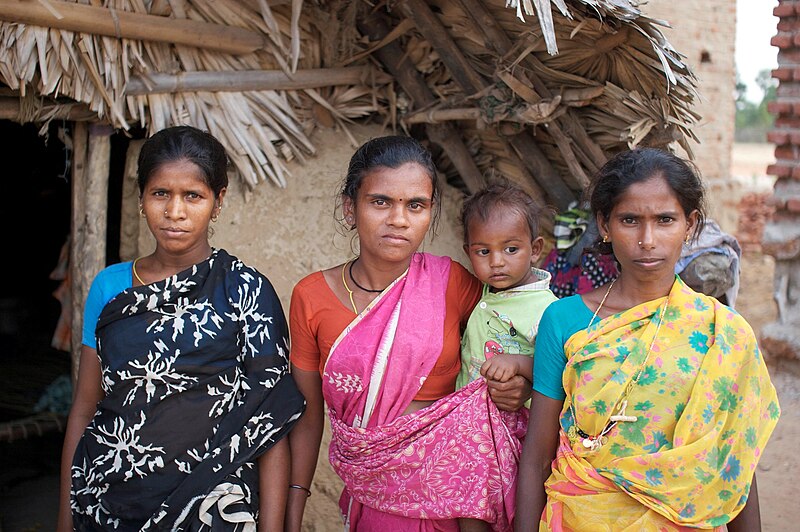
roma people in EuropeThe Roma people originated from Northern India and migrated toward Europe in the ninth century. Romany is the predominant language that the Roma people speak, derived from Sanskrit, an ancient classical language from India. The Roma are often referred to derogatorily as “gypsies” and have faced persecution in Europe for centuries, including during World War II. The Roma people in Europe also endure discrimination and marginalization that puts them at higher risk of poverty.

Poverty Among the Roma

According to UNICEF, the Roma are “one of Europe’s largest and most disadvantaged minority groups.” About 12 million Roma people reside in Europe but many live in slums and do not have access to basic services and resources. Discrimination has resulted in their exclusion and impoverishment.

A 2016 report by the European Union Agency for Fundamental Rights (FRA) highlights that the Roma people face barriers to employment, education, housing and health services. The report is based on a survey of thousands of Romani people across nine EU states.

The report found that almost 80% of Roma people in Europe are at risk of poverty or social exclusion compared to around 23.5% of the EU population in general in 2016. The same report found that one in three Roma people have no access to running tap water in their homes. Statistics also indicate that just about 50% of the Roma have indoor flushing toilets or shower facilities.

The Roma people in Europe have higher health risks than non-Roma people. They are also far less likely to be employed due to discrimination so they often struggle to find adequate housing and have access to food and other necessary support. In 2015, only 30% of Roma people could work to earn an income, which is low compared to Europe’s 70% employment rate at that time. During the onset of the COVID-19 pandemic, the Roma had unequal access to a variety of essential services, including health care.

Roma Children

In addition, one in three Roma children comes from a home where a family member “went to bed hungry at least once in the previous month.” About half of Roma in the age group of 6 and 24 are out of school. Furthermore, 40% of Roma people have experienced an act of discrimination against them “at least once in the past five years.” Romani children face health risks that begin early in life. Roma infants are four times more likely to be underweight at birth in comparison to other infants and are also less likely to have a valid birth certificate, which limits their rights to access essential services. Child marriage is also common among the Roma as marrying off a daughter will lessen the financial burden of the family with one less mouth to feed.

COVID-19 and Roma Exclusion

During the pandemic, the Roma faced hate speech and prejudices from communities who blamed them for the spread of the virus. “Hate speech is especially present in times of crisis,” said Csaba Ferenc Asztalos, president of Romania’s National Council for Combating Discrimination in April 2022. “Resources are less, society is more tense, competition is higher, and then, people resort to prejudices, false news, to gain or to maintain economic or political power. In this context, the Roma are the target of prejudice,” Asztalos explained.

According to the Human Rights Journal, countries in Eastern Europe specifically targeted the Roma population during the pandemic, labeling them as a health and safety threat. Romania, Bulgaria and Slovakia took strong military measures to police and oppress the Roma people. The Bulgarian government-imposed roadblocks and police checkpoints among Roma communities. These actions are reminiscent of older anti-Romani sentiments.

Action to Uphold the Rights of the Roma

In 2021, Romania passed legislation to combat the discrimination against Romani by punishing hate speech and holding those contributing to the continuous social discrimination of the group accountable. The law is the “first of its kind in Europe.”

UNICEF focuses on upholding the rights of Roma children so that they may reach their full potential. UNICEF runs home visit programs to educate families on how to access services in relation to childhood development, health, education and social protection.

In Montenegro, UNICEF has supported social workers to establish a strategy to address discrimination against the Roma and “increase access to social benefits among Roma communities,” the UNICEF website highlights.

Furthermore, in Bulgaria, UNICEF is supporting the operation of programs in three family centers to reduce the prevalence of child marriage among the Roma and strengthen access to high school education for young Roma girls. The programs, which also aim to change societal mindsets about gender, have managed to provide “hundreds of Roma adolescents to date with health and education advice and support,” UNICEF says.

The Roma people in Europe are a highly marginalized group that faces a higher risk of poverty. Comprehensive solutions and strategies to address marginalization and discrimination will help the Roma rise out of poverty.

– Anna Richardson
Photo: Flickr

April 20, 2023
https://borgenproject.org/wp-content/uploads/borgen-project-logo.svg 0 0 Kim Thelwell https://borgenproject.org/wp-content/uploads/borgen-project-logo.svg Kim Thelwell2023-04-20 07:30:322023-04-18 08:22:26Upholding the Rights of Roma People in Europe
Global Poverty, Homelessness, Human Rights

Things to Know About the 8 March Principles

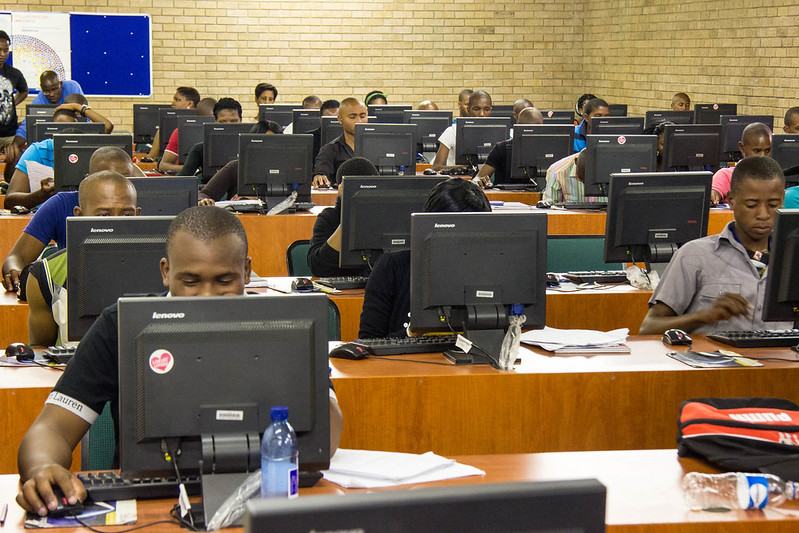
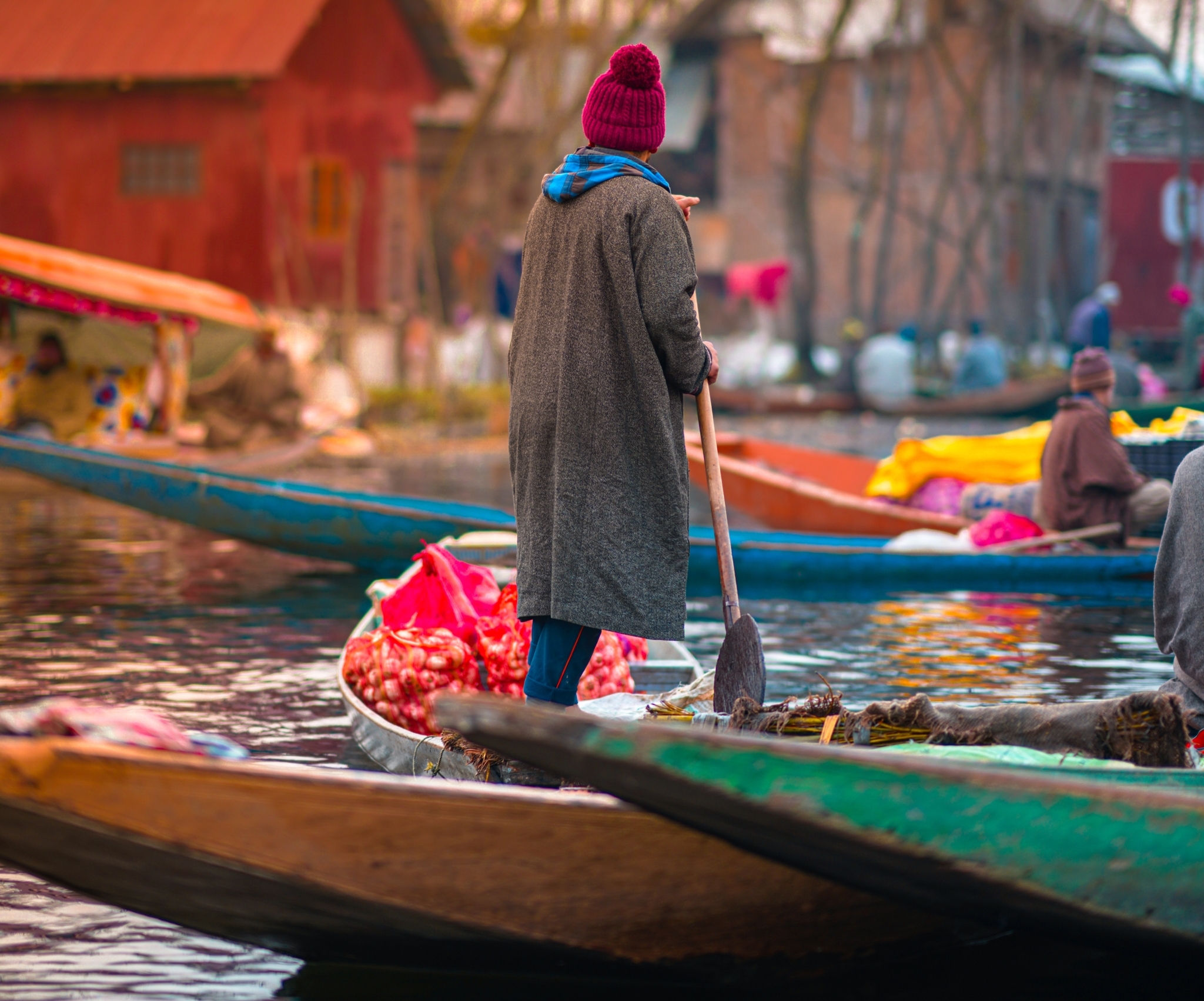
March PrinciplesOn March 8, 2023, the International Committee of Jurists (ICJ) with UNAIDS and the Office of the High Commissioner for Human Rights (OHCHR) launched a new set of expert jurists’ principles called the 8 March Principles to guide the implementation of international human rights law.
Upholding International Human Rights Law

International human rights law enacts commitment from states to respect, protect and fulfill basic human rights. When states become parties to international human rights treaties, the countries agree to not interfere with the “enjoyment of human rights” and “to protect individuals and groups against human rights abuses” while “[taking] positive action to facilitate the enjoyment of basic human rights.”

The Universal Declaration of Human Rights (UDHR) that the United Nations General Assembly adopted on December 10, 1948, first codified international human rights law. Today, the UDHR is widely recognized as the fundamental global standard for human rights. It establishes civil, social, cultural, political and economic rights that every human must receive and that all individuals and societies have a duty to uphold.

The UDHR, International Covenant on Civil and Political Rights (ICCPR) and International Covenant on Economic, Social and Cultural Rights (ICESCR) together form the International Bill of Human Rights. Adopted in 1966, the ICCPR and ICESCR strengthened international human rights law by further outlining the rights that every individual is entitled to.

According to OHCHR, states must adopt and implement international human rights law at both the national and international levels to ensure effectiveness. Alongside international treaties, guidelines and principles, most states adopt national constitutions and other laws, which sometimes reflect regionally-specific concerns, aimed at protecting basic human rights.

The 8 March Principles

Introduced on International Women’s Day 2023, the 8 March Principles address overcriminalization in matters pertaining to sexual activity, gender identity and expression, HIV, drug use, homelessness and poverty. The principles apply international human rights law to correct the injustices of criminal laws that allow governments to prosecute individuals and groups on such bases.

The principles are the outcome of a 2018 workshop that UNAIDS, OHCHR and ICJ held to discuss the harmful human rights impact of criminal laws. The meeting clarified the need for a set of jurists’ principles that would guide courts, legislatures, advocates and prosecutors in addressing the detrimental human rights impact that criminal laws can have. Finalized in 2022, the principles took more than five years to develop.

Despite their name, the 8 March Principles include 21 principles divided into three categories: general part one, general part two and special part three. The first two categories apply general principles of criminal law and international human rights law “to proscribe certain conduct in a non-discriminatory way, respecting the rule of law.” Special part three applies these principles to specifically address the criminalization of conduct related to sex and sex work, drug use and possession, HIV, homelessness and poverty.

Implementation and Progress

According to ICJ’s policy director Ian Seiderman, “Criminal law is among the harshest of tools” that states can use “to exert control over individuals,”  and therefore, should be “a measure of last resort.” Yet, across the world, an increasing “trend toward overcriminalization” is notable.

Currently, for instance, more than 130 countries criminalize HIV exposure, non-disclosure and transmission, according to UNAIDS. The 8 March Principles aim to end discrimination and denial of basic human rights on such bases.

While many states are rapidly implementing the principles, those that are not parties to international human rights treaties have yet to adopt them. The constant push to implement the 8 March Principles at both the national and international levels is integral to global progress. The principles will ensure that no individual or group experiences discrimination regarding these matters and will uphold the basic rights and protections of every human being.

– Brianna Green
Photo: Flickr

April 11, 2023
https://borgenproject.org/wp-content/uploads/borgen-project-logo.svg 0 0 Jennifer Philipp https://borgenproject.org/wp-content/uploads/borgen-project-logo.svg Jennifer Philipp2023-04-11 07:30:102024-05-30 22:30:56Things to Know About the 8 March Principles
Global Poverty, Human Rights

Human Rights in Bosnia and Herzegovina

Human Rights in Bosnia and Herzegovina
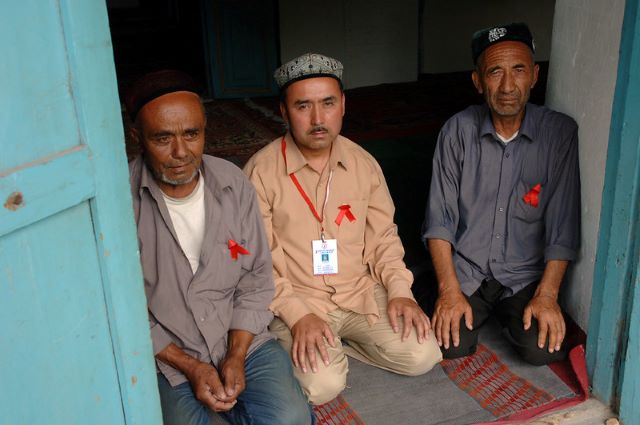
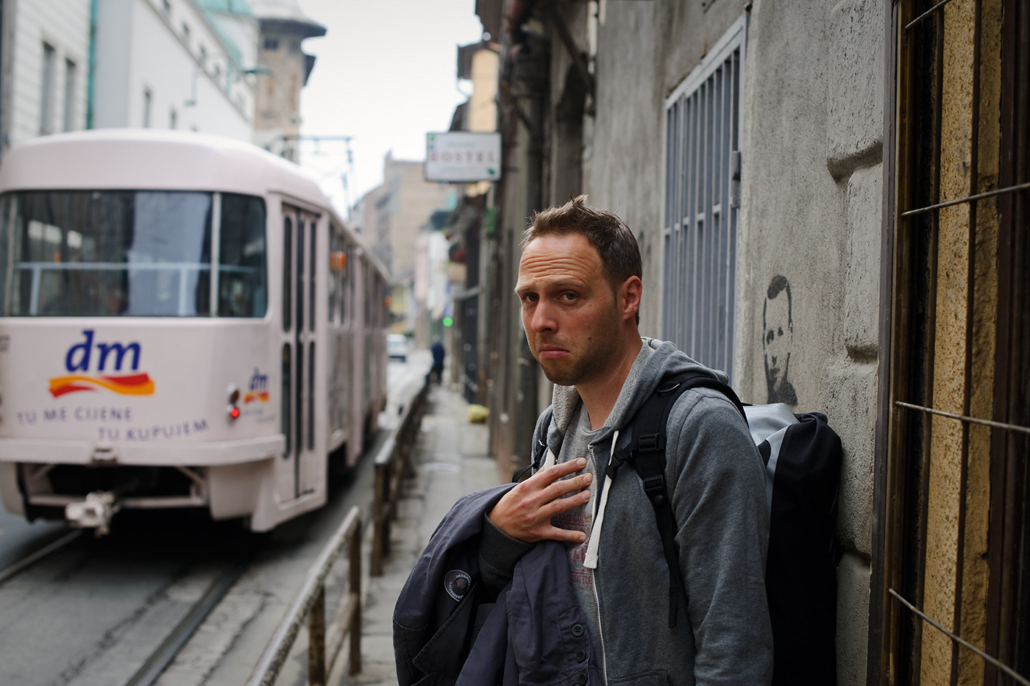
Bosnia and Herzegovina is a country located on the southern peninsula of Europe. Having gained its independence in 1992 following a war with Yugoslavia, Bosnia and Herzegovina is a relatively young country. The 1992-1995 war brought forth conflict between Bosniak, Croatian and Serbian individuals who wished to gain control of the territory. Thirty years later, tension continues to be prominent, challenging human rights in Bosnia and Herzegovina.

War

In March 1992, Bosnia and Herzegovina declared its independence from Yugoslavia. Bosnian Serb minority disagreed with the sovereignty of Bosnia and Herzegovina which led to conflict between ethnic and religious affinities and ultimately led to war as the country abandoned Yugoslavia. The war for independence ultimately caused great disagreement between Croats, Serbs and Bosniaks. During the war, the Bosnian Serb military campaign launched ethnic cleansing operations in an attempt to eliminate the number of Bosniak civilians. The war concluded in 1995 with an estimated 100,000 casualties.

The Borgen Project spoke with Velemir Jankovic, an individual born and raised in Bosnia and Herzegovina before the 1992 war and now lives in the U.S. Velemir describes that war’s impact on his village resulted in “his house being destroyed and him losing everything but hope.” Like Velemir, many refugees sought to escape the casualties of war. With physical destruction and political tension, many citizens still find themselves struggling to settle. While many suffered monetary loss, such as Velemir’s home, others lost family members, leading to great resentment among those the violence of war impacted. These differences have impacted the Bosnian population for the last 30 years.

Unemployment

In 2020, the unemployment rate in Bosnia and Herzegovina stood at 27%. Corruption and slow economic development contribute to low job availability in the area. Not to mention, ethnic conflicts enabled a divide in the country. Prejudice against certain ethnicities continues to be prominent after the war, therefore making it difficult for individuals to work harmoniously alongside one another.

There has been a progressive decrease in the unemployment rate in recent years. In 2014, 57% of Bosnia and Herzegovina’s youth were unemployed. That number has decreased to 14.9% in 2021.

While the country is still figuring out a strong economic structure, financial aid funds infrastructure and facilities for citizens. What may be contributing to the improvement of unemployment is the 2021 Instrument for Pre-accession Assistance (IPA), a €73 million investment for regional development, social protection, as well as employment and public transportation. One can see IPA’s impact on the labor market through the development of wage settings as well as the establishment of unions.

Poverty and the Economy

While unemployment is one of the leading factors in the stagnation of the economy, Bosnia and Herzegovina has not seen an impact on the poverty levels. The poverty rate has steadily remained at 15% between the years 2008 and 2020, according to the World Bank.

While aid enables the country to survive financially, the economy in Bosnia and Herzegovina is depleting. The COVID-19 pandemic caused a significant decrease in consumption in 2020, therefore slipping Bosnia and Herzegovina into “its worst recession in 25 years.”

Not to mention, inflation has increased by 16.7% in 2022. These circumstances create a difficult economic environment for citizens. With low employment rates and high consumer costs, it is very difficult for Bosnians to overcome the poverty rate.

Human Rights

Aside from low infrastructure in the economy, abuse of human rights in Bosnia and Herzegovina continues to occur three decades after the turmoil of the 1992 war. In 2021, there were significant reports of torture or inhumane treatment of civilians by law enforcement. Abuse of power by police also harms individuals such as journalists. It is common for journalists to face violent threats to erase content, prohibiting them from their right to press.

There has also been an increase in gender-based discrimination, in which women are targeted violently and mistreated in the workplace. The tension between ethnic groups continues to be present as well, with Bosnians often planning anti-refugee platforms, using hostility and threats to harm migrant communities, according to the U.S. Department of State.

Organizations Working to Improve the Situation

CARE, a nonprofit that began helping marginalized groups in the area in 1993, has been able to provide aid to many citizens in Bosnia and Herzegovina. It focuses on integrating minority group members into society through supporting local programs such as the Young Men’s Initiative II (YMI II), which it founded in 2006.

The YMI II ultimately joins young men in Bosnia and Herzegovina, teaching them the importance of gender equality. The goal of the program is to educate the younger generation on the importance of unity in efforts to make an impact on the years of tension and discrimination in Bosnia and Herzegovina.

There is an evident issue of human rights in Bosnia and Herzegovina following the 1992 war. Its independence from Yugoslavia enabled prejudice and discrimination among differing ethnicities. Through foreign aid and a steady increase in the employment rate, there is hope that this struggling country improves its social welfare.

– Micaela Carrillo
Photo: Flickr

February 22, 2023
https://borgenproject.org/wp-content/uploads/borgen-project-logo.svg 0 0 Naida Jahic https://borgenproject.org/wp-content/uploads/borgen-project-logo.svg Naida Jahic2023-02-22 07:30:372023-02-21 07:43:10Human Rights in Bosnia and Herzegovina
Global Poverty, Human Rights

Upholding Indigenous Language Rights of the Nez Perce

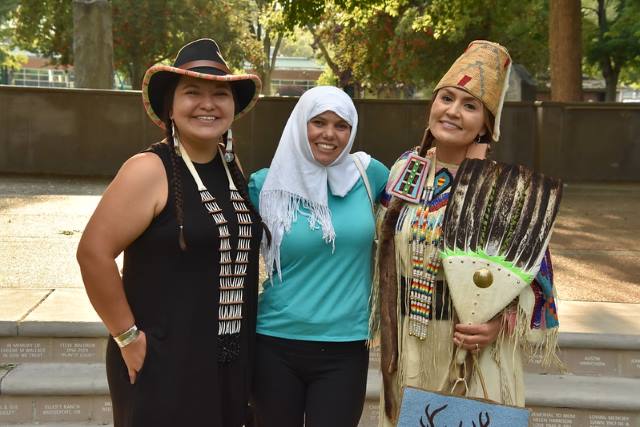
 Indigenous Language RightsThe United Nations Expert Mechanism on the Rights of Indigenous Peoples highlights that the right to language is a human right for all persons and is a specifically crucial right for Indigenous communities across the world. “To be able to communicate in one’s language is fundamental to human dignity and freedom of expression. Beyond daily communication, indigenous peoples’ languages derive and are also crucial to identity, culture, health, governance, socio-economic well-being, spiritual traditions, histories and philosophies,” the U.N. Human Rights Council says.

Furthermore, the U.N. Declaration on the Rights of Indigenous Peoples affirms the right to language “as an inherent right for Indigenous peoples.” Article 3 specifies that “Indigenous peoples have the right to revitalize, use, develop and transmit to future generations their histories, languages, oral traditions, philosophies, writing systems and literature and to designate and retain their own names for communities, places and persons.”

The Nez Perce Tribe, also known as the Nimiipuu people, are the first peoples of north-central Idaho. More than 3,500 members reside in the Nez Perce Reservation located in  Lapwai, Idaho, spanning about 770,000 acres. The Nimipuutímt language is an integral part of Nez Perce culture but risks extinction and is considered critically endangered. Efforts are underway to revive the language and protect Indigenous language rights.

The Nez Perce Language

The right to speak the Nimipuutímt language is one that the tribe has long defended. During the time of westward expansion, the Nimiipuu faced many challenges that led to them fighting to maintain control and access to their ancestral lands, language and identity. The tribe, like many communities speaking smaller or minority languages, had to choose between maintaining their language or receiving resources essential to their survival.

As Western settlers attempted to assimilate the Nez Perce people, settlers discouraged the use of the Nimipuutímt language, prevented its teaching and eventually banned it. Some parents opted not to teach their children the  Nimipuutímt language in hopes of sustaining and protecting their future. Additionally, children from impoverished backgrounds are more susceptible to being unprepared for schools that use English as a medium of instruction, and so, the language began to dissolve.

Poverty influences language longevity and determines one’s socioeconomic standing. Poverty can also make developing language learning skills difficult. While sources differ on the exact number of fluent Nimipuutímt speakers, the number is certainly fewer than 100 people worldwide.

The Nez Perce Language Program

Angel Sobotta is a member of the Nez Perce Tribe and coordinates the Nez Perce language program taught at Lapwai School District in Lapwai, Idaho. Sobotta has worked with the program for more than two decades.

The Nez Perce language program is structured in such a way that the Nez Perce language coordinators visit a public school biweekly to teach an hour-long Nimipuutímt language lesson. Regardless of the grade level, the educators rely on similar techniques and utilize teaching tools such as flashcards, storytelling, worksheets and interactive activities such as learning games, class projects and studies.

Dr. Dan Harvey, a computer professor from Southern Oregon University developed the Acquisition of Restored Native Speech (ACORNS) software program specifically for Indigenous language revitalization. Sobotta and the language coordinators use this free ACORNS program to create engaging language learning material.

Living Languages Grant Program

In June 2022, the Indian Affairs Office of Indian Economic Development awarded $7 million in grants under the Living Languages Grant Program to 45 American Indian and Alaska Native Tribes and Tribal organizations.

The Living Languages Grant Program provides an opportunity for tribes to receive funding to document and revitalize languages that are at risk of disappearing because of a declining native-speaker population.  Native language preservation is a priority for the Biden-Harris administration and its approach to strengthening and supporting Indigenous communities. The Nez Perce received about $159,000 in support of their language revitalization efforts.

– Dorothy Quanteh
Photo: Flickr

February 16, 2023
https://borgenproject.org/wp-content/uploads/borgen-project-logo.svg 0 0 Kim Thelwell https://borgenproject.org/wp-content/uploads/borgen-project-logo.svg Kim Thelwell2023-02-16 01:30:402024-06-04 01:08:56Upholding Indigenous Language Rights of the Nez Perce
Global Poverty, Human Rights

Human Rights Violations in Ukraine

Human Rights Violations in Ukraine
The international laws of war dictate what nations can and cannot do in accordance with human rights during times of conflict or war. All parties involved in a conflict have to abide by international humanitarian law, including the Geneva Conventions of 1949, The First Additional Protocol to the Geneva Conventions and Customary International Law. The Geneva Conventions of 1949 resulted in the creation of four treaties and three additional protocols that establish international legal standards for humanitarian treatment in war. The First Additional Protocol to the Geneva Conventions aims to help strengthen the protection of victims of armed conflicts and place limits on the way of fighting wars. Finally, Customary International Law holds nations accountable to the international obligations that establish international practices such as those laid out in the Geneva Conventions of 1949.

Social and Economic Costs

Laws of war prohibit willful killing, acts of sexual violence, torture, the inhumane treatment of captured combatants and civilians and pillaging and looting. Armed forces that have effective control over an area have to follow the international law of occupation and international human rights laws. If a nation violates the laws of war, then they are responsible for committing war crimes. With this, the commanders of the occupying forces who know or suspect such crimes are taking place, but fail to act are criminally liable as a matter of command responsibility.

Conflicts such as the one going on in Ukraine cause immeasurable social and economic costs. These include loss of life, destruction of infrastructure, human capital, political instability and uncertain economic growth and investments.

Ukrainians will feel these effects for years to come, especially with a future of economic uncertainty in the country. This conflict however does not just impact those living in Ukraine economically, but worldwide as well with soaring rates of inflation. Within the first three months of the invasion, an estimated 51.6 million people fell into poverty living on or below $1.90 per day. Along with this, 20 million people fell to the poverty line of living on $3.20 per day. The continuous effects of Russia’s invasion are not Ukraine’s burden alone, but trickling into other nations as well.

Current State of Ukraine

Since the start of the Russian invasion of Ukraine, several bodies such as the United Nations and Human Rights Watch have been carefully monitoring the conflict for human rights violations in Ukraine and war crimes. The Human Rights Watch has documented several cases of Russian military forces committing war crime violations against civilians in occupied areas such as Chernihiv, Kharkiv and Kyiv. Russian soldiers were a part of repeated acts of sexual violence, unlawful executions and looting of civilian property. With this, Human Rights Watch has documented multiple reports on the deliberate cruelty towards Ukrainian civilians.

In September 2022, an U.N.-appointed independent committee of human rights investigators confirmed that war crimes have been committed in Ukraine. Most of the committee’s work has centered around investigations in Kyiv, Chernihiv, Kharkiv and Sumy. These are the regions where the most serious allegations of war crime violations against Russia have occurred.

Those Working to Help

There are currently multiple different bodies working diligently to prevent human rights violations in Ukraine and make sure that people have access to life necessities. Ukrainian officials suspect that more than 15,000 war crimes have taken place since Russia invaded. That makes humanitarian aid even more crucial for those who are still in the nation and refugees.

In May 2022, the United States, the European Union and the United Kingdom announced the establishment of the Atrocity Crimes Advisory Group (ACA). The ACA aims to reinforce accountability for war crimes and it seeks to advance the commitments made by the European Union, the United States and the U.K. They are also making it their mission to support the war crimes units of the Office of Prosecutor General of Ukraine (OPG) in its investigation and prosecution of conflict-related crimes.

Along with this, they are working to bring together multinational experts to provide strategic advice and operational assistance to OPG specialists and other stakeholders in areas such as collection, preservation of evidence, operational analysis, investigation of conflict-related sexual violence, crime scenes and forensic investigations. Accountability is key when human rights are at stake. If there is no accountability then nations in conflict can commit disastrous war crimes as they please. This group aims to demonstrate international support and solidarity for Ukraine, along with holding those taking part in the conflict accountable for their actions against civilians.

USAID Helping Ukraine

Along with the efforts of the Atrocity Crimes Advisory Group, in July 2022, USAID announced it would provide $74 million in aid to Ukraine. This brings the total amount of USAID spending to help Ukraine to $1 billion. With the continued support of the U.S. and other nations, humanitarian organizations have been able to assist around 11 million people. Their continued efforts are crucial in ensuring the protection of human rights in Ukraine and that Ukrainians are safe from war crimes. The additional funding from USAID will provide emergency hygiene items, health care, mental health care, shelter and cash assistance to Ukrainians. It is also important to recognize that vulnerable populations disproportionately bear the burdens of war. As an acknowledgment of this, the funding will also aim to support those who are within these populations to help meet their life-saving needs.

The continuous commitment of wealthy nations to support humanitarian aid is detrimental to preventing human rights violations in Ukraine and ensuring that nations are held accountable for war crimes. The actions now set a precedent for conflicts in the future. Therefore, nations like the U.S. should continue to set an example of what humanitarian aid should look like, thus creating a model for others to follow.

– Emma Cook
Photo: Flickr

January 4, 2023
https://borgenproject.org/wp-content/uploads/borgen-project-logo.svg 0 0 Naida Jahic https://borgenproject.org/wp-content/uploads/borgen-project-logo.svg Naida Jahic2023-01-04 07:30:172023-01-03 08:07:23Human Rights Violations in Ukraine
COVID-19, Global Poverty, Human Rights

Cuban Doctors: From Heroes to Victims

Cuban Doctors
One of the most significant exports that Cuba continually delivers is doctors. Offering quality services at a price that the most vulnerable and impoverished patients can afford, these medical practitioners are changing the world. In 2020, patients worldwide called upon around 800 Cuban doctors and nurses at the beginning of the COVID-19 pandemic. Unfortunately, Human Rights Watch, an international NGO that advocates and researches human rights violations and other organizations claim a dark side to the philanthropic efforts that Cuba presents. Moreover, controversy surrounds Cuba’s medical internationalism with claims of Cuban doctors working under repressive regulations that violate their fundamental human rights.

Cuba’s History of Medical Internationalism

After the Cuban Revolution in 1959, the socialist government addressed its main societal concerns: universal health care and free education. As a result, while revamping the health care system in the country through strategic methods, the government achieved its goals of providing free healthcare and quality education. Using these values, the Cuban government began a program to bring humanitarian medical aid worldwide. According to the BBC, Fidel Castro himself described the exported medics as Cuba’s “army of white coats.”

Its history of medical altruism began in 1963 when Cuba sent 56 doctors to replace the French doctors that left Algeria, according to TIME. After Algeria gained independence from France in 1962, one of the newly formed country’s main issues was the mass exodus of French doctors. According to Granma, the official newspaper of the Central Committee of the Cuban Communist Party, more than 3,000 doctors left the nation. Cuba supported the country while it rebuilt its health care system.

Cuba would also help other nations in times of catastrophes, such as Haiti’s 2010 earthquake. With equipment and valuable knowledge, 380 Cuban health care providers were some of the first doctors to respond to the crisis. They operated four clinics in Haiti’s capital Port-au-Prince, providing life-saving procedures such as amputations, sutures and antibiotics. In an interview with pharmacist Ildilisa Nunez, a member of the Cuban Miracle Mission, National Public Radio (NPR) reported that 605 people came to the clinic within 12 hours of the earthquake.

In that critical moment, Cuban doctors could provide the aid that the citizens needed, especially during the pandemic.

Cuban Medical Personnel During COVID-19

Forty countries worldwide received the aid of Cuban health care providers during the pandemic. While Cuba is often helping nations with weak health care systems, wealthier nations such as Italy and Andorra have received Cuban aid too. For example, in Lombardy, Italy, the region’s health minister Guilio Gallera asked for the help of Cuban medics in March 2020, according to The Economist. On March 22, 2020, 52 Cuban doctors arrived from Havana to help.

Some host countries, according to NBC, are learning from Cuba how to handle the pandemic effectively. These strategies include “isolating cases, tracing their contacts, screening for sufferers and swiftly applying therapeutic treatments like the antiviral agent interferon.” Even nations that have ended agreements, such as Brazil, have requested aid once more because of the pandemic’s damage. Brazil received 1,012 Cuban doctors that allowed them to practice in “basic primary medicine for two years without having to requalify to practice,” NBC reports.

The pandemic caused nations worldwide to turn to Cuba for aid. Still, there is a darker side to their humanitarian assistance.

A Violation of Human Rights

Human Rights Watch accused the Cuban government of imposing regulations that have violated Cuban medics’ fundamental rights. Some of these liberties included “the right to privacy, freedom of expression and association, liberty and movement, among others,” as Human Rights Watch reported.

Under the Resolution 168 of 2010 that the Ministry of External Commerce and Foreign Investment wrote, it is a disciplinary offense to have any relationships with others who are not consistent with the values that Cuban society holds. In addition, personnel deployed abroad, under the same order, must disclose all “romantic relationships” to their supervisors, Human Rights Watch reports. The government also limited the freedom of expression using regulations that the Human Rights Watch said were “unnecessary and disproportionate to any legitimate government aim.”

Not only do Cuban medics suffer from restrictive bans that limit their freedom, but they also endure threatening situations. Around 41% of Cubans that worked abroad say they experienced sexual assault while at their posts. If the deployed personnel wanted to leave the program, they would face an eight-year ban from Cuba, according to VOA News.

Though, the string of infractions does not stop. Multiple organizations, including Human Rights Watch, accused the Cuban government of exploiting the medical personnel wages. Prisoners Defenders reported that “doctors on average receive between 10% and 25% of the salary from the host countries,” with Cuba’s authorities keeping the rest, according to BBC. With lucrative missions that bring Havana $8.5 billion a year, a large sum of money is continually withheld from Cuban doctors, according to VOA News.

The Future of Cuba’s Medical Internationalism

While Cuban medical aid has helped countries worldwide, there has been a call to question how humanitarian the government has been to its employees. Only the future will tell if Cuba will end up before the International Criminal Court and the United Nations to face their crimes. However, in the end, the world needs the aid that Cuban doctors have provided for over half a century.

– Gaby Mendoza
Photo: Flickr

February 22, 2022
https://borgenproject.org/wp-content/uploads/borgen-project-logo.svg 0 0 Jennifer Philipp https://borgenproject.org/wp-content/uploads/borgen-project-logo.svg Jennifer Philipp2022-02-22 01:30:242022-02-13 12:44:45Cuban Doctors: From Heroes to Victims
Global Poverty, Human Rights

3 North Korean Defectors Who Became Human Rights Activists

north korea defectorsNorth Korea’s refugee outflow started in the 1990s when North Koreans began fleeing a devastating famine. From then until 2020, more than 33,000 North Koreans defected to South Korea with others dispersed throughout the world. Defectors continued to leave because of food shortages and grave human rights violations. However, since the outbreak of the COVID-19 pandemic, North Korea’s border security tightened considerably, making the possibility of escape incredibly difficult. But, some North Korean defectors who have made it to freedom are now dedicating their lives to raising awareness for the millions of people still locked within North Korea. Here are the stories of three North Korean defectors who became human rights activists.

Kim Seong-Min

Born in 1962, Kim Seong-Min served 10 years in the North Korean military before working as a propaganda writer for the totalitarian regime. In a harrowing journey, he fled to China in 1996 only to face capture, repatriation and an execution sentence. Miraculously, he managed to escape once again and arrived in South Korea in 1999.

Seong-Min became one of the first and most active North Korean defector-turned-human rights activists. Most notably, he founded Free North Korea Radio (FNKR) in 2004. FNKR broadcasts news into North Korea and counters the regime’s propaganda. Only North Korean defectors now living in South Korea produce and voice the station. The station’s programming includes defectors’ personal narratives as well as news related to North Korea and knowledge about the outside world.

While it is impossible to track FNKR’s exact audience numbers, research consistently ranks it as the most popular broadcast in North Korea. Many listeners also covertly spread the broadcast’s news to their neighbors by word of mouth, creating a significant “secondary audience.” Seong-Min’s numerous awards include the Taiwan Foundation for Democracy’s Asia Democracy and Human Rights Award and the Reporters Without Borders’ Media Award.

Ji Seong-ho

As a teenager in the 1990s, Ji Seong-ho helped his family during the famine by hopping on coal trains, taking pieces of coal and trading them for food. At one point, falling from a coal train onto the tracks, a train crushed his left hand and foot. Several sections of his limbs were amputated, leaving him dependent on crutches. At age 24 he escaped to China, nearly drowning in the Tumen River in his attempt. From there, he traveled on crutches thousands of miles to freedom through China, Laos and Thailand before finally reaching South Korea.

Ji Seong-ho founded Now Action & Unity for Human Rights (NAUH) in 2010. The organization reaches out to North Koreans to inform them of their rights and helps prepare both North and South Koreans for the peninsula’s future unification. As of July 2019, NAUH had rescued 450 North Koreans and brought them to South Korea. Once in South Korea, NAUH  provides education on democracy, human rights and leadership development. The organization runs a number of national and international campaigns geared toward raising awareness of North Korea’s human rights violations. It also broadcasts a radio program targeting North Korean youth. Ji Seong-ho received the 2017 Oxi Day Foundation Oxi Courage Award for the work he and NAUH continue.

Yeonmi Park

Yeonmi Park fled North Korea with her mother in 2007 when she was 13 years old, only to discover that her brokers were human traffickers. After several years of bondage in China, she and her mother walked across the freezing Gobi Desert to Mongolia. From there, she moved to South Korea, and eventually, the United States.

Park debuted as a human rights activist at the 2014 One Young World Summit in Dublin. She gave a widely popular speech detailing her experiences. After that, she published her memoir, became a sought-after speaker on North Korean human rights issues and conducted countless interviews.  Perhaps most impactful is her YouTube channel, which, as of January 2022, claims more than 81 million views and is the leading English-speaking channel hosted by a North Korean defector. She was also selected as one of the BBC 100 Women 2014, and in 2017, the Independent Institute awarded her the Alexis de Tocqueville Award for her contributions to liberty as the foundation of free, humane societies.

Fighting for Freedom

The lives and missions of these three North Korean defectors demonstrate their incredible tenacity and the many different ways that activists can bring awareness to human rights issues. Whether through radio broadcasts, education, direct rescue missions, speeches and even Youtube channels, human rights activists can reach millions and change the world for the better.

-Andria Pressel
Photo: Flickr

February 1, 2022
https://borgenproject.org/wp-content/uploads/borgen-project-logo.svg 0 0 Jennifer Philipp https://borgenproject.org/wp-content/uploads/borgen-project-logo.svg Jennifer Philipp2022-02-01 01:30:382024-12-13 18:02:393 North Korean Defectors Who Became Human Rights Activists
Global Poverty, Human Rights, Human Trafficking

The Issue of Human Trafficking in Paraguay

Human Trafficking in Paraguay
In the last few decades, human trafficking has become rampant in many Latin American countries. Landlocked by Argentina, Bolivia and Brazil, Paraguay finds itself grappling with this issue, putting many of its citizens at risk of becoming victims of trafficking. For the year 2021, the U.S. State Department ranks Paraguay at Tier 2 in regard to the nation’s handling of human trafficking. This ranking means that Paraguay does not meet the minimum requirements for combating trafficking as outlined in the Trafficking Victims Protection Act of 2000 but “is making significant efforts to do so.”

Victims of Trafficking in Paraguay

According to the Trafficking in Persons Report (TIP) of 2021, men, women and children are all susceptible to human trafficking in Paraguay. However, the most prevalent and concerning act of human trafficking in Paraguay involves the exploitation of children under a practice called “criadazgo,” which entails the exploitive labor of children as domestic workers.

A child, usually from an impoverished family, provides domestic work to middle and high-class families in exchange for “varying compensation that includes room, board, money, a small stipend or access to educational opportunities.” Estimates indicate that about 47,000 Paraguayan children work under this practice, often girls. However, this practice is a form of exploitation “similar to slavery.” In fact, many victims of criadazgo experience physical abuse and sexual abuse. Although officially outlawed in Paraguay due to child rights violations, the practice continues.

Barriers to Combating Human Trafficking in Paraguay

Law enforcement officials are often complicit in human trafficking crimes. Allegations include accepting bribes to overlook acts of trafficking in “massage parlors and brothels” and “issuing passports for Paraguayan trafficking victims exploited abroad.” According to the TIP, Paraguay’s national law against human trafficking does not “align with international law.” Furthermore, the official anti-trafficking unit lacks the resources to operate effectively. Considering the significant number of trafficking victims in Paraguay,  the nation does not have adequate services and infrastructure in place to adequately serve victims.

The Good News

Paraguay developed the Ministry of Adolescents and Children (MINNA), which “maintains a unit dedicated to fighting child trafficking and a hotline to report cases of human trafficking and commercial sexual exploitation of children.” This unit also offers “social services” to child victims of trafficking.

MINNA created Program Abrazo (Embrace Program) in 2005 to aid children within exploitative child labor by supplying the children and their family members “with health and education services, food deliveries and cash transfers conditioned on children’s school attendance and withdrawal from work.” In 2020, MINNA collaborated with “local institutions” to “open new Embrace Program attention centers for street children and to strengthen services at existing centers.”

In 2017, Paraguay created a child trafficking awareness initiative to reduce “child commercial sexual exploitation” within the tourism industry. The initiative made use of flyers, banners and stickers “at hotels, airports and places of mass circulation” in Ciudad del Este, the second-largest city in Paraguay, as well as the Paraguay border area.

Looking Ahead

These efforts are placing the country on the right path for Tier 1 categorization as a fully compliant nation. It is important to raise awareness of human trafficking to help eliminate it. Human trafficking can put any one of the 7.6 million people residing in Paraguay at risk. Most importantly, the vulnerable population, such as children and impoverished people, face this risk at a higher proportion than anyone else. Through continued efforts to combat human trafficking in Paraguay, the government can safeguard the well-being of vulnerable Paraguayans.

– Kler Teran
Photo: Unsplash

January 30, 2022
https://borgenproject.org/wp-content/uploads/borgen-project-logo.svg 0 0 Kim Thelwell https://borgenproject.org/wp-content/uploads/borgen-project-logo.svg Kim Thelwell2022-01-30 01:30:222022-01-18 14:41:22The Issue of Human Trafficking in Paraguay
Child Poverty, Global Poverty, Human Rights, Human Trafficking

Reducing Human Trafficking in Mali

Human Trafficking in Mali
Mali is a country where human trafficking is widespread, according to the U.S. State Department. This suggests that the government of the western African country is failing to achieve the bare minimum for abolishing the practice. Instead, Mali has increased some of its prevention efforts — at least since 2017. Mali is not overlooking trafficking, according to many observers. In fact, the government is attempting to stop human trafficking in Mali.

The Situation in Mali

Despite its ranking, the Malian government is making strides to remedy its human trafficking conundrum. These initiatives include educating judges, prosecutors and law enforcement officers on human trafficking, as well as issuing a directive prohibiting minors from entering military installations.

Further actions aimed at combating human trafficking include government collaboration with international groups such as the Fodé and Yeguine Network for Action, and the Ministry of Women, Children and Families. In addition, the government has concentrated efforts amending an old anti-trafficking law as recently as 2019.

Mali’s justice minister has issued an order requiring judicial officials to give priority to cases brought under the original statute. Due to the absence of an integrated process to gather anti-trafficking statistics, law enforcement material previously was fragmentary and thereby challenging to access. The 2019 amendment sought to establish a unified strategy for data collection.

Mali is one of the poorest countries in the world, with more than 42% of its total population living below the poverty line, according to the World Bank. The coronavirus pandemic didn’t help, as a recession dropped Mali’s gross domestic product by nearly 2%. Additionally, nearly seven in 10 adults in Mali cannot read or write, indicating a scarcity of education.

The Correlation Between Malian Poverty and Human Trafficking

Mali has been beset by instability and violence since a 2012 military coup d’état and the capture of the northern territory. The country remains in a state of desperation due to its economic and social crises. The financial insecurity has made it simple — as many observers viewed — to fall victim to human trafficking practices.

Mali falls short of meeting the minimal benchmarks for the abolition of human trafficking. As a result, human traffickers can continue to exploit both internal and international victims. Many of these migrants are fleeing crisis zones in Mali, Nigeria and Senegal.

Mali is a supplier, route and destination country for international trafficking, according to the State Department. Lured to Mali with assurances of high-paying jobs, organizations, which include violent fundamentalists like Al-Qaeda “affiliates” abduct many of them. Job seekers also labor to “pay off” fictitious debts that the organizations that invited them to the country in the first place tell them they owe.

Why Mali?

Despite its poverty, Mali is rich in gold and oil. Yet, to benefit from those resources, Mali needs miners. This attracts refugees, women and children, who traffickers could ultimately coerce. Juvenile prostitution and child sex trafficking are common at mining sites. In fact, more than 12% of sex workers at these locations are as young as 15 and as old as 19, according to the U.N. Refugee Agency.

A disproportionate number of males work in certain mines, exposing them to the most heinous types of child labor, including physical, sexual and psychological abuse. “Children are being forced to fight by armed groups, trafficked, raped, sold, forced into sexual or domestic servitude or married off,” Gillian Triggs, the Refugee Agency’s assistant high commissioner for protection, told Reuters in December 2020.

Assistance to Mali

There are many human trafficking solutions, yet they are difficult to implement. Global attention and vigorous effort to alleviate Mali’s exploited and trafficked workers dilemma remain in initial phases. While the U.N., the State Department and a number of non-governmental organizations said they are aware of trafficking issues in Mali, the magnitude and precise volume of trafficking and coerced laborers continue to remain unclear.

To help with these issues, the Roman Catholic Church-affiliated Caritas Mali has assembled an international team to build an initiative alongside the International Catholic Migration Commission,  providing underprivileged individuals and children with alternative income and skill development opportunities.

Mali’s education system is deficient, and this new initiative may make fewer people desire to work in deplorable conditions. Many believe that human trafficking thrives on the instability that poverty creates. Thus, eliminating poverty could then, in turn, mitigate trafficking problems.

Many groups are attempting to assist those in poverty in Mali including Action Against Hunger. To date, it has helped more than 400,000 people gain access to nutrition and health programs, food security programs and sanitation programs. Another organization providing aid is the U.S. Agency for International Development’s Office of Food for Peace, which collaborates with the U.N. World Food Program to deliver financial assistance and meals to families that dislocation, violence, environmental catastrophes and other crises have impacted.

Save the Children is another organization helping nearly 1.5 million Malian children in 2020 by giving food and protection. The organization says it effectively raised 232,000 children out of poverty.

The work of Save the Children, Action Against Hunger and the U.S. Agency for International Development’s Office of Food for Peace are helping reduce the symptoms of poverty such as food insecurity and poor sanitation. These efforts should subsequently reduce people’s vulnerability and eliminate human trafficking in Mali.

– Tiffany Lewallyn
Photo: Flickr

November 29, 2021
https://borgenproject.org/wp-content/uploads/borgen-project-logo.svg 0 0 Jennifer Philipp https://borgenproject.org/wp-content/uploads/borgen-project-logo.svg Jennifer Philipp2021-11-29 07:30:292024-05-30 22:25:30Reducing Human Trafficking in Mali
Children, Global Poverty, Human Rights, Human Trafficking

Human Trafficking in Curaçao

Human Trafficking in CuracaoEfforts to address human trafficking are now more widespread, but the epidemic continues. Curaçao and other foreign governments are fighting to stop this crime — a consistent battle that requires consistent efforts to eradicate it. Human trafficking in Curaçao stands as a complex issue with no set solution but there is cause for optimism. Many organizations are directing their resources toward human trafficking task forces and prevention. Understanding human trafficking, its origin, prevention measures and progress are the first steps to becoming an advocate.

Human Trafficking: The Basics

More than 35% of the world’s population currently lives on less than $2.00 a day. There are “2.5 billion children, women and men are at risk of human trafficking.” Curaçao identified only three victims of trafficking in 2019 compared to 44 in 2018, indicating a backtrack in progress. The government of Curaçao can do more to identify and help victims of trafficking. Prosecution for traffickers is in place; however, without investigations to pinpoint perpetrators, few incidents reach prosecution.

Human trafficking is a form of modern-day slavery that uses force, coercion or fraud to exploit sex or labor from victims. The three most common types of human trafficking are sex trade, forced labor and domestic servitude. Any person is at risk of trafficking, yet women and children are disproportionately vulnerable to sex trafficking. In fact, “women and girls make up 80% of the people trafficked.”

How Trafficking Links to Poverty

Curaçao’s economy relies heavily on tourism, and therefore, faces fluctuations that explain the nation’s 25% poverty rate. This has become worse with the onset of COVID-19 and travel restrictions. This resulted in a 19.1% unemployment rate in 2020. Poverty is dangerous in itself and brings with it several threats to one’s safety and well-being.

Women and girls are the main targets of sex trafficking in Curaçao. According to the U.S. Department of State’s 2021 Trafficking in Persons Report, these female victims come from countries such as Venezuela, Curaçao and the Dominican Republic. “Bar owners recruit women and girls to work as waitresses or ‘trago girls,’ and subsequently, force them into commercial sex.” Individuals faced with poverty struggle to meet necessities, making them extremely vulnerable to human traffickers. Acknowledging poverty and its direct link to sex or labor trafficking vulnerability is the first step to dismantling it.

This Dutch Caribbean island, part of the Kingdom of the Netherlands, is on the Tier 2 Watchlist for human trafficking. This ranking shows that Curaçao is making efforts to alleviate human trafficking within its borders but is still not meeting the minimum standards of elimination. The primary reason for the country’s underperformance is a lack of funding since the implementation of its written plan would meet minimum standards. Curaçao’s government also lacks adequate protection, prosecution and prevention.

Trafficking affects locals and tourists in Curaçao. In 2019, displaced Venezuelans who were working illegally and overstaying their visas held a high risk of trafficking in Curaçao. The Kingdom of the Netherlands’ involvement is crucial for anti-trafficking efforts, which puts it in a position of leadership and funding. The Netherlands is responsible for foreign policy in Curaçao, Aruba and St. Maarten.

Combating Human Trafficking is a Global Effort

Countries should work together to fight human trafficking. Due to these crimes’ international occurrence, it is every country’s responsibility to do its part. Interpol, the global police organization, works exclusively to prevent international crime, making it a significant activist in the fight against trafficking.

Operation Libertad, coordinated by the Interpol Global Task Force on Human Trafficking, joined forces with 13 different countries, including Curaçao. It rescued nearly 350 victims of sexual and labor exploitation in 2018. Interpol exemplified how creating a platform is powerful. It has more than 500 participating police officers arresting traffickers. Efforts and projects like Operation Libertad are in progress around the world.

Other methods of improvement are underway, such as training and educational seminars. In 2021, the Dutch Caribbean Islands received training from the U.S. Department of Justice Human Trafficking Prosecution Unit, solidifying the communal cooperation to fight human trafficking. The Global Alliance Against Trafficking in Women (GAATW) pushes for legislation to combat trafficking with “more than 80 non-government organizations” and support from countries such as the Netherlands. Many more organizations exist and each plays an essential part in eliminating human trafficking in Curaçao.

Help End Human Trafficking in Curaçao

The U.S. Department of State gives 20 different ways one can help fight human trafficking. Human trafficking in Curaçao will improve with consistent efforts. Global efforts present a hopeful future for trafficking victims but stringent measures are the only ways to ensure such hope. Understanding human trafficking, its origin, prevention measures and progress are the first steps to becoming an advocate.

– Anna Montgomery
Photo: Flickr

November 28, 2021
https://borgenproject.org/wp-content/uploads/borgen-project-logo.svg 0 0 Jennifer Philipp https://borgenproject.org/wp-content/uploads/borgen-project-logo.svg Jennifer Philipp2021-11-28 01:30:272022-03-25 06:34:29Human Trafficking in Curaçao
Page 4 of 45«‹23456›»

Get Smarter

  • Global Poverty 101
  • Global Poverty… The Good News
  • Global Poverty & U.S. Jobs
  • Global Poverty and National Security
  • Innovative Solutions to Poverty
  • Global Poverty & Aid FAQ’s
Search Search

Take Action

  • Call Congress
  • Email Congress
  • Donate
  • 30 Ways to Help
  • Volunteer Ops
  • Internships
  • Courses & Certificates
  • The Podcast
Borgen Project

“The Borgen Project is an incredible nonprofit organization that is addressing poverty and hunger and working towards ending them.”

-The Huffington Post

Inside The Borgen Project

  • Contact
  • About
  • Financials
  • President
  • Board of Directors
  • Board of Advisors

International Links

  • UK Email Parliament
  • UK Donate
  • Canada Email Parliament

Get Smarter

  • Global Poverty 101
  • Global Poverty… The Good News
  • Global Poverty & U.S. Jobs
  • Global Poverty and National Security
  • Innovative Solutions to Poverty
  • Global Poverty & Aid FAQ’s

Ways to Help

  • Call Congress
  • Email Congress
  • Donate
  • 30 Ways to Help
  • Volunteer Ops
  • Internships
  • Courses & Certificates
  • The Podcast
Scroll to top Scroll to top Scroll to top