• Link to X
  • Link to Facebook
  • Link to Instagram
  • Link to TikTok
  • Link to Youtube
  • About
    • About Us
      • President
      • Board of Directors
      • Board of Advisors
      • Financials
      • Our Methodology
      • Success Tracker
      • Contact
  • Act Now
    • 30 Ways to Help
      • Email Congress
      • Call Congress
      • Volunteer
      • Courses & Certificates
      • Be a Donor
    • Internships
      • In-Office Internships
      • Remote Internships
    • Legislation
      • Politics 101
  • The Blog
  • The Podcast
  • Magazine
  • Donate
  • Click to open the search input field Click to open the search input field Search
  • Menu Menu

Archive for category: Health

Information and stories on health topics.

Global Poverty, Health

Obesity in Resource-Poor Nations

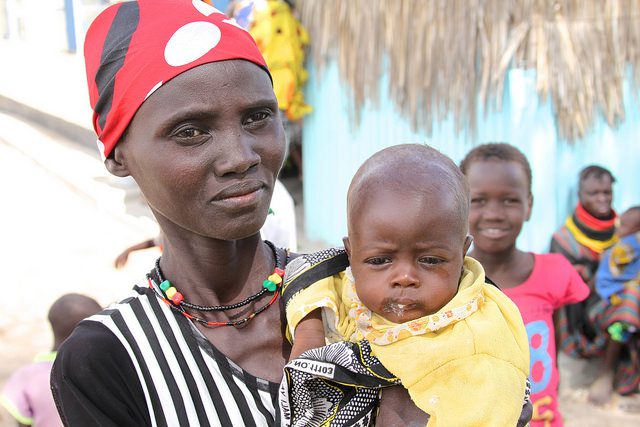
Obesity in Resource-Poor NationsThe state of physical activity – or perhaps inactivity – is presenting researchers with a new problem in an age of widespread poverty. Over two billion people are currently obese or overweight, globally. Subsequently, one in 10 deaths are the direct result of health issues stemming from inactivity and obesity.

Inactivity in high-income countries is not a novel concept. When there are means of automatic transportation, a market or grocer nearby and a population that has access to vast white-collar work opportunities, inactivity – and its resulting obesity – existing at an elevated rate is not suspect. However, obesity in resource-poor nations is now concerning global leaders. When a country cannot afford basic needs without help, how will it deal with increased healthcare costs associated with poor health?

Brazilian researcher, Dr. Pedro C. Hallal, recently sought out to answer just how inactive the world is becoming. In 2012, Hallal compiled answers to 155 population surveys from 122 different countries, with the purpose of collecting data about people’s general health and lifestyle choices. What Hallal discovered was that severely impoverished countries, like Swaziland and Dominican Republic, ranked at the top of the list of the most inactive countries, alongside some of the most affluent countries.

According to Hallal’s research, Malta ranked at the very top, with nearly 72 percent of the population reporting high levels of inactivity. However, the Pacific Islands, Middle East and Americas lead the way, generally. For comparison, the U.S. had an inactivity rate of 41 percent. The countries with the most commendable numbers were well under 10 percent; these include Bangladesh, Mozambique, Benin and Cambodia.

Sub-Saharan Africa demonstrates, though, why physical activity is so essential, even when wages and higher living standards cannot be guaranteed. Noncommunicable diseases, such as diabetes and cancer, thrive in resource-poor countries such as Kenya. While these resource-poor nations are having a tough time ensuring a balanced diet, the rapid urbanization of these same countries is compounding the negative health effects and increasing the number of health-related deaths.

A healthy lifestyle ultimately depends on an active one. This does not mean that gyms need to be constructed immediately, nor does foreign aid need to fund exercise equipment before meeting basic needs. Rather, one important thing that can be done is simply encouraging people to be more active. The U.N. has intervened, with its Sustainable Development Goals placing a focus on poor eating choices combined with physical inactivity, and the need to improve the rates of obesity that result from these choices.

However, the solution must be a societal one. Frank Hu, professor of nutrition and epidemiology at the Harvard T.H. Chan School of Public Health, noted that “different countries have different issues… You need to mobilize (their) whole society to tackle the problem… it’s not just a medical problem.”

The benefits of a healthier nation are also not a novel concept. When people are physically active, the heart and lungs experience increased efficiency, cholesterol levels go down, muscles strengthen, blood pressure problems decline and, overall, individuals makes themselves less susceptible to major illnesses. There are no inherent risks in encouraging people to walk a little more and have their kids play outside for 30 minutes, aside from a possible scraped knee or other minor accident.

The rising level of obesity in resource-poor nations should concern the countries experiencing it, along with the countries that are providing foreign aid. While not every nation can adjust the foods available, individuals in resource-poor nations can still make choices about their physical activity in order to prevent obesity. Neglecting to address this issue will only open the door to more medical expenses for countries that cannot afford to run themselves financially. Obesity is preventable, but it takes societal motivation and accountability to help prevent it.

– Taylor Elkins

Photo: Flickr

November 10, 2017
https://borgenproject.org/wp-content/uploads/borgen-project-logo.svg 0 0 Kim Thelwell https://borgenproject.org/wp-content/uploads/borgen-project-logo.svg Kim Thelwell2017-11-10 01:30:002019-12-23 09:26:55Obesity in Resource-Poor Nations
Extreme Poverty, Food & Hunger, Global Poverty, Health

Top 10 Facts About Poverty in Africa

Poverty in Africa Facts Statistics Suffering Poverty Line
How bad is poverty in Africa? The situation is improving, but Africa remains the poorest continent on Earth. But what many people may not know are the effects of poverty in Africa—including hunger, disease and a lack of basic necessities.


Leading Facts About Poverty in Africa


  1. Seventy-five percent of the world’s poorest countries are located in Africa, including Zimbabwe, Liberia and Ethiopia. The Central African Republic ranked the poorest in the world with a GDP per capita of $656 in 2016.
  1. According to Gallup World, in 2013, the 10 countries with the highest proportion of residents living in extreme poverty were all in sub-Saharan Africa. Extreme poverty is defined as living on $1.25 or less a day. In 2010, 414 million people were living in extreme poverty across sub-Saharan Africa. According to the World Bank, those living on $1.25 a day accounted for 48.5 percent of the population in that region in 2010.
  1. Approximately one in three people living in sub-Saharan Africa are undernourished. The Food and Agriculture Organization (FAO) of the United Nations estimated that 239 million people (around 30 percent of the population) in sub-Saharan Africa were hungry in 2010. This is the highest percentage of any region in the world. In addition, the U.N. Millennium Project reported that over 40 percent of all Africans are unable to regularly obtain sufficient food.
  1. In sub-Saharan Africa, 589 million people live without electricity. As a result, a staggering 80 percent of the population relies on biomass products such as wood, charcoal and dung in order to cook.
  1. Of the 738 million people globally who lack access to clean water, 37 percent are living in sub-Saharan Africa. Poverty in Africa results in more than 500 million people suffering from waterborne diseases. According to the U.N. Millennium Project, more than 50 percent of Africans have a water-related illness like cholera.
  1. Every year, sub-Saharan Africa misses out on about $30 billion as productivity is compromised by water and sanitation problems. This amount accounts for approximately five percent of the region’s gross domestic product (GDP), exceeding the total amount of foreign aid sent to sub-Saharan Africa in 2003.
  1. Due to continuing violence, conflict and widespread human rights abuses, the United Nations High Commissioner for Refugees (UNHCR) reports that 18 million people are of concern to the agency, including stateless people and returnees.
  1. Fewer than 20 percent of African women have access to education. Uneducated African women are twice as likely to contract AIDS and 50 percent less likely to immunize their children. Meanwhile, the children of African women with at least five years of schooling have a 40 percent higher chance of survival.
  1. Women in sub-Saharan Africa are more than 230 times more likely to die during childbirth or pregnancy than women in North America. Approximately one in 16 women living in sub-Saharan African will die during childbirth or pregnancy; only one in 4,000 women in North America will.
  1. More than one million people, mostly children under the age of five, die every year from malaria. Malaria deaths in Africa alone account for 90 percent of all malaria deaths worldwide. Eighty percent of these victims are African children. The U.N. Millennium Project has calculated that a child in Africa dies from malaria every 30 seconds, or about 3,000 each day.

– Jordanna Packtor

Sources: Global Issues, World Hunger, World Bank, World Population Review, The Richest, Johns Hopkins Malaria Research Institute, UNHCR, The Water Project, Gallup, Global Finance


1. Donate
2. Email Congress
3. Volunteer


November 7, 2017
https://borgenproject.org/wp-content/uploads/borgen-project-logo.svg 0 0 Borgen Project https://borgenproject.org/wp-content/uploads/borgen-project-logo.svg Borgen Project2017-11-07 04:00:192024-06-04 01:07:57Top 10 Facts About Poverty in Africa
Global Poverty, Health, Poverty Reduction

BRAC: Eliminating Extreme Poverty Through Innovation

Eliminating Extreme Poverty Through InnovationThe Bangladesh Rehabilitation Assistance Committee (BRAC) was formed in 1972 by Sir Fazle Hasan Abed. BRAC, the world’s largest NGO, is an excellent example of a nonprofit bringing transformation through strong business practices.

Today, BRAC reaches around 138 million poor spread over nine countries in Asia and Africa, and employs 125,000 people, primarily women. And yet, BRAC has remained quite unknown in the West. BRAC U.S. and BRAC U.K. were launched to spread awareness about its approach and mobilize its resources as well as raise funds for its fight to eliminate extreme poverty through innovation. It has created self-employment opportunity for 8.5 million people, educated over 3.8 million children from 66,000 of its schools, and given microloans to six million borrowers. Its approach is, “small is beautiful but big is necessary.”

What They Do

The following goals are listed on the official BRAC website:

  1. Improve well-being and resilience through disaster management and climate change, health, nutrition, water, sanitation and hygiene.
  2. Assist economic development and social protection – agriculture and food security, microfinance, enterprises and investment, targeting the ultra-poor.
  3. Expand horizons of education, migration and skills development.
  4. Empower communities, women and disadvantaged, human rights and legal aid, with urban development.
  5. Support programs for governance, management and capacity building.

Social Innovation Lab (SIL)

BRAC believes in eliminating extreme poverty through innovation. SIL was formed to explore the best practices and ways of creating impact at scale and incubating new ideas. It began in the 1980s, when diarrhea was the biggest killer of children under the age of five. BRAC successfully made the most illiterate population in the world adopt oral rehydration therapy, teaching poor households to prepare homemade saline. Now, they continue to work toward bringing family planning to people despite social opposition.

BRAC has accomplished quite a lot through frugal innovation, making Bangladesh the fastest-growing mobile money market with 13 million users, and creating large-scale financial inclusion.

Current Efforts

Hundreds of Rohingya children are living in Cox’s Bazaar on the border of Bangladesh. BRAC has made initiatives to ensure prevention of widespread diseases, by providing 167,000 individuals with oral cholera vaccinations. 153,000 health services through 60 mobile health camps and 10 fixed camps have been provided to treat fever, pneumonia and diarrhea. BRAC is providing access to safe water, sanitation, child-friendly spaces and critical supplies.

The “poverty graduation” scheme offers a way of eliminating extreme poverty through innovation by tackling poverty as well as providing social confidence. Women are given an asset, usually livestock. In return, they must look after the animal, their children must be sent to school and they must save a small amount of income, along with a tiny stipend to cover their food needs. A BRAC member visits them regularly to assess improvements for two years, after which they are expected to “graduate,” or break the chain of ultra-poverty.

In the next five years, BRAC plans to empower 20 million people to gain access to resources. They are working toward completely eliminating extreme poverty through innovation by 2020 with integrated efforts.

– Tripti Sinha

Photo: Flickr

November 5, 2017
https://borgenproject.org/wp-content/uploads/borgen-project-logo.svg 0 0 Kim Thelwell https://borgenproject.org/wp-content/uploads/borgen-project-logo.svg Kim Thelwell2017-11-05 01:30:122024-06-04 01:08:26BRAC: Eliminating Extreme Poverty Through Innovation
Disease, Health

The 10/90 Gap: How Can You Help?

10/90 GapThe 10/90 Gap is the idea that 10 percent of the world’s health research potential is devoted to conditions which make up 90 percent of the Global Burden of Disease (GBD). Activists who proposed the 10/90 gap claim that the majority of diseases present in the developing world have been neglected and research for these diseases has been drastically overlooked and underfunded.

As humanitarian issues like poverty and disease make their way into the international spotlight, there is real potential to change the responses to humanitarian crises.

Neglected Diseases

One disease which the World Health Organization claims has been overtly neglected is African trypanosomiasis, also known as sleeping sickness. The disease is present in 36 sub-Saharan African countries and is transmitted by the bite of a tsetse fly.

These flies are commonly present in rural areas where livestock, such as cattle, are kept in close proximity to humans. People in these rural areas are at the highest risk of contracting sleeping sickness, and these same people are more likely to face poverty and limited access to healthcare.

Outbreak and Epidemic

There have been multiple recorded epidemics of sleeping sickness, the most recent lasting from 1970 to 1990. After the end of this epidemic, efforts from the World Health Organization, national governments and nongovernmental organizations began to show promise that sleeping sickness could be controlled.

From 2000 to 2012, the number of new cases of sleeping sickness decreased by 73 percent, thanks in part to the contributions of the international aid community. In the World Health Organization’s Roadmap of neglected tropical diseases, the goal to eradicate sleeping sickness by the year 2020 was set. This goal is ambitious, but with the help of foreign aid and commitment of a more significant portion of the world’s health research potential, this neglected disease and others can be eradicated.

Make a Change

Sleeping sickness is only one of the many neglected tropical diseases which could be brought to an end with increased support from the international community. The simplest way to promote global health, and help to reduce the effects of the 10/90 Gap is to donate to an organization like the World Health Organization and the nonprofit affiliates they coordinate with on the ground.

The Global Disease Research group works to provide medical assistance in regions of the world where they are least accessible. One of the core ideas of the Global Disease Research group is that medicine should be universally available, and not be determined by politics, religion, race or beliefs. Donating time and resources to groups like this is the easiest way to reduce the discrepancy in global healthcare availability and research.

– Tyler Troped

Photo: Flickr

November 4, 2017
https://borgenproject.org/wp-content/uploads/borgen-project-logo.svg 0 0 Borgen Project https://borgenproject.org/wp-content/uploads/borgen-project-logo.svg Borgen Project2017-11-04 01:30:452024-05-29 22:29:00The 10/90 Gap: How Can You Help?
Health

Three Underrated Global Health Organizations

global health organizationsThere are many global health organizations that are widely recognized for the work they do around the world. These include organizations such as the Center for Disease Control, the World Health Organization, the United States Agency for International Development and PATH.

There are also organizations around the world who have done a lot for the health community that are not talked about as much. Here are some organizations that have made differences in local and global communities also and deserve to be recognized:

1. Pakistan Children Heart Foundation (PCHF)
The PCHF is an organization that focuses on providing heart surgeries to children born with congenital heart defect. Every year, approximately 50,000 infants are born with congenital heart defect in Pakistan. Because of a lack of a specialized children’s heart hospitals in Pakistan, PCHF works to build a research clinic as well as establish funds for children in need. Thus far, PCHF has provided 819 surgeries.

2. HealthRight Foundation
HealthRight is an organization whose goal is to provide healthcare to marginalized communities because, as their slogan states, “Health is a Human Right.” HealthRight uses global resources and works with local partners to address local health needs. HealthRight works with women and children, migrants and at-risk youth. All of these people face health discrimination, whether it involves lack of access to healthcare or lack of means to access healthcare. HealthRight works to provide healthcare for these underrepresented groups.

3. Population Services International (PSI)
PSI is an organization that focuses on promoting healthy behavior and making healthcare products more affordable. PSI originated in 1970, with a focus on reproductive health. Since then, it has expanded to helping over 50 countries with solutions to malaria, HIV, family planning, sanitation, pneumonia and diarrhea. PSI works with local governments and organizations in order to make health solutions. PSI also uses marketing strategies and analysis to keep health products affordable.

Helping impoverished people around the world have better access to healthcare is not a feat that should be ignored. These three global health organizations have made and continue to make positive changes in the world and provide hope for the future of healthcare around the globe.

– Rebekah Covey

Photo: Flickr

November 2, 2017
https://borgenproject.org/wp-content/uploads/borgen-project-logo.svg 0 0 Borgen Project https://borgenproject.org/wp-content/uploads/borgen-project-logo.svg Borgen Project2017-11-02 01:30:252024-06-05 02:12:17Three Underrated Global Health Organizations
Health

How a New Generation of Researchers Could Conquer Malaria

New Generation of ResearchersNearly half of the world’s population is currently at risk of contracting malaria. In particular, Africa bears most of the burden of this prevalent disease, with 90 percent of malaria cases and 92 percent of deaths from malaria occurring there. Developing and implementing an effective malaria vaccine continues to be one of the world’s top public health priorities.

MalariaX, a new online global health course, may be an important step toward inspiring scientists to study malaria and equipping them to combat it effectively in today’s environment. Hosted by Harvard University, Barcelona Institute for Global Health and the Swiss Tropical & Public Health Institute, this course aims to provide an all-encompassing education in several topics crucial to the elimination of malaria. The core curriculum includes the biology of malaria, the specifics of disease transmission, new methods for elimination and, most importantly, offers instruction on the use of real-world data and analytical strategies to implement prevention programs

Unlike other courses before it, MalariaX emphasizes training a new generation of researchers to have the knowledge and skills to approach malaria eradication from varying perspectives. Furthering our understanding of the intricate connections between the social, political, historical and economic context of malaria transmission continues to be as important as exploring the biological aspects of the disease itself.

Implementing efficacious vaccine programs requires a deep knowledge of a country’s health systems and the way that the population will react to certain public health techniques. There is no “one size fits all” method in public health. Thus, strategies to eradicate a disease must vary between countries, and sometimes even between regions of a country if necessary. The new generation of researchers will need to focus on the various scientific and social underpinnings of malaria if they wish to truly suppress and eliminate it.

One of the most important trends in global health has been the rise of evidence-based interventions, which are a prominent portion of MalariaX’s curriculum. Researchers in the 21st century have unparalleled access to various technologies that allow them to gather data from the countries affected by malaria.
Equipped with the appropriate information, malaria-eradication efforts become more fine-tuned and are more likely to succeed as they have been developed and implemented based on real-world data. In the past, applying many of the theories and plans proved to be ineffective due to a lack of valid information.

Malaria is preventable and curable, and global efforts to combat the disease have already been incredibly successful. Although there have been reductions in the mortality rate for all groups by 29 percent, as well as for children under five by 35 percent, there is still much work to be done. With its innovative, easy-to-access curriculum, MalariaX could prove to be a difference maker in providing a new generation of researchers with the skills to conquer malaria.

– Akhil Reddy

Photo: Flickr

October 30, 2017
https://borgenproject.org/wp-content/uploads/borgen-project-logo.svg 0 0 Borgen Project https://borgenproject.org/wp-content/uploads/borgen-project-logo.svg Borgen Project2017-10-30 01:30:432019-12-31 12:47:37How a New Generation of Researchers Could Conquer Malaria
Health, Hunger

Solutions to Hunger in Hong Kong

A Prospect of Solutions to Hunger in Hong KongAs a cosmopolitan region with high economic prosperity, hunger in Hong Kong is often overlooked, since there are both short-term food assistance and governmental welfare systems available. However, as one of the most densely populated cities in the world with seven million residents, hunger for a healthy diet exists among low-income families in Hong Kong.

According to a 2014 joint study by the Hong Kong Council of Social Service and the Social Work Department of the Chinese University of Hong Kong, about 70,000 people lack fresh fruit and vegetables for daily consumption, while 40,000 people cannot afford to eat three meals per day.

There is also some argument as to whether Hong Kong is a well-developed or developing region. As indicated by a 2012 census report, Hong Kong’s 15.2 percent poverty rate suggests that around one million people may experience a risk of hunger and related health issues. The population of working poor was estimated at 644,000, while one-third of senior citizens and one-fifth of children live below the poverty line in Hong Kong. In addition, there is a significant gap between the rich and the poor.

The most common ways for low-income families to reduce their living costs include purchasing food on sale in large supermarkets or accepting food donations from charitable organizations. Households that are highly dependent on cheap food have a higher risk of malnutrition and related health and social issues due to the poor quality of food.

In the past few years, several nonprofit organizations have carried out several projects to improve the diets of people living under the poverty line in Hong Kong. The Feeding Hong Kong program both collects and delivers surplus fruits, vegetables and canned foods through multiple charitable organizations and communities. The Food for Thought project focuses on seniors by arranging food donations in the basketball court of Tin Yiu Estate once a week. They provide surplus food donated by market stalls and offer it to anyone who comes, with no means testing required.

While there is still a long march to eliminate the negative impacts of hunger in Hong Kong, many organizations are working to eliminate food waste and get it into the hands of those who need it most.

– Xin Gao

Photo: Flickr

October 28, 2017
https://borgenproject.org/wp-content/uploads/borgen-project-logo.svg 0 0 Kim Thelwell https://borgenproject.org/wp-content/uploads/borgen-project-logo.svg Kim Thelwell2017-10-28 07:30:592019-12-31 13:06:26Solutions to Hunger in Hong Kong
Global Poverty, Health

How Medical Anthropology Improves Aid

Medical Anthropology Improves AidMedical anthropology, the study of health and healthcare in the context of specific cultures, exemplifies how the application of social sciences can improve policymaking. Medical anthropologists work within communities and observe health behaviors, which provides them with qualitative data that can inform healthcare-related aid. In this way, medical anthropology improves aid. Medical anthropologists have not only created aid organizations, such as Partners in Health, but also identified health issues in developing nations and discovered ways to make aid implementation more effective.

When Ebola began spreading rapidly throughout Liberia and Sierra Leone, knowing the cause of the disease was not enough to help aid organizations combat it. In 2014, the World Health Organization conducted medical anthropology-based research to pinpoint what was promoting the virulence of the disease. Among other data, the study found that the culture of burial in Liberia and Sierra Leone contributed significantly to the spread of Ebola.

WHO and other organizations’ attempts to quell Ebola include the cremation of the virus’ victims. However, the locals of Liberia and Sierra Leone view such a practice as an affront to their culture and traditions. In these regions, it is customary to have intimate contact with bodies during funeral ceremonies, including washing the corpse and even kissing it.

In order to eliminate the influence of regional funeral customs on Ebola transmission, WHO began promoting culturally compliant alternatives to burial rather than cremation. Funeral ceremonies performed for individuals who have died in war, which do not require a physical body, are now an encouraged alternative for the burial of Ebola victims. For the moment, Ebola outbreaks have been controlled. According to the CDC, over 25,000 cases of Ebola were recorded in West Africa between 2014 and 2016, while only 8 cases were reported from May 2017 to July 2017.

The Ebola crisis is not the only example of how medical anthropology improves aid and contributes to better global health. In 1997, researchers at the University of South Florida searched for cultural explanations for the shocking prevalence of dengue fever in the Dominican Republic. They discovered that, for a start, dengue education needed to be reformed.

In Dominican culture, women are in charge of collecting water for the household, so health organizations teach women how to clean water and prevent mosquitoes, the vectors of dengue fever, from breeding. However, men in Dominican communities control stored water, kept outside the home. The anthropologists discovered that men had not been taught how water sources and dengue were related, and thus left stored water sources uncovered, which allowed dengue-carrying mosquitoes to spawn.

The insight provided by medical anthropology allows aid organizations to implement healthcare reforms in culturally sensitive ways that are cohesive with local traditions, which in turn makes them more effective. Additionally, living within a culture, as many anthropologists do, helps them detect overlooked behaviors that may seriously impact health and healthcare initiatives.

– Mary Efird

Photo: Flickr

October 27, 2017
https://borgenproject.org/wp-content/uploads/borgen-project-logo.svg 0 0 Kim Thelwell https://borgenproject.org/wp-content/uploads/borgen-project-logo.svg Kim Thelwell2017-10-27 07:30:342024-05-27 23:58:50How Medical Anthropology Improves Aid
Children, Developing Countries, Education, Global Poverty, Health

Child Vision: Glasses for Children in Impoverished Countries

Child Vision: Glasses for Children in Impoverished CountriesThere are 100 million young people in the world that have poor vision, and about 60 percent of them lack access to corrective glasses. Glasses are considered a luxury in these parts of the world. This has a big impact on kids in school, as they cannot see the blackboard clearly and lose about half a year of schooling as a result. Child Vision glasses are a cheap alternative to normal prescription glasses for children in impoverished countries.

Child Vision glasses are different from conventional glasses because they are adjustable. Each lens is actually two lenses with space in the middle. After taking a simple eye chart test, kids put on the Child Vision glasses and they can adjust it themselves. They cover one eye and turn a knob that will adjust the glasses.

The knob adjusts the liquid that is inside the lenses. The liquid causes the lenses to expand or contract, thus adjusting the prescription of the glasses. Kids turn the knob until they can see clearly. Once they can see clearly, they take off the adjustors to seal the prescription. Unfortunately, that means that kids only have one opportunity to correct their vision, but it seems that the success rate is high.

Out of all the users of adjustable glasses, 92 percent of them were able to correct their vision. One of the main reasons why glasses are considered a luxury is because of their price. The average price for glasses is about $196. The creators of Child Vision recognized this problem and worked to make the adjustable glasses affordable for those in the developing world. The average cost for Child Vision glasses is €16, or about $19.

One of the best things about these glasses is that they do not need an optometrist to correct their vision. Anyone with basic training can administer an eye chart exam to help kids learn if they need glasses.

Thanks to Child Vision, glasses for children in impoverished countries are now available. These low-cost adjustable glasses are easy to adjust and give to kids. Child Vision is giving kids the glasses they need so they can better participate in school and make the most of their education.

– Daniel Borjas

Photo: Flickr

October 27, 2017
https://borgenproject.org/wp-content/uploads/borgen-project-logo.svg 0 0 Kim Thelwell https://borgenproject.org/wp-content/uploads/borgen-project-logo.svg Kim Thelwell2017-10-27 07:30:322020-01-10 12:30:45Child Vision: Glasses for Children in Impoverished Countries
Health

Syrian Hospitals Go Underground

Syrian Hospitals Go UndergroundThe Syrian civil war has been and continues to be, devastating. Since its inception in 2011, bombings and raids have displaced thousands upon thousands from the country. However, not everyone has the choice to flee. In fact, some have been rendered unable to leave the country because of injuries caused by warfare. This has placed a new burden on doctors in the area. How are medical staff supposed to effectively treat patients when bombs frequently and intentionally strike the hospitals in Syria? Some doctors have a solution: having Syrian hospitals go underground.

Mahmoud Hariri is a surgeon, born and raised in Syria, who has faced the consequences of war on Syrian healthcare. He reports having once seen a patient pull a tube out of his own body in order to evacuate the hospital he was receiving care in because it was being bombed—again. Hariri spoke of the complications that these forced evacuations cause, particularly for the often unconscious patients in the intensive care units. As many of the hospitals are without elevators, doctors and support staff are left with no choice but to carry these critical patients down the stairs.

To save patients and allow medical workers to provide better care without the risk of bombings forcing evacuations, entire hospitals have been relocated into basements and caves. In essence, hospitals are using makeshift, military-style fortifications so operations can endure the bombs falling above. If a hospital chooses to stay in the buildings above the surface, they are building concrete walls and even creating “sacrificial” floors to take the brunt of the aerial attacks.

As Syrian hospitals go underground and construct protective structures, the question of financing the relocations and fortifications arises. The United States and U.N. grants are largely responsible for making these expensive projects possible. However, as the U.S. considers a drastic budget cut to the International Affairs Budget, worried aid groups are wondering how to fill the potential void caused by reduced funding.

Currently, around 25 underground facilities are in operation. However, each facility can cost $800,000 to $1.5 million depending on what the hospital needs. As a result, doctors have turned to crowdfunding in a desperate attempt to continue the construction of these makeshift facilities before any official aid is lost. Even if aid continues, the regulations on how foreign aid can be spent have caused a few problems. For example, the construction itself is deemed “development,” not a humanitarian expenditure.

The good news is in the last six years, over $1.7 million has been collected by pooling funds. While the U.N. remains the main source of financial support, the French government has provided nearly $500,000 and over $2.5 has been given by private donors and Syrian NGO grants.

Syria has a long way to go. As the civil war is ongoing with no definite end in sight, medical access remains a high priority to those still in Syria. The request for pooled aid in 2017 alone was over $500 million. In order to continue to provide this much-needed care in a war zone, the medical staff is relying on the U.S., the U.N. and all the other donors to continue supporting them. It is essential that Syrian hospitals go underground. Otherwise, proper medical care simply will not be able to keep up with the needs of war-torn cities like Aleppo.

– Taylor Elkins

Photo: Flickr

October 21, 2017
https://borgenproject.org/wp-content/uploads/borgen-project-logo.svg 0 0 Borgen Project https://borgenproject.org/wp-content/uploads/borgen-project-logo.svg Borgen Project2017-10-21 07:30:182020-04-04 08:39:00Syrian Hospitals Go Underground
Page 147 of 212«‹145146147148149›»

Get Smarter

  • Global Poverty 101
  • Global Poverty… The Good News
  • Global Poverty & U.S. Jobs
  • Global Poverty and National Security
  • Innovative Solutions to Poverty
  • Global Poverty & Aid FAQ’s
Search Search

Take Action

  • Call Congress
  • Email Congress
  • Donate
  • 30 Ways to Help
  • Volunteer Ops
  • Internships
  • Courses & Certificates
  • The Podcast
Borgen Project

“The Borgen Project is an incredible nonprofit organization that is addressing poverty and hunger and working towards ending them.”

-The Huffington Post

Inside The Borgen Project

  • Contact
  • About
  • Financials
  • President
  • Board of Directors
  • Board of Advisors

International Links

  • UK Email Parliament
  • UK Donate
  • Canada Email Parliament

Get Smarter

  • Global Poverty 101
  • Global Poverty… The Good News
  • Global Poverty & U.S. Jobs
  • Global Poverty and National Security
  • Innovative Solutions to Poverty
  • Global Poverty & Aid FAQ’s

Ways to Help

  • Call Congress
  • Email Congress
  • Donate
  • 30 Ways to Help
  • Volunteer Ops
  • Internships
  • Courses & Certificates
  • The Podcast
Scroll to top Scroll to top Scroll to top