Inside the 2025 G20 Summit
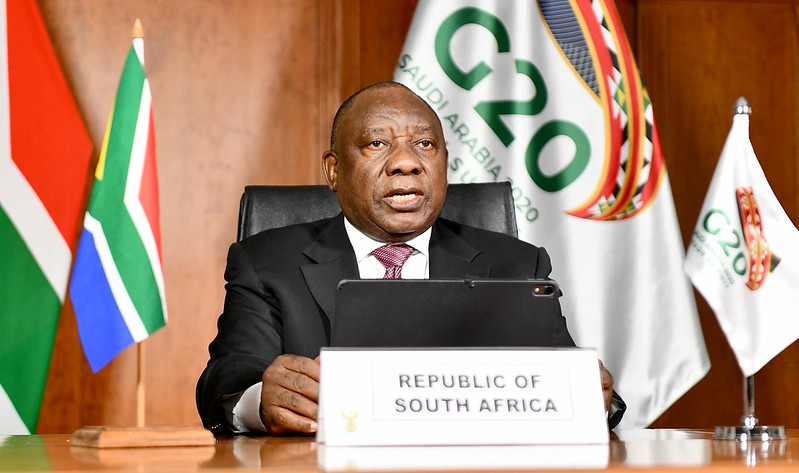 The 2025 G20 summit in Johannesburg marked a significant moment in history. It was the first time the summit was held in Africa, with the presidency intentionally highlighting Africa’s development priorities. With the absence of the United States (U.S.), leaders pledged to commit to tackling some of the continent’s long-lasting challenges, such as climate resilience, debt, energy access and equitable resource governance. The summit raised questions about whether the 2025 G20 ambitions can translate into life-changing outcomes for Africans.
Mission 300 and the Energy Gap
One of the 2025 G20 summit’s most significant legacies is Mission 300, which promises to connect 300 million Africans to electricity by 2030. The World Bank and the African Development Bank back this initiative, which aims to address Africa’s persistent energy poverty through grid expansions, mini-grids and off-grid solar.
Currently, more than 600 million Africans lack access to electricity and about 1 billion rely on unsafe cooking fuels, which are associated with more than 2 million premature deaths each year. Despite agreement on the urgency of the situation, many challenges remain. Sustainable financing continues to pose a major issue. Private sector participation, technology transfer and strong regulatory frameworks will be essential to turn commitments into infrastructure. Without predictable financing and policy support, critics warn that progress could lag behind its targets.
Climate Action and Tackling Debt
The 2025 G20 summit took place around the same time as the COP30 climate negotiations, increasing global scrutiny on climate commitments. The summit reaffirmed support for climate resilience and scaling renewable energy capacity, aligning with broader calls for climate justice.
However, many controversial aspects of global climate politics remain unresolved. At COP30, negotiators did not secure an agreement to phase out fossil fuels or guarantee meaningful climate finance. Although G20 leaders expressed ambitions to mobilize additional climate financing, the absence of several wealthier nations in Johannesburg limited concrete commitments.
Debt sustainability was also a central topic at the summit. Leaders acknowledged gaps in debt management, transparency and fiscal capacity, particularly in low-income economies, as well as the need for reforms to the global financial architecture.
Economists suggest that effective debt relief should be linked to verifiable green investments. The U.S. absence complicated negotiations, leaving a gap in financial commitments that could weaken the G20’s influence on global finance reforms.
Critical Minerals: Turning Debt Into Development
Resource governance also emerged as a key topic. Africa holds a significant share of the world’s critical minerals, including cobalt, lithium and rare earth elements, which are vital for renewable technologies and digital infrastructure.
The G20’s critical minerals framework aims to promote sustainable supply chains and stronger governance standards. If widely implemented, the framework could shift countries away from dependence on raw exports and toward more equitable partnerships in global markets. However, the framework remains voluntary and nonbinding.
From Promise to Implementation
South African President Cyril Ramaphosa said the Johannesburg summit demonstrated Africa’s ability to lead and influence global debates. The Global South, particularly African nations, has gained visibility in setting priorities on climate, development and globalization. Whether this momentum is sustained depends on implementation by governments, private sector partners and civil society.
The G20 summit outlined goals for energy access, climate resilience, equitable resource governance and debt reform. These goals signal a shift toward prioritizing the needs of the Global South and Africa’s development agenda. For Africa to benefit, these frameworks must be matched with financing and political will. While Johannesburg provided a blueprint, the true test lies in execution.
– Gloria Bwenge
Gloria is based in New York, NY, USA and focuses on Global Health and Politics for The Borgen Project.
Photo: Flickr
