• Link to X
  • Link to Facebook
  • Link to Instagram
  • Link to TikTok
  • Link to Youtube
  • About
    • About Us
      • President
      • Board of Directors
      • Board of Advisors
      • Financials
      • Our Methodology
      • Success Tracker
      • Contact
  • Act Now
    • 30 Ways to Help
      • Email Congress
      • Call Congress
      • Volunteer
      • Courses & Certificates
      • Be a Donor
    • Internships
      • In-Office Internships
      • Remote Internships
    • Legislation
      • Politics 101
  • The Blog
  • The Podcast
  • Magazine
  • Donate
  • Click to open the search input field Click to open the search input field Search
  • Menu Menu

Archive for category: Global Poverty

Key articles and information on global poverty.

Food Security, Global Poverty

Hunger in Fiji

Hunger in FijiFiji is an upper-middle-income country located in the Pacific Islands. In Fiji, the agricultural sector has been steadily declining over the last several decades, resulting in hunger concerns. Here is everything you need to know about hunger in Fiji.

Background of Hunger in Fiji

Traditionally, countries struggling with hunger are thought to be plagued with food insecurity and starvation. This is not the case in Fiji, where food availability is adequate — especially in comparison with other Pacific Islands. Fijians even have above-average access to energy-dense foods. Rather than food security, concerns surrounding hunger in Fiji stem from the double burden of over-nutrition and under-nutrition, caused by obesity and deficiencies in micronutrients. Trade policies, poverty and climate change are further causes of hunger in Fiji.

Main Causes of Hunger in Fiji

  1. Trade Policy: Fiji’s poor nutrition largely stems from increased dependence on cheap imported food, resulting in a decreased intake of traditional Fijian food. This decline in demand has resulted in traditional food being grown for export, thus increasing domestic prices. Consequently, families above the poverty line spend 18% of their income on food, and families below the poverty line spend 29% of their income on food.
  2. Poverty: Although extreme poverty is uncommon in Fiji, according to the World Bank, 35.2% of Fijians live in poverty. Furthermore, the per capita purchasing power parity in Fiji is significantly below the global average. Thus, not only do Fijians generally struggle with poverty, but food is also disproportionately expensive.
  3. Climate Change: Fiji is extremely vulnerable to climate change, experiencing frequent storms, cyclones, floods and droughts — all of which can be detrimental to the agricultural sector. Additionally, 25,700 people in Fiji are annually pushed into poverty as a result of climate change, further exacerbating the problem of poverty leading to hunger.

Traditional Fijian Diet

Traditionally, Fijians consumed a diet of fish, seafood, root crops, fruit, wild plants and legumes. In recent years, this traditional diet has been abandoned. In 2014, 50% of the population ate rice daily, 43% ate roti daily and 15% ate instant noodles daily. These unhealthy choices became popular while fruit and vegetable consumption declined, with only 15% of adults getting the recommended five servings daily.

Health Consequences

The major health consequences that arise from hunger in Fiji stem from obesity. One-third of adult Fijians are obese, and the rate of non-communicable diseases (NCDs) such as type-2 diabetes is correspondingly high. Obesity increases the risk of NCDs, thus increasing the risk of mortality. Consequently:

  • 70-75% of deaths in Fiji are due to NCDs
  • The average life expectancy is low, with 69.2 years expected for women and 65.6 years for men
  • Fiji has a high age-standardized NCD mortality rate of 803, compared to the 417.9 of the United States

In comparison to its Pacific Island neighbors, Fiji possesses great food security. However, Fiji’s problems with poverty, trade policy and climate change perpetuate hunger. For Fijians to be able to afford and consume healthy foods once again, Fiji will need to invest in climate action, limit trade tariffs and promote native crops.

– Lily Jones
Photo: Flickr

September 17, 2020
https://borgenproject.org/wp-content/uploads/borgen-project-logo.svg 0 0 Kim Thelwell https://borgenproject.org/wp-content/uploads/borgen-project-logo.svg Kim Thelwell2020-09-17 07:22:052024-06-06 00:43:15Hunger in Fiji
Global Poverty

Women’s Economic Empowerment in Mexico

Women's Economic Empowerment in Mexico
In recent decades Mexico has made significant changes to close the gender gap. These progressive impacts include a series of legislative initiatives in 2002, 2008, 2014, and the 2015-2018 National System for Equality between Women and Men. Additionally, political parties promise to promote gender equality in nominations and to allocate money towards training women. By promoting women’s economic empowerment in Mexico, women of all backgrounds can achieve financial independence.

Obstacles To Financial Independence

Women in Mexico face several obstacles toward reaching financial independence. Martina Zoldos, a Slovanian writer, described the discrimination she faced while interviewing for a job in Mexico. Zoldos was asked, “whether [her] husband agreed with [her] decision of having a 9-to-5 office job.”

Traditional values are often placed on Mexican women. A study conducted by the Organisation for Economic Co-operation and Development discovered that in Mexico, “only 45% of women between the age of 16 and 64 are employed, yet women perform over 75 percent of unpaid household work and childcare.” Additionally, women face daily violence in the form of rape, domestic abuse, and sexual harassment.

The United Nations identifies Mexico as one of the most violent countries for women. In 2017, The National Institute for Statistics and Geography detailed that 66% of women over 15 experienced some form of violence. In 2018, Mexico’s Security Minister Alfonzo Durazo signed a memorandum with the United Nations Entity for Gender Equality and the Empowerment of Women (UN Women) to “strengthen actions against gender-based violence.” In addition to violence, women also struggle with access to justice, education, and opportunities. However, organizations like UN Women make it possible for women’s economic empowerment in Mexico.

The Work of UN Women

UN Women seeks to improve the financial independence of women. Various international organizations work for women’s economic empowerment, such as the Beijing Platform for Action, the Convention on the Elimination of All Forms of Discrimination against Women, and the International Labour Organization. UN Women prioritizes migrant workers and rural and indigenous entrepreneurs. The agency also develops public systems that recognize the contributions of women to the economy.

The programs encourage women to secure decent jobs, build assets, and influence public policies and institutions. To improve women’s economic empowerment in Mexico, UN Women provides for the most vulnerable women. That work often happens in tandem with civil society groups and grassroots movements. UN Women works to develop financial skills among rural women, domestic workers, and migrants. They aim to help these marginalized women find decent work, earn higher incomes, and gain access to and control of resources. The agency also provides resources for women that face violence.

Government efforts also improve the lives of indigenous women. These women have the highest levels of illiteracy, maternal mortality, domestic violence, and poverty in the country. The government supports groups of indigenous embroiderers that create and sell fair-trade art. These efforts empower indigenous women to take part in local and state elections. While there is more to accomplish in protecting women against violence, financial independence can open doors for many women and generations to come.

– Mia Mendez
Photo: Flickr

September 17, 2020
https://borgenproject.org/wp-content/uploads/borgen-project-logo.svg 0 0 Kim Thelwell https://borgenproject.org/wp-content/uploads/borgen-project-logo.svg Kim Thelwell2020-09-17 01:30:562020-09-18 13:17:01Women’s Economic Empowerment in Mexico
Global Poverty, Malnourishment

Standing With Orphans Supports Orphanages in Myanmar

Orphanages in MyanmarMyanmar, previously known as Burma, is located in Southeast Asia, neighboring countries such as Thailand and Laos. Unfortunately, poverty in Myanmar has risen in recent years. As of 2017, roughly 25% of adults live in poverty. Additionally, The United Nations Children’s Fund (UNICEF) reports that more than 50% of children are impoverished. Due to the rising poverty rate, many adults are unable to support children. They must give them up for adoption or abandon them, creating a large influx of orphans needing shelter. The Myanmar Times reports that in 2018, there were 280 orphanages in Myanmar, many of which had to be newly established, and an estimated 36,000 orphans. That number continues to grow.
Inspiration for Standing With Orphans

Thomas Whitley of Mooresville, Indiana created The Standing With Orphans Foundation in 2012. Whitley explains that his inspiration for starting the project began when he adopted his daughter from China in 2007. He told The Borgen Project that this was his “first insight into orphanages.” Later, a friend of Whitley’s took him to his village in Myanmar to see the orphanages’ conditions there as well. Afterward, his commitment to founding Standing With Orphans was further solidified, and several years later, it came to fruition.

How Standing With Orphans Operates

Food in Myanmar is scarce and often expensive due to natural disasters and trouble with the current economy. Therefore, Standing With Orphans’ main goal is to bring bags of rice and livestock, such as chickens and pigs, to the orphanages. Whitely explained to The Borgen Project that he acquires funds through The Morgan County Community Foundation via the Standing With Orphans website. He withdraws from their allocated funds three times a year and sends it to the orphanages.

The money the organization supplies will typically buy 1,500 to 2,000 pounds of rice. The rice provided through Standing With Orphans allows orphanages in Myanmar to keep the children and workers well-fed. Along with supplying rice, in the past 2 years, Whitely has sent extra funds for buying chickens and pigs. Not only does this livestock give the orphanages a wider variety of food, but Whitley also pointed out that some orphanages have been breeding their pigs and selling them and their piglets as a source of income.

Whitley has also helped to fund solar power equipment installation, pay for school fees, and build two orphanages. While he is more than happy to contribute to various other projects such as these, he reiterated that “feeding the kids will always be the goal.” With around 50% of children living in rural, poor areas of Myanmar dying due to malnutrition in 2017, supplying food is rightly the top-priority for the foundation.

Progress and Plans for the Future

When Whitley first started working in Myanmar, he worked with only 1 orphanage. Today, he helps bring food and livestock to 14 orphanages. Whitely continues to donate and is hopeful to take another trip back to Myanmar this fall to personally deliver rice and livestock to the orphanages. While he is there, he also wants to do what he can to help with any projects they might have. Through his dedication and the donations from Standing With Orphans, Thomas Whitley and his family have greatly helped children in need. The orphanages in Myanmar that he supports were in poor condition, but now they can properly care for hundreds of children.

– Olivia Eaker
Photo: Pixabay

September 17, 2020
https://borgenproject.org/wp-content/uploads/borgen-project-logo.svg 0 0 Kim Thelwell https://borgenproject.org/wp-content/uploads/borgen-project-logo.svg Kim Thelwell2020-09-17 01:30:262020-09-17 07:31:56Standing With Orphans Supports Orphanages in Myanmar
Education, Global Poverty, Water

“Zindagi Gulzar Hai” and Poverty in Pakistan

Zindagi Gulzar Hai
“Zindagi Gulzar Hai” is a popular Pakistani drama based on a book by Umera Ahmad. While the drama first aired on Hum TV in 2012, it is now available on YouTube and Netflix with English subtitles. Since then, the drama has captivated the hearts and minds of an international audience, winning one award after the next. While the drama is first and foremost a love story, what many fans fail to remember is that it provides great insight into poverty in Pakistan. This article aims to draw a comparison between the characters and the lives of millions of people in the country.

Plot Summary

The drama “Zindagi Gulzar Hai” depicts a love story between a lower-middle-class woman named Kashaf Murtaza and a wealthy Pakistani man named Zaroon Junaid. A single mother raised Kashaf and her two younger sisters. Their father abandoned them and remarried after their mother could not produce a male heir. This led Kashaf to distrust men from an incredibly early age, but it also gave her the incentive to receive an education and become self-dependent like her mother.

When she grew older, Kashaf received a scholarship to a prestigious university where she met a man from a wealthy Pakistani family named Zaroon. She instantly grew to dislike him due to his flirtatious and jealous nature once Kashaf outperformed him on several occasions. While Zaroon did not like her at first, he began to see wife-like qualities within her and eventually convinced her to marry him. As the drama progresses, it is clear that there are many differences between his wealthy lifestyle and her lower-middle-class background. Not only do these differences communicate the coexistence of two alternative realities in Pakistan, but they also reveal the challenges that millions of people face in the country today. Here are four aspects that the story reveals about poverty in Pakistan.

4 Aspects that “Zindagi Gulzar Hai” Reveals About Poverty in Pakistan

  1. Polygamy: In the drama, Kashaf’s father married twice because his first wife could not produce a son. While polygamy is not common in Pakistan, it is legal as long as a man obtains permission from his first wife. However, many women, especially in rural areas, do not know that their husband’s second marriage is conditional on their approval. Others fear acting against their husbands because they are economically dependent on them and because of the stigma surrounding divorce in Pakistani culture. This makes the practice problematic.
  2. Education: When Kashaf entered a prestigious university, her father insisted that her mother focus on getting their daughters married instead of having them receive an education. Unfortunately, his mindset is not uncommon in Pakistan. According to Human Rights Watch, more than 22.5 million children are not in school within the country. This includes one-third of primary school-aged girls and about 87% of girls in grade nine. Not only does this problem disproportionately affect females, but it also makes Pakistan one of the worst-performing countries with respect to education.
  3. Lack of Clean Water: When Zaroon visited Kashaf’s home soon after their marriage, the water stopped running while he was washing his face. This reflects how Pakistan is one of 36 countries in the midst of a water crisis. Currently, there are less than 1,000 cubic meters of annual water availability for every person within the country. About 80% of those living in 24 major Pakistani cities do not have access to clean water. One can say the same for 16 million people living in the slums of Karachi. This is due to an increase in population, environmental challenges, mismanagement of water systems in the agricultural sector and the overpriced cost of the water that water trucks provide. If resources within the country continue to decline at this rate, the country will be scarce of water by 2025.
  4. Electricity: When Zaroon spends his first night in Kashaf’s home, the electricity goes out. While Kashaf and her family are used to living without air conditioning in Pakistan’s heated climate, it is clear that Zaroon is not. Approximately 25,000 megawatts of electricity are necessary for Pakistan, and the need increases by more than 5% each year. However, the government has only been able to supply 20,000 megawatts of electricity so far. This has left millions of Pakistanis without electricity at any given time.

The drama “Zindagi Gulzar Hai” highlights the challenges that millions of people face as a result of poverty in Pakistan. This will inevitably spread awareness about the problem, instigate much-needed conversations and inspire the world to take action.

– Rida Memon
Photo: Flickr

September 16, 2020
https://borgenproject.org/wp-content/uploads/borgen-project-logo.svg 0 0 Kim Thelwell https://borgenproject.org/wp-content/uploads/borgen-project-logo.svg Kim Thelwell2020-09-16 20:36:462024-06-07 05:08:08“Zindagi Gulzar Hai” and Poverty in Pakistan
Global Poverty, Women and Female Empowerment, Women's Empowerment, Women's Rights

5 Facts About Women’s Rights in Sudan

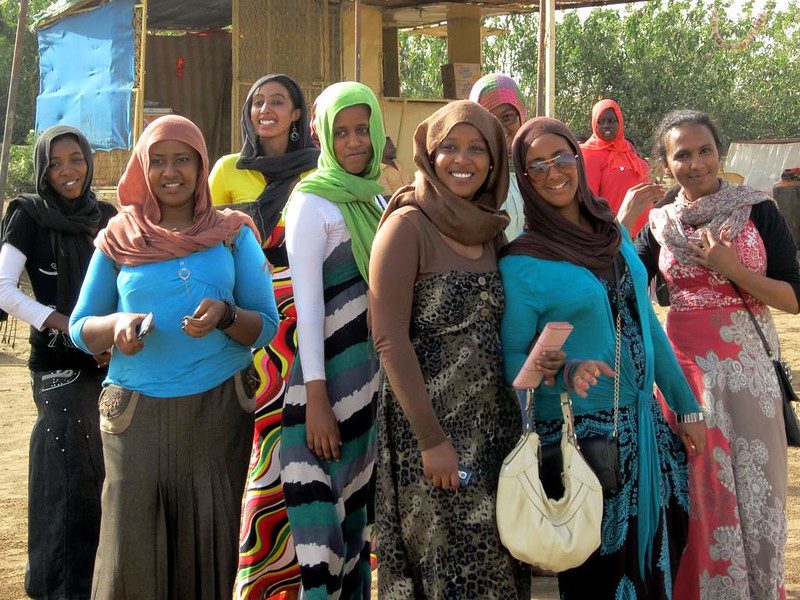
Women’s Rights in Sudan
For decades, the subject of women’s rights has been at the forefront of media and politics. While progress has been made, women’s rights in Sudan still lag behind other countries. Women in Sudan are fighting for equal rights amid new legislation such as the Personal Status Law of 1991, which allows child marriages and states that women can only marry if they have consent from a father or male guardian. Here are five facts about the women’s rights movement in Sudan.

5 Facts About Women’s Rights in Sudan

  1. Women make up 70% of protesters. As women band together to protest against laws and government officials that want to limit women rights, Global Fund for Women estimates that women account for nearly 70% of protesters in Sudan. The women taking part in these protests have labeled their movement “the women’s revolution.” Although many women have been beaten or flogged, they stand strong and continue to protest.
  2. Many of the laws women are protesting stem from long-lasting traditions. Tradition is important in Sudan’s culture — but tradition does not justify oppressive laws. Laws in Sudan restrict women from wearing pants, enjoying equality and representation in government and escaping child marriage. Modern women demand equal rights; however, rights are difficult to attain when women have a limited voice within government and law.
  3. Women in Sudan have been fighting for their rights for over 30 years. Under the oppressive rule of dictator Omar al-Bashir, women in Sudan have had to fight for basic equal rights since 1989. While inequality did not start with Al-Bashir, he did support and enforce laws that limit women’s rights. Military and government officials beat, rape and murder women for speaking out against years of abuse and inequality.
  4. The women’s revolution movement helped overthrow Al-Bashir. In 2019, women refused to stay silent as Sudan began to rise up against Al-Bashir. Even though they had to deal with persecution from the military, women continued to rise up against their oppressors. According to Harvard International Review, protesters such as Alaa Salah and Lina Marwan stood strong to tell their stories of inequality, continuing to protest even after being harassed by Sudanese military officials.
  5. The “No to Women Oppression Initiative” promises a better future for women in Sudan. As of January 2020, West Kordofan started its first “No to Women Oppression Initiative.” Though currently the only initiative of its kind, this may spark further collaborations between women’s rights organizations across Sudan. These organizations are also continuing to discuss violence against women with Sudan’s government, in hopes of attaining equal rights.

These five facts about women’s rights in Sudan indicate that the country has a long way to go in achieving equal rights for women. But as protests continue and women persist in fighting for their rights, this country can hope for a stronger, more equitable future. Moving forward, it is essential that women in Sudan receive international support for their protests. By working together, conditions for women in Sudan can improve.

– Olivia Eaker
Photo: Flickr

September 16, 2020
https://borgenproject.org/wp-content/uploads/borgen-project-logo.svg 0 0 Kim Thelwell https://borgenproject.org/wp-content/uploads/borgen-project-logo.svg Kim Thelwell2020-09-16 17:36:012020-09-16 17:36:015 Facts About Women’s Rights in Sudan
Education, Food Security, Global Poverty

5 Facts About Transportation in Impoverished Areas

transportation in impoverished areas
Transportation plays a major role in the development of a region. A lack of transportation impacts a large population of the global poor, from those in rural regions looking for urban jobs to students who need to commute to school. There is great potential for transportation in impoverished areas to stimulate growth and increase opportunities for underserved communities. Here are five facts about transportation in impoverished areas.

5 Facts About Transportation in Impoverished Areas

  1. Access to Transportation: Though a seemingly simple topic, transportation is quite complex for many people across the globe. There are many potential obstacles to accessing transportation. For example, public transport remains unaffordable to many poor people. Relatively high fares make public transportation unattainable for the bottom 20% of the income pyramid.
  2. Increased Job Opportunities: In developing regions, a large portion of economically disadvantaged people live in rural areas. Transport conditions are frequently difficult and draining for these rural poor. A study found that transportation services in rural sub-Saharan Africa actually helped reduce poverty and encourage growth. Improved transportation generally increases access to opportunity for the poor, potentially leading to increased income and ownership of assets. Eventually, these improvements support sustained economic growth for individuals, spurring generational change.
  3. Access to Education: Many students in impoverished areas find that commuting to and from school takes a toll on their physical and mental capacity to learn. In many cases, students drop out of primary school because they have to walk long distances to reach school. In fact, in the absence of paved roads, only 21% of rural girls and 58% of rural boys attend school. On the other hand, if a paved road exists, school enrollment rates increase to 48% for girls and 76% for boys.
  4. Food Security: Access to food and the risk of hunger remain major threats to the global poor. Although rural economies in developing countries are predominantly agrarian, approximately 45% of land area in low-income countries is located more than five hours away from the main market. Without proper infrastructure, farmers cannot sell their produce to a larger market. For instance, poor road links were shown to raise transport costs of bananas in Kenya by 14%. Better transportation systems improve the efficiency of food distribution by connecting regions, while also lowering vehicle damage.
  5. Gender Disparities: There is an obvious gap between the number of men and women in poverty. Despite increasing their participating in the labor force, women end up with lower salaries, often working in the informal sector. Unequal access to transportation perpetuates this trend. In Pakistan, where 75% of women engaged in non-agriculture jobs in the informal economy, a lack of access to public services adversely impacted women’s economic security. Due to fear of violent street crime and abuse, a disproportionate share of women’s commutes in cities are walking trips.

Transportation is a necessary investment to fight global poverty and lift living conditions for those abroad. Governments must work hard to improve access to transportation in impoverished areas. However, foreign aid stands to elevate local governments’ abilities to meet citizens’ basic needs.

– Elizabeth Qiao
Photo: Flickr

September 16, 2020
https://borgenproject.org/wp-content/uploads/borgen-project-logo.svg 0 0 Kim Thelwell https://borgenproject.org/wp-content/uploads/borgen-project-logo.svg Kim Thelwell2020-09-16 17:22:122020-09-16 17:22:115 Facts About Transportation in Impoverished Areas
Global Poverty, Women's Empowerment

Innovations in Poverty Eradication in Côte d’Ivoire

Innovations in Poverty Eradication in Côte d'Ivoire
Côte d’Ivoire, otherwise known as the Ivory Coast, is a country nestled in the western panhandle of the African continent. Though the country has been war-torn since 2010, Côte d’Ivoire is becoming a vital part of the world economy. Poverty in Côte d’Ivoire affects more than 46% of the population; however, the country is working to provide more jobs, funding and resources for its citizens. Here are five innovations in poverty eradication in Côte d’Ivoire.

Working with World Organizations

The government of Côte d’Ivoire is working with world organizations to help Ivorian citizens. With aid from the World Bank and the International Monetary Fund (IMF), Côte d’Ivoire is supporting economic growth and the eradication of poverty through Results-Based Management (RBM) and the implementation of Poverty Reduction Strategies (PRS).

Within the PRS document established in 2009, government officials outlined multiple poverty eradication goals. Among these goals are greater accessibility to food and healthcare as well as increased job opportunities for men and women.

Another notable organization working alongside the government to eradicate poverty in Côte d’Ivoire is the Sustainable Development Goals Fund (SDGF). This organization seeks to help vulnerable populations, such as women and children, achieve financial stability through training, counseling and education. Specifically, SDGF provides education for women who have dropped out of school or who are looking to generate their own income.

New Strategies for Ending Hunger

Among the innovations in poverty eradication in Côte d’Ivoire is adopting new strategies for ending hunger. In 2016, the Côte d’Ivoire government, with help from the World Food Programme (WFP), created a National Development Plan (NDP) to facilitate the country’s transition to becoming a middle-income economy by 2020. With help from WFP, the Ivorian government aims to increase access to food banks and work more closely with other organizations to end malnutrition.

Previously, in 2009, the Ivorian government worked with the IMF and World Bank to establish strategies for ending hunger throughout the country. To achieve this goal, Côte d’Ivoire vowed to modernize storage techniques of fresh produce, make food more widely accessible, increase the production of rice and update health standards for food supply.

Other Avenues for Helping Citizens

In Côte d’Ivoire, the mining sector is undervalued. While the mining industry previously focused on gold, there is an increased interest in nickel, iron and manganese. By expanding geographical data of the land, the mining industry could see vast profit and job increases.

Further, enhancing transportation — public and private — could help citizens escape poverty in Côte d’Ivoire, as well as better integrate the country into the international economy. Allocating more funds to road infrastructure, road maintenance and other modes of transport can facilitate domestic trading. Additionally, it could help individual citizens have better access to basic services and economic opportunities.

Becoming an Active Partner in the Global Market

The 2018-2022 Country Strategy Paper (CSP) suggests that to maintain favorable economic growth, Côte d’Ivoire should attract global investments, employ economic reforms and create more agriculture-industrial chains of supply. With support from the CSP and the World Bank, Côte d’Ivoire will receive loans to reach their economic development goals.

Côte d’Ivoire is further strengthening their economy through investments in the mining and electricity sectors, and by simplifying the start-up process and tax-paying procedure for small businesses.

Mending Gender Disparities Associated with Poverty

While gender inequalities still exist in Côte d’Ivoire, the government is working to make employment and educational opportunities more equal. More than 50% of women in Côte d’Ivoire are uneducated, and 73.7% of women are illiterate. In comparison, only 36% of men receive no education, and 46.7% of men are illiterate. To combat these disparities, funding is set aside for activities that specifically empower women. Further, more women are chosen to participate in important projects, thanks to the Affirmative Finance Action for Women in Africa (AFAWA).

With more concentrated funding in education and the job market, impoverished women can establish themselves in society and regain economic stability. According to the World Bank, it is in the country’s best interest financially to incorporate more women in the job market.

Conclusion

These innovations in poverty eradication in Côte d’Ivoire show the government’s focus on addressing this issue. It is imperative that the country continue to receive funding to incorporate itself into the international economy. By sticking to these strategies and working with world organizations, the government will hopefully be able to eradicate poverty in Côte d’Ivoire.

– Danielle Kuzel
Photo: Flickr

September 16, 2020
https://borgenproject.org/wp-content/uploads/borgen-project-logo.svg 0 0 Kim Thelwell https://borgenproject.org/wp-content/uploads/borgen-project-logo.svg Kim Thelwell2020-09-16 16:59:432020-09-16 16:59:43Innovations in Poverty Eradication in Côte d’Ivoire
Global Poverty, Health

Healthcare in Ecuador

healthcare in Ecuador
Located in South America, the country of Ecuador is culturally diverse, comprising of approximately 17.6 million people. As of 2017, an estimated 8.7% of the total population lives in poverty. Despite some of the impoverished conditions, most people do have access to healthcare in Ecuador. The major cities in particular, such as Cuenca, Quito and Guayaquil, have excellent medical care. From top-notch facilities to highly skilled doctors, Ecuador earns its spot as having the 20th most efficient healthcare system in the world.

Prominent Diseases in Ecuador

The most common diseases found in Ecuador are Hepatitis A, Typhoid Fever and Dengue Fever. Hepatitis A is a disease of the liver which can lead to liver failure. It can be caused by contaminated food and water. Impoverished Ecuadorians are at the most risk of contracting Hepatitis A. They do not have access to clean water or nutritious food. Typhoid Fever is a bacterial infection transmitted from human to human. It is caused by poor hygiene, placing impoverished Ecuadorians with a lack of proper sanitation at a higher risk of contracting the disease. Dengue Fever is a disease transmitted by infected mosquitoes and causes serious bleeding, shock, high fever, skin rash and muscle pain. The disease affects the bloodstream and can be deadly. Ecuadorians living in poverty do not have access to proper preventive measures to avoid contracting diseases like Typhoid Fever and Dengue Fever.

Health Insurance in Ecuador

Health insurance in Ecuador is surprisingly inexpensive. As of 2017, has been made mandatory for all Ecuadorians under the age of 65. Compared to health insurance in the United States, Ecuador’s insurance policies are considered a bargain by many. For example, an American would pay $1,200 per month for health insurance. However, an Ecuadorian would pay 18 times less for the exact same plan, approximately paying around $70 per month for their health insurance.

The drastic difference in health insurance cost can also be seen in coverage for dependent children. Coverage for an Ecuadorian child costs only $15.69 per month. Regardless of the low expense for healthcare in Ecuador, impoverished Ecuadorians still cannot afford to pay for healthcare. Approximately 8.7% of the population of Ecuador lives on less than $3.20 per day. This is not enough to feed the family and pay for healthcare.

For all working men and women, both in the public and private sectors, the National Social Security Institute provides medical and hospital insurance. It includes clinics and dispensaries, surgical and mortgage loans, retirement pensions and support for widows and dependent children. Ecuadorians are provided services with low costs and high quality. Despite the low-cost availability of health care, the number of doctors in Ecuador is fairly low. Compared to the United States, which has a doctor to patient ratio of 5.5 to 1,000, Ecuador’s ratio is only 1.72 doctors for 1,000 persons. Like most countries, remote areas in Ecuador have less sophisticated treatment than urban areas. Health care is significantly better in urban cities, where 66% of the population lives.

A Continual Work in Progress

While advancements to healthcare in Ecuador has improved the overall well-being of the country, there is still a need for progress. Only a small portion of the total national budget is allocated to public health which has caused health conditions in rural areas to be fairly poor. As of 2008, the law that mandated universal healthcare for all has allowed more Ecuadorians to seek care if needed. This is specifically true for those in impoverished areas. A continuing shortage of medical personnel, equipment and medicine, has lowered the overall standards for medical care in Ecuador. Organizations like International Medical Aid has worked tirelessly on bringing medical supplies and services to Ecuador and its citizens, reaching additionally 5% of the total population. Mobile healthcare facilities and outreach programs have been key in improving health in Ecuador.

Still a long way to go, healthcare in Ecuador has continued to improve in the overall availability and quality of service. There have been a lot of positives, specifically in health insurance for the citizens of Ecuador. Yet, plentiful supplies and personnel remain a primary concern. Help from organizations like IMA has improved the overall conditions of healthcare in Ecuador as impoverished areas begin to see an increase in healthcare opportunities.

– Jacey Reece
Photo: Flickr

September 16, 2020
https://borgenproject.org/wp-content/uploads/borgen-project-logo.svg 0 0 Kim Thelwell https://borgenproject.org/wp-content/uploads/borgen-project-logo.svg Kim Thelwell2020-09-16 15:51:042020-09-18 13:25:49Healthcare in Ecuador
Children, Global Poverty

5 UNICEF Product Innovations for Children

UNICEF product innovationsUNICEF is using its global status and its passion for the rights of children to acquire investments from businesses that provide children with technology that improves their health and overall wellbeing. Many of these UNICEF product innovations are reverse innovations or low-cost technologies created in developing countries that can help save lives around the world. Out of 16 innovations, these five are exceptional for helping children thrive.

Complementary Feeding Bowl

A common problem in impoverished countries is hidden hunger, which is an essential vitamin and mineral deficiencies. Even if children are getting enough to eat, they may not be consuming the nutrients needed for healthy growth and brain development. This puts them at a greater risk of having a vulnerable immune system. Depending on the nutrient deficiency, children could also face problems such as anemia, childhood blindness and diarrheal disease.

UNICEF product innovations hope to address this problem with a complementary feeding bowl. It includes a design with nutritional facts, as well as a list of ages and measurements to ensure each child receives the correct quantity of nutrients. A spoon that comes with the bowl helps provide the first solid food for children after breastfeeding by assuring that it maintains the right texture and quality.

High-Performance Tents

Uganda has been facing extremely long droughts and intense rains, which facilitate the spread of disease. Cyclones threaten the Philippines, resulting in property damage, injuries and an increase in refugees. Additionally, Afghanistan is facing extremely cold winter weather. This intense weather plagues each country and imperils the survival of their residents.

Improving the quality of emergency response tents to be able to withstand various climate conditions is one of UNICEF’s goals, and the target product profile includes more than 1,000 requirements. Additions include a vertical wall design that resists high winds, electric and solar kits, winter liner and hard flooring. The tents are for multipurpose use: in addition to offering shelter from cyclones and earthquakes, they also provide protection against outbreaks of disease.

School Furniture Designs

Improving the quality of the school environment benefits the productivity of both teachers and students. Teachers in low-income countries in Africa and Asia work for very little money and are often unequipped with the training and resources they need.

UNICEF product innovations aim to solve this problem through furniture designed for children and teachers to engage in a productive and comfortable classroom environment, particularly in Africa and Asia. Because the design uses local raw materials and manufacturing, it will benefit local economies and leave less of a carbon footprint.

Disability-Friendly Squatting Plate

Children with disabilities in developing countries are often seen as a burden to society. As a result, many do not receive the accommodations they need in education or daily life. This can lead children with disabilities to have low confidence in their ability to be independent.

UNICEF’s disability-friendly squatting plate aims to provide children who suffer from disabilities such as immobility or impaired vision with more independence. This innovation includes two devices that work together to help children with disabilities. The first is a squatting plate that offers support and can be screwed onto the plate of a toilet seat. The second device is placed on top of the squatting plate, making it easier to move onto the seat. Handles will also be a part of the design, offering balance. UNICEF will send 2,500 devices across the world each year.

Oxygen Therapy

The high cost of oxygen equipment makes it inaccessible in developing countries. Hypoxemia, or a low concentration of oxygen in the blood, commonly occurs in children with pneumonia. It increases childhood mortality and contributes to the death of over 100,000 children in developing countries. In Nigeria, pneumonia accounts for 18% of childhood deaths.

UNICEF’s oxygen system planning tool helps countries map out the required oxygen equipment, technical specifications and guidance manuals for obtaining devices. UNICEF product innovations also include a range of products that provide oxygen, listed in its supply catalog. Responding to the need for oxygen during the COVID-19 pandemic, UNICEF has made this particular innovation a priority.

These five innovations are working to fight poverty in developing countries. They are just a few of many products that emerged through UNICEF that, though often simple, make a large difference in improving the lives of impoverished children around the world.

– Zoe Schlagel
Photo: Flickr

September 16, 2020
https://borgenproject.org/wp-content/uploads/borgen-project-logo.svg 0 0 Kim Thelwell https://borgenproject.org/wp-content/uploads/borgen-project-logo.svg Kim Thelwell2020-09-16 15:46:112024-05-29 23:23:175 UNICEF Product Innovations for Children
Global Poverty

Indigenous Storytelling in Latin America: Controlling the Narrative

Modernization has been pushing Latin American indigenous communities into progressively smaller bubbles. This causes many to lose important aspects of their cultures, such as language and tradition. On this same note, many international governments only provide federal funding to indigenous communities if they follow specific guidelines. This statute has made the preservation of indigenous cultures increasingly more difficult as the years pass. For these reasons, indigenous storytelling in Latin America and control of their own narrative is crucial to preserving culture.

Modern Indigenous Struggles

Many indigenous communities are struggling to balance modernization with the preservation of their rich cultural histories. Although the numbers have been improving, indigenous communities in Latin America are still very vulnerable and experience higher rates of poverty than their non-indigenous peers. This has raised the question of what can help fix this problem.

Storytelling as a Possible Solution

Many people want to learn about indigenous communities in Latin America. For this to happen ethically and accurately, indigenous peoples must have an administrative role in the production of any film depicting their culture. This was an important realization that was introduced to the National Film Board in 1968 by the Company of Young Canadians and the National Film Board’s Challenge for Change program. This partnership elevates the voices of marginalized peoples, allowing them to control their narratives.

A New Indigenous Storytelling Platform

August 9th is the International Day of the World’s Indigenous Peoples, and to commemorate the occasion this year, the People’s Planet Program launched a new program called “Tribal Stories.” This platform amplifies the pieces created by indigenous filmmakers in the A’i Cofan community of Ecuador and the Kīsêdjê community of Brazil.

Initially, the founder of the People’s Planet Program, Abdel Mandili, was interviewing indigenous community members to produce his documentaries. Still, he quickly realized the importance of allowing these communities to control their narrative. He then transformed the People’s Planet Program into a nonprofit organization. The organization focuses on providing indigenous communities with the tools to document their story and a platform to promote it.

The People’s Planet Program engages in educational workshops and provides film equipment to these communities. This allows for indigenous communities to practice self-advocacy. For example, many indigenous communities find themselves on the front lines of deforestation, land grabbing and pollution. Indigenous peoples have pivotal insights that many other communities are not aware of. For this reason, indigenous storytelling in Latin America can enlighten parts of the world that are unaware of the many driving forces behind climate change, deforestation and general inequality.

Additionally, the People’s Planet Program helps connect indigenous communities with political activists and legal counsel. These resources can aid them in their fight for equal representation and land rights.

In Conclusion

When engaging in international advocacy, it can be relatively easy to fall into the trap of thinking that your actions always reflect your intentions. While that often is true, a crucial aspect of international advocacy is taking a step back and allowing marginalized groups to speak for themselves. An important part of advocacy is providing people with the tools to better their communities on their own terms, such as allowing indigenous communities to control the storytelling in Latin America.

– Danielle Forrey
Photo: Wikipedia Commons

September 16, 2020
https://borgenproject.org/wp-content/uploads/borgen-project-logo.svg 0 0 Kim Thelwell https://borgenproject.org/wp-content/uploads/borgen-project-logo.svg Kim Thelwell2020-09-16 14:56:012020-09-18 13:40:26Indigenous Storytelling in Latin America: Controlling the Narrative
Page 994 of 2180«‹992993994995996›»

Get Smarter

  • Global Poverty 101
  • Global Poverty… The Good News
  • Global Poverty & U.S. Jobs
  • Global Poverty and National Security
  • Innovative Solutions to Poverty
  • Global Poverty & Aid FAQ’s
Search Search

Take Action

  • Call Congress
  • Email Congress
  • Donate
  • 30 Ways to Help
  • Volunteer Ops
  • Internships
  • Courses & Certificates
  • The Podcast
Borgen Project

“The Borgen Project is an incredible nonprofit organization that is addressing poverty and hunger and working towards ending them.”

-The Huffington Post

Inside The Borgen Project

  • Contact
  • About
  • Financials
  • President
  • Board of Directors
  • Board of Advisors

International Links

  • UK Email Parliament
  • UK Donate
  • Canada Email Parliament

Get Smarter

  • Global Poverty 101
  • Global Poverty… The Good News
  • Global Poverty & U.S. Jobs
  • Global Poverty and National Security
  • Innovative Solutions to Poverty
  • Global Poverty & Aid FAQ’s

Ways to Help

  • Call Congress
  • Email Congress
  • Donate
  • 30 Ways to Help
  • Volunteer Ops
  • Internships
  • Courses & Certificates
  • The Podcast
Scroll to top Scroll to top Scroll to top