 Boarding in between the African countries Algeria and Chad, Niger is ranked the world’s poorest country. Considering the country is home to a 16.3% urban population and 83.7% rural population, the lack of resources for those living on rural land is a primary reason for the severely high child marriage rate. This article will list why combatting child marriage in Niger continues to be a prevalent topic today.
High Birth Rate and A Young Population
Niger has the second-highest birth rate globally, which is caused by a high infant mortality rate. According to the United Nations Children Fund (UNICEF), the current infant mortality rate is 80.4 per 1,000 live births. Malnutritionment plays a vital role in children’s health and the lack of proper food and clean water contributes to the mortality rate.
According to the United Nations Human Development Index, Niger is ranked the lowest at 189 out of 189 countries. More than 50% of the Niger population are under the age of 15, and approximately 89% of young girls marry prior to reaching the age of 18. Less than 30% of those children receive an education, which is an even more prevalent issue among girls. One of the main reasons children aren’t attending school is the extreme poverty within the country.
When a child is sick or suffering from starvation, they become malnourished, which makes them incapable of attending school, and the more often it happens, the less likely they are of going back to school. Combatting child marriage in Niger is seemingly difficult due to the extreme poverty and it makes human development, especially for children and women, extremely challenging to achieve.
A Lack of Independence With a Lack of Education
Niger has the second-highest birth rate globally, which is caused by a high infant mortality rate. According to the United Nations Children Fund (UNICEF), the current infant mortality rate is 80.4 per 1,000 live births. Malnutritionment plays a vital role in children’s health and the lack of proper food and clean water contributes to the mortality rate.
According to UNICEF, married women become dependent on their husbands because their sense of independence is taken away. However, women are, more often than not, engaging in marriage during their teenage years before they are even fully mature, which would explain why their sense of independence is stricken away so early on.
Education plays an important role in child marriages in the country of Niger because the lack of knowledge makes a woman more vulnerable to risky decisions. According to UNICEF, “The link between education and the prevalence of child marriage is particularly evident in Niger: 81% of women aged 20-24 with no education and 63% with only primary education were married or in union at age 18.” The lack of children attending school is a primary reason for combatting child marriage in Niger.
Unstable Government
Niger lacks the ability to properly control and patrol its borders, making it more unprotected and defenseless to possible terrorism and criminals. The government lacks accountability in this area, making it the perfect hideaway for terrorists and drug traffickers. The more unstable the government is, the more vulnerable, yet welcoming it is to child marriages.
Although child marriage became illegal by law in 1999, it is still prevalent today and is plummeting young girls’ social and economic standing. However, with the continuous help from the organization Forum for African Women Educationalists (FAWE), child marriages in Niger and all African countries will soon come to an end. Five female ministers in the education field created the organization in 1992 and are working toward combatting child marriage in Niger. According to FAWE, the goal is to strengthen young girls’ minds in multiple countries in Africa by increasing access to education and ensuring the caliber is up to par for them to benefit from its resources.
FAWE has expanded over the years by remaining in close contact with 34 national chapters to ensure female education grows substantially and it “relates to long-term economic development and its centrality and urgency in education sector planning.” With FAWE’s progression, among other organizations, and the government of Niger taking accountability for flawed areas within the system, young girls in Niger and in other African countries will become more educated and free of potential threats to their personal growth.
– Montana Moore
Photo: Flickr
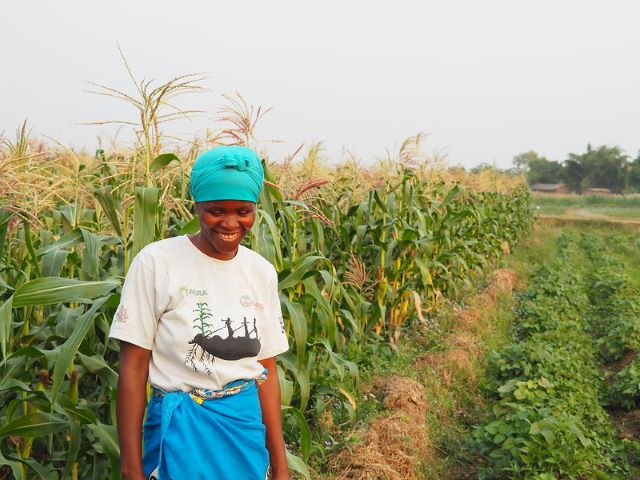 Nearly two-thirds of developing countries rely heavily on the economic profit of agriculture to support local financial infrastructure. The industry holds high profitability but farmers rarely have the means to create a profitable business.
  The age group of 15 to 24 accounts for 16% of the global population but represents
  While Nigeria’s population makes up only 2.8% of the world,
  South Africa is a country with 19.6 million children, making up about 35% of its total population of 56.5 million people. Of these 19.6 million children,
 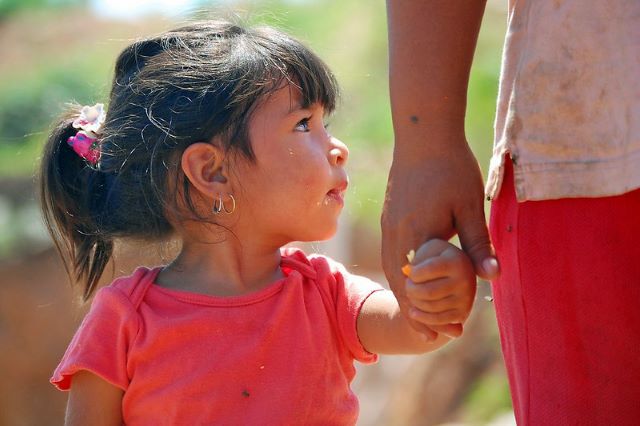 The United States’ Migrant Protection Protocols (MPP) program, better known as “Remain in Mexico,” is a policy that requires those seeking asylum within the United States entering from the southern border to wait outside of the United States in Mexico while their cases are reviewed by immigration judges. Since its implementation in January 2016, this policy has led to the build-up of camps of asylum seekers around Mexico. These U.S.-Mexico border camps are ridden with crime, disease and other dangers.
 Globally, women are faced with the invisible burdens of gender inequality which are entrenched deeply within institutional structures and communities as a whole. These prejudices may limit a woman’s access to higher employment and assistance programs, ultimately leading to higher rates of poverty, especially among women of color. As of 2018, the
  Honduras is trapped in a
  According to the World Health Organization (WHO),