
At least 65 representative-elects and senator-elects joined the 117th Congress in January 2021 to serve with a president who wants to “bring aid back to the center of our foreign policy.” The next two years could represent a sea of change in the U.S.’s approach to foreign policy and foreign aid under an administration committed to global development. Several new representatives want to increase foreign aid and improve the U.S.’s approach to peacekeeping and diplomacy. Here are four new members of the 117th Congress who could shape the U.S.’s approach to foreign aid.
4 New Members of the 117th Congress
- Sara Jacobs (CA-53) served as a policy advisor to the Hillary Clinton 2016 Presidential Campaign. Jacobs has worked to end child poverty through her nonprofit San Diego For Every Child. Jacobs was elected to represent California’s 53rd district in the U.S. House of Representatives. The Foreign Policy for America Action Network, a non-partisan advocacy organization that promotes safe foreign policy and endorses a slate of candidates each cycle who are believed to serve on key committees or lead on key legislation, endorsed Jacobs. The organization stated that she is ready to tackle issues such as immigration reform and global health on day one. According to Jacobs’ website, she supports protecting and maintaining current funding levels for USAID. However, she also supports properly funding the State Department and USAID to maximize efficiency.
- Mondaire Jones (NY-17) has worked in the Department of Justice and provided legal counsel with the Legal Aid Society. When inaugurated, he and fellow New York Representative-elect Ritchie Torres will be the first openly gay Black men in Congress. Jones promotes a “Diplomacy-First” foreign policy, sharing the belief that if the U.S. can dedicate more funding to foreign aid. He has criticized budget cuts to USAID (the president’s Fiscal Year (FY) 2020 budget provided $41 billion for USAID, as opposed to $50 billion in the FY 2016 budget) and plans to push for reinvestment in the State Department to allow the U.S. to take initiatives in humanitarian efforts. According to his website, Jones supports redirecting funds designated for conflict and weapons sales toward aid and promoting peace and development in foreign countries.
- Jake Auchincloss (MA-4), a former city councilor, was recently elected to the district formerly held by Joseph Kennedy III. With an extensive background in foreign policy and service in Panama and Afghanistan, Auchincloss supports a nuanced apportionment of foreign aid. Auchincloss advocates for a recommitment to “the types of foreign aid programs that strengthened America’s alliances and improved our security in the 20th century.” He supports continued aid to countries like Iraq in combatting COVID-19 and terrorism, and he wants the U.S. to commit to increasing foreign aid. Like The Borgen Project, he believes that foreign aid is a national security asset to the U.S.
- In June, Jamaal Bowman (NY-16), a Bronx middle school principal, defeated 16-term incumbent Eliot Engel. Bowman has emphasized the necessity for a foreign policy that gives voice to developing nations, particularly in Africa, as those countries emerge as world leaders on the global market. Bowman also supports a new Marshall Plan, which lent assistance to Europe after World War II. This new Marshall Plan put forward by Representative Joaquin Castro (TX-20) is meant to address the economic and social disparities in Central America that have led to mass migration, poverty and violence. By addressing the root causes of these issues, Bowman believes the U.S. can help millions of vulnerable people.
A Look to the Future
Jacobs, Jones, Auchincloss and Bowman have come out in favor of innovative solutions to addressing global poverty. However, any of the new members of the 117th Congress could advance the U.S.’s approach to foreign aid. The bold approaches put forth by some of these representatives have the potential to set a standard for the future of U.S. foreign aid as Congress takes on the COVID-19 pandemic and faces a changing foreign and economic landscape.
– Kieran Graulich
Photo: Flickr
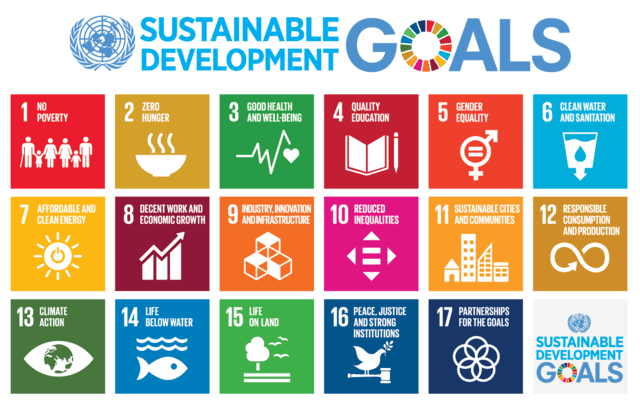 In Argentina, the COVID-19 pandemic and ensuing economic unrest has stalled efforts to close the inequality gap. Before the pandemic hit, Argentina was making progress on a series of Sustainable Development Goals (SDGs), which is a
 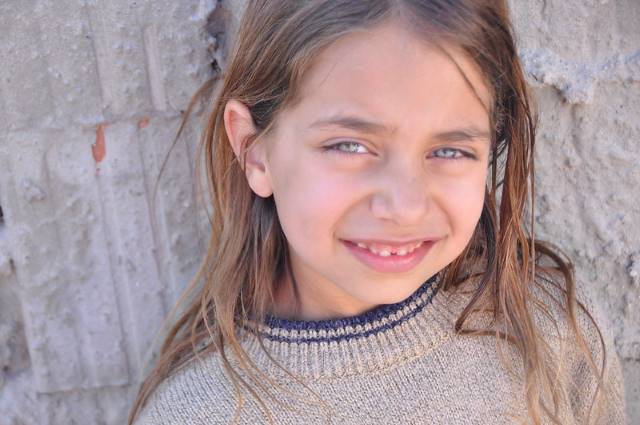 An uncomfortable reality is that there are many children in the world who do not have essentials such as food, water, electricity and a safe, sheltered home. This is the reality for the people living in Lunik IX in Slovakia.


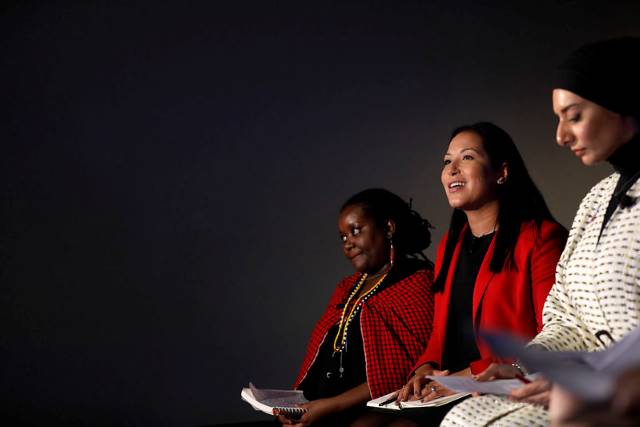 The U.N. Sustainable Development Goals (SDGs), to be met by 2030, are 17 goals aimed at increasing environmental and socially sustainable solutions to poverty, inequality and injustice, among other things. The goals are both ambitious and achievable but funding gaps hamper the progress of these goals. Through conscious investments toward SDGs, private sector businesses could close this gap. The U.N. Secretary-General António Guterres
 Located on the southeastern coast of Africa, Mozambique is home to approximately 29.5 million Mozambicans. With a 52% female and 48% male population growing at a rate of 2.5%, high child mortality rates, increased 12.6% HIV prevalence, low life expectancy and low literacy rates, Mozambique is struggling with most of the U.N.’s Sustainable Development Goals (SDG). Mozambique ranks 136 of the 162 countries

