 In recent months, the eyes of the international community have been on the actions of the Myanmar military and the state of internally displaced people (IDPs). Ethnic minorities in the country have been experiencing this violent instability at the hands of the military for generations. However, COVID-19 and the military coup in February 2021 have exacerbated the situation for IDPs in Myanmar. The coup affected several states in Myanmar, including the Rakhine, Kachin, Shan, Kayin and Chin states.
5 Key Facts About IDPs in Myanmar
- Thousands flee because of violence and conflict: As of December 31, 2019, there are more than 450,000 IDPs throughout Myanmar due to conflict and violence. This number does not include the additional 800,000 Rohingya refugees in neighboring Bangladesh or the 100,000 ethnic minorities from Myanmar who fled their homes in April 2021 to seek refuge in camps along the border. The armed conflict between ethnic militias and the military has resulted in IDPs fleeing to the refugee camps. Natural disasters have also forced IDPs to flee to the camps.
- Diseases are quicker to spread in refugee camps: Camps are overcrowded with poor living conditions. These camps have led to higher rates of communicable diseases, including tuberculosis, scabies, dysentery, COVID-19 and other viruses. Human Rights Watch and others have referred to some IDP camps as essentially “open-air prisons.” COVID-19 rates in IDP camps are thought to be underreported due to a lack of testing and access for aid organizations to assist people.
- Limited access to aid: Crucial aid is blocked by the central government. During the pandemic, restrictions on movement in Myanmar have prohibited humanitarian organizations from properly distributing medical care and emergency supplies to IDPs in the camps. The lockdowns have also prevented children in IDP camps from attending school. Additionally, adults have not been able to work, making it difficult for parents to pay for school and food.
- Lost and stolen property: Many IDPs have no land to return to. Before the military coup, the government in Myanmar prioritized closing IDP camps throughout the country, but many IDPs in Myanmar no longer have homes or land to return to. This is a result of natural disasters and military attacks destroying people’s homes. People have also lost land to large development projects, which only benefit the central government and international entities. Additionally, some IDPs lost their properties due to changes in laws and citizenship requirements.
- Protests and violence in Myanmar: The military coup in Myanmar has led to increasing difficulties. With massive civil unrest occurring throughout Myanmar, including outside of ethnic minority areas, IDPs are vulnerable to additional violence from the military. At the same time, many ethnic Burmese protestors are beginning to show solidarity with the struggles of ethnic minorities. Some have even condemned the military’s brutality toward ethnic minorities, including the Rohingya.
Finding a Path Forward
International NGOs and the U.N. have a presence in Myanmar. However, access to sensitive regions is not always possible for aid workers. Fortunately, many ethnic groups have grassroots organizations that deal with various issues faced by IDPs and refugees in neighboring countries. Women’s rights groups have been particularly vocal in advocating for the rights of ethnic minorities throughout the country. Unfortunately, at leadership levels and in educational opportunities, there is still a wide gender gap. This makes women’s rights groups’ work crucial in shifting attitudes to be inclusive of all voices in Myanmar.
The Women’s League of Burma (WLB) is a collective of 13 different organizations representing several ethnic groups from Myanmar. While each organization has specific needs, all share the same goal of involving women in peace negotiations between ethnic militias and the Myanmar military. There have been ceasefires of varying success over the years. However, long-term peace agreements have been elusive and certain voices, such as those from WLB, are crucial in advocating for ethnic minorities. Voices from the WLB are also important in defending the rights of children and other vulnerable groups.
Despite uncertain times for the future of Myanmar, there are hopeful signs that the long-term issues faced by ethnic minorities are receiving more attention, both within Myanmar and throughout the international community.
– Matthew Brown
Photo: Flickr

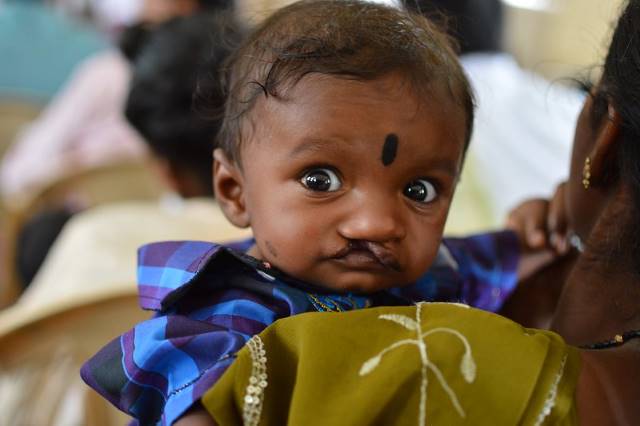 More than 170,000 children in developing countries are born with cleft lips or palates. Children born with clefts in developing countries often go untreated due to a lack of trained surgeons and facilities as well as the high cost of corrective surgery. Without surgery, children struggle to eat, breathe, hear and speak. Smile Train is a nonprofit that works to provide life-enhancing services to children with clefts in developing countries.


 In 2013, tens of thousands of Ukrainian citizens took to the streets to protest the government’s decision to abandon an agreement with the European Union. Ukrainians saw this move as a political realignment with Russia after years of
  Grammy-nominated, South Korean group, BTS recently announced the renewal of their