
In the digital age, access to the Internet has become a barrier to entry for much of society. Nowhere is this lack of access more prevalent than in Africa. Roughly two out of three Africans lack access to electricity, let alone the Internet. To address this staggering disparity in privilege in an age that the widespread use of electricity characterizes, several NGOs are working to bring power to Africa through a combination of innovative technology and locally-led distribution campaigns.
The Honnold Foundation
Founded by renowned rock climber Alex Honnold, The Honnold Foundation aims to promote equitable access to power worldwide. While the organization does work both domestically and abroad, many of its projects in Africa have focused on the distribution of solar lanterns and pay-as-you-go energy programs. These programs provide power to remote, off-grid communities. Through generous grants The Honnold Foundation has awarded to organizations such as The Solar Energy Foundation and SolarAid, the Honnold Foundation has provided clean, renewable energy sources to 12.3 million people. This has not only lit up a large swath of Africa but also eliminated the need for expensive and environmentally-harmful alternatives such as kerosene lamps. Additionally, the Foundation has provided solar power to 165 Ethiopian schools and 35 health centers, as well as more than 2,000 households.
Sustainable Energy for All
Sustainable Energy for All, or SEforAll, is an independent international organization. In partnership with the United Nations, it works to promote access to sustainable energy across the world. In Africa, SeforAll’s “Electricity for All in Africa” program is using a top-down strategy to alleviate regional energy poverty. SEforAll’s focus is threefold: first, it advocates for policy reform centered on the promotion of sustainable energy access for all, in conjunction with meeting sustainable development goals. The organization also utilizes a neutral platform to promote investment in sustainable energy in Africa. In addition, it accelerates the market for private sustainable energy companies and facilitates communication between companies and the public sector. In Africa, 44 countries have joined SEforAll’s initiative, with drastic long-term improvement expected in nearly all of them as more companies buy into the clean energy industry and countries adopt policy reforms.
Africa ICT Right
Many organizations are pushing valuable initiatives to bring electricity to remote and impoverished African communities. However, NGOs tackling the disparity in Internet access are less common. Africa ICT Right (AIR), is a nonprofit addressing the lack of Information and Communication Technology – or ICT – in Ghana. Some of AIR’s programs include projects to equip schools with computer labs and STEM teachers, programs to offer technological tools and learning opportunities to high school girls and innovative technological reforms in rural medical centers to reduce infant and maternal mortality. Above all, AIR based its mission on the following idea: not only does it benefit less affluent communities to have access to these technological tools, but it also allows the inclusion of diverse voices from areas such as Ghana.
Power for All
Power for All is an NGO that has dedicated itself to bringing power to Africans in rural areas through decentralized renewable energy sources. Rather than prioritizing one form of renewable energy, Power for All strives to promote a combination of different strategies to tackle increasing overall energy efficiency and availability. In addition to this goal, Power for All lobbies governments to reduce taxes on renewable energy sources. Furthermore, it incentivizes investors and banks to earmark funds specifically for the promotion of sustainable power sources.
ACRA
The Milan-based NGO ACRA is also spreading the benefits of electricity throughout several African countries through a variety of sustainable solutions, including the construction of small hydroelectric plants in rural areas. Organizations in Tanzania applied this strategy to a high degree of success. Plants turned over to local leadership and paired with education initiatives in the locales they power. What is particularly remarkable about ACRA’s programs is that it tailors them to the region in which they implement them. For example, ACRA’s hydropower programs in Tanzania work well in that region. However, in Senegal, ACRA has seen an even greater potential for the installation of solar panels to power remote communities.
The Push to Bring Power to Africa
The actions and goals of these NGOs point to a greater global appreciation for the value of integrating Africa. The work of these organizations will likely prove invaluable in bringing power to Africa. By incorporating Africans into the global economy, they better global communication networks with new and diverse perspectives.
– Kieran Hadley
Photo: Flickr

 The Green Shoots Foundation aims to
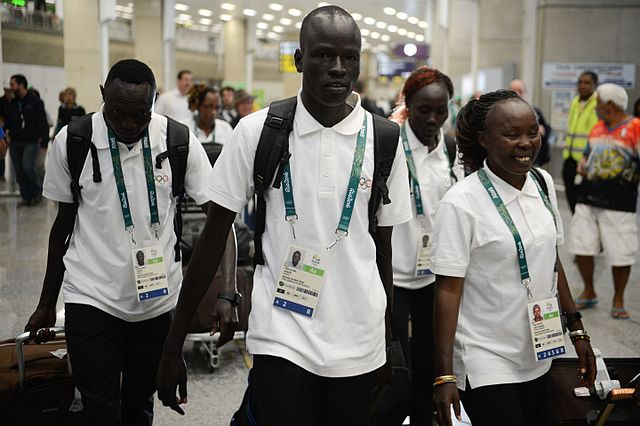 At the 1994 New York City Marathon,
  An effort to bring virtual education resources to Colombia’s indigenous people helps students learn in their native language and creates opportunities for them to break the cycle of poverty. The COVID-19 pandemic has created food insecurity and economic challenges for many
  In recent years, there has been a multitude of technological innovations implemented in low-to-middle income countries (LMICS) to alleviate poverty and enhance health outcomes. However, mental health, and specifically maternal mental health, has been largely unaddressed. Postpartum depression (PPD) is one of the most common complications of childbearing and disproportionately affects women in LMICs. In Jordan, postpartum depression affects
  India is one of the poorest and populated countries, with more than
 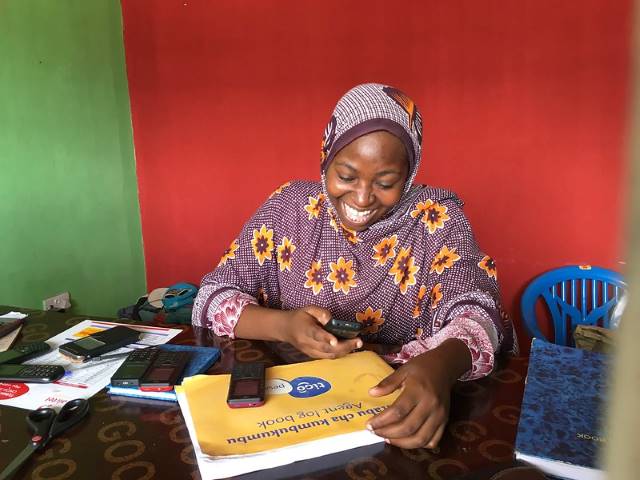 It is no secret that cash is becoming more and more obsolete in developed nations. Venmo, Cash App, Square, PayPal, Zelle and Google Pay — none of these popular money transfer services require a physical transfer of cash. The onslaught of a global pandemic has only accelerated the shift to cashless transactions amid efforts to minimize physical contact. China is rapidly moving forward with
  One of the gravest mistakes made when discussing development initiatives is presuming to know what communities’ most relevant problems are without involving those experiencing them. The members of traditionally excluded communities have the necessary knowledge to not only identify the best solutions to the challenges they face but to articulate and call attention to these challenges in the first place. Including traditionally excluded communities in the innovation process is a key ingredient in tackling some of the biggest development challenges of today. IDB Lab is