 Although Japan is one of the wealthiest countries in the world, many women struggle to obtain sanitary products for menstruation. Some women cannot afford menstrual products and social stigma on the topic of menstruation means women suffer in silence adding to the challenges of period poverty in Japan. In 2019, Japan raised the taxes on sanitary products from 8% to 10%, whilst excluding products ranging from newspapers to non-alcoholic drinks. While it may seem like a small change, women who already struggle financially now struggle further to access sanitary products.
What is Period Poverty?
Period poverty is the inability to afford menstrual products, including pads and tampons, or not having access to handwashing facilities and waste management. Period products often have an extra tax, commonly known as “pink tax.” The tax increases the prices of these basic essentials, transforming pads and tampons into luxury items for women who struggle financially. Many use unhygienic alternatives as menstrual products, including rags, toilet paper or used pads, which can cause infections. Around 2.3 billion people worldwide do not have access to basic sanitation facilities, which adds another difficulty to properly managing a period. The shame that many people associate with menstruation can even cause girls and women to skip school or work.
Causes of Period Poverty in Japan
People in Japan do not discuss menstruation openly, so families and the government often do not address the challenges women face surrounding their periods. Furthermore, there is a large gender pay gap in Japan, women earn “only 73% as much as men.” The World Economic Forum ranked Japan 120th out of 156 countries on the gender gap report. Women also face employment inequality. Overall, significantly lower wages mean women have even less money left over from the costs of rent or food to buy sanitary products.
In addition, mothers, especially single mothers, do not receive full benefits if they work part-time, which leaves them financially insecure. More than 40% of women who work part-time earn less than $9,100 a year and part-time jobs leave women without security or opportunities to advance professionally. With children, women must put any extra money toward the needs of their children rather than purchasing sanitary products.
Statistics and Stories
- If estimates determine that basic monthly expenses of sanitary products are 1,000 yen, or $9, this adds up to almost 500,000 yen or $4,500 over a lifetime. Some women may need painkillers or extra sanitary products, which adds to the expenses overall.
- In a survey of 671 school-age women, only 82.9% could afford to use sanitary products as needed and did not require the use of unsafe alternatives.
- Of the 671 women surveyed, 37% reported that financial difficulties forced them to change their pads or tampons less frequently.
- A questionnaire that an activism group sent out received responses from women who reported using one pad the entire day or wrapping toilet paper around a used pad to save costs.
Steps Toward Progress
In the last few years, there have been small steps toward ending period poverty in Japan. In March 2021, the Japanese government budgeted 1.3 billion yen to help women in need of menstrual products. The government also helped local municipalities by distributing sanitary pads and tampons to the public free of charge. There is also a growing awareness of menstruation in pop culture and social media. The hit Japanese movie “Little Miss Period” breaks the menstrual taboo while providing education on periods. In addition, there are movements online to sign petitions to reduce the taxes. Some are hopeful that implementing menstrual education in schools will facilitate easier and more frequent conversations, thereby improving period poverty in Japan.
– Madeleine Proffer
Photo: Unsplash
 Areas like North America are seeing growth and recovery from the COVID-19 pandemic. However, there are still places in the world suffering from what came with living through the pandemic, especially the rise in poverty and economic struggles. COVID-19’s impact on poverty in India is especially concerning. In India, estimates determined that about
 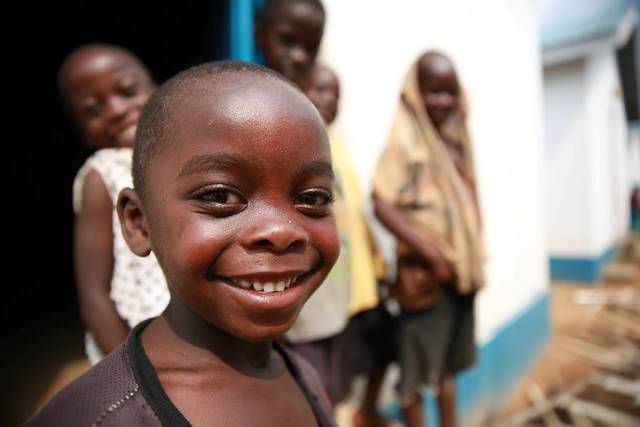 Conflict and poverty in the Democratic Republic of the Congo (DRC) have once again become causes of concern. Conflicts have escalated in recent months and resulted in a crisis that impacts enormous swaths of the country. Since there is a strong link between conflict and poverty in the DRC, international attention and aid efforts have shifted to combat the situation.
 Child marriage in Morocco is still widely prevalent in 2021, though there are efforts to expand girls’ rights and empower women. A worldwide issue, child marriage is an issue Morocco has long struggled with because of various legal frameworks. But, there is hope for the country’s girls as activists and groups work to reform laws and curb child marriage in Morocco.
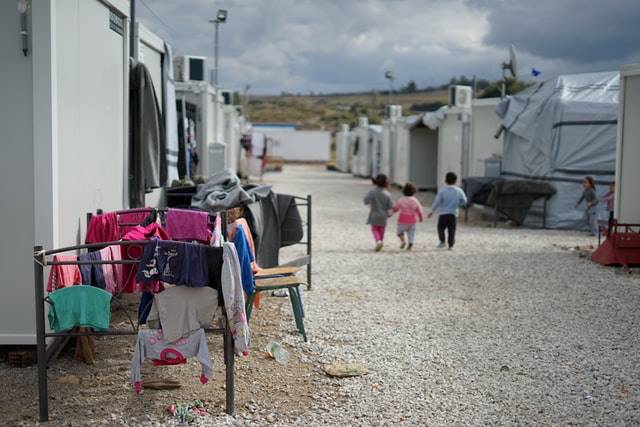 For the past decade, Syria has been the center of a brutal civil war. As a result, millions of Syrians face the everyday threats of violence, hunger and disease that wartime poverty brings about. Those most vulnerable to the effects of poverty include Syria’s children. A closer look at child poverty in Syria provides insight into the lives of Syrian children.
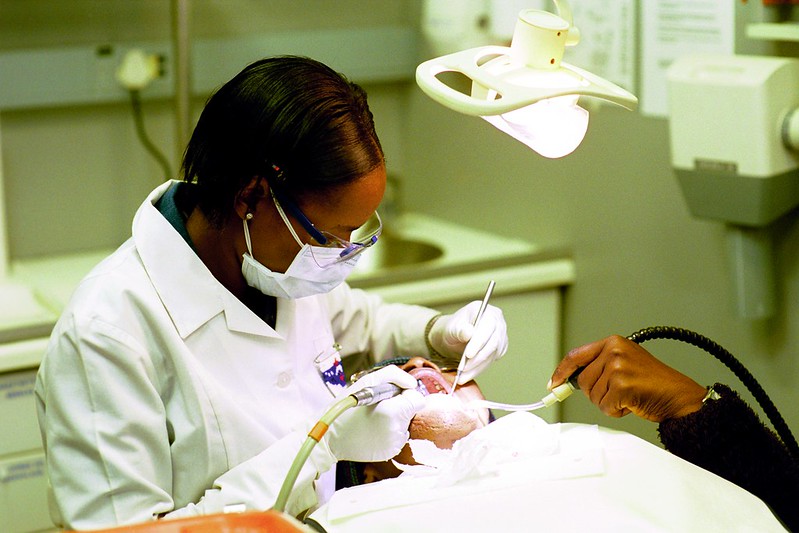 People are often taught to brush and floss their teeth twice a day to prevent cavities or other oral diseases. Some estimates suggest that roughly
  The impact of COVID-19 on poverty in Russia is quite significant. Like many other nations worldwide, the pandemic has proven to be a sizable obstacle in the fight against poverty. Measures meant to limit the spread of COVID-19 within Russia have resulted in the Russian economy shrinking overall. With this
  The 2020 Human Development Index ranked Haiti 170th out of 189 countries. Between the devastating earthquake in 2010, Hurricane Matthew in 2016 and the current COVID-19 pandemic,
  The South Asian country of Vietnam has experienced vast improvements in its quality of life over the years. Proof of these improvements is abundant. In 2016, the Happy Planet Index Report found that Vietnam was the
  In Latin America, the health and well-being of rural communities are threatened by water scarcity and poor sanitation. In recent decades, the number of people facing water scarcity has declined. Unfortunately, with