• Link to X
  • Link to Facebook
  • Link to Instagram
  • Link to TikTok
  • Link to Youtube
  • About
    • About Us
      • President
      • Board of Directors
      • Board of Advisors
      • Financials
      • Our Methodology
      • Success Tracker
      • Contact
  • Act Now
    • 30 Ways to Help
      • Email Congress
      • Call Congress
      • Volunteer
      • Courses & Certificates
      • Be a Donor
    • Internships
      • In-Office Internships
      • Remote Internships
    • Legislation
      • Politics 101
  • The Blog
  • The Podcast
  • Magazine
  • Donate
  • Click to open the search input field Click to open the search input field Search
  • Menu Menu

Archive for category: Global Poverty

Key articles and information on global poverty.

Global Poverty

Fighting Poverty in Fashion: Brands That Give Back

Fighting Poverty in Fashion, Brands That Give BackWorking conditions in the fashion industry are often less than ideal. Despite providing job opportunities for workers in impoverished countries, many of these employees make 42% to 55% under a living wage. When fighting poverty in fashion, improving workers’ rights is paramount to helping better the industry. Donations through third-party charities are a common way organizations have provided their support for changing the fashion industry. However, this charitable work is often criticized for its lack of actual change seen by the workers. As such, three companies have found a more productive way to help increase transparency, sustainability and worker’s rights. In an effort to change the fashion industry, Lucy and Yak, Girlfriend Collective and ABLE  have all shown creative solutions and fast success as clothing corporations in developing countries around the world.

Lucy and Yak

Lucy and Yak started in New Zealand. Chris Tenwick and Lucy Greenwood began their journey traveling the world, creating tobacco pouches, which they sold to travelers visiting the country. The couple headed back to the U.K., where they sold vintage clothing and homemade overalls out of their van, named Yak. They traveled to China, India and Thailand looking for a production company and landed on three tailors in Rajasthan, India. In Rajasthan, nearly 15% of the population lives below the poverty line. One of the biggest components of GDP growth for Rajasthan is industry, making Lucy and Yak’s choice of location a profitable and impactful one.

Since 2018, the team of three grew into 50, opening job opportunities for many. A new, climate-controlled and ethically sustainable factory stands to produce Lucy and Yak products in the rural region of Rajasthan. With this factory, the company can provide compensation higher than the minimum wage for the area and support their workers’ individual needs. Greenwood and Tenwick often visit the team in India as oversight for production and to catch up with their old friends from the van days. Overall, when fighting poverty in fashion, Lucky and Yak pave the way for a standard of ethical production.

Girlfriend Collective

Girlfriend Collective is an activewear company based out of Seattle, Washington. Bottles, cotton industry scraps, recycled nylon and polyester all make up Girlfriend Collective’s clothes. The company currently sources its recycled materials from Taiwan and its core production comes from Hanoi, Vietnam. The Hanoi factory in the Phu Tho province is an area dedicated to sustainable poverty reduction. It is also an SA8000-certified facility, meaning the factory is held to a sustainable and ethical standard of fair wages and safe worker’s conditions.

Moreover, Girlfriend Collective supplies its workers with free lunch and dinner, guided exercise breaks and health checkups every six months at the factory. Worldwide, Girlfriend Collective has been acknowledged for its success. The Universal Declaration of Human Rights and the International Labour Organization have applauded Girlfriend Collective for its efforts. Thus, with its mission to ensure health and safety for its employees, Girlfriend Collective has made its mark in fighting poverty in fashion.

ABLE

ABLE is a women-owned fashion company that dedicates itself to the advancement of women worldwide. Its international employment program began in Ethiopia with the production of scarves. Since 2019, the company has expanded similar programs in Mexico, India and Brazil. One of the company’s overall goals is to educate its consumers on wage inequities. Around the world, 98% of people making clothing cannot make a living wage. Women comprise 75% of this figure. ABLE has also solidified its own evaluation system called Accountable. With this system, ABLE can hold itself accountable and continue making a positive impact on its company.

The Future for Fighting Poverty in Fashion

In efforts to alleviate poverty around the world, these three companies are taking the lead. Their oversight has impacted impoverished communities in Vietnam, Ethiopia and India in a new and positive light. Overall, by ensuring living wages, safe working conditions and women empowerment, Lucy and Yak, Girlfriend and ABLE are helping to fight poverty in fashion.

– Julia Fadanelli
Photo: Flickr

September 20, 2021
https://borgenproject.org/wp-content/uploads/borgen-project-logo.svg 0 0 Kim Thelwell https://borgenproject.org/wp-content/uploads/borgen-project-logo.svg Kim Thelwell2021-09-20 01:30:552021-09-14 20:02:30Fighting Poverty in Fashion: Brands That Give Back
Development, Global Poverty, War

From Bombing to Booming: The Curious Case of Albania’s Bunkers

Albania’s bunkersFrom the 1960s to the 1980s, Albanian dictator Enver Hoxha fortified Albania by building more than 750,000 bunkers in anticipation of an invasion from the Soviet Union, Yugoslavia, Greece and NATO. In the event of an invasion, rather than relying on the services of the army, Hoxha believed that citizens should take up arms and seek refuge in the bunkers scattered across the entire country. The invasion did not occur and Albania’s bunkers, serving no purpose, faced abandonment and decay. Four decades later, Albanians have found a new purpose for them. In addition to individuals using the bunkers for personal needs, the growing tourism industry would facilitate a new use for the abandoned structures.

Albanian Tourism

From 1946 to 1992, Albania was under the rule of a strict communist regime that barred the country from international tourism. Albania’s past significantly tainted the international community’s image of the country. However, in the past two decades, the Albanian government has managed to improve the attractiveness of the country as reflected by the increase in tourists.

Between 2007 and 2017, the number of tourists to Albania increased fivefold from about 1.1 million annual visitors to about 5.2 million annual visitors. The increase was stimulated by direct actions from the government such as fiscal incentives for constructing new hotels in the country as well as concrete development plans advertising the geographic location of the country and its rich cultural heritage. While in 2002 the poverty rate stood at 49.7%, the country made major strides with a poverty rate of 33.8% in 2017.

Revitalization of Albania’s Bunkers

To earn an income, many Albanians turn to tourism for work. In particular, the free-standing historic bunkers are undergoing refurbishing to serve as house tattoo studios, cafes, restaurants and even accommodations for tourists. In 2012, professors and students from the POLIS University and FH-Mainz in Germany embarked on the Bed & Bunker project to repurpose Albania’s bunkers as bed and breakfast hostels for tourists. The group began this project with the mission of preserving Albania’s heritage, succeeding in raising awareness for this cause.

Albanian-Canadian architect, Elian Stefa, has come up with further step-by-step guides and proposals for revitalizing the bunkers. In other words, people are recognizing the bunkers’ value and transformative plans have already come to fruition while other repurposing plans will soon occur.

Economic Growth

The demand for Albania’s bunkers as hotels and service amenities for tourists is growing. Bunkers, as displays of the country’s convoluted but rich history, has helped bring down the unemployment rate and stimulate economic growth in Albania. Between 2014 and 2020, the unemployment rate almost halved, decreasing from 18.06% to 11.7%. Furthermore, the GDP has risen as well with growth from about $12 billion in 2010 to roughly $15.3 billion in 2019. With more people working, Albania was able to decrease its poverty rate to 33.8% in 2017. Furthermore, since the bunkers are scattered throughout the country, the economic growth is not only limited to urban centers, with communities in the countryside also benefiting.

Using History to Serve the Present

Built in the 20th century, Albania’s bunkers were abandoned as the anticipated war they were built for did not manifest. This, however, did not discourage individuals from revitalizing Albania’s bunkers to serve the growing tourism sector. This growth had a positive effect, incentivizing individuals to ensure the preservation of the bunkers and uphold the rich Albanian heritage. Moreover, the resulting increase in revenue from tourism has created new jobs, reducing the poverty rate by 16% in 15 years.

– Max Sidorovitch
Photo: Flickr

September 20, 2021
https://borgenproject.org/wp-content/uploads/borgen-project-logo.svg 0 0 Lynsey Alexander https://borgenproject.org/wp-content/uploads/borgen-project-logo.svg Lynsey Alexander2021-09-20 01:30:312021-09-15 06:16:27From Bombing to Booming: The Curious Case of Albania’s Bunkers
COVID-19, Foreign Aid, Global Poverty

Conservative MPs Against UK Foreign Aid Cuts

U.K. foreign aid cuts
On July 13, 2021, the U.K. government voted in favor of a £4 billion ($5.5 billion) cut to its foreign aid budget in an effort to recover from debt that its COVID-19 response imposed. Parliament voted in favor of the measure, with 333 for and 298 against the cut. Those voting against the foreign aid cut included 25 Members of Parliament (MPs) of the ruling Conservative party. Surprisingly, this is an unusually high number for a government that stigmatizes voting against party lines. Among those who voted against the cut were former Prime Minister Theresa May and former cabinet ministers Jeremy Hunt and David Davis.

Backbench Rebellion

Before the vote, a far more sizeable group of Conservative MPs planned to rebel against the government’s line. However, Chancellor of the Exchequer Rishi Sunak persuaded many to vote in favor of the measure. He assured them that the cuts would only be temporary until the country’s public finances were healthier post-COVID-19. However, experts predict it will be years before the national budget reaches ‘healthy’ levels.

The Response

Many members of the opposition believe that the U.K. foreign aid cuts will adversely affect thousands of lives, predicting a possible 100,000 deaths and millions facing malnutrition.

Even former Conservative Prime Ministers opposed the move. David Cameron, whose government adopted the 0.07% pledge, called it a “grave mistake” to undermine the U.K.’s 2013 promise. Sir John Major questioned why the government could afford “a ‘national yacht’ tha[t] no one either wants or needs” while also claiming the necessity of cutting aid to “the most miserable and destitute people in the world.”

Long-time recipients of foreign aid are also aghast at the likely repercussions of this decision. After the recent resurgence of the Taliban in Afghanistan, NGOs such as Afghanaid fear that reduced aid will only exacerbate the extensive instability in the region, with the hardships falling largely on the poorest members of the population.

NGOs Step Up

NGOs and aid organizations have responded to the cuts in a number of different ways. For example, the Bill and Melinda Gates Foundation pledged £93.5 million ($192.6 million) to help cover the costs rescinded by the U.K. government. Other organizations, such as the Children’s Investment Fund Foundation, the ELMA Foundation and the Open Society Foundations pledged similar funds to make up for the cuts. Specifically, a number of global life-saving treatments will go unfunded without the help of these organizations.

In addition, several NGOs also made last-minute pleas to the Foreign Office to halt the cuts to foreign aid. The International Development Committee (IDC), aided by leading foreign aid experts, published an inquiry into the results of the cuts. This inquiry predicts that the U.K. government will turn away from severely war-affected areas such as Syria and Yemen. The Norwegian Refugee Council (NRC), an organization that receives 5% of its funding from the U.K. and works in places such as Syria and Yemen, is also concerned. The NRC cautions that “It is more important than ever that aid from the U.K. reaches those who are most vulnerable, in line with humanitarian principles,” rather than with “political or economic interests.”

Looking Ahead

Despite the monumental damage predicted as a result of the U.K. foreign aid cuts, the global response from philanthropists and aid organizations is very encouraging. Hopefully, their willingness to step forward will reverse some of the damage and encourage others to do the same.

– Augustus Bambridge-Sutton
Photo: Wikimedia Commons

September 20, 2021
https://borgenproject.org/wp-content/uploads/borgen-project-logo.svg 0 0 Kim Thelwell https://borgenproject.org/wp-content/uploads/borgen-project-logo.svg Kim Thelwell2021-09-20 01:30:272021-11-30 15:12:46Conservative MPs Against UK Foreign Aid Cuts
Global Poverty, Refugees

The Immediate Aftermath of the Afghanistan Crisis

The Afghanistan CrisisIn early April 2021, the President of the United States Joe Biden announced that he would be withdrawing U.S. troops from Afghanistan. In the months following the announcement, increasing issues have plagued the Middle Eastern country. The resurgence of the Taliban and the rapid collapse of the Afghan army are examples. Over a few months, the Taliban aggressively took over parts of Afghanistan; at one point, it circled the capital of Kabul before taking over. In the aftermath of the Afghanistan crisis, the country’s citizens are facing many challenges.

The U.S. spent 20 years and an estimated $83 billion to help build the Afghan army, not including larger costs to fight the war in Afghanistan overall. Both U.S. and Afghan soldiers worked to overthrow the Taliban government and stabilize the country.

Taking Over Afghanistan

When the U.S. completely withdrew its forces, the Taliban invaded and took over U.S. military bases that the Afghan army operated. The Taliban took over at least two-thirds of the country’s provincial capitals in the time it took for the U.S. to take out its troops.

The Taliban took advantage of the United States’ departure, and from the months of May and June, it began its conquest over the country. In those months, Afghanistan saw significant violence compared to the past two decades.

The Taliban started its attacks to take over the country in haste. It targeted the northern part of the country, maximizing its influence and existing strongholds. It had control over 50 of the 370 districts as of June 22.

“The Taliban contest or control an estimated 50 to 70 per cent of Afghan territory outside of urban centers, while also exerting direct control over 57 per cent of district administrative centers,” said the U.N. report.

Consequences that the People are Facing

The Taliban gained more and more ground, seizing major cities all throughout the country. Its actions led to negative effects on the people who live in Afghanistan. Many abandoned their homes in fear of their lives. As the Taliban continued its conquest of the country, the people have been caught in the crossfire, even in attacks in major cities. Videos and photographs have emerged of insurgents going into people’s homes and lynching families, even taking the lives of children.

In the face of this, civilians tried to get out in any way they could. As they sought refuge anywhere they could in the aftermath of the Afghanistan crisis, several countries gave them permission to enter and be safe behind their borders.

“The Taliban have been executing people summarily, they have been lashing women, they have been shutting down schools. they have blown up hospitals and infrastructure,” said former Pakistani Ambassador Husain Haqqani in an interview with NPR.

Responses from Other Countries

The government of Canada has decreed that it will take in about 20,000 Afghan refugees into its country in the aftermath of the Afghanistan crisis. This includes women leaders, government workers and others whose lives are in danger. Refugees will receive shelter and aid as they escape from a hostile environment. Even neighboring countries like Pakistan and Turkey have extended their hand in taking in civilians fleeing Afghanistan.

“The situation in Afghanistan is heartbreaking and Canada will not stand idly by,” said Immigration Minister Marco Mendicino in a news conference.

Despite the withdrawal, the United States, under the orders of President Biden, decided to aid Afghan in the face of the Taliban problem. This included intensified airstrikes to help counter the Taliban’s advance and assistance in evacuating diplomats from embassies amid the Taliban takeover.

– Demetrous Nobles
Photo: Flickr

September 19, 2021
https://borgenproject.org/wp-content/uploads/borgen-project-logo.svg 0 0 Lynsey Alexander https://borgenproject.org/wp-content/uploads/borgen-project-logo.svg Lynsey Alexander2021-09-19 08:46:002021-10-09 10:14:57The Immediate Aftermath of the Afghanistan Crisis
Global Poverty, USAID

Foreign Investment Through the Prosper Africa Campaign

Foreign Investment Through the Prosper Africa CampaignForeign assistance helps people living in poverty while also benefiting the donor nations. Foreign aid helps domestic business interests because investment abroad in emerging markets opens the doors for more consumers. Furthermore, it stimulates demand for those domestic goods and services.
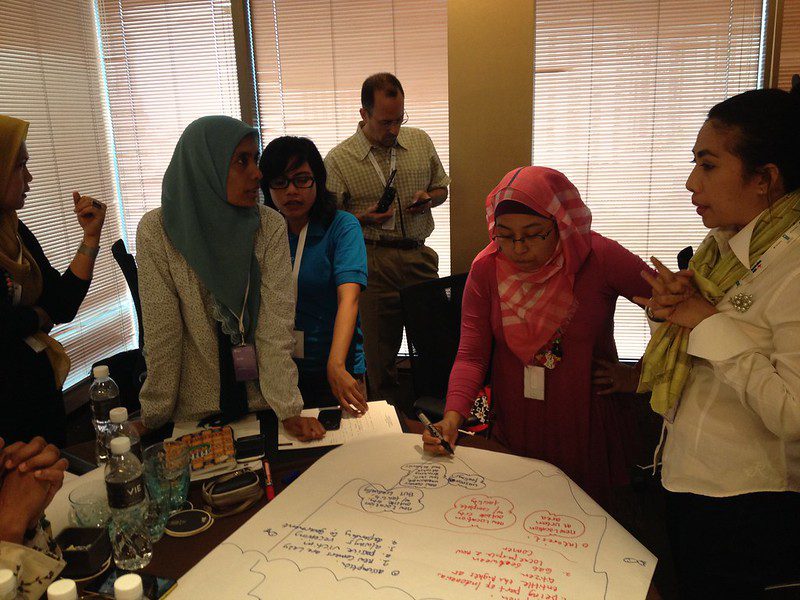
A new U.S. government initiative, called the Prosper Africa Build Together Campaign, is aiming to do just that by encouraging investment in Africa. The campaign promises development for recipients and new opportunities in key emerging markets for donors.

Africa’s Emerging Markets

Across the continent, income levels are rising. Some predict that by 2030 global household consumption will reach well over $2 trillion. Opportunities abound with urbanization in countries such as Nigeria, which holds seven cities with populations of more than a million people. By 2030, a fifth of the world’s consumers will live in Africa — with an increasing number of people breaking into the middle class. As GDP per capita continues to rise, so will the buying power for consumers across the continent. Additionally, Africa’s citizens will look to purchase more goods, including luxury goods. Already, Africa is the fastest-growing market for telecommunications and the second biggest market for mobile phones.

Prosper Africa Build Together Campaign

The Biden Administration promises to “elevate and energize” trade and investment across Africa. The Prosper Africa Build Together Campaign is the vehicle to accomplish that task. The goal is to get U.S. government agencies, African governments and the private sector to coordinate together in order to invest in development projects.

USAID states priorities for projects include “clean energy and climate smart solutions, health, and digital technology.” The private sector is key in this campaign as U.S. relationships with African countries start to shift while these nations continue to develop. More and more, relationships will evolve from being focused on aid to relationships focused on trade and investment.

The Prosper Africa Build Together Campaign is one mechanism of the Build Back Better World Initiative. The campaign encourages private sector investment which can help “on a scale that could never be matched on foreign aid alone.”

Prosper Africa Early Results

So far, the two-pronged approach of facilitating transactions and shaping future opportunities seems to be working. Prosper Africa fostered 800 deals, spurring more than $50 billion in exports and investments in over 40 countries across Africa.

For example, one success story comes from Ghana. An investment saved Global Mamas, a small firm that sells unique handcrafted products. Because of the economic hardship associated with COVID-19, Global Mamas saw its domestic revenue decline by 90% and lost almost 50% of its global revenue. USAID’s West Africa Trade and Investment Hub helped to secure $2 million of private funding to save the company. Furthermore, it set Global Mamas up for a sustainable future post-pandemic with projections of over $1 million in exports. The investment will save more than 250 jobs and establish 85 new jobs within one year. Additionally, the jobs go primarily to women who will be the primary earners of their household.

Looking Forward

Fighting global poverty is not only the right thing to do, it has benefits for domestic interests. Investing in key emerging markets helps to grow new consumer bases and in the end, everyone can prosper together. The Prosper Africa Build Together Campaign imagines such a world where we can fight global poverty by encouraging sustainable growth. But, it also supports the investor’s economy at home and improves the domestic industry.

– Alex Muckenfuss
Photo: Flickr

September 19, 2021
https://borgenproject.org/wp-content/uploads/borgen-project-logo.svg 0 0 Lynsey Alexander https://borgenproject.org/wp-content/uploads/borgen-project-logo.svg Lynsey Alexander2021-09-19 07:30:492024-05-30 22:24:59Foreign Investment Through the Prosper Africa Campaign
Global Poverty

Inside the International Visitors Leadership Program

Inside the International Visitors Leadership ProgramThe International Visitors Leadership Program (IVLP) was launched in 1940. Since then, it has helped the U.S. maintain and improve its relationship with other countries. Foreign leaders visit U.S. public and private sector organizations correlating to the project’s theme while partaking in cultural and social activities.
How it Works

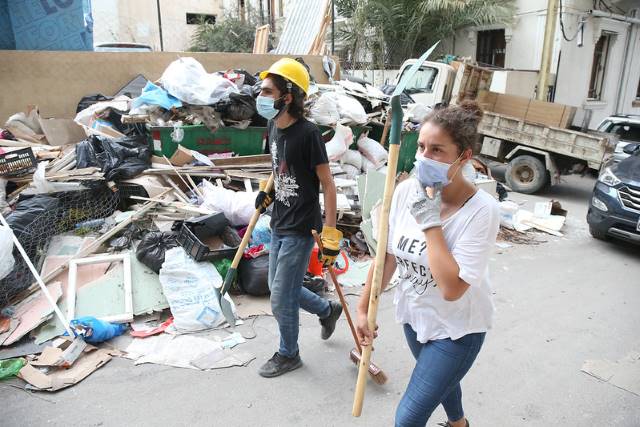
Each year about 5,000 foreign leaders come to the United States. In addition, 200,000 international visitors come to interact with Americans through the International Visitor Leadership Program. They have the opportunity to meet more than 500 former or current chiefs of state or heads of government.

The brief visit usually lasts more than three weeks, taking place in four U.S. communities. But the themes the Embassy requests and other factors determine how long a program lasts. So, how does someone get to participate in the International Visitor Leadership Program? You can not simply apply for the position. A visitor must be nominated then selected by the U.S. Embassies global staff. To better understand how much of an impact the International Leadership Program has on foreign leaders, Here is the story of one woman who was allowed to travel for further development of her cause.

Inside the International Visitors Leadership Program

Angela Benedicto is a known civil society activist back in her country Mwanza, Tanzania. The International Leadership Program approved Benedicto to travel to Kalamazoo, Michigan, back in 2013. Although excited to get an American perspective of youth development, she had no idea what to expect on this journey. However, Benedicto knew that she wanted to build a community of people passionate about youth development. A passion that stems from her personal experience of being a child domestic worker. This sparked Benedicto’s nonprofit organization, Wotesawa Domestic Worker, to improve the rights of domestic workers. The International Visitors Leadership Program not only impacted Angela Benedicto’s life but nearly 5,000 international leaders each year.

Building Relationships

With the help of the International Visitor Leadership Program, Angela Benedicto was able to contact other nonprofit organizations generating professional U.S. connections. She gives her opinion of what makes the International Visitor Leadership Program project great saying, “It was the people!”

Benedicto highlighted her relationship with Global Ties Kalamazoo, a citizen diplomacy network located in Michigan. The network seeks to establish trust with world leaders and their communities at home. The nonprofit organization allows participants to visit the homes of local families as part of its programs.

For example, Benedicto ate dinner with the Potratz family who she met through Global Ties Kalamazoo connections. Quickly, they built a long-lasting relationship after talks about youth development. Later, this singular visit led to the Potratz family and Benedicto collaborating on a “Test of The World” auction, a project to raise funds for Tanzanian girls to receive scholarships. Items sold in this auction included handmade products and donated goods provided by local businesses.

COVID-19 and The International Leadership Program

COVID-19 did not stop the International Visitors Leadership Program members from continuing their work. Although the pandemic limited physical activity and travel, members like Angela Benedicto use zoom to connect with Kalamazoo and Tanzania organizations. The International Visitor Leadership Program allowed Benedicto to produce a team of leaders on a global scale to help youth development even during a pandemic.

The International Visitor Leadership Program creates a bridge for foreign leaders and American citizens to cross. It allows them to meet, discuss and develop new perspectives and solutions for a common interest on particular issues. Thus, making it easier for the international community to grow globally and keeping the U.S. involved with counterpart countries.

– Alexis Jones
Photo: Flickr

September 19, 2021
https://borgenproject.org/wp-content/uploads/borgen-project-logo.svg 0 0 Lynsey Alexander https://borgenproject.org/wp-content/uploads/borgen-project-logo.svg Lynsey Alexander2021-09-19 07:30:122021-09-14 18:09:34Inside the International Visitors Leadership Program
Global Poverty

Youth Mobilization After the Beirut Blast

Beirut BlastOn August 4, 2020, a horrific explosion took place in Beirut, Lebanon, killing at least 214 people and injuring thousands of civilians. The Beirut blast “was one of the largest non-nuclear explosions in history” as it tore through the city. Estimations indicate that roughly “552 tonnes of ammonium nitrate exploded” at the port of Beirut. Since the explosion, Lebanon has experienced heightened civil unrest, economic hardship, increasing poverty and political deadlock.

In the face of the tragedy and adversity that continues to plague Lebanon, young people in Beirut are innovatively working to rebuild the Lebanese capital. Cash 4 Work, a program mobilized by UNICEF, is a youth network focused on helping reconnect homes to municipal and private water supplies along with prioritizing the cleaning and rehabilitation of Beirut.

Economic Impacts of the Beirut Blast

Lebanon was facing a severe economic crisis even before the Beirut blast. After the explosion, poverty levels rose further and the Lebanese economy essentially collapsed. According to the World Bank, the country’s GDP has decreased by a staggering 40% with more than 50% of the population pushed into the depths of poverty. Job prospects for youth are increasingly difficult to come by, placing young professionals in a tough position as they attempt to secure their futures amid a failing economy.

Participants of the recent UNICEF Cash 4 Work program are primarily the most vulnerable and impoverished youth who understand first-hand what living in poverty looks and feels like. According to UNICEF, “Cash 4 Work programs create earning opportunities that can temporarily stabilize people’s incomes following a disaster or a crisis.” Participants learn valuable skills, knowledge and training to improve their economic status and their ability to provide for their families. Furthermore, with the tools to positively impact their country, youth participants are able to use their skills to rebuild the nation and lift others out poverty.

The Role of the Youth

Immediately after the explosion, the youth of Beirut were among the first to pick up the pieces and start rebuilding their communities. At the time, UNICEF staff were on the ground working with more than 1,170 youth volunteers to sweep up debris, perform household repairs and deliver food and cloth masks to affected citizens. In an interview with Forbes, a teenager working on the ground said, “We will not lose hope. We are staying here on the ground.”

UNICEF staff “reconnected more than 60 buildings to the public water system” and handed out emergency supplies “including 1,600 hygiene kits and 400 baby kits to families in need.” UNICEF also helped “reunite children with their families” and supported child counseling efforts to address the trauma of the Beirut blast.

Exactly one year after the Beirut blast, youth mobilization continues with the support of UNICEF’s new Cash 4 Work program, which ensures new job opportunities in Lebanon. Cash 4 Work is not only playing an active role in shaping the job market for young professionals but it is also connecting people with the goal of shaping a more positive future for Beirut. A 24-year-old Cash 4 Work participant, Mohammad, describes his experience with the program. He tells UNICEF, “I am happy that I gained a skill and I am still learning. To work on my future and achieve my goals, especially in these difficult times, is something special.”

Programs and initiatives from humanitarian organizations such as UNICEF bring hope to a devastated country, allowing citizens a chance to continue to rebuild and recover more than a year after the Beirut blast.

– Alysha Mohamed
Photo: Flickr

September 19, 2021
https://borgenproject.org/wp-content/uploads/borgen-project-logo.svg 0 0 Lynsey Alexander https://borgenproject.org/wp-content/uploads/borgen-project-logo.svg Lynsey Alexander2021-09-19 01:30:552021-09-14 17:17:51Youth Mobilization After the Beirut Blast
Global Poverty

Rio de Janeiro is Vaccinating Maré’s Favelas

Vaccinating Maré's favelasDespite Brazil’s largely successful vaccine program, it is only now that Maré, Rio de Janeiro’s largest complex of favelas, is experiencing mass vaccination against COVID-19. One thousand professionals vaccinated a significant portion of the population. In schools, “health centers” and other sites, these professionals look to vaccinate upwards of 30,000 people between 18 and 34 throughout the community. Organizer planned to give community members the AstraZeneca vaccine, which was produced by the Fiocruz institute.

Why the Vaccination Drive?

This effort is not permanent and cannot indefinitely supply vaccines. A primary goal of the effort is to conduct a study on the effects of mass vaccinations in such a large complex, which is home to widespread “poverty and violence” and often does not reap the same benefits as wealthier areas of Rio. In Maré, which contains 16 favelas, more than half of the inhabitants are under 30.

Maré has seen about 350 deaths since the pandemic began, but reporting difficulties in many other favelas often means that even official counts are artificially low. The study will utilize genomic sequencing to track variants and will seek to understand vaccine efficacy in the face of the virus evolving. Vaccinating Maré’s favelas stands as a novel move. The study’s uniqueness stems from its size, its target population and its location. Since rapid spreading can lead to a rise in variants, using a favela, rather than a hospital or health unit, is beneficial to research into variants.

Maré’s Social Mobilisation

Along with the program, Maré’s greatest strength in responding to the pandemic has been its social mobilization. Campaigns to reduce the number of deaths work through local media, social networks and word of mouth. The NGO Redes da Maré and the Mare Mobilization Front both work to inform and educate the public.

Since the beginning of the pandemic, the COVID-19 in Favelas Unified Dashboard recorded nearly 7,000 COVID-19-related deaths from nearly 100,000 cases. The dashboard focuses on the favelas of Rio de Janeiro. However, cases and deaths are both underreported, and the Unified Dashboard does not cover every favela, meaning that the actual death toll is doubtlessly much greater. For these reasons and more, vaccinating Maré’s favelas remains a key priority.

Understanding the Dashboard

The dashboard began in April 2020 “when grassroots organizations participating in projects organized by Catalytic Communities (CatComm) began to report cases and deaths in virtual meetings of the Sustainable Favela Network (SFN).” CatComm began a reporting initiative through newspapers and word of mouth from community groups themselves. Other methods included individual outreach for data collection, outreach to local health clinics or through WhatsApp, and analysis of available data when accessible.

The initiative gained traction because of a catalyzing unwillingness by the government to “survey favelas.” The dashboard was officially launched on July 7, 2020, according to its website, and has grown with each new press conference surrounding its progress. Campaigns like #VacinaPraFavelaJá have arisen to promote vaccination and have even enlisted figures like cartoonist Carlos Latuff.

Looking Forward

While the initiation of the vaccine process is a welcome one to many inhabitants of Maré, it has begun only after countless deaths and governmental neglect. The widespread nature and varied methods of the Unified Dashboard have meanwhile shown how collective action can keep communities afloat even in the absence of sufficient governmental intervention. Moreover, with strong community engagement and growing governmental support, vaccinating Maré’s favelas could lead to a more secure and safe future in due time.

– Augustus Bambridge-Sutton
Photo: Unsplash

September 19, 2021
https://borgenproject.org/wp-content/uploads/borgen-project-logo.svg 0 0 Lynsey Alexander https://borgenproject.org/wp-content/uploads/borgen-project-logo.svg Lynsey Alexander2021-09-19 01:30:032021-09-14 17:17:42Rio de Janeiro is Vaccinating Maré’s Favelas
Global Poverty

Startup Zomato Opens New Opportunities in India

New opportunities in IndiaZomato is a food technology startup out of India. The startup’s stock just hit the National Stock Exchange of India (NSE) and is already wildly successful. The company’s success and growth open opportunities in the food delivery industry, which has the major selling point of schedule self-determination. Since the start of the COVID-19 pandemic, it is estimated that an additional 75 million people in India have been plunged into poverty. Zomato provides new opportunities in India and has the potential to stir up the economy and create jobs for those living in poverty.

Zomato as a Poverty Fighting Agent

Founded in 2010, Zomato challenges poverty in India from multiple angles. The platform connects potential customers with restaurants they might be interested in, and it also allows customers to review restaurants, reserve tables and order delivery through third-party services. Third-party food delivery serves as a new job market in India and is the most crucial aspect in terms of economic growth. Companies like DoorDash, Uber Eats and Seamless entice potential drivers with the appeal of creating their own schedule. They also allow a variety of delivery methods, from cars to bicycles. This can be a great aid in lifting people out of poverty because of the inherently accessible and flexible job opportunities.

Effect on Job Market

Forbes cited what it deemed a “well-founded argument” when it said, “[A]s the restaurants go, so goes the economy.” This goes far beyond the direct effects of job losses on the service industry. Forbes points to interconnected impacts, including impacts on delivery services, agricultural workers and various goods producers and refiners. In addition, restaurant failures also have a technological impact. The systems that uphold everything from sales to reservations become far more irrelevant if a restaurant cannot function properly. The scope of the service industry is much wider than many realize, and its success plays an imperative role in the economic success of an area. When restaurants are succeeding, job opportunities in multiple sectors become available and help to propel economic growth.

IPO Success and Economic Implications

When shares of Zomato hit the market at the end of July 2021, the initial public offering price was 91 rupees. However, the stock opened even higher at 116 rupees per share. At this price per share, the company’s valuation comes to approximately 910 billion rupees, equivalent to roughly $12.2 billion. Stock prices rose throughout the day on all trading markets where Zomato was available. Large-scale investors have held a stake in Zomato since as early as last year with Uber selling its food delivery business in India to Zomato in exchange for a stake in the company. Additionally, Ant Financial has also backed Zomato with a hefty agreement to invest upwards of $150 million.

These powerhouse corporations are fanning the flames of the food industry, creating opportunity in this new market in India and jump-starting economic growth. The predicted and continued success of this tech startup shows promise for cross-sectional economic development and subsequent poverty reduction.

– Michelle M. Schwab
Photo: Unsplash

September 18, 2021
https://borgenproject.org/wp-content/uploads/borgen-project-logo.svg 0 0 Lynsey Alexander https://borgenproject.org/wp-content/uploads/borgen-project-logo.svg Lynsey Alexander2021-09-18 07:30:422021-09-14 17:17:16Startup Zomato Opens New Opportunities in India
Global Poverty, Women's Empowerment

Gender Equality at the Tokyo Olympics

women in the Olympics

The 2020 Tokyo Olympics was highly anticipated for many reasons. One of the most historic reasons is that it was the most “gender-balanced” Olympics in the history of the global competition. With all 206 National Olympic Committees sending “at least one female and one male” athlete from their country, women made up just under half of all competing athletes at the Tokyo Olympics. This Olympics produced many role models for children across the world, but young girls are seeing firsthand the empowerment of women in sports.

Women from across the world broke barriers and became the face of change for women in sports forever. These Olympians left a lasting legacy in their respective sports and represented progress toward gender equality for their home countries. Hundreds of women broke barriers at the 2020 Olympics, but Shelly-Ann Fraser-Pryce, Hend Zaza and Yulimar Rojas were three women whose stories are just as notable as the history they are making.

Shelly-Ann Fraser-Pryce

Earning the nickname “second-fastest woman in history” is no small feat, and Shelly-Ann Fraser-Pryce has left her mark on the world by doing more than just running. Growing up in one of the poorest areas of Kingston, Jamaica, she first discovered the sport by running to primary school every day while barefoot. Fraser-Pryce dedicates her life to more than her sport and has a passion for working with underprivileged kids. Even with a silver medal in the women’s 100m and a gold medal in the women’s 4x100m relay at the 2020 Tokyo Olympics, Fraser-Pryce’s legacy extends beyond the Olympic finish line.

Since 2010, she has served as a UNICEF National Goodwill Ambassador for Jamaica. At the start of the COVID-19 pandemic, she coordinated a fundraiser through her resource center, The Shelly-Ann Fraser-Pryce Resource Centre in Waterhouse. As a result, the Centre supplied computers to allow education to continue during the pandemic for local children. Shelly-Ann Fraser-Pryce is a role model to more than just girls hoping to run as fast as her one day. She also proves to underprivileged kids with upbringings similar to hers that anything is possible when it comes to achieving your dreams.

Hend Zaza

Hend Zaza was the youngest person competing in the 2020 Tokyo Olympics and was also the youngest since the 1992 Barcelona Olympics. At 12 years old, the Syrian native left a mark on the world as a table tennis prodigy with invitations to train in China by the Chinese Olympic Committee. Zaza did not have a conventional upbringing, being born just two years before the civil war began in Syria.

Because of the conflict in Syria, it was difficult for Zaza to train or even travel between cities. Another barrier for Zaza was the lack of funding for competitions and equipment, like paddles and balls. This left her competition experience limited before her qualification for the 2020 Tokyo Olympics. Her training for the Olympics occurred primarily at the Al Faiha Club in Damascus. With little or no air conditioning and frequent power outages, Zaza defeated many odds to make strides at the Olympics. While Zaza did not receive an Olympic medal this time around, her mark on the sport of table tennis and the story of her determination and passion will last for many years.

Yulimar Rojas

Awarded Female Athlete of the Year by World Athletics, Yulimar Rojas makes history as the first Venezuelan woman to win this honor. Rojas won the gold medal while breaking the world record for the women’s triple jump at the 2020 Tokyo Olympics.

Born in a rural and poorer region of Venezuela’s capital Caracas, Rojas grew up in a house known as a “ranchito.” Aside from her impoverished upbringing, Yulimar Rojas was originally not allowed to compete and travel to international competitions due to her father’s disapproval. The societal standard of women competing in sports is a hurdle athletes like Rojas fight to overcome. Venezuela has a long way to go when it comes to gender equality, but Rojas continues to push for her change through her life and impressive athletic career.

The 2020 Tokyo Olympics brought the world together during an unprecedented time. The women on this global stage were not just sources of empowerment to girls who look up to them. They were also representatives of resilience, passion and drive for the world. Gender equality and women’s representation in the 2020 Olympics is just another reason these historic few weeks were something to remember for generations to come.

– Annaclaire Acosta
Photo: Wikimedia Commons

September 18, 2021
https://borgenproject.org/wp-content/uploads/borgen-project-logo.svg 0 0 Lynsey Alexander https://borgenproject.org/wp-content/uploads/borgen-project-logo.svg Lynsey Alexander2021-09-18 07:30:362021-09-12 11:44:45Gender Equality at the Tokyo Olympics
Page 715 of 2181«‹713714715716717›»

Get Smarter

  • Global Poverty 101
  • Global Poverty… The Good News
  • Global Poverty & U.S. Jobs
  • Global Poverty and National Security
  • Innovative Solutions to Poverty
  • Global Poverty & Aid FAQ’s
Search Search

Take Action

  • Call Congress
  • Email Congress
  • Donate
  • 30 Ways to Help
  • Volunteer Ops
  • Internships
  • Courses & Certificates
  • The Podcast
Borgen Project

“The Borgen Project is an incredible nonprofit organization that is addressing poverty and hunger and working towards ending them.”

-The Huffington Post

Inside The Borgen Project

  • Contact
  • About
  • Financials
  • President
  • Board of Directors
  • Board of Advisors

International Links

  • UK Email Parliament
  • UK Donate
  • Canada Email Parliament

Get Smarter

  • Global Poverty 101
  • Global Poverty… The Good News
  • Global Poverty & U.S. Jobs
  • Global Poverty and National Security
  • Innovative Solutions to Poverty
  • Global Poverty & Aid FAQ’s

Ways to Help

  • Call Congress
  • Email Congress
  • Donate
  • 30 Ways to Help
  • Volunteer Ops
  • Internships
  • Courses & Certificates
  • The Podcast
Scroll to top Scroll to top Scroll to top