• Link to X
  • Link to Facebook
  • Link to Instagram
  • Link to TikTok
  • Link to Youtube
  • About
    • About Us
      • President
      • Board of Directors
      • Board of Advisors
      • Financials
      • Our Methodology
      • Success Tracker
      • Contact
  • Act Now
    • 30 Ways to Help
      • Email Congress
      • Call Congress
      • Volunteer
      • Courses & Certificates
      • Be a Donor
    • Internships
      • In-Office Internships
      • Remote Internships
    • Legislation
      • Politics 101
  • The Blog
  • The Podcast
  • Magazine
  • Donate
  • Click to open the search input field Click to open the search input field Search
  • Menu Menu

Archive for category: Global Poverty

Key articles and information on global poverty.

Global Poverty

HIV/AIDS in Cambodia

HIV/AIDS in Cambodia
Despite the HIV/AIDS epidemic taking the lives of more than 36 million people worldwide, Cambodia has been making efforts toward dramatically reducing cases in the years to come. Since the Southeast Asian country’s first recorded infection in 1991, HIV/AIDS in Cambodia has significantly dropped. The Cambodian government has introduced numerous programs and treatment centers to tackle HIV/AIDS.

A Background of HIV/AIDS

HIV (human immunodeficiency virus) is a virus that attacks the immune system, making infected individuals more susceptible to illness. It spreads through the bodily fluids of those infected, typically through sexual intercourse. It can also spread through mother-to-child transmission and by sharing needles with infected individuals. If left untreated, HIV can lead to AIDS (acquired immunodeficiency syndrome), weakening the immune system even further. As of right now, there are multiple treatment options for HIV/AIDS but no known cures. In 2020, Cambodia noted an estimated 75,000 people “living with HIV/AIDS in the country, with 62,310 of them receiving anti-HIV treatment.”

The Significance of HIV/AIDS Treatment

In 2021, around 17.8% of people in Cambodia lived under the poverty line, according to data from the 2019-2020 Socio-Economic Survey, with rural areas accounting for most of the prevalence. However, in 2020, the unemployment rate stood at just 0.13%, according to Statista.

Between 1998 and 2019, the annual growth rate reached 7.7%, making Cambodia’s economy “one of the fastest-growing economies” globally. According to the Brookings Institution, “HIV/AIDS reduces labor productivity, raises private and public consumption, and thereby, reduces income and savings. With lower savings, the rate of investment falls, reinforcing the decline in economic growth.” Therefore, reducing HIV/AIDS in Cambodia would significantly benefit the economy. In 2010, the Cambodian government received a United Nations Millennium Development Goals (MDG) Award for its efforts in reducing the rate of HIV/AIDS in Cambodia.

The 95-95-95 Plan

In 2014, the Joint United Nations Programme on HIV/AIDS (UNAIDS) introduced a plan to reduce HIV/AIDS cases known as the 95-95-95 goals. According to this plan’s goal for 2030, at least 95% of HIV-positive patients have to receive a diagnosis, 95% of those with a diagnosis must be on ART treatment and 95% of those receiving treatment must reach viral suppression. ART (antiretroviral) therapy involves taking a combination of medicines that target HIV/AIDS virus cells and decrease the viral load. It also prevents the virus from multiplying any further.

In 2021, Cambodian Prime Minister Hun Sen stated that Cambodia is still on track to achieve the 95-95-95 goal by 2025. In 2020, despite the onset of COVID-19, the nation reached the 90-90-90 targets, a slightly lower but similar target to the 95-95-95 target for reducing HIV/AIDS cases.

AHF Cambodia

In 2005, AHF (American Health Foundation) Cambodia introduced its first program. The mission was to “improve treatment and care for HIV/AIDS patients at the government hospitals,” raise the rate of HIV testing and condom use and reduce HIV among high-risk groups such as sex workers and drug users. AHF is providing support to government ART sites to provide ART treatment to more than 46,000 individuals. Since 2011, AHF has created free HIV testing campaigns at “hot spots, entertainment venues, parks and the public gathering of events.” It has also established a mobile clinic to “provide HIV testing and treatment services” to high-risk groups.

Girls Act Program

AHF also introduced the Girls Act program, which launched in 2016. On a weekly basis, close to “7,000 young women ages 15-24 become infected with HIV around the world and approximately 44 girls ages 10-19 died every day from AIDS-related illnesses in 2018.”

The Girls Act program seeks to decrease these numbers by addressing the contributing factors to this data, such as barriers to accessing education and health care services, child marriage and sexual abuse. Girls Act began in Cambodia in 2005 and has more than 40,000 participants. The program is now present in eight other Asian countries and many African, European and Latin American countries.

Looking Ahead

Cambodia’s strides toward addressing the HIV/AIDS epidemic are remarkable. Reducing HIV/AIDS in Cambodia continues to be a fundamental goal. These programs do not only provide treatment to those living with HIV/AIDS but they also offer a future where cases will be far less common in countries like Cambodia.

– Megan Quinn
Photo: Pixabay

March 3, 2022
https://borgenproject.org/wp-content/uploads/borgen-project-logo.svg 0 0 Kim Thelwell https://borgenproject.org/wp-content/uploads/borgen-project-logo.svg Kim Thelwell2022-03-03 01:30:482024-05-30 22:25:49HIV/AIDS in Cambodia
Development, Global Poverty

How Planting Trees Can Alleviate Poverty

Planting Trees Can Alleviate Poverty
Scotland announced plans to “plant millions of trees” along national rivers to preserve salmon populations. Salmon prefer cold waters and trees help provide shade during hot summer months. Planting trees alongside rivers also improves water quality, stabilizes riverbanks and protects wildlife habitats. Countries can use tree-planting campaigns to attain healthy rivers, which bring social, economic and environmental benefits that can uplift low-income communities. In these ways, planting trees can alleviate poverty.

The Value of Rivers in Low-Income Communities

Around the world, about 2 billion people rely on rivers as direct sources of drinking water, according to the World Wildlife Fund. In areas without electricity or water filtration systems, rivers can provide a quick and accessible supply of drinking water. Globally, “25% of the world’s food production depends on irrigation from rivers.” Rivers indirectly and directly supply billions of people with food and water. Therefore, it is vital to keep rivers and their surroundings clean and healthy. Dam development, rising temperatures and increasing demands for water to use on farms and in hydropower plants put rivers under more pressure than ever before. Protecting and conserving rivers especially benefits low-income communities by sustaining natural resources, like fish, that millions of people rely on to support themselves and their families.

How Trees Lead to Healthy Rivers

Planting trees alongside rivers can improve water quality by limiting pollution and runoff from nearby land. Trees stabilize riverbanks by binding the soil, which reduces the risk of riverbank collapse. Trees also absorb water and intercept heavy rain, which prevents flooding and excessive runoff. Entire ecosystems may arise from planting trees by riverbanks. Land animals form habitats in trees and surrounding wooded areas and species, such as salmon, that live in rivers benefit from the shade that trees provide. Planting trees protect and promote biodiversity in a time when many human factors threaten it. People, plants and animals alike benefit from rivers and rivers benefit from nearby trees. Planting trees can alleviate poverty by improving river health and the ecosystems that millions of people rely on to survive.

Scotland: A Plan in Action

Scotland recognizes the benefits of planting trees along rivers and aims to plant a million trees by 2035. Scotland’s plan involves planting several native tree species, which will preserve the country’s history and improve biodiversity. Fisheries in Aberdeenshire, Scotland, have already “planted 250,000 saplings” alongside the River Dee, which is a salmon fishing hotspot. Scientists found that rivers in the Scottish Highlands and uplands are too warm for wild Atlantic salmon in summer months when the fish swim “upstream to spawn.” Planting trees alongside rivers protects salmon populations and benefits Scottish people who rely on fish for food and income. With socioeconomic and environmental benefits, planting trees can alleviate poverty in places where people rely on rivers for their livelihoods and national success.

Healthy rivers are essential to ecosystems around the world and trees play an essential role in maintaining these environmental networks. As seen in Scotland, tree-planting campaigns can have great influences on preserving local and national wildlife. Planting trees can alleviate poverty by protecting rivers that support life and provide resources to millions of people worldwide.

– Cleo Hudson
Photo: Flickr

March 3, 2022
https://borgenproject.org/wp-content/uploads/borgen-project-logo.svg 0 0 Kim Thelwell https://borgenproject.org/wp-content/uploads/borgen-project-logo.svg Kim Thelwell2022-03-03 01:30:132022-02-22 12:28:08How Planting Trees Can Alleviate Poverty
Children, Education, Global Poverty

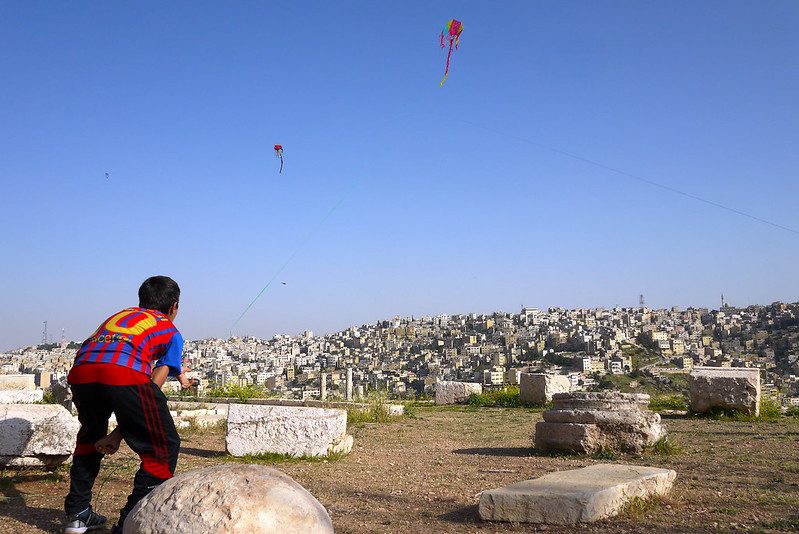
The Madrasati Initiative Expands Education in Jordan

The Madrasati Initiative
Education is integral to the eradication of poverty. Once people have access to a good education, they are capable of pursuing opportunities that can lift them out of poverty and improve their communities. As such, numerous nonprofits and global organizations are working to provide academic opportunities in less developed countries. The Madrasati Initiative, or the “My School” Initiative, is one of these organizations. Its mission is “to improve the physical and educational environment of Jordan’s most neglected public schools.” Since its creation in 2008, the organization has worked to provide better opportunities and education for children in Jordan, especially those living in poverty.

Public Education in Jordan

While schools in Jordan enjoy “nearly universal primary enrollment and gender parity,” schools still suffer from underdevelopment. As a consequence, students underperform in schools and many students struggle to continue their education once they fall behind.

For example, every student across 338 public schools in Jordan failed the public secondary school examination in 2015. These schools mainly fall within impoverished, rural areas and these statistics indicate “an urgent developmental and humanitarian need” to reform the education system and create new avenues for success.

New factors, such as a significant influx of young refugees and the school shutdowns during the COVID-19 pandemic, exacerbate issues that the public education system faces. As the pressure mounts, schools need better resources and more assistance.

The Madrasati Initiative

Queen Rania Al Abdullah, the queen consort of Jordan, launched the Madrasati Initiative to support education in Jordan back in 2008. The nonprofit organization initially centered on the needs of 500 public schools by operating new programs and partnering with numerous other nonprofits, including the Queen Rania Foundation.

The Madrasati Initiative encompasses several programs. These programs renovate schools, promote social cohesion among refugee students and create additional learning environments, including student clubs and music courses, among other goals.

Madrasati’s Accomplishments

The Madrasati Initiative made significant accomplishments over the years. Since its beginning in 2008, Madrasati served well over the initial 500 public schools, moving on to assist 830 underperforming schools throughout Jordan. In total, Madrasati has reached roughly “360,000 students, 17,500 teachers and 800 volunteers.”

As hundreds of thousands of refugees trickle into Jordan, the Madrasati Initiative creates new avenues for refugee children to advance their career prospects. Madrasati worked under the PROSPECTS program, a global partnership that the Dutch government leads, to address poverty and education issues that refugees face. On May 29, 2021, the Madrasati Initiative, the Ministry of Education and the International Labor Organization hosted an event in Amman, Jordan, to provide career guidance services for 3,000 learners, including Jordanian and Syrian refugees. The event is just one of Madrasati’s many efforts to best uplift refugee children.

Beyond its local impact, the Madrasati Initiative also fosters open dialogues about education in Jordan with students and teachers. For example, on July 4, 2021, Madrasati and other partnering organizations and governments mobilized hundreds of students and teachers in Jordan to support academic activities focusing on “promoting youth’s engagement, leadership and active contribution to advance gender equality and the role of women, particularly young women, in peace and security” in Jordan.

Addressing Ongoing Concerns

In addition to these recent accomplishments, the organization, along with its parent institution, the Queen Rania Foundation, adapted to continue its work under new parameters during the COVID-19 pandemic. For a start, the Queen Rania Foundation’s website features educational resources ranging from simple parent guides to “toolkits” that summarize education research on effecting teaching strategies.

In 2020, the Madrasati Initiative also integrated the Jordanian curriculum into online learning services like Noorspace and Kolibri as students switch to remote learning. This allowed more than 4,000 Jordanian and refugee students to continue their education through online classes.

Through the combined support of teachers, international organizations and the Jordanian government, the Madrasati Initiative can continue its efforts to improve education standards in communities and schools with the greatest need. Though education in Jordan may not be perfect, the Madrasati Initiative continues to give students an invaluable opportunity to look toward their futures.

– Lauren Sung
Photo: Flickr

March 2, 2022
https://borgenproject.org/wp-content/uploads/borgen-project-logo.svg 0 0 Kim Thelwell https://borgenproject.org/wp-content/uploads/borgen-project-logo.svg Kim Thelwell2022-03-02 07:30:252024-06-04 01:18:03The Madrasati Initiative Expands Education in Jordan
Development, Food Insecurity, Food Security, Global Poverty

Food Systems in Afghanistan

Food Systems in Afghanistan
In the wake of Afghanistan’s government collapse in August 2021, the nation’s humanitarian crisis has plunged to new depths and will continue on this path if Afghanistan does not receive the necessary aid. Of the total population, 41.7 million, about 23 million Afghans, are experiencing food insecurity due to the failure of food systems in Afghanistan. However, organizations are making efforts to combat the hunger crisis and strengthen food systems in the nation.

The State of Food Systems in Afghanistan

About 8.7 million Afghans currently endure “emergency levels of food insecurity,” and according to the United Nations Development Programme (UNDP), without urgent action, Afghanistan could see a 97% universal poverty rate by mid-2022. The loss of more than 500,00 Afghan jobs since August 2021 and the steep incline of food prices leave Afghan families depleted of food with no income to purchase more. The Afghan people have no way of obtaining a sufficient supply of food nor can they harvest sufficient crops due to the harsh winter and severe drought.

The World Food Programme (WFP)

Since the start of 2021, the World Food Programme has assisted “15 million Afghans with food and nutrition support” while prioritizing the most vulnerable population segments such as young children and pregnant/breastfeeding women. The WFP’s “targeted supplementary feeding [program]” has addressed the nutritional needs of more than “500,000 pregnant and breastfeeding women” and more than 1 million malnourished children younger than 5. The WFP aims to “reach 23 million Afghans in 2022,” including 1 million children through its school feeding program.

The organization works with the Afghan government and commercial partners to strengthen the food systems in Afghanistan by supporting local small-scale farmers  as well as “building local milling and fortification capacity and strengthening value chains and food safety measures.” The WFP assists the Afghan government and humanitarian organizations “in beneficiary management, supply chain, information and communication technology and facilities and information management” to ensure a targeted response to citizens’ needs.

USAID Assists Afghanistan

The United States Agency for International Development (USAID) has been taking measures to improve food systems in Afghanistan for the last two decades and has vastly strengthened Afghanistan’s agricultural sector. This is crucial work because about 80% of all Afghans depend on agriculture for their livelihoods. USAID’s efforts intend to scale up Afghanistan’s agricultural exports, expand “the reach of Afghan agricultural goods to bolster job creation” and distribute more agricultural goods throughout the country.

In 2010, USAID created a $100 million Agricultural Development Fund to supply credit to Afghan farmers and small-scale agricultural businesses to help them accumulate resources such as seeds, fertilizer and equipment. As of 2021, this fund has distributed “$132.7 million in loans to more than 43,600 Afghan farmers.” USAID has also assisted in creating more than 657,000 full-time agricultural-related employment opportunities, which has contributed to reducing poverty in the nation and strengthening food systems in Afghanistan.

Programs that are geared toward improving food systems in Afghanistan are essential in fighting the nation’s hunger crisis. Implementing these programs will increase food distribution throughout the country and strengthen Afghanistan’s agricultural sector.

– Isabella Elmasry
Photo: Max Pixel

March 2, 2022
https://borgenproject.org/wp-content/uploads/borgen-project-logo.svg 0 0 Kim Thelwell https://borgenproject.org/wp-content/uploads/borgen-project-logo.svg Kim Thelwell2022-03-02 01:30:262024-06-06 01:05:43Food Systems in Afghanistan
Global Poverty, Poverty Reduction

The Work of The One Ocean Summit


France hosted representatives from more than 100 countries at the One Ocean Summit in the French city of Brest from Feb. 9-11, 2022. The summit aimed to “raise the collective level of ambition of the international community on marine issues” and turn the global responsibility to “[safeguard] the ocean into tangible commitments” by addressing challenges such as pollution and overfishing. Ocean sustainability is key to the success of global economies. Marine conservation has an array of humanitarian benefits and can help alleviate poverty in developing nations.

One Ocean Summit

Water covers more than 70% of Earth’s surface, meaning that oceans are a critical part of everyday life for people across the globe. Prior to the One Ocean Summit, few international meetings focused directly and solely on ocean conservation. The One Ocean Summit aimed to highlight the vast importance of healthy oceans, with an emphasis on ocean resources, trade and the multitude of connections between marine and human life. The summit addressed threats to healthy oceans, including resource exploitation, pollution and extreme weather events.

In response to the issues brought to light by the One Ocean Summit, with the support of its Member States, the private sector and other U.N. bodies, the United Nations Educational, Scientific and Cultural Organization (UNESCO) made a commitment to map by 2030 80% of the global ocean seabed, 20% of which was mapped prior to the summit. Mapping the seabed will help countries better understand oceans and marine resources and learn how to conserve them. The One Ocean Summit also led to other initiatives that will help protect marine ecosystems, promote sustainable fishing and combat pollution, especially in relation to plastics.

Ocean Conservation and Poverty Reduction

Healthy oceans are essential to sustainable development. Oceans provide food, natural resources and employment to people around the world. Marine degradation often affects tropical, low-income areas the most. As sea levels/temperatures rise, fish migrate to other locations, which creates challenges for people who rely on fishing for their livelihoods. An unsustainable supply of fish can lead to food insecurity in places where the seafood is the main source of sustenance and protein. Multinational efforts are necessary to fund and promote effective ocean conservation. The seabed mapping project from the One Ocean Summit will help nations discover and execute best practices for ocean conservation.

Future Steps

The COVID-19 pandemic has intensified marine pollution, especially because of the “increased demand for single-use plastics.” According to the World Bank, ocean conservation relies on a combination of policies, monetary investments, technological innovations, a collaboration between public and private organizations and changes in consumer behavior. Governments can create and enforce laws in favor of ocean conservation while the private sector can help fund ocean conservation efforts and create new innovations to support the cause. Public and private collaborations that promote ocean sustainability may be particularly useful when it comes to reducing plastic pollution. International meetings like the One Ocean Summit can make large-scale steps in fighting threats to healthy oceans, including marine pollution and overfishing.

Ocean sustainability directly connects to poverty reduction and socio-economic development. Marine conservation is highly valuable in areas where fishing is essential to economic success. As a global resource, the ocean relies on international collaboration to stay healthy. The One Ocean Summit models a constructive international effort to conserve the world’s oceans.

– Cleo Hudson
Photo: Unsplash

March 2, 2022
https://borgenproject.org/wp-content/uploads/borgen-project-logo.svg 0 0 Kim Thelwell https://borgenproject.org/wp-content/uploads/borgen-project-logo.svg Kim Thelwell2022-03-02 01:30:122022-03-01 02:52:04The Work of The One Ocean Summit
Global Poverty

The 15-minute City Addresses Poverty

the 15-minute city addresses poverty
The 15-minute city is an urban mobility concept that allows for “people [to] meet all their needs in a 15-minute commute.” This city concept encourages neighborhood connectivity that centers around the needs of the people. The 15-minute city is a decentralized space that allows people to reconnect with their neighborhoods. Latin American cities, such as Bogota in Colombia, have begun integrating the 15-minute concept into their urban spaces with projects such as “the installation of bike racks in bus and subway terminals” and creating bike lanes to promote cycling over driving. Through active and sustainable mobility practices such as those in Bogota, the 15-minute city addresses poverty by encouraging cities to be more democratic by creating an accessible city for all.

Increasing Accessibility Alleviates Poverty

One of the first steps in poverty reduction is increasing accessibility to basic resources and services. Lack of accessible socioeconomic services negatively impacts the quality of life for marginalized communities. Limitations, such as inadequate access to health or educational benefits and opportunities, result in an unhealthy populace that lacks the skills, knowledge and mobility that education could provide. A strong urban policy requires a person-centered approach that especially focuses on the needs of marginalized communities. Proximity to resources is just one element of the 15-minute city concept. The 15-minute city addresses poverty by encouraging an urban space that is equitable, inclusive and offers an array of opportunities and resources to a diverse set of people expeditiously and within a short distance.

How the 15-Minute City Addresses Poverty in Bogota, Colombia

In the wake of the COVID-19 pandemic at the beginning of 2020, Bogota introduced 52 miles of temporary bicycle lanes to encourage transportation options that support social distancing. The new bike lanes expanded the decades-old Ciclovía bicycle lane network that stands as one of the largest in the world. The 15-minute concept also encourages the use of public transportation. In Bogota, experts consider the bus system, Bus Rapid Transit, “one of the best in the world” and the Colombian government funds part of these bus ticket costs for impoverished people. The city also offers vehicle rides for people who live in neighborhoods that the Bus Rapid Transit system does not cover.

Benefits of the 15-Minute City

  • Increased Health and Nutrition: Access to healthy food options increases overall health and lowers disease rates. This is especially beneficial for communities that typically do not have easy access to nutritional foods. In 2020, an analysis by the Center for Strategic and International Studies found that while hunger is a major issue, nutrition is as well because “in low-income countries, 87% of people cannot afford healthy diets.” The 15-minute city addresses poverty by providing a sustainable and viable solution to food insecurity. Increasing accessibility benefits the overall health of the community.
  • Better Quality of Life: The 15-minute city encourages neighborhood connectivity, which results in lower rates of isolation and loneliness while encouraging strong social cohesion and socialization. Green space is an important element of the 15-minute city because it offers social space and hosts vegetation that contributes to cleaner air and also serves as a preventative measure for heatwaves and floods.
  • Cleaner Air: Decreased vehicle traffic results in cleaner air for city-dwellers, which ultimately lowers respiratory illness and disease. Low-income urban areas, in general, have higher cases of respiratory illnesses and the concept of closing the road for pedestrian or bike traffic lowers these rates, bringing health benefits to urban regions.

A People-Centered Approach

Latin American cities have been implementing elements of the 15-minute city in their urban policies even before the COVID-19 pandemic. But, the pandemic saw a surge in the 15-minute city concept in response to social distancing restrictions and outbreak containment. The World Economic Forum has said that the desire for a more equitable and sustainable world could potentially materialize with the implementation of these strategies but limitations are apparent. The 15-minute city concept addresses poverty through a people-centered approach and many cities are starting to take note.

– Jennifer Hendricks
Photo: Flickr

March 1, 2022
https://borgenproject.org/wp-content/uploads/borgen-project-logo.svg 0 0 Kim Thelwell https://borgenproject.org/wp-content/uploads/borgen-project-logo.svg Kim Thelwell2022-03-01 07:30:562024-05-30 22:25:49The 15-minute City Addresses Poverty
Global Poverty, Women, Women and Female Empowerment, Women's Empowerment

Skateboarding Girls in Bolivia

Skateboarding Girls in Bolivia
Skateboarding girls in Bolivia are challenging gender norms and stereotypes. Skateboarding is predominantly a male sport around the world. However, girls in Bolivia are trying to change that by learning to skateboard. They are not only learning how to skateboard but they are also doing it in traditional clothes.

Traditional Clothes

The traditional clothes of Bolivia include bright colored shirts, hats and long colored skirts. Some might find it difficult to skateboard in a skirt but these girls embrace it. These traditional clothes are a part of their culture.

This allows the girls to bring their culture into the world of skateboarding while also helping them connect to their culture. These colorful skirts are called “pollera.” They have learned from their grandmothers to wear these skirts with pride and they do so while skateboarding.

ImillaSkate

ImillaSkate is a female collective that three friends created in 2018. This collective has empowered women in one of the largest cities in Bolivia, Cochabamba. Dani Santivanez is one of the founders of ImillaSkate. They formed the female collective as a way to reclaim their roots and as a “cry for inclusion.”

“Imilla means “young girl” in Aymara and Quechua, two of the most widely spoken languages in Bolivia,” according to The Guardian. ImillaSkate also uses hairstyle as a part of cultural identity for skateboarding girls in Bolivia.

While brushing each other’s hair, the girls form a connection to each other. “The Imillias” the collective’s nickname compete in local competitions while empowering women and creating an acceptance of diversity.

Poverty in Bolivia

Bolivia has some of the highest poverty rates in South America and this is largely due to the lack of basic necessities. These basic necessities include a lack of food and clean water. This has greatly affected the children of Bolivia including young girls.

In Bolivia, one in three children suffers from stunted growth which prevents them from growing. This is due to the lack of healthcare systems and malnutrition. Skateboarding has become an outlet for many young girls as well as a way to empower them.

Empowering Women

According to the Economic Commission for Latin America and the Caribbean, Bolivia has the highest proportion of Indigenous people in the region. This means that more than half of Bolivia’s population is Indigenous. However, these skateboarding girls are not only looking for a way to connect to their roots but also a way to empower women.

Skateboarding emerged in Bolivia over two decades ago, according to National Geographic. Dani Santivanez, one of the founders of ImillaSkate, shares a similar experience with many young girls in Bolivia. As a young girl, she learned how to skateboard and made it her hobby. However, as she grew older, her mother started complaining about her bruises which led her to quit skateboarding.

After college, she rediscovered her passion and started skateboarding again. This led to the discovery that many other girls also had a passion for skateboarding. It also brought to attention that while boys in Bolivia often get together to skateboard, girls rarely do. The question of why arose and this led to the creation of Imillskate which helps empower young girls to continue skateboarding. Many of the young girls in the group have stated they never imagined girls skateboarding.

ImillaSkate wants young girls to feel empowered to skate and it is no longer rare to see girls skateboarding. ImillaSkate hopes to see more skateboarding girls in Bolivia.

– Sierrah Martin
Photo: Flickr

March 1, 2022
https://borgenproject.org/wp-content/uploads/borgen-project-logo.svg 0 0 Jennifer Philipp https://borgenproject.org/wp-content/uploads/borgen-project-logo.svg Jennifer Philipp2022-03-01 01:30:252024-05-29 22:53:42Skateboarding Girls in Bolivia
Global Poverty

Renewable Energy in South Korea

Renewable Energy in South Korea
In 2020, the South Korean
 Ministry of Trade, Industry and Energy (MOTIE) introduced the 9th Basic Plan for Long-Term Electricity Demand and Supply 2020-2034. In this plan, MOTIE sets a goal for renewable energy in South Korea to account for around 40% of the energy mix by 2034. Impressively, 100% of all South Koreans have access to electricity, however, most of the nation’s energy comes from non-renewable sources, which are not only expensive but are also unsustainable. 

Statistics on Energy in South Korea

In 2021, South Korea’s price of electricity increased “for the first time in around eight years” due to global fuel spikes. In June 2021, South Korea’s cost for energy for its citizens stood at $0.103 ( KRW123.02) per kWh (kilowatt-hour). On September 23, 2021, MOTIE announced that the Korea Electric Power Corporation (Kepco) intends to raise the rate per kWh to KRW3 by October 2021, meaning citizens can expect to pay another $0.88 (KRW1,050) monthly per household.

In comparison, in the United States, energy rates for households in November 2021 stood at $0.1412 per kWh. While South Korea’s energy rates per hour are cheaper, taking into account the vast number of people in Korea and the proportion of the population earning low wages, these rates are still costly. Energy rates could become more affordable with the use of renewable energy.

In 2020, crude oil was responsible for most of South Korea’s energy requirements, covering 35% of the country’s energy demands while coal covered 25% of energy requirements. Renewable energy in South Korea made up 1% of energy in 2020, with gas and nuclear covering the remaining energy needs at 17% and 16% respectively.

South Korea’s Poverty Rates

Between 2018 and 2019, South Korea’s poverty rate stood as the “fourth-highest” across 39 Organization of Economic Cooperation and Development (OECD) member states. This 16.7% poverty rate equates to one in every six Koreans living in relative poverty,  according to the Korean Herald. Korea’s unemployment rates are low, however, many employed citizens do not earn adequate incomes. This, combined with an aging society, contributes to the impoverished circumstances of many households and individuals.

How Renewable Energy Can Reduce Poverty

In 2015, South Korea’s capital city of Seoul implemented the Energy Welfare Public-Private Partnership Program to address issues of energy poverty among impoverished city dwellers. The project constructed a virtual power plant “through which 17 municipal buildings and 16 universities save electricity consumption during peak hours and donate profits from saved power back to the program to finance energy welfare.” The virtual power plant has led to “annual profits of more than $180,000,” which goes to the Seoul Energy Welfare Civic Fund. With this funding, more than 2,000 low-income households received retrofitting of “LED light bulbs, energy-efficient windows and solar panels” to reduce energy costs and harmful greenhouse emissions. The Seoul Energy Welfare Civic Fund also prioritized training the unemployed as community energy consultants, which led to 180 new employment opportunities.

Why Renewable Energy is Important

Renewable energy could increase access to energy for those living in poverty and reduce production costs and the selling price of electricity.

According to the World Economic Forum, in 2020, renewable energy stood as the most affordable energy source and the costs of renewable energy technology continue to reduce each year. According to the International Renewable Energy Agency (IRENA), “emerging economies will save up to $156 billion over the lifespan of the renewable projects added in 2020 alone,” which would help to significantly reduce global poverty.

With South Korea as the “ninth-largest energy consumer in 2019,” the use of renewable energy can reduce the price of energy for citizens living in poverty.

Future of Renewable Energy in South Korea

Renewable energy can make electricity more affordable for all citizens, allowing them to focus finances on other basic necessities, investments and welfare programs. With the future increase of renewable energy, a decrease in air pollution and carbon emissions is also a significant positive benefit.

– Kyle Swingle
Photo: Flickr

February 28, 2022
https://borgenproject.org/wp-content/uploads/borgen-project-logo.svg 0 0 Kim Thelwell https://borgenproject.org/wp-content/uploads/borgen-project-logo.svg Kim Thelwell2022-02-28 01:30:532022-02-18 09:13:26Renewable Energy in South Korea
Global Poverty, Health

Poverty and Air Pollution in Bangladesh

Air Pollution in Bangladesh
Indoor and outdoor air pollution in Bangladesh is a growing issue. As a global issue, estimates from the World Health Organization indicate that air pollution causes 7 million deaths annually. Unsurprisingly, low and middle-income countries like Bangladesh, the most polluted country in 2020, take the hardest hit. Research links poor air quality to strokes, heart disease, cancers and many other serious illnesses. For these reasons, clean air is a critical component in ending the cycle of poverty.

Air Pollution in Low-Income Communities

Low-income households all over the world tend to rely on biomass for fuel as it stands as a significantly cheaper option in comparison to cleaner fuels such as kerosene and natural gas. Bangladesh’s natural gas prices increased by 32.8% in 2019, the largest increase in the history of the country. When families in Bangladesh opt for cheaper fuels for heat and cooking, these fuels release more pollutants into homes than cleaner, more expensive fuels do. Many families in Bangladesh with a per capita income of less than $1 per day have a particulate matter concentration that varies from 410 microg/m3 to 202 microg/m3. These concerning numbers are partly due to families’ dependence on these fuels.

In Bangladesh, there are 30,000 industries, 6,000 of which are large industries. Larger pollution-producing industries often move to low-income areas to take advantage of fewer environmental regulations. Impoverished neighborhoods are also less likely to receive investments in urban greening, the reservation of land for natural environments, which can improve pollution levels in the air. Furthermore, lower-income communities are more likely to be positioned near major roads and receive underinvestment in environmentally-friendly public transit. Both of these factors add to transportation pollution in the neighborhoods.

Air Pollution’s Impact on Health

The presence of air pollution can cause health concerns, such as calcification in arteries, and can also increase the risk of breast cancer. In poverty-stricken areas, it is often difficult to get medical help because of the out-of-pocket costs of doctor’s visits and transportation. Poor air quality led to 173,500 deaths in Bangladesh in 2019, 50,000 more deaths than in 2017.

Jobs are necessary for individuals in poverty to provide for themselves and their families. People suffering from air pollution-induced illnesses are more likely to quit working because they are not physically capable of manual labor. Family members of the affected persons may also have to quit their jobs or stop attending school in order to take care of their relatives. Without these sources of income and further education, it could be difficult for families in Bangladesh to escape generational poverty.

The Climate and Clean Air Coalition

The Climate and Clean Air Coalition (CCAC) began reducing pollutants in Bangladesh in 2012. The organization has invested in green technology for brick kilns as these kilns account for 20% of black carbon emissions. The CCAC also started finance funds to help build a greener future along with many additional air pollution-reducing initiatives. CCAC’s efforts and other similar commitments could reduce black carbon emissions by 72% and methane by 37% by the year 2040.

Hope for Bangladesh

Because of the link between air pollution, related illnesses and poverty, addressing these issues is crucial. Extreme levels of air pollution in Bangladesh often stem from the neglect of low-income communities. By paying extra close attention to the air quality in these areas, Bangladesh can overcome its air pollution crisis.

– Katelyn Rogers
Photo: Flickr

February 27, 2022
https://borgenproject.org/wp-content/uploads/borgen-project-logo.svg 0 0 Jennifer Philipp https://borgenproject.org/wp-content/uploads/borgen-project-logo.svg Jennifer Philipp2022-02-27 07:30:192024-05-30 22:25:48Poverty and Air Pollution in Bangladesh
Foreign Aid, Global Poverty

Foreign Aid for Tonga’s Natural Disasters

Tonga’s Natural Disasters
In January 2022, Tonga underwent a series of natural disasters that left the country in a state of reparation due to the damage to homes, infrastructure and technological services. As the repairs from Tonga’s natural disasters are widespread and costly, in January 2022, the United States pledged more than $2.5 million in relief aid. The assistance from the U.S. to support reparation efforts will provide the Polynesian nation’s construction industry with significant opportunities for work, helping the country to recover quickly.

Damages From Natural Disasters

Natural disasters are common in Tonga, but January 2022 recorded a tsunami, a volcanic eruption and an earthquake. The Hunga-Tonga-Hunga-Ha’apai volcanic eruption on January 15, 2022, was powerful enough to potentially claim the title of the strongest eruption on the island in at least the last 30 years, if not more. The eruption then triggered a tsunami on the same day, which caused flooding, fatalities, building destruction and a loss of electrical power for extended periods. The tsunami then led to an earthquake, the final natural disaster occurring on January 27, 2022.

The damages do not end with destroyed power and cable lines. However, the extensive dangers of repairing the cable services remain. The storm severed the main cable line connecting Tonga to the rest of the world. The cable line rests on coral reefs, which can be dangerous to navigate. While these details paint a grim picture of the country, Tonga’s construction industry and workforce, with the help of local and international aid volunteers, are ready to help rebuild the island nation.

Tonga Construction Industry and Workforce

In the wake of Tonga’s natural disasters, the construction industry plays a vital part in reparation efforts. Tonga’s construction industry plays a role in implementing some of the goals of the Tonga Strategic Development Framework (2015 -2025). The Framework is a plan to revitalize Tonga’s economy through construction and reconstruction efforts. Tonga aims to achieve this by lowering the costs of construction materials and labor and by making building structures more resilient to extreme climate conditions. The Tongan government especially pushed for these efforts after the destruction of Cyclone Gita in 2018, one of Tonga’s worst cyclones.

In 2020, Tonga’s construction industry contributed more than 14% to the nation’s gross domestic product (GDP). The last clarified national poverty rate was about 22% in 2015. New construction projects since 2018 have created new positions specifically for assisting with relief after Tonga’s natural disasters. Tonga’s natural disasters create a need for construction assistance across all areas of Tonga, including all outlying islands and the main island. The added positions offer jobs to Tongans of all age ranges and levels of educational attainment. The new jobs often come with training, supervision and in-field experience. Each new job is invaluable considering Tonga’s first month of storms in 2022. Foreign aid can also potentially increase the salaries of construction workers during these most recent reparation efforts, helping them to rise out of poverty.

Foreign Aid and the Path to Recovery

Tonga’s natural disasters often cause millions of dollars of damage. As an impoverished country, Tonga’s government lacks the funds necessary to finance reconstruction materials and pay construction workers. For this reason, Tonga relies heavily on international aid. First, the U.S. government pledged $100,000 in financial assistance on January 20, 2022, and less than a week later, on January 26, 2022, the U.S. government allocated $2.5 million to support Tonga’s recovery.

The path to recovery is not easy for Tonga, but the aid does not stop with the United States’ support. British and Australian ships entered Tongan waters in January 2022 to provide necessities such as medical supplies, water and food.

To earn international coverage and garner more support for Tonga, Tongan Olympian athletes, such as Pita Taufatofua, are using their influence to encourage people to donate to support relief efforts and use social media to bring global attention to the humanitarian situation in Tonga.

By beginning construction again, the Tongan economy will be on its way to recovery. Reconstruction and reparation will take time, but with the funds promised by foreign aid and allies, the nation is one step closer to recovery. Though Tonga’s natural disasters are unpredictable, international aid provides hope for relief each time.

– Clara Mulvihill
Photo: Flickr

February 27, 2022
https://borgenproject.org/wp-content/uploads/borgen-project-logo.svg 0 0 Kim Thelwell https://borgenproject.org/wp-content/uploads/borgen-project-logo.svg Kim Thelwell2022-02-27 01:30:042024-05-30 22:25:48Foreign Aid for Tonga’s Natural Disasters
Page 665 of 2181«‹663664665666667›»

Get Smarter

  • Global Poverty 101
  • Global Poverty… The Good News
  • Global Poverty & U.S. Jobs
  • Global Poverty and National Security
  • Innovative Solutions to Poverty
  • Global Poverty & Aid FAQ’s
Search Search

Take Action

  • Call Congress
  • Email Congress
  • Donate
  • 30 Ways to Help
  • Volunteer Ops
  • Internships
  • Courses & Certificates
  • The Podcast
Borgen Project

“The Borgen Project is an incredible nonprofit organization that is addressing poverty and hunger and working towards ending them.”

-The Huffington Post

Inside The Borgen Project

  • Contact
  • About
  • Financials
  • President
  • Board of Directors
  • Board of Advisors

International Links

  • UK Email Parliament
  • UK Donate
  • Canada Email Parliament

Get Smarter

  • Global Poverty 101
  • Global Poverty… The Good News
  • Global Poverty & U.S. Jobs
  • Global Poverty and National Security
  • Innovative Solutions to Poverty
  • Global Poverty & Aid FAQ’s

Ways to Help

  • Call Congress
  • Email Congress
  • Donate
  • 30 Ways to Help
  • Volunteer Ops
  • Internships
  • Courses & Certificates
  • The Podcast
Scroll to top Scroll to top Scroll to top