• Link to X
  • Link to Facebook
  • Link to Instagram
  • Link to TikTok
  • Link to Youtube
  • About
    • About Us
      • President
      • Board of Directors
      • Board of Advisors
      • Financials
      • Our Methodology
      • Success Tracker
      • Contact
  • Act Now
    • 30 Ways to Help
      • Email Congress
      • Call Congress
      • Volunteer
      • Courses & Certificates
      • Be a Donor
    • Internships
      • In-Office Internships
      • Remote Internships
    • Legislation
      • Politics 101
  • The Blog
  • The Podcast
  • Magazine
  • Donate
  • Click to open the search input field Click to open the search input field Search
  • Menu Menu

Archive for category: Global Poverty

Key articles and information on global poverty.

Global Poverty

Thailand’s Aid Diplomacy

Thailand's Aid DiplomacyWhile Thailand itself receives development finance from partners such as Japan, China and the Asian Development Bank (ADB), it simultaneously extends a hand to neighbors such as Cambodia, Laos and Myanmar – averaging $70 million annually from 2015-2022 through a mix of concessional loans and grants – as well as, increasingly to countries further from home. The primary objective of such development cooperation is to narrow the poverty gap within the Mekong sub-region and ASEAN as a whole, which would facilitate deeper economic and political integration and cooperation. Thailand’s aid diplomacy thus demonstrates that countries need not achieve “developed” status before becoming agents of regional and international change.

Indeed, as former Deputy Director of the Thailand International Cooperation Agency (TICA), Paisan Rupanichkij explains, “We try to show that countries from the South can help other countries from the South.” This approach reflects Thailand’s belief that stronger ties with, and greater prosperity in, neighbouring countries strengthen regional security and create economic opportunities for all.

Building Roads to Prosperity

In Thailand’s regional development assistance, a large share of aid focuses on economic infrastructure such as transport, roads, rail and logistics, and recent expansions include social infrastructure like water supply and waste management, according to the U.N., helping previously underserved communities access health care, education, and economic opportunities that raise household income and quality of life and support poverty reduction.

Laos has become one of the greatest beneficiaries of regional aid from Thailand, which has pledged support in transforming Laos from a land-locked to land-linked country. The expansion of railway connections and the construction of the fifth Thai-Lao Friendship Bridge (completed in December 2025) provide two important examples. Thailand also benefits from this partnership: it invests in and purchases significant amounts of energy from Laos, particularly in hydropower, which totalled 10,500MW in 2022. This mutually beneficial economic relationship supports Thailand’s own energy security (under its Power Development Plan, which stresses the need to increase the country’s share of renewable energy and promote energy efficiency) while simultaneously raising important development revenue for Laos.

The Sharing of Expertise

While infrastructure dominates Thailand’s aid portfolio, there is an increasing awareness and focus on knowledge transfers and expertise. As an emerging donor, Thailand does not rival the financial clout of other major donors, yet it does have “a [wealth of] expertise, know-how and technology that could apply to other developing countries,” according to Rupanichkij.

Thailand’s agricultural expertise has been a central pillar of its development cooperation, sharing affordable and easily transferable technology to recipient nations, both in Southeast Asia and beyond. Recent agreements with several African nations have focused on agricultural development and food security, including capacity-building for smallholdings, increasing productivity and leveraging innovation.

Thailand’s maternal health program – which achieved a mortality rate of 24.6 deaths per 100,000 births, far below the SDG goal of 70 – has been successfully shared with Laos through midwifery training programs. Between 2015 and 2017, through Government cost-sharing, $45,000 went for improving human resource skills and systems in these programs, with a return on investment (in terms of estimated social value) of $4 for every dollar spent.

A Model for South-South Cooperation

Thailand’s aid diplomacy carries particular significance as Western donors reassign foreign assistance priorities: regional aid from Thailand demonstrates that geographic proximity and shared development experiences create advantages that distant donors cannot replicate. The country’s approach reflects its Philosophy of Sufficiency Economy, which emphasises moderation, balance and self-immunity in building resilience to the extensive and rapid changes in the material, social, environmental and cultural conditions of the world. The principle is intended as a means towards community empowerment, as the foundation of the local economy, and emphasises corporate responsibility and governance. As such, it puts forth a replicable vision for regional development.

Thailand’s dual identity as both aid recipient and donor offers valuable lessons for other middle-income countries. Nations need not wait to graduate ‘developing’ status before contributing to regional development. Thailand’s strategic aid diplomacy boasts a plethora of benefits: promoting regional stability and thus security, economic benefits through regional integration and soft power advantages through fostering positive international relationships. But crucially, it proves developing nations can be powerful agents of poverty reduction – for themselves and their neighbours. As Newin Sensir, former President of Thailand’s Neighbouring Countries Economic Development Cooperation Agency (NEDA) emphasized, “by working together, we ensure that growth is spread throughout the region,” the U.N. reports.

– Caroline Sheehan

Caroline is based in Edinburgh, Scotland and focuses on Good News and Politics for The Borgen Project.

Photo: Flickr
January 27, 2026
https://borgenproject.org/wp-content/uploads/borgen-project-logo.svg 0 0 Naida Jahic https://borgenproject.org/wp-content/uploads/borgen-project-logo.svg Naida Jahic2026-01-27 01:30:502026-01-25 23:05:20Thailand’s Aid Diplomacy
Global Poverty, Water

Using Social Impact Bonds For Clean Water Projects in East Africa

social impact bonds for clean waterIn parts of East Africa, a new borehole or piped connection can change daily life fast. A reliable tap can mean fewer sick days, more time for school and more hours for work. Yet many water utilities and local governments still struggle to raise the upfront capital needed to build and maintain systems at scale.

That gap has opened the door for a financing idea that is starting to reshape development funding conversations: social impact bonds for clean water. Social impact bonds for clean water, also called pay-for-success financing, flip the usual spending order. Instead of paying for inputs first and hoping for results later, the model links repayment to independently verified outcomes.

How Pay-For-Success Financing Works

Results-based financing ties funding to pre-agreed results and pays once those results are achieved and verified. In a typical social impact bond structure, three roles show up again and again:

  • Investors provide the upfront money that lets a project start now, not years later.
  • Service providers build or deliver solutions, such as new household connections, filtration systems or network upgrades.
  • Outcome payers repay investors only if the project hits agreed targets, using independent verification to reduce disputes.

Because payments depend on measured performance, social impact bonds for clean water appeal to funders who want stronger accountability and to investors who are willing to take on risk when the metrics are clear.

What Counts as “Results” in Water Projects

Clean water outcomes are not just about “infrastructure built.” In pay-for-success models, the focus is on what that infrastructure delivers in real life. This includes households gaining first-time access to clean or reliable water. It also covers whether water points remain functional and reliable over time.

Other outcomes include reduced exposure to unsafe water, which lowers the risk of waterborne diseases. Time savings also matter when water is closer, more dependable or available on-site. The “time saved” piece is especially relevant in rural and peri-urban areas where water collection still shapes daily schedules. UNICEF has estimated that women and girls collectively spend 200 million hours every day collecting water.

Health impacts are part of the same equation. WHO tracks the disease burden tied to unsafe water, sanitation and hygiene and links unsafe WASH to major preventable illnesses and deaths.

A Real Example in East Africa: Uganda’s “Social Success Note”

One of the clearest East African examples of outcome-tied water financing comes from Uganda, where a pay-for-success instrument called a “Social Success Note” was designed to expand clean water access in schools. Climate Policy Initiative describes the model as a five-year loan that began in 2018, starting with a $500,000 working-capital loan from UBS Optimus Foundation to support Impact Water’s installation of purification systems. In that structure, schools repay the loan using savings from reduced fuel costs that would otherwise be used to boil water.

At the same time, outcome payments and incentives adjust based on performance targets. The same case study reports that the program installed systems in 600 schools. It also set a goal to determine whether Impact Water could provide an additional 1.4 million children with access to clean, safe water over the term.

This is where social impact bonds for clean water start to look like a “new market” tool. The project’s monitoring and evaluation role is built into the financing and payments are tied to outcomes that a third party can track.

Why Investors Pay Attention

Traditional water infrastructure finance often depends on public budgets, donor grants or concessional loans. Pay-for-success models add a different lever: performance risk can shift toward investors, while public or philanthropic outcome payers commit to pay for verified results. For investors, the pitch is not only social.

It is also about clarity. When metrics are defined and verification is credible, capital can move into areas often described as “hard to finance.” There is also a broader economic case for scaling water access.

The World Bank notes that access to clean water and sanitation improves public health and frees up time, enabling more people, especially women, to participate in the workforce. The same World Bank overview states that every $1 spent on water supply and sanitation in Africa generates a $7 return.

Clean Water Infrastructure Still Matters: Tanzania’s Market Signal

Not every private-capital tool in East Africa is a pay-for-success contract. However, the momentum around “investable” water projects is real. In Tanzania, the U.N. Capital Development Fund (UNCDF) highlighted a subnational green bond issued for Tanga’s water utility, with proceeds aimed at expanding and strengthening water services. UNCDF reports that the bond’s plan included extending the distribution network by 60 kilometers.

It also involved connecting 6,000 new households and rehabilitating 110 kilometers of old piping to reduce water losses. UNCDF also states that around 26,000 people are expected to gain access to clean water for the first time through the upgrades. That is not a social impact bond in itself.

However, it shows how water projects can be structured to attract investors, which is the same direction that social impact bonds for clean water aim to take.

Why This Model Is Becoming a “New Market” Tool

Results-based financing has become a major approach to development spending, in part because it promises greater accountability and clearer incentives. The World Bank describes results-based financing as linking funding to verified results and notes that the approach has grown to a market of more than $25 billion in development spending. For East Africa’s clean water needs, social impact bonds for clean water sit at the intersection of that trend and a basic reality: water systems need long-term money for construction, maintenance and reliability, not just short-term projects.

If outcome-based contracts can consistently show that households gain reliable access, children in schools can drink safely and communities save time while reducing disease risk, pay-for-success financing begins to look less like an experiment. Instead, it becomes an investable pathway for scaling water solutions.

– Aiden Moriarty

Aiden is based in Rowley, MA, USA and focuses on Business and Politics for The Borgen Project.

Photo: Unsplash

January 26, 2026
https://borgenproject.org/wp-content/uploads/borgen-project-logo.svg 0 0 Lynsey 2 https://borgenproject.org/wp-content/uploads/borgen-project-logo.svg Lynsey 22026-01-26 07:30:272026-01-25 22:59:34Using Social Impact Bonds For Clean Water Projects in East Africa
Food & Hunger, Food Insecurity, Global Poverty

Malnutrition and Poverty in India

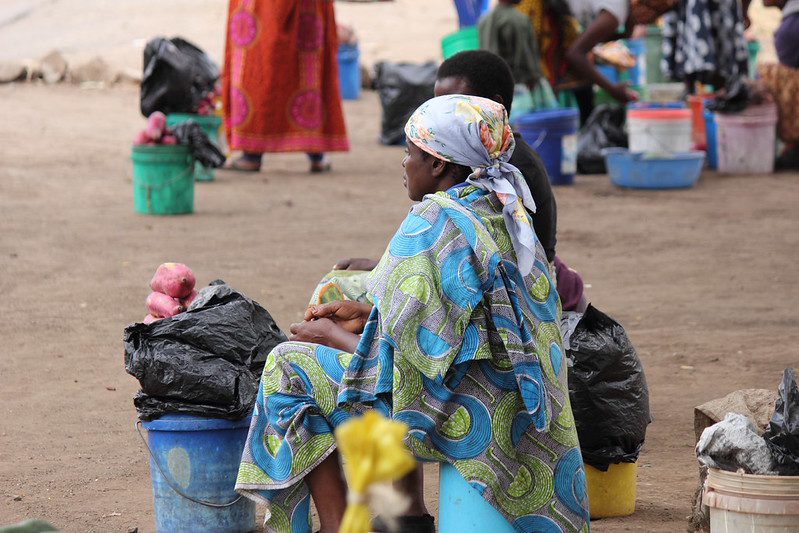
Malnutrition and Poverty in IndiaIn Delhi’s crowded Seemapuri settlement, 32-year-old Savitri Devi begins each morning wondering whether she can feed her children more than one meal that day. “Sometimes we just eat rice and salt,” she says quietly. “I tell my daughter to drink water so she won’t feel hungry.”

For families like Savitri’s, malnutrition is not just a health crisis; it’s a poverty trap that limits learning, weakens productivity and keeps entire communities from escaping hardship. The issue of malnutrition and poverty in India remains deeply intertwined, particularly in urban slums where wages are low and food prices rise faster than incomes.

The Cycle of Poverty and Malnutrition in India

The world’s highest concentration of undernourished people is found in India. The Global Hunger Index 2025 states that 32.9% of children under 5 in India are stunted and 12% of the country’s population is undernourished. This crisis is made worse in Delhi’s urban slums by overcrowding, contaminated water and inconsistent incomes.

Daily-wage families frequently rely on the least expensive, high-calorie foods that are deficient in vital nutrients to make ends meet. Poor nutrition harms both economic and educational outcomes. Malnourished children are more likely to experience cognitive delays, poorer academic performance and lower adult incomes.

According to the Food and Agriculture Organization, chronic malnutrition can result in decreased productivity and lower a nation’s GDP by 2-4%.

A Mother’s Struggle in Delhi

The connection between food and survival is painfully obvious to Savitri, who sells plastic bottles gathered from trash heaps. “I can’t work if I get sick. We don’t eat if I’m not working,” she says. Similar experiences are shared by many Seemapuri women who juggle taking care of malnourished children while working long hours in informal jobs.

According to the National Family Health Survey (NFHS-5), 24% of children under 5 in South Delhi are underweight and 27% are stunted. These figures underscore the severity of nutritional inequality, even in India’s affluent capital.

Government Efforts: ICDS and PM Garib Kalyan Anna Yojana

Through Anganwadi centers, the Integrated Child Development Services (ICDS) program remains India’s premier nutrition initiative, providing food, health examinations and preschool education. The Delhi government operates more than 10,000 centers serving children and pregnant women. Savitri states, “My daughter receives one hot meal per day from the Anganwadi, but occasionally they close early or run out of supplies.”

Delivery irregularities and infrastructure gaps continue to impact the access of the most impoverished families. More than 800 million people received 5 kg of food grains per person per month through the PM Garib Kalyan Anna Yojana (PMGKAY) during the COVID-19 pandemic. This lifeline helped Savitri’s family and many other urban low-income families avoid hunger.

She remembers: “We got rice from the ration shop during those months.” “At least there was something, even though it wasn’t enough.” Under the National Food Security Act, the government continues to distribute free food grains, even though PMGKAY ended in 2023.

Why Nutrition Is an Economic Investment

Malnutrition and poverty in India deplete public resources as well as human potential. According to the World Bank, increased productivity and lower health care costs can result in up to $16 in economic returns for every $1 invested in nutrition. Women who eat healthily are more likely to keep steady jobs and take better care of their families.

Better nutrition could lower health care costs, increase work participation and improve school attendance in Delhi’s informal settlements. The nutritional status of the city’s most vulnerable communities can be improved by enhancing maternal education, ensuring consistent food supply chains and strengthening local Anganwadi infrastructure. India’s poverty and malnutrition problems demonstrate that investing in nutrition is a prudent financial decision, rather than a charitable endeavor.

Breaking the Cycle

More than just distributing food is needed to end malnutrition; social inclusion and accountability are also necessary. “Perhaps they would understand if officials came and asked us what we really need,” Savitri says. Community participation through local monitoring committees and women’s groups can help ensure that programs respond to lived realities rather than relying solely on statistics.

The cycle of poverty can start to end when individuals, governments and nongovernmental organizations collaborate to make nutrition a key component of development. Appropriate nutrition is not charity for the millions of people living on the margins in Delhi; rather, it is a basis for growth, opportunity and dignity. 

– Chhahat Kaur Gandhi

Chhahat is based in New Delhi, India and focuses on Business and New Markets for The Borgen Project.

Photo: Flickr
January 26, 2026
https://borgenproject.org/wp-content/uploads/borgen-project-logo.svg 0 0 Lynsey 2 https://borgenproject.org/wp-content/uploads/borgen-project-logo.svg Lynsey 22026-01-26 03:00:202026-01-25 22:51:30Malnutrition and Poverty in India
Electricity and Power, Global Poverty

Solar Electric Light Fund: Fighting Time Poverty With Solar Energy

Solar Electric Light FundHaving sufficient time is essential for maintaining and improving all areas of life, including health, employment, education and personal well-being. However, individuals around the world face significant time deprivations, often due to unpaid labor and challenges in meeting daily survival needs. Known as time poverty, it can be understood as the lack of discretionary time that individuals experience on a daily basis.

Time poverty is especially prevalent among women and children in developing regions who perform a disproportionate amount of domestic and unpaid work. This results in a compromised ability to engage in livelihood-improving activities, such as pursuing education, securing paid employment or engaging in self-development. As a result, breaking the cycle of extreme poverty becomes increasingly challenging.

While the reality of time scarcity poses challenges for these individuals and communities, fighting time poverty is a process deeply intertwined with the fight against energy poverty.

Understanding Time and Energy Poverty

The Solar Electric Light Fund (SELF) is a nonprofit organization dedicated to combating energy poverty by providing access to solar power where it’s needed most. The Borgen Project spoke with Bob Freling, the executive director of SELF, to gain a deeper understanding of the relationship between energy and time poverty and how solar power serves as a solution to both.

Energy poverty can be defined as the lack of access to safe and adequate energy. This condition directly fuels time poverty, particularly for rural communities disconnected from central power grids. In these energy-poor regions, the absence of reliable energy to provide necessities like clean water, electricity and fuel means individuals must go through a time-consuming process to gather the raw materials needed to produce these resources.

The task of gathering these materials often falls to the women and children within a household, becoming part of their daily domestic work. For lighting and cooking, women often gather firewood or coal to create fires. Similarly, households that lack access to clean running water often require the frequent retrieval of water from distant sources.

Often, this is a process that must be repeated multiple times a day and consumes several hours a week. The United Nations (U.N.) estimates that every day, women and girls collectively spend 200 million hours on water retrieval worldwide. In these contexts, fighting time poverty becomes inseparable from addressing energy access.

Women and Children Trapped in Poverty

This widespread loss of time among women and children engenders many social disadvantages. Particularly, these demands result in reduced economic participation among women. This tradeoff between paid and unpaid labor limits women’s ability to engage in their primary occupations and compromises the opportunity for income diversification.

As a result, these women are put into positions where they are likely to remain income-poor, contributing to ongoing cycles of poverty for themselves and their families. Freling told The Borgen Project, “Time itself is a form of power – and for many women, that power has been systematically taken away. Unpaid labor is often invisible in economic systems, but its impact is enormous.”

Indeed, though largely unrecognized, unpaid labor makes significant contributions to global and national GDPs. For instance, the U.N. estimates that this work accounts for 21.4% of the average GDP in Caribbean and Latin American economies. In addition to women’s challenges, children living in time-poor households may face similar time deprivations, often resulting in long-term consequences for their education and development.

To meet basic household needs, many children must participate in domestic and income-generating tasks. These needs often take precedence over education, negatively impacting school attendance and study time and in some cases result in complete withdrawal from schooling. This has adverse effects on these children’s future ability to attain paid employment.

In addition to working in the home, time poverty may also increase children’s participation in exploitative labor within public industries, harming their health and development.

Solar Electric Light Fund: Solar-Powered Solutions

According to Freling, SELF addresses these challenges of time poverty by “tackling the underlying energy gap.” As a solution, SELF has implemented solar-powered water systems within communities, making clean water easily accessible. Many of SELF’s solar projects produce significant time-saving effects for community members, particularly in the time spent on gathering water and fuel materials.

“What was once an hour-long journey becomes a short walk down the block,” said Freling. To reduce reliance on collecting firewood, SELF provides communities with access to clean cooking alternatives through its Solar Cooking Program. This program teaches women to cook and bake using solar-powered cooking methods within their own homes, as well as for entrepreneurial purposes.

With this reclaimed time that was once allocated to collecting raw materials, women can exercise more control over their time. Often, this transition is followed by increased economic participation and productivity. This program also provides direct employment opportunities, with many participants working in or launching their own solar cooking and baking businesses.

Impacts of the Solar Electric Light Fund

Freling explains the significant impact programs like these have on fighting time poverty: “Solar energy returns time. It gives women back hours that can be spent earning income, caring for their families, learning new skills or participating in community life.” He notes, “That shift may seem simple, but over years and generations, it’s transformative.”

Alleviation from domestic and economic tasks has similar positive implications for children and their education. As households gain access to solar cooking, clean water and reliable electricity, there is a reduced need for children to contribute to household survival needs. This reclaimed time provides children with the opportunity to attend school consistently, study at home and ultimately graduate.

As noted by Freling, energy access also supports child education by freeing up time beyond daylight hours. With improved lighting systems, children can continue to read, study and learn at home after dark. SELF enables this by implementing in-home solar power systems designed to be accessible to low-income families.

These shifts improve children’s well-being and enable improved educational outcomes, making individuals and communities better equipped to work towards collective and sustainable development.

Looking Ahead

Through SELF’s dedication to affirming energy access, solar energy is fighting time poverty. It continues to dismantle the systems that perpetuate it. For women and children in developing regions, the shift to clean energy is especially transformative. As it produces significant time-saving effects for these groups, it opens doors by enabling economic participation, educational attainment and improving the quality of life.

As Freling explains, “Energy is not valuable for its own sake. It matters because of what it enables: clean water, food security, education, health care and opportunities. Over time, those gains begin to dismantle the barriers that perpetuate poverty and inequality.”

– Quinlan Bohannon

Quinlan is based in Portland, OR, USA and focuses on Technology and Solutions for The Borgen Project.

Photo: Flickr
January 26, 2026
https://borgenproject.org/wp-content/uploads/borgen-project-logo.svg 0 0 Lynsey 2 https://borgenproject.org/wp-content/uploads/borgen-project-logo.svg Lynsey 22026-01-26 01:30:032026-01-25 22:43:13Solar Electric Light Fund: Fighting Time Poverty With Solar Energy
Global Poverty, Indigenous Peoples, Inequality

Reducing Poverty in Latin America

poverty in Latin America

Across Latin America, governments are quietly reshaping their approach to poverty. After decades of high inequality, fragile growth and political instability, several countries are moving away from short-term welfare fixes and toward broader models of inclusive development. Colombia, Chile and Mexico are among the leaders in this transition, combining income support, labor market reform and long-term social investment to narrow social and economic gaps.

Now, while these policies slowly come into effect, the direction is clear: poverty reduction is increasingly being seen as a structural issue rather than a temporary emergency.

Social Protection Programs

At the center of this shift are new generations of social protection programs, many of which are largely based on conditional cash transfers (CCTs). These programs promise cash in exchange for meeting specific goals. Latin America has been reducing poverty by pioneering these schemes since the early 2000s, with 60 programs in operation across the region.

The region continues to play a central role in national anti-poverty strategies. In Colombia, Familias en Acción provides cash payments to low-income households in exchange for tasks like school attendance and regular health check-ups for children being completed. Originally designed as a temporary measure, the program has expanded significantly, particularly in rural and conflict-affected areas.

With recipients receiving about $972 annually, it can be linked to improved school participation, child nutrition and household stability. For instance, there was a 6-percentage-point decline in children’s chronic malnutrition following an increase in the chances of completing secondary school. Similarly, Chile has combined cash transfers with personalized social support.

Under Chile Solidario and later Ingreso Ético Familiar, families receive not only financial assistance but also guidance from social workers to help them access public services, employment programs and health care. These frameworks help vulnerable citizens receive the care they need, with cash installments and support offered for up to two years. The aim is to address social inequalities alongside income poverty.

Mexico’s Prospera program, formerly known as Progresa, is a widely studied CCT. Its emphasis on education, maternal health and nutrition has produced long-term benefits, including higher school completion rates and better health outcomes. While political reforms have reshaped the program in recent years, its core principles continue to influence social policy and it has been replicated in more than 50 countries worldwide.

These programs rely heavily on effective public services and stable funding, both of which are unevenly available across the region. However, with significant funding from the World Bank, they were able to support more than 22 million households across Latin America. Still, they reflect a broader shift: social welfare is increasingly popular, not as a safety net, but as an investment in future generations.

Closing the Rural Divide

Geography deeply shapes poverty in Latin America. Rural areas and Indigenous communities consistently experience higher deprivation, weaker infrastructure and limited access to state institutions. However, governments are increasingly paying closer attention to these territorial inequalities.

In Colombia, rural development has become closely linked to the country’s post-conflict agenda. Investment in rural roads, agricultural support and access to credit is aimed at reducing poverty while stabilising regions long affected by violence. Land restitution efforts, though slow and politically charged, form part of this post-conflict strategy.

In 2023, the Special Assetholding Agency (SAE) of the Colombian government successfully redistributed 40,000 hectares to cooperatives under the “Land for Peace” policy. This government initiative shows promise in reducing poverty in Latin America. On the other hand, Chile has pursued a more technocratic model.

Through agencies such as INDAP, the government supports small farmers with credit, training and irrigation projects, while investing in rural connectivity. For instance, in January 2024, the Chilean government implemented a $50 million investment project to strengthen food security and modernise the technology available to farmers. These efforts have helped narrow, though not eliminate, the gap between urban and rural living standards.

Tackling Pensions and In-Work Poverty

With informal employment being widely prevalent across Latin America, pension policies have begun to shift, as traditional contributory pension systems previously excluded millions of adults from coverage. However, in response, several countries have started to expand their pension schemes. For instance, one way Latin America is reducing poverty is with Chile’s 2008 pension reform, which introduced a Solidarity Pillar, guaranteeing a basic pension to low-income and informal workers, significantly expanding coverage among older women and rural populations.

Mexico has followed a similar path, introducing universal or near-universal pensions for older adults without formal work histories. Additionally, Mexico’s AFORE pensions will provide a top-up payment to beneficiaries whose monthly pension falls below their final salary rate. This shows a commitment to citizens who were potentially vulnerable to state neglect.

Similarly, even as employment has grown, in-work poverty remains a persistent problem. In response, countries such as Chile and Mexico have turned to minimum wage increases to boost incomes at the bottom of the labor market, proving how Latin America is reducing poverty. Chile has implemented gradual, predictable wage increases linked to inflation, helping low-income workers remain above the poverty line.

Increasing the monthly minimum wage to approximately $582 and promising a future increase for January 2026, helps ensure that Chile’s citizens can survive despite rising inflation. Mexico has taken a more aggressive approach, raising the minimum wage by 18% (on average) annually since 2018, after years of stagnation. Evidence suggests these increases have reduced workplace poverty without causing widespread job losses, as critics feared.

Now, while a minimum wage increase alone cannot solve inequality, it reflects a broader recognition that a fairer income distribution must keep pace with inflation.

A Measured Transformation

Latin America’s fight against poverty is far from over. Fiscal constraints, political volatility and deep-rooted inequality continue to limit progress. Yet, the policies emerging in Colombia, Chile and Mexico indicate a significant shift in direction. Rather than relying on short-term relief, governments are investing in education, health, rural development and social inclusion.

The approach is slow and imperfect, but it has demonstrated real-world success in transforming people’s lives. These policies effectively demonstrate changing attitudes across the region, exemplifying how Latin America is reducing poverty.

– Megan Burrows

Megan is based in Birmingham, UK and focuses on Good News and Politics for The Borgen Project.

Photo: Unsplash

January 25, 2026
https://borgenproject.org/wp-content/uploads/borgen-project-logo.svg 0 0 Lynsey 2 https://borgenproject.org/wp-content/uploads/borgen-project-logo.svg Lynsey 22026-01-25 07:30:112026-01-25 01:38:24Reducing Poverty in Latin America
Education, Global Poverty, Technology

The Emerging Role and Evolution of AI in the Caribbean

evolution of AI in the CaribbeanThe Caribbean consists of 16 independent countries and 18 associated territories, resulting in many unique problems that AI can solve. In an interview with The Borgen Project, University of Central Florida (UCF) Professor Rohan Jowallah, who works as a consultant for AI and AI policies in the Caribbean, provided necessary insight into AI in the Caribbean and what the future potentially looks like with AI.

Professor Rohan Jowallah’s Insight

In The Borgen Project’s interview with Professor Rohan Jowallah, The Borgen Project asked him about his most recent presentation on AI in the Caribbean and how the region has used AI. The organization also questioned him on how his role as a consultant has been beneficial to the Caribbean as a whole and the impact of the policies the region has enacted.

AI has benefited a wide range of sectors, including hospitality, transportation, hospitals and agriculture. There have even been instances of people using ChatGPT to promote real estate. According to Jowallah, the Caribbean is using AI “to simulate how guests should be served” in restaurants. Meanwhile, Trinidad is using AI in education. AI has become more prominent in the education field as it can support learning by being available to students at any time of the day.

When asked about his presentation on AI in the Caribbean and how he felt about the impact of that presentation, Jowallah stated that there is a lot to keep in mind, such as “the transformation of teaching and learning, how it’s going to shape how people learn, and how it’s going to shape how content is delivered.” He also stated that the way teachers teach will not be the same in the future as new advancements occur, also noting that “critical AI literacy” is going to be a necessity in order to navigate spaces with AI.

Upon being questioned about his role as an AI consultant, Jowallah said that the main thing to consider through the use of AI is how to safeguard the future. Finally, the last question that The Borgen Project asked was about where he thinks policies are regarding ethical concerns for AI, with his main thought being that it was simply too early to tell.

Addressing Problems With AI

The United Nations Development Programme (UNDP) in Trinidad & Tobago, Aruba, Curaçao and Sint Maarten aligned itself with CARICOM to address problems with AI. It implemented AI in public administration to resolve problems like limited institutional capacity, scarce resources and heightened vulnerability. The hope is that with AI, and also knowing the opportunities and risks to worry about, there will be a greater understanding of how AI can accelerate sustainable development and resilience in the Caribbean, with many experts in their respective fields all coming together to better understand what AI can do for the region.

The United Nations Educational, Scientific and Cultural Organization (UNESCO) also has pillars already set regarding the speed at which the emerging role and evolution of AI in the Caribbean is happening. Examples of a few of these pillars include culture and creativity, safeguarding intellectual property rights and promoting AI-driven creative industries. Another pillar is education and upskilling, which aims to integrate AI education/training across sectors to best utilize AI’s potential, thus leading to economic growth. With these policies, the emerging role and evolution of AI is finding a more definite role in the Caribbean.

In the case of the emerging role and evolution of AI in the Caribbean, the Caribbean Examinations Council (CXC) has recently opened up the door to permitting the usage of AI in exams in 2026. This is for the Caribbean Advanced Proficiency Examination, Caribbean Secondary Education Certificate and Caribbean Certificate of Secondary Level Competence with clearly defined rules and regulations in place to ensure smooth sailing.

Looking Ahead

The Caribbean is right there as far as AI discussions go, as there is a foundation in place to ensure that in any capacity AI is being used in, it can be used safely and in any imaginable sector. Experts like UCF Professor Rohan Jowallah are at the forefront of the emerging role and evolution of AI in the Caribbean, looking to continue to push boundaries and innovate. With AI being readily available to assist in education or provide training for jobs, AI in the Caribbean could transform lives.

– Amari Jennings

Amari Jennings is based in Orlando, FL, USA and focuses on Technology and Solutions for The Borgen Project.

Photo: Unsplash

January 25, 2026
https://borgenproject.org/wp-content/uploads/borgen-project-logo.svg 0 0 Jennifer Philipp https://borgenproject.org/wp-content/uploads/borgen-project-logo.svg Jennifer Philipp2026-01-25 03:00:282026-01-25 05:13:39The Emerging Role and Evolution of AI in the Caribbean
elderly poverty, Global Poverty

Addressing Elderly Poverty in the Solomon Islands 

Elderly Poverty in the Solomon IslandsRuth Kamu is a 43-year-old market vendor from Honiara in the Solomon Islands. She earns about $690 USD per week selling peanuts at her stall in the market. Ruth is not yet of retirement age.  Even so, she became one of the first people in the Solomon Islands to open a “voluntary pension account” under a government program called youSave. This program is one of many initiatives the government launched to remedy the problem of elderly poverty in the Solomon Islands.

Elderly Poverty Rates in the Solomon Islands

As of 2012, statistics showed the elderly poverty rate in the Solomon Islands was between 27% and 32%. Since then, the population of older adults in the country has grown with about 5.6% of the population being 60 years old or older. With longer life expectancy and demographic ageing, the elderly population of the Pacific is expected to quadruple to about 2 million people by 2050.

Elderly poverty in the Solomon Islands is a major concern because they are geographically isolated. Transportation and access to physical banks are limited and the economy is mostly informal which means most seniors don’t have access to formal safety nets. This makes them especially vulnerable when resources run out. Waiting for resources to replenish puts the elderly at high risk of losing income.

YouSave Program

Older adults like Ruth are benefiting from the “youSave” program. It is a voluntary pension program the Solomon Islands Central Bank put in place specifically to help the self-employed.  Launched in 2017, it allows elderly people to have a savings account designed for their retirement.

In addition, the Solomon Islands launched its National Financial Inclusion Strategy to expand access to financial services across the country.  It focuses on digital financial access to ensure affordable, quality financial services for all citizens. It aims to make banking more accessible, reducing elderly poverty in the Solomon Islands. The Prime Minister of the islands described it as, “an important road map to improve financial access.”

What’s more, the strategy aims to develop digital marketing tools and money innovations through partnerships with the United Nations Development Program (UNDP), the International Labor Organization (ILO), government telecommunications and postal services. The strategy increases access to savings, payments and financial empowerment for people in the informal economy including many elderly people without access to a bank.

No State Pension

Because the country doesn’t have a social protection system designed specifically for the elderly, like a state pension, these services are essential to reduce elderly poverty in the Solomon Islands. Studies show, if the government were to adopt these measures, the elderly population would find themselves in much improved circumstances. An Australian government study found spending 2.6% of gross domestic product on benefits for children and older adults could reduce the Solomon Islands’ poverty gap by 21%.

In her remarks at the launch of the strategy, Australian High Commissioner to the Solomon Islands, Doctor Lachlan Strahan, said the Australian government was proud to support the strategy. “We are looking forward to seeing it being implemented and delivering safe, secure and cost-effective access to more Solomon Islanders,” she said.

Solomon Islanders no longer need to hide retirement savings under their mattresses for financial autonomy. They can save for their retirement by using “digital jam jars.”  These virtual jam jars, patterned after traditional ways of saving, help people visualize their financial resources when they don’t have access to a bank. Users Of “digital jam jars” can build up their savings and be better prepared for unforeseen circumstances or save for their future.

Conclusion

Elderly people like Ruth Kamu struggle to save for their retirement in the Solomon Islands. With the elderly population expected to grow significantly in the next several years, the government is implementing programs to help. These programs go a long way towards helping the elderly of the Solomon Islands reach financial autonomy.

– Caleb Dueck

Caleb is based in Winnipeg, Canada and focuses on Good News and Technology for The Borgen Project.

Photo: Freepik

January 25, 2026
https://borgenproject.org/wp-content/uploads/borgen-project-logo.svg 0 0 Jennifer Philipp https://borgenproject.org/wp-content/uploads/borgen-project-logo.svg Jennifer Philipp2026-01-25 01:30:062026-01-25 01:05:19Addressing Elderly Poverty in the Solomon Islands 
Global Poverty, Humanitarian Aid, Natural Disaster

How the Philippine Red Cross Helps Typhoon Victims

How The Philippine Red Cross Helps Typhoon Victims In Nov. 2025, the Philippine Red Cross (PRC) delivered medical aid to hundreds of families across the country that Typhoon Tino and Super Typhoon Uwan left devastated.

Philippine Red Cross

The Philippine Red Cross is a humanitarian organization that has existed since 1899 and has been officially active since 1947. Since its beginnings, PRC has been dedicated to supporting citizens who have endured tragic events and disasters across the Philippines. From emergency care to raising donations, PRC is committed to helping the vulnerable.

Following the destruction of Typhoon Tino and Super Typhoon Uwan, PRC delivered medical aid and support to thousands of victims in highly affected communities. Hundreds of staff and volunteers from PRC supplied families with emergency services such as first aid, disease prevention, welfare assistance, sanitation and more.

Typhoon Tino

Typhoon Kalmaegi, or Typhoon Tino, affected the country from Nov. 2 to Nov. 6. In just four days, it left a trail of destruction across eight regions. Islands in the Visayas were among the most highly affected areas. As of Nov. 11, the National Disaster Risk Reduction and Management Council (NDRRMC) reported about:

  •  232 deaths
  •  112 missing
  •  523 injured
  •  1.2 million families affected
  • 5.4 million individuals affected
  • 270,000 damaged homes
  • 42,000 destroyed homes

Cebu was the most affected area, recording many casualties due to severe, abundant flooding, landslides and vigorous winds. The storm left hundreds of thousands of families displaced after homes and farms were ruined.

On Nov. 4, following Typhoon Tino, PRC delivered health services to the highest affected areas through first aid stations to assist the sick and injured. The organization held disease prevention and hygiene promotion sessions for 620 people, raising awareness to protect the health of citizens. PRC also responded to an emergency childbirth.

Aside from medical resources, PRC extended welfare support as it set up welfare desks to provide emotional and psychological first aid. Volunteers also provided 1,642 hot meals to families affected by Typhoon Tino.

The chairman and CEO of PRC, Richard Gordon, expressed his faith in PRC’s volunteers to help and support those affected by Typhoon Tino.

“Every person reached by our staff and volunteers is someone who is given hope and care in the midst of disaster,” Gordon shared. “The Philippine Red Cross remains committed to responding swiftly wherever there is a call for help.”

Typhoon Uwan

Just days after Typhoon Tino left the Philippines, Super Typhoon Fung-wong, or Uwan, hit Luzon from Nov. 8 to Nov. 10. The 16 regions affected included Catanduanes, Aurora and Isabela. NDRRMC reported about:

  •  33 deaths
  •  One missing individual
  • 52 injured
  •  2.1 million families affected
  •  7.6 million individuals affected
  •  1.5 million people evacuated
  •  270,000 damaged homes
  • 25,000 destroyed homes
  • 130 villages flooded

The destruction caused extreme flooding, intense wind and mudslides, leaving many people displaced and sheltering with loved ones or in evacuation centers.

Following the devastation from Super Typhoon Uwan, PRC gathered hundreds of volunteers to reach more victims through medical services such as first aid stations that treated hundreds of patients. The humanitarian organization sent out ambulances for medical transport and rescue operations. PRC assigned three doctors and 25 nurses to provide medical consultations, medicines and antibiotics for hundreds of people in several regions.

Volunteers transported more than 200 individuals to evacuation centers from hazardous zones. PRC also provided psychological support through welfare desks and distributed meals from food trucks, delivering 8,753 hot meals to affected families. PRC used radios to allow communication in distant areas without Wi-Fi or data.

To PRC staff and volunteers, Gordon shared his appreciation for their extensive labor and dedicated effort.

“People often think that our work is limited to handing out relief boxes, but we have been working non-stop preparing hot meals and holding meetings 24/7,” Gordon said. “Thanks to everyone’s sacrifices here, the PRC can truly be always first, always ready, and always there.”

Moving Forward

In the face of the life-threatening typhoons that devastated millions of people in November, PRC remained dedicated to immediate aid for communities in need across the Philippines. PRC reached Filipino victims in the areas most affected, despite rising water levels and powerful winds. Along with accommodating the health of hundreds of people, PRC supported the well-being of families who lost everything. The people of the Philippines faced disaster, loss and grief, but PRC’s humanitarian relief provided care and support during recovery.

– Caydie Tampac

Caydie is based in Las Vegas, NV, USA and focuses on Good News for The Borgen Project.

Photo: Wikimedia Commons

January 24, 2026
https://borgenproject.org/wp-content/uploads/borgen-project-logo.svg 0 0 Precious Sheidu https://borgenproject.org/wp-content/uploads/borgen-project-logo.svg Precious Sheidu2026-01-24 07:30:342026-01-24 02:46:00How the Philippine Red Cross Helps Typhoon Victims
Global Poverty, Health, Technology

Mobile Technology & Community Health Care in Malawi

Health Care in MalawiIn many rural communities in Malawi, the health care system continues to face significant challenges in delivering accessible, affordable services to its rural population. More than 80% of Malawians live in rural areas, where limited funding, inadequate medical supplies, bribery and unaffordable costs restrict access to essential health care. Many rural families walk long distances to reach the nearest clinic, thereby delaying health care until health complications become severe.

Limited access to health care increases the risk of death among young children in Malawi, as people who live far from health centers are less likely to receive medical care. This also affects pregnant women who live farther away from those facilities, as they are less likely to get prenatal checkups or professional help during childbirth. To address these challenges, Malawi has increasingly relied on Community Health Workers (CHWs), locally known as Health Surveillance Assistants (HSAs), who serve as important links between communities and health systems.

Recently, the introduction of mobile technology has paved the way for more effective health care delivery. Using mobile phones, digital reporting tools and health apps, CHWs can now track patient data, communicate with clinics and respond more quickly to medical needs and emergencies. These digital efforts are supported by organizations such as the Malawi Ministry of Health, which oversees community health programs and digital health systems and VillageReach.

This global nonprofit organization strengthens supply chains and digital health tools for frontline health workers in Malawi. Together, these technologies improve access to health care, support health education and strengthen health systems in rural communities.

Mobile Technology Strengthening Community Health Work

Mobile technology has become an important tool in strengthening HSAs across Malawi. Smartphones, tablets and SMS-based platforms enable HSAs to collect patient data, monitor symptoms and communicate directly with health facilities. One of the most widely used systems is the Malawi Ministry of Health’s mobile system, which enables live disease surveillance and medicine stock monitoring.

The Integrated Community Health Information System (iCHIS) is a mobile system implemented by the Malawi Ministry of Health. It supports HSAs by enabling them to record patient data digitally and submit accurate, up-to-date reports. This system replaces paper-based reporting and data collection, improving accuracy and speeding up communication with district health offices.

By helping track diseases and monitor maternal and child health, iCHIS strengthens community-level health care and improves response times in rural areas of Malawi. In a published report, Malawi’s Ministry of Health emphasized that digital reporting systems such as the iCHIS have reduced delays in community-level data reporting and improved decision-making at district health offices. Officials noted that real-time digital data allows faster responses to disease outbreaks and improves monitoring of maternal and child health services, particularly in hard-to-reach rural areas.

In addition, digital systems support health education by providing HSAs with updated information on nutrition and disease prevention. These tools strengthen communication between health workers and communities, improve trust in local health services and help ensure that patients receive timely and appropriate care. Overall, mobile technology has become an important tool for strengthening community-based health care delivery in Malawi, particularly in rural areas.

Organizations Supporting Digital Health Initiatives in Malawi

  • VillageReach: VillageReach supports Malawi’s health system by deploying digital tools that strengthen last-mile service delivery. The organization works with frontline health workers to use mobile reporting systems that improve data accuracy, reduce medicine stockouts and strengthen coordination between community health workers and health facilities. These tools also help health officials quickly identify supply gaps and respond before shortages affect patient care.
  • Partners In Health (PIH): PIH is another organization that works with Malawi’s Ministry of Health to strengthen rural health care delivery through technology and training. The organization focuses on improving data collection, disease surveillance and quality of care by supporting digital health systems used by HSAs. PIH also helps strengthen digital systems and supports CHWs with tools that improve patient tracking and follow-up care, especially for maternal health, HIV and infectious diseases.
  • Clinton Health Access Initiative (CHAI): CHAI supports Malawi’s Ministry of Health by strengthening digital health systems, improving supply chain management and expanding access to essential health services. The organization implements data-driven health programs that enhance disease surveillance, improve access to medicine and strengthen overall health system performance. Through partnerships with government agencies, CHAI also develops and improves digital tools that enhance health care delivery.

Through the combined efforts of these organizations, the workload of CHWs has been greatly reduced. These efforts show how combining community health work with mobile technology can expand health care access and improve outcomes even in developing regions.

Looking Ahead

As Malawi continues to invest in digital health, mobile technology is becoming an important tool for improving health care delivery. Indeed, expanding mobile network access, strengthening digital skills among health workers and improving data systems will help ensure progress. With continued support and partnerships, mobile health systems can address health care challenges, improve patients’ well-being and strengthen the country’s health system.

By giving HSAs better digital tools, Malawi shows how technology can help to reduce challenges in health care access. These systems support CHWs and provide a practical example for other low-income countries seeking to improve rural health care in affordable, effective ways.

– Emmanuel Fagbemide

Emmanuel is based in Winnipeg, Canada and focuses on Technology and Global Health for The Borgen Project.

Photo: Unsplash

January 24, 2026
https://borgenproject.org/wp-content/uploads/borgen-project-logo.svg 0 0 Lynsey 2 https://borgenproject.org/wp-content/uploads/borgen-project-logo.svg Lynsey 22026-01-24 03:00:442026-01-24 02:37:37Mobile Technology & Community Health Care in Malawi
Food Security, Global Poverty, Hunger

Everything To Know About Hunger in Rwanda

Hunger in RwandaDespite significant development progress over the past decades, hunger in Rwanda remains an ongoing challenge, affecting millions of people and posing a major obstacle to the country’s economic and social growth. Structural barriers, such as changing weather patterns, continue to undermine long-term food security for vulnerable households.

The State of Food Security in Rwanda

Rwanda has made notable progress in reducing hunger, however food insecurity continues to affect a significant portion of its population. According to data obtained in 2022, food insecurity remains a reality for approximately 20.6% of the population, with the majority experiencing moderate levels of insecurity. In 2024, the overall Dietary Energy Supply gradually increased by 1.7%, indicating some “improvement in national food energy availability.” Currently, 32.4% of children under the age of five suffer from chronic malnutrition.

Root Causes of Hunger

Hunger in Rwanda is driven by a complex combination of environmental and economic factors:

  • Climate and Environmental Shocks: Rwanda’s tropical climate and hilly terrain make it vulnerable to droughts, flood and soil erosion. These events can reduce crop yields, disrupt harvests and increase the risk of food shortages.
  • Inflation and Economic Pressure: In 2023, inflation forced nearly one million households into food insecurity. Price increases for perishable foods mean families must cut back on essentials and/or switch to cheaper, less nutritious options.
  • Limited Dietary Diverse Foods: Many households lack access to “nutritionally diverse diets.” Only 19.5% of young children receive a minimum acceptable diet, contributing to persistent malnutrition.
  • Population Density and Growth: Rwanda is one of the most densely populated countries in Africa, and its rapidly growing population increases pressure on the country’s limited land and resources.

Who Is Most Affected?

Rural populations, women and children are disproportionately affected by food insecurity. Children under the age of five are increasingly vulnerable to chronic malnutrition, which may chronically impact physical and cognitive development.

According to the United Nations Refugee Agency, refugees fleeing Rwanda’s neighboring countries also face acute food insecurity. Limited access to land and employment opportunities around refugee camps leads many to heavily depend on humanitarian food assistance. However, due to a lack of funding, refugees are at a greater risk of nutritional deficiencies.

Government and Policy Responses

The Rwandan government has invested in programs and policies to strengthen food security and agricultural production, including:

  • World Food Day: World Food Day is a celebration which highlights community efforts to boost production, support vulnerable families and improve nutrition.
  • Seeds and Fertilizer Distribution: Rwanda’s Ministry of Agriculture and Animal Resources aims to increase the production of rice and potatoes, targets 63,570 tonnes of fertilizer and registers two million farmers for subsidized inputs in 2026.
  • Girinka (One Cow per Family): Girinka is a program which gives cows to families, “improving nutrition through milk consumption and creating income-generating opportunities.” Since 2006, it has distributed 467,984 cows to households.

International Support and Challenges

By supporting refugees, assisting vulnerable rural communities and working with farmers, international partners like the United Nations World Food Programme (WFP) play a crucial role in addressing hunger in Rwanda by providing “specialized nutritious food, for the prevention and treatment of malnutrition, to vulnerable groups.” However, funding gaps and global crises have strained humanitarian assistance, leading to ration cuts for refugee camps.

Looking Ahead: Challenges and Opportunities

As aligned with Sustainable Development Target 2, Rwanda has seen measurable successes regarding access to food, but progress remains uneven as the changing climate, inflation and demographic trends continue to pose significant risks. According to the WFP, to sustain gains and close the gap, it is critical to boost agricultural activity, invest in infrastructure and improve nutrition education. 

Sustained investment, enhanced regional cooperation and targeted programs could help build a more food-secure Rwanda. Community leaders and international partners must continue collaborating to ensure that everyone in Rwanda, citizens and refugees, have access to enough nutritious food that supports long-term health.

– Sara Aboulela

Sara is based in Toronto, Canada and focuses on Celebs and Politics for The Borgen Project.

Photo: Wikimedia Commons

January 24, 2026
https://borgenproject.org/wp-content/uploads/borgen-project-logo.svg 0 0 Jennifer Philipp https://borgenproject.org/wp-content/uploads/borgen-project-logo.svg Jennifer Philipp2026-01-24 01:30:582026-01-24 02:33:32Everything To Know About Hunger in Rwanda
Page 59 of 2162«‹5758596061›»

Get Smarter

  • Global Poverty 101
  • Global Poverty… The Good News
  • Global Poverty & U.S. Jobs
  • Global Poverty and National Security
  • Innovative Solutions to Poverty
  • Global Poverty & Aid FAQ’s
Search Search

Take Action

  • Call Congress
  • Email Congress
  • Donate
  • 30 Ways to Help
  • Volunteer Ops
  • Internships
  • Courses & Certificates
  • The Podcast
Borgen Project

“The Borgen Project is an incredible nonprofit organization that is addressing poverty and hunger and working towards ending them.”

-The Huffington Post

Inside The Borgen Project

  • Contact
  • About
  • Financials
  • President
  • Board of Directors
  • Board of Advisors

International Links

  • UK Email Parliament
  • UK Donate
  • Canada Email Parliament

Get Smarter

  • Global Poverty 101
  • Global Poverty… The Good News
  • Global Poverty & U.S. Jobs
  • Global Poverty and National Security
  • Innovative Solutions to Poverty
  • Global Poverty & Aid FAQ’s

Ways to Help

  • Call Congress
  • Email Congress
  • Donate
  • 30 Ways to Help
  • Volunteer Ops
  • Internships
  • Courses & Certificates
  • The Podcast
Scroll to top Scroll to top Scroll to top