• Link to X
  • Link to Facebook
  • Link to Instagram
  • Link to TikTok
  • Link to Youtube
  • About
    • About Us
      • President
      • Board of Directors
      • Board of Advisors
      • Financials
      • Our Methodology
      • Success Tracker
      • Contact
  • Act Now
    • 30 Ways to Help
      • Email Congress
      • Call Congress
      • Volunteer
      • Courses & Certificates
      • Be a Donor
    • Internships
      • In-Office Internships
      • Remote Internships
    • Legislation
      • Politics 101
  • The Blog
  • The Podcast
  • Magazine
  • Donate
  • Click to open the search input field Click to open the search input field Search
  • Menu Menu

Archive for category: Global Poverty

Key articles and information on global poverty.

Developing Countries, Food Insecurity, Global Poverty

How Poverty and Hunger in Yemen Are Interconnected

Hunger in YemenYemen has triumphed through a difficult past. Unfortunately, remnants of this politically complex past, from civil wars to foreign interference, continue to affect the population today. Hunger in Yemen is rampant – out of a population of 33.7 million, 17 million are food insecure, with 18.6 million also requiring humanitarian assistance. Poverty and hunger in Yemen are not mutually exclusive, with food prices rising by 45% and the expensive scramble to eat resulting in more than 70% of the population residing below the poverty line. Having already withstood numerous injustices, the population shines in their ability to cope, but this does not mean hunger in Yemen can be overlooked, and these harrowing statistics raise the critical question of what must be started, or reinforced, to ensure that Yemen can recover from its rocky past.

Hunger and Poverty in Yemen

Conflict since 2015, from civil to proxy, has resulted in unfortunately growing hunger in Yemen as well as poverty extremes. Around 4.5 million people are internally displaced, with the majority residing in camps. In the 2023 Global Hunger Index, Yemen had a score of 39.9, with the range of 35.0 to 49.9 labelled as “Alarming.”

However, this score of 39.9 has dropped from the score of 42.1 in 2015, proving that global action to subvert this crisis as much as possible has been slightly beneficial.

Additionally, more than 308,000 migrants, mainly from Ethiopia and Somalia, are currently in Yemen while migrating through the Eastern Route, according to the INTERSOS. Escaping conflict of their own, these migrants only add to the mouths to feed within the country and intensify the hunger crisis.

Subverting Poverty

Bearing this in mind, The World Food Programme (WFP) and other subsets of the United Nations, have played a critical role in attempting to alleviate hunger and poverty in Yemen. According to WFP, it provides food over 4,360 distribution points across the country, covering all 333 districts of Yemen. Close to 2 million students across 4,600 Yemeni schools received fortified date bars or biscuits every day, under the Healthy Kitchens project.

Each month, the WFP distributes close to “100,000 metric tons of food commodities at more than 5,000 points, reaching more than 8 million Yemenis.”

Reinforcing These Initiatives

In December 2023, the WFP notified the world of a halt in food distribution due to limited funding and no agreement with local authorities on the best way to proceed with food deliveries. Considering the slow yet positive impact of the initiatives mentioned above, it is imperative to intensify the funding to the WFP, taking global action towards mitigating hunger.

Bearing this in mind, increasing WFP funding efforts and encouraging greater food distribution will help ensure the gradual mitigation of hunger in Yemen. Raising awareness, engaging with the WFP and interacting with Yemenis will help drive efforts to resume food distribution and convey the seriousness of arriving at funding agreements.

– Disheta Anand

Disheta is based in Dubai, United Arab Emirates and focuses on Politics for The Borgen Project.

Photo: Pixabay

July 29, 2024
https://borgenproject.org/wp-content/uploads/borgen-project-logo.svg 0 0 Jennifer Philipp https://borgenproject.org/wp-content/uploads/borgen-project-logo.svg Jennifer Philipp2024-07-29 03:00:332024-07-29 00:50:55How Poverty and Hunger in Yemen Are Interconnected
Agriculture, Global Poverty, WFP

Practical Action’s VINES project in Kassala and Blue Nile

VINES projectIn the border regions of Kassala and Blue Nile in Sudan, food insecurity both results from and exacerbates conflict. In Blue Nile, 46% of children under 5 suffer from malnutrition. To combat this, Practical Action launched the ‘Vegetables for Income, Nutrition and Employment in Sudan’ (VINES) project in November 2023. With a budget of $500,000, the project aims to boost the productivity of small farmers by increasing agricultural production and improving local market solutions. VINES project manager, Abdallah Adam, explains that the project focuses on beneficiaries who previously lacked access to advisory services, improved vegetable seeds and knowledge of good agricultural practices.

The Demographics of Kassala and Blue Nile

The states of Kassala and Blue Nile in Sudan, heavily affected by ongoing conflict, host hundreds of thousands of refugees and internally displaced persons (IDPs). This large population exacerbates existing food insecurity and malnutrition challenges, further complicated by climate change, conflict and erratic weather patterns. To address these ongoing issues, 6,000 small farmers in these states are participating in a project aimed at minimizing obstacles to food production. Engaging the wider community is also essential for educational and peacebuilding efforts, as part of the broader objective to improve local conditions.

The Approach

The strategy focuses on empowering farmers and enhancing market systems to boost the yield and resilience of local vegetable crops. This will be achieved through the following actions:

  • Collaboration and community engagement. The strategy enhances initiatives such as Farmers Field Schools (FFS), home gardens and vegetable nurseries to educate farmers and equip them with essential skills. It also prioritizes the production of organic fertilizers from local materials to maximize productivity and sustainability.
  • Strengthening the seed system. Enhanced and certified seeds are provided to farmers, enabling access to high-quality options that improve crop yields and overall agricultural productivity. To ensure affordability and productivity, vegetable seeds are often subsidized for smallholder farmers.
  • Addressing post-harvest losses. Practical Action has established aggregation points, drying facilities and cooling storage units to maintain the quality of produce. The organization is also developing post-harvest practices and technologies to prepare for the next harvest.
  • Improving farmers’ market access. This is done by connecting farmers with other farmers and buyers to create a collaborative environment that facilitates the exchange of knowledge and improves productivity, particularly in combating climate hazards. Vegetable Business Networks (VBNs) are crucial for strengthening market systems, both in terms of input and output markets and are particularly effective in fostering the sale of fresh vegetable produce.

The Significance

In May 2023, the World Food Programme (WFP) announced that food insecurity in Sudan was set to reach record levels. More than 19 million people are affected, equivalent to two-fifths of the population. Ongoing conflict and violence have caused basic food prices to skyrocket. Furthermore, this has intermittently forced the WFP to suspend its programs in Sudan during particularly violent periods. In this environment, operations like Practical Action become crucial. The organization provides continuous support and sustainable solutions to one of the world’s most malnourished regions.

Looking Ahead

The VINES project by Practical Action is a critical initiative addressing food insecurity in the conflict-affected regions of Kassala and Blue Nile in Sudan. By enhancing agricultural productivity and market access, the project aims to reduce malnutrition and improve livelihoods. As food insecurity in Sudan reaches unprecedented levels, such interventions can potentially create sustainable, long-term solutions and support vulnerable communities in the region.

– Bea Newington-Bridges

Bea is based in Edinburgh, Scotland and focuses on Technology Global Health for The Borgen Project.

Photo: Flickr

July 29, 2024
https://borgenproject.org/wp-content/uploads/borgen-project-logo.svg 0 0 Precious Sheidu https://borgenproject.org/wp-content/uploads/borgen-project-logo.svg Precious Sheidu2024-07-29 03:00:042024-07-29 01:00:08Practical Action’s VINES project in Kassala and Blue Nile
Agriculture, environment, Global Poverty

The Promising Future of Desert Agriculture

Desert AgricultureDesertification occurs when land near desert and arid regions becomes barren and dry due to human activities or adverse weather conditions. In the past 20 years, thousands of acres of fertile farmland and grazing land have been lost to desertification. Several internationally funded projects have been initiated to combat this issue, the most famous being the Great Green Wall.

Developed in 2007, the Great Green Wall project aims to halt the expansion of the Sahel and stretch from Senegal to Djibouti. While the international community initially lauded the project as a great example of environmental restoration, the World Agroforestry Center has critiqued the plan. It is a tree-planting-centric model that scientists argue is ineffective in attempting to recover desert land. Instead, the areas along the project’s route that have seen success have seen little from the original initiative and instead have found new life in the hands of local farmers and communities.

Through indigenous communities, the land’s revitalization has begun to take shape. In Niger, farmers are using the Faidherbia albida tree, along with native low-brush plants, to assist with soil nutrients. The Great Green Wall is considered one of the most well-known plans to combat desertification. However, other plans are currently in action; some are taking inspiration and others are developing more applicable solutions to desert agriculture.

Mongolia

As of 2017, more than 70% of Mongolian land is considered to be desertified to some degree. Significant drought periods have exacerbated the spread of desertification in Mongolia’s Dornod and Khentii grasslands. While Mongolia has always been classified as arid and semi-arid, the large-scale grasslands have allowed a long-standing animal husbandry tradition to dominate the Mongolian economy.

The Mongolian Great Green Wall plan was launched in 2008 to combat this. However, like its African counterpart, it was largely unsuccessful and primarily abandoned in favor of other preventative methods. One indigenous solution to desert agriculture has been to change animal grazing timelines to ensure proper recovery time and prevent overgrazing. Between an increase in protective land policies and the nomadic communities remaking animal grazing patterns, there is a high possibility that the increased desertification along the Steppe can be reduced and managed with proper collaboration between local communities and government agencies.

Iraq

In the last three decades, the country has seen an increase in desertification due to deforestation during regional conflicts, water scarcity and the removal of brush cover, which has exacerbated the desertification in Iraq. The United Nations Convention to Combat Desertification (UNCCD) reports that as of 2019, 2.89 million hectares of land in Iraq are classified as degraded. This degradation, primarily affecting the agricultural sector, is caused by water salinity from the Tigris and Euphrates rivers and the lack of alternative irrigation sources. As a result, many farmers have abandoned their lands and migrated to densely populated urban areas for employment.

There are currently no active UNCCD projects in Iraq. However, a comprehensive analysis was produced in 2022, which gave several strategic suggestions to boost vegetation cover and revitalize local agricultural lands by planting lichen and other microorganisms to strengthen top soils, provide necessary nutrients and improve desert agriculture. The UNCCD recommends spearheading projects by local communities and generational farmers to ensure the land is cared for by those who understand the human-land balance more intimately than government bodies.

– Jamie Sackett

Jamie is based in Hutto, TX, USA and focuses on Global Health and Politics for The Borgen Project.

Photo: Flickr

July 29, 2024
https://borgenproject.org/wp-content/uploads/borgen-project-logo.svg 0 0 Lynsey 2 https://borgenproject.org/wp-content/uploads/borgen-project-logo.svg Lynsey 22024-07-29 01:30:352024-07-28 05:33:41The Promising Future of Desert Agriculture
Developing Countries, Global Poverty, Nonprofit Organizations and NGOs

Nonprofits Helping the Indian Tribal Communities of Karnataka

Indian Tribal Communities of KarnatakaThe Karnataka state in India is home to more than 4 million tribal people from 14 tribes. These individuals live in severe poverty due to centuries of neglect and segregation, resulting in minimal resources. The tribes face significant challenges, from food scarcity to inadequate education and health care. Despite their impoverished conditions, nonprofit organizations are working hard to amplify their voices and meet their basic needs. Below are two nonprofits dedicated to helping the Indian tribal communities of Karnataka.

Bridges of Sports

This organization started in 2016 and aims to guide many tribal athletes. Many tribal individuals are extremely fast barefoot runners. However, they do not have the guidance or mentorship to compete or fully utilize their amazing athletic abilities. Bridges of Sports provides these athletes with proper resources, training and advice to beat state, world and university records. Bridges of Sports is benefiting the Indian tribal communities of Karnataka by recognizing their potential. The organization leverages their strengths to create opportunities that can transform their lives.

By addressing their needs and providing support, the organization is helping these communities overcome neglect and build a better future. More than 100 children have been supported, 200 medals have been awarded and the organization has produced three of the fastest Indians. In addition, by giving these Indian tribal athletes a spotlight, many have received higher education. Bridges of Sports has made a large positive impact on the vulnerable communities of Karnataka.

Friends of Tribals Society

The organization was established in 1989 and strives to uplift and empower the tribal communities impacted by poverty. Many of these tribes are located in Karnataka, India. Friends of Tribals Society provides individuals with good education and discusses “primary education, health care education, development education, awareness education and sanskar education.” The organization has 37 chapters across India and has taught more than 1.3 million students in its 35 years of service.

Final Remark

While the issues of poverty and neglect facing the Indian tribal communities of Karnataka are prevalent, it is important to recognize the work that is being undertaken. Currently, there are not many nonprofits helping the Indian tribal communities of Karnataka, but Bridges of Sports and Friends of Tribals Society have made significant impacts on these communities.

Bridges of Sports focuses on nurturing sports talent among tribal children, providing them with training and opportunities to excel and become the fastest athletes. Friends of Tribals Society, on the other hand, emphasizes education, health care and sustainable development, working toward the holistic upliftment of these communities.

Through more media coverage and awareness, these organizations show that the Indian tribal communities of Karnataka are slowly starting to escape from the poverty cycle. The efforts of these nonprofits not only improve the immediate living conditions but also pave the way for a brighter future for the next generation, fostering hope and resilience among the tribal populations.

– Poppy Duggal

Poppy is based in Singapore and focuses on Good News for The Borgen Project.

Photo: Flickr

July 29, 2024
https://borgenproject.org/wp-content/uploads/borgen-project-logo.svg 0 0 Lynsey 2 https://borgenproject.org/wp-content/uploads/borgen-project-logo.svg Lynsey 22024-07-29 01:30:222024-07-28 05:41:26Nonprofits Helping the Indian Tribal Communities of Karnataka
Foreign Aid, Global Poverty, War and Violence

Bringing Hope to the Crisis in Sudan

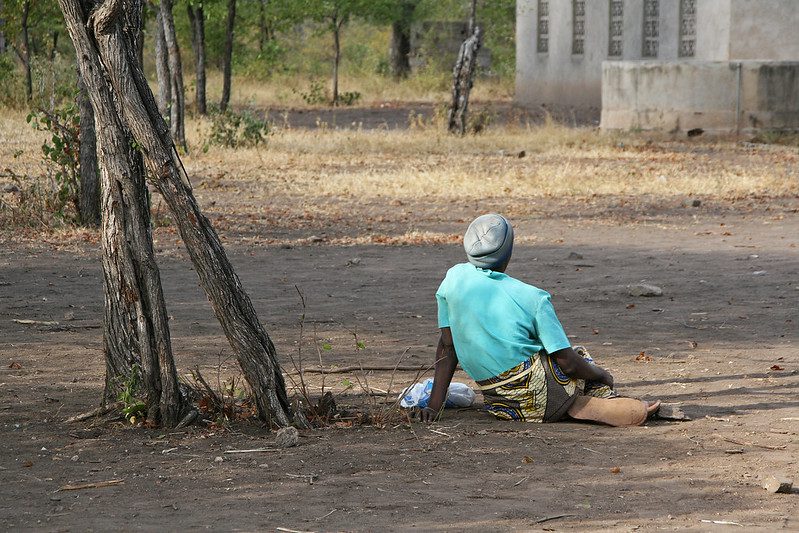
Crisis in SudanSudan is facing a variety of crises, including a deadly power struggle between the Sudanese Armed Forces and Rapid Support Forces that has killed up to 150,000 people and continues to escalate. The country also contends with disease outbreaks and natural disasters such as extreme heat and flooding. The most significant crisis arises from political instability, fueled by conflicts and economic pressures. This instability has displaced 12 million people from their homes, with 10 million remaining within Sudan, marking the largest displacement crisis globally. Amid this mass displacement, severely restricted humanitarian access complicates efforts to deliver aid to vulnerable communities.

Humanitarian Efforts

Organizations like the International Rescue Committee (IRC) have expanded their operations to meet humanitarian needs in Sudan. It has established offices and initiated emergency response measures that provide cash assistance, clean water, sanitation and hygiene to communities lacking access to these essential resources.

Additionally, Save the Children has established the Sudan Emergency Relief Fund to aid child refugees from Sudan, which supplies medical equipment and services. This initiative uses emergency trauma kits for life-threatening situations and offers health clinics and nutrition supplements for displaced or malnourished children. Additionally, it provides children with opportunities to participate in sports and other activities, helping them to overcome adverse experiences.

U.S. Foreign Aid to Sudan

In March 2024, the United States (U.S.) delivered more than $47 million in foreign aid to Sudan and its host countries. Assistant Secretary for Population, Refugees and Migration Julieta Vall Noyes represented the U.S. in this effort, which provided essential life-saving assistance and protection to the Sudanese people. This contribution increased the total U.S. aid for Sudanese relief to more than $968 million. Additionally, the U.S. government maintains a comprehensive archive of Sudanese conflicts and crises, detailing emergency responses, funding and relief efforts along with location maps. These detailed reports are instrumental in mitigating the effects of future crises that could lead to mass displacement or significant casualties.

Global Advocacy and Warnings of Famine

On June 18, 2024, Edem Wosornu, Director of Operations and Advocacy, addressed the international community during a press conference, sounding the alarm about the impending famine and the ongoing horrific conflict in Sudan. “Famine is imminent,” she declared. “I regret to inform you that Sudan continues to spiral into chaos; it is just the tip of the iceberg.” Her speech highlighted the severe consequences of the conflict in Sudan, particularly the indiscriminate bombings that target small communities, inflicting violence on innocent people who have not provoked such attacks.

Assistant Secretary-General for Africa Martha Ama Akyaa Pobee and Senior Programming Director at the Sudan Family Planning Association Limiaa Ahmed supported Edem Wosornu in her advocacy. They emphasized the devastating impact of war on women and girls, the significant role of humanitarian aid in supporting small communities and the importance of listening to the voices of youth amid the chaos.

Assistant Secretary-General for Africa Martha Ama Akyaa Pobee addressed the international community, stating, “Civilians are in the line of fire. Nowhere is safe for them. Despite efforts by the United Nations (U.N.) and regional organizations, we have not succeeded.” The joint statements by Pobee, Edem Wosornu and Limiaa Ahmed effectively highlighted the crisis, prompting many council members to urge warring parties to resume dialogue and emphasize the protection of citizens. Additionally, several speakers called for an end to external interference.

Addressing Nutrition and Hunger in Crisis

A significant challenge in aiding Sudan, particularly in light of the ongoing crisis that has left 26.6 million people food insecure, is ensuring proper nutrition. To address this, the World Food Programme (WFP) delivers life-saving food to some of the most inaccessible areas of the Darfur region. Since 2019, WFP has implemented the Sudan Country Strategic Plan, which outlines interventions to foster sustainable development, enhance nutrition and identify developmental priorities and gaps in communities. These strategic outcomes were formulated in close collaboration with national partners to bolster local capacity to combat hunger and malnutrition across Sudan.

Looking Ahead

The multifaceted crisis in Sudan, which includes political instability, conflict and natural disasters, has created a dire humanitarian situation. Organizations like the International Rescue Committee and Save the Children are actively working to provide essential aid, while U.S. foreign assistance and global advocacy efforts continue to raise awareness and support. The World Food Programme’s strategic interventions aim to address food insecurity and malnutrition, offering a lifeline to the millions affected. The collective response underscores the urgent need for sustained international support to mitigate the severe impact on Sudan’s vulnerable populations.

– Jacob Barker

Jacob is based in Ames, IA, USA and focuses on Good News and Global Health for The Borgen Project.

Photo: Flickr
July 28, 2024
https://borgenproject.org/wp-content/uploads/borgen-project-logo.svg 0 0 Precious Sheidu https://borgenproject.org/wp-content/uploads/borgen-project-logo.svg Precious Sheidu2024-07-28 07:30:222024-07-27 10:14:11Bringing Hope to the Crisis in Sudan
Africa, Aid, Global Poverty

USAID in the Sahel: Resilience and Security

USAID in the SahelThe Sahel region is at a crossroads. Poverty, inadequate infrastructure, armed conflict and environmental challenges create recurrent humanitarian crises. USAID in the Sahel aims to reduce chronic vulnerability by alleviating systemic issues while promoting resilience against economic shocks, natural disasters and conflict.

Background

The World Bank estimates one-third of development funding is lost to disasters and crises. Resilience measures enhance coping mechanisms for hardships like natural disasters, terrorism and failed harvests.

Economic vulnerabilities and a growing youth unemployment fuel grievances and radicalization. It is now the epicenter of terrorism according to the Global Terrorism Index. The Sahel experienced 47% of global terrorism deaths in 2023. The UNOCHA estimates that 35 million people in the Sahel need humanitarian assistance.  11.6 million are food insecure, 2.2 million children suffer from severe acute malnutrition, 5.6 million people are internally displaced and 1.7 million refugees, according to the 2024 Humanitarian Programme Cycle.

The Sahel is exceptionally vulnerable to natural disasters; rising temperatures and droughts worsen already poor agricultural conditions. These factors and flawed farming practices increase desertification and soil erosion, leading to unsustainable economic approaches and shock vulnerability.

The Impact of USAID in the Sahel Region

Working with civil society, international partners and local government, USAID helps provide humanitarian and development support. In 2022, the Sahel Regional Office managed approximately $235 million for development activities and USAID’s Bureau for Humanitarian Assistance (BHA) allocated $857 million for humanitarian assistance.

According to the 2023 Sahel Regional Office Factsheet, that year, USAID funding in the Sahel:

  • Provided health care to 405,000 mothers and newborns. Furthermore, funding treated 146,000 child diarrhea cases and 450,000 childhood pneumonia cases in Burkina Faso.
  • Helped 1.2 million individuals access improved water facilities.
  • Helped manage 508,000 hectares of farmland and helped 320,000 individuals learn management practices in agriculture in Burkina Faso and Niger since 2020.
  • Assisted more than 170,000 food-insecure individuals in Mauritania
  • Provided critical food assistance to nearly 1.8 million people in 2022, built 70 shelters and provided health and kitchen supplies to nearly 7,000 displaced people in Chad.

USAID spent $2.392 billion total in the Sahel in 2023, and $1.154 billion so far in 2024 for food, health, agriculture and governance assistance.

USAID and Resilience Measures

USAID’s Resilience in the Sahel Enhanced (RISE) initiative focuses “on systemic solutions” that coordinate relief and development efforts with international donors “to support country-led plans.” RISE focused on agricultural opportunities and disaster management for chronically vulnerable households, according to a 2022 USAID report.

The program’s first stage disbursed $348 million and reached 1.9 million of the Sahel’s most vulnerable people in Burkina Faso and Niger. It mitigated the rise in food insecurity and the effects of shocks by expanding access to loans and insurance, educating people on risk and disaster preparedness and supporting social cohesion networks.

The RISE I program directly prevented one in five extremely vulnerable individuals from experiencing severe food insecurity. It mitigated the increase in food security between 2017 and 2020 to a rate of 2.9% compared to 16.5% in non-RISE areas. The program also mitigated the increase in moderate to severe food insecurity between 2017 and 2020 to an increase of 35.6% compared to 74.6% in non-RISE households.

RISE II, implemented from 2019 to 2025, focused on building resilience to economic, natural, conflict and health shocks in Burkina Faso and Niger. It secured $446.3 million in funding through 2023.

USAID in the Sahel supported economic well-being by improving access to financial services and market infrastructure. It strengthened governance through natural resource, risk and conflict management programs. USAID improved health by improving water access, nutrition, family planning and sanitation.

Security Interests

USAID in the Sahel aims to strengthen state legitimacy and curb terrorist groups and adversarial powers. However, international counter-terrorism support and regional leadership are failing. Several Sahelian countries recently experienced coups or attempted coups, including Russia-supported military regimes.

Weak infrastructural power catalyzes conflict. States cannot provide adequate social services or security, increasing local armed group influence. For example, Mali’s backing of ethnic militias and Burkina Faso’s reliance on less civil and accountable security forces created rivalries over resources and territory.

USAID in the Sahel reduces regional conflict by improving disaster reliance and addressing underlying causes of terrorism. USAID serves U.S. foreign interests by supporting regional partnerships and counter-terrorism efforts to maintain the U.S.’s presence.

Conclusion

USAID in the Sahel helped those living in extreme poverty mitigate economic and environmental risks. RISE targeted the systemic causes of poverty and promoted resilience to shocks caused by climate change, conflict and economic shifts.

The U.S. has ceded significant regional influence and failed to prevent coups and radical insurgent groups.  USAID recognizes the Sahel’s security-environment-poverty nexus and has made substantial, lasting impacts on people living in extreme poverty.

– Luke Ravetto

Luke is based in Boston, MA, USA and focuses on Politics for The Borgen Project.

Photo: Pxhere

July 28, 2024
https://borgenproject.org/wp-content/uploads/borgen-project-logo.svg 0 0 Jennifer Philipp https://borgenproject.org/wp-content/uploads/borgen-project-logo.svg Jennifer Philipp2024-07-28 07:30:192024-07-27 10:27:01USAID in the Sahel: Resilience and Security
Economy, Global Poverty, Politics

Roots of Underdevelopment: Fragility and Rule of Law in Kosovo

Fragility and Rule of Law in KosovoWith a growing population of young, working age people, Kosovo’s potential for economic development is evident. In spite of this, it continues to be ranked one of the poorest countries in Europe, the poverty rate in 2023 standing at 21.7%. By understanding how poverty and troubles with fragility and the rule of law in Kosovo are interconnected, the roots of underdevelopment in this new nation can be illuminated.

Where: The Origins of Fragility

The present difficulties with fragility and the rule of law in Kosovo have deep ties to its historically tumultuous path to sovereignty. Kosovo originally existed as a province in the former Yugoslavia, however, demands for Kosovan self-determination increased after the final breakup of Yugoslavia in 1992. Kosovo gained independence in 2008, though this process proved to be difficult. The Kosovo War exemplifies this troubled journey, a context in which the ethnic cleansing of Kosovar Albanians sparked international outrage.

Demographically, Kosovo is predominantly ethnic Albanian (93%), although there is a minority of Kosovar Serbs that reside in the country, particularly in the North where Serbia maintains de facto rule. Kosovo, then, is still an area of significant political and cultural importance to Serbia. While the civil conflict between ethnic Serbs and ethnic Albanians peaked during the Kosovo War, the legacy of this ethnic tension post-1999 remains, continuing to threaten stability in Kosovo.

What: The Present Manifestations of Fragility

In 2022, violent protests began to emerge as the national government cracked down on ethnic Serbs who failed to adopt Kosovo license plates. Following this civil unrest, there was a mass withdrawal of ethnic Serbs from national institutions as a second form of protest, according to the 2024 Research Briefing from the House of Commons.

The events of April 2023 are a similar case: ethnic Serbs boycotted the local elections in the Northern municipalities. These events are related to the demand that ethnic Serbs were not represented sufficiently in government, which the poll data further reflects, showing that the majority of Kosovans recognise that the nation is governed in the interest of some groups, but not all.

In a similar way to many post-conflict countries, political and social fragility also manifests itself in an undermined rule of law. In post-conflict and fragile states, there tends to be a significant state “capacity gap” making the enforcement of law difficult. This capacity gap occurs at the judicial level in Kosovo, with U.N. military peacekeepers having to establish Civilian-Military Centres to deal with crime reports, according to USAID.

Government corruption and organized crime continue to plague the nation, taking advantage of these gaps in institutional and judicial capacity. The prevalence of bribery is an exemplary case of how the rule of law in Kosovo is weak at the state level, along with the proliferation of the drug trafficking and human smuggling industry.

Hindering Development

Generally, evidence shows that fragility causes poverty to become more deeply entrenched. As Carolina Sánchez-Páramo, Global Director for the World Bank’s Poverty and Equity Global Practice, states: “Unless we tackle the drivers of fragility and conflict, we won’t be able to win the fight against extreme poverty.” In line with this rhetoric, then, the potential for increasingly heightened ethnic conflict in Kosovo puts poverty alleviation initiatives at risk of failure or stagnation.

Furthermore, whilst organized crime has proliferated, other industries have failed, according to Per Concordiam Magazine. The 2023 polls show that the lack of jobs in Kosovo is a major concern, second only to the cost of living and this unemployment is exacerbated amongst the Kosovan youth leaving much of their younger, working-age population little to no sustainable income, according to the Center for Insights in Survey Research.

In turn, reliance on organized crime for income makes little room for sustainable industry development or legal employment opportunities, whilst also significantly reducing fiscal tax revenues. On average, countries in the Balkans lose between 20% and 30% of their annual revenues to this sort of activity, Per Concordiam Magazine. These revenues could be useful for the development of public infrastructure, health care and education services and other public spending projects.

Long-Term Solutions

Despite the evident difficulties with fragility and the rule of law in Kosovo, there is certainly a possibility for sustainable development, guided by international initiatives looking to support private industry development and regional integration.

The European Bank for Reconstruction and Development (EBRD) recognizes the complexities of Kosovo’s situation, acknowledging the intricacies of its relationship with Serbia, its multi-ethnic population and the flaws in the state’s institutional capabilities. Through a five-year investment and policy strategy that promotes deeper regional integration, The EBRD aims to stimulate the domestic private sector by opening up the Kosovan industry to new markets.

The EBRD’s previous 2016-2021 strategy was successful in a multitude of fields by financing the country’s first two large-scale renewable energy projects, Baigora wind farm and KITKA wind; rehabilitating Kosovo’s Rail Route 10, helping to improve connectivity with North Macedonia and Serbia; and setting up Women in Business specific lending schemes.

The road to sustainable economic development in Kosovo has, so far, been difficult, hindered notably by a fragile socio-political context, underdeveloped state institutions and extensive crime networks. But the untapped potential of Kosovo’s youthful population remains, and so does the international initiatives looking to support Kosovo economically.

– Tilly Phillips

Tilly is based in Surrey, UK and focuses on Good News and Politics for The Borgen Project.

Photo: Flickr

July 28, 2024
https://borgenproject.org/wp-content/uploads/borgen-project-logo.svg 0 0 Jennifer Philipp https://borgenproject.org/wp-content/uploads/borgen-project-logo.svg Jennifer Philipp2024-07-28 07:30:182024-07-28 00:35:50Roots of Underdevelopment: Fragility and Rule of Law in Kosovo
Agriculture, Global Poverty, Nonprofit Organizations and NGOs

KickStart International: Lifting Farmers out of Poverty with Irrigation

KickStart International: Lifting Farmers out of Poverty with IrrigationIn sub-Saharan Africa, 80% of those living in extreme poverty are farmers, largely because they depend on rainfall for irrigation, allowing only one or two harvests annually. Unpredictable weather and frequent droughts devastate crops, stripping small-scale farmers of their income. Since all farmers plant and harvest simultaneously, the market floods when crops mature, plummeting prices and profits. Addressing these challenges, KickStart International equips farmers with irrigation pumps that draw water from six meters underground, enabling year-round farming. This technology stabilizes income by mitigating reliance on seasonal rainfall and helps farmers avoid market saturation’s economic pitfalls.

The Impact of Irrigation on Farming

Irrigation pumps, though effective, are expensive and underutilized in sub-Saharan Africa, with only 4% of farmers employing this technology. Most farmers depend on seasonal rainfall, which limits crop production to certain times of the year. Irrigation enables year-round farming, boosting crop output and profits, stabilizing market conditions and eliminating the “hungry season” when food scarcity peaks due to reduced rainfall. KickStart International highlights the transformative impact of irrigation: families who install these systems see an average farm income increase of 370% within the first 18 months and 1,230% after five years, marking significant economic advancements for those adopting the technology.

KickStart’s Sustainable Business Model

KickStart International collaborates with farmers and local businesses to create sustainable supply chains for irrigation pumps rather than distributing them for free. As a nonprofit, KickStart works with manufacturers, importers and distributors who profit by selling these pumps at affordable prices. This model fosters sustainable solutions and builds a self-sustaining market ecosystem. By establishing a profitable, independent supply chain that includes importers, distributors, retail shops and service providers, it creates a robust infrastructure. This system enables farmers to learn about irrigation, purchase pumps and obtain spare parts and services, ensuring longevity beyond KickStart’s direct involvement, explains KickStart. The organization respects existing markets, opting not to sell in areas where a local supply chain already exists.

Educating Farmers About Irrigation

Many small-scale farmers do not realize that irrigation is a viable and affordable option. KickStart International actively promotes irrigation practices through live demonstrations, advertisements on television and radio and public educational events. The organization collaborates with many partners, including UNICEF, the World Food Programme and other prominent nonprofits, to increase awareness about the benefits of irrigation.

KickStart’s Innovations and Recognition

KickStart’s Innovations Hub in Nairobi, Kenya, continues to develop products that provide unique value additions for farmers and significantly improve the affordability, efficiency and impacts of existing products. The organization is also launching a program that allows farmers to rent irrigation pumps instead of buying them. Under this plan, Irrigation Agents—individual sellers—can potentially earn income by renting out the equipment. Meanwhile, farmers can increase their profitability sufficiently to buy a pump for the next growing season.

KickStart International’s success is noteworthy. Martin Fisher, the co-founder, has earned recognition as a Time European Hero. Fisher also appeared on the Forbes Impact 30 List, among other honors. Since its inception in 1991, the nonprofit has lifted 1.5 million people out of poverty, enabled the production of enough irrigation-grown crops to feed 15 million people and generated $210 million in profits for small-scale farmers.

– Maren Fossum-Wernick

Maren is based in St. Paul, MN, USA and focuses on Global Health and Politics for The Borgen Project.

Photo: Flickr

July 28, 2024
https://borgenproject.org/wp-content/uploads/borgen-project-logo.svg 0 0 Precious Sheidu https://borgenproject.org/wp-content/uploads/borgen-project-logo.svg Precious Sheidu2024-07-28 03:00:192024-07-27 09:59:04KickStart International: Lifting Farmers out of Poverty with Irrigation
Children, Global Poverty, Women

Increasing Access to Child Care in South Africa Supports Women

Child Care in South AfricaIn South Africa, women are disproportionately affected by unemployment, with the rate for women at 35.1% in 2023, compared to 31% for men. However, progress is being made in areas such as child care. Around 70% of care in Africa is provided by female relatives, with just 3% of care involving paid work. Africa has the highest amount of unpaid care work globally. This unpaid care work is a barrier to women’s participation in the labor force. Approximately 34% of women in Africa reported that unpaid care work prevented them from having a paid job, compared to 3.9% of men.

In South Africa, many waste pickers and domestic workers leave their children with neighbors as a form of child care. In Durban, a group of waste pickers collectively pays an elderly couple for child care, choosing this option for its affordability and flexibility in payment terms. The female caregiver accepts materials collected by the waste pickers as part of the payment. Following the COVID-19 pandemic, 68% of child care workers in South Africa said they were in danger of closing permanently due to rising costs. This threatened to decrease the number of child care options available further. However, different initiatives are addressing child care in South Africa.

Child Care South Africa

Child Care South Africa is one initiative aiming to provide quality child care in the country. Between 2017 and 2019, the Cash Plus Care (Qhawekazi) project was established to empower women aged 19 to 24. A total of 5,087 young women completed all 12 Cash Plus Care Empowerment sessions, highlighting the project’s extensive impact on their lives.

SmartStart

Furthermore, SmartStart provides communities in South Africa with access to high-quality early learning programs for children aged 3 to 4. About 80% of lower-income families in South Africa lack access to early learning for children younger than 5, making child care crucial not only for mothers but also for children’s futures.

One of SmartStart’s goals is to create a women-led care economy by empowering them to become early learning practitioners. Since 2015, a community of 9,000 practitioners has emerged. These Early Learning Practitioners are trained to secure government funding as microentrepreneurs.

South Africa’s Expanded Public Works Program

Started in 2004, South Africa’s Expanded Public Works Program (EPWP) trains unemployed beneficiaries, mostly women, in areas such as day care activities. By 2015, approximately 20,000 care practitioners had been trained. Reports indicated that this scheme contributed to income growth more than any other similar project. Women particularly benefited from paid care work, as they represented 90% of the home-based care workers who participated in the program.

The ECCE Program

By 2030, the government in South Africa aims for all children aged 0 to 5 able to access an early childhood care and education (ECCE) program. The National Integrated Early Childhood Development Policy (ECD) allows more women to have paid jobs because it alleviates the need for women to be responsible for child care during working hours. The following three benefits arise from supporting ECCE services:

  • More paid jobs in the care economy.
  • More women can form part of the labor force.
  • More assistance for children’s development.

The Future

The highlighted initiatives aim to increase the amount and quality of child care in South Africa. The additional support enables women to engage with the economy. This will improve the position of women while also benefiting the wider community and combating poverty by raising household income levels.

– Amy Fox

Amy is based in Birmingham, UK. and focuses on Good News for The Borgen Project.

Photo: Unsplash

July 28, 2024
https://borgenproject.org/wp-content/uploads/borgen-project-logo.svg 0 0 Lynsey 2 https://borgenproject.org/wp-content/uploads/borgen-project-logo.svg Lynsey 22024-07-28 03:00:052024-07-27 09:43:30Increasing Access to Child Care in South Africa Supports Women
Entrepreneurship and Business, Global Poverty, Trade

How SEWA Aids Self-Employed Women in India

How SEWA Aids Self-Employed Women in IndiaThe vast majority of working women in India are self-employed, operating informally without the social protections and stable incomes that formal employment provides. According to the Ministry of Labour and Employment, 19.7% of employed women in India are self-employed, 6.8% work as casual labor and only 5.3% hold regular wage or salaried positions. Besides their professional obligations, women often undertake extensive unpaid domestic duties such as cooking, cleaning and childcare. Organizations like the Self-Employed Women’s Association (SEWA) play a crucial role in supporting these women by providing resources and advocacy.

SEWA’s Grassroots Support for Self-Employed Women

Founded in 1972 in Ahmedabad, SEWA is one of India’s 12 officially recognized central trade unions. The organization has a membership of 2.9 million. SEWA adopts a grassroots approach, offering microloans, health care, childcare and other benefits to support self-employed women. According to the World Bank, it represents poor women working in India’s informal sector, which constitutes 94% of the Indian workforce.

SEWA’s Philosophy and Operational Strategies

SEWA operates under the Gandhian principles of Ahinsa (nonviolence), Satya (truth), Sarvadharma (inclusivity of all faiths and peoples) and Khadi (promotion of local employment and independence) to achieve its dual goals of full employment and self-reliance. Full employment encompasses complete work, income, food and social security—including health care, insurance, childcare, housing and pensions. SEWA’s 85 composite cooperatives function as localized trade unions empowering women in the informal sector. Additionally, SEWA runs 60 health care centers and a bank with 130,400. Account holders made deposits totaling 454.3 million rupees in 2002. The union also partners with national insurance companies to offer accessible insurance programs, benefitting 11,000 women with 15 million in claims over the decade leading up to 2002.

SEWA’s Response to the COVID-19 Pandemic

SEWA networks have been crucial for supporting informal workers during COVID-19, especially amid harsh lockdowns. Reema Nanavaty, director of SEWA, explained in an interview with the Center for Foreign Relations how SEWA disseminated vital public health information through posters and voice memos to rural communities neglected by government efforts. Leveraging its long-standing initiatives in digital literacy and technology access for impoverished women in urban slums and remote areas, SEWA effectively used digital platforms to spread important health information via social media and WhatsApp. Additionally, SEWA members produced more than 200,000 masks, distributing them to governments, local hospitals and communities.

Despite numerous challenges, self-employed women in India are finding economic empowerment and social uplift through grassroots organizing, collective action and institutionalized labor movements. SEWA exemplifies the significant impact of these ongoing efforts.

Looking Ahead

SEWA’s efforts continue to provide critical support for self-employed women in India, ensuring their access to essential services and resources. By promoting financial inclusion, health care and social security, SEWA empowers these women to achieve greater economic stability and independence. The organization’s proactive response during the COVID-19 pandemic further highlights its vital role. As SEWA expands its initiatives, it remains a beacon of hope for millions of self-employed women across the country.

– Josephine Koch

Josephine is based in New York, NY, USA and focuses on Good News and Technology for The Borgen Project.

Photo: Flickr

July 28, 2024
https://borgenproject.org/wp-content/uploads/borgen-project-logo.svg 0 0 Precious Sheidu https://borgenproject.org/wp-content/uploads/borgen-project-logo.svg Precious Sheidu2024-07-28 03:00:042024-07-27 03:55:18How SEWA Aids Self-Employed Women in India
Page 273 of 2162«‹271272273274275›»

Get Smarter

  • Global Poverty 101
  • Global Poverty… The Good News
  • Global Poverty & U.S. Jobs
  • Global Poverty and National Security
  • Innovative Solutions to Poverty
  • Global Poverty & Aid FAQ’s
Search Search

Take Action

  • Call Congress
  • Email Congress
  • Donate
  • 30 Ways to Help
  • Volunteer Ops
  • Internships
  • Courses & Certificates
  • The Podcast
Borgen Project

“The Borgen Project is an incredible nonprofit organization that is addressing poverty and hunger and working towards ending them.”

-The Huffington Post

Inside The Borgen Project

  • Contact
  • About
  • Financials
  • President
  • Board of Directors
  • Board of Advisors

International Links

  • UK Email Parliament
  • UK Donate
  • Canada Email Parliament

Get Smarter

  • Global Poverty 101
  • Global Poverty… The Good News
  • Global Poverty & U.S. Jobs
  • Global Poverty and National Security
  • Innovative Solutions to Poverty
  • Global Poverty & Aid FAQ’s

Ways to Help

  • Call Congress
  • Email Congress
  • Donate
  • 30 Ways to Help
  • Volunteer Ops
  • Internships
  • Courses & Certificates
  • The Podcast
Scroll to top Scroll to top Scroll to top