• Link to X
  • Link to Facebook
  • Link to Instagram
  • Link to TikTok
  • Link to Youtube
  • About
    • About Us
      • President
      • Board of Directors
      • Board of Advisors
      • Financials
      • Our Methodology
      • Success Tracker
      • Contact
  • Act Now
    • 30 Ways to Help
      • Email Congress
      • Call Congress
      • Volunteer
      • Courses & Certificates
      • Be a Donor
    • Internships
      • In-Office Internships
      • Remote Internships
    • Legislation
      • Politics 101
  • The Blog
  • The Podcast
  • Magazine
  • Donate
  • Click to open the search input field Click to open the search input field Search
  • Menu Menu

Archive for category: Global Poverty

Key articles and information on global poverty.

Education, Global Poverty, Health

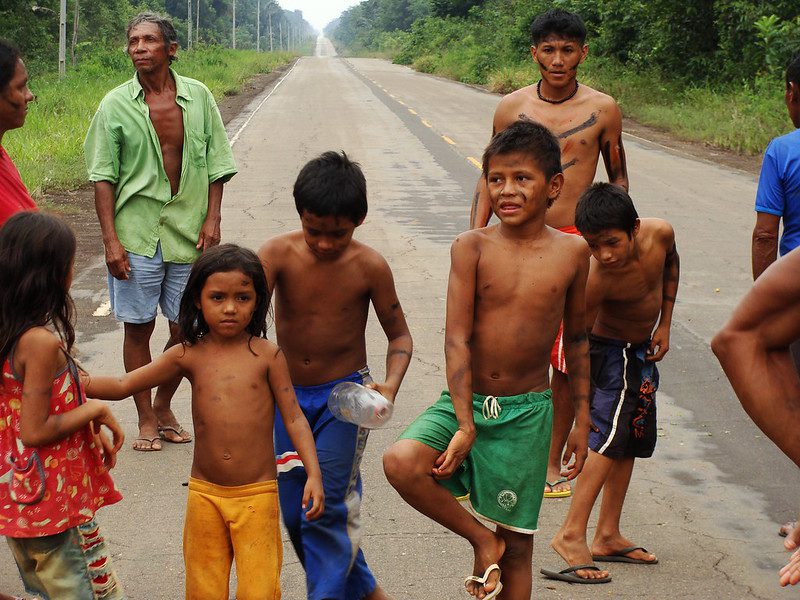
Understanding Poverty in Papua New Guinea’s Rural Highlands

Papua New Guinea’s Rural HighlandsPapua New Guinea (PNG) is linguistically known as one of the most diverse nations in the world, with more than 800 languages. However, deep-rooted socioeconomic inequalities are experienced in its rural highlands. According to the United Nations Children’s Fund (UNICEF), PNG has a poverty rate of about 40% as of 2022. This percentage is glaring in Papua New Guinea’s rural highlands, where the impoverished population struggles to access basic infrastructure, health services and education.

Economic Realities

Central to highland poverty is a complex interaction of economic factors. Subsistence agriculture forms the backbone of rural livelihoods, with smallholder farmers relying on rudimentary tools to squeeze out a living from the land. Poor market access and fluctuating commodity prices compound their vulnerability, trapping many in persistent poverty. The United Nations Development Programme (UNDP) reports that 70-80% of PNG’s population resides in rural areas, highlighting the crucial importance of addressing rural poverty for the nation’s overall development.

Besides the economic aspects, other factors that contribute to the creation of the poverty experience in the highlands are sociocultural practices and norms. Gender disparities, for example, cut across, with women often marginalized in decision-making processes and sometimes denied access to particular resources. In addition to these models, customary land tenure systems, though important for maintaining an indigenous identity, might be a constraint to development efforts if they interfere with land access for purposes of infrastructure or commercial agriculture.

Health and Education Challenges

Health and education are barometers of development for any society and the highlands would not be an exception. Limited access to medical institutions and professionals causes health inequalities, with preventable diseases like malaria and tuberculosis still endemic. Similarly, educational outcomes lag behind national averages, with remote villages often lacking schools or qualified teachers. The United Nations Educational, Scientific and Cultural Organization (UNESCO) estimates that nearly 40% of primary school-aged children in PNG are out of school, underlining the need to address this overdue predicament of educational inequities.

Solutions

The past decade has seen the single largest strides toward infrastructure development across Papua New Guinea’s rural highlands. Recently, the European Investment Bank (EIB) Global invested about $50 million to construct roads that can link remote villages to regional markets. This, in addition to other projects, has impacted the lives of about 400,000 residents of PNG’s rural highlands by providing them with easy access to markets and social services.

Regarding health care, several interventions have occurred. For example, government and international health organizations’ collaboration has spearheaded the opening of new health clinics and the deployment of mobile health teams into the underserved highland regions, drastically reducing malaria and tuberculosis cases while providing health care annually.

In education, initiatives have led to the building of new schools and training of local teachers; this has increased the rate of enrollment among children of primary school-going age. Some of the measures supported by organizations such as UNESCO and UNICEF have included expanding education facilities, which have benefited children who did not get a chance to have formal education. This, therefore, drives home a collective effort toward the eradication of education inequity and advancing literacy rates with long-term socioeconomic development in the region.

Pathways to Progress

Addressing poverty in Papua New Guinea’s rural highlands is complex and requires a multifaceted approach. It is necessary to address the basic causes of poverty while empowering communities toward sustainable development. Investment in rural infrastructure, including roads and electricity, opens up economic opportunities and improves access to critical services. Likewise, programs targeting women and the promotion of gender equality are instrumental in benefiting inclusive growth and social cohesion.

Community-driven development programs that draw on local experience and expertise bestow the possibility to inculcate independence and resilience amid adversity.

– Honorine Lanka Perera

Honorine is based in Highland, NY, USA and focuses on Business and Good News for The Borgen Project.

Photo: Flickr

July 31, 2024
https://borgenproject.org/wp-content/uploads/borgen-project-logo.svg 0 0 Lynsey 2 https://borgenproject.org/wp-content/uploads/borgen-project-logo.svg Lynsey 22024-07-31 03:00:482024-07-30 03:35:03Understanding Poverty in Papua New Guinea’s Rural Highlands
Charity, Global Poverty, Nonprofit Organizations and NGOs

Charities Operating in North Korea

Charities Operating in North KoreaThe Democratic People’s Republic of Korea (DPRK), more commonly known as North Korea, is one of the most isolated and poorest countries in the world. Under the rule of Supreme Leader Kim Jong Un, the country has largely closed itself off from the rest of the world, relying heavily on China and Russia for its economic stability.

Many North Koreans suffer from many natural disasters and the lack of basic infrastructure and food systems to live stable, healthy lives. Nearly 40% of its population lives below the poverty line. Almost a quarter of the people lack access to enough food, which is a huge problem for children especially, many of whom are malnourished. Poor health among children because of a lack of food and water is perhaps one of the reasons for the 33% infant mortality rate.

However, because of the government’s strict control over people’s lives and strong sentiment against Western influence, it is difficult for many charities and non-profit organizations to work within the country. Yet, that does not mean North Korea is left alone. Here are five charities operating in North Korea and making a difference in communities.

Liberty in North Korea

Liberty in North Korea is a nonprofit organization that focuses on helping North Korean refugees escape and resettle either in South Korea or the United States. It is illegal for North Koreans to leave the country without their government’s permission, yet some are still risking their lives to escape North Korea’s authoritarian regime. However, if caught, Chinese authorities send them back to North Korea, where they face torture, imprisonment and even death. So Liberty in North Korea has become a “modern-day underground railroad” of 3,000 miles, helping refugees get safely to Southeast Asia and eventually South Korea or the United States.

World Vision International

World Vision International is another charity working in North Korea. It is a Christian relief charity that operates in 100 countries, and it started working in North Korea in 1994. Focusing on fighting poverty around the world, World Vision International has been focusing its relief efforts on North Korea.

Through its Food for Life project, which started in response to North Korea’s food shortage, World Vision International has focused on improving children’s nutrition in the country. It has steadily provided wheat flour, soy products and machines for that purpose. However, its long-term goal regarding nutrition is to equip the country to fulfil its food needs through agricultural development programs and technologies.

World Vision International has also built around 30 clean water systems and hygienic latrines in rural areas of North Korea, to help ensure clean drinking water for communities. And lastly, it focuses on providing emergency relief that includes food, supplies and medicine for the many impacted by the monsoons, landslides and flooding that occur regularly.

Christian Friends of Korea

Christian Friends of Korea is a Christian charity organization that ministers to the North Korean people. While it does strive to help North Korea’s infrastructure and energy systems, it has a very specific focus on treating tuberculosis (TB) and hepatitis patients. The lack of access to clean water has many consequences, including gastrointestinal diseases, malnutrition, weakened immune systems, and tuberculosis. Thus, Christian Friends of Korea has focused its mission on treating the numerous TB and hepatitis patients.

So far, the organization has supported more than 35 care centers, seven TB and hepatitis hospitals and almost 18 TB and hepatitis rest homes. Many of these medical centers are located in remote areas, where clean water is harder to get. Christian Friends of Korea has also given water filter buckets to communities to ensure clean drinking water.

Choson Exchange

Choson Exchange is a nonprofit organization that focuses on raising entrepreneurs in North Korea to enrich lives, drive innovation and financial stability in the country and help North Korea be a responsible global citizen. North Korean college students see business economics as essential for an improved future, but they lack the means and resources for practical experience and high level.

Many foreign professionals lead workshops and mentor young North Korean students to train them into capable, successful business leaders in their country. Many students have gone on to start their businesses or improve the marketing and production of existing products, which is a step in the right direction towards a higher living standard that these college students dream of.

Premiere Urgence Internationale

Premiere Urgence Internationale focuses on humanitarian and developmental programs in North Korea. Food insecurity has become a more pressing issue for North Koreans because of the COVID-19 pandemic and economic sanctions after the country’s nuclear activity. Authorities have been preparing for another famine like the 1990s “Arduous March,” which killed an estimated 1 million people. Nearly 70% of the population relies on food distributions from the government.

To help with this food problem, the charity organization has specifically focused on improving the nutrition of communities. By developing the goat industry on collective farms as well as at agricultural universities, Premiere Urgence Internationale works to diversify communities’ diets and improve their nutrition through goat milk production. It has also done the same through vegetables and soybean products.

For example, one project supplied a glass of milk or yogurt to children in North Korea’s southern Hwanghae Province. After Premiere Urgence Internationale helped build the infrastructure, supply the equipment, train the workers and set up the manufacturing units, since 2015 workers have been keeping up the soy milk and yogurt production without the organization’s help to give to the communities. However, COVID-19 has impacted Premiere Urgence Internationale’s work in North Korea, leaving its work in the country uncertain as of now.

These five charities and others operating in North Korea are helping people to steadily improve their lives. It may take time, but these charities operating in North Korea are proof that there is progress.

– Hannah Chang

Hannah is based in Philadelphia, PA, USA and focuses on Good News for The Borgen Project.

Photo: Flickr

July 31, 2024
https://borgenproject.org/wp-content/uploads/borgen-project-logo.svg 0 0 Jennifer Philipp https://borgenproject.org/wp-content/uploads/borgen-project-logo.svg Jennifer Philipp2024-07-31 01:30:552024-07-30 03:23:21Charities Operating in North Korea
Child Poverty, Developing Countries, Global Poverty

Child Marriage in Lebanon

Child Marriage in LebanonIn Lebanon, 20% of girls are victims of child marriage. In 2017, UNICEF published a regional study on child marriage in Lebanon, reporting that the percentage of child marriage in the country varies with nationality. The study reported that 6% of the victims were Lebanese, 12% were Palestinian refugees from Lebanon, 25% were Palestinian refugees from Syria and 40.5% were Syrian refugees. The unstable political situation in the Middle East has made Lebanon a focal point for refugees who also become victims of child marriage.

Poverty and Child Marriage

Poverty affects 44% of the population in Lebanon. Between 2019 and 2021, the GDP per capita in Lebanon fell by 36.5%. In addition, The World Bank re-classified Lebanon from an upper-middle-income to a lower-middle-income country in July 2022. With unemployment hitting 300,000 individuals and a great increase in the intake of refugees, the rate of child marriage has seen growth, according to UNICEF.

Conflict causing a large refugee intake strained the Lebanese infrastructure and finances, resulting in refugees finding themselves undocumented and finding a solution in child marriage.

Those who live in Lebanon have also seen a rise in prices for their most basic needs, with inflation increasing by 200% since 2019, according to Anera. This results in many Lebanese, also non-refugees, having to marry off their daughters to survive.

The COVID-19 pandemic has also led to an increase in child marriage in Lebanon. Since the beginning of the pandemic, up to 10 more million girls worldwide are at risk of being victims of child marriage in the next decade. With school closures during the pandemic, the probability of child marriage could be 25% higher.

A Change Is Possible

UNICEF report shows that an approach to education can change the perception of child marriage. The report shows that 62.3% of girls who go to school are against child marriage, followed by 45% of girls who dropped out and 37.2% of girls with no education.

This demonstrates that there is a relationship between child marriage and education. Therefore, an increase in political pressure on educational policies in Lebanon and the Middle East could have a positive impact by reducing the cases of child marriage.

Lebanon does not have a personal status law that regulates issues like the legal marriage age. Instead, 18 different religious groups are regulating this issue, according to DW. In December 2020, The Sunni Supreme Islamic Council approved raising the minimum age for marriage to 18. Likewise, between November 2020 and December of the same year, Shiite Muslim religious authorities claimed to raise the minimum age of marriage to 15, DW reports.

A Structural Approach

ABAAD is an organization that fights for gender equality in the Middle East and North Africa (MENA) region. ABAAD collaborated with Queens University to study what factors affect child marriage, aiming to obtain through data collection an understanding of why child marriage happens and how its cause(s) can be intersectional.

The study targeted different groups, ranging from mothers of victims of child marriage to community leaders and as was known previously, showed that some of the root causes of child marriage are education, political situations, instability and poverty.

ABAAD’s study, however, also provided a conclusion that is central to future strategies to prevent child marriage in Lebanon. The results demonstrated that female and male participants responded differently to the causes of child marriage, showing that the approach is gendered. From this, ABAAD concluded that future strategies, therefore, can target groups who have a differentiated opinion and aim to shift this gendered narrative. Such as challenging the gendered male narrative of being responsible for a family’s income.

Different factors affect the situation of child marriage in Lebanon. This is seen in how child marriage ranges with nationality, with studies demonstrating that education can impact the approach to child marriage, proving how its perception ranges with different societal groups.

Child Marriage in Lebanon therefore has multiple intersectional causes. With progress from the religious communities and organizations such as ABAAD that target these root causes, one can see a slow but positive shift.

– Daniela Maldonado

Daniela is based in London, UK and focuses on Politics for The Borgen Project.

Photo: Flickr

July 31, 2024
https://borgenproject.org/wp-content/uploads/borgen-project-logo.svg 0 0 Jennifer Philipp https://borgenproject.org/wp-content/uploads/borgen-project-logo.svg Jennifer Philipp2024-07-31 01:30:512024-07-30 03:27:05Child Marriage in Lebanon
Developing Countries, Global Poverty, NGOs

5 Charities Operating in Jamaica

Charities in JamaicaAccording to a report by the World Food Programme (WFP), 58% of Jamaica’s population experienced severe food insecurity in 2022. Addressing critical issues such as food insecurity and period poverty and providing essential aid to individuals affected by regional turmoil, such as that in neighboring Haiti, remains vital for meeting Jamaica’s community needs. In addition, implementing robust mentorship and empowerment programs for vulnerable populations is crucial for fostering sustainable growth and development. The active involvement of various charities in Jamaica is making a significant impact in addressing these diverse community challenges. Here are five charities operating in Jamaica.

Food for the Poor

Food for the Poor (FFTP) Jamaica is the largest charitable organization in Jamaica and it has been assisting since 1982. Through its transformative initiatives, the organization collaborates with more than 1,300 churches and institutions to distribute food, medicine, educational supplies and other essential items. FFTP has successfully executed numerous projects in Jamaica, focusing on education, medical care, housing and agriculture.

One of FFTP’s initiatives is the Build Back the Love for Jamaica campaign, launched to commemorate the charity’s 40th anniversary in Jamaica. The campaign aims to improve socioeconomic conditions by providing shelter, implementing sustainable projects and offering resources and training for individuals and families.

Moms on a Mission

A group of mothers in St Ann, called Moms on a Mission, is addressing period poverty by distributing sanitary napkins to schools in the parish. The group was founded by Marcia Rankinson-Stanley, who was inspired to focus on girls’ needs after learning about Jamaica’s lack of access to sanitary pads. By donating “48 packs of sanitary napkins to the school every month,” the charity’s efforts have significantly impacted students’ lives, reducing absences due to the lack of menstrual products.

SOS Children’s Village Jamaica

Established in 1970, SOS Children’s Villages Jamaica is a private, nongovernmental organization that works with children who have lost parental care. It follows a rights-based approach as defined by the International Convention on the Rights of the Child (CRC) and the Child Care and Protection Act of Jamaica.

In Jamaica, more than 80% of children experience violent discipline at home and thousands require external care and protection. As part of SOS-Kinderdorf International, the world’s largest private child welfare organization, SOS Children’s Villages Jamaica provides essential care and support to these vulnerable children and young people.

Currently, the organization cares for more than 60,000 children in more than 550 of its village communities, established in 125 countries, including Jamaica. Additionally, it has educated and equipped more than 290,000 underprivileged children in the nations where it operates. The initiative emphasizes the belief that no child should grow up alone and encourages child sponsorship to make a lasting difference in the lives of at-risk children.

Looking Ahead

These charities operating in Jamaica are making significant progress in addressing food insecurity, period poverty and child poverty. Through their continued work, life in Jamaica should only improve.

– Deonna Jackson

Deonna is based in Pittsburgh, PA, USA and focuses on Good News for The Borgen Project.

Photo: Flickr

July 30, 2024
https://borgenproject.org/wp-content/uploads/borgen-project-logo.svg 0 0 Lynsey 2 https://borgenproject.org/wp-content/uploads/borgen-project-logo.svg Lynsey 22024-07-30 07:30:312024-07-29 09:33:295 Charities Operating in Jamaica
Food & Hunger, Global Poverty, Nonprofit Organizations and NGOs

3 Organizations Fighting World Hunger

Organizations Fighting World HungerGlobally, approximately one in 10 people go to bed hungry each night and nearly 3 billion cannot afford a healthy, nutritious diet. Numerous organizations around the world dedicate significant effort to solving this issue, aiming for a future where no one faces hunger. Here are three organizations fighting world hunger.

The Hunger Project

The Hunger Project, operating in Africa, Asia and Latin America, employs a three-point strategy to combat world hunger. Initially, the organization empowers women by providing resources, information and personal freedoms, recognizing that regions with more autonomous women often see higher education rates, improved health and increased agricultural productivity. Subsequently, The initiative equips all community members with essential skills to enhance local opportunities, offering training in literacy, numeracy, healthy eating and local laws. This empowers individuals to lead healthy, successful lives and ensures their voices are influential in governance. The final phase involves workshops that encourage community members to propose improvements for their area and assign specific tasks to realize these visions, fostering a sense of self-efficacy and ongoing advocacy. This approach has notably reduced severe hunger by 25% in the regions where The Hunger Project operates.

Action Against Hunger

Action Against Hunger actively combats global hunger, operating in Africa, Asia, the Middle East, Europe and the Americas. This organization collaborates closely with members of the British Parliament and influential organizations to address the impact of conflict on food security. Between July 2023 and January 2024, Action Against Hunger engaged in strategic discussions with United Nations agencies and government representatives to explore solutions to hunger exacerbated by conflict and identify obstacles to implementing these solutions. In Jan. 2024, the organization participated in discussions with the International Development Committee about the United Kingdom’s efforts to combat world hunger. Additionally, in May 2024, it joined a debate in the House of Lords focusing on food insecurity due to conflict. Beyond advocacy, Action Against Hunger also implements direct interventions, exemplified by its volunteers in Gaza who delivered essential nutrients to 13,000 mothers and babies.

CARE International

CARE International, operating across Africa, Asia and the Pacific, Latin America and the Caribbean, Europe and the Middle East, employs a five-step strategy to combat world hunger. This strategy includes maintaining healthy ecosystems and securing financial stability, enhancing farmer productivity to increase food availability, ensuring that all community members, particularly marginalized groups and women, have necessary rights and opportunities and equipping communities with the tools to withstand challenges like extreme weather. This holistic approach aims to significantly improve lives. As of 2023, CARE has aided 34 million people through 647 projects targeting world hunger and aims to reach 75 million people by 2030.

Looking Ahead

The fight against global hunger involves concerted efforts from numerous organizations, each playing a vital role in addressing food insecurity. The Hunger Project has made significant strides by empowering women and communities to foster local development and reduce severe hunger. Action Against Hunger collaborates with governments and international bodies to address the impacts of conflict on food security, while CARE International employs a comprehensive strategy to enhance farmer productivity and community resilience. Together, these organizations are fighting world hunger and aiming to create a future where everyone has access to a nutritious diet.

– Sue-Joyce Headon

Sue-Joyce is based in Liverpool, UK and focuses on Good News and Celebs for The Borgen Project.

Photo: Flickr

July 30, 2024
https://borgenproject.org/wp-content/uploads/borgen-project-logo.svg 0 0 Precious Sheidu https://borgenproject.org/wp-content/uploads/borgen-project-logo.svg Precious Sheidu2024-07-30 07:30:132024-07-29 09:29:163 Organizations Fighting World Hunger
Developing Countries, Global Poverty

Empowering Communities: Reducing Poverty in Indonesia

IndonesiaIn Indonesia, grassroots nongovernmental organizations (NGOs) are pivotal in alleviating poverty, particularly in rural areas. Their reliance on volunteers, temporary workers and bottom-up approaches characterizes their efforts, a central aim of addressing socioeconomic and cultural challenges.

Poverty in Indonesia

According to the Asian Development Bank (ADB), 9% of Indonesia’s population lived below the international poverty line in 2023. Although this is the lowest poverty rate in the last 10 years, more than 25 million Indonesians still experience poverty. Some of the causes of poverty in Indonesia include:

  • Economic Deprivation: Indonesia hosts some of Southeast Asia’s largest commodity export, manufacturing, services, dairy and digital export markets. However, its financial markets are still emerging and there is little integration into the global financial system. This restricts economic productivity and global financial influence. Similarly, with many areas still lacking basic infrastructure, such as quality roads, this delays rural populations’ access to the secondary job sector in cities that currently run the country.
  • Social and Cultural Factors: Strong family and cultural norms across Indonesia lead multigenerational families to live together. The natural sharing of limited resources this ensues often perpetuates poverty as individuals less regularly leave impoverished local communities.
  • Gender Inequality in Indonesia: Certain beliefs across Indonesia can result in women facing lower social mobility, wages and greater job insecurity. These cultural norms and gender biases limit women’s opportunities for education and employment, perpetuating a cycle of poverty. Desperation for an income and city experiences can also result in young, vulnerable (often rural) women either choosing or being forced into sex work, further entrenching their economic hardships and lack of social mobility.
  • Environmental Vulnerability: Natural disasters such as earthquakes and floods disproportionately affect people experiencing poverty and are common throughout Indonesia. In 2022, Indonesia experienced one of its worst earthquakes, which killed about 900 people and caused extensive damage. Natural disasters can increase poverty by more than 2% in affected areas.

Yayasan Kampung Halaman

Established in 2006, this Yayasan Kampung Halaman empowers rural youth through education and creative expression. Based in Yogyakarta, it helps them develop critical thinking skills and community participation through its endeavors. Programs include media production for educational purposes, community labs for social research and literacy campaigns that use various media formats like films and social media to raise awareness of social issues. ​ The organization received the International Spotlight Award from The National Arts and Humanities Youth Program in 2011, highlighting its impact on youth engagement through creative storytelling.

Koperasi Kasih Indonesia

Koperasi Kasih Indonesia (KKI) is a cooperative organization founded in 2011. It provides microfinance services to low-income families, primarily focusing on women in North Jakarta. Honing in on gendered experiences of inequality, the cooperative follows the Grameen model, which emphasizes small loans to help individuals start or expand small businesses. KKI currently serves more than 9,000 members and has disbursed more than $10 million in microloans. The organization aims to empower the urban poor through financial support and by offering mindset-motivation training to foster sustainable economic growth and self-sufficiency.

Rumah Yatim

This NGO supports orphans and vulnerable children by providing education, health care and basic needs, helping them break the cycle of poverty. Rumah Yatim aims to empower these children to achieve their full potential and contribute positively to society by offering a safe and nurturing environment. The comprehensive care provided by Rumah Yatim includes basic necessities and emotional and psychological support to ensure holistic development. The organization has reached approximately seven million people since its inception.

Sahabat Anak

Dedicated to street children, this organization offers education and social services to reintegrate them into society and ensure their well-being. It provides educational programs and social services to help reintegrate these children into society. This local effort tries to ensure street children have access to education, health care and a supportive community, bettering their futures and trajectories.

The Indonesian government and international organizations recognize the importance of grassroots NGOs in poverty alleviation. The National Program for Community Empowerment (PNPM) exemplifies this. PNPM encourages local community groups such as Yayasan Kampung Halaman, Koperasi Kasih Indonesia, Rumah Yatim and Sahabat Anak. PNPM aims to include a national body in community-led poverty alleviation activities to enhance partnerships between centralized and localized services.

Conclusion

Grassroots NGOs are indispensable in Indonesia’s fight against poverty. Community ties, participatory approaches and adaptability make them uniquely capable of addressing poverty’s complex and multifaceted nature. By empowering local communities, these organizations ensure that development initiatives are effective, sustainable and culturally appropriate.

– Olivia Howard

Olivia is based in London, UK and focuses on Technology and Global Health for The Borgen Project.

Photo: Flickr

July 30, 2024
https://borgenproject.org/wp-content/uploads/borgen-project-logo.svg 0 0 Lynsey 2 https://borgenproject.org/wp-content/uploads/borgen-project-logo.svg Lynsey 22024-07-30 03:00:132024-07-29 06:09:07Empowering Communities: Reducing Poverty in Indonesia
Development, Global Poverty, Government

Madagascar’s Five-Year Plan

Madagascar Five-Year Plan Targets 3 Primary OutcomesMadagascar, the world’s fifth-largest island, faces significant challenges with an estimated 80% of its 30.3 million residents living in poverty as of 2023. While tourism supports some economic growth, substantial improvements are necessary for the citizens of Madagascar. The World Bank and Country Partnership Framework (CPF) have launched a five-year plan aimed at creating more jobs, enhancing the education sector and health systems and boosting Madagascar’s economy.

The Country Partnership Framework (CPF) for Madagascar targets three primary outcomes. First, it aims to enhance job opportunities to boost incomes. Second, the plan focuses on improving human capital outcomes by making education more accessible, protecting women’s rights and ensuring that hygiene and agricultural standards are met. The final goal is to bolster the overall economy by investing in the socio-economic well-being of the people and strengthening natural disaster preparedness, alongside improving the management of natural resources.

Providing Job Opportunities

Madagascar aims to enhance its economic value and lift more citizens above the poverty line by increasing job opportunities. This effort will focus on vital sectors needing investment, such as agriculture and on mobilizing foreign private investments. As the digital era progresses, strengthening the foundations of the digital economy will transform digital infrastructures and support stakeholders. The Country Partnership Framework (CPF) plans to implement spatial prioritization to gain a regional competitive advantage, stabilizing rural livelihoods and creating new opportunities for residents. By improving the fundamentals of agricultural land, the economy and job opportunities, the CPF commits to a long-term strategy to strengthen Madagascar’s future.

Improving Human Capital Outcomes

The World Bank is supporting the government in enhancing early childhood education. Strategies include improving teacher quality and adopting a broader digital approach to elevate educational standards. Additionally, the Country Partnership Framework (CPF) aims to bolster female empowerment and protection, enhancing support services and expanding opportunities for girls to continue their education and access contraception products. There is also a strong commitment to advancing agricultural practices and food security systems by ensuring clean sanitation and water. Further commitments include reducing disease transmission and promoting nutrition in schools.

Transforming the Natural Landscape

The final goal of the World Bank and Country Partnership Framework (CPF) five-year plan focuses on protecting Madagascar’s natural resources and leveraging local environmental assets to enhance community resilience against natural disasters. The plan includes expanding economic reserves as a precautionary measure and strengthening disaster preparedness programs. Additionally, it emphasizes enhancing societal support by promoting economic inclusion and sustainability.

Looking Ahead

Madagascar’s comprehensive five-year plan, spearheaded by the World Bank and Country Partnership Framework (CPF), targets significant improvements in job creation, education and health systems. By focusing on these key areas, the plan aims to lift more citizens out of poverty and stimulate economic growth. Strengthening agricultural practices, enhancing digital infrastructure and promoting environmental sustainability are integral to this strategy. Through these ongoing efforts, Madagascar seeks to create a more resilient and prosperous future for its people.

– Charlotte Johnston

Charlotte is based in London, UK and focuses on Good News for The Borgen Project.

Photo: Flickr

July 30, 2024
https://borgenproject.org/wp-content/uploads/borgen-project-logo.svg 0 0 Precious Sheidu https://borgenproject.org/wp-content/uploads/borgen-project-logo.svg Precious Sheidu2024-07-30 01:30:492024-07-29 05:49:05Madagascar’s Five-Year Plan
Aid, Children, Global Poverty

Save the Children in Ethiopia

How Save the Children Helps Ethiopian ChildrenThe Federal Democratic Republic of Ethiopia, landlocked in Eastern Africa, is bordered by Somalia, Kenya, South Sudan, Sudan, Eritrea and Djibouti. The country is located in the Horn of Africa, also known as the Somali peninsula, in the easternmost part of Africa. As of 2023, it has a population of approximately 127 million. Ethiopia is the second most populated country in Africa, behind Nigeria. Despite its large population, Ethiopia remains one of the continent’s poorest countries, with a per capita gross national income of $1,020, according to the World Bank. This region is currently experiencing its worst drought on record. According to Save the Children, more than 21 million children are affected. Since 2020, the severe lack of rain has devastated agriculture. The ongoing drought has made it impossible for millions to grow crops or raise livestock, leaving many facing severe hunger.

Save the Children’s Role and Response

Save the Children, a major nonprofit organization founded in the United Kingdom in 1919, aims to aid children in dire situations worldwide. With programs and members in 113 countries, the organization prioritizes support for children in the most resource-deprived nations.

In 2022, the Save the Children Ethiopia Country Office initiated a Category 1 humanitarian response plan across most of the country. This comprehensive plan encompasses the Northern Ethiopia Complex Response, the Hunger and Drought Response and the Forced Displacement Response. These initiatives aim to protect Ethiopian children, sustain their livelihoods and enhance food security. Save the Children operates in several regions, including Somali, Tigray, Amhara, Afar, Oromia, Gambela and the Southern, Central and Western Ethiopian regions, along with Sidama.

In 2023, Save the Children provided support to 6.8 million people in Ethiopia, including 3.9 million children. While the organization primarily focuses on aiding children, its efforts benefit the entire community.

Educational Initiatives and Health Focus

Save the Children focuses on providing educational resources to children. Approximately 13 million children in Ethiopia are not enrolled in school, nearly half of whom are girls, according to UNICEF. Many children who begin schooling often drop out before reaching secondary education. To counter this, Save the Children leads extensive programs with support from various stakeholders, concentrating on essential early childhood education in areas like math and literacy.

Save the Children also emphasizes children’s health and nutrition. Decades ago, many children died before the age of 5 from preventable causes. Significant progress has been made. Mortality rates have dropped from 123 per 1,000 births in 2005 to 59 per 1,000 in 2019, representing an overall decrease of about 15%. Despite these gains, nutrition remains a critical challenge, as malnutrition contributes to approximately 45% of children’s deaths. To reduce this rate, Save the Children integrates primary health care to ensure children receive necessary interventions, such as immunizations. The organization also spearheaded the Growth through Nutrition initiative from 2016 to 2023, which aimed to enhance nutrition and health care services.

Looking Ahead

Ethiopia’s severe drought has left millions of children facing hunger and hardship. Save the Children’s humanitarian efforts have been crucial in providing relief and support to affected communities. Its focus on education and health initiatives aims to address long-term challenges, such as malnutrition and school dropout rates. Ongoing efforts and support can potentially improve the lives of Ethiopia’s most vulnerable children and ensure a more stable future for the nation.

– Sabrina Betterly

Sabrina is based in Drums, PA, USA and focuses on Good News for The Borgen Project.

Photo: Flickr

July 30, 2024
https://borgenproject.org/wp-content/uploads/borgen-project-logo.svg 0 0 Precious Sheidu https://borgenproject.org/wp-content/uploads/borgen-project-logo.svg Precious Sheidu2024-07-30 01:30:072024-07-29 06:01:22Save the Children in Ethiopia
Global Poverty

Rising Food Prices in Bangladesh and Charitable Responses

Rising Food Prices in Bangladesh and Charitable Responses The recent surge in food price inflation in Bangladesh has reached alarming levels, with the Bangladesh Bureau of Statistics (BBS) reporting a 10.76% increase in May 2024, following a jump to 10.22% in April. This marks a continuing trend of escalating food costs. Mustafa K Mujeri, executive director of the Institute for Inclusive Finance and Development and former chief economist of the Bangladesh Bank, noted that “while global market prices have stabilized internal economic instability in Bangladesh is preventing consumers from benefiting from these changes.” Experts attribute the inflationary pressures initially to supply chain disruptions caused by the COVID-19 pandemic and further aggravated by the Russia-Ukraine war.

Historical Highs and Long-term Effects

Since Aug. 2023, Bangladesh has seen a staggering 12.34% increase in food prices, the highest in more than 13 years. This sharp rise has left approximately 71% of families struggling to afford necessities. Various factors, including global inflation, climate change impacting agricultural productivity and ongoing supply chain disruptions, contribute to this dramatic increase. The effects on families are profound, with widespread malnutrition and food insecurity.

Fluctuating Food Prices

In June 2024, food prices in Bangladesh surged by 10.42% compared to the same month the previous year, marking a significant increase. From 2013 to 2024, the average food inflation rate was 6.89%. The country’s highest food inflation, 12.56%, occurred in Oct. 2023, while the lowest rate, 3.77%, was in Feb. 2016. This rise in food prices has forced many Bangladeshi families into a daily struggle to secure enough food, leading to widespread malnutrition and persistent food insecurity. Despite these challenges, several charities are actively providing relief and support to those most affected by the crisis.

Goreeb Fund

The Goreeb Fund provides vital support to families through its distribution of family food packs containing essential groceries. These packs are crucial for families struggling with the sharp increase in food prices, ensuring they have enough to eat. The Goreeb Fund actively addresses immediate community needs, helping families maintain food security. Additionally, its Ricebag Project distributes rice to families in need and the Tubewell Project installs water pumps that supply clean drinking water. Each pump can serve up to seven families, enhancing community well-being by improving access to safe drinking water.

Salam Charity

Salam Charity addresses food insecurity by constructing water wells and distributing food packs to vulnerable families. Its initiatives ensure communities have access to clean water and provide essential nutrition. Each food pack, filled with rice, oil, lentils and sugar, supports a family for a month. By tackling both water and food needs, the charity enhances community well-being, especially in areas affected by rising food prices. Access to clean water and nutritious food supports daily life, empowers families to make the most of the resources they receive and improves overall health while reducing concerns about securing the next meal.

Action Against Hunger

Action Against Hunger is committed to addressing hunger and malnutrition in Bangladesh with both immediate and long-term solutions. Its programs, which reached more than 458,915 people last year, include nutrition education and emergency food distribution, focusing on sustainable changes that enable families to meet their own food needs in the future. It supports families like Shilpi’s in adopting climate-resilient farming techniques to increase food production at home. Shilpi shares significant improvements in her family’s diet and health, noting that “We can now provide for our children. My young children love fish and their father brings fish from our pond almost every day. My children’s health has improved so much and I find I have more energy as well. After selling eggs in the market, I can give eggs to my family for our daily breakfast. This was never possible before.” This self-sufficiency in food production allows them to mitigate the effects of rising food prices, ensuring continuous access to nutritious food.

Looking Ahead

The continuous surge in food prices in Bangladesh underscores the pressing need for effective interventions to address food insecurity and malnutrition. With inflation rates reaching historical highs, many families struggle to afford necessities, highlighting the critical role of charities like the Goreeb Fund, Salam Charity and Action Against Hunger. These organizations provide essential support through food distribution, clean water access and sustainable agricultural practices, helping to mitigate the impact of rising costs and ensuring that vulnerable populations receive the assistance they need. As the situation evolves, coordinated efforts between the government and humanitarian organizations could be essential in stabilizing food prices and enhancing food security for all Bangladeshis.

– Fahima Begum

Fahima is based in London, UK and focuses on Good News and Global Health for The Borgen Project.

Photo: Flickr

July 29, 2024
https://borgenproject.org/wp-content/uploads/borgen-project-logo.svg 0 0 Precious Sheidu https://borgenproject.org/wp-content/uploads/borgen-project-logo.svg Precious Sheidu2024-07-29 07:30:542024-07-29 01:10:08Rising Food Prices in Bangladesh and Charitable Responses
Global Poverty, Government, Health

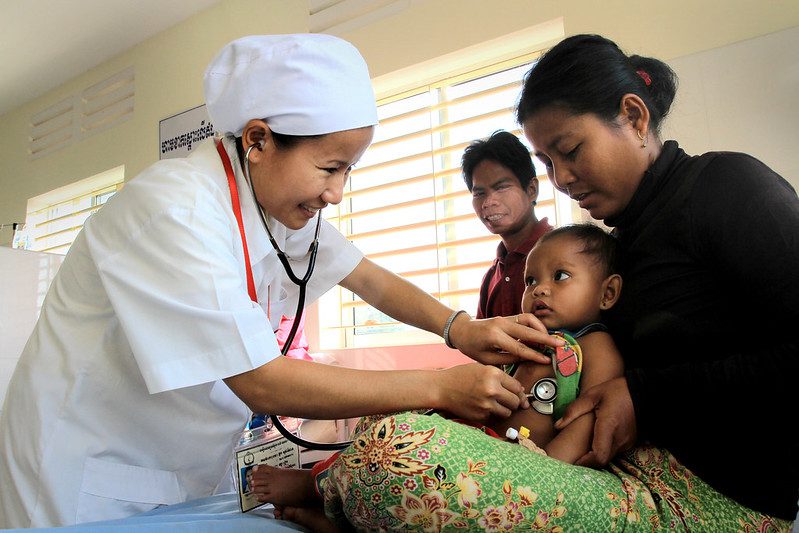
Better Health and Nutrition for Women and Children in Cambodia

Better Health and Nutrition for Women and Children in CambodiaSince 2019, the Cambodian government, with support from international partners, has aimed to enhance local maternal and child health and nutrition services through the Cambodia Nutrition Project. This initiative, crucial for the nation’s future, benefits from a $62.5 million investment. The project receives co-financing from the Royal Government of Cambodia, the Australian government, the German KfW Development Bank, the Global Financing Facility and the International Development Association, part of the World Bank Group. This collaborative effort seeks to significantly boost health outcomes for women and children across Cambodia, tackling essential maternal and child health issues and fostering a foundation for a healthier future.

Project Implementation and Goals

Launched in 2019 and set to conclude in 2026, the Cambodia Nutrition Project aims to improve the utilization and quality of essential maternal and child health and nutrition services, focusing on mothers and children in the first 1,000 days of life. This initiative includes specific actions such as enhancing the variety of food groups for children up to 23 months old, ensuring vaccinations for newborns, providing basic health and nutrition services to children, training public health providers and conducting community outreach sessions. The project targets major causes of child and maternal mortality in Cambodia, such as inadequate and inaccessible health services, poor quality care, substandard hygiene practices and the shortage of skilled health staff. By tackling these ongoing issues, the Cambodia Nutrition Project strives to significantly enhance and save the lives of numerous infants and children across the nation.

Community Impact and Workforce Development

Since its launch, the Cambodia Nutrition Project has effectively enhanced access to quality health and nutrition services for mothers and their children in key areas, as evidenced by numerous testimonials from participating mothers. This project has enabled significant reforms in health and nutrition systems, empowering local authorities to manage and deliver services more effectively in their communities. It has financed the recruitment and training of 4,459 village health workers, including 3,255 women, to provide higher-quality services across nine provinces in the country.

Achievements and Overachievements

The project has exceeded several key performance targets set for 2026, demonstrating significant progress in public health metrics within target provinces. These achievements include an increase in the percentage of children aged 6 to 23 months receiving foods from four or more food groups and a higher rate of children under 12 months receiving the DPT-HepB-Hib 3 vaccination, which guards against multiple diseases including diphtheria, tetanus, whooping cough, hepatitis B and Haemophilus influenzae. Additionally, the project has successfully recruited a larger number of village health support groups than anticipated, which has enhanced community involvement and the implementation of nutrition and maternal health initiatives. The number of outreach sessions conducted has also surpassed initial expectations, effectively broadening community engagement ahead of the 2026 timeline.

Ongoing Efforts and Future Objectives

These accomplishments mark significant progress in supporting Cambodian parents, ensuring that their children begin life with the necessary nutrition and health care, which are vital for their survival and future well-being. While many targets have been successfully met, further efforts are needed to achieve all goals. Outstanding objectives include increasing the number of women and children older than 23 months receiving basic nutrition services nationwide and expanding the number of community health and nutrition events for women and children under 2 years old in targeted areas.

Looking Ahead

The Cambodia Nutrition Project has made substantial strides in improving maternal and child health since its inception. By surpassing several key performance targets ahead of schedule, the project demonstrates the effectiveness of international collaboration and local community involvement. Continued efforts could focus on expanding access to essential nutrition services and enhancing community health initiatives to ensure long-term health improvements for women and children across Cambodia.

– Mathieu Paré

Mathieu is based in Toronto, Canada and focuses on Good News and Global Health for The Borgen Project.

Photo: Flickr

July 29, 2024
https://borgenproject.org/wp-content/uploads/borgen-project-logo.svg 0 0 Precious Sheidu https://borgenproject.org/wp-content/uploads/borgen-project-logo.svg Precious Sheidu2024-07-29 07:30:162024-07-29 01:05:08Better Health and Nutrition for Women and Children in Cambodia
Page 272 of 2162«‹270271272273274›»

Get Smarter

  • Global Poverty 101
  • Global Poverty… The Good News
  • Global Poverty & U.S. Jobs
  • Global Poverty and National Security
  • Innovative Solutions to Poverty
  • Global Poverty & Aid FAQ’s
Search Search

Take Action

  • Call Congress
  • Email Congress
  • Donate
  • 30 Ways to Help
  • Volunteer Ops
  • Internships
  • Courses & Certificates
  • The Podcast
Borgen Project

“The Borgen Project is an incredible nonprofit organization that is addressing poverty and hunger and working towards ending them.”

-The Huffington Post

Inside The Borgen Project

  • Contact
  • About
  • Financials
  • President
  • Board of Directors
  • Board of Advisors

International Links

  • UK Email Parliament
  • UK Donate
  • Canada Email Parliament

Get Smarter

  • Global Poverty 101
  • Global Poverty… The Good News
  • Global Poverty & U.S. Jobs
  • Global Poverty and National Security
  • Innovative Solutions to Poverty
  • Global Poverty & Aid FAQ’s

Ways to Help

  • Call Congress
  • Email Congress
  • Donate
  • 30 Ways to Help
  • Volunteer Ops
  • Internships
  • Courses & Certificates
  • The Podcast
Scroll to top Scroll to top Scroll to top