• Link to X
  • Link to Facebook
  • Link to Instagram
  • Link to TikTok
  • Link to Youtube
  • About
    • About Us
      • President
      • Board of Directors
      • Board of Advisors
      • Financials
      • Our Methodology
      • Success Tracker
      • Contact
  • Act Now
    • 30 Ways to Help
      • Email Congress
      • Call Congress
      • Volunteer
      • Courses & Certificates
      • Be a Donor
    • Internships
      • In-Office Internships
      • Remote Internships
    • Legislation
      • Politics 101
  • The Blog
  • The Podcast
  • Magazine
  • Donate
  • Click to open the search input field Click to open the search input field Search
  • Menu Menu

Archive for category: Global Poverty

Key articles and information on global poverty.

Africa, Education, Global Poverty

Libyan Higher Education as an Example of Academic Resilience

Libyan Higher EducationFollowing the 2011 Arab Spring, Libya experienced the dissolution of the long-time dictatorial regime of Muammar Gaddafi, culminating in showings of mass violence. Prior to the Arab Spring uprisings, Libya primarily held an isolationist view of education, limiting academic collaboration to within the nation’s 30 universities and actively working against English language academic research.

Throughout the 2011-2012 period, several Libyan academics abroad praised the removal of the Gaddafi regime as a way to increase academic research and standing for Libyan universities around the world. There was genuine hope for the future, particularly with the announcement of the Tripoli University Program for Rebuilding Libya in 2012. Following the university’s reopening, the program set out four main goals:

  1. Develop a nationwide civic education strategy through Libya’s primary universities.
  2. Establish a university communication and outreach production unit.
  3. Create a platform to support the role of women during the transition.
  4. Provide online civic education and professional development courses for women, disadvantaged groups, civil servants, the voluntary sector and development staff.

Within the first year, events overwhelmed the proposal. The proposed reforms may have been considered “tone-deaf” and portrayed a general political aim instead of an attempt to stabilize the Libyan higher education system in the wake of recent conflict.

Current State of Libyan Higher Education

Following years of civil war within the country, Libya remains in a political stalemate with the United Nations (U.N.) calling for a peaceful, Libyan-led shift to democratic power. While the government sits at a standstill, the same can not be said of higher education. Libya’s nation-state boasts more than 20 universities, with access intended to reach the urban-rural divide.

Mainly built during the Gaddafi regime, the resources accessible to the institutions were dependent on their location regarding urban centers with the modern elite of the political party. It has to be noted that due to the political upheaval surrounding the past decade, more than 200,000 Libyan students have had their education interrupted or delayed and some even ceased altogether.

After the 2011 civil war, university resources became more scarce and the funds necessary to pay staff and faculty became contentious. In 2023, the faculty at the University of Tripoli staged a two-month sit-in, protesting the lack of pay and benefits received. The protests were exacerbated after the University needed to close temporarily due to political violence spilling onto campus grounds. Several universities stood in solidarity with the University of Tripoli, including the University of Benghazi. The strike would experience extremes, including when armed forces kidnaped a leader of the General Syndicate of University Teaching in an attempt to stop the strike.

During the Tripoli-based violence, the University of Benghazi was set to receive a visit from the World Federation for Medical Education regarding the university’s QS ranking for 2023. Beyond the delay of international recognition, the University of Benghazi suffered property damage to the campus within the past decade of civil war. And while action has been taken to mitigate portions of the damages, the campus, like many others, remains in disrepair.

Continued Barriers to Higher Education

As Libyan universities attempt to make education accessible despite political instability, several barriers restrict students’ access to higher education. Due to the political upheaval, there is a risk of violence bleeding onto university campuses, which has occurred as local militias become “university guards.” These militia members are under nonexistent supervision and reportedly have caused more harm than good. There have been several instances from multiple universities that show a pervasiveness of harassment by militia members on university campuses. Harassment and violence escalated in several cases to the point in which female students have been unable to attend lessons and, as such, delayed or hindered their education.

While political violence and uncertainty surrounding portions of the country explain issues involving militias and campus-based harassment, conflict-related hindrances are not the only barriers to higher education (and education in general); language remains a pervasive barrier. Within Libya, there is a minority population of Amazigh (“Berbers”) who speak the Tamazight language. Speakers of the Tamazight language cross several national lines, including Algeria, Morocco, Tunisia and specifically the Siwa Oasis within Egypt. The Gaddafi regime, which titled itself the Libyan Arab People’s Jamahiriya, created clear ethnic and linguistic lines that have yet to be meaningfully rectified.

Hope for the Future

Throughout the continued violence and contested ideas of a national government, Libyan academia has persevered. Several studies within the last decade are attributed to Libyan academics, specifically within the realm of climate science and resilience studies. While resources and funding are scarce, professors have continued to research significant local and global issues while simultaneously teaching in universities that can not be guaranteed to protect them from violence. Libyan academics have continued to pursue knowledge throughout more than a decade of adversity, showing strength and tenacity in the face of conflicts.

– Jamie Sackett

Jamie is based in Hutto, TX, USA and focuses on Global Health and Politics for The Borgen Project.

Photo: Wikimedia Commons

August 10, 2024
https://borgenproject.org/wp-content/uploads/borgen-project-logo.svg 0 0 Lynsey 2 https://borgenproject.org/wp-content/uploads/borgen-project-logo.svg Lynsey 22024-08-10 03:00:282024-08-09 12:09:24Libyan Higher Education as an Example of Academic Resilience
Education, Global Poverty, Women's Rights

Child Marriage: An Obstacle to Education for Girls in South Sudan

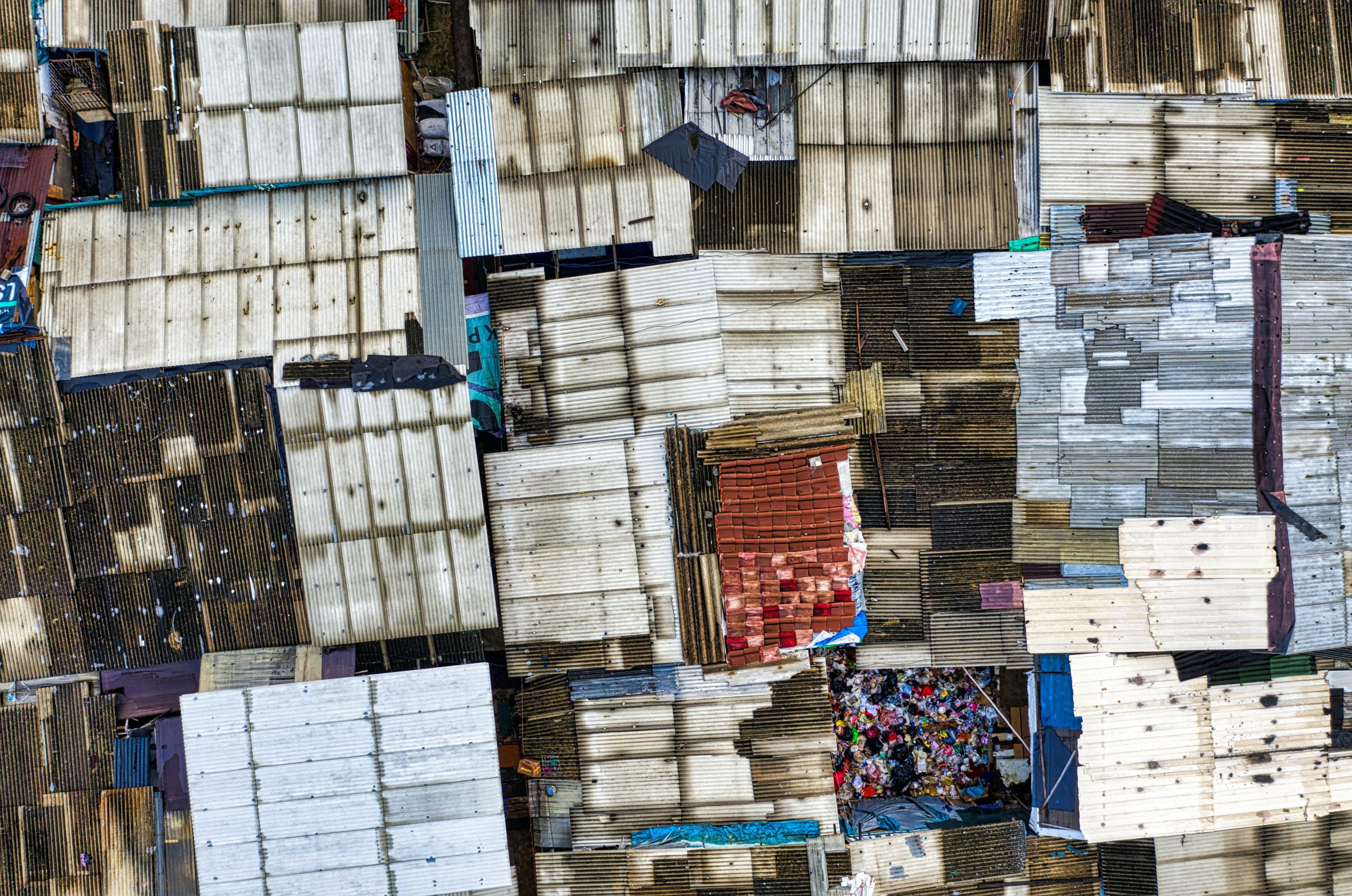
Education for Girls in South SudanIn South Sudan, about three-fourths of girls don’t attend primary school. As the world’s newest country, South Sudan has struggled with economic and political downfalls, resulting in war, violence and the destruction of schools. Alongside high child marriage and teen pregnancy in South Sudan, it’s difficult for girls to attend school or even to have the option of an education at all.

Economic, social and political changes have to be made to provide a better education for girls in South Sudan. From state-issued fundraising to environmental amendments, more girls will be able to attend school. With more girls in school, cases such as child marriages will begin to decrease, resulting in a brighter future for girls nationwide.

Social Issues

One of the many social, controversial issues plaguing South Sudan is the high rate of child marriages. Approximately 52% of South Sudanese girls are married before age 18. According to Girls not Brides, “Child marriage is driven by gender inequality and the belief that girls are somehow inferior to boys.” Additionally, “Increased school dropout rates push young girls toward marriage and early pregnancies.” Without key motivating factors to keep girls in school, many choose to drop out or not attend at all.

Economic Issues

In 2023, the United Nations Children’s Fund (UNICEF) reported that 70% of the South Sudanese population lives in poverty. According to Girls not Brides, “Child marriage is used as a coping mechanism in response to economic and food insecurity. Families from the poorest households in South Sudan marry off daughters in order to receive dowry.” This is a common practice in South Sudan and raises little to no concerns among citizens.

A 16-year-old South Sudanese girl by the name of Atong was forced to marry a 50-year-old man in July 2011. A 16-year-old South Sudanese girl by the name of Atong was forced to marry a 50-year-old man in July 2011. “I did not know him before. I did not love him,” she said. “I told my family, ‘I don’t want this man.’ My people said, ‘This old man can feed us, you will marry him.”

Political Issues

According to Human Rights Watch (HRW) on child marriage, “There are also gaps in the Transitional Constitution, Penal Code and Child Act related to this harmful practice—including no minimum age of marriage —and no systematic or comprehensive programs to address the root causes of child marriage at the community level.” The Transitional Constitution, for example, “…does not set a minimum age of marriage. Instead, it states that every person had the right to marry a person of the opposite sex and that no marriage shall be entered into without free and full consent.”

This makes it nearly impossible for girls to attend school due to their responsibilities as a wife. According to Broken Chalk, “Shockingly, a girl in South Sudan is more likely to die in childbirth than to complete primary education.” South Sudan lacks a legal framework surrounding many things, including educational requirements. Therefore, the rules and laws are fuzzy and underdeveloped. Additionally, “A lack of quality teaching staff and inadequate school buildings are challenges that add to extreme poverty, as families desperately work for the next meal.”

Solutions

While South Sudan is far from exemplary in educating girls and young women, there are possible steps that could be taken to move toward improvements. Child marriage hinders a girl from receiving an education,and to combat this, organizations like the African Union and UNICEF have been collaborating with the government and other partners to raise awareness about the dangers. They are advocating for laws to protect young girls and working to change cultural and social norms that negatively impact them.

For example, UNICEF’s flagship Communities Care Program, designed to “promote gender-equitable and positive social transformation norms,” established 29 community discussion groups and engaged more than 800,000 people in awareness-raising activities. In 2020, the program expanded to tackle sexual violence, teenage pregnancies and child marriage in South Sudan, with 74% of participants reporting positive changes in their beliefs and attitudes.

Although child marriage is still prevalent in South Sudan, with continued efforts from the government and nonprofit organizations like UNICEF, the nation is making great strides toward reducing the incidence and improving the well-being and rights of its young girls.

– London Collins Puc

London is based in West Palm Beach, FL, USA and focuses on Global Health, Politics for The Borgen Project.

Photo: Flickr
August 10, 2024
https://borgenproject.org/wp-content/uploads/borgen-project-logo.svg 0 0 Lynsey 2 https://borgenproject.org/wp-content/uploads/borgen-project-logo.svg Lynsey 22024-08-10 03:00:222024-08-24 13:24:24Child Marriage: An Obstacle to Education for Girls in South Sudan
Developing Countries, environment, Global Poverty

Targeting Poverty and the Environment in South Africa

Environment in South AfricaUnemployment has been a persistent concern in South Africa. At the same time, South Africa is a water-scarce nation facing inconsistent rainfall, which disproportionately affects the country’s impoverished population. To address poverty and the environment in South Africa, the nation launched the Working for Water (WfW) program in 1995. This has expanded to larger environmental and social employment programs that are still effective today.

Impacts of the WfW Program

The WfW program hires unemployed persons to remove invasive plant species, thereby providing income while targeting pressing environmental concerns. These plant species deplete water resources in an already water-scare nation, limiting water supply for health and economic needs. In addition to water, the invasive plant species also threaten biodiversity and ecosystems. They contribute to soil erosion and obstruct grasslands used for livestock grazing. The program also has social targets, seeking to hire at least 5% disabled persons, 20% youth and 60% women, with baby chrèches provided for mothers with young children.

The program has successfully targeted poverty and the environment in South Africa. According to the South African government, 20,000 jobs have been created through the WfW program. Furthermore, 52% of participants were women. It has removed more than one million hectares of invasive plant species, which, as of 2010, has helped the nation retain more than 46 million cubic meters of water and prevent $22.7 billion of national income from being lost.

The Working for Energy Program

With the success of the WfW program, the government has rolled out additional “Working for” programs to target poverty and the environment in South Africa. One notable example is the Working for Energy program, which was inspired by the leftover biomass from the WfW program. This program focuses on providing low-income families with electricity generated from renewable sources.

The initiative is projected to generate 720 megawatts (MW) of electricity and create 50,000 jobs, demonstrating a sustainable approach to both energy production and economic development. In addition to Working for Energy, programs have been implemented targeting wetlands, fire, the coast and waste. In total, these programs are expected to create 230,000 public employment opportunities by 2025.

The Expanded Public Works Program

With the success of the “Working for” programs, the South African government established the Expanded Public Works Program (EPWP) following the Growth and Development Summit in 2003. This initiative continues to create employment opportunities under the summit’s goal of “more jobs, better jobs, decent work for all.” The EPWP targets additional sectors of the environment, which now runs the “Working for” programs, including Infrastructure, Social and Nonstate. The EPWP continues to be successful, having achieved its goal of the creation of one million jobs ahead of schedule in 2008.

Looking Ahead

Despite such successes, challenges lay ahead. Though the EPWP presents employment opportunities, larger structural concerns are at play. Unemployment rates have been rising in the last 20 years, currently sitting at 32.9%. Water shortages are also becoming increasingly common. Furthermore, though the expansion of EPWP can create some permanent employment, most of the jobs it provides for the unemployed are temporary.

The United Nations Development Programme claims that the program can benefit from additional skills training to help its beneficiaries switch into employment outside of the EPWP. However, the “Working for” programs and its continued development as the EPWP remains an innovative measure. It is frequently cited as one of the leading examples globally of simultaneously targeting poverty and environmental concerns.

– Imme Koolenbrander

Imme is based in Beijing, China and focuses on Business and Solutions for The Borgen Project.

Photo: Flickr

August 10, 2024
https://borgenproject.org/wp-content/uploads/borgen-project-logo.svg 0 0 Lynsey 2 https://borgenproject.org/wp-content/uploads/borgen-project-logo.svg Lynsey 22024-08-10 01:30:542024-08-12 02:33:03Targeting Poverty and the Environment in South Africa
Africa, Global Poverty, HIV/AIDS

Prevention and Development: HIV in Eswatini

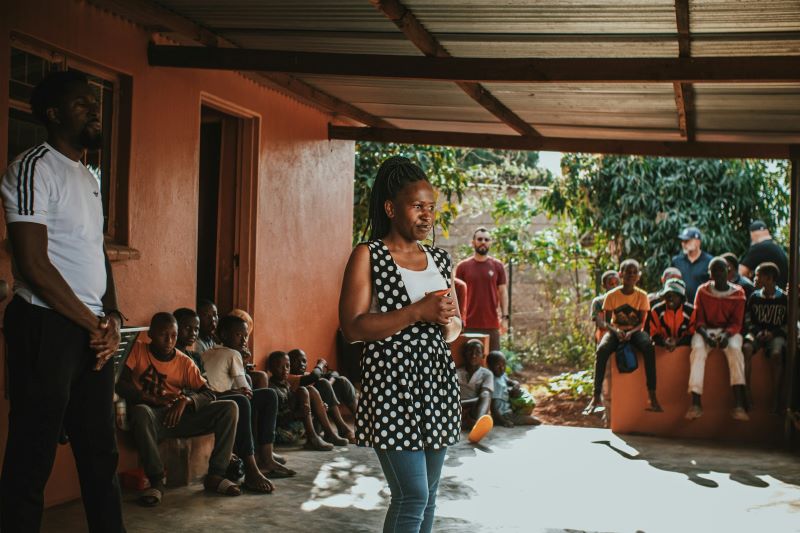
HIV in EswatiniThe priority of health and well-being is a privilege not all nations can embrace. Eswatini, located in the Southwest of the African continent, has faced significant setbacks in its quest for a healthier nation due to the devastating effects of an HIV epidemic in recent years. With a population of roughly 1.2 million, Eswatini has one of the highest HIV rates globally, leading to widespread suffering, death and low life expectancy. However, development and aid efforts, both governmental and global, are advancing steadily, bringing the prospect of a healthier nation within reach.

HIV in Eswatini

Eswatini has been at the top of the charts in regard to HIV prevalence in the past years. During the peak of the HIV epidemic in 2015, almost one out of every three people in the nation were living with HIV. Although treatment for HIV existed during the mid-’90s, not many citizens in Eswatini had access to the treatment. In 1995, no treatment was made available for the Swazis, leading to 73,000 people contracting the disease and 2,400 people dying that very same year.

The fight for controlling the epidemic has been difficult in the following years, with the implementation of various programs and treatments failing on a widespread level. Currently, the life expectancy for the Swazi people is 54.6 years. Although low in regards to the global comparison, this is actually progress for the nation. In Eswatini, the life expectancy in 2000 was 47 years, which means that it has improved by 7.55 years in the past 24 years.

Relief and Aid

A primary factor in the improvement of controlling the HIV epidemic, as well as increasing the life expectancy of the Swazis, has to do with the partnership between the Government of Eswatini and the United States (U.S.) Presidential Emergency Plan for AIDS Relief, more commonly known as PEPFAR. PEPFAR is the largest commitment by any nation addressing HIV in history, enabled by the support of the U.S. Congress, presidential administrations and many other powerful figures in the U.S. political sphere.

PEPFAR-funded programs such as the REACH and REACH II programs have focused on developing local organizations in the community. These organizations, such as Umliba Loya Embili and Insika ya Kusasa, have aided in the fight against HIV, addressing risks such as miseducation, poverty, child protection and more.

The increase in Swazis taking preventative medication for HIV has also been a major success in the decrease in HIV rates in recent years. The dissemination of drugs, in particular, pre-exposure prophylaxis, more commonly known as PrEP, has been a milestone in aiding the risk and containment of HIV. In 2016, the World Health Organization (WHO) globally recommended the introduction of PrEP among people at high risk of contracting HIV, including adolescent girls, young women and sex workers.

Eswatini was one of these countries and now the number of PrEP users is increasing yearly, going from 2,200 in 2018 to 32,750 in 2022. The increase in protection being available for citizens at their local clinic is a positive step in the right direction, which is openly decreasing the potential for Swazis to contract HIV.

The Future of Eswatini

Addressing the HIV epidemic in Eswatini will be a slow and incremental process, given that large-scale relief and aid have only recently been introduced. The transition from a lack of relief, education and medication to a growing support system marks progress in the fight against high HIV rates. Continued funding for education and medical care is essential for building a healthier future for the people of Eswatini.

– Oliver Martin

Oliver is based in Honolulu, HI, USA and focuses on Global Health for The Borgen Project.

Photo: Flickr
August 10, 2024
https://borgenproject.org/wp-content/uploads/borgen-project-logo.svg 0 0 Lynsey 2 https://borgenproject.org/wp-content/uploads/borgen-project-logo.svg Lynsey 22024-08-10 01:30:502024-08-09 08:01:18Prevention and Development: HIV in Eswatini
Developing Countries, Global Poverty

The Shadows of the Himalayas: Poverty in Nepal

Poverty in NepalNepal, a developing country, has nearly one-quarter of its population living below the national poverty line. The rural areas, which constitute a significant portion of the country’s demographic, are particularly affected. In such regions, poverty manifests in multiple dimensions, including lack of access to basic health care, education, clean water and sanitation.

The mountain people of the Himalayas frequently stay on the outskirts of socioeconomic and geopolitical opportunities, living on the fringes of society. Agriculture remains the backbone of the Nepalese economy. However, the sector is plagued by low productivity, limited modernization and vulnerability to adverse climatic conditions, maintaining a cycle of poverty in Nepal.

Education and Child Labor

Education is a critical factor in breaking the cycle of poverty. Yet, many Nepalese children face significant barriers to accessing quality education. School facilities are often inadequate and qualified teachers are scarce. Furthermore, child labor is a persistent issue, with many children forced to work to support their families instead of attending school. About 13.4% of children aged 5 to 9 are engaging in agricultural activities during the prime years of their basic education.

Health Care Challenges

Health care in Nepal is another sector that highlights the disparity between urban and rural populations. While the capital, Kathmandu and other metropolitan areas have seen improvements in health care infrastructure, rural regions lag far behind. However, the government has introduced a health policy encouraging the private sector to invest in the production of health workers and in providing quality health services. While this is an important step, it may harm low-income people who have nowhere to turn to but to rely on their government. Many villagers have to travel long distances to reach the nearest health facility. Once there, they often need more medical supplies and trained professionals.

The Role of Tourism

Tourism significantly contributes to Nepal’s economy, bringing in substantial foreign exchange and creating employment opportunities. However, the benefits of tourism are not evenly distributed. The industry is heavily concentrated in certain areas, like Kathmandu and Pokhara, leaving other regions with little to no benefit.

Steps Toward Alleviating Poverty

Cordaid, a nonprofit dedicated to addressing the causes of fragility, has been working in Nepal since the ’80s, phasing out activities in the nation. Cordaid works with smallholder farmers to build their resilience to adverse weather. They provide vocational training and certification to increase employment opportunities.

Furthermore, CARE Nepal helps improve marginalized communities’ lives through various programs. These program included initiatives in health, education, women’s empowerment, economic development, disaster risk reduction and water, sanitation and hygiene (WASH) programs. It provides maternal and child health care, promotes gender equality in education, empowers women with vocational training and economic opportunities and supports sustainable agricultural practices.

In 2023, CARE Nepal’s “Gender Justice and Health and Education Rights” program reached nearly 40,000 people, empowering women and girls from vulnerable communities to lead healthy, violence-free and distinguished lives.

Conclusion

With its towering peaks and deep cultural roots, Nepal is a country of immense potential and equally significant challenges. Poverty remains a persistent shadow over its picturesque landscapes. Addressing this issue requires sustained efforts from the government, international community and local stakeholders. By focusing on education, health care, economic diversification and equitable development, Nepal can begin to lift its people out of poverty. The future is as bright as the sunlit peaks of the Himalayas.

– Rika Mokal

Rika is based in London, UK and focuses on Global Health for The Borgen Project.

Photo: Pixabay

August 9, 2024
https://borgenproject.org/wp-content/uploads/borgen-project-logo.svg 0 0 Lynsey 2 https://borgenproject.org/wp-content/uploads/borgen-project-logo.svg Lynsey 22024-08-09 07:30:502024-08-09 01:30:05The Shadows of the Himalayas: Poverty in Nepal
Disease, Global Health, Global Poverty

Health and Vector-Borne diseases

Vector-Borne DiseasesVector-borne diseases comprise 17% of known infectious diseases, like malaria, Dengue fever and West Nile virus. Vector-borne diseases result from an infection transmitted to humans and other animals by vectors. Despite causing millions of cases each year worldwide, adverse climatic conditions can worsen the global burden of these infections and negatively impact human health.

Effect of Adverse Weather on Vector-Borne Diseases

Vectors are sensitive to their environments. An increase in the earth’s average temperature presents a difficult challenge for addressing vector populations, as altered weather patterns and temperature changes affect vectors directly and indirectly. Rising temperatures can increase the speed of vector life cycles and breeding, which can increase vector populations and the speed of pathogen replication in hosts.

Indirectly, the weather changes impact the habitats and environments where these vectors exist and can change their geographic range and distribution. Mosquitoes, for example, breed in stagnant water; increased precipitation in some areas can amplify the number of vector breeding sites. These long-term changing weather patterns can increase vector’s geographic range, as warmer winter temperatures allow vector species to live in a larger area, increasing the range of the infections they spread to humans.

The burden of vector-borne diseases is highest in tropical and subtropical areas, disproportionately affecting the most impoverished populations. Malaria is one of the most prevalent vector-borne diseases globally, with an estimated 219 million cases and more than 400,000 deaths annually, according to the World Health Organization (WHO). Most of these deaths occur in children under five, with mosquitoes being the primary transmission vector.

Helpful Organizations

Many international organizations focus on this issue, working with the public health perspective and tackling changing climatic conditions to safeguard human health. GAVI, the Vaccine Alliance, has played a crucial role in combating vector-borne diseases by funding and supporting the distribution of vaccines for diseases such as yellow fever and Japanese encephalitis. GAVI-supported yellow fever campaigns in more than 10 African countries protected more than 130 million people. Its efforts have significantly increased vaccination coverage in low-income countries, reducing the incidence of these diseases and enhancing human health security.

While Gavi seeks immunization coverage for many diseases, the Malaria Elimination Initiative (MEI) focuses on eliminating malaria through surveillance and response, vector control, program management and drugs and diagnostics. MEI has a global focus and projects in South America, sub-Saharan Africa and Southern Asia. MEI has made significant progress in working at national, regional and international levels. Furthermore, the Nature Conservancy is an international organization with multiple priorities, including improving resilience for vulnerable habitats and communities, working with governments on clean energy policies and maximizing natural carbon storage opportunities through habitat conservation and agriculture practices.

Conclusion

The impact of changing temperatures on vector-borne infectious diseases is profound, exacerbating their global burden and highlighting the need for targeted investments and improvements. Investing in outbreak responses and enhancing disease surveillance systems is crucial to counter the increased infection potential from changing climatic conditions. These strategies can reduce exposure to vectors and susceptibility to vector-borne diseases, particularly in vulnerable populations. Additionally, investing in ecosystem stabilization and forest and wetland preservation can reduce greenhouse gas emissions, limit climate variability and contain vector habitats.

– Hodges Day

Hodges is based in San Francisco, CA, USA and focuses on Global Health for The Borgen Project.

Photo: Flickr

August 9, 2024
https://borgenproject.org/wp-content/uploads/borgen-project-logo.svg 0 0 Lynsey 2 https://borgenproject.org/wp-content/uploads/borgen-project-logo.svg Lynsey 22024-08-09 07:30:082024-08-09 01:16:11Health and Vector-Borne diseases
Global Poverty, Period Poverty, Women

Action Against Period Poverty

Action Against Period PovertyA period is a natural part of any person with female anatomy’s life. It can be a constant financial burden for some since every month, a woman needs pads, tampons or other menstrual products. According to research done by PlushCare, a month’s supply of period products costs $7.30 in South Africa. While South Africa is not the most expensive, for those who experience a period but live in poverty, getting the necessary menstrual products can be difficult.

According to the United Nations (U.N.) Women, 62.7% of impoverished women live in sub-Saharan Africa, including South Africa. For those women living in poverty, having something every month that costs money and time can impact their lives greatly. Finding menstrual products for these women is a big struggle. However, Tamara Magwashu is working to make that struggle easier.

Magwashu War Against Period Poverty

Magwashu has been dealing with period poverty since she was a little girl growing up in the Eastern Cape province. When she was a little girl, Magwashu would have to take a week off of school when she had her period because she only had old rags to use. This means that Magwashu lost 12 weeks of education every year, missing out on potentially crucial parts of her education.

According to the British Broadcasting Corporation (BBC), 30% of girls in South Africa did not attend school during their period. Growing up in poverty, Magwashu didn’t have full access to proper sanitary menstrual products and had to work to provide for herself and her family. Part of her income was put aside to buy sanitary pads rather than use the old rags. As time went on, Magwashu continued to work and eventually got a public relations degree from the University of Johannesburg.

Magwashu realized there was an issue involving young girls and access to period products. So, she decided to take action against period poverty and start a business focused on this issue. She faced many problems when trying to start this business, such as no bank wanting to give her a loan because she had no assets. Still, Magwashu persevered and launched Azosule in 2021. Azosule’s goal is to sell period products at an affordable price for those who need them and live in poverty.

Since starting the business, Magwashu has brought period products to many schools in her home area, providing products to last them six months. She works to expand her business to other schools and educate everyone on the reality of periods for impoverished women. Magwashu stated to BBC in 2023 that “Period poverty is not a women’s issue, it’s a societal issue.”

How Caity Cutter Was Inspired

Magwashu’s influence did not just end there; she inspired other young girls and women to take action against period poverty. Caity Cutter is one of those girls and, at just 12 years old, helped make a change in this societal issue. Cutter, who lives in Germany, was moved when she found out about period poverty in other countries. After reading about Magwashu, Cutter decided to do something to help. The young girl told her father about the issue and asked how they could help.

Her influence on her father pushed him to donate to Magwashu’s company. Michael Cutter saved up money from his job and made an overwhelming donation of 500,000 pads. Along with that, Magwashu stated that he made “further donations that went to us getting a warehouse and hiring staff to distribute the pads further.” This donation not only helps Azosule but also helps these young girls not have to miss school just because of their period.

– Tess Curran

Tess is based in Boston, MA, USA and focuses on Global Health for The Borgen Project.

Photo: Flickr

August 9, 2024
https://borgenproject.org/wp-content/uploads/borgen-project-logo.svg 0 0 Lynsey 2 https://borgenproject.org/wp-content/uploads/borgen-project-logo.svg Lynsey 22024-08-09 03:00:582024-08-09 01:10:55Action Against Period Poverty
Electricity and Power, Global Poverty, Water

The Solar-Powered Well Revolution in India

Solar-powered wellsRajasthan, the largest state in India, is also one of the driest. The soil in the region is predominantly saline or alkaline, requiring a generous amount of water for successful cultivation. Some areas are covered by sand and desert. Many villages rely on traditional wells and seasonal rainfall, often insufficient to meet their needs. Water is scarce in Rajasthan but can typically be found at 100 to 200 feet deep.

The Invention

The state of Rajasthan is addressing its water needs with solar-powered wells. This cost-effective solution offers farmers an alternative to unpredictable rainfall. These solar-powered wells are replacing costly diesel or grid-powered pumps in some areas. The solar-powered pump draws water from underground to the surface, making it available for agricultural use. This innovation is a significant boost for farmers, greatly enhancing farm productivity and improving food security. Rajasthan is home to numerous large solar power parks, the first of its kind in India. It was established in a village in the state in 2012. Since then, many more solar parks have been developed in Rajasthan and across India.

The Indian government has set up 57 solar parks across 13 states, with nine in Rajasthan. This indicates that while Rajasthan pioneered this initiative, other parts of the country are also eager to harness the benefits of solar energy. Rajasthan’s favorable landscape and sunny climate make it an ideal location for renewable energy projects, particularly in the solar sector. The state remains the leading solar-powered region in India, with a capacity exceeding 16 gigawatts. Major solar power companies in India, such as Tata Power Solar, Insolation Energy and Goldi Solar, are prominent players.

Solar-Powered Revolution in India

India is experiencing a solar-powered revolution in agriculture. The Indian government has subsidized solar pumps to nearly 100,000 farmers, which now irrigate more than a million acres and have increased agricultural water use by more than a quarter. Despite these advancements, 16.3% of the Indian population still suffers from undernutrition.

Agriculture is essential for achieving India’s national food security goals and remains the backbone of the country’s economy, with more than 70% of the population involved in agriculture-related activities. Solar-powered wells are now playing a significant role in enhancing food stability across the country. By 2026, more than three million farmers are expected to use solar-powered wells. This technology is rapidly spreading among rural communities in water-scarce regions in India, Africa and beyond. These wells are used for agricultural purposes, provide drinking water and serve other needs within the communities.

Looking Ahead

Groundwater is not unlimited; it has dried up to 400 feet below the surface in some areas. Despite this, solar-powered wells offer a valuable temporary solution to farmers’ challenges. In the future, the government and farmers will need to develop more permanent solutions for irrigation. Although this innovation is not a permanent fix, it has advanced the country’s progress toward renewable energy. Today, farmers are embracing creativity and innovation, using solar power to address various aspects of farming.

– Sigrid Nyhammer

Sigrid Nyhammer is based in London, UK and focuses on Good News and Politics for The Borgen Project.

Photo: Pixabay

August 9, 2024
https://borgenproject.org/wp-content/uploads/borgen-project-logo.svg 0 0 Lynsey 2 https://borgenproject.org/wp-content/uploads/borgen-project-logo.svg Lynsey 22024-08-09 01:30:312024-08-09 00:25:07The Solar-Powered Well Revolution in India
Disease, Global Poverty, Health

Health Initiatives and Diseases in Somalia

Diseases in SomaliaFor a long period, Somalia has been a vulnerable target for many infectious diseases. Some of the leading factors can be attributed to the humanitarian crises of malnutrition, mass displacement and lack of access to clean water and food, as well as the several years of drought that started in 2015. With that said, here are three diseases in Somalia and the initiatives combating them.

Cholera

Cholera is a bacterial disease transmitted through contaminated water and food sources, posing a risk of mortality if left untreated. In 2024, there was another cholera outbreak after the flooding of El Niño rains. According to the International Rescue Committee (IRC), 980 cases were reported in the first two weeks of January, with 55% of them being children. The number of reported cases has been increasing for the past few years. The year 2023 experienced a 15% increase from the previous year, while there was a 48% increase in 2024 compared to the same period in 2023.

As of May 27, 2024, there were more than 10,000 cases and 120 deaths across the country since January. The outbreak also destroyed farmlands, which worsened the poverty and malnutrition among families across Somalia. As with other humanitarian crises, the cholera outbreak affected the vulnerable groups the most, adding to their instability with a lack of sanitation facilities, medical treatment and food.

As a response to address the public cholera crisis in Somalia, the National Cholera Task Force has been activated and the IRC has stepped up. The IRC has made an effort to mitigate the impact of the cholera outbreak by providing humanitarian aid such as clean drinking water and proper sanitation materials to affected populations. The Central Emergency Response Fund (CERF) also allocated $2 million to the cholera outbreak in Somalia.

Measles

Measles is a contagious disease with symptoms such as high fever and rash and it carries a risk of potential death. In Somalia, measles is prevalent, with cases reported annually. As of February 2024, there have been 3,365 reported cases and 37 deaths since the beginning of the year. This significant rise is due to limited access to health care services, medical supplies, proper sanitation, safe water and lowered immunity due to acute malnutrition. The risk is further aggravated among vulnerable communities due to low vaccination rates, widespread malnutrition and vitamin A deficiency among children younger than 5 years old.

Amid the measles crisis, the World Health Organization (WHO) responded by providing technical support on surveillance, vaccination, case management, training of health care workers and risk communication. In addition, in the last week of April 2024, Somalia’s Federal Ministry of Health, the WHO and the United Nations Children’s Fund (UNICEF) partnered to increase the immunization rate among children in Somalia.

Past initiatives include administering 933,000 vaccinations in January of 2018 through a campaign partnered with WHO, UNICEF and national and local health authorities. UNICEF also provided 4.7 million doses of vaccines and 1,700 social mobilizers to facilitate the vaccination programs with vitamin A supplementation.

Tuberculosis

Tuberculosis (TB) is another public health problem in Somalia. TB is a serious infectious disease caused by Mycobacterium tuberculosis that affects the lungs. In 2023, there were 246 TB cases per 100,000 population in Somalia. According to WHO, some of the factors related to TB transmission and progression are crowded and poorly ventilated living environments, undernutrition and limited general health knowledge. In other words, poverty correlates with TB cases, increasing the vulnerability of Somalia’s population.

In March of 2024, WHO Somalia, jointly with the Federal Ministry of Health and Human Services, marked World TB Day 2024 with continuous reinvigorated determination to end the TB epidemic. Since 1995, Somalia’s TB program has made significant progress in controlling the TB epidemic in Somalia. The program is based on WHO’s End TB Strategy, adopting WHO’s diagnostic and treatment regimens.

In 2023, TB cases decreased by 14% compared to 2010. Additionally, the number of TB treatment centers increased from seven in 1995 to 109 in 2023. The program saved 184,052 lives with TB cases from 2010 to 2023, with an average treatment success rate of 87%. With a renewed commitment to combat the TB epidemic, Somalia will continue to control TB and save the lives of its people.

Conclusion

Cholera, Measles and Tuberculosis are three of many diseases in Somalia, affecting thousands of people’s lives. With the increase in outbreak cases, there is also an active effort to mitigate the impact of diseases. According to Minister of Health Dr Ali Haji Adam Abubakar, the introduction of new vaccines, including Rotavirus and Pneumococcal Conjugate Vaccines, is also expected to help Somalia combat other diseases that are taking the lives of many children.

Despite ongoing instability and disease outbreaks, with collective and concerted effort, Somalia would be able to keep diseases affecting the population under control and save the lives of Somali citizens.

– Sein Kim

Sein is based in Bellevue, WA, USA and focuses on Good News for The Borgen Project.

Photo: Flickr

August 9, 2024
https://borgenproject.org/wp-content/uploads/borgen-project-logo.svg 0 0 Lynsey 2 https://borgenproject.org/wp-content/uploads/borgen-project-logo.svg Lynsey 22024-08-09 01:30:102024-08-09 00:31:12Health Initiatives and Diseases in Somalia
Africa, Food & Hunger, Global Poverty

TebuTebu: Changing Lives With Peanut Butter

TebuTebuEdith Ndebele, a single mother from Zimbabwe, has changed her life using peanut butter. Using a metal drum in a junkyard in Bulawayo, Zimbabwe’s second-largest city, Ndebele has been producing peanut butter for her local community to support herself and her children and has since gone on to start her own company, TebuTebu Enterprises.

Why Is Peanut Butter the Answer?

As has been discovered, peanut butter can be used as a powerful weapon against global hunger, a strategy already implemented successfully in Malawi. Dr. Mark Manary recognized this potential and put his theory to the test. He observed a 95% success rate among his patients by feeding starving children fortified peanut butter. Peanut butter does not require cooking or refrigeration, is easy to transport and has a much longer shelf life than other foods for treating starvation. It is calorically dense, contains zinc and protein and is easy to digest.

Doctors even believe that allergies will not be an issue if children are exposed to peanuts at an early age. These factors present an irrefutably convincing case for the potential of peanut butter in the struggle against starvation. The World Health Organization (WHO) has recognized this potential and declared it a valuable treatment for malnutrition.

TebuTebu Enterprises

In 2021, amid the COVID pandemic, Ndebele was a single mother struggling to support her children. By 2024, she will own her own company and serve as the chair of a group of female entrepreneurs. She transformed her life using peanut butter. To improve her children’s lives, she began grinding and roasting peanuts to produce peanut butter to sell to her community.

Using a metal drum heated by firewood, she perfected her recipe. She can now produce peanut butter just the way her customers like it. Her product is available in various-sized containers. Ndebele carefully selects ingredients to maximize quality; she chooses the best peanuts to retain the iconic golden color.

TebuTebu Enterprises (named after her youngest son Teboho) also produces detergent due to her peanut butter success, providing the family with a steady income thanks to Ndebele’s efforts. The World Food Programme (WFP) noticed Ndebele’s innovation and donated a new roasting drum, allowing her to streamline production by cutting cooking time in half, saving both time and firewood. Not only has she turned her own life around, but she is also providing her community with a substance that has been proven to curb starvation.

In urban areas in Zimbabwe, only 10.4% of children receive the minimum nutrition they need, making Ndebele’s operation all the more critical.

The Problem of El Niño

El Niño, caused by the routine warming of the eastern Pacific Ocean, occurs once every seven years. It hit Zimbabwe and surrounding countries halfway through 2023, impacting rain cycles and prompting the governments of Zimbabwe, Malawi and Zambia to declare a national emergency. Like many, Ndebele has been affected by this phenomenon.

The lack of rainfall has created hardships for farmers, impacting peanut production. As a result, Ndebele has had to import peanuts from Zambia, leading to higher prices due to rising costs. Financial difficulties have forced her to reduce her workforce, letting go of one employee. Despite these challenges, Ndebele remains committed to improving her community’s lives and securing a better future for her children.

Summary

Despite the challenges posed by El Niño, Ndebele’s peanut butter production has been vastly beneficial for all parties involved. She has supported her children, lifted them out of poverty and provided her customers with a product that has been crucial in delivering vital nutrients. With the help of the WFP, Ndebele has changed her life and positively impacted her community using peanut butter.

– Molly Ralph

Molly is based in Dorset, UK and focuses on Good News and Global Health for The Borgen Project.

Photo: Flickr

August 8, 2024
https://borgenproject.org/wp-content/uploads/borgen-project-logo.svg 0 0 Lynsey 2 https://borgenproject.org/wp-content/uploads/borgen-project-logo.svg Lynsey 22024-08-08 07:30:572024-08-08 01:02:58TebuTebu: Changing Lives With Peanut Butter
Page 267 of 2162«‹265266267268269›»

Get Smarter

  • Global Poverty 101
  • Global Poverty… The Good News
  • Global Poverty & U.S. Jobs
  • Global Poverty and National Security
  • Innovative Solutions to Poverty
  • Global Poverty & Aid FAQ’s
Search Search

Take Action

  • Call Congress
  • Email Congress
  • Donate
  • 30 Ways to Help
  • Volunteer Ops
  • Internships
  • Courses & Certificates
  • The Podcast
Borgen Project

“The Borgen Project is an incredible nonprofit organization that is addressing poverty and hunger and working towards ending them.”

-The Huffington Post

Inside The Borgen Project

  • Contact
  • About
  • Financials
  • President
  • Board of Directors
  • Board of Advisors

International Links

  • UK Email Parliament
  • UK Donate
  • Canada Email Parliament

Get Smarter

  • Global Poverty 101
  • Global Poverty… The Good News
  • Global Poverty & U.S. Jobs
  • Global Poverty and National Security
  • Innovative Solutions to Poverty
  • Global Poverty & Aid FAQ’s

Ways to Help

  • Call Congress
  • Email Congress
  • Donate
  • 30 Ways to Help
  • Volunteer Ops
  • Internships
  • Courses & Certificates
  • The Podcast
Scroll to top Scroll to top Scroll to top
