• Link to X
  • Link to Facebook
  • Link to Instagram
  • Link to TikTok
  • Link to Youtube
  • About
    • About Us
      • President
      • Board of Directors
      • Board of Advisors
      • Financials
      • Our Methodology
      • Success Tracker
      • Contact
  • Act Now
    • 30 Ways to Help
      • Email Congress
      • Call Congress
      • Volunteer
      • Courses & Certificates
      • Be a Donor
    • Internships
      • In-Office Internships
      • Remote Internships
    • Legislation
      • Politics 101
  • The Blog
  • The Podcast
  • Magazine
  • Donate
  • Click to open the search input field Click to open the search input field Search
  • Menu Menu

Archive for category: Global Poverty

Key articles and information on global poverty.

Global Poverty

Great Social-Marketing Lessons at TED Conference

Great Social-Marketing Lessons at TED ConferenceThere were some great social-marketing lessons at the TED conference in 2013. Specifically, this was related to an energy conservation experiment but is widely applicable to anyone trying to create social change or tap into social behavior.

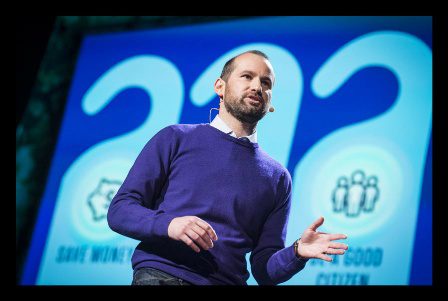
Alex Laskey is the president and founder of Opower, a company that partners with utility companies and the government, now even reaching into international markets, in pursuit of cutting energy, saving money and reducing carbon emissions. On February 27, at the TED conference, he spoke of the need to change people’s mindset in order to create change in behavior. He wants people to check their energy use just like they check their finances or emails.

In an experiment that Opower conducted, they tried to determine what would be the strongest motivational factor for getting people to reduce their energy use. They placed three different messages on the doors of various customers about why they should save energy:

– You can save $54 this month,
– You can save the planet, or
– You can be a good citizen

Which had the best results? None. No one message showed any significant difference in behavior. So Opower tried a fourth message:

– Your neighbors are doing better than you

This is the one that made a difference. People who read the message that 77 percent of their neighbors turned down their air conditioning, then also proceeded to turn down their AC. The power of peer-pressure should not be  understated. “We can be doing so much better,” says Laskey, “starting by tapping into the power of social behavior.”

– Mary Purcell

Source: TED.com
 

February 28, 2013
https://borgenproject.org/wp-content/uploads/borgen-project-logo.svg 0 0 Borgen Project https://borgenproject.org/wp-content/uploads/borgen-project-logo.svg Borgen Project2013-02-28 14:58:152020-05-13 23:47:34Great Social-Marketing Lessons at TED Conference
Global Poverty

Prince Harry on African Charity Tour

Prince Harry on African Charity Tour

Following in the footsteps of his mother, Princess Diana, Prince Harry has never been a stranger to charity trips to Africa. After a four and a half month tour of duty in Afghanistan, Prince Harry began his visit to South Africa and Lesotho on Wednesday. His itinerary includes dinners, fundraisers, site visits, and catching up with his charity Sentebale in Lesotho.

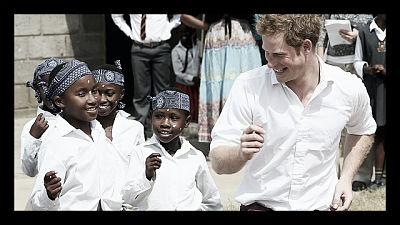
One of his stops early yesterday was at the Kanaelo Center for the Deaf in Maseru, the capital of Lesotho. The school is one of only two schools for the deaf. Here, the Prince spent time in the classrooms learning sign language from the children and also got a chance to express his inner domestic-side in the school’s kitchen.

The Kanaelo Center is one of the many projects that is funded by Sentebale. Meaning ‘forget me not’ in the country’s native language Sesotho, the charity was founded in 2006 by Prince Harry and Prince Seeiso of Lesotho. It focuses on health and educational assistance to the country’s half a million orphans and children who suffer from HIV/AIDS, physical and mental disabilities, and other ailments.

His next appearance was at the St. Bernadette’s Resource Center which works with blind children. Here, he simply spent time with the children, interacting with them, and getting to know the projects of his charity more directly.

The main purpose of the trip was the Sentebale Gala Dinner which took place Wednesday night in Johannesburg, South Africa. A vital aspect of running a big charity are these sometimes extravagant dinners and events which in reality are what help bring in interested people, and more importantly their wallets, to donate to the cause. All the money from this event will go specifically towards building a new home and education center, The Mamohato Center. The center will provide the services that the Mamohato Program did but in a more permanent setting. The Programme emphasized educating children with HIV/AIDS on not only the basics of health but also about the disease they are living with in order to spread awareness throughout their communities. The center will also provide psychological services as well as mentoring.

In the late 1990s before her death, Princess Diana was constantly in the news for her humanitarian work and immersion with impoverished communities. Aside from the celebrity aura of the royal family, the fact is that their money and status also come with an incredible amount of power. Truthfully, they create more excitement than a Hollywood starlet’s newest foreign adoption. Being third in line for the throne, it’s important for Harry to constantly remind himself of the work outside of the United Kingdom and modern work that needs to be done to increase the well being of children living in poverty; work that he has not only the power but the passion, to do.

– Deena Dulgerian

Sources: Huffington Post,E! Online,ET

February 28, 2013
https://borgenproject.org/wp-content/uploads/borgen-project-logo.svg 0 0 Borgen Project https://borgenproject.org/wp-content/uploads/borgen-project-logo.svg Borgen Project2013-02-28 12:26:112024-05-24 23:43:00Prince Harry on African Charity Tour
Global Poverty

Bono Advocates Factivism in the Fight Against Global Poverty

Bono Advocates Factivism in the Fight Against Global Poverty
During the 2013 TED Conference in Long Beach, CA, U2 lead singer and anti-poverty activist Bono spoke about successes in the fight against global poverty and made predictions for the future.

Bono, the founder of the anti-poverty organization One and long-time ally of the world’s poor, stated that he will temporarily retire from being a rock star to become a “factivist” – one who uses facts and evidence to support activist causes. The facts are, in this case, statistics on declining global poverty rates. Bono advocates factivism as just one way that we can all work to help end global poverty.

A few of the most encouraging statistics:

– 7,256 fewer children under the age of five are dying each day.

-The number of people living in extreme poverty (on less than $1.25 per day) has fallen from 43 percent in 1990 to 21 percent in 2010.

If poverty continues to decline at the same rate, extreme poverty will be eliminated by the year 2030. However, the smaller the number gets, the more difficult it will be to reach the target of zero people living in extreme poverty.

Bono’s factivism could not come at a better time, as the efforts of those who support anti-poverty organizations, legislation, and foreign aid are clearly paying off. Significant progress has been made in the fight against extreme poverty around the world.

However, as Bono stated, there is still work to do. The decline in global poverty rates does not mean that anti-poverty activism is, or should be, coming to an end. Rather, the successes that have been achieved over the last decade are a strong motivation to work even harder to end poverty for every person.

Bono listed three ways that we can work to make poverty rates continue to decline over the next decade. The first is to actively fight government efforts to cut funding to anti-poverty organizations. Second, we should continue to support technological advances that improve the quality of life for the poorest people. And lastly, Bono urges us to fight corruption using social media networking and demand transparency in action from those in power.

To learn more poverty statistics, check out Good News in the War on Poverty. To become a factivist for the world’s poor, find out How to Get Involved in the Cause. Bono advocates factivism, and so does the Borgen Project!

– Kat Henrichs
Sources: Guardian, LA Times
Photo: Twitter

February 28, 2013
https://borgenproject.org/wp-content/uploads/borgen-project-logo.svg 0 0 Borgen Project https://borgenproject.org/wp-content/uploads/borgen-project-logo.svg Borgen Project2013-02-28 11:18:042020-05-13 23:52:48Bono Advocates Factivism in the Fight Against Global Poverty
Global Poverty

Bhutan: World Leader in Organic Farming

Bhutan: World Leader in Organic Farming

Bhutan, a small country located in the Himalayan Mountains between China and India, has announced its plan to become the first country to use entirely organic agricultural methods. The country has demonstrated its commitment to sustainability in many of its policies and practices, and now Bhutan is a world leader in organic farming practices.

The country has not set a date for when the change will be complete. Minister of Agriculture and Forests Pema Gyamtsho stated, “Going organic will take time… We cannot do it tomorrow. Instead we will achieve it region by region and crop by crop.” Organic agriculture is a method of growing crops that uses no chemical fertilizers, pesticides, or herbicides.

Agrarian culture and lifestyle dominate Bhutan, where many politicians are also farmers, and most farmers already utilize organic growing methods. Minister Gyamtsho cited several reasons for the country’s push to go entirely organic, including increased food production. He hopes that Bhutan will increase its high quality food exports to neighboring India and China, while retaining food security for its citizens. Other reasons for the complete organic transition include the country’s strong Buddhist beliefs, and the negative effects of chemicals on the natural environment.

Like the rest of the world, Bhutan’s future depends on how it reacts to global issues such as climate change, population growth, and food security. While Bhutanese farmers who already practice organic methods surely support the government’s decision, other famers are unsure about growing crops without chemicals. In some regions, the last few years of warm temperatures and unpredictable weather have yielded smaller harvests and more pests. Some family farmers whose children have moved into the city are forced to use chemicals to maintain sufficient levels of productivity.

Nevertheless, the nutritious products of organic agriculture continue to be in high demand around the world. Organic farmers use natural methods to control pests and practice soil-building techniques, such as composting. Building and maintaining healthy soil is necessary for long-term sustainable agricultural systems. While there is debate over whether organic farming practices produce a lower yield per acre than conventional practices, there is no question that chemically based farming is detrimental to natural ecosystems.

With a population of around one million people, Bhutan is a unique country in many ways. Rather than using Gross Domestic Product (GDP) to measure prosperity and growth, Bhutan gauges its citizens’ productivity and health according to Gross National Happiness (GNH). As a world leader in organic farming practices, Bhutan will continue its track record of setting a standard for sustainable development that other countries can model.

– Kat Henrichs

Source: Guardian

Photo: NPR

February 27, 2013
https://borgenproject.org/wp-content/uploads/borgen-project-logo.svg 0 0 Borgen Project https://borgenproject.org/wp-content/uploads/borgen-project-logo.svg Borgen Project2013-02-27 12:51:302020-05-13 23:26:42Bhutan: World Leader in Organic Farming
Global Poverty

World Bank Recommends Involvement of South Sudanese

Shanta_opt

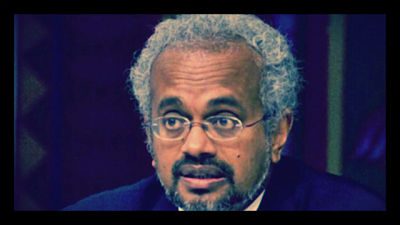
Shanta Devarajan, a leading World Bank economist, said that while African nations are spending more on education and other community-related industries, the mismanagement of these funds is a current problem.

Devarajan’s advice? Allow the people of impoverished communities to make their own decisions regarding the spending of money. Devarajan cited that one of the benefits of putting aid money in the hands of the people would be added accountability for civil servants. He also asserts that making civil servants more accountable would decrease the misallocation of funds and improve the quality of services provided by civil servants.

Cirino Heteng, South Sudan’s Minister for Youth and Sports, conceded that including the poor in the decision-making process would help, but defended the current policy by saying that more supervision was needed. Heteng accused the current minister of education of being unaware of what the hierarchy beneath him is doing because he rarely visits the schools.

One way or the other, both sides promote the idea that the community be more involved in the allocation of funds.

South Sudan is a new official country as it seceded from Sudan in July of 2011. Problems such as the allocation of aid and hierarchical structure may therefore just be symptoms of a newly established government.

– Pete Grapentien

Source Voice of America

February 27, 2013
https://borgenproject.org/wp-content/uploads/borgen-project-logo.svg 0 0 Borgen Project https://borgenproject.org/wp-content/uploads/borgen-project-logo.svg Borgen Project2013-02-27 12:39:112020-04-17 14:30:16World Bank Recommends Involvement of South Sudanese
Global Poverty

Why Investing in Africa is the Right Move

Why Investing in Africa is the Right MoveAccording to the International Monetary Fund (IMF), there is a 16 percent chance that global growth will dip below two percent this year. An unlikely contender as far as investment options are concerned, investing in Africa may be a lucrative opportunity for investors looking for solace in a declining global market.

Africa is notorious for being a troubled continent. However, as the economic problems begin to fade, stock markets are projected to rise, making Africa a prime candidate to overtake Asia in terms of economic growth by 2015.

The IMF has estimated that in the next five years, 10 out of the 20 fastest-growing economies will be in sub-Saharan Africa and two will be in North Africa. An example of exploding economic growth is Nigeria, where the average income has quadrupled since 2000. Sierra Leone, Ghana, Kenya, and Ethiopia are all seeing quick economic inclines as well.

While African markets are becoming more and more likely to expand rapidly in the next few years, making investing in Africa a lucrative choice, many investors are still reluctant to invest due to the lack of liquidity (ability to buy and sell) of African stock.

– Pete Grapentien

Source: The Telegraph

February 26, 2013
https://borgenproject.org/wp-content/uploads/borgen-project-logo.svg 0 0 Borgen Project https://borgenproject.org/wp-content/uploads/borgen-project-logo.svg Borgen Project2013-02-26 21:56:412024-12-13 17:49:13Why Investing in Africa is the Right Move
Global Poverty

Women Entrepreneurs, Champions Against Poverty

Women Entrepreneurs, Champions Against Poverty
In the rural Nicaraguan community of La Laguna, Ana Cecilia Acuña is joining the ranks of a growing group of women entrepreneurs worldwide and defying the traditional gender roles of her community while improving the lives of everyone around her. Ana grew up in poverty, often without enough food to eat and working when she was young to pay for school. As an adult, Ana opened up a store that feeds her community with items such as oil and rice funded by micro loans from the non-profit organization Opportunity International.

One problem that faced her community was obtaining potable water from a viable source. With encouragement from Opportunity International, she joined the La Laguna Community Cooperative and later became the first woman member of the board. The cooperative then received a loan for enough money to dig a well and create water pipes that serve many of the families in the community. Soon they plan to have potable water running to each of the 3,800 people in the area. Fresh water in their homes supplants the previous method of walking seven kilometers to fill up a bucket of water. Currently, Ana Cecilia Acuña is one of five employees of the cooperative and is proud to make enough money to move out of her mother’s house and pay for her son’s school fees.

According to Vicki Escarra of Opportunity International, “when a woman is given an opportunity to change her life, she invests 90% back into her family.” From there the women entrepreneurs will invest what they make into their community. It is with the belief in this principal that Opportunity International hopes to raise $50 million for their One Woman Initiative that will provide two million women worldwide, like Ana, with loans to start their own small business. Seventy percent of the people who live on $2 or less a day are women. It is easy to feel helpless to make real change when faced with the daunting statistics of poverty, but the growing popularity of organizations that fund entrepreneurs using micro loans make it more accessible than ever to make real change in someone’s life on a small budget.

– Sean Morales

Source: The Huffington Post
Photo: TechnoServe

February 26, 2013
https://borgenproject.org/wp-content/uploads/borgen-project-logo.svg 0 0 Borgen Project https://borgenproject.org/wp-content/uploads/borgen-project-logo.svg Borgen Project2013-02-26 21:48:062020-05-11 04:05:12Women Entrepreneurs, Champions Against Poverty
Aid Effectiveness & Reform, Development, Foreign Aid, Global Poverty

Listen to the Poor

Listen to the Poor

In 2010, Armando Barrientos had a plan: just give direct money and resources to the poor, no need for the expensive aid industry. The argument made calls for community involvement, by directly transferring money to the poor. In this way, the recipients have a chance to decide what to do with that money. According to Barrientos’ argument in the Guardian, this model is being implemented in several countries including Mexico, Brazil, South Africa, and India. These countries provide “regular transfers of money to households in poverty with the aim of improving their nutrition, making sure children go to school and ensuring expectant mothers have regular check-ups.” Nevertheless, these same social transfer programs are difficult to set up without the help of the international community.

This year, the aim is a little higher; The Guardian posted an article discussing these social transfer programs in a broader light. The goal is to know how the poor and affected communities feel about these programs, if the programs actually help or detract the communities, and how the recipients can make better use of these money transfers. Recently, governments and aid donors have been more interested in involving the recipient communities in the decision-making, monitoring, and evaluating of “social protection programs.” Although the very concept of money transfers has generated positive results and is appreciated in several countries including Palestine, Mozambique, Yemen, and Uganda, monetary transactions are not sufficient enough in order to meet people’s basic needs.

Additionally, the access to cash transfers is confusing and alienating as the extremely poor either: do not know how to become eligible for funds, how to apply to receive funds, or are stuck on waiting lists for too long. Cash transfer recipients are reluctant to complain about such conditions regarding long waiting and the insufficiency of cash because the recipients are afraid to be regarded as “troublemakers,” which may cost them their access to funds altogether.

It is more efficient and effective to include the recipients in the decision-making process since the money directly affects them and their communities. It is also ethical, “people have a right to a say over what affects them.” The poor need a voice that will be listened to in order to improve social protection and cash transfer programs, making aid more effective, fair, and beneficial to the global community.

– Leen Abdallah
Source: Guardian

February 26, 2013
https://borgenproject.org/wp-content/uploads/borgen-project-logo.svg 0 0 Borgen Project https://borgenproject.org/wp-content/uploads/borgen-project-logo.svg Borgen Project2013-02-26 09:56:202020-05-11 04:09:57Listen to the Poor
Global Poverty

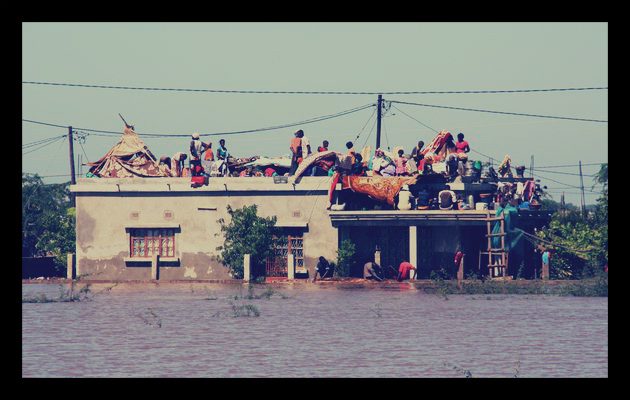
Flooding Disaster in Mozambique

Flooding Disaster in MozambiqueThe nation of Mozambique experienced one of the worst floods in recent history due to extremely high amounts of rainfall throughout the month of January. Flooding in Mozambique damaged the province of Gaza. Over 250,000 have been affected by the floods, with 150,000 people forced out of their homes in the province and over 100 killed.

While the victims of flooding in Mozambique are dealing with destroyed homes and families, the natural disaster has been exacerbated by the outbreak of cholera. There have been over 250 cases so far, fortunately, no cases have proved fatal. Mozambique has experienced problems with cholera for years, so their response has been effective thus far. However, the potential for more flooding means that they must remain vigilant.

The complete rebuilding effort is estimated to cost over $30 million, according to The Humanitarian Country Team in Mozambique, an organization comprised of NGO and UN officials. UNICEF itself seeks $6.8 million from this fund to pay for projects to improve the welfare of children and those around them, like building clean water pumps and constructing new homes.

According to Jesper Morch of UNICEF, “emergency supplies and funding has been depleted…we urgently need additional funds if we are to help many children and families recover.”

– Jake Simon

Sources: news24, UNICEF, Al Jazeera
Photo: Times Live

February 24, 2013
https://borgenproject.org/wp-content/uploads/borgen-project-logo.svg 0 0 Borgen Project https://borgenproject.org/wp-content/uploads/borgen-project-logo.svg Borgen Project2013-02-24 11:42:022024-05-30 07:52:04Flooding Disaster in Mozambique
Education, Global Poverty, Philanthropy

Red Nose Day Turns 25

Red Nose Day Turns 25March 15 will mark the 25th anniversary of the charity organization Comic Relief’s Biannual Red Nose Day. The event, which began in the UK in 1988, is an all-day affair that showcases British comedians performing telethon-style with the ultimate goal of raising money for poverty reduction in Africa. Since the first event, the organization has raised 660 million pounds for the cause.

What now appears to the public as a well-rehearsed and professional telethon was once a much more amateur affair with the most earnest of the organizers and performers of Red Nose Day holding it together. British talk show host and comedian Jonathan Ross recalls one mix-up from the early years when Welsh comedian Griff Rhys Jones began a comedic bit with his trademark enthusiasm only to realize that he was supposed to be presenting a tragic event. Despite moments of confusion, the event was a wild success and continues to be an important national event to this day.

The organization does not simply raise money to be passed on to indiscriminate sources. Walking through the halls of a Comic Relief-assisted school in Accra, Ross was impressed by the real-world impact that a little money collected from thousands of people can make. He recognized the importance of the school to the community in helping the children gain a solid education to escape poverty.  When faced with the reality of the effect that the charity money makes, it is obvious that the school is more than just a place to collect impressive donation statistics or take riveting photos for a catalog. It is an institution that means a great deal to the community.

Ross admits that the idea of using comedy to highlight the tragedy, as in the staggering poverty in Africa, is a risky way to raise awareness. Regardless, the performers and the organization have built a large following in the early years that has only grown since then. At the least, Red Nose Day is a bright and cheery way to bring awareness to global poverty on the international stage.

– Sean Morales

Source: The Guardian

February 24, 2013
https://borgenproject.org/wp-content/uploads/borgen-project-logo.svg 0 0 Borgen Project https://borgenproject.org/wp-content/uploads/borgen-project-logo.svg Borgen Project2013-02-24 10:39:182020-05-11 03:58:56Red Nose Day Turns 25
Page 2173 of 2176«‹21712172217321742175›»

Get Smarter

  • Global Poverty 101
  • Global Poverty… The Good News
  • Global Poverty & U.S. Jobs
  • Global Poverty and National Security
  • Innovative Solutions to Poverty
  • Global Poverty & Aid FAQ’s
Search Search

Take Action

  • Call Congress
  • Email Congress
  • Donate
  • 30 Ways to Help
  • Volunteer Ops
  • Internships
  • Courses & Certificates
  • The Podcast
Borgen Project

“The Borgen Project is an incredible nonprofit organization that is addressing poverty and hunger and working towards ending them.”

-The Huffington Post

Inside The Borgen Project

  • Contact
  • About
  • Financials
  • President
  • Board of Directors
  • Board of Advisors

International Links

  • UK Email Parliament
  • UK Donate
  • Canada Email Parliament

Get Smarter

  • Global Poverty 101
  • Global Poverty… The Good News
  • Global Poverty & U.S. Jobs
  • Global Poverty and National Security
  • Innovative Solutions to Poverty
  • Global Poverty & Aid FAQ’s

Ways to Help

  • Call Congress
  • Email Congress
  • Donate
  • 30 Ways to Help
  • Volunteer Ops
  • Internships
  • Courses & Certificates
  • The Podcast
Scroll to top Scroll to top Scroll to top