• Link to X
  • Link to Facebook
  • Link to Instagram
  • Link to TikTok
  • Link to Youtube
  • About
    • About Us
      • President
      • Board of Directors
      • Board of Advisors
      • Financials
      • Our Methodology
      • Success Tracker
      • Contact
  • Act Now
    • 30 Ways to Help
      • Email Congress
      • Call Congress
      • Volunteer
      • Courses & Certificates
      • Be a Donor
    • Internships
      • In-Office Internships
      • Remote Internships
    • Legislation
      • Politics 101
  • The Blog
  • The Podcast
  • Magazine
  • Donate
  • Click to open the search input field Click to open the search input field Search
  • Menu Menu

Archive for category: Global Poverty

Key articles and information on global poverty.

Foreign Aid, Global Poverty, War and Violence

War: Why Winning Should Not be the Only Goal

war
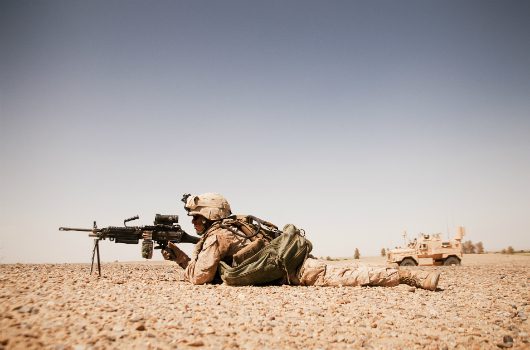
The way war is operated and fought constantly changes. The goals for war differ depending on situations and needs, but in the 21st century, a trend is becoming apparent about the wars we are fighting and what needs to be accomplished by them.

We are not fighting wars between kingdoms or with outstretched swords like what was once done. Some of the current wars are still being fought over land, religion and borders, but many now are over terrorism, oil and the economy.

In recent years, wars have begun with the intention of shutting specific terrorist groups down, but in the process, have destroyed the livelihood and homes of innocent bystanders. This is, regrettably, one of the side effects of war.

However, war does not have to be left at that. Too many people misconceive that the goal of war is “winning”, regardless of what that winning entails. While, of course, losing is certainly not the goal, the goal of the wars we are commonly fighting is much greater than simply winning.

In places like Afghanistan and Iraq, there is potential to do more than take down Al-Qaeda, the Taliban, or any associated forces.

These terrorist forces should be a main focus of any war where they are the concern, but ensuring they do not regroup, or that others similar to them do not arise, is equally important in war efforts against terrorism.

A striking fact about terrorism is that it is easier for terrorist groups to form and prosper in impoverished or developing nations. Dissolving Al-Qaeda, the Taliban or ISIS are vital steps in eradicating terrorism; however, leaving the struggling nations to fend for themselves afterwards only opens up the possibility for new, more dangerous groups that could form in the wake of destruction and transformation.

Dr. Joseph Gerson, the Director of Programs of the American Friends Service Committee, recognized that to make true change with terrorism, “we must address the root causes of the attacks.”

By working to improve situations in troubled areas, problems such as terrorism can be eliminated at their roots.

From the outside, the entire nation that terrorist groups originate from are often criminalized and grouped into the same category as terrorist. This, of course, is not the case for citizens of those nations.

The Revolutionary Association of the Women of Afghanistan proved that when they urged for the “Taliban [to] be overthrown by the uprising of the Afghan nation” rather than by “a vast aggression on our country [that] will shed the blood of numerous women, men, children, young and old of our country.”

Working from the inside out is precisely what RAWA was calling for, because of their understanding that permanent change cannot be accomplished until interior progression is made.

This is not to say that troops should remain in previous war zone areas past the amount of time that is needed, or that no war efforts should be made at all. Rather, once the initial needs of war are accomplished, such as eradicating the current terrorist threats, troops should continue to aid the rebuilding of the nation so that it can become strong and dominant against any future terrorist threats.

According to The Guardian, “with more displaced people than at any time since the second world war,” helping those people and their nations that are weaker and more prone to threats is the most promising answer to achieving lasting results.

We must fight in order to protect ourselves and those around us, but ensuring that the world continues to be safe after the initial threat is gone is equally important.

“Politicians are taking the easy option of failing to understand the wider world” that is at stake if impoverished individuals and nations do not receive the aid needed.

When it is decided to step in and take action in the form of war, winning is not the only goal that should be on our minds. Improving the livelihood of those in impoverished communities and nations so that threats and issues do not reappear should also be a goal.

– Katherine Wyant

Sources: Common Dreams, The Guardian, Revolutionary Association of the Women of Afghanistan
Photo: Flickr
July 6, 2015
https://borgenproject.org/wp-content/uploads/borgen-project-logo.svg 0 0 Borgen Project https://borgenproject.org/wp-content/uploads/borgen-project-logo.svg Borgen Project2015-07-06 09:43:182020-07-13 12:04:46War: Why Winning Should Not be the Only Goal
Global Poverty

Why is Disability in Africa Increasing?

Disability-in-Africa
The World Report on Disability estimates that 15 percent of the world population lives with disabilities. The disabled are the world’s most underprivileged minority, and are considered the poorest of the poor.

Disability in Africa is very high, with approximately 80 million African people living with disabilities, according to the United Nations.

It is believed that the number of those with physical and mental impairments will only increase with time. Disability is caused by many factors, such as birth defects, environmental hazards, industrial accidents, war and other conflicts. Some of the factors are easily preventable, such as malnutrition and diseases.

Even walking and playing can be dangerous. According to Rehabilitation International, between 250-500 disabilities are caused simply due to encounters with landmines.

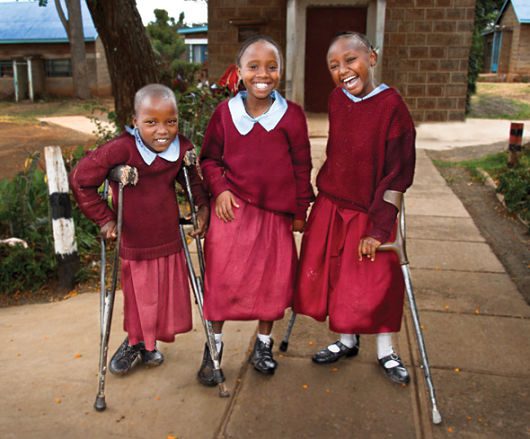
Many people with physical disabilities do not have access to wheelchairs or crutches. Instead, they resort to makeshift items that do not offer quality mobility or comfort.

Because being disabled impacts your ability to work, disabled Africans struggle to support themselves and their families. In most cases, the disabled resort to begging outside of churches and on the streets.

In the poorest parts of Africa, the percentage of disabled children who receive an education are as low as 1 to 3 percent. They are denied education because there are no special facilities to accommodate them. Furthermore, there are cultural attitudes, such as shame and fear, associated with having a disability.

Sunit Bagree says, “…traditional and religious beliefs can make people believe that having a disabled child is a form of punishment, related to the concept of sin.”

This negative stigma is often how disability is viewed by others, and it impacts every opportunity they have.

“Disabled young people all over the world face unfair inequality of opportunities, but in parts of Africa, conditions can be unimaginably hard,” says Damon Hill, Patron of Disability Africa, an organization that strives to improve the lives of disabled Africans.

To improve the lives of the disabled, legislation and organizations strive to change the stigma associated with disability.

In February 2014, the first ever African Leaders Forum on Disability was held in Malawi. At the event, leaders challenged the stigmas and inequalities associated with disability. Ultimately, the goal was to achieve awareness to spark equality and empowerment for people with disabilities in Africa.

“There is something about the plight that faces individuals with disabilities, including those with intellectual disabilities, that is compounded by an entrenched stigma that has endured, unjustly, for centuries and centuries,” says Joyce Banda, President of Malawi.

Determined to finally change the stigma associated with disability, President Malawi passed a Disability Act which created equal rights and inclusion policies for everyone with disabilities in Malawi.

Although many African countries have passed their own disability policies, there is still much more that can be implemented, believes Special Olympics Chairman, Tim Shriver.

President Banda declares, “No region of the world is doing enough for people with intellectual disabilities. Africa, with its emphasis on community and its peoples’ deep understanding of discrimination and deprivation, can be a leader in ensuring human rights, social services and inclusion for people with intellectual disabilities.”

– Kelsey Parrotte

Sources: United Nations, African Studies Centre Leiden, Disabled World, UNICEF, WHO
Photo: The Salvation Army

July 6, 2015
https://borgenproject.org/wp-content/uploads/borgen-project-logo.svg 0 0 Borgen Project https://borgenproject.org/wp-content/uploads/borgen-project-logo.svg Borgen Project2015-07-06 09:22:552024-12-13 17:51:44Why is Disability in Africa Increasing?
Child Soldiers, Global Poverty, Slavery

Modern Slavery in Africa and How Americans Can End It

Americans-Can-End-Modern-Slavery-in-Africa
Thousands living in poverty and inhumane conditions are forced into slavery for their survival. Many of the victims are woman and children who flee countries in search of refuge but, instead, are captured by human traffickers and sold into what is known as modern-day slavery.

Many of those who end up in modern slavery rings are fleeing persecution in their native countries. This is a particularly prominent issue in African countries that neighbor South Africa. South Africa is a desired destination for many Africans who suffer from poverty and corruption in other countries. It is on their travels from other nations to safety that they unfortunately get sucked into the horrors of modern slavery in Africa.

Some children are forced into becoming child soldiers, while some, along with women, are sold into sex trafficking. Others are used to provide cheap or unpaid labor in agricultural work, factories or domestic work. The number of people enslaved are staggering, with approximately 193,000 in Ghana and about 762,900 in the Congo.

It is important that, instead of just ignoring modern slavery like many have been, we know the power we have in ending slavery around the world. Modern day slavery has been uncovered everywhere, even in the United States in the last 15 years. Ignoring the horrific acts just won’t do.

How can we not only show that we do not support this atrocity but also want to work towards its end?

Many enslaved people are those who make the products we use every day. This includes agricultural goods, clothes and other items. Many who use slaves use other terminology in order to hide the atrocities. Many people are enslaved to make clothes and products in factories, working for inhumane hours at a time for either very little or even no pay. There are ways for consumers to research quickly online about where their products come from and how those who make the clothing are treated.

Much of this information is provided by advocacy organizations that have dedicated time and research into finding these victims.

There are many organizations that work to find and free enslaved individuals, while also dismantling groups that enslave them. One international organization is “Free the Slaves.” Free the Slaves is an advocacy group that speaks for those throughout the world who have fallen victim to such atrocities.

For more information about how everyone can make a difference and end modern slavery in Africa, go to www.freetheslaves.net.

– Alexandrea Jacinto

Sources: Free the Slaves 1, Free the Slaves 2, African Holocaust
Photo: Rita Bay’s Blog

July 6, 2015
https://borgenproject.org/wp-content/uploads/borgen-project-logo.svg 0 0 Borgen Project https://borgenproject.org/wp-content/uploads/borgen-project-logo.svg Borgen Project2015-07-06 09:22:072020-07-13 12:08:58Modern Slavery in Africa and How Americans Can End It
Global Poverty, Refugees and Displaced Persons

Acehnese Fishermen Save Stranded Refugees

stranded_refugees
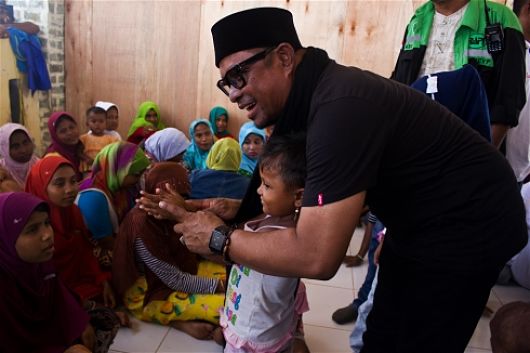
In late May 2015, thousands of Rohingya and Bangladeshi refugees were stranded on the open ocean. The governments of nearby countries didn’t want them. Amidst this humanitarian crisis and fatal government hesitation, local Acehnese Indonesian fishermen saved thousands of refugees.

Hundreds of thousands of Rohingyas and Bangladeshi’s have fled their native homeland; the Rohingyas face political persecution that mirrors Apartheid South Africa, and Bangladeshis face seemingly inescapable poverty. Over 120,000 Rohingyas have left in the past three years, and just this year, 25,000 Rohingyas have fled.

In Buddhist-majority Myanmar, the Rohingyas are persecuted, and have been since the 1970s. They are not recognized as citizens and are “subjected to forced labour, have no land rights, and are heavily restricted,” says BBC. This March, the government took away the Rohingya’s right to vote.

The Rohingyas are an Islamic ethnic group. They are said to be descended from Muslim traders who settled in the region over 1,000 years ago, but the Myanmar government persists the Rohingyas are actually Bengali migrants— subjecting them to severe inequality.

It is due to this severe oppression that thousands of Rohingyas have fled Myanmar via boat. Rohingyas have paid smugglers in the past few years to transport them to safer countries, like Indonesia or Malaysia.

This year, Indonesia, Malaysia and other countries that Rohingyas flee to cracked down on the influx of refugees, refusing to admit them.

For this reason, many refugees were left stranded by smugglers in the middle of the ocean. Other smugglers turned out to be traffickers, who held the migrants hostage in the ocean, attempting to pressure impoverished family members into paying for their stranded loved ones.

None of the countries in the region were willing to help them, and governments told local fishermen not to help stranded refugees.

“The focus should be on saving lives, not further endangering them,” said UN High Commissioner for Human Rights spokesman Zeid Ra’ad Al Hussein.

Thailand and Indonesia turned away boats from their shores. Malaysia ordered its navy to keep the boats away. The United Nations has issued a statement that it is “appalled” by the foreign policy of these nations.

Chris Lewa, an advocate for the Rohingya activist group, described the attitude of neighboring countries as “extremely unwelcoming. Unlike European countries – who at least make an effort to stop North African migrants from drowning in the Mediterranean – Myanmar’s neighbours are reluctant to provide any assistance.”

Human Rights Watch accused Malaysia, Thailand and Indonesia of playing “human ping pong” with boats by refusing to let people in and by pushing boats back out to international waters.

Thousands of boat people were stranded at sea with little food and water and no place to land. “For more than two months we were in the boat, we were only given little food and we were beaten when we asked for more,” said Mohamad Ali, a Bangladeshi migrant to BBC.

Mohammad Idiris, a 25-year-old from Myanmar was held on a crowded ship for 6 months, said he was “beaten regularly by human traffickers who demanded a ransom from his parents that they couldn’t pay,” reported the IRIN. “I didn’t know it was going to be like this. If I had known, I would have stayed in Myanmar. We feel happy here, because the Acehnese people are treating us as brothers, but we are still worried about our families in Myanmar.”

Despite government wishes, Indonesians from the Aceh region rescued around 2,000 stranded boat people. “We helped them because they needed help. What is more human than that?” said Mansur, a Acehnese fisherman, in an interview with The Guardian.

The people of Aceh themselves have suffered intense violence and devastation in the past; they were caught in violence between the Indonesian government and separatist rebels, as well as the tsunami of 2004 in the early 2000s. For this reason, the Aceh people were very welcoming.

The fishermen worked together, pulling refugees from boat to boat, taking multiple trips and providing food and water on shore. Suryadi, an Aceh fisherman, told The Guardian, “We helped out of solidarity. If we find someone in the ocean we have to help them no matter who they are. The police did not like us helping but we could not avoid it. Our sense of humanity was higher. So we just helped with the limited resources that we had at the time.”

Aceh even put on a concert to raise money for the refugees. Rafly, a popular local singer, performed “Pemulia Jamee,” a traditional Acehnese ceremony, to honor guests. Rafly is also a senator, and plans to advocate for the refugees to stay in Aceh in the future.

“I really wish they will stay permanently in Aceh. I have lobbied the governor of Aceh on this matter and will raise it with the head of the senate,” he tells IRIN.

The future for the Bangladeshi and Rohingya refugees is uncertain. Bangladeshis may be returned to Bangladesh once they are identified, though they return to an unwelcome government. Bangladeshi Prime Minister Sheikh Hasina called the stranded boat people “mentally sick” for leaving, and claimed they are “tainting the image of the country.”

Myanmar recently created a program to give citizenship back to the Rohyingas; however, it forces the Rohingyas to list their ethnicity as Bengali, so it is heavily opposed. The Rohingyas are not welcome in Myanmar. Today around 140,000 Rohingyas in Myanmar live in camps; they cannot return to their villages, which were burned by Rakhine Buddhists in 2012 violence that killed over 200 people.

After a large amount of chaos, conflict and devastating waiting, Malaysia and Indonesia finally agreed to let refugees shelter on their shores, as long as they are relocated within a year. However, this was only after local Indonesian fishermen went directly against the wishes of their government to help save extremely vulnerable refugees.

– Margaret Mary Anderson

Sources: BBC, IRIN News , The Guardian
Photo: IRIN News

July 6, 2015
https://borgenproject.org/wp-content/uploads/borgen-project-logo.svg 0 0 Borgen Project https://borgenproject.org/wp-content/uploads/borgen-project-logo.svg Borgen Project2015-07-06 09:01:362024-05-27 09:25:26Acehnese Fishermen Save Stranded Refugees
Activism, Global Poverty

D’Banj Fights Poverty with Music

dbanj_fights_poverty
D’Banj is a singer and peace activist who is featured first on #Music4Dev initiated in 2014 where artists use World Bank to share their music. It’s here where artists talk about poverty and encourage their listeners to work together in ending the crisis. One crucial way to help those in need is to spread awareness about the issue, especially to the youth of the world.

Afrobeat music is believed to have been born out of challenges facing Africa in recent years. Other African genres originate from various nations. These styles include rhumba, makossa, kwaito and highlife. Nigeria’s Afrobeat (or Naija beats) was introduced in the late ’60s by Fela Anikulapo Kuti. With different styles originating from various parts of Africa, this genre escalated only recently with a few artists excelling in the industry.

BBC Radio 1Xtra, the Mobos, MTV Awards and numerous African gatherings have acknowledged the latest African music. Modern techniques have also enhanced the life of video and music quality. Artists and telecom companies are making a large profit while the entertainment industry becomes lucrative.

A common production method includes selling music via mobile phone where customers buy ringtones and dial tones. Much like the Western world, another method to promote the artist is to play popular songs constantly over the radio and on television through video. Artists also appear at concert halls to sell their work.

The youth of Africa are believed to represent the future as a digitally-connected generation. Music unites them for a cause. D’Banj uses music to create poverty awareness and rally Africa’s youth to take a stance against the issue.

He is known for his energetic performances and originality having made the UK’s top ten list as the first Afrobeats artist. He was born in Zaria, Nigeria. He taught himself to play his older brother’s harmonica and has been in love with music ever since.

He has succeeded in making himself heard with 1 million Twitter followers. Kanye West, Akon, Snoop Dogg, Big Sean and actor Idris Elba have acknowledged his likability and recorded with him.

Among this recognition, he has also received Best African Act at MTV Europe Music Awards in 2007 and Artist of the Year in 2009 at MTV Africa Music Awards and BET Awards. In 2013, he attended African Union Year of Agriculture and brought together three million people to form advocacy for the alleviation of poverty.

He implored his followers to address their governments and stressed that more needed to be done for agriculture and small farms. He received two million signatures for the Do Agric Global Africa Campaign.

In 2014, he started focusing on African Union Year of Women’s Empowerment. He wrote a song called ‘Extraoridinary” for the cause. As he says in World Bank’s Blog in an article written by Korina Lopez, “Most of the established small-scale farmers that we have are women… You have to look beyond the body to see the extraordinary potential she possesses.”

D’Banj is known for his humanitarian role as an ambassador for One.org. In addition, he is an ambassador for Nigerian Agricultural Entrepreneurs and has been appointed Nigeria’s first UN Youth Ambassador for Peace.

He has recently been nominated for the MTV African Music Awards (MAMA) Evolution award. D’Banj was nominated with several others including 2face, P-Square and Asa. This award is meant to recognize artists revolutionizing African music with an influence around the world. The announcement of the winner takes place on July 18, 2015. Fans will vote for their favorite, and D’Banj has an admirable status for this particular achievement.

– Katie Groe

Sources: World Bank Blog, World Bank Blog, TED 1 , TED 2 , Pulse, The Guardian
Photo: NET

July 6, 2015
https://borgenproject.org/wp-content/uploads/borgen-project-logo.svg 0 0 Borgen Project https://borgenproject.org/wp-content/uploads/borgen-project-logo.svg Borgen Project2015-07-06 08:59:592024-12-13 17:51:46D’Banj Fights Poverty with Music
Children, Development, Global Poverty

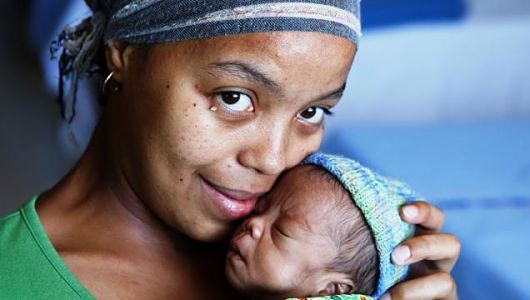
Millions of Births Have Never Been Registered

unregistered_births_developing_countries
What if you did not have a birth certificate, driver’s license, passport or health insurance card? There is no way of proving who you are. This is the reality for some children in developing countries.

Millions of people, mostly in the developing world, were not officially registered when they were born. In wealthy countries like the U.S., almost every birth is registered upon arrival with a government agency and documented with a birth certificate.

But in much of Africa and Asia, documentation only happened for a fraction of newborns. And living as an undocumented person is a lifelong problem. You cannot obtain a driver’s license, passport or a health insurance card.

Kerry Neal, a child protection specialist with UNICEF, explains, “A birth certificate is the document from which all others spring. Without one, it can be hard to get into school, get exam certificates, get a passport or even a SIM card for your phone in some countries. You often need to show proof of identity and citizenship to get medical and social services.”

Without proper documentation, children cannot prove their age. This causes children more likely to be trafficked, conscripted or forced to work or marry while underage.

Births should also be registered because governments need to know how many people are being born where in order to plan for services such as schools, hospitals and roads. Birth registrations are the best way to track demographics.

This information piqued the interest of President Obama.

“Earlier in June, President Obama signed the Girls Count Act, which authorizes the Department of State and the U.S. Agency for International Development to promote birth registration systems around the world.”

The issue of birth registrations has also been getting increasing attention from UNICEF. In December 2013, UNICEF published groundbreaking reports.

The reports estimated that some 230 million children under the age of five, one out of three children worldwide, never had their birth registered.

The reasons for the million of births never registered are unknown. Some parents in the developing world may not have known about the process, found it too difficult, too expensive or a combination of all these reasons.

Often, registration offices are only found in cities. Many rural families cannot afford to take time off of work, and to spend the money required for the trip. Statistically, children in urban areas have higher registration rates than those living in rural areas.

Parents may also hold religious views that do not support government registration of children. In some areas of the developing world, there may not even be a government system available for registering the births.

For example, the UNICEF report found that in war ravaged Somalia and Liberia, fewer than five percent of births are registered.

Without proper documentation, some children do not exist. This leads to a life full of problems, including lack of schooling, underage trafficking and inability to apply for a job.

Lack of documentation is negatively affecting the developing world. With the help of the Girls Count Act, future generations of children hold a chance to be registered, and to live their life with proper documentation.

– Kerri Szulak

Sources: Take Part, UNICEF
Photo: Save the Children

July 6, 2015
https://borgenproject.org/wp-content/uploads/borgen-project-logo.svg 0 0 Borgen Project https://borgenproject.org/wp-content/uploads/borgen-project-logo.svg Borgen Project2015-07-06 08:58:572024-05-27 09:25:39Millions of Births Have Never Been Registered
Food & Hunger, Global Poverty, Philanthropy, Technology

How One Woman and Her Phone App Fed the Hungry

phone_app_feed_the_hungry
According to the US Environmental Protection Agency, ranking behind paper, food is the second largest source of waste.

Twenty-five-year-old Komal Ahmad, who graduated from the University of California at Berkley in 2012, is solving this problem by feeding millions of people with her phone app, Feeding Forward.

In 2011, Ahmad was approached by a homeless man who asked her for money. Instead of cash, Ahmad offered to take him to lunch. As they ate, she discovered he was a returned soldier who, after some bad luck, now made his living begging on the streets.

Ahmad was overwhelmed by his situation. Determined to help others like him, she started a program at UC Berkley where cafeterias donated excess food to homeless shelters. Soon after, the program expanded to 140 colleges across the United States.

But Ahmad didn’t stop with the food recovery program.

“Imagine a football stadium filled to its brim,” Ahmad says. “That’s how much food goes wasted every single day in America.”

In 2012, Ahmad collaborated with a developer and they launched the Feeding Forward mobile app in 2013. The app originally targeted restaurant owners and event planners in San Francisco who could use the app to donate leftover food to homeless shelters. By entering their location into the app, a Feeding Forward driver picks up the leftover food and delivers it to shelters in the area.

In addition to the app, Feeding Forward has its own website.

Since Feeding Forward launched, Ahmad has recovered more than 691,896 pounds of food, which fed more than 570,000 people.

Now the CEO of her nonprofit organization, Feeding Forward, Ahmad says, “We need to figure out how to establish sustainable solutions that can distribute the food we already have faster and get it to people who need it faster and safely.”

Ahmad’s mobile app is proof that quick and successful distribution can feed the hungry.

In early June 2015, Feeding Forward partnered with the Bite Silicon Food Valley food-tech conference in Santa Clara, California. Over the course of three days, celebrity chefs prepared a wide range of meals. After the event, Feeding Forward collected 5,135 pounds of food which fed more than 4,279 people in eight different homeless shelters.

Around the world, the Feeding Forward app is praised and desired.

“I didn’t expect it to blow up,” Ahmad says. “People as far as Nairobi, Bangalore and Hong Kong have wrote us asking us to expand Feeding Forward to their cities and countries. They’re like, ‘Tell me what I can do to get it here.’”

The mobile app is currently being revamped. It will be available again in August 2015. The website, however, is still up and running.

Feeding Forward offers hope for other countries struggling with hunger and food distribution.

Ahmad says, “These are huge cities that have absurd amounts of food thrown away every day. We are trying to make the Bay Area a case study to say ‘Hey, if it works here, it can work anywhere.’”

– Kelsey Parrotte

Sources: CNET, Daily News, Feeding Forward, News Everyday
Photo: Architect Africa

July 6, 2015
https://borgenproject.org/wp-content/uploads/borgen-project-logo.svg 0 0 Borgen Project https://borgenproject.org/wp-content/uploads/borgen-project-logo.svg Borgen Project2015-07-06 08:57:182020-06-29 14:41:28How One Woman and Her Phone App Fed the Hungry
Children, Food & Hunger, Global Poverty

Micronutrient-Hungry Children

micronutrient_hungry_children
Hunger and malnutrition often result from a person not eating enough calories. But there are some children who may eat enough calories per day, yet not receive adequate nutrients and are still, therefore, malnourished. These are children who are micronutrient-hungry, or have “hidden hunger.” Their bodies are deteriorating, stunted and/or underperforming because their food in not nutritious enough.

Hidden hunger can affect anyone, but growing children and pregnant mothers are at the most risk since the developing children desperately need micronutrients to grow into healthy adults.

Micronutrients are vitamins and minerals that are present in a healthy diet. There are many micronutrients that are needed for optimal living, but UNICEF considers four to be the most vital: iron, Vitamin A, iodine and folate.

Vitamin A helps a person’s vision and keeps a body strong enough to combat diseases that can often take a child’s life such as measles, diarrhea, malaria and pneumonia.

Iodine helps the thyroid function properly. A healthy thyroid “regulates growth and metabolism.” Iodine deficiency is also a leading cause of preventable mental disabilities that often start in utero if the mother does not get enough iodine.

Iron and folate are both vital in the formation of red blood cells.

Often children are at risk to become malnourished after disasters or wars occur since access to food is one of the major issues for those in refugee camps.

But even in areas that are more stable, if poverty is rampant, then access to proper food is still compromised.

People who live in countries that are considered middle class have micronutrient-hungry children because the cheapest, most filling food is often processed or carbohydrate/energy dense food that have the least amount of the necessary micronutrients.

Much good is being done to ensure that the poverty cycle that is perpetuated by poor nutrition is stopped.

The World Health Organization (WHO) has a plan in place to help specifically with vitamin A deficiency. They are taking a multifaceted approach: “The arsenal of nutritional ‘well-being weapons’ includes a combination of breastfeeding and vitamin A supplementation, coupled with enduring solutions, such as promotion of vitamin A-rich diets and food fortification.”

Part of their plan includes helping those in poverty by “planting seeds,” both in the sense of promoting breastfeeding and of planting a physical garden. Helping rural families plant a garden with fruits and vegetables that are naturally micronutrient dense is a great way to help reduce vitamin A deficiency.

UNICEF is working on the problem of iodine deficiency in the Dominican Republic. Most Americans consume iodized salt on a regular basis, but that commodity is not a part of every culture. Since iodized salt is an easy solution to the devastating issue of iodine deficiency, UNICEF has created an educational initiative in the Dominican Republic to raise public awareness about iodized salt consumption.

The Micronutrient Initiative (MI) in a nonprofit organization based out of Ottawa, Canada and works with the Canadian government, private businesses, global partnerships and individuals to end micronutrient hunger. They are a large scale operation that has an impact around the globe providing education and direct resources to those who are suffering from hidden hunger.

Malnutrition is multifaceted. It cannot be solved through feeding hungry people cheap, calorie dense yet micronutrient-deficient food.  Thankfully, many great organizations also stand on this principle and the issue of micronutrient-hungry children is making great strides.

– Megan Ivy

Sources: Micronutrient Initiative , UNICEF 1, UNICEF 2, World Health Organization 1, World Health Organization 2
Photo: Zomppa

July 6, 2015
https://borgenproject.org/wp-content/uploads/borgen-project-logo.svg 0 0 Borgen Project https://borgenproject.org/wp-content/uploads/borgen-project-logo.svg Borgen Project2015-07-06 08:53:472024-05-27 09:25:39Micronutrient-Hungry Children
Global Poverty

Fighting Maternal Mortality in Nepal with Misoprostol

maternal_mortality
The earthquakes that shook Nepal in late April and early May were declared the country’s worst natural disaster on record. The quakes claimed the lives of 8,800 people and injured 22,000 others. The mass destruction and death toll continue to have devastating effects on all aspects of the country’s well-being. The Nepalese people are trying to rebuild and reclaim the sense of normalcy that existed before the quakes, but the earthquakes’ effects have presented new challenges.

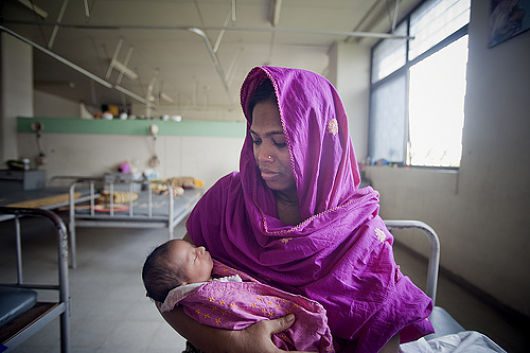
Before the storm, increasing amounts of Nepalese women were choosing to have their babies in health facilities — a choice that helped Nepal meet the United Nations Millennium Development Goal in the reduction of maternal mortality rates by three-quarters. Another major factor in the massive reduction of such rates is a decade-old decision to distribute misoprostol to women who need it. Misoprostol is a drug designed to treat stomach ulcers, but is also capable of terminating a pregnancy when taken early on, and preventing postpartum hemorrhage — the leading cause of maternal death — when taken after giving birth.

The decision to distribute the powerful drug as a means to decrease maternal mortality lacked international support largely because the hegemonic ideology is that the best way to improve maternal mortality rates is to invest in making health facilities more accessible. While the idea of creating hundreds of well-stocked and adequately staffed health centers that are available to all mothers is a good one and would certainly reduce maternal mortality rates, overall it is unrealistic for many developing countries. The reality is that in developing countries where there have been large government expenditures on improving facilities, maternal mortality rates have not improved as significantly as they have in Nepal.

Since the massive earthquake struck, expectant mothers face additional challenges and there is concern that the mortality rates could increase again. With the destruction of roads and many healthcare facilities, giving expectant mothers misoprostol makes even more sense.

Currently, distributing the misoprostol amidst the widespread destruction is a major issue in Nepal. Aid groups, such as Direct Relief, have been working with the International Confederation of Midwives (ICM) and the Midwifery Society of Nepal (MIDSON), to deliver midwife kits, tents and funds. The intervention program focuses on providing midwives and the tools that they require, including misoprostol, to give Nepalese mothers the best chance at having a healthy delivery.

When access to midwives and trained professionals is as severely limited as it is in Nepal, there needs to be a backup plan. Few countries have followed in Nepal’s footsteps but if Nepal’s success has been any indication, misoprostol could be an intermittent solution that could work for many developing countries. In time, we will see how Nepalese maternal mortality rates fare in the aftermath of the horrific disaster. If the low rates are upheld, perhaps the international community will reconsider responsible use of misoprostol to get countries maternal mortality rates down, until the large scale investments in facilities and infrastructure can be made.

– Emma Dowd

Sources: Economist, Foreign Policy, Military Technologies, Reuters
Photo: Women News Network

July 6, 2015
https://borgenproject.org/wp-content/uploads/borgen-project-logo.svg 0 0 Borgen Project https://borgenproject.org/wp-content/uploads/borgen-project-logo.svg Borgen Project2015-07-06 08:37:492024-05-27 09:25:18Fighting Maternal Mortality in Nepal with Misoprostol
Global Poverty

Taking Steps to Eliminate River Blindness

Taking Steps to Eliminate River Blindness
The Carter Center in Atlanta is working to make the eradication of river blindness a worldwide goal for the World Health Organization (WHO), as the WHO determines which diseases will appear on the world health agendas.

River blindness is caused by a parasite that is spread through the bites of black flies. The flies breed in and near fast flowing rivers, which is where the disease gets its name. The larvae of the parasite causes skin irritation, itching and a range of eye diseases, including blindness in the worst cases.

People in 36 countries are at risk for contracting river blindness. About 99% of the 17.7 million cases of larvae infection are from Africa. Nigeria is the most endemic country in Africa, with reportedly half of the world’s cases.

That is why Nigerian businessman Sir Emeka Offor gave the Carter Center $10 million to aid to eliminate river blindness in his home country. This is on top of the quarter million he donated several years back. This is a huge turning point in dealing with the disease.

The Carter Center has been working with the Nigerian Health Ministry for twenty years. The program uses community-based health education and administers the only drug that can treat river blindness, Mectizan. In fact, the company that makes Mectizan made a commitment to donate the drug until every case of river blindness is solved. The donation from Sir Offor means that the Carter Center can reach more people, especially those in difficult areas to reach. Coverage will increase, meaning that the Carter Center will be closer to reaching their goal of eliminating river blindness by 2020. In 2014, 7 million Nigerians were treated.

The Carter Center has already been successful in Latin America. Colombia was the first country to be declared free of river blindness in 2013, with Ecuador following  in 2014. Both Guatemala and Mexico are currently going through the verification process to be declared river blindness-free by the WHO. The only areas left to treat are hard-to-reach areas of the Amazon in Venezuela and Brazil.

If the Carter Center can prove with this latest donation that their program is successful in the most plagued country, Nigeria, on top of their success in Latin America, then the WHO will be more likely to join the movement and target river blindness as a disease to fight.

– Katherine Hewitt

Sources: AP News, Carter Center 1, Carter Center 2, Inside Philanthropy
Photo: GHIF

July 6, 2015
https://borgenproject.org/wp-content/uploads/borgen-project-logo.svg 0 0 Borgen Project https://borgenproject.org/wp-content/uploads/borgen-project-logo.svg Borgen Project2015-07-06 08:03:132024-06-05 03:46:35Taking Steps to Eliminate River Blindness
Page 1937 of 2178«‹19351936193719381939›»

Get Smarter

  • Global Poverty 101
  • Global Poverty… The Good News
  • Global Poverty & U.S. Jobs
  • Global Poverty and National Security
  • Innovative Solutions to Poverty
  • Global Poverty & Aid FAQ’s
Search Search

Take Action

  • Call Congress
  • Email Congress
  • Donate
  • 30 Ways to Help
  • Volunteer Ops
  • Internships
  • Courses & Certificates
  • The Podcast
Borgen Project

“The Borgen Project is an incredible nonprofit organization that is addressing poverty and hunger and working towards ending them.”

-The Huffington Post

Inside The Borgen Project

  • Contact
  • About
  • Financials
  • President
  • Board of Directors
  • Board of Advisors

International Links

  • UK Email Parliament
  • UK Donate
  • Canada Email Parliament

Get Smarter

  • Global Poverty 101
  • Global Poverty… The Good News
  • Global Poverty & U.S. Jobs
  • Global Poverty and National Security
  • Innovative Solutions to Poverty
  • Global Poverty & Aid FAQ’s

Ways to Help

  • Call Congress
  • Email Congress
  • Donate
  • 30 Ways to Help
  • Volunteer Ops
  • Internships
  • Courses & Certificates
  • The Podcast
Scroll to top Scroll to top Scroll to top