• Link to X
  • Link to Facebook
  • Link to Instagram
  • Link to TikTok
  • Link to Youtube
  • About
    • About Us
      • President
      • Board of Directors
      • Board of Advisors
      • Financials
      • Our Methodology
      • Success Tracker
      • Contact
  • Act Now
    • 30 Ways to Help
      • Email Congress
      • Call Congress
      • Volunteer
      • Courses & Certificates
      • Be a Donor
    • Internships
      • In-Office Internships
      • Remote Internships
    • Legislation
      • Politics 101
  • The Blog
  • The Podcast
  • Magazine
  • Donate
  • Click to open the search input field Click to open the search input field Search
  • Menu Menu

Archive for category: Global Poverty

Key articles and information on global poverty.

Aid, Education, Global Poverty, Refugees

12 Facts About the World’s Champion: Malala Yousafzai


Malala Yousafzai, the world’s youngest and most powerful champion for girls’ education, may soon be attending one of the most prestigious schools in the world: the University of Oxford. Back in March of this year, Yousafzai announced that she had received a conditional offer (based on her A Level grades) from Oxford and that she plans to attend the University. She plans to study philosophy, politics and economics (PPE), and work on her organization, the Malala Fund. To commemorate this outstanding individual, here are 12 facts about her life, her achievements and her organization.

12 Facts About Malala Yousafzai

  1. At the young age of 12, when her hometown of Swat was held by the Taliban in 2009, Yousafzai wrote for a BBC blog critiquing the hardline Islamic movement under a pseudonym, even while she and her father were receiving multiple death threats.
  2. Yousafzai was the first recipient of Pakistan’s National Youth Peace Prize.
  3. Archbishop Desmond Tutu, a world-renowned social rights activist and retired Anglican bishop, nominated Malala Yousafzai for the International Children’s Peace Prize in 2011.
  4. Yousafzai was an international figure by now, and Taliban leaders voted among themselves to kill her. On October 9, 2012, Malala’s school bus was attacked by a gunman. He broke through the door and demanded to know where Yousafzai was. When some of the girls looked her way, she was shot in the head.
  5. Miraculously, the 15-year-old survived the attack. She was flown to Birmingham, U.K., for treatment. Her attack was condemned worldwide, and, after protests in Pakistan, more than 2 million people signed a right to education petition. The petition became a bill later ratified by the National Assembly, making it Pakistan’s first Right To Free and Compulsory Education Bill.
  6. In 2013, Yousafzai and her father co-founded the Malala Fund, an organization that advocates at all political levels to ensure all girls complete 12 years of school.
  7. The Malala Fund currently has programs in Pakistan, Kenya, Nigeria and in various countries for Syrian refugees.
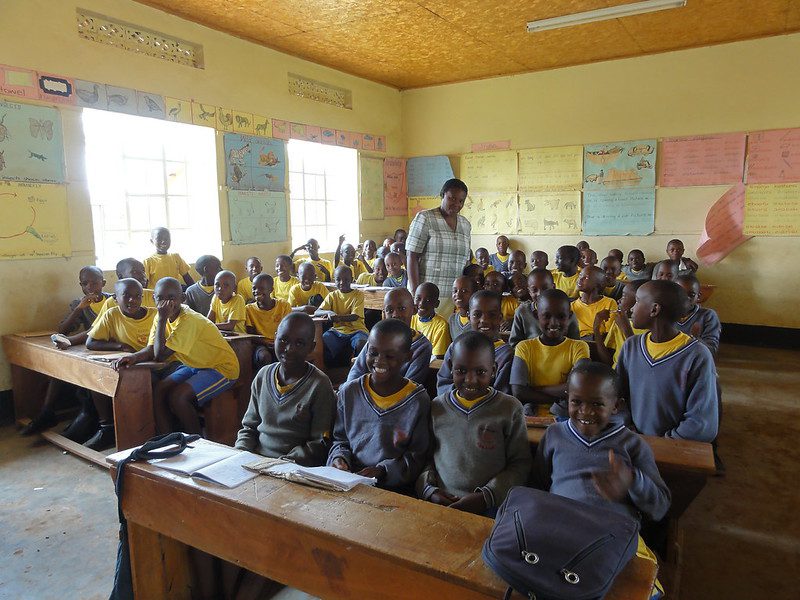
  8. In Pakistan, a country with the second-largest number of girls not in school, the program focuses on getting more girls in school, building schools, providing materials (books, uniforms, etc.) and grants for secondary schooling.
  9. In Kenya, a country quickly evolving into its digital era, the Malala Fund works to ensure girls can take advantage of the technology trend.
  10. In Nigeria, the organization helps girls who have escaped from Boko Haram get an education.
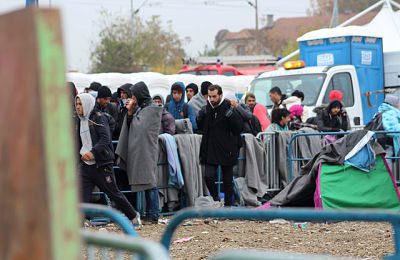
  11. For Syrian refugees in Jordan and Lebanon, the organization opens new schools and funds educational programs in safe refugee camps.
  12. In October 2014, Malala Yousafzai won the Nobel Peace Prize. At age 17, she is the award’s youngest recipient.

<

As Yousafzai continues to push for girls’ education around the globe, we should follow in her footsteps and do what we can do alleviate global poverty and ensure global education.

– James Hardison

Photo: Flickr

June 16, 2017
https://borgenproject.org/wp-content/uploads/borgen-project-logo.svg 0 0 Borgen Project https://borgenproject.org/wp-content/uploads/borgen-project-logo.svg Borgen Project2017-06-16 07:30:222024-12-13 17:58:0412 Facts About the World’s Champion: Malala Yousafzai
Aid, Developing Countries, Global Poverty

International Monetary Fund: Lending to Developing Nations


According to The Organization for Economic Co-operation and Development (OECD), in 2015, Japan spent 0.22 percent of its budget, about $9 billion, on development assistance. While developed countries spend an average of less than one percent of their budget on foreign aid, Japan’s generosity made it the fourth most generous nation of 2015.

A 2010 agreement with the International Monetary Fund (IMF), a Trustee of the Poverty Reduction and Growth Trust (PRGT), assures that Japan will lend $2.7 billion to secure a total of $8 billion gathered from other nations in new loan resources for low-income countries. The loan agreement was effective in April of 2017. This will allow the IMF to increase aid to low-income countries hit particularly hard in the current global economic crisis by providing more loans for recently reformed concessional lending facilities.

The PRGT has three facilities that work on the concessional financing framework. There are the Extended Credit Facility to provide flexible longer term support; the Standby Credit Facility to address short-term needs; and the Rapid Credit Facility to provide immediate emergency support. These facilities are in place to help countries with governments with low financial stability and a “protracted balance of payment problems.”

Additionally, a 2017 IMF press release reveals that Japan “agrees to provide additional $2.5 billion to International Monetary Fund’s Trust benefitting low-income member countries, bringing [its] total contribution to $5.2 billion.” This would be Japan’s fourth contribution to the PRGT. This makes Japan one of the first 10 countries to respond with an additional loan under the current campaign.

The money that countries like Japan lend ensures that receiving countries can be financed to fix struggling institutions. The loans enable rebuilding international reserves, stabilizing currency, paying for imports and overall economic growth. What makes the IMF different from other international lending or donating organizations is the fact that it does not lend money for specific projects.

Since 2005, the IMF’s goal has been to re-stabilize the world’s economy, which is in a a state of crisis unseen since the Great Depression. As a result, the IMF has created a flexible credit line for countries that show potential to put their economies back on track and implement strong policies to keep it that way. Countries like Japan can see a return on their investments while developing nations can continue to develop.

– Vicente Vera

Photo: Flickr

June 16, 2017
https://borgenproject.org/wp-content/uploads/borgen-project-logo.svg 0 0 Borgen Project https://borgenproject.org/wp-content/uploads/borgen-project-logo.svg Borgen Project2017-06-16 01:30:552020-04-18 13:09:09International Monetary Fund: Lending to Developing Nations
Disease, Global Poverty

10 Facts About H1N1

H1N1 Facts
The H1N1 virus, or “swine flu” as it’s commonly known, was a strain of influenza that became pandemic in 2009. In the subsequent years, the virus was one of the most prevalent concerns of the worldwide medical community. Though the virus has not been as prominent in recent years, it can still infect people and have drastic effects in some regions of the world.

Here are 10 facts about H1N1 influenza:

  1. H1N1 is commonly referred to as the “swine flu” due to its similarities with the flu virus that affects pigs in North America. Further study has shown that it is different than the other virus and carries two genes that normally occur in European and Asian pigs, birds and people.
  2. The virus spreads the same way as the regular seasonal flu virus. It is contagious and can be contracted through coughing, sneezing or even talking to someone carrying it. It can also be contracted through mouth or nose contact with something contaminated.
  3. The H1N1 influenza virus causes moderate to severe respiratory infections. Symptoms include fever, sore throat, cough, headache, chills and fatigue. Severe cases include bacterial pneumonia bronchitis, sinus infections and an increase in underlying conditions.
  4. H1N1 is most severe in infants, young children, the elderly and individuals with pre-existing chronic diseases. Mortality rates in people less than 65 are significantly higher than those associated with the common flu.
  5. People infected with H1N1 become contagious generally one day before showing symptoms and can continue to spread the virus for five to seven days after. Those with weaker immune systems, such as children, are generally contagious for longer.
  6. H1N1 can also affect various farm animals, including pigs and turkeys. Domestic animals such as dogs, cats and ferrets are also susceptible to the virus due to close contact with humans.
  7. It is estimated that more than half of the deaths caused by the H1N1 were in the Southeast Asian and African regions. This could be due in part to the quality of healthcare and limited availability of vaccines and medications.
  8. An estimated 105,700-395,600 people died due to respiratory complications attributed to H1N1 influenza during the first 12 months of the virus’s outbreak. This constitutes 0.001-0.007 percent of the world’s population.
  9. The virus was given pandemic status in 2009 after the disease spread rapidly throughout the U.S. and Mexico. It was announced to be in post-pandemic stages August 10, 2010. More than 200 regions across the globe have been affected by the virus.
  10. There have been more recent outbreaks of the disease. In 2015, India reportedly had over 31,000 people infected and 1,900 resulting deaths. There was a small outbreak in the Maldives in early 2017 with 185 reportedly having tested positive for the virus.

Vaccination is still the best protection against H1N1 influenza. Other measures can be taken, including hand washing, avoiding people showing symptoms and avoiding touching eyes, nose or mouth. It is also suggested to get vaccinated against the disease if traveling to an area where contracting H1N1 is a possibility.

– Drew Hazzard

Photo: Flickr

June 16, 2017
https://borgenproject.org/wp-content/uploads/borgen-project-logo.svg 0 0 Borgen Project https://borgenproject.org/wp-content/uploads/borgen-project-logo.svg Borgen Project2017-06-16 01:30:312024-12-13 17:58:0510 Facts About H1N1
Children, Global Poverty

The Psychology of Poverty: The Chicken or the Egg


Does poverty lead to a negative state of mind, or does a negative state of mind lead to poverty? Are the two connected at all? What role does psychology play in understanding poverty?

The psychology of poverty is another facet of poverty’s debilitating toll on individuals. An article by the Association for Psychological Science states that people who deal with “stressors” like poverty and discrimination are more susceptible to physical and mental disorders.

Studies have demonstrated that children who grow up poor have lesser amounts of gray matter in their frontal and parietal lobes. Poverty also affects the size of their hippocampus and amygdala, parts of the brain responsible for memory, learning and processing social and emotional information. Furthermore, children from poor families have decreased access to cognitive stimuli. Cognitive stimuli include things such as books, computers and other learning resources. These effects impede a child’s learning ability.

Psychology Problems Linked to Poverty

Living in poverty, especially persistent poverty, increases an individual’s likelihood of suffering from anxiety, depression and attention problems. These are complex symptoms that provide more barriers to escaping poverty.

Martha J. Farah, a University of Pennsylvania professor, says that studies have shown that many people think that those who are poor are poor because they do not try hard enough. She says that neurons should not be blamed, though.

Commenting on Carson’s statement about poverty as a state of mind, Gary Evans, a professor at Cornell University, said that “he’s correct in identifying that there’s this link [between the state of mind and poverty], but I think he’s got the relationships backward.”

The American dream mentality that encourages individuals to pull themselves up by their bootstraps and march onward towards a better life has merit in its promotion of perseverance. Its harms, especially when intermingled with poverty, lie in its tendency to individualize progress. In other words, it may frown upon outside help. Furthermore, it may diminish the complexity of poverty’s hold on households.

The psychology of poverty further demonstrates its complexities. And complex problems rarely have simple solutions. Poverty is a beast that must be tamed collaboratively with individual insight, community collaboration, a national passion and global innovation.

– Rebeca Ilisoi

Photo: Flickr

June 16, 2017
https://borgenproject.org/wp-content/uploads/borgen-project-logo.svg 0 0 Borgen Project https://borgenproject.org/wp-content/uploads/borgen-project-logo.svg Borgen Project2017-06-16 01:30:302020-04-18 13:09:57The Psychology of Poverty: The Chicken or the Egg
Global Poverty

10 Facts About Healthcare in the Philippines

Healthcare in the Philippines
The World Health Organization (WHO)  labels a healthcare system as “well-functioning” if it provides impartial access to quality healthcare regardless of pay dimensions while protecting them from financial consequences of poor health. Healthcare in the Philippines does not meet these set standards.

Top 10 Facts on Healthcare in the Philippines

  1. The WHO refers to the Filipino Healthcare System as “fragmented.” There is a history of unfair and unequal access to health services that significantly affects the poor. The government spends little money on the program which causes high out of pocket spending and further widens the gap between rich and poor.
  2. Out of the 90 million people living in the Philippines, many do not get access to basic care. The country has a high maternal and newborn mortality rate, and a high fertility rate. This creates problems for those who have especially limited access to this basic care or for those living in generally poor health conditions.
  3. Many Filipinos face diseases such as Tuberculosis, Dengue, Malaria and HIV/AIDS. These diseases pair with protein-energy malnutrition and micronutrient deficiencies that are becoming increasingly common.
  4. The population is affected by a high prevalence of obesity along with heart disease.
  5. Healthcare in the Philippines suffers from a shortage of human medical resources, especially doctors. This makes the system run slower and less efficiently.
  6. Filipino families who can afford private health facilities usually choose these as their primary option. Private facilities provide a better quality of care than the public facilities that lower income families usually go to. The public facilities tend to be in rural areas that are more run down. These facilities have less medical staff and inferior supplies.
  7. Only 30 percent of health professionals employed by the government address the health needs of the majority. Healthcare in the Philippines suffers because the remaining 70 percent of health professionals work in the more expensive privately run sectors.
  8. To compensate for the inequality, a program called Doctors to the Barrios and its private sectors decided to build nine cancer centers, eight heart centers and seven transplant centers in regional medical centers.
  9. The Doctors to the Barrios included Public-Private Partnerships in a plan to modernize the government-owned hospitals and provide more up to date medical supplies.
  10. More than 3,500 public health facilities were updated across the country.

Although advances have been made to improve healthcare in the Philippines, there are still many issues that the country has yet to overcome to achieve a high quality, cost efficient healthcare system.

– Katelynn Kenworthy

Photo: Flickr

June 16, 2017
https://borgenproject.org/wp-content/uploads/borgen-project-logo.svg 0 0 Borgen Project https://borgenproject.org/wp-content/uploads/borgen-project-logo.svg Borgen Project2017-06-16 01:30:062024-06-05 04:37:5610 Facts About Healthcare in the Philippines
Disease, Global Poverty

10 Important Facts About Zoonoses and Initiatives Against Them


Zoonoses are diseases transferable between animals and humans. Zoonoses, or zoonotic diseases, have been recognized and studied for hundreds of years and remain a major concern for health and quality of life. Below are ten facts about zoonoses.

10 Important Facts About Zoonoses and Initiatives Against Them

  1. More than 200 zoonotic diseases have been identified. They are categorized by their causative pathogenic agent: bacteria, parasites, fungi and viruses.
  2. There are several ways that zoonotic diseases can spread. One method is through direct interaction with an infected animal or vector, such as a tick or mosquito. Direct contact occurs through bites, contact with fluids or excrements or even just petting an animal. Another means is through indirect contact. This is interacting with a medium such as soil, food or water that has been contaminated.
  3. Sixty percent of all human infectious diseases are considered zoonoses. An estimated 75 percent of emerging infectious diseases, which are infectious diseases that have been on the rise in recent decades, are transmitted from animals; examples include Ebola, HIV and influenza.
  4. The integrated effort to study interactions between animals, health and the environment is a field known as One Health. One Health examines the risks faced in both animal and human health, how they are influenced by their surrounding ecosystem and the resulting interactions that take place.
  5. Different zoonoses are more common in certain populations based on their typical interactions with livestock and the surrounding environment. Zoonotic diseases like trypanosome (sleeping sickness) and brucellosis, both of which are typically found in livestock, tend to occur in adults who occupationally engage with livestock. Often these individuals provide a great deal of support to their family, and the contraction of a zoonotic disease has serious effects, sometimes exacerbating the family’s poverty.
  6. The prevalence of zoonoses is not concentrated only in rural areas that rely on livestock or have unsanitary water; those living in urban slums also have a high risk of contracting a zoonotic disease due to the prevalence of animals that are not vaccinated or dewormed and unsanitary conditions. Because of the concentrated population and unsanitary living conditions in urban slums, those in urban poverty are also likely to contract multiple zoonotic diseases.
  7. Those in poverty are less likely to receive treatment for zoonoses. A large majority of the population that is at high risk for contracting zoonotic diseases lives in isolated rural areas far away from treatment facilities. Those in poverty often do not have access to diagnostic facilities or cannot afford the expense of laboratory work and tests necessary to diagnosis a zoonosis. Additionally, high-quality treatment for zoonoses are often expensive and in short supply; more affordable medication is often less effective and has serious side effects.
  8. One of the largest threats caused by zoonoses is food insecurity as a result of a loss of livestock due to disease and antimicrobial resistance. Antimicrobial resistance occurs in both animals and humans from the excessive or improper use of antimicrobial agents. Healthy animals are essential for the work and livelihood of millions of people around the globe as well as for food security.
  9. Addressing zoonoses is an essential component of global security. Eighty percent of agents that are deemed to have a potential for use in bioterrorism are zoonotic pathogens. The World Organization for Animal Health (OIE) encourages strong health monitoring systems for proper surveillance and prevention of zoonotic pathogens from being used as weapons.
  10. The OIE has several initiatives to reduce zoonoses worldwide. In 2011 rinderpest was eradicated. Currently, the OIE is focused on stamping out of foot and mouth disease, rabies and peste des petits ruminants. They have also established the World Animal Health Information System (WAHIS), which allows for global transparency, quicker notification of infectious outbreaks and easier access to health experts. Currently, 114 countries have reports posted on WAHIS.

Zoonoses are an important public health issue that requires multidisciplinary collaboration and strong health care systems. While they disproportionately affect those in poverty, these 10 facts on zoonoses outline the far-reaching effects of these pathogens and their relevance in all populations. Advocating for further attention to zoonotic diseases is an important public health initiative.

– Nicole Toomey

Photo: Flickr

June 15, 2017
https://borgenproject.org/wp-content/uploads/borgen-project-logo.svg 0 0 Borgen Project https://borgenproject.org/wp-content/uploads/borgen-project-logo.svg Borgen Project2017-06-15 07:30:522024-05-28 00:02:0810 Important Facts About Zoonoses and Initiatives Against Them
Disease, Global Poverty

Top Diseases in Armenia


The country of Armenia, or the Republic of Armenia, is a sovereign state in the South Caucus region bordered by Turkey to the west, Georgia to the north, Azerbaijan to the east and Iran to the south. The Armenians are a rich and storied people dating back to antiquity.

Armenia has acted as a purely autonomous region since regaining independence from the Soviet Union after the fall of the communist party. Since the dissolution of the USSR, Armenia has had difficulties in maintaining quality healthcare for certain diseases due to a difficult transition from a centrally planned to a market economy. Due to this new economic redirection, the current healthcare system skews more toward funding hospital interventions, leaving little funding for community projects. Because of this, various communicable and non-communicable diseases have had a major impact on the people in this region. Here is a list of the top diseases in Armenia.

Non-communicable diseases

Like many countries in Europe, the most common cause of death due to illness is non-communicable diseases. Some of these diseases include cardiovascular disease, cancer, diabetes, chronic respiratory disease and musculoskeletal conditions. These all add up to a substantial fatality rate in the nation. Approximately 50 percent of deaths were caused by cardiovascular diseases and 74 percent resulted from combined symptoms (cardiovascular, neoplasms and diabetes mellitus) in 2013.

Malaria

Malaria is a disease spread by infectious mosquitos. It exhibits symptoms such as fever, vomiting and fatigue and can be fatal. Armenia was given malaria-free status in 2011 but has had a difficult time fighting the disease throughout the years. Thousands of people were infected between 1920 and 1930, and 200,000 cases were reported in 1934. Armenia was given malaria-free status in 1963 after years of fighting the disease. After the dissolution of the USSR, however, malaria resurfaced in 1994 and numbers peaked at 1156 in 1998. Cases have steadily decreased since, but malaria and yellow fever are still the top diseases in Armenia to look out for on the Center for Disease Control travel page.

Familial Mediterranean Fever

One of the top diseases in Armenia, Familial Mediterranean Fever (FMF) is hereditary and only affects individuals from the region. This disease is most common in people with Sephardic Jewish, Armenian, Arab and Turkish backgrounds. People infected generally exhibit recurrent cases of fever, abdominal inflammation, lung inflammation, swollen joints and a characteristic ankle rash. Severe cases of the disease can cause inflammation surrounding the heart (pericarditis) and swelling of the membrane surrounding the brain or spinal cord (meningitis). According to a report from the National Human Genome Research Institute, approximately one in every 200 people with one of these particular backgrounds has FMF. There is currently no cure for the disease.

Though there is still much work to do, Armenia has made significant strides in retooling its healthcare system. With the implementation of positive reforms, these top diseases in Armenia could be controlled or eliminated in the future.

– Drew Hazzard

Photo: Flickr

June 15, 2017
https://borgenproject.org/wp-content/uploads/borgen-project-logo.svg 0 0 Borgen Project https://borgenproject.org/wp-content/uploads/borgen-project-logo.svg Borgen Project2017-06-15 07:30:512024-05-28 00:02:13Top Diseases in Armenia
Education, Global Poverty

Fighting the Denial of Education for Blind People in India


Education is considered a fundamental human right, and yet most blind Indians are denied access to basic education. As a result, teaching professionals in India and nonprofits such as Sightsavers are taking action to ensure that blind people in India get the education they deserve.

India is home to the largest blind population on the planet. These 15 million blind people in India are often denied basic rights, as a majority of them live in poverty. According to experts, blindness is a major contributor to the poverty cycle. It is believed that there are currently more than two million blind children in India who are vulnerable to illiteracy and poverty, but only five percent of them receive any type of education.

The National Association for the Blind (India) states that it is working every day to bring more educational opportunities to blind people in India. In partnership with local volunteer organizations, NAB (India) has been able to initiate education for more than 5,000 children with vision loss. Additionally, NAB (India) tries to provide free Braille kits for blind students and is implementing a training center for teachers of those with vision loss.

Many blind Indians note that proper education has been one of the most important contributors to their success. National Geographic did a piece on an inspiring school in India that prepares blind youth for life. In this piece, the headmaster of a blind school in India states that “most of the visually impaired children come from such families where they are very, very neglected… as they’re neglected, we try to provide them love and affection [and] at the same time a training program to make them contributing to their family.”

A non-profit called Sightsavers is also working closely with schools and teachers in order to optimize curricula for blind children in India. Tools and technology are crucial to the success of a blind child’s education. These include physical aids (white canes, materials in Braille, etc.) and technology that is low-vision friendly. As a member of the Global Campaign for Education, Sightsavers works with local partners, where they help provide proper education materials and revise disability curricula. Sightsavers’ work ranges from one-on-one help all the way to regional advocacy.

Education is not only important to the success of blind people in India, but also a way to end vicious poverty cycles and bring about long-term happiness.

– Morgan Leahy

Photo: Flickr

June 15, 2017
https://borgenproject.org/wp-content/uploads/borgen-project-logo.svg 0 0 Borgen Project https://borgenproject.org/wp-content/uploads/borgen-project-logo.svg Borgen Project2017-06-15 07:30:402020-04-18 13:11:23Fighting the Denial of Education for Blind People in India
Development, Global Poverty, Hunger

Hunger in the Czech Republic


Household incomes in the Czech Republic have increased after recovering from two recessions in the past decade. As a result, both poverty and hunger rates have dropped.

In 2016, the Czech Statistical Office (CSU) reported that about one-tenth, or 1.02 million people, in the Czech Republic live below the poverty line. Those citizens are dying at a rate of rate of .48 per 100,000 from malnutrition, ranking them 125 out of 172 countries for life expectancy rate.

In 2006, the depth of hunger, which indicates how many food-deprived people fall short of minimum food needs was reported to be 200, where anything under 200 is considered very low. The malnutrition prevalence for children less than five years for that year was 2.6 percent, with malnutrition defined as a person’s weight for age being more than two standard deviations below the median for the international reference population. In 2007, this rate had almost doubled to five percent.

The 2008 recession impacted all areas of society in the Czech Republic, especially those suffering from hunger. That year the country reported a 120 on the depth of hunger scale, a considerable decrease from 2006. The malnutrition prevalence also decreased to a mere 2.1 percent.

The bouncing rate of hunger in the Czech Republic could be a result of economic rise and fall.

Currently, the country’s economy is growing at a rate of 2.2 percent, a decrease from 4.7 in 2015. However, this rate remains steady due to the Czech Republic’s link to the Eurozone, low global commodity prices and the relaxed pricing policy of the Czech National Bank, helping to stabilize the Czech economy.

Current statistics of hunger in the Czech Republic are unavailable, but the Czech Republic has one of the lowest poverty rates in the EU. This alone foreshadows a bright future regarding the ongoing rate of hunger in the Czech Republic, that only time will accurately tell.

– Amira Wynn

Photo: Flickr

June 15, 2017
https://borgenproject.org/wp-content/uploads/borgen-project-logo.svg 0 0 Borgen Project https://borgenproject.org/wp-content/uploads/borgen-project-logo.svg Borgen Project2017-06-15 07:30:002024-05-28 00:02:12Hunger in the Czech Republic
Disease, Global Poverty

Major Diseases in Croatia: Mostly Non-Communicable


Croatia is one of the smaller countries in the world with just over four million people currently living in the country. The average life expectancy in Croatia is 77 years, which is higher than the average life expectancy worldwide, which is 71 years according to the Institute for Health Metrics and Evaluation. Females are expected to live longer than the males in Croatia. The most major diseases in Croatia mostly contribute to deaths from an older age group.

The top two causes of deaths in Croatia pertain to the heart and the vascular system. Topping the list is ischemic heart disease (IHD), which caused 12 percent more deaths in 2015 than in 2005. IHD is the leading cause of premature death in Croatia, and it has held this spot for more than 10 years. In this way, IHD has become quite a large problem for Croatia. The second-highest cause of death in the country is cerebrovascular disease; it has maintained the second spot for years as well.

Cancer holds the next few spots on the list of top diseases in Croatia. One disease which has risen in prevalence in Croatia is Alzheimer’s disease, which kills 45 percent more people in the country than it did in 2005. Alzheimer’s has affected many people around the world, and it is now on the rise in Croatia as well. It has risen one spot on the list from fifth place to fourth place in the span of 10 years.

Rounding out the list of top diseases in Croatia is COPD, hypertensive heart disease, falls, diabetes and breast cancer. Falls are the only entry on the list that is an injury; the rest are non-communicable diseases. The most prevalent communicable disease on the list is the 14th entry: lower respiratory infections.

Risk factors in Croatia that can cause some of these diseases to begin or persist include dietary risks, high blood pressure and tobacco, alcohol and drug use, among others. These are major risks behind the list of premature and preventable deaths in Croatia.

When traveling to Croatia, there are many vaccines that should be up-to-date or received for the first time weeks in advance of the trip. These vaccines include those for hepatitis A and B, as well as the rabies vaccine.

The most prevalent diseases in Croatia mirror some of the major diseases found in other countries around the world. Cancers and heart diseases are some of the highest causes of death and disease worldwide. This is a trend that needs to be taken seriously, along with every other disease on the list.

– Brendin Axtman

Photo: Flickr

June 15, 2017
https://borgenproject.org/wp-content/uploads/borgen-project-logo.svg 0 0 Borgen Project https://borgenproject.org/wp-content/uploads/borgen-project-logo.svg Borgen Project2017-06-15 01:30:532024-05-28 00:02:07Major Diseases in Croatia: Mostly Non-Communicable
Page 1661 of 2164«‹16591660166116621663›»

Get Smarter

  • Global Poverty 101
  • Global Poverty… The Good News
  • Global Poverty & U.S. Jobs
  • Global Poverty and National Security
  • Innovative Solutions to Poverty
  • Global Poverty & Aid FAQ’s
Search Search

Take Action

  • Call Congress
  • Email Congress
  • Donate
  • 30 Ways to Help
  • Volunteer Ops
  • Internships
  • Courses & Certificates
  • The Podcast
Borgen Project

“The Borgen Project is an incredible nonprofit organization that is addressing poverty and hunger and working towards ending them.”

-The Huffington Post

Inside The Borgen Project

  • Contact
  • About
  • Financials
  • President
  • Board of Directors
  • Board of Advisors

International Links

  • UK Email Parliament
  • UK Donate
  • Canada Email Parliament

Get Smarter

  • Global Poverty 101
  • Global Poverty… The Good News
  • Global Poverty & U.S. Jobs
  • Global Poverty and National Security
  • Innovative Solutions to Poverty
  • Global Poverty & Aid FAQ’s

Ways to Help

  • Call Congress
  • Email Congress
  • Donate
  • 30 Ways to Help
  • Volunteer Ops
  • Internships
  • Courses & Certificates
  • The Podcast
Scroll to top Scroll to top Scroll to top