• Link to X
  • Link to Facebook
  • Link to Instagram
  • Link to TikTok
  • Link to Youtube
  • About
    • About Us
      • President
      • Board of Directors
      • Board of Advisors
      • Financials
      • Our Methodology
      • Success Tracker
      • Contact
  • Act Now
    • 30 Ways to Help
      • Email Congress
      • Call Congress
      • Volunteer
      • Courses & Certificates
      • Be a Donor
    • Internships
      • In-Office Internships
      • Remote Internships
    • Legislation
      • Politics 101
  • The Blog
  • The Podcast
  • Magazine
  • Donate
  • Click to open the search input field Click to open the search input field Search
  • Menu Menu

Archive for category: Global Poverty

Key articles and information on global poverty.

Development, Global Poverty, Technology

Hakainde Hichilema’s Push for Digital Inclusion in Zambia

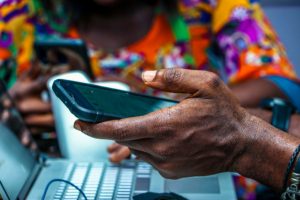
Hakainde Hichilema’s Push for Digital Inclusion in Zambia At the start of 2024, roughly two-thirds of Zambia’s population lacked reliable access to the internet, highlighting a critical barrier to national development. In light of this issue, Hakainde Hichilema, the president of Zambia, has established ambitious goals to connect his nation to the internet and bring Zambia into the digital age. President Hichilema and his government aim for 80% digital inclusion in Zambia by 2026.

What is Digital Inclusion?

Digital inclusion encompasses more than just internet access. It integrates digital literacy training to navigate the internet, high-quality tech support and access to applications that maximize the utility of internet access. Digital inclusion also incorporates measures that combat poverty. For example, easier access to job opportunities that someone without internet access might not discover. President Hichilema has diligently worked to tackle poverty in Zambia by enhancing digital connectivity through a variety of measures.

Hakainde Hichilema and Key Government Initiatives

Hakainde Hichilema has been the leader of Zambia’s United Party for National Development since 2006. He grew up in a rural community in the Monze District of Zambia, a region that he is now helping gain widespread access to reliable internet. His presidency is committed to pioneering how Zambia’s government can fight poverty by improving digital connectivity.

While running for president, he focused on education, jobs and digital inclusion in Zambia. His plan to improve digital inclusion in Zambia includes tax incentives, improvements to digital infrastructure, partnerships with companies for access to satellites, foreign partnerships with wealthier nations and building a free wi-fi network that all Zambians, including the poor, can take advantage of.

The details of these initiatives are as follows:

  • Taxes. President Hichilema has instituted tax waivers on ICT equipment to spur private sector investment. This has yielded $54 million in investment. As companies invest capital in the country, it stimulates the economy. In the long term, it fosters a tax base that can subsequently fund various social programs that address poverty and assist those most in need.
  • Infrastructure. Zambia’s government plans to link itself to all eight of its neighboring countries via high-capacity optic fiber cables. This is in addition to the 379 communication towers Zambia plans to erect, primarily in rural areas. Zambia has also launched a 5G network through collaboration with MTN and Huawei. These measures will greatly improve Zambia’s Wi-Fi network infrastructure, linking every citizen nationwide to the internet and enabling them to obtain information that was once inaccessible.
  • Satellites. Zambia has collaborated with Starlink to deliver affordable internet services to underserved communities. Through this collaboration, many rural communities now access the internet at public libraries, schools and hospitals. Starlink’s satellites provide internet access to hospitals, empowering them to acquire up-to-date information regarding medications or new health guidelines. Doctors can communicate with patients via online communication platforms. This allows them to support their patients should any issues arise after visits. This system closely mirrors practices in the United States (U.S.), where a doctor remains accessible weeks after a visit if issues emerge.
  • National Free Wi-Fi. ZamFree is an initiative to extend free Wi-Fi to Zambians in key public spaces, including markets, schools, airports and hospitals. Liquid Telecom, another organization working to broaden Wi-Fi access in Zambia, champions Hichilema’s plan to link 1,291 secondary schools to the internet. Free Wi-Fi narrows the divide between the rich and the poor. Individuals experiencing poverty can leverage the internet to participate in job training programs or enroll in school. As their skillset grows, they can secure employment and address workforce gaps more easily.
  • International Partnerships. The African Development Bank has considered establishing its headquarters in Zambia. This would not only generate jobs but also transform Zambia into a major hub for expanding internet access across much of Africa. President Hichilema has also initiated collaboration with the Czech Republic. The aim is to establish scholarships for professionals specializing in IT, AI and cybersecurity. These partnerships strengthen Zambia’s relationship with countries worldwide, enhancing diplomacy.

Ending Poverty with the Use of Digital Tools

Improvements to internet infrastructure in Zambia carry the potential to fight poverty by improving digital connectivity and empowering more people to utilize the internet. Indeed, doctors in hospitals can leverage the internet to reach patients, extending health care access to those facing unreliable transportation or mobility issues. Teachers can engage students across all levels of education, from pre-K through college. Overall, these examples, among many others, highlight the potential to fight poverty through improved digital inclusion in Zambia.

– Jeff Mathwig

Jeff is based in Philadelphia, PA, USA and focuses on Global Health and Politics for The Borgen Project.

Photo: Flickr

June 30, 2025
https://borgenproject.org/wp-content/uploads/borgen-project-logo.svg 0 0 Precious Sheidu https://borgenproject.org/wp-content/uploads/borgen-project-logo.svg Precious Sheidu2025-06-30 01:30:532025-06-30 01:08:19Hakainde Hichilema’s Push for Digital Inclusion in Zambia
Education, Global Poverty, Women's Rights

Millie Bobby Brown Champions Girls’ Rights and Education in Brazil

Millie Bobby Brown Champions Girls' Rights and Education in Brazil Actress Millie Bobby Brown met with young adolescent girls in one of São Paulo’s most under-resourced districts, according to the United Nations Children’s Fund (UNICEF), to address key issues in girls’ rights and education in Brazil. 

From Screen Star to Global Advocate

Brown rose to international fame as the lead in Netflix’s “Stranger Things,” but off-screen, she has become an influential voice. According to UNICEF, she became UNICEF’s youngest-ever Goodwill Ambassador at age 14 in 2018. As a UNICEF Goodwill Ambassador, Brown has used her global platform to speak out on issues ranging from child poverty and online bullying to girls’ education and mental health.

According to UNICEF, Brown visited the Cidade Tiradentes district in March 2025 to listen to problems associated with girls’ rights and education in Brazil. Some of these include girls’ experiences with gender-based violence, school dropout, period poverty and limited access to job opportunities. 

“We talked about the importance of supporting each other through our respective challenges and I wanted them to feel empowered to make decisions about their future,” Bobby said in an interview with UNICEF.

Her experiences with public scrutiny and online harassment have helped shape a more empathetic approach to her advocacy. According to UNICEF, Brown has previously spoken out about her bullying experiences in school.

Issues Facing Girls’ Rights and Education in Brazil

According to UNICEF, there are limitations when it comes to adolescent girls’ rights and education in Brazil. Period poverty, which is a lack of access to feminine supplies and information about menstrual cycles, decreases school participation and affects more than 10 million girls in Brazil.

Violence continues to be a major concern in Brazil, with a report of sexual violence occurring every eight minutes against a girl in 2028. Additionally, in 2020, 14% of all births in the country were to adolescent mothers. This frequently results in disruptions to their education and long-term economic challenges, per UNICEF reports.

Between January and September of 2024, approximately 3,060 girls lost their lives to violence in Brazil, according to Human Rights Watch (HRW). Only about one-third of these cases were officially classified by police as femicides. Brazilian law defines femicides as “killings on account of being persons of the female sex.”

Human Rights Watch reports that some groups have exploited the digital rights of girls. Between November 2023 and April 2024, more than 80 girls reported seeing their manipulated photos on social media. These photos were “sexually explicit deepfakes of them.”

Brown’s On-the-Ground Engagement

Brown visited a school, painted a mural with students and also played capoeira, a traditional Brazilian game, during a physical education class. Brown also met with staff to learn about UNICEF’s Active School Search project. This project can assist in locating children who are not attending school. It can also provide them with the proper resources and guidance needed to help re-enroll them to continue their education.

Among the girls Brown spoke to was 14-year-old Kizzy. Kizzy told UNICEF that school is very important for anyone living in a marginalized area. “Having the school as a source of support for students is essential and always putting the students first is very important,” Kizzy told UNICEF.

According to Microsoft Network (MSN), Brown also engaged in meaningful discussions with the teacher to stress the need for supporting children living in vulnerable conditions. She focused on encouraging a cooperative effort to tackle both educational and social issues affecting the Brazilian community.

Recognizing the perspective of the students, she reassured them that their desire for knowledge about their bodies deserves immediate attention. “We are the change that the school needs and the community needs,” Brown said. 

UNICEF Brazil Representative Youssouf Abdel-Jelil described Brown as an “inspiration to girls in Brazil and around the world.” Brown’s work left a lasting impact on those she encountered, according to MSN, strengthening UNICEF’s commitment to advancing children’s rights and instilling a sense of hope and resilience in the next generation.

– Clarissa Dean

Clarissa is based in Bowling Green, KY, USA and focuses on Good News and Celebs for The Borgen Project.

Photo: Flickr

June 30, 2025
https://borgenproject.org/wp-content/uploads/borgen-project-logo.svg 0 0 Precious Sheidu https://borgenproject.org/wp-content/uploads/borgen-project-logo.svg Precious Sheidu2025-06-30 01:30:192025-06-30 01:16:11Millie Bobby Brown Champions Girls’ Rights and Education in Brazil
Development, Global Poverty

Vocational Education Centers in Myanmar

Vocational Education Centers in Myanmar Known as the Golden Land, Myanmar is a vibrant country that is home to 135 different racial groups. The country is actively taking action to bridge the notable skills gap in its workforce. This challenge has led to underqualified citizens in the market. To prevent this issue from getting worse, vocational education centers are being developed in Myanmar, expanding access to training for all Myanmarese citizens.

Vocational Education Centers in Myanmar

The Swiss nongovernmental organization (NGO), Helvetas, partners with organizations in Yangon, Myanmar, to provide medical and humanitarian aid to disadvantaged families. It works to improve family incomes and expand education opportunities. Helvetas shares deep connections with the United States (U.S.) to strengthen networking.

In 2024, 295 implemented projects granted 4.9 million citizens a sustainable life. These projects consisted of skills training, trade marketing, farming and fishing. Some vocational education centers were developed digitally to ensure education access, especially during the COVID-19 Pandemic.

Recent annual tracer studies show that 80% of graduates are employed or self-employed. Helvetas provided digital learning courses that consist of small animations and training videos to meet people’s needs. Women, more specifically, enroll in these courses as they offer more flexibility. These courses monitor people’s progress and make interactions more motivating. 

Government Efforts Through DTVET

The Department of Technical and Vocational Education and Training (DTVET) has led impactful initiatives that have benefited the Myanmar population. It has provided socio-economic advancement opportunities to help workers develop their skills. It seeks to reform international TVET proficiency in methodology and government tech practices. The department aims to link vocational training in high schools and universities to prioritize operational and business needs. Its focus on formal education nurtures a child’s growth and knowledge. Its main objective is to expand education accessibility and support employment opportunities and capital income.

CVT’s Role in Advancing Leadership

The Center for Vocational Training (CVT) opened in 2002, providing access to high-quality education. This education has included various apprenticeships and collaborations with local institutions. Both Germany and Switzerland made efforts to foster the center. The CVT has galvanized approximately 1,502 graduates who earned their diplomas or dual apprenticeship diplomas within one to three years.

Additionally, around 1,164 individuals received short vocational training certificates and 1,068 postgraduates also earned their certificates. Many of these students went on to achieve leadership roles in industry. The CVT inspired the creation of nonprofit social enterprises that focus on advocacy, food security and empowerment. This, in turn, has influenced the Directorate of Investment and Company Administration to build a provincial expert team.

Looking Ahead

Myanmar is actively forging a brighter future, focusing on industrialization and instilling hope and optimism in its people. Through impactful initiatives like vocational centers, many students, including adults, are becoming capable leaders within the nation. With the support of digital vocational training from Helvetas and the integration of education classes in schools, Myanmar is laying a foundation for progress. Ultimately, these strategic goals could guide Myanmar toward a balanced and prosperous future.

– Janae Bayford

Janae is based in Centennial, CO, USA and focuses on Good News and Technology for The Borgen Project.

Photo: Flickr

June 29, 2025
https://borgenproject.org/wp-content/uploads/borgen-project-logo.svg 0 0 Precious Sheidu https://borgenproject.org/wp-content/uploads/borgen-project-logo.svg Precious Sheidu2025-06-29 07:30:502025-06-29 03:00:15Vocational Education Centers in Myanmar
Agriculture, Food Insecurity, Global Poverty, Technology

Technologies to Prevent Food Insecurity in Morocco

Technologies to Prevent Food Insecurity in Morocco In 2024, Morocco suffered a 50% decrease in its wheat harvests, compared to the previous year, leaving many farmers and rural labourers without work or income. Although Morocco has always battled droughts and water shortages, the effects have become more apparent in the past decade. According to ROPUR, 40% of the Moroccan workforce participates in agricultural activities, with 137,000 jobs lost to the drought in 2024.

The lack of rainfall and reservoirs affects not just the rural populations in the most barren parts of Morocco, but also urban centers such as Rabat, which came close to a total dry up in 2023. Despite the inevitable threat of a water shortage in the country, foreign investors have partnered with scientists from Mohammed VI Polytechnic University to utilize technology in reducing the economic and health consequences associated with droughts and food insecurity.

Agritech and the Green Generation Strategy

A particular project that has worked effortlessly to solve food insecurity in Morocco is Agritech. The Green Generation Strategy (2020-2030), set out by King Mohammed VI, aims to modernise the Moroccan agricultural sector of the economy, not only to boost exports, but also to support the 73% of people living in rural Morocco who work in agriculture. 

As a product of this 10-year strategy, Agritech aims to provide precise and timely information to farmers through a mixture of satellite-based imagery, drones and artificial intelligence in order to help the sector better prepare for droughts. 

Al Moutmir: Irrigation and Job Creation

Agriculture in Morocco accounts for 14% of GDP, meaning slight shifts in the climate during growing seasons can have catastrophic consequences for locals. Among the frequent effects of climate shifts is a reduction in the rural labor force. However, through technological innovation, projects such as Al Moutmir have overcome some of these challenges.

Through its gravity-fed irrigation systems, some farmers have been able to reduce their field water losses from 40% to just 15%. In addition, the umbrella strategy that Al Moutmir forms a part of – Le Plan Maroc Vert –has created an additional 342,000 jobs since its inception in 2008. 

Sand to Green and Terraa

While organizations and partnerships in Morocco have taken direct action on combating food insecurity and water shortages, a hybrid of both physical and virtual uses of technology has benefited farmers. For example, Sand to Green uses technology to insert green spaces into previously arid lands or solar-powered desalination methods to increase the flow of appropriate water for agriculture.

Terraa, on the other hand, is a digital network that farmers use to distribute their products efficiently and cost-effectively so as to avoid waste in times of surplus. Through the combination of the two, farmers can work toward a more stable harvest, all the while selling their produce for a price that is fair for their work. As such, the Moroccan agricultural sector reinforces itself in the long term and expands its GDP. 

Looking Ahead

Although droughts are an inevitable reality in Morocco, state-of-the-art technology allows small and large-scale farmers to prepare for the worst. Although Morocco may seem like a distant country, 34% of Moroccan exports to the U.K. are fruits and vegetables, meaning a stable agricultural industry in Morocco leads to a consistent supply for British consumption. 

– Alfie Williams-Hughes

Alfie is based in Nottingham, UK and focuses on Business and Politics for The Borgen Project.

Photo: Flickr

June 29, 2025
https://borgenproject.org/wp-content/uploads/borgen-project-logo.svg 0 0 Precious Sheidu https://borgenproject.org/wp-content/uploads/borgen-project-logo.svg Precious Sheidu2025-06-29 07:30:142025-06-29 03:08:11Technologies to Prevent Food Insecurity in Morocco
elderly poverty, Global Poverty

Elderly Poverty in The Gambia


Elderly Poverty in The GambiaAlthough Gambians aged 60 and above make up just 3% of the population, they face a disproportionately high risk of poverty, food insecurity and poor health outcomes — and the systems meant to support them are shrinking. Elderly poverty in The Gambia is a significant challenge, which makes up about 3.0% of the total population according to the Gambia Bureau of Statistics. HelpAge International reports that traditional family care systems in West Africa are weakening due to urban migration and economic hardship. This shift leaves many elderly Gambians vulnerable to poverty, food insecurity and limited access to basic services.

Health Care Access Challenges

One of the most critical problems for the elderly in The Gambia is limited access to health care. The country has about 0.1 physicians per 1,000 people according to World Bank health statistics. This is among the lowest rates globally, reflecting a severe shortage of medical professionals. Elders with chronic health conditions—such as hypertension and diabetes—often go without proper diagnosis or treatment, especially those living in rural areas far from medical centers.

Many elderly people in The Gambia live in the aforementioned rural areas where access to health care facilities is limited. Geographic barriers and lack of affordable transportation make it difficult for seniors to reach medical centers. These challenges often result in delayed treatment or no treatment at all. Financial constraints further worsen health care access. Many elderly Gambians lack health insurance or steady income and rely on out-of-pocket payments to cover medical expenses which can be prohibitively expensive.

Social Protection Initiatives

The Gambian government, with support from international partners, continues to strengthen social protection systems to support vulnerable populations, including the elderly. The World Bank’s Integrated Social and Economic Resilience Project (GISERP, Project ID: P1672600) and the Social Safety Net Project focus on improving social safety nets through targeted cash transfer programs that provide financial assistance to those living in poverty, including older adults. One key component of these efforts is the NAFA Program, which delivers unconditional cash transfers to vulnerable households, including many elderly and disabled beneficiaries. These programs aim to reduce elderly poverty in The Gambia and improve the quality of life by offering reliable income support. 

The Gambia partnered with the World Bank in 2019 to launch these efforts, which provide cash transfers and food assistance to more than 90,000 vulnerable households, many including elderly members. Official World Bank documents describe the project as a major step toward reducing poverty and food insecurity among vulnerable populations. Although comprehensive impact evaluations are pending, early reports suggest the program improves financial stability and nutrition for recipients. The initiative also strengthens data systems and targets support more effectively to those most vulnerable.

Challenges

While praising the NAFA Program as a “transformative initiative,” elderly beneficiary Loli Joum urged the World Bank to increase the amount of support provided. “We definitely appreciate what is being given to us, and I do not devalue the amount,” Joum told The Point. “But due to my age and health condition—as you can see, I am physically challenged and cannot do anything physically.” 

UNICEF’s work in The Gambia complements these efforts by focusing on enhancing social protection mechanisms that cover health care, education and income support for vulnerable groups. While much of UNICEF’s programming targets children and women, the agency also recognizes the growing need to address the challenges faced by the elderly population, especially as traditional care structures decline and the number of older adults rises. UNICEF has noted the importance of incorporating aging populations into broader protection frameworks to ensure that no one is left behind.

Conclusion

Elderly poverty in The Gambia is a growing concern as traditional support systems weaken and formal care remains limited. Many seniors face critical challenges related to health care, income security and social isolation—especially in rural areas where access to services is scarce. While initiatives like the World Bank’s Integrated Social and Economic Resilience Project and the Social Safety Net Project are important steps forward, gaps still remain in fully meeting the needs of the aging population. Continued investment in health care infrastructure, targeted financial support and inclusive policy planning will be essential to ensure that elderly Gambians can live with dignity, health and security in the years to come.

– Mamie Hirsh

Mamie is based in Berkeley, CA, USA and focuses on Good News and Celebs for The Borgen Project.

Photo: Flickr

June 29, 2025
https://borgenproject.org/wp-content/uploads/borgen-project-logo.svg 0 0 Kim Thelwell https://borgenproject.org/wp-content/uploads/borgen-project-logo.svg Kim Thelwell2025-06-29 01:30:362025-06-28 11:40:41Elderly Poverty in The Gambia
Disease, Global Health, Global Poverty

Disease Prevention in Sierra Leone

Disease Prevention in Sierra LeoneDisease has inflicted much damage across Sierra Leone, causing the country to have an average life expectancy of only 61 years compared to the global average of 73. However, with help from various health organizations and policies, disease prevention in Sierra Leone has improved.

Infection Prevention and Control

During the Ebola outbreak from 2013 to 2015, 8,706 citizens of Sierra Leone were infected with Ebola. At the time, limited awareness of hygiene and infection control was an issue among Sierra Leone’s healthcare providers. To combat this, Sierra Leone’s Ministry of Health and Sanitation created a National Infection Prevention and Control Unit, or NIPCU, to provide oversight in all Health care processes. With the new implementation of policies and standardized training, the NIPCU serves to bring a united front for disease prevention in Sierra Leone. 

As of 2016, the NIPCU established 28 isolation units across Sierra Leone, providing a total bed capacity of 190, and trained a total of 8,221 health workers. The Infection Prevention and Control policies provided a much-needed form of organized education and training within Sierra Leone. However, caring for the ill requires a group effort.

Centers for Disease Control and Prevention

Going hand in hand with IPC, the Centers for Disease Control began helping Sierra Leone during the Ebola epidemic by training healthcare workers. The CDC also supported Sierra Leone during the COVID-19 pandemic, which saw a total of 7,674 confirmed cases. To combat COVID-19, the CDC introduced an IPC Certification Course, whose graduates continue assisting people infected with COVID-19. 

As of March 2021, 43 graduates of Sierra Leone’s Advanced IPC Certification Course serve as mentors and supervisors, providing continued oversight of the practices established by the IPC and CDC. The success of the CDC continues to guide Sierra Leone towards other disease treatments. According to the CDC, Sierra Leone’s National HIV Response is looking at epidemic control by 2030.  

International Federation of Red Cross


Supporting the Sierra Leone Red Cross, the International Federation of Red Cross has helped prepare communities to stop the spread of diseases, such as measles, Acute watery diarrhea, and viral hemorrhagic fever. The IPC and the CDC focus on preparing communities for outbreaks and disease prevention in Sierra Leone. However, the IFRC emphasizes community engagement, resilience building, education, and transportation in addition to their volunteer and training efforts. Activities include:

  • Preparing various sectors on how to  respond to potential outbreaks to maintain the economy
  • Training media to convey important lifesaving information to affected communities
  • Interacting with students, teachers, and schools to prepare them with important epidemic messages and referrals.

The IFRC and Sierra Leone Red Cross have trained over 200 government partners and volunteers in disease preparedness and community surveillance.

The organizations and policies working in Sierra Leone have made strides in creating a standardized system for monitoring, preparation, and prevention in Sierra Leone. While there is still work to be done in improving health in the country, the progress made in education and training in Sierra Leone is essential in the journey ahead.

– Matthew Perduk

Matthew is based in Chantilly, VA, USA and focuses on Good News and Global Health for The Borgen Project.

Photo: Flickr

June 28, 2025
https://borgenproject.org/wp-content/uploads/borgen-project-logo.svg 0 0 Kim Thelwell https://borgenproject.org/wp-content/uploads/borgen-project-logo.svg Kim Thelwell2025-06-28 07:30:372025-06-27 21:42:34Disease Prevention in Sierra Leone
Aid, Global Poverty

Support for Developing Nations: Encourage the UK Aid Pledge

UK Aid PledgeIn December 2024, the U.K. pledged aid to various developing nations in the Middle East, Africa, and Asia to help stop the spread of global poverty. About £34 million in humanitarian aid going to countries including Burkina Faso, Mali, Niger, the DRC, Somalia, Myanmar, and Bangladesh.

Additionally, approximately £61 million will support communities and fund essential programs, including health, improved infrastructure and natural disaster prevention, such as the World Food Program (WFP) initiatives. The International Development Association (IDA) is also assisting in the allocation of foreign aid to developing nations.

UK Aid Pledge to Decrease Poverty

The U.K.’s pledge can help developing nations and encourage their growth, both economically and in resilience when issues occur. IDA has agreed to help facilitate the increased relief from the U.K. to support poverty reduction and uplift projects with the funding received, according to the World Bank.

Developed nations such as the U.K. making essential humanitarian aid such as this is not only crucial to poverty reduction, but also for improving the quality of life for the developing nations receiving the aid. Millions of euros of aid go into providing essential services for developing nations. To name a few: Palestinian refugees receive £13 million, Rohingya refugees in Bangladesh receive £5 million, and Somalia receives up to £5 million.

Keeping the Promise

When the earthquake in Myanmar happened, £10 million in funding helped support the people in need of assistance. This mobilization of support has helped Myanmar rise from the earthquake and prevent the crisis from worsening. The U.K.’s foreign aid support and arrival had not only mitigated adversity, but it also saved more lives.

The U.K. keeping its pledge is critical in this circumstance; the funds that go into preparing for natural disasters and conflicts are vital for protecting the people of developing nations from recovering from these events. Currently, the £1.98 billion in pledged funds are under review.

Maintaining the UK Aid Pledge

The U.K. promised at the end of 2024 to fill in the shoes left behind from cuts across developed nations. This can be the U.K.’s chance to help millions in the Middle East, Africa and Asia improve their life outcomes.

As shown by the Myanmar example, foreign aid can help developing nations recover faster from incidents such as the earthquake, and uplift those in worsening poverty situations. The U.K. is on the right track with its pledge to dozens of countries to relieve citizens of developing nations and to prevent them from spiraling into poverty.

– Anastasia Flerchinger

Anastasia is based in Richland, WA, USA and focuses on Good News and Politics for The Borgen Project.

Photo: Flickr

June 28, 2025
https://borgenproject.org/wp-content/uploads/borgen-project-logo.svg 0 0 Naida Jahic https://borgenproject.org/wp-content/uploads/borgen-project-logo.svg Naida Jahic2025-06-28 01:30:402025-06-27 14:17:47Support for Developing Nations: Encourage the UK Aid Pledge
Global Poverty, Water, Water Quality

The Work Expanding Clean Water Access

clean water accessIn July 2025, the Saqani village in Fiji gained clean water access. The 150 residents no longer have to boil water before drinking it, and the Fijian government is aiming to provide clean water to the entire country. This is just one example of expanded clean water access in developing countries. Around the world, 703 million people, almost 9% of the global population, do not have access to clean water. In developing countries, 80% of diseases are associated with poor sanitation. Governments and non-government organizations have partnered to address this critical issue. Here are some of their recent successes in bringing clean water to people in need.

Water Sanitation and Collection in Kiribati and Tonga

The Kiribati government collaborated with the Church of Jesus Christ of Latter-day Saints and Suez Group to install 10 solar-powered water plants in five of the country’s islands. Between August 2024 and April 2025, the collective built plants on the islands of Aranuka, Onotoa, Beru, Abatiku and Arorae. This brought clean water to more than 5,800 people, 4% of Kiribati’s population. The initiative plans to build plants on four more islands, including two on the island of Marakei.

The plants focus on desalination, the process of removing salt and minerals from water. Desalination allows communities to create drinkable water from more sources, such as seawater, particularly beneficial for an island nation.

In Kiribati, drought and rising sea levels had contaminated well water, and six to eight children had died every week from illnesses associated with contaminated water. Following the construction, the Church also replaced a broken water pump and built a second water tank in the Fahefa village in Tonga, an island nation south of Kiribati.

Funding for the Water Sector in Cambodia

Cambodia’s Ministry of Industry, Science, Technology, and Innovation (MISTI) and the French Development Agency (AFD) partnered in June 2025 to finance clean water access in the country. The organizations, along with the European Union, are considering a fund of €275 million for Cambodia’s water sector between 2025 and 2027.

The organizations established a new borrowing limit to a bank to support private water supply companies. They also discussed creating programs to train water sector professionals in Cambodia.

Almost 4 million people in Cambodia lack access to a safe toilet. Of the poorest rural Cambodians, 80% defecate in open spaces, which can lead to water contamination. One in three people in the country does not separate contaminants from water, increasing the risk of contracting disease.

New Water Infrastructure in India

In June 2025, engineers inspected locations in Khowai, India, to determine which could house new water infrastructure. The town plans to install overhead water tanks at these sites, one of which is near a high school. The Khowai Municipal Council expects to allocate $5.8 million for the projects.

In Manipur, east of Khowai, the Indian government’s JalJeevan Mission (JJM) has provided rural households with tap water capabilities since August 2019. As of June 2025, the project has implemented 286 water supply schemes.

– Tyler Payne

Tyler is based in Allentown, PA, USA and focuses on Global Health and Politics for The Borgen Project.

Photo: Flickr

June 28, 2025
https://borgenproject.org/wp-content/uploads/borgen-project-logo.svg 0 0 Naida Jahic https://borgenproject.org/wp-content/uploads/borgen-project-logo.svg Naida Jahic2025-06-28 01:30:212025-06-27 14:24:35The Work Expanding Clean Water Access
Gender Equality, Global Poverty

Gender Wage Gap in Libya

libya genderWhile discussions on gender equality frequently highlight obstacles, Libya is experiencing notable advancements in women’s economic empowerment. Although disparities remain, consistent progress in education, workforce participation, financial access and greater representation in leadership positions indicates a favorable trend.

Political complexities often dominate the narrative of Libya’s socio-economic landscape. However, beneath the surface, a compelling story of progress in gender equality is unfolding, particularly concerning women’s economic roles. While a gender wage gap in Libya persists, reflecting historical and societal challenges, various initiatives and inherent strengths are actively narrowing this divide, demonstrating how life is improving for women through incremental yet impactful changes. This piece delves into the often-overlooked advancements contributing to women’s growing economic influence in Libya.

Employment and Education

A key indicator of economic empowerment is labor force participation. Since 1990, Libya has seen an increase in female labor force participation. While still lower than that of men, the trajectory is positive, with statistics showing a slight but consistent rise, reaching 33% in 2024. This upward trend signifies more women entering the workforce, which could be contributing to the national economy and gaining financial independence. Such incremental growth, though not always dramatic, represents significant progress in a context marked by traditional gender roles and economic transitions.

Education serves as a foundational pillar for economic equality, and Libya has made commendable progress in this area. A remarkable 70.5% of women aged 25 and older have attained at least some secondary education. This high level of educational attainment is a critical enabler, equipping women with the skills and knowledge necessary to pursue diverse careers, engage in higher-paying professions, and contribute to the economy in more significant ways. It indicates a long-term investment in women’s capabilities that will inevitably impact wage equality.

Women in Entrepreneurship and Innovation

Libyan women are increasingly venturing into entrepreneurship and embracing digital innovation, creating their own economic opportunities. Initiatives like “She Codes” and “Maharah Coding Academy,” with the support from organizations such as the European Union and CESVI, are empowering women with essential computer programming and digital skills. These programs not only provide pathways to employment but also foster self-sufficiency and independence. The “Deraya Initiative” further supports entrepreneurs, indicating a growing ecosystem for female-led businesses, which are crucial for economic diversification and women’s financial autonomy.

Increasing Women’s Influence in Governance and Finance

Progress is also evident in women’s growing representation in leadership and financial inclusion. The gap in account ownership between men and women in Libya (11.1%) is notably smaller than the broader Middle East & North Africa aggregate (14%), indicating greater access to financial services for women, according to the World Bank. In the political sphere, women are slowly gaining ground, holding 16.5% of seats in the national parliament in 2024, an increase since 2010.

Furthermore, women constitute 40% of members in Local Peacebuilding and Development Committees, actively influencing conflict resolution and community governance. The election of Libya’s first female mayor in late 2024 stands as a historic milestone, symbolizing a broader shift towards greater female representation and influence in decision-making roles.

Policies and Partnerships Driving Change

The strides made are significantly bolstered by the concerted efforts of both national and international organizations. The UNDP in Libya focuses on gender equality, implementing a Gender Strategy that addresses the underlying causes of inequality. It support women’s participation in elections and ensure equal access to resources and decision-making power, including the implementation of the National Strategy for the Advancement of Women in Libya.

Similarly, the European Union finances numerous projects focused on economic and social rights for women and girls, promoting equal access to technology, education, and supporting female entrepreneurship through initiatives like the EU4PSL project. These collaborations are pivotal in accelerating the pace of change.

The Path Ahead for Full Equality

While acknowledging the ongoing challenges, such as the scarcity of precise data on wage disparities and the need for further legal and social reforms, Libya’s progress demonstrates a resilient push towards gender equality. These challenges are viewed as opportunities for continued advocacy and intervention, driving further innovation in policy and programming.

The journey towards the reduction of the gender wage gap in Libya is characterized by steady, if often understated, progress. The increasing labor force participation, significant educational achievements, burgeoning entrepreneurial spirit, and growing presence in leadership positions are powerful indicators of a positive shift. These advancements, supported by dedicated national and international efforts, are not just statistics; they represent improved lives for countless women, contributing to a more vibrant and equitable Libyan society. The story of women’s economic empowerment in Libya is one of resilience, quiet determination, and a promising future.

– Cameron Jones

Cameron is based in Hendersonville, TN, USA and focuses on Good News for The Borgen Project.

Photo: Flickr

June 28, 2025
https://borgenproject.org/wp-content/uploads/borgen-project-logo.svg 0 0 Naida Jahic https://borgenproject.org/wp-content/uploads/borgen-project-logo.svg Naida Jahic2025-06-28 01:30:042025-06-27 14:10:31Gender Wage Gap in Libya
Food Insecurity, Food Security, Global Poverty

Food Security in the U.S. Virgin Islands

Food Security in the U.S. Virgin Islands
The U.S. Virgin Islands (USVI), an unincorporated United States territory, comprises the three Caribbean islands of Saint Thomas, Saint John and Saint Croix. They span 737 square miles of hilly, rugged and mountainous terrain, with little flat land and less than 3% arable. The islands are sparsely populated (a total of 104,477) with low density. The USVI is a high-income country based on tourism due to its beautiful beaches and subtropical climate. Although on the whole its climate is attractive, the islands also experience frequent hurricanes, e.g., the back-to-back Category 5 Hurricanes Irma and Maria in 2017. Here is information about food security in the U.S. Virgin Islands.

Food Security in the U.S. Virgin Islands

Several factors challenge food security in the U.S. Virgin Islands. These include climate (hurricanes and drought), poor soil quality, limited crop diversification, lack of value-added processing, high cost of food production and limited food distribution networks. The government offers no programs or incentives to encourage the development of agricultural or food businesses. The U.S. Virgin Islands import almost all food consumed (97%). A recent study of USVI food systems also noted infrastructure issues, especially related to water capture and storage; and sociocultural factors (e.g., lifestyle, history of slavery, land ownership questions). 

Adding to food security challenges in the U.S. Virgin Islands is the islands’ extent of poverty, reported by the 2020 Decennial Census to be 23% (19% on St. John, 21% on St. Thomas and 25% on St. Croix). 

In November 2022, the country’s food insecurity was acknowledged in USVI Governor Bryan’s proclamation of November 12-20, 2022, as “Hunger and Homelessness Awareness Week.” The proclamation thanked those who provided services and called upon everyone to partner financially and/or volunteer to provide aid to eliminate hunger and homelessness.

USVI Hunger: US Assistance

Likely due to its size, the USVI is not included in global assessments such as the Global Hunger Index and the Global Nutrition Report. But that does not mean that hunger is nonexistent in the islands. As a U.S. territory, the Virgin Islands benefits from various assistance programs—SNAP (Supplemental Nutrition Assistance Program/food stamps), school meal programs, food programs for low-income students and families. 

When the U.S. Congress cut SNAP benefits in December 2022, it was reported that the reduction of average SNAP benefits to $6/person/day affected almost 11,000 USVI households. The steepest drop was for many older adults. The cuts were due to ending Emergency Allotments related to COVID-19 and meant that USVI lost $2.1 million in assistance. These cuts had a domino effect down the food chain, on farmers and ranchers, food manufacturers, truckers, retailers and their employees. In the spring of 2025, this assistance was in jeopardy, the extent of impact depending on the budget to be approved by the U.S. Congress.

Addressing Food Security

Virgin Islands Good Food (VGF), established in 2012, is a nonprofit whose mission is “to cultivate a unique and nourishing food system for innovation, economic development, and agricultural growth,” connecting consumers, the government and private industry. Its work includes, but is not limited to, market creation and access, education and services and assistance for farmers. In February 2024, VGF hosted the first Island Food Systems Summit at the University of the Virgin Islands. U.S. Department of Agriculture representatives and representatives from the National Black Food & Justice Alliance participated with other partners and Virgin Island farmers and producers. They discussed multisector collaboration, farmer empowerment, disaster response strategies and youth engagement in food systems, in an overall effort to increase food security and sustainability. 

For 20 years, the University of the Virgin Islands has observed World Food Day as an educational initiative aiming to eradicate hunger in the Virgin Islands. The university’s School of Agriculture focuses on food security and especially children’s access to nutritious meals. World Food Day 2024 included a seedling giveaway and educational workshops on cooking, composting and gardening. The School of Agriculture also organizes food drives to support local organizations such as My Brother’s Table and the Lighthouse Mission.

In January 2025, Governor Bryan signed into law the Virgin Islands Comprehensive Land and Water Use Plan. The framework of the Comp Plan focuses on:

  • Development guidance
  • Responsible land and water resource use, consistent with environmental protection
  • Preservation of environmentally sensitive areas, coastlines and historic sites
  • Prioritization of investments to improve community services and infrastructure

Self-Sufficiency and Food Security in the U.S. Virgin Islands

In February 2025, the USVI Delegate to Congress, Stacey Plaskett, encouraged the islands to increase agricultural independence, which could lead to greater food self-sufficiency and thus reduce the country’s total reliance on food imports. “We here in the Virgin Islands, we don’t just need to tighten our belts,” Plaskett said. “That’s austerity measures that we know we need, but we need to create self-sufficiency, food security, to come up with innovative ways that we will make up that gap for our students and for our elders.”

Although hunger is not a significant problem for the Virgin Islands, its dependence on imports is. One can see the recognition of the need for self-sufficiency for food security in the several examples above—government legislation, the role of the University of the Virgin Islands and Virgin Islands Good Food and other nonprofits. Intersectoral activities can work effectively to improve farming communities, the supportive infrastructure and food security overall.

– Staff Reports
Photo: Unsplash

June 27, 2025
https://borgenproject.org/wp-content/uploads/borgen-project-logo.svg 0 0 Jennifer Philipp https://borgenproject.org/wp-content/uploads/borgen-project-logo.svg Jennifer Philipp2025-06-27 08:43:082026-04-16 10:10:35Food Security in the U.S. Virgin Islands
Page 165 of 2162«‹163164165166167›»

Get Smarter

  • Global Poverty 101
  • Global Poverty… The Good News
  • Global Poverty & U.S. Jobs
  • Global Poverty and National Security
  • Innovative Solutions to Poverty
  • Global Poverty & Aid FAQ’s
Search Search

Take Action

  • Call Congress
  • Email Congress
  • Donate
  • 30 Ways to Help
  • Volunteer Ops
  • Internships
  • Courses & Certificates
  • The Podcast
Borgen Project

“The Borgen Project is an incredible nonprofit organization that is addressing poverty and hunger and working towards ending them.”

-The Huffington Post

Inside The Borgen Project

  • Contact
  • About
  • Financials
  • President
  • Board of Directors
  • Board of Advisors

International Links

  • UK Email Parliament
  • UK Donate
  • Canada Email Parliament

Get Smarter

  • Global Poverty 101
  • Global Poverty… The Good News
  • Global Poverty & U.S. Jobs
  • Global Poverty and National Security
  • Innovative Solutions to Poverty
  • Global Poverty & Aid FAQ’s

Ways to Help

  • Call Congress
  • Email Congress
  • Donate
  • 30 Ways to Help
  • Volunteer Ops
  • Internships
  • Courses & Certificates
  • The Podcast
Scroll to top Scroll to top Scroll to top