• Link to X
  • Link to Facebook
  • Link to Instagram
  • Link to TikTok
  • Link to Youtube
  • About
    • About Us
      • President
      • Board of Directors
      • Board of Advisors
      • Financials
      • Our Methodology
      • Success Tracker
      • Contact
  • Act Now
    • 30 Ways to Help
      • Email Congress
      • Call Congress
      • Volunteer
      • Courses & Certificates
      • Be a Donor
    • Internships
      • In-Office Internships
      • Remote Internships
    • Legislation
      • Politics 101
  • The Blog
  • The Podcast
  • Magazine
  • Donate
  • Click to open the search input field Click to open the search input field Search
  • Menu Menu

Archive for category: Global Poverty

Key articles and information on global poverty.

Global Poverty

10 Facts About Child Labor in Africa

10 Facts About Child Labor in Africa
Many are moving to eradicate child labor in Africa by 2025. According to The International Labor Organization of the United Nations (ILO), child labor defines any hazardous work depriving children of their childhood and their education. Africa is the continent with the highest child labor rates at 72.1 million children to date. However, it has also seen an increase in awareness and a shift toward eradicating the practice. Below are 10 facts about child labor in Africa and the progress people are making to eradicate it.

10 Facts About Child Labor in Africa

  1. Eradicating Child Labor: One in five children is employed against their will in quarries, farms and mines. However, efforts to eradicate child labor have been valiant in areas such as building schools, supporting agricultural cooperatives, advising farmers on better production methods and paying farmers more for production.
  2. Child Labor End Date: Sub-Saharan Africa employs 59 million children between the ages of 5 and 17, according to the ILO. Eradication initiatives such as Alliance 8.7 proposed 2025 as the desired end date of child labor in Africa. For example, Uganda, Tanzania and Togo have made progress by training 25 child ambassadors and providing education to child labor employers on the negative impacts of employing children.
  3. Hazardous Work: In Africa, 31.4 million children are in hazardous work including forced labor, prostitution and working in mines. There are 168 million children globally in farm labor, 98 million in agriculture and 12 million in manufacturing. The largest commodities that child labor produces are gold, tobacco, banana, sugarcane, cotton, rubber and cocoa.
  4. The Cocoa Industry: In 2015, the U.S. Labor Department reported that over 2 million children worked on cocoa farms in West Africa. Chocolate companies like Mars, Hershey and Nestle have signed a deal to end the use of child labor in their chocolate production. Additionally, Fairtrade America offered farmers more money for certified cocoa, cocoa that farmers produce without child labor, to prevent child labor and alleviate poverty.
  5. The Harkin-Engel Protocol: According to Fairtrade and World Bank, farmers in Africa receive $1,900 and that amount is well below the poverty line for a typical family. Moreover, 60 percent lack access to electricity and UNESCO states that the literacy rate is only 44 percent. The Ivory Coast signed the Harkin-Engel Protocol to monitor and account for people involved in child trafficking, and eliminate child labor in the cocoa industry.
  6. Child Labor and Crises: Countries experiencing crises have the highest number of child laborers. These countries might experience challenging circumstances such as unemployment, lack of social services and extreme poverty. Alliance 8.7 elects the efforts and focus that delegates of the African Union, U.N. agencies and government officials’ support in combating social and economic issues.
  7. Child Labor and Family: Most child laborers do not receive pay and many often work on family-owned farms or companies because their families cannot afford to send them to school. Children often must work in communities suffering conflict, especially in the case where the main breadwinner dies. The Foreign Affairs Committee is working on legislation to address child labor and supply chains.
  8. Child Labor Ages: Fifty-nine percent of child laborers are between the ages of 5 and 11, 26 percent are between 12 and 14 and 15 percent are between 15 and 17. In a 2018 survey, a Tulane University Researcher found that people who were not the children’s parents brought at least 16,000 children to West African farms. Reports also stated that 40 percent of Burkina Faso children are without proper birth records and for that reason, no one has been able to identify them.
  9. Child Laborers Under 5-Years-Old: Child laborers under the age of 5 have also grown in number and they face hazardous work conditions as well. For example, they might spend the day doing hard manual labor such as swinging machetes, carrying heavy loads and spraying pesticides.
  10. Solutions: A better understanding of how people should implement policies and revise them are among the discussions taking place toward ending child labor. The Harkin-Engel Protocol, The United Nations, the United Kingdom Modern Act, Barack Obama’s Trade Facilitation and Trade Enforcement Act, Anti-Slavery International and the African Union Action Plan are all commitments in place to end child labor and modern-day child slavery. Barack Obama’s Trade Facilitation and Trade Enforcement Act is to prevent imports from entering the U.S. that child labor has produced, while the African Union Action Plan aims to eliminate child labor in Africa altogether.

These 10 facts on child labor in Africa are examples of the progress toward eliminating child labor by 2025. Continued efforts in preserving the well being of children in Africa shows the nation’s determination in the total eradication of child laborers. Oversight and accountability will continue to play an integral part in its success.

– Michelle White
Photo: Flickr

December 25, 2019
https://borgenproject.org/wp-content/uploads/borgen-project-logo.svg 0 0 Jennifer Philipp https://borgenproject.org/wp-content/uploads/borgen-project-logo.svg Jennifer Philipp2019-12-25 07:30:092024-05-29 23:13:5910 Facts About Child Labor in Africa
Global Poverty

7 Martin Luther King Jr. Quotes on Peace

Martin Luther King Jr. Quotes on Peace

One of the most influential faces of the American Civil Rights Movement, Martin Luther King Jr, is someone most, if not all, Americans know and look to for inspiration and motivation in our current efforts in activism. His nonviolent protests and peaceful yet insistent demeanor were harbingers for changes the country so desperately needed. His efforts can serve as a foundation upon which present-day efforts to fight for a change of the same magnitude are built. Keep reading to revive worn spirits and exemplify what it means to maintain optimism in times of strife.

7 Martin Luther King Jr. Quotes on Peace

  1. “We must come to see that at the end we seek is a society at peace with itself, a society that can live with its conscience,” – delivered on March 25, 1965, in Montgomery, AL.
  2. “It is no longer a choice, my friends, between violence and nonviolence. It is either nonviolence or nonexistence.” – Remaining Awake Through a Great Revolution, March 31, 1968.
  3. “Nonviolence is the answer to the crucial political and moral questions of our time; the need for mankind to overcome oppression and violence without resorting to oppression and violence. Mankind must evolve for all human conflict a method which rejects revenge, aggression, and retaliation. The foundation of such a method is love,”- during his Nobel Peace Prize acceptance address on December 10, 1964, in Oslo, Norway.
  4. “Power at its best is love implementing the demands of justice, and justice at its best is power correcting everything that stands against love.” – Where Do We Go From Here? Annual Report delivered at the 11th Convention of the Southern Christian Leadership Conference on August 19, 1967, in Atlanta, GA.
  5. “Nonviolence is absolute commitment to the way of love. Love is not an emotional bash; it is not empty sentimentalism. It is the active outpouring of one’s whole being into the being of another.” – 1957
  6. “We must find new ways to speak for peace… for justice throughout the developing world, a world that borders on our doors. If we do not act, we shall surely be dragged down the long, dark, and shameful corridors of time reserved for those who possess power without compassion, might without morality, and strength without sight.” – Conscience and the Vietnam War, The Trumpet of Conscience, 1968
  7. “World peace through nonviolent means is neither absurd nor unattainable. All other methods have failed. Thus we must begin anew… Those of us who believe in this method can be voices of reason, sanity, and understanding amid the voices of violence, hatred and emotion. We can very well set a mood of peace out of which a system of peace can be built.” – Dreams of Brighter Tomorrows in Ebony Magazine, March 1965.

– Jessica Ball
Photo: Wikimedia

December 25, 2019
https://borgenproject.org/wp-content/uploads/borgen-project-logo.svg 0 0 Kim Thelwell https://borgenproject.org/wp-content/uploads/borgen-project-logo.svg Kim Thelwell2019-12-25 05:57:172024-05-29 23:13:577 Martin Luther King Jr. Quotes on Peace
Education, Global Poverty, Women, Women's Empowerment

10 Facts About Girls’ Education in Palestine

10 Facts About Girls’ Education in Palestine
Despite Palestine’s constant immersion in conflict as a result of Israeli occupation, there are some positives in regards to girls’ education. Here are 10 facts about girls’ education in Palestine that showcase both the good and the bad of the country’s education system.

10 Facts About Girls’ Education in Palestine

  1. Literacy Rates: Palestine has one of the highest literacy rates in the world with 96.9 percent of its population being literate. In particular, there have been great strides in improving women’s literacy rates. The literacy rate went from 78.6 percent in 1995 to 97 percent in 2018. Female literacy rates are at their highest in the West Bank and their lowest in Salfit.
  2. School Infrastructure and Teachers: The education system is struggling due to insufficient school infrastructure and a lack of teachers with adequate training, as well as the existence of schools in marginalized areas. During the first 10 years of the Israeli occupation, the government built no new schools and classrooms of existing ones were overcrowded. The lack of schools led to an emergency-like situation in education, which resulted in some positive achievements, such as the regaining of the credibility of the Tawjihi, a secondary school matriculation exam. There has also been an improvement in extracurricular activities for students.
  3. The Effects of the Israeli Occupation: The Israeli occupation is mostly responsible for the struggles of the education system, given that it continually causes the exposure of schools to rockets and bombs. Building restrictions that Israeli rule implemented in places such as Area C and East Jerusalem are primarily responsible for the shortage of infrastructure. There are also movement restrictions, such as checkpoints and the Barrier, which can pose challenges to accessing services like education. The Barrier is an Israel-approved physical barrier in and around the West Bank in Palestine.
  4. Enrollment in Early, Primary, Secondary and Higher Education: There is a comparable amount of enrollment in primary education when it comes to boys and girls. Still, admissions are higher for female students to both secondary and higher education institutions. However, when it comes to Early Childhood programs, only 14.9 percent of girls are enrolled. Therefore, the U.N. has made it a priority to start investing in early childhood education, focusing on funding both teacher education and gender equality awareness.
  5. Raising Awareness About Female Education: Some of the U.N.’s planned interventions include raising awareness about the disadvantages of early marriage and the importance of female education. This effort is on-going, as women still struggle with early marriage, and gaining education and employment in Palestine. A female Palestinian student interviewed by the L.A. Review stated that “we have this thing in our society that is like, your house, your kids are [more] important than anything else. Your job is not so important because it’s like, your husband is working.”
  6. Education and Conflict: Education is critical in Palestine because it can be a non-violent form of protest against the on-going conflict. UNICEF enforces this ideology by using a behavioral change approach towards students. It encourages students, parents and teachers to challenge the acceptance of violence. It enforces this mindset by providing education and raising awareness.
  7. Women and Unemployment: Women in Palestine experience marginalization despite their education, suffering from a high rate of unemployment when compared to the rest of the world. The unemployment rate among women with 13 years of schooling or more was 50.6 percent in 2016, which was a significant increase from the 21.9 percent recorded in 2000.
  8. Women’s Participation in the Labor Market: Palestinian women have the lowest participation in the labor market within the MENA region. When it comes to labor force participation, women have a 19 percent participation rate compared to 71 percent of male participation. There is a joint effort to find and apply solutions to this problem. One solution is the U.N.’s policy to encourage girls to have Technical and Vocational Education Training, which the U.N. has partially implemented to date.
  9. Dangers on Route to School: Approximately half a million children in Palestine require humanitarian assistance to receive a quality education. The violence in the West Bank poses threats and challenges, which lead to children to experience distress and fear, even when going to and from school. This is because they might pass high-risk locations or checkpoints.
  10. Electricity Shortages: Electricity shortages that constant conflict causes are affecting access to education, both at school and at home, by striking study time and concentration. These shortages are a result of the sole electric company facing a lack of fuel, which is a consequence of the closure of the Rafah border crossing between Egypt and Gaza. To reduce the reliance on fuel, organizations such as the World Bank and the International Committee of the Red Cross have been working on providing alternative energy sources.

Foreign aid and raising awareness about the importance of girls’ education in Palestine have enabled some progress. However, as a conflict-ridden area, there is more that the country requires to ensure long-lasting development and enforce quality education. By looking at these 10 facts about girls’ education in Palestine, one can begin to see some of these efforts and realize how it should be a priority to find additional solutions.

– Johanna Leo
Photo: Flickr

December 24, 2019
https://borgenproject.org/wp-content/uploads/borgen-project-logo.svg 0 0 Jennifer Philipp https://borgenproject.org/wp-content/uploads/borgen-project-logo.svg Jennifer Philipp2019-12-24 07:30:112024-05-29 23:13:5910 Facts About Girls’ Education in Palestine
Global Poverty, Human Trafficking

10 Facts About Human Trafficking in Vietnam

10 Facts About Human Trafficking in Vietnam
Vietnam, one of the four remaining communist countries in the world, is making remarkable progress in reducing hunger and poverty. From one of the poorest nations in the world with most of the population living below the poverty line, the nation has developed into a middle-income country. The poverty rate decreased from over 70 percent of the population to below 6 percent in just over 30 years after economic reforms in 1986.

Despite this positive outlook of the economy and the remarkable progress, not everyone is able to enjoy this new-found wealth. It is still a challenge for the government to tackle poverty for the ethnic minorities living in remote mountainous areas or areas prone to natural disasters where poverty most concentrates. It is also this population that has the most vulnerable and desperate individuals that become the victims of human trafficking. These 10 facts about human trafficking in Vietnam illustrate the possible source of the problem, as well as the attempts and efforts to fight against it.

10 Facts About Human Trafficking in Vietnam

  1. A Source Country: Vietnam is a predominant source country of human trafficking and also a destination country, mainly for Cambodian migrants. The Vietnamese government identified about 7,500 victims of human trafficking between 2012 and 2017, with 80 percent of the victims coming from remote ethnic communities. The statistics available are likely an underestimate due to a lack of an accurate system of data collection, as well as the unwillingness to report the exploitation of many returning victims.
  2. Victims: Victims of human trafficking often come from a poor, vulnerable or broken family and lack education or awareness of human trafficking. Traffickers often exploit the fragility of these people and utilize the internet, using gaming sites and social media to approach potential victims. Men might also entice women and young girls into relationships to gain their trust. These men then persuade the victims to move abroad where they subject them to sex trafficking or forced labor.
  3. Industries: Men and women trafficked from Vietnam often work in logging, construction, mining, fishing, agriculture, mining and manufacturing sectors. The employers of these workers situate mainly in Japan, Angola, Laos, South Korea and the United Arab Emirates. There is also an increasing trend of human trafficking to countries further away in the Middle East and Europe. Recently, traffickers have sent an influx of people to the U.K. to work on cannabis farms.
  4. Children: Traffickers coerce children as young as 6 to work in garment factories under exploitative conditions. Within the country, they may force children to beg or hawk on the streets in urban areas. Reports also show an overall rise in the number of children trafficked and sexually exploited due to high demand in Vietnam.
  5. Child Sex Tourism: Vietnam is becoming a popular destination country for child sex tourism, attracting perpetrators from Japan, South Korea, the U.K., Europe and the U.S. This increasing demand has caused a rise in cases of child trafficking. A study has estimated that 5.6 percent of children in Vietnam have had experiences related to child trafficking. The Vietnamese government is putting in increased efforts to prevent sexual exploitation of children (SEC) by promoting and implementing children’s rights by devising new legislation, strengthening national children protection systems, as well as educating and raising awareness of the public on SEC-related issues.
  6. Prostitution and Domestic Servitude: A large percentage of Vietnamese women and children work in forced prostitution or domestic servitude through fraudulent job opportunities or brokered marriage. Traffickers often sell them at the border, and later on, transport them to China, Taiwan, South Korea and Singapore for physical and sexual exploitations.
  7. Corruption: Corruption is pervasive in Vietnam. There is evidence showing officials and police taking bribes and colluding with organized criminals, traffickers included. A survey by Transparency International reported that 30 percent of people paid bribes to public services in Vietnam and that they believed the police to be the most corrupt institution in the country. This has tremendously complicated the efforts of tackling human trafficking.
  8. The Ministry of Foreign Affairs: The Vietnamese government is maintaining efforts in combating trafficking but has come across some issues due to lack of funding and inter-ministerial coordination. The Ministry of Foreign Affairs organized training courses and workshops to improve the capacity of officials to prevent human trafficking and assist the victims. The authority also organizes campaigns and distributes flyers to raise public awareness, targeting high-risk groups in border areas and vulnerable communities. The number of trafficking victims that authorities identified in 2018 was 490, a significant decrease from 670 in 2017 and 1,128 in 2016.
  9. Blue Dragon Children’s Foundation: Blue Dragon Children’s Foundation, or Blue Dragon, is an NGO that addresses the human trafficking problem in Vietnam. It focusses on cases of forced child labor as well as trafficking for sexual exploitation of Vietnamese women and girls. The organization has rescued and assisted around 130 women and children annually from labor exploitation and sex trafficking. It also provides training for police, border guards and officials in child rights and combating trafficking.
  10. The Peace House: The Vietnamese Center for Women and Development manages the Peace House to provide support for victims of domestic abuse or human trafficking. It provides shelters, consultation, education and vocational training for women and children, as well as organizes campaigns to raise public awareness about gender equality and human trafficking. Since its opening, the Peace House has provided shelters for more than 1,200 victims and helped more than 1,100 re-integrate into society.

Many Vietnamese people’s desire for a better quality of life has driven them to the hands of human traffickers, subjecting them to physical and sexual exploitation abroad. These people are often initially the victims of poverty, vulnerable and desperate.

These 10 facts about human trafficking in Vietnam provide an overview of the problem and how Vietnam is handling it. Providing assistance and protection to victims of human trafficking as well as raising public awareness are all essential measures. A sustainable solution to combatting human trafficking is to get to the root of the problem: poverty. When good opportunities are available in local communities, there would be less demand to migrate elsewhere, thus decreasing the chance of falling victim to human trafficking.

– Minh-Ha La
Photo: Flickr

December 24, 2019
https://borgenproject.org/wp-content/uploads/borgen-project-logo.svg 0 0 Jennifer Philipp https://borgenproject.org/wp-content/uploads/borgen-project-logo.svg Jennifer Philipp2019-12-24 01:30:232024-05-29 23:13:5810 Facts About Human Trafficking in Vietnam
Development, Global Poverty

The Benefits of Strong Economic Growth in Bangladesh

Economic Growth in Bangladesh

Bangladesh, a diverse and culturally rich nation located in South Asia, is known for its beautiful green scenery and numerous waterways. It is currently the 8th most populous country worldwide. When it first became an independent country in 1971, Bangladesh was incredibly poor with 82 percent of the population living below the extreme poverty line. At the time, the country experienced a negative rate of 14 percent; political tensions were high and the nation was continuously devastated by famine and flood. Today, the situation of is much different with economic growth in Bangladesh on the rise.

Growth on Many Fronts

Bangladesh now has an average economic growth rate of 8 percent, well above the regional average growth rate of 5.5 percent. In the first quarter of 2019, Bangladesh was the 7th fastest growing economy in the world, with a real GDP growth rate of 7.4 percent. Notably, between 2008 and 2017, per capita income in Bangladesh has increased by 149 percent helping to boost human development indicators for the country.

Bangladesh’s remarkable economic growth has raised a significant portion out of the population out of poverty. The poverty rate of Bangladesh fell from 48.9 percent in 2000 to 24.3 percent in 2016 and the proportion of employed workers living in extreme poverty dropped from 73.5 percent in 2010 to 14.8 percent in 2016.

Contributors to Economic Growth in Bangladesh

With a combination of progressive social policies and economic reforms, Bangladesh has been able to attract a large number of foreign investment and find new markets, resulting in a thriving economy despite the world’s stagnating state.

Bangladesh’s economic liberalization, successful adaptation and modernization policies have allowed the country to compete in the global market place and attract foreign investors. Net foreign direct investment rose by 42.9 percent, concentrating on the power, food and textile sectors.

The Garment Industry

The success of the garment industry is one contributor to strong economic growth in Bangladesh, accounting for 84.2 percent of exports in the country. Growth in garment exports increased from 8.8 percent to 11.5 percent in 2018, reflecting strong demand from the U.S. and newer markets like Canada, Japan, India, China and Korea.

Despite continued success in the garment sector, it is risky to rely on a single industry for the majority of exports. Bangladesh is aiming to diversify its export basket, increasing competitiveness in other sectors as well. The Export Competitiveness for Jobs project, supported by World Bank Group, is an example of the effort Bangladesh’s government is taking to increase diversity in exports. 

Empowering Women

Additionally, Bangladesh has taken serious steps to empower women with efforts from non-governmental organizations such as Grameen and BRAC as well as the government to educate girls and give women a greater voice in both households and society. These efforts have helped to improve children’s health and education, which are key indicators of economic development. Additionally, the authority promotes lending to small and medium-sized enterprises as well as women entrepreneurs, introducing policies that promote economic inclusion, creating more active transactions and other economic activities.

Moving Forward with a Vision

Since 1975, Bangladesh has been listed by the U.N. as one of the least developed countries (LDCs) but has recently met the criteria to graduate from that status by 2024, which is a sign indicating the country’s capability to enable sustainable development. The government has its own agenda to become a middle-income country by 2021, celebrating the nation’s 50th birthday.

Thanks to sound economic policies, rapid modernization and progressive demographic development, Bangladesh is now able to build an economy that can successfully thrive in a volatile world. With the right policies and timely actions, Bangladesh is on the trajectory to achieve its “Vision 2021”.

– Minh-Ha La
Photo: Flickr

December 23, 2019
https://borgenproject.org/wp-content/uploads/borgen-project-logo.svg 0 0 Kim Thelwell https://borgenproject.org/wp-content/uploads/borgen-project-logo.svg Kim Thelwell2019-12-23 16:53:032020-07-16 21:21:45The Benefits of Strong Economic Growth in Bangladesh
Developing Countries, Global Poverty, Technology

Breaking Down the Barriers to Innovation Capabilities

Innovation Capabilities
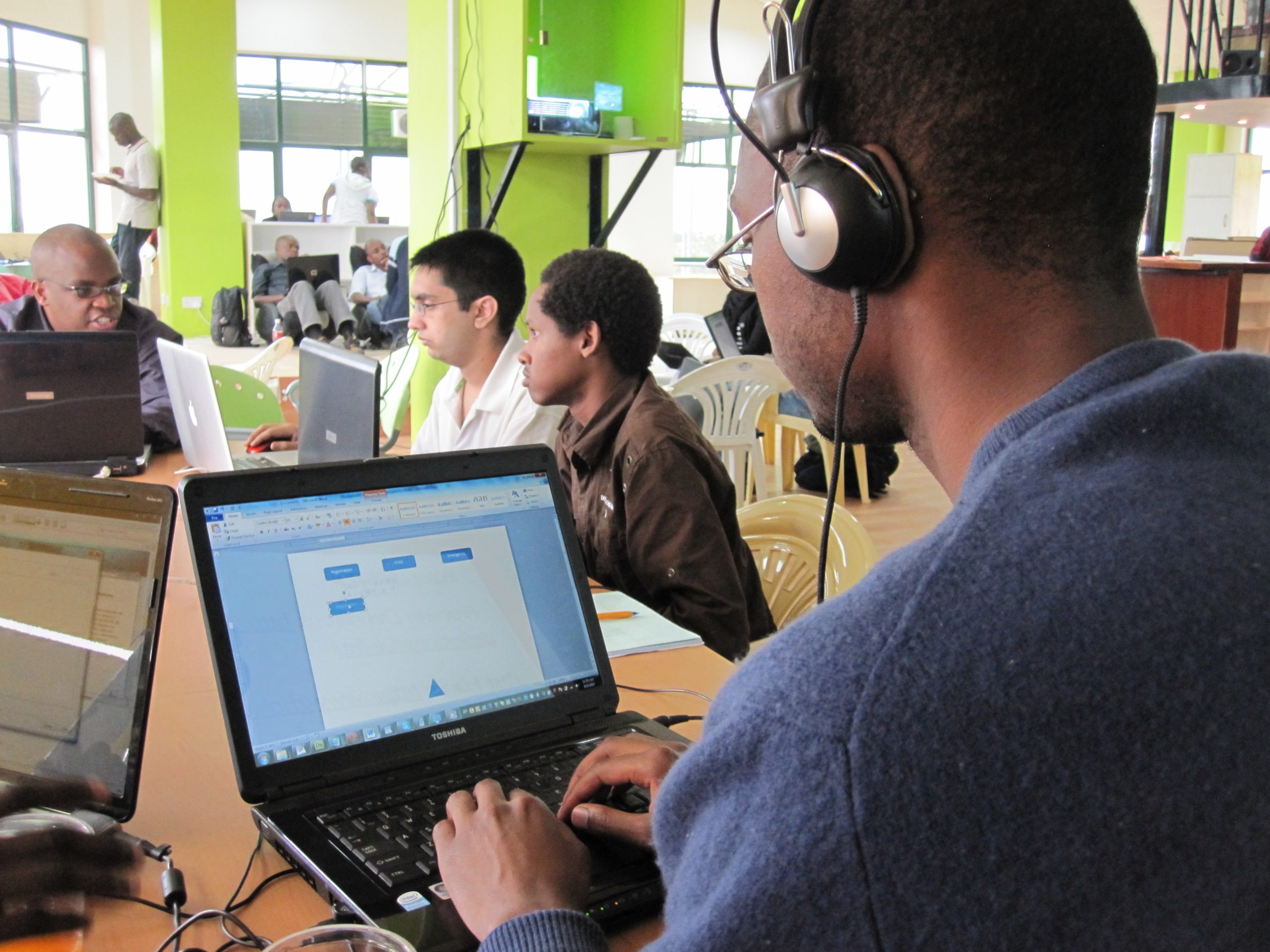
Innovation is essential for countries to develop, but there are countless barriers to innovation capabilities. Innovation capabilities are the parts of a production process that people cannot buy but are critical to supporting and driving innovation. Companies must learn and develop these elements. These elements include basic organizational skills, human resource management, planning routines and logistical abilities.

The Importance of Innovation

Without innovation, companies cannot evolve and be sustainable. This, in turn, impacts the progress of whole countries. A lack of innovation leads to people being unable to leverage their resources.

According to the World Bank, many developing countries suffer from low innovation. Low innovation includes the following:

  1. Weaker managerial and technological capabilities and the lack of ability to cultivate them.
  2. Weaker government capabilities.
  3. A general lack of physical, human and knowledge capital.
As a result, developing countries often have a difficult time progressing through innovation. In 1900, many now developed countries were in a similar state to developing countries today. These developed countries were able to capitalize on their innovation capabilities and successfully manage new technologies. This is what developing countries must now do to progress.

Innovative Examples

There are several examples of how developed countries have capitalized on innovation, compared to those still developing:

  1. Brazil was able to upgrade technologically after a slump in its iron industry.
  2. Japan took its textile technologies and modified them for the needs of different locales. It also diversified into machinery, chemicals, cables, metals and banking. This enabled Japan to establish its first leading manufacturing industry.
  3. The United States leveraged its copper resources. It pushed the frontiers of metallurgy and chemistry through a combination of high-level human capital and a network of universities and laboratories.

Developing countries, however, have had trouble reaching the same goals. While Norway was able to leverage its oil and gas deposits with its high-tech sector, Nigeria was not. Spain and Chile were unable to successfully identify and adopt new advances in mining and metallurgy for their copper industries. This eventually leads to these country’s selling out to foreign interests who could.

Production Capabilities: Management and Government

Two subsets of capabilities directly impact innovation including production and technology. Production includes management and government, while technology includes incentives and the environment.

Management focuses on the organization and maintenance of a company. Developing countries tend to have weaker managerial capabilities than developed countries. In these developing countries, managers tend to not have as much education. This greatly impacts their capabilities to properly identify and understand high-return on potential projects, take responsibility for long-term planning and implement new talent.

Limited competition can prop up inefficient companies. A lack of government support, however, makes it difficult for more efficient companies to effectively incentivize their workforce and upgrade their technologies.

A country’s productivity can illustrate an example of the effects of different management practices. There is a 25 percent difference in productivity between developing countries and those in the United States.

Governments organize and support how effectively companies run. In developing countries, governments generally do not have enough human resources or they are unable to efficiently organize policies. The organization, design and implementation of these policies help to rectify market or systemic failures and promote innovation.

These capabilities are the rationale and designing of a policy, efficacy of implementation, comprehensibility for the National Innovation System (NIS) and consistency. Most developing countries, however, are unable to meet these requirements.

Technology and Innovation: Organization and Environment

Governments and management often work to organize companies. It is the organization of the company itself, however, that allows it to implement and expand new technologies. Companies must incentivize workers so they can receive the tasks that make them the most productive. This also empowers workers to brainstorm new ideas and improvements for products or systems.

This type of organization creates an innovation-friendly environment for the company. These incentives show positive influences on creativity and innovation in workers and the company as a whole.

An example of innovation at work is the Aquafresh company in Ghana. It dealt with fierce competition from Asia, eventually discovering that the best way to confront this competition was not to address it at all. Aquafresh started as a clothing company but later reinvented itself, turning to soft drinks. This was possible due to its innovation-friendly environment and organization. This environment eased the transition and sustained them through the change.

Solutions for the Barriers to Innovation Capabilities

Adopting better managerial and organizational practices can push companies to innovate in products, processes and quality. This can also inspire companies to create innovative projects, which can lead to new products and technologies.

Access to human, knowledge and technological capabilities increases a developing country’s innovation potential. This renders foreign aid less important as the countries learn to become self-sustainable.

Companies in developing countries need help with overcoming the barriers to innovation capabilities. If the National Innovation System could focus on supporting companies with better capabilities, investing in higher-level human capital and management and the development of capable governments, a larger innovation system could come into fruition for developing countries. This, in turn, would benefit the entire world.

– Nyssa Jordan
Photo: Flickr

December 23, 2019
https://borgenproject.org/wp-content/uploads/borgen-project-logo.svg 0 0 Lynsey Alexander https://borgenproject.org/wp-content/uploads/borgen-project-logo.svg Lynsey Alexander2019-12-23 09:30:182020-07-16 21:23:21Breaking Down the Barriers to Innovation Capabilities
Global Poverty

Reducing Obesity in African Countries

Obesity in African Countries
Obesity in African countries, as well as malnutrition, is a rising issue. There are many documentations that wealthy countries are having issues with obesity, however, people have found that poorer countries in Africa are experiencing problems as well. This article will take a look at some of the potential reasons why African countries are experiencing obesity and malnutrition, as well as what people are doing to create healthier lifestyles in the future.

Causes of Obesity

Obesity in African countries has been on the rise over the past 25 years. BMJ journal studies have revealed that obesity has tripled in Egypt and Ghana since 1995, and doubled in many other countries such as Niger, Kenya and Rwanda. African women are especially at risk, showing rates of obesity much higher than men. One can attribute much of this rise to a few factors.

For much of the urban population, fast food is now readily available and cheaper than buying produce from a grocery store. This is causing problems with more people choosing fatty fast food with little nutrition over more wholesome options.

Along with this, there is a general lack of knowledge about proper nutrition. With more options readily available in stores, people are able to purchase more than just basic produce. However, without knowing how to eat a proper diet, many people choose the cheapest option or simply what tastes best. This leaves a nutrition gap in people’s diets.

 Beyond nutritional issues, there are cultural causes as well. Especially for women, many consider a larger body frame more attractive as they associate it with wealth, success and well-being. This cultural norm can set a dangerous precedent without proper education on true well-being. 

The Malabo Montpellier Panel and Potential Solutions

One program working to reduce obesity in Africa is the Malabo Montpellier Panel. This organization is a group of agricultural experts that strive to improve food security in Africa. It attempts to address the cultural and geographical problems causing obesity by influencing policy in African countries. It achieves this through research that it then reports to key government officials in the form of recommendations for policy. One of its achievements is getting 54 countries to sign the Malabo Declaration. This document states that these countries will strive to halve their current rates of poverty by 2025 through agricultural practices that provide jobs for people. These agricultural practices not only improve the economy making eating healthy more fiscally possible, but also ensure continued and improved access to fresh produce.

Striving for influence through policy advisors is just one way to go about solving obesity in Africa. One other such option is the use of educational programs to attempt to teach people better nutritional habits. People can develop programs and deliver them in urban and rural areas to promote healthy eating habits. Along with these programs, individuals can offer classes that instruct on how to properly cook nutritious food. Creating awareness of new cooking techniques can help expand the options people have for preparing food on a budget.

Lastly, people or organizations can implement programs that emphasize the importance of exercise. With more and more people living in urban areas and living sedentary lives, many people are not getting the exercise they need. Programs can both educate people on the importance of exercise, and provide training on how to properly get the exercise necessary to maintain a healthy lifestyle. 

Conclusion

Though obesity in African countries is an increasing issue, there are options available that provide solutions. Organizations such as the Malabo Montpellier Panel are already starting to address issues and research solutions. As African countries address the issue, society as a whole will be better off and they will be able to put fewer resources into health care for obesity and more people should be able to contribute to the economy. Education and action could potentially eliminate the problem of obesity in developing nations in no time.

– Josh Fritzjunker
Photo: Flickr
December 23, 2019
https://borgenproject.org/wp-content/uploads/borgen-project-logo.svg 0 0 Jennifer Philipp https://borgenproject.org/wp-content/uploads/borgen-project-logo.svg Jennifer Philipp2019-12-23 07:30:262024-05-29 23:13:55Reducing Obesity in African Countries
Global Poverty, Migration, Women and Children

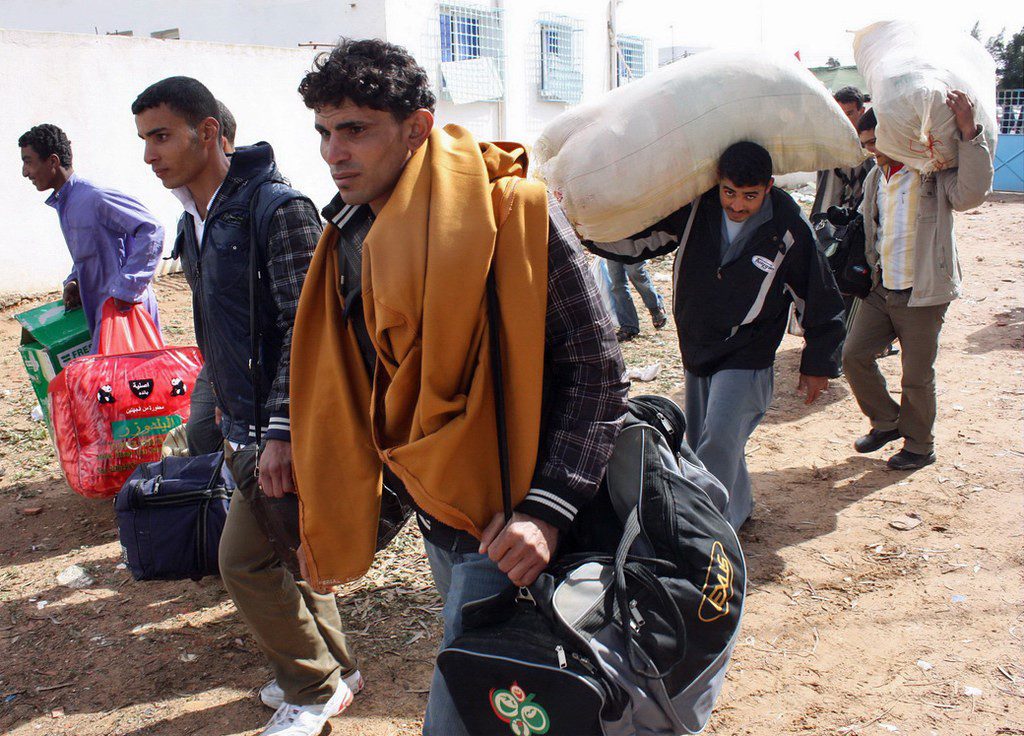
10 Facts about the Migration Crisis at the Border

10 Facts About the Migration Crisis at the Border
The migration crisis at the United States-Mexico border is a deep-rooted issue affecting many people in the United States, both documented and undocumented. The quantity of media coverage about the topic makes it hard to separate fact from fiction. To shed light on the different aspects of this matter, below are 10 facts about the migration crisis at the border.

10 Facts About the Migration Crisis at the Border

  1. Climate Change and Migration: Climate change is emerging as a root cause of the crisis at the border. Increasingly, people have left their homes in Central and South America due to the food insecurity, poverty and unlivable conditions that climate change has created in these regions. For example, in the highlands of Guatemala, climate change has forced residents out of their homes after unseasonal frost destroyed their crops. Climate change drives migration both directly and indirectly — flooding or drought may physically force residents away in the same way that the negative social impacts of climate change may impact a resident’s decision to leave.

  2. Unaccompanied Minors: Between October 2017 and September 2018, the United States Customs and Border Protection apprehended more than 396,000 people attempting to cross the border and more than 50,000 of these people were unaccompanied minors. The data for 2019 thus far shows an increase in the number of children under the age of 18 without a legal guardian or parent in the United States apprehended at the border. While still treacherous, border policy can be more lenient on individuals under the age of 18, possibly allowing a better chance at successful immigration.

  3. History of Immigration: The first instance of the United States placing restrictions on certain immigrant groups came with the Chinese Exclusion Act of 1882. The country has since continued to limit immigrants from certain countries, including most Asian countries in 1917 and Southern, Eastern and Central European countries in 1924, leading to the current attempt to limit Central and Southern American and Mexican immigrants. U.S. immigration policy prioritizes reunification of families, value to the U.S. economy, diversity and humanitarian protection of refugees.

  4. The Northern Triangle: The Northern Triangle of Central America, comprised of El Salvador, Guatemala and Honduras, accounts for the leading source of migrants who are fleeing Central America. More than 90 percent of these migrants will then attempt to cross the border between Mexico and the United States. Despite attempts to bring safety and stability to the Northern Triangle, the region still has high rates of crime and poverty; Honduras and El Salvador have among the highest murder rates in the world and around 60 percent of the population lives below the poverty line in Honduras and Guatemala.

  5. State of National Emergency: The migrant crisis at the border prompted President Trump to declare a national emergency in February 2019, despite opposition from the majority of citizens in the United States. Declaring a national emergency allows a president to potentially bypass Congress to achieve their desired policy or funding. The U.S. remains in a state of national emergency regarding the border despite attempts from Congress to end the measure.

  1. The $4.5 Billion Emergency Spending Bill: In July 2019, President Trump signed a bill designed to provide financial aid to the border, allocating  $4.5 billion to humanitarian assistance and security. The U.S. government first introduced this bill in response to criticism of the treatment of migrant children at the border, but the bill will also provide increased health and safety standards for all people seeking entry into the United States.

  2. The Southern Border Communities Coalition: Founded in 2011 as a response to the ongoing pressures facing border towns, the Southern Border Communities Coalition (SBCC) is a diverse group of organizations, such as Frontera de Cristo (Agua Prieta, Mexico) and the Southwest Environmental Center (Las Cruces, NM), who have united to create a safer and more humane environment at the border. The SBCC comprises 60 organizations across Texas, California, Arizona and New Mexico. In May 2019, the SBCC released a document entitled A New Border Vision, an outline for action to improve conditions at the border.

  3. Domestic Violence and Asylum: In spite of recent attempts to limit asylum seekers, the United States will continue to offer asylum for victims of domestic violence. In 2018, then-Attorney General Sessions threatened this right, stating that the United States would reject asylum cases founded on domestic violence. While Session’s decision increased the difficulty of securing asylum on these assertions, undocumented victims of domestic violence can still be eligible.

  4. Undocumented Immigrants and Crime: Contrary to the popular narrative connecting immigrants and violence, undocumented immigrants make the communities they join safer. A 2015 study by the Cato Institute shows that documented United States-born citizens have a much higher crime conviction rate than both undocumented and documented immigrants. Arguments against immigrants often champion the association of undocumented people to violent crime, yet the facts increasingly show this association to be invalid.

  5. Why People Keep Coming: This final point is perhaps the most important of these 10 facts about the migration crisis at the border. The journey to the border is long, expensive and dangerous. Frequent instances of kidnapping, rape, assault and trafficking make getting to the southwestern border of the United States treacherous and arriving at detention facilities at the border provides a slue of difficulties and dangers as well. Undocumented migrants are not undertaking this daunting task because they want to, but rather because their circumstances force them. Their home situation has become unlivable and they seek to escape to a better life in the U.S.

These 10 facts about the migration crisis at the border show that this issue creates dangerous situations that threaten both society and human lives. To fight this problem, the public must know what is truly happening in the stretch of land that connects Mexico and the United States. 

– Elizabeth Reece Baker
Photo: Flickr

December 23, 2019
https://borgenproject.org/wp-content/uploads/borgen-project-logo.svg 0 0 Jennifer Philipp https://borgenproject.org/wp-content/uploads/borgen-project-logo.svg Jennifer Philipp2019-12-23 01:30:202019-12-16 13:27:2610 Facts about the Migration Crisis at the Border
Global Health, Global Poverty, Women's Empowerment

4 Women Showing Female Leadership in Nepal 

Female Leadership in Nepal
When many people think of Nepal, they imagine the Himalayas, the Mt. Everest base camp and some of the most culturally and ethnically diverse people. What these people fail to think of is the highly patriarchal society that is also Nepal. Luckily, there are four women showing female leadership in Nepal to improve life for women and girls.

The Situation

Nepal is notorious for its discrimination against women in almost every aspect of life. The literacy rate for females is significantly lower than it is for males, with only 44.5 percent of females being literate compared to 71.6 percent of males. Superstitious beliefs say that women are the reason for Nepal’s poor status in the global context. The reality, however, is that Nepal remains one of the poorest countries because of gender discrimination. Nepal eliminates half of its labor force participation rate by preventing women from seeking education and job opportunities, and this contributes to its rising poverty crisis as women are the most susceptible to poverty.

At least 75 percent of Nepal’s citizens are in poverty, with over half those citizens being females. Eighty percent of Nepalis report that their quality of life has gone down in the last five years.

Despite the ongoing oppression against females, there are Nepali women who are finding a way to make their mark in the country. The following four women show how Nepali female leadership can assist in the war on poverty in Nepal, breaking the barrier and making footprints for others to follow.

4 Women Showing Female Leadership in Nepal

  1. Renu Sharma: Renu Sharma is the co-founder and current president of The Women’s Foundation Nepal (WFN), as well as an accomplished Nepali woman, leading a non-governmental organization that helps women and children in Nepal. The organization, established in 1988, provides shelter homes, access to education, training and micro-credits for women and children who are victims of violence, abuse or poverty. WFN has helped over 150 women and children find a home and gain access to medical and legal support. It has also aided in over 450 children receiving education until the 10th grade and 3,000 women obtaining training to pursue careers in local businesses or teaching. Additionally, it has given out at least 1,000 scholarships to those pursuing higher education. WFN is looking to expand its projects to cover a larger population and eventually become self-sustainable, but to do so, it needs further support. If the mission of Renu Sharma and her colleagues is inspiring, consider these options. As this article will continue to show, a small action or a quiet voice can have a lasting impact.
  2. Bidhya Devi Bhandari: Bhandari is the country’s first woman president and has been carving the path for her fellow females since the beginning of her political career, when she served as the Minister of Defence. As of today, people credit Bhandhari with increasing female representation in the government and providing females more opportunities. Bhandhari served as the chair of the All Nepal Women’s Association, where she understood the importance of increasing Nepali female leadership in the nation. Throughout her position as President, Bhandari has ensured that a third of all politicians in Nepal are women and that all women in the country have legal rights. Bhandari’s next steps include increasing the opportunities for education for young girls and developing a gender-responsive budget system that will prevent women from falling into poverty due to an unfair wage gap.
  3. Sushila Karki: Appointed the first female Supreme Court Justice at the Supreme Court of Nepal, Sushila Karki made major contributions to fixing poverty and women’s rights in the country. Known for her zero tolerance for corruption, Karki has increased enforcement against corruption and brought many organizations and individuals to justice. Karki also believes in the emancipation of women, and she has worked to ban the practice of chhaupadi, which is when women become separate from society during menstruation. By increasing the punishment for chhaupadi, Karki has reduced the presence of the practice, and she hopes that her followers will continue to maintain a strict policy that will eventually eradicate the practice. Chhaupadi is a major contributor to female poverty, and by reducing its prevalence in society, Karki hopes that fewer females will find themselves homeless or jobless.
  4. Samjhana Pokhrel: Serving as chairperson for the NGO Jagaran Nepal (JN), Pokhrel has helped the organization move mountains in the past 10 years. JN is a leading organization that works to equalize women’s participation in society, whether that be in politics, the classroom or the family. Under Pokhrel’s leadership, the organization has advocated for human rights and social protection for all women, regardless of class. The organization has also implemented programs across the country that focus on women’s economic empowerment, women’s reproductive health, anti-violence movements and young girl’s education; the primary reason girls do not receive adequate education is due to health concerns, such as menstruation and violence, both of which force girls to drop out of school and eventually fall into poverty. Samjhana’s mission with JN is to create a program that hears the voices of women in need and acts on it, reducing their susceptibility to poverty. 

Nepal’s struggles with poverty are far from over, but these women are taking steps to combat it any way they see possible. By setting examples in Nepali female leadership, these women are forging a path that others can follow. As Nepal continues to make an effort to support women and close the gender gap that exists, the country is making progress in reducing its poverty.

– Shvetali Thatte
Photo: Flickr

December 22, 2019
https://borgenproject.org/wp-content/uploads/borgen-project-logo.svg 0 0 Jennifer Philipp https://borgenproject.org/wp-content/uploads/borgen-project-logo.svg Jennifer Philipp2019-12-22 07:30:182024-06-05 02:36:454 Women Showing Female Leadership in Nepal 
Global Poverty, Sanitation, Water, Water Sanitation

10 Facts About Sanitation in Afghanistan

Sanitation in Afghanistan
Following decades of civil war and negligence, Afghanistan has been experiencing a crisis regarding clean water and sanitation. The lack of an internal plan and a water infrastructure deficit had elicited urgent consequences such as various waterborne diseases and diarrhoeal diseases. Many organizations such as UNICEF took notice and decided to address this issue at its core. By providing funding and necessary resources, there has been evident progress within Afghanistan towards clean water and better sanitation. Here are 10 facts about sanitation in Afghanistan.

 10 Facts About Sanitation in Afghanistan

  1. Limited Sanitation: According to the State of the World’s Toilets 2007 report, about 92 percent of Afghanistan’s estimated 26.6 million population did not have access to proper sanitation. Meanwhile, the number reduced to 61 percent by 2017. With this being said, poor sanitation exposes people, mainly children and elders, to life-threatening diseases. This issue also affects women and girls, putting them at risk for both physical and psychological damage. It affects menstrual, pregnancy and postnatal periods and creates an unsafe environment when in these periods.

  2. Turmoil: One can see the increasing number of cases surrounding poor sanitation as a direct consequence of the damage inflicted by years of war. Beginning in 1992, constant fighting between different mujahidin groups left cities such as Kabul in ruins, further damaging the water infrastructure. Following in 1996, the Taliban took over but did little to nothing to improve the already damaged water infrastructure, including necessary water pumps. Afghanistan, to this day, is still in turmoil, leaving no priority for local governments to improve sanitation and increase access to clean water.

  3. Lack of Reservoirs, Canals and Infrastructure: One major aspect as to why Afghanistan has a difficult time accessing clean water is the evident lack of water infrastructure. Geographically, Afghanistan is a landlocked nation that automatically creates a difficult landscape to receive clean water; therefore, Afghanistan depends on the natural flow of the snow runoff coming from the mountains. There are reservoirs to collect this water, but it is just not enough. Because of the lack of proper water infrastructure, only 30 percent of the water derived from the runoff stays in Afghanistan. Investment towards improving infrastructure is also scarce as the government does not see it as a prominent issue.

  4. Open Defecation: Open defecation is an issue that many countries face on a daily basis; however, it has been an astonishingly prevalent issue in Afganistan. It places many of the individuals and families leaving near waterways in much danger as human waste spreads disease quickly. To combat this issue, UNICEF alongside the Ministries of Rural Rehabilitation and Development, Public Health and Education have partnered to end open defecation by 2025. They are pushing for the Community-Led Total Sanitation approach which advocates for people to build and use their own latrines.

  5. Increase Water Supply: In addition to implementing a plan against open defecation, UNICEF and the Ministries of Rural Rehabilitation and Development, Public Health, and Education have been working to increase water supply to impoverished communities. They aim to steer the public to get clean water through the reliance of rivers, streams, wells, etc. Also, UNICEF aims to increase the government’s capacity to construct local water supply systems. Because of this new agenda, more than 300,000 new people living in Afghanistan received clean water in 2017.

  6. Water Systems: UNICEF is prioritizing gravity-fed piped drinking water systems or systems with solar pumps instead of regular boreholes with handpumps. These methods should provide more water, easy maintenance and close proximity even though they are slightly more expensive. Right now, most of the water comes from the five major rivers in Afghanistan, but this system brings water in an efficient and sustainable way.

  7. Action Within Schools: An important place to advocate for proper sanitation would be in the school environment, and UNICEF has done just that. Working with the Ministry of Education, UNICEF has aimed to create clean school environments and provide proper hygiene information in Afghanistan. This plan includes providing clean water, separate bathrooms and new handwashing stations in schools. This program is growing and is starting to enter more schools.

  8. Sanitation Efforts Aimed at Women: Some have also taken action towards improving sanitation conditions within schools and workplace settings for women and girls. By installing separate bathrooms for males and females, it provides women the opportunity to manage menstruation in a clean environment. Also, the ongoing introduction of curricula surrounding menstrual hygiene promotes rehabilitation and helps girls all around Afghanistan.

  9. Proper Sanitation in Emergencies: Launched in 2005, UNICEF created the WASH emergency center in Afghanistan. This group of various organizations respond during emergencies and help provide clean water, hygiene education and sanitation facilities to the people. For example, they gave hygiene kits to displaced families in the village of Kamalpoor. The kits included soap, detergent, towels, sanitary pads and a plastic bucket to collect water.

  10. Health Centres: Most importantly, UNICEF has aimed to make sure that hospitals and health centers are in proper condition to treat patients. The WASH program implemented focused on improving infection programs and patient safety. It is important to pay attention to the health of patients and to decrease as many cases of disease and death as possible, especially in the case of women and children.

Although Afghanistan still has some way to go, it has made tremendous improvements to its sanitation systems. With continued aid from organizations like UNICEF, it should only continue its progression towards clean water and sanitation for all.

–  Srihita Adabala
Photo: Flickr

December 22, 2019
https://borgenproject.org/wp-content/uploads/borgen-project-logo.svg 0 0 Jennifer Philipp https://borgenproject.org/wp-content/uploads/borgen-project-logo.svg Jennifer Philipp2019-12-22 01:30:062019-12-16 12:03:3210 Facts About Sanitation in Afghanistan
Page 1151 of 2162«‹11491150115111521153›»

Get Smarter

  • Global Poverty 101
  • Global Poverty… The Good News
  • Global Poverty & U.S. Jobs
  • Global Poverty and National Security
  • Innovative Solutions to Poverty
  • Global Poverty & Aid FAQ’s
Search Search

Take Action

  • Call Congress
  • Email Congress
  • Donate
  • 30 Ways to Help
  • Volunteer Ops
  • Internships
  • Courses & Certificates
  • The Podcast
Borgen Project

“The Borgen Project is an incredible nonprofit organization that is addressing poverty and hunger and working towards ending them.”

-The Huffington Post

Inside The Borgen Project

  • Contact
  • About
  • Financials
  • President
  • Board of Directors
  • Board of Advisors

International Links

  • UK Email Parliament
  • UK Donate
  • Canada Email Parliament

Get Smarter

  • Global Poverty 101
  • Global Poverty… The Good News
  • Global Poverty & U.S. Jobs
  • Global Poverty and National Security
  • Innovative Solutions to Poverty
  • Global Poverty & Aid FAQ’s

Ways to Help

  • Call Congress
  • Email Congress
  • Donate
  • 30 Ways to Help
  • Volunteer Ops
  • Internships
  • Courses & Certificates
  • The Podcast
Scroll to top Scroll to top Scroll to top