
Kazakhstan has made great strides in reducing hunger within its borders. Once vulnerable to famine, the country has demonstrated significant progress in increasing its agricultural productivity and curbing food shortages within the past two decades. However, despite notable improvements to food insecurity and malnutrition levels, Kazakhstan remains steady in its efforts to reduce persistent risk factors. In the coming years, the nation hopes to achieve food self-sufficiency by maximizing the use of state programs and international aid.
The Past: Devastating Famines
Despite its relative stability today, Kazakhstan has historically been vulnerable to famine. Between 1920 and 1939, more than 8.5 million Kazakhs starved to death as a result of Soviet-induced famines. Asharshylyk, one of the most devastating famines in Kazakh history, directly contributed to the eradication of over a third of the country’s population in the early 1930s – a crisis perpetuated not only by climate change but also by the forced collectivization of previously nomadic Kazakhs under Soviet rule.
Agricultural collectivization had particularly debilitating effects on Kazakhstan’s overall food security. During the famine, approximately 90% of the nation’s herds perished as a result of the Kazakh people selling or slaughtering their livestock in order to meet grain quotas set by the Soviet regime. This rapid depletion of livestock – namely, cattle – resulted in significant income loss and widespread starvation amongst nomadic herders. Amongst escalating violence and competition for food, several communities were reported to have turned to extreme methods of survival such as cannibalism to avoid succumbing to hunger.
Ethnic Kazakhs disproportionately suffered the highest percentage of deaths of any group at the time, estimated to be as high as 42% of their total population. Many fled the country to seek relief in surrounding countries such as China and Turkmenistan. As a result, ethnic Kazakhs were a minority within their own country for decades up until the Soviet collapse in 1991.
Hunger Today: A Stark Improvement
Significant progress has been made within the past century to reduce food insecurity in Kazakhstan, primarily through the country’s expansion of its oil sector. Over the span of 30 years, Kazakhstan has increased its oil production by nearly 3.8 times its pre-independence levels, reaching an annual output of 84.2 million tons. As such, oil has provided most of the country’s export earnings, playing an instrumental role in driving productivity and development.
Rapid and sustained economic growth has thus allowed hunger in Kazakhstan to decline below rates of global concern. According to the 2024 Global Hunger Index, Kazakhstan has successfully achieved a low level of hunger. Less than 2.5% of the total population is undernourished, and the country’s vulnerability to food security based on its food sector capabilities is lower than the world average, standing at a score of 0.42 as of 2022. Composed today of an upper middle income population and a wealth of domestically produced crops, the country instead focuses on supplying the world with the means to combat food insecurity and malnutrition.
Looking Forward: More Solutions
Moving forward, Kazakhstan intends to continue making strides toward reducing hunger both within and beyond its borders. In 2023, the Kazakh government allocated $2.5 billion to the agricultural sector for subsidies, loans and investment projects. One of these initiatives plans to introduce a unified state information system for subsidies that will be free and easily accessible for farmers. Another aims to allow farmer greenhouses to apply for subsidies in order to cover electricity, gas and coal expenses during their crop off-season. If such state programs are effectively implemented, Kazakhstan is expected to enhance its food security rate from 127% to 143%.
Kazakhstan is predicted to become a leading producer of food surpluses by 2035. The state plans to expand to additional agricultural markets, particularly targeting China, the Middle East and Africa in an effort to double its exports by 2029. By maximizing its current state of growth and cooperation, Kazakhstan may serve to provide the world with the resources needed to reduce global hunger, establishing the country as a paragon of success within a post-Soviet space.
– Julia Canzano, Moon Jung Kim
Photo: Pixabay
Updated: November 7, 2024

 This time last year, the London-based
 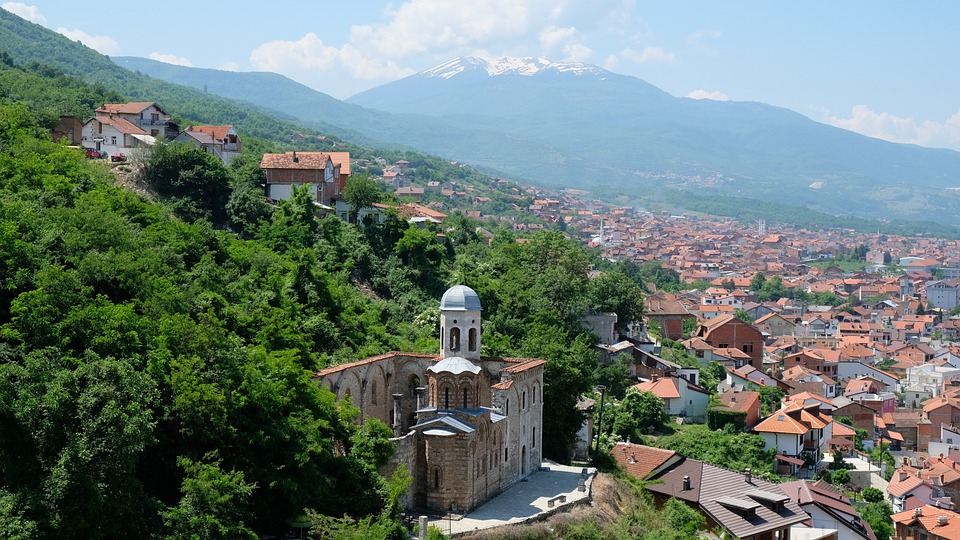 The World Bank has secured aid for Kosovo to help the country’s water security efforts during the COVID-19 pandemic. On June 10, 2020, the World Bank approved
 In January 2020, Mexico shattered barriers by announcing its adoption of a feminist foreign policy aimed at reducing “
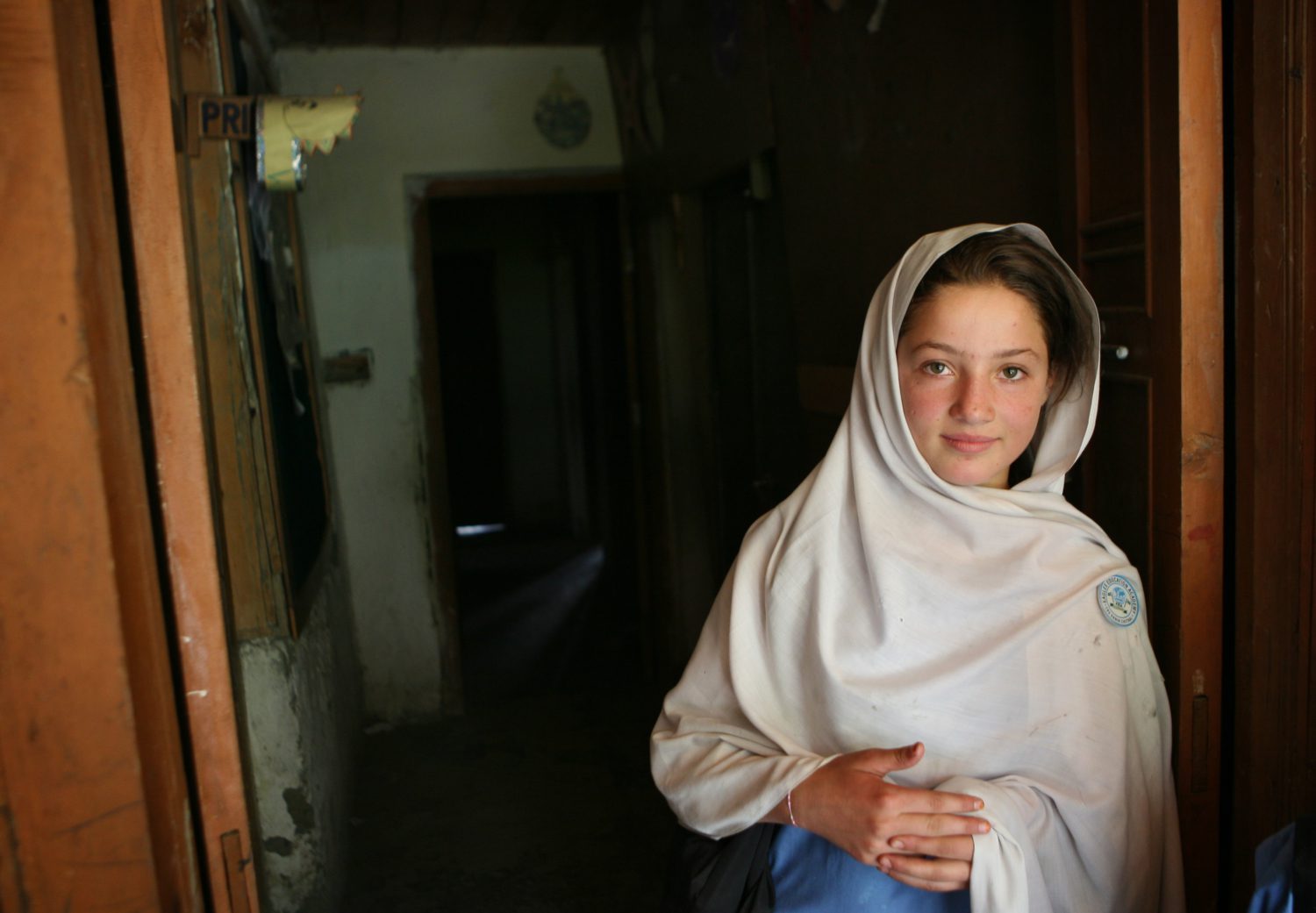 Child labor in Pakistan continues to be a reality faced by many Pakistani children. Deprived of the opportunity to study like most other children, many are forced into work from an early age. Although Pakistan’s Employment of Children Act 1991 addresses this issue, the country continues to have difficulties implementing the legislation.
 Leprosy is a disease that plagues India. More than
  As life expectancy in Rwanda has doubled in the past 20 years, the efforts that helped to achieve this goal are closely tied with efforts to combat poverty. If people are sick but cannot access healthcare, they cannot contribute to the economy. Conversely, if people are living in poverty, they often cannot afford to access healthcare. Ending poverty and providing medical care are closely tied, and Rwanda has made excellent progress on both fronts.
 Hunger and malnutrition continue to pose a huge threat to millions of individuals across the globe. Many do not think of Poland when it comes to hunger, but that doesn’t mean hunger doesn’t exist in the country. While thankfully the percent of individuals who suffer from hunger is rather low, a majority of those who do suffer from hunger and malnutrition are children. Here are five facts about hunger in Poland.