• Link to X
  • Link to Facebook
  • Link to Instagram
  • Link to TikTok
  • Link to Youtube
  • About
    • About Us
      • President
      • Board of Directors
      • Board of Advisors
      • Financials
      • Our Methodology
      • Success Tracker
      • Contact
  • Act Now
    • 30 Ways to Help
      • Email Congress
      • Call Congress
      • Volunteer
      • Courses & Certificates
      • Be a Donor
    • Internships
      • In-Office Internships
      • Remote Internships
    • Legislation
      • Politics 101
  • The Blog
  • The Podcast
  • Magazine
  • Donate
  • Click to open the search input field Click to open the search input field Search
  • Menu Menu

Archive for category: Global Health

Information and stories about global health.

Foreign Aid, Global Health, Global Poverty, Technology

Top 5 Highlights of the Vatican Pontifical Council

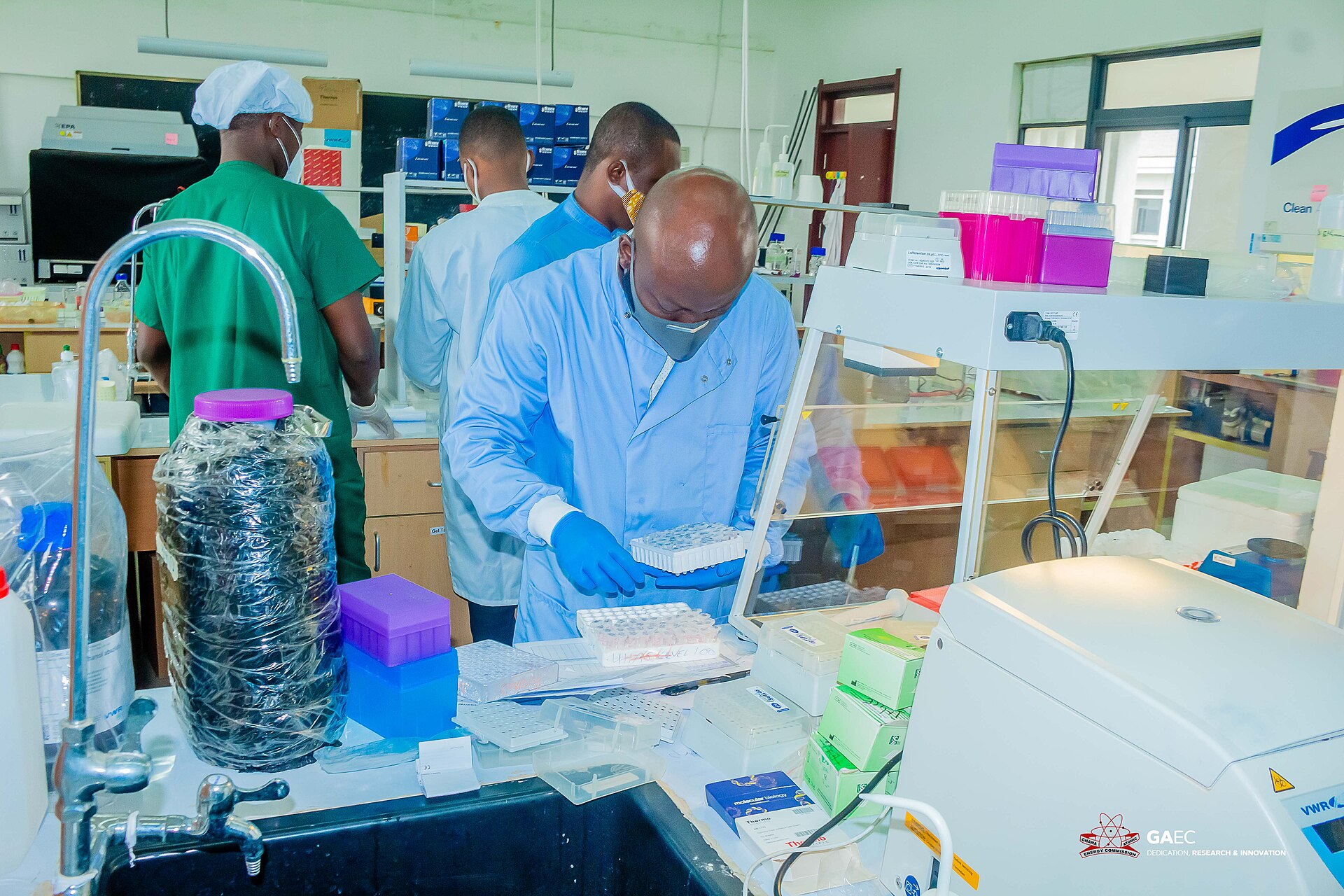
Vatican Pontifical CouncilEvery other year, the Vatican Pontifical Council is held in Vatican City for the purpose of improving human health and well-being. From May 6-8, 2021, the Cura Foundation and the Science and Faith Foundation joined the Pope, influential scientists, Christian leaders, humanitarians, ethicists and lawmakers to discuss recent advances in technology and medical science that will make for a better world.

The Cura Foundation and the Science and Faith Foundation seek to improve global health by partnering with doctors and researchers who are nearing medical breakthroughs. At this year’s Vatican Pontifical Council, they and other foundations took center stage. The Cura Foundation’s mottos, “unite to prevent,” and “unite to cure,” described the purpose of the discussions. Here are five promising developments from the Council.

Top 5 Highlights of the Vatican Pontifical Council

  1. The solution to global health spending according to Dr. Mark McClellan, director of Duke University’s Robert J. Margolis Center for Health Policy. Recalling the lessons of the COVID-19 pandemic, Dr. McClellan explained why the U.S. and other wealthy countries need to increase their spending on aid for developing countries. He explained that meeting countries on their level will mean considering digital care, care teams, medicine availability and more. In addition, prioritizing healthcare equality will not just benefit developing countries, but wealthy countries as well. The U.S. will see minorities such as Black and Native people, who statistically earn less money than whites, gain more equality. Focusing on health equality for the world will lead to more open-minded communities and better quality of life for minorities.
  2. Pope Francis explains the union of mind, body, and soul. In light of the COVID-19 pandemic, the union of the mind, body and soul is essential. Many factors can cause division between them, but unity encourages intellect and progress. Interdisciplinary research that works toward uniting mind, body and soul is the reason various leaders and initiators have been able to improve global health as they have.
  3. Sanford Health shares its findings on regenerative medicine. Many retired athletes and elderly people experience chronic joint pain that seems untreatable. However, Sanford Health explained that regenerative medicine can be useful in combating chronic pain. Regenerative medicine helps to speed the healing process and can especially aid practitioners in orthopedics. If regenerative medicine is integrated into care more widely, the physical quality of life will improve greatly for many people worldwide.
  4. Rick Anderson advocates for digital technologies. According to the president of DarioHealth, Rick Anderson, digital technologies are particularly beneficial for those with chronic diseases since they offer a wide variety of treatment options. For example, people with diabetes can use digital devices to test their blood sugar. Getting these devices to people who need them worldwide is a challenge, however. Anderson says the aid needed most in this scenario is internet access. Even low-speed internet can let people order what they need.
  5. New treatments for rare diseases. Dr. Michael Yeaman of UCLA has been studying neuromyelitis optica (NMO), a rare disease that disrupts proteins in the eyes and spinal cord and can lead to mobility loss. Different people can have widely different manifestations of NMO. Dr. Yeaman focuses on personalized medication to meet each patient’s needs. Dr. Jill Weimer, a senior director for Sanford Research, also discussed changing patients’ gene mutations as a cure for disease. While this possibility needs more research, it shows much promise.

The innovations in health and technology discussed at the fifth Vatican Pontifical Council will help minimize not only disease but also poverty. Worldwide improvements in health lead to fewer preventable deaths, more stabilized economies and more people finding jobs. Though this was the fifth Vatican Pontifical Council, it was the first virtual one, demonstrating that the Council is adapting to the pandemic and continuing to make a difference.

– Selena Soto
Photo: Wikimedia Commons

August 5, 2021
https://borgenproject.org/wp-content/uploads/borgen-project-logo.svg 0 0 Jennifer Philipp https://borgenproject.org/wp-content/uploads/borgen-project-logo.svg Jennifer Philipp2021-08-05 01:30:172024-12-13 18:02:31Top 5 Highlights of the Vatican Pontifical Council
Aid, Aid Effectiveness & Reform, Foreign Aid, Global Health, Global Poverty

Greenland’s Foreign Aid Dilemma

Greenland's Foreign Aid
Many countries around the world benefit from foreign aid, but few rely on it for their livelihood. Greenland is one of the few countries that would struggle to exist at all without it, as Greenland’s foreign aid is essential to its economy. Each year, Denmark, Greenland’s former colonial ruler, gives the island nation about $591 million in subsidies. That represents about 60% of the Greenlandic government’s budget and comes to more than $10,000 for every person living in Greenland. The subsidy, however, is not the cure-all Denmark might hope it to be.

Greenland’s Foreign Aid and Social World

Greenland is a land of contradictions. It is the largest island in the world, yet has a population of fewer than 60,000 people. Its average income is about $33,000, placing it far above the international average, yet Greenland also suffers from a suicide rate seven times higher than in the United States, and a poverty rate of 16.2% as of 2015. Traditional practices remain the norm in many parts of the country. Fishing accounts for 90% of Greenland’s exports, and dog sleds are still a common sight in the island’s undeveloped interior.

How can Greenland receive so much aid and still suffer from such social ills? Part of the answer lies in international politics. Although Greenland is nominally independent, many of its politics are still under the control of Denmark. Worried about losing influence in Greenland, Denmark has often blocked other countries’ efforts to invest in Greenland.

For example, Denmark raised objections to a $12.1 million aid package to Greenland from the U.S. in 2020. While politicians raised some valid concerns about the package (particularly in light of President Trump’s tactless 2019 offer to buy Greenland from Denmark), the fact remains that foreign investment would almost certainly enrich Greenlanders. This would be especially relevant if Greenlanders, rather than Danes, were the ones to make decisions about foreign aid.

Potential Wealth in Greenland

On the other hand, Greenland itself enjoys huge sources of potential wealth. The island is strategically located in the arctic region. Greenland also possesses valuable mineral deposits in its interior, which global warming will eventually uncover. Unfortunately, Denmark’s reluctance to permit foreign aid, and a lack of local capital, have prevented Greenland from taking advantage of these resources.

Greenland’s dependence on Danish money is a major source of instability for the country. Were the Danish government to change its policy, Greenland’s fragile economy would collapse. Greenland’s reliance on fish also creates uncertainty, since fish prices tend to fluctuate quickly. Economic development, as well as investment from a variety of countries, would remove much of the country’s economic uncertainty.

The goal of foreign investment should be to make countries prosperous and, eventually, self-sufficient. Greenland, however, shows few signs of becoming more economically independent from Denmark. Greenland’s GDP has grown very slowly and actually shrank between 2013 and 2014, despite Denmark’s funding. Danish aid to Greenland seems to have become an absent-minded gift, rather than an aid program with a clear purpose and goals.

Consequences of Denmark’s Aid

If Denmark sticks to the status quo of offering aid but preventing others from doing the same, Greenland will continue to suffer from its high poverty rate. Denmark will still have to pay huge sums of cash to keep the Greenlandic economy afloat.

However, if Denmark were to permit more investment in Greenland and put more emphasis on helping Greenland achieve self-sufficiency, Greenland would become wealthier and its economy would be more stable. This would in turn benefit Denmark because Greenland would eventually no longer need so much financial support. Whatever Greenland’s foreign aid future holds, it seems clear that it can do better than the status quo.

– Thomas Brodey
Photo: Flickr

July 20, 2021
https://borgenproject.org/wp-content/uploads/borgen-project-logo.svg 0 0 Kim Thelwell https://borgenproject.org/wp-content/uploads/borgen-project-logo.svg Kim Thelwell2021-07-20 16:44:122024-05-30 22:24:03Greenland’s Foreign Aid Dilemma
Global Health, Global Poverty

Ways to Improve Global Health Systems


global health systemsThe COVID-19 pandemic has brought a variety of challenges to people in many global health systems worldwide. The pandemic has highlighted several barriers that have prevented people from trusting healthcare systems for years. Some solutions can potentially help global health systems make major improvements and increase the number of patients seeking guidance.

The Importance of Using Telehealth

One service that can be convenient for people who do not have access to transportation or cannot make appointments to see healthcare providers is telehealth. The number of patients using telehealth has increased throughout the COVID-19 pandemic. More people have been taking advantage of telehealth due to not being able to see doctors face-to-face. Using telehealth can expand a variety of services to patients around the world. With many patients wanting to continue accessing services through telehealth, improving its quality can help improve global health systems.

Teladoc and Microsoft to Develop Virtual Care Program

A new collaboration between Microsoft and Teladoc Health will focus on expanding virtual care. Their goal is to find ways to increase positive experiences and improve the circumstances of healthcare systems. With more healthcare providers using online services, one component of the collaboration includes working on methods that make it easier for employees to do their jobs efficiently. Certainly, this collaboration can help improve healthcare systems with the option of providing healthcare services virtually.

THRIVE to Help Improve Healthcare Systems

Franz Strategic Solutions recently created THRIVE, an initiative to provide healthcare to people who do not have access to different services. Further, many people would receive healthcare benefits from a variety of programs. One of the initiative’s main priorities is on improving healthcare systems. THRIVE plans to create solutions to issues within healthcare systems through components such as technology. Through its partnership with RDI Healthcare, THRIVE plans to focus on increasing positive outcomes for patients within healthcare systems.

How COVID-19 Has Impacted Healthcare Systems

The COVID-19 pandemic has highlighted various issues that potentially led to many people not trusting health care systems. One area that requires focus is the number of healthcare workers because many parts of the world struggle due to the lack of people working in healthcare systems. Having more healthcare workers can bring some benefits, such as increased patient care and lower health disparities. Increasing the amount of money for health-related purposes can help improve the quality of healthcare systems. Another thing that requires consideration is the healthcare system’s components. It is necessary to provide certain services such as outreach and child care.

Telehealth has been an important service within healthcare systems throughout the COVID-19 pandemic. Certainly, the collaboration between Teladoc Health and Microsoft is prioritizing virtual care options for healthcare systems. THRIVE is one initiative that can be beneficial to many healthcare systems. In conclusion, the number of healthcare workers and healthcare service options is essential to the quality of a healthcare system.

– Chloe Moody
Photo: Wikimedia Commons

July 20, 2021
https://borgenproject.org/wp-content/uploads/borgen-project-logo.svg 0 0 Yuki https://borgenproject.org/wp-content/uploads/borgen-project-logo.svg Yuki2021-07-20 12:30:042021-08-25 04:32:13Ways to Improve Global Health Systems
Global Health

Italy’s Pandemic Recovery Process

Italy's Pandemic Recovery
Italy quickly became a coronavirus hot spot at the pandemic’s onset, and its healthcare system and economy have struggled ever since. In early 2021, the Italian government announced a €235 billion Resilience and Recovery Plan (RRP) that will launch several economic initiatives over the next five years. Prime Minister Mario Draghi seeks to emphasize institutional reform and GDP growth in Italy’s pandemic recovery process.

How Italy Handled the COVID-19 Pandemic

Italy has documented more than 4 million COVID-19 cases over the course of the pandemic. It has confirmed more than 127,000 deaths as of July 6, 2021. The pandemic hit Northern Italy the hardest and fastest, with nearly 80% of COVID-related deaths coming from the northern region in the first four months of the pandemic.

Italy’s unemployment rate rose from 9.2% in 2020 to 10.2% in 2021, with youth disproportionately affected. In the regions of Sicily, Calabria and Campania, youth unemployment climbed to 46%. Additionally, 45% of Italians agreed that the pandemic has impacted their personal income.

A four-level color-coded system sorts locations in Italy by infection risk. White and yellow areas have “total freedom, by day and night,” representing a lower risk of coronavirus infection. Orange represents a higher risk, and red represents an extreme risk. Orange and red regions observe a curfew between 12 a.m. and 5 a.m. As of June 28, 2021, all regions are white areas. It is no longer mandatory to wear a mask outdoors, but the country is suggesting that people continue carrying one and observe safe social distancing rules.

Italy’s Plans for Tourism

Tourism is a vital component of the Italian GDP, and in just one year, the country saw a 60% drop in tourists due to COVID-19. Italy estimates a loss of around €120.6 billion in tourism revenue for 2020, and so far, 2021 has also been a lackluster year for tourism.

Italy’s pandemic recovery process includes once again allowing foreign visitors. In June 2021, the country opened to tourism from most European countries and a few others as well. Visitors from the U.S., Canada, Japan and the United Arab Emirates who arrive on COVID-tested flights can also enter the country. All tourists from outside the European Union, Israel or on COVID-tested flights must quarantine for 14 days and provide a negative COVID-19 test. However, most tourist attractions, including beaches, theaters and museums, are open to the public at limited capacity.

Italy’s Economic Recovery Plan

Draghi continues to work with the E.U. to secure aid for Italian citizens. As a result, Italy will receive the largest share of the E.U.’s €705 billion recovery fund because of the economic strain the pandemic placed on the country. The plan will offer environmentally conscious solutions for economic expansion.

The Italian government will allocate €18.5 billion to hospitals to reduce pressure on the healthcare system. The RRP will help hospitals digitize and will invest in “community hospitals” for patients not needing extensive care. It will also set aside €7 billion to strengthen home care. All these plans are efforts to relieve hospitals overwhelmed with patients.

Forty percent of the RRP is for green-related investments. A study by Scientific Reports found that Italy’s air pollution played a larger role in spreading the pandemic than population density, so Italy plans to reduce greenhouse gas emissions by 55% by 2030. The RRP will also fund construction, which will offer many citizens job opportunities. The construction market is estimated to grow 3.5% in the COVID-19 recovery process.

Many Italians are looking forward to life returning to normal. Italy’s pandemic recovery plan offers hope that the country will succeed in its economic expansion and infrastructure development.

– Camdyn Knox
Photo: Flickr

July 10, 2021
https://borgenproject.org/wp-content/uploads/borgen-project-logo.svg 0 0 Kim Thelwell https://borgenproject.org/wp-content/uploads/borgen-project-logo.svg Kim Thelwell2021-07-10 07:30:432021-07-09 06:31:49Italy’s Pandemic Recovery Process
COVID-19, Global Health, Global Poverty, Health, Poverty Reduction

10 Facts About COVID-19 Vaccinations in Indonesia

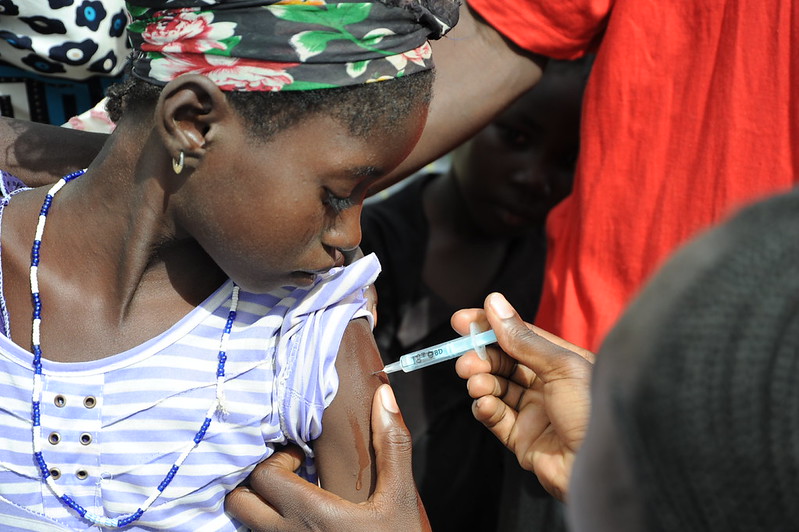
COVID-19 Vaccinations in IndonesiaAs the number of confirmed COVID-19 cases in Indonesia continues to rise, Indonesia falls in the top 20 countries with the highest COVID-19 cases. In March 2021, the COVID-19 Vaccine Global Access (COVAX) initiative provided its first shipment of COVID-19 vaccinations in Indonesia. The widespread distribution of vaccines brings hope for the country’s recovery as COVID-19 has severely impacted the Indonesian economy and pushed many into poverty. COVID-19 vaccinations in Indonesia bring the country one step closer to recovery and normality.

10 Facts About the Indonesian COVID-19 Vaccine Rollout

  1. The first shipment of more than one million doses allocated to Indonesia under the COVAX initiative arrived in Indonesia on March 8, 2021, as part of more than 11 million doses allocated to the country.
  2. The shipment of vaccinations in Indonesia is part of the largest vaccine procurement and supply process of all time. Immunizing the world against COVID-19 is the most significant global vaccination attempt in history.
  3. Indonesia has initiated one of the world’s biggest immunization programs, aiming to vaccinate 181.5 million citizens in a period of 15 months. This equates to two-thirds of its population.
  4. COVID-19 vaccines have been requested by the Indonesian government from several companies as well as through the COVAX initiative.
  5. Indonesia has been included in COVAX’s Advanced Market Commitment (AMC) group. The AMC ensures that 20% of the country’s most vulnerable population will have access to COVID-19 vaccines by the close of 2021.
  6. There is a concern about logistical difficulties hindering COVID-19 vaccine distribution in Indonesia. COVID-19 vaccines would have to be transported from the country’s capital of Jakarta to more than 10,000 health centers throughout Indonesia. Some of these facilities are in remote locations and have limitations in terms of logistics, infrastructure, storage and other essential resources.
  7. Vaccine storage capabilities in Indonesia present another challenge as there are specific temperature requirements in order to preserve the effectiveness of the vaccines.
  8. Indonesian people have been open to child immunization, but the COVID-19 pandemic has brought about vaccine hesitancy. There are concerns about whether such vaccines would be considered halal as Indonesia’s population is predominantly Muslim. Other fears stem from misinformation and misconceptions about the COVID-19 virus and vaccines.
  9. Indonesia aims to prioritize health workers, police officers, teachers and other civil officials as it implements its COVID-19 vaccination program. The population younger than 60 will be next in line as Indonesia’s approach does not prioritize the elderly. The logic behind this is by slowing the spread in younger people, the elderly will be protected from getting COVID-19 via close relatives. This is because many households are intergenerational, which means separating the old from the young is nearly impossible.
  10. To improve vaccine equity, the COVID-19 vaccine campaign is using live tracking systems to register vaccine recipients, monitor COVID-19 exposure and easily spot gaps and issues.

The Road Ahead

The COVID-19 vaccination rollout in Indonesia is the first step to COVID-19 recovery for both the people and the economy. With immunity, the strain on Indonesia’s healthcare system and resources will hopefully be alleviated. With economic recovery, the pandemic-induced unemployment rate will go down and businesses will strengthen, contributing to overall poverty reduction in Indonesia.

– Mary McLean
Photo: Flickr

June 3, 2021
https://borgenproject.org/wp-content/uploads/borgen-project-logo.svg 0 0 Kim Thelwell https://borgenproject.org/wp-content/uploads/borgen-project-logo.svg Kim Thelwell2021-06-03 04:36:192021-06-06 01:28:4410 Facts About COVID-19 Vaccinations in Indonesia
Global Health, Global Poverty

The ABC’s of Air Quality

Air Quality
The COVID-19 pandemic has renewed interest in air quality as lockdowns and public health restrictions have led to improved quality in many areas. Additionally, research has found a link between poor air quality and poor COVID-19 outcomes. The decline in pollution will be only temporary, and in many areas was actually smaller than scientists anticipated.

The impacts of poor air quality on global health beyond COVID-19 are numerous. However, curbing emissions and improving quality where it is already poor are huge undertakings. Nonetheless, looking at those living in urban areas where quality is monitored, more than 80% of people are experiencing air pollution in excess of the limits suggested by the World Health Organization (WHO). This makes air quality a pivotal global health issue.

Another important factor in addressing this issue is the distribution of the negative effects of poor air quality. In other words, the development of any program or policy interventions ought to consider the inequitable distribution of those effects. Research in the United States and the United Kingdom indicates that while wealthier people tend to be responsible for the majority of air pollutants, those living in impoverished areas disproportionately experience the harmful effects of those pollutants.

A. What Compromises Air Quality

There are two main categories of air pollutants: those naturally occurring and those human-made. While dust storms and wildfires can introduce harmful particulate matter, there are also numerous sources of pollution driven by human activities. These include automobiles, certain types of power plants, oil refineries and more. In addition to particulate matter, other pollutants that adversely affect health include sulfur dioxide, nitrogen dioxide and ozone.

Finding new yet affordable ways to decrease the pollutants we release into the air is challenging but not insurmountable. Putting this into perspective, 90% of people around the world are breathing unclean air according to WHO guidelines.

B. What Poor Quality Air Does to Our Health

Beyond the link between air pollution and poor COVID-19 outcomes, research also shows the negative impact air pollution has on the risk of stroke and heart disease, certain types of cancer, lung infections and diseases and even mental health. Furthermore, both air quality and environmental quality tend to be worse in areas of the world already comparatively disadvantaged.

According to research on the effectiveness of European climate and pollution policies, the number of people prematurely dying after exposure to fine particulate matter pollution decreased by approximately 60,000 between 2018 and 2019. Better yet, between 2010 and 2020, there was a 54% drop in premature deaths attributable to nitrogen dioxide pollution. Despite these positive outcomes, they also demonstrate the extent of the damage airborne pollutants can do to human health.

C. What Has Proven Successful in Protecting Air Quality

Like health policy progress, innovations in air quality programs and policies often start at the local government level. According to the Environmental Defense Fund (EDF), cities around the world are implementing ultra-low and zero-emission urban access zones, deploying hundreds of thousands of electric buses, and learning from their own successes in moving to clean municipal transportation in order to teach other cities to do the same.

The EDF notes the importance of gathering detailed data on air quality. This data allows organizations to identify communities disproportionately affected by pollution and develop targeted approaches to protecting and improving air quality. This type of data can help localities not only measure levels of pollutants over time but pinpoint hotspots. Hotspots include, for example, those caused by construction sites and manufacturing facilities. The need for this type of data is worldwide, but developing nations are in particular need of the tools necessary for thorough air quality monitoring.

Highlighting the successes experienced in air pollutant reduction efforts in wealthier counties may seem counterintuitive given the importance of addressing inequalities across the world. Still, they also represent numerous lessons for developing cities and countries to learn. The negative experiences of areas already developed have yielded data, technology and sample policies from which leaders worldwide can draw. Moving forward, it is essential that organizations and leaders around the world prioritize improving air quality.

– Amy Perkins
Photo: Pixabay

May 9, 2021
https://borgenproject.org/wp-content/uploads/borgen-project-logo.svg 0 0 Yuki https://borgenproject.org/wp-content/uploads/borgen-project-logo.svg Yuki2021-05-09 07:30:172024-05-30 22:23:03The ABC’s of Air Quality
Global Health, Global Poverty, Health, Technology

The Top 5 Health Tech Companies in Spain

The Top 5 Health Tech Companies in SpainThe world of health technology has been growing exponentially in the last decade and continues to grow, especially with the novel coronavirus still affecting the world. One of the most prominent locations for health technology is in Spain. The industry has a large quantity of health tech company startups in Spain; high-quality companies are making new drug discoveries for treatments and creating virtual therapies that can help those in impoverished areas receive the medical care they need. Here are the top five health tech companies making strides in Spain.

The Top 5 Health Tech Companies in Spain

  1. Elma Care is an app that combines comprehensive health insurance with remote medical consultations. This great new resource emerged in Barcelona, Spain, in 2017. Elma Care is one of the top five health tech companies in Spain because the app keeps all of a patient’s medical information in one place, allows consultation with primary care physicians remotely and offers tools like preventative medicine plans to help people access healthcare with more ease and efficiency. All of this is possible from the comfort and safety of the home, allowing for social distancing during the current global pandemic.
  2. Devicare is a specialty biotech company that focuses on chronic diseases. The company, founded in Barcelona, Spain, strives to develop solutions for the treatment process of chronic diseases. The company also offers a mentoring service with a team of experts and nursing staff. Often, chronic diseases involve a multitude of doctor visits and, in many cases, few answers. However, Devicare offers a cheaper and easier way of treating chronic diseases.
  3. Savana Medica provides a platform in which the clinical data for patients from healthcare organizations can be managed. EHRead, a form of Artificial Intelligence, or AI, technology, can obtain valuable health information that aids medical professionals in the diagnosis and treatment of patients. It is one of the top five health tech companies in Spain because this technology fosters quick and efficient access to records, which can help doctors understand a patient’s history of disease and illness.
  4. Genomcore is a company that has created an interface that stores a patient’s genetic information. Founded in 2015 in Barcelona, Spain, the platform that Genomcore provides for patient information can be efficiently shared with medical professionals when necessary. Genomcore helps foster more personalized treatment for patients and consequently the possibility of faster recovery from illness.
  5. Mediktor was founded in 2011 but has made a new name for itself due to increased use during the pandemic. Mediktor is an app that gives symptom assessments to patients via their own personal devices before even seeing a medical professional. In March 2020, the company released the COVID-19 symptom checker. With Mediktor, people were able to determine, with great accuracy, whether or not they needed to see a medical professional in relation to COVID-19 symptoms.

The top five health tech companies in Spain are instrumental to the world of healthcare today. While many people have restricted access to needed medical attention, these new technologies can change that.

– Grace Aprahamian
Photo: Flickr

May 7, 2021
https://borgenproject.org/wp-content/uploads/borgen-project-logo.svg 0 0 Kim Thelwell https://borgenproject.org/wp-content/uploads/borgen-project-logo.svg Kim Thelwell2021-05-07 07:30:132024-06-06 00:59:31The Top 5 Health Tech Companies in Spain
Gender Equality, Global Health

Gender Equality and the Health of Tibetan Women

Tibetan WomenAs part of a marginalized sovereign state in East Asia, the people of Tibet have endured immense social, economic and religious challenges within their cultural community due to the external pressures of neighboring countries. Hailing from the mountain territories that skirt the peaks of Everest, the inhabitants of Tibet have long-held traditions of national pride and spiritual independence. Within Tibet, gender equality and health play a crucial role in the development of Tibetan women in society.

Economic Progress in Tibet

Despite the territorial and governmental tensions that mark contemporary Tibetan life, the small yet mighty community has progressed immensely in terms of overall socioeconomic well-being and universal rights for local citizens. Chief among the recent improvements in Tibet is the notable reduction of the poverty rate. In just four years, the poverty rate descended to one-fifth of its initial percentage, currently stabilized at almost 6%. International aid projects and development efforts have all helped to strengthen the Tibetan economy and improve the quality of life.

The Place of Tibetan Women in Exiled Society

Although the plight of Tibetan countrymen against Chinese occupation has received wide recognition, Tibetan women frequently experience neglect in public discourse. The women of Tibet have had to navigate a gender system that is fairly fluid yet rigid in its intricate pattern of sexuality, duty and societal standing. All of these factors tie into the physical and emotional well-being of women.

Tibetan women are free to attend school if they have the material means to do so and Buddhist nuns have permission to pursue the same level of higher education as monks, thanks to the advocacy of the Dalai Lama for Tibetan gender equality. However, Tibetan society still views women as part of the less favorable gender.

According to an interview by international journalist Cornelius Lundsgaard, parliamentary leader Tenzin Dhardon Sharling is one of the few women that holds a leadership position within the Tibetan government, serving both the Tibetan Parliament in Exile and the Tibetan Women’s Association. During her interview with Lundsgaard, Sharling comments on the manner in which gender roles affect the structure of household responsibilities. Sharling stresses that “there is more of a need for basic, sustainable projects.” Essential needs such as healthcare, access to food and education are all crucial for gender equality.

Tibetan Women’s Health

Maternal and public health are the most immediate priorities for equalized health among Tibetan women. Unfortunately, the maternal mortality rate is exceedingly high in comparison to the rate in other nations. In comparison to the national average, Tibetan mothers are five times more likely to die during childbirth. Given how dire the situation is, it is clear that Tibet’s healthcare system has several gender-related deficiencies that require addressing.

According to the World Health Organization (WHO), the number of obstetric clinics in Tibet meets the minimum amount to serve the population. However, based on the occurrence of maternal mortality, it is evident that a larger number of centers would be beneficial. Part of the discrepancy in women’s healthcare lies in the perceived cultural differences between men and women. Although women are active participants in movements for political change and have access to higher education, most Tibetan households still divide domestic practices along gender lines.

Tibetan households reaffirm the patriarchal principles that exist in certain Buddhist teachings. Thus, investing in Tibetan gender equality and women’s clinics may not appear as valuable to male members of the community. Leaders need to reevaluate the patriarchal attitude that is prevalent in society. This will help ensure that resources for women receive adequate funding.

The Future of Tibetan Women

In spite of the gender imbalances, the region has made considerable progress to improve equality. The Tibetan Women’s Association continues to strive for women’s empowerment. The Central Tibetan Administration has held workshops on how to address gender concerns and prevent discrimination. Furthermore, the rise of female leaders like Tenzin Dhardon Sharling will bring women’s rights and political representation to the forefront. As Tibetan women continue to advance in society and serve as health practitioners and doctors, equal representation is becoming a reality in the sphere of Tibetan public health. With the growth of the gender equality movement, the healthcare system will be one step closer to addressing the needs of Tibetan women.

– Luna Khalil
Photo: Flickr

May 4, 2021
https://borgenproject.org/wp-content/uploads/borgen-project-logo.svg 0 0 Kim Thelwell https://borgenproject.org/wp-content/uploads/borgen-project-logo.svg Kim Thelwell2021-05-04 01:30:322024-05-30 22:23:09Gender Equality and the Health of Tibetan Women
Developing Countries, Global Health, Global Poverty, Health

In the Spotlight: COPE Nepal

COPE NepalCOPE Nepal is a youth-led organization that collects and analyzes information about COVID-19 in Nepal to help coordinate efforts to send resources to Nepalese communities hardest hit by the pandemic.

COVID-19 in Nepal

There is no country that has not felt the effects of the COVID-19 pandemic, Nepal included. The first case of COVID-19 in Nepal was detected on January 23, 2020, and the first case of COVID-19 that was locally transmitted was detected nearly two months later on April 4, 2020. On March 9, 2021, the country’s total COVID-19 case count reached 274,869 and total deaths reached 3,012.

Due to an inadequate healthcare system, COVID-19 is particularly concerning in a developing country such as Nepal. After the detection of the first local transmission, Nepal took significant steps to limit COVID-19 transmission. However, difficulties arose due to cases with unknown origins and overwhelmed quarantine centers. Self-isolation became the only option, which is harder for the Nepalese government to regulate.

The COVID-19 pandemic has also had a negative effect on Nepal’s economy. In the last fiscal year, Nepal’s economy contracted for the first time in 40 years. Tourists were not allowed to climb the country’s famous peaks due to COVID-19 restrictions, hurting an economy that is highly dependent on tourism. Furthermore, as a result of school closures and other factors, child marriage is on the rise in Nepal, threatening to reverse progress made toward keeping girls in school.

COPE Nepal

As Nepalese colleges and universities transitioned to remote learning and many young adults found themselves in a state of uncertainty, they embraced creativity and innovation. COPE Nepal is an organization that formed in response to the COVID-19 pandemic. A group of university students from data analytics, branding and communications backgrounds created COPE Nepal with the goal of collecting, presenting and disseminating data about COVID-19 in visual formats. According to the co-founder of COPE Nepal, Anup Satyal, the COVID-19 lockdown opened up more opportunities to make a meaningful impact in Nepal.

COPE Nepal’s Strategy

COPE Nepal’s strategy consists of four parts which are outlined in the acronym COPE:

  • Coordinate efforts and responses with local government and NGOs
  • Operationalize and allocate resources
  • Personalize the COVID-19 response to each location
  • Evaluate strategies and results on a daily basis

COPE Nepal has published a total of four reports showing the progression of COVID-19 in Nepal in a way that is easily understood by policymakers and average people. These reports are also easily accessible on the humanitarian information portal ReliefWeb.

On Instagram, COPE Nepal posted calls for individuals to share their accounts of the conditions in government quarantine facilities. Its Instagram also includes graphics and data from the four published reports and information about COVID-19 safety such as how to properly dispose of personal protective equipment (PPE).

A group of talented Nepalese university students started COPE Nepal out of a desire to help their country better respond to the COVID-19 pandemic. As Nepal transitions out of lockdown, COPE Nepal’s data collection and dissemination is important to ensure vulnerable populations are sufficiently protected from COVID-19.

– Sydney Thiroux
Photo: Flickr

May 2, 2021
https://borgenproject.org/wp-content/uploads/borgen-project-logo.svg 0 0 Yuki https://borgenproject.org/wp-content/uploads/borgen-project-logo.svg Yuki2021-05-02 01:31:082024-06-06 00:59:32In the Spotlight: COPE Nepal
Global Health, Global Poverty, Women's Empowerment

Female Empowerment in Politics & Maternal Mortality

Female Empowerment in PoliticsThe high rate of preventable maternal mortality rates in developing countries continues to be a cause of concern. The World Health Organization (WHO) defines maternal mortality “as the death of a woman from pregnancy-related causes during pregnancy or within 42 days of pregnancy.” Maternal mortality occurs almost entirely (99%) in low-income countries. The maternal mortality ratio (MMR) of impoverished countries estimates 239 maternal deaths per 100,000 live births. This rate is 12 per 100,000 in high-income countries. Research shows that female empowerment in politics links to reduced maternal mortality rates.

Reasons for High Maternal Mortality in Developing Countries

  • Inadequate access to skilled birth assistance services
  • Insufficient prenatal and postnatal care
  • A lack of education
  • Gendered policy preferences, meaning maternal health is not typically a priority or target in male-dominated governments

Female Representation in Government

Global female representation in government has increased to more than 20% while maternal mortality has declined by 44% since 1990. Is this a cause-and-effect scenario or merely coincidence? A recent study titled, “Maternal Mortality and Women’s Political Participation” offers data to support that it is not just happenstance and that female empowerment in politics has a direct effect on maternal mortality levels.

In 2020, female participation in parliament reached 24.9% globally. One reason for the rise in women’s representation in government is the fact that several countries are adopting gender quotas. Gender quotas secure a number of seats in government for women. At least 130 countries have adopted gender quotas and have an average of 26.9% female representation. Countries that have implemented quotas have seen maternal mortality decline at an accelerated rate. Estimates have determined that gender quota application results in an average of a 9-12% drop in maternal mortality.

Female Policymakers Prioritize Women’s Health

Health is a vital contributing factor in empowering women. Women statistically prioritize policies aimed at improving female conditions at a higher rate than their male counterparts. These policies often target issues such as education, child marriage and maternal health. Countries with gender quotas in place show an estimated 8-11% rise in “skilled birth attendance” and a 6-11% rise in the use of prenatal care.

A paper that Cambridge University published in 2016 asserted that an increase of only 1% in women’s representation in government resulted in five fewer maternal deaths and 80 fewer infant deaths out of 100,000 live births. These studies and statistics conclude that women’s participation in legislatures improves the health of its female constituents.

Eradicating Maternal Mortality

Female empowerment in politics contributes to the Sustainable Development Goals (SDGs). The Sustainable Development Goals, which the U.N. established, include reducing maternal mortality (SDG 3.1) and increasing the number of women in government (SDG 5.5). These goals are complementary to each other. By working toward SDG 5.5, which is to “Ensure women’s full and effective participation and equal opportunities for leadership at all levels of decision-making in political, economic and public life,” it is reasonable to conclude that the world could achieve, SDG 3.1, which is to “reduce the global maternal mortality ratio to less than 70 per 100,000 live births” by 2030, in tandem.

– Rachel Proctor
Photo: Flickr

April 12, 2021
https://borgenproject.org/wp-content/uploads/borgen-project-logo.svg 0 0 Kim Thelwell https://borgenproject.org/wp-content/uploads/borgen-project-logo.svg Kim Thelwell2021-04-12 01:30:552024-05-30 22:23:02Female Empowerment in Politics & Maternal Mortality
Page 9 of 40«‹7891011›»

Get Smarter

  • Global Poverty 101
  • Global Poverty… The Good News
  • Global Poverty & U.S. Jobs
  • Global Poverty and National Security
  • Innovative Solutions to Poverty
  • Global Poverty & Aid FAQ’s
Search Search

Take Action

  • Call Congress
  • Email Congress
  • Donate
  • 30 Ways to Help
  • Volunteer Ops
  • Internships
  • Courses & Certificates
  • The Podcast
Borgen Project

“The Borgen Project is an incredible nonprofit organization that is addressing poverty and hunger and working towards ending them.”

-The Huffington Post

Inside The Borgen Project

  • Contact
  • About
  • Financials
  • President
  • Board of Directors
  • Board of Advisors

International Links

  • UK Email Parliament
  • UK Donate
  • Canada Email Parliament

Get Smarter

  • Global Poverty 101
  • Global Poverty… The Good News
  • Global Poverty & U.S. Jobs
  • Global Poverty and National Security
  • Innovative Solutions to Poverty
  • Global Poverty & Aid FAQ’s

Ways to Help

  • Call Congress
  • Email Congress
  • Donate
  • 30 Ways to Help
  • Volunteer Ops
  • Internships
  • Courses & Certificates
  • The Podcast
Scroll to top Scroll to top Scroll to top