The ABC’s of Air Quality
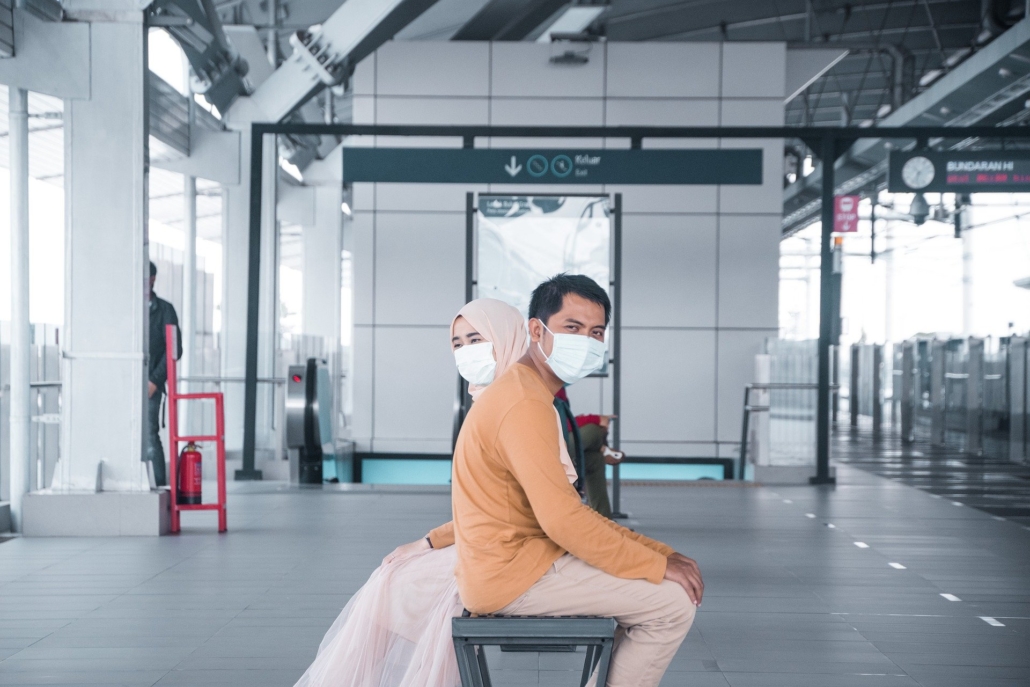
The COVID-19 pandemic has renewed interest in air quality as lockdowns and public health restrictions have led to improved quality in many areas. Additionally, research has found a link between poor air quality and poor COVID-19 outcomes. The decline in pollution will be only temporary, and in many areas was actually smaller than scientists anticipated.
The impacts of poor air quality on global health beyond COVID-19 are numerous. However, curbing emissions and improving quality where it is already poor are huge undertakings. Nonetheless, looking at those living in urban areas where quality is monitored, more than 80% of people are experiencing air pollution in excess of the limits suggested by the World Health Organization (WHO). This makes air quality a pivotal global health issue.
Another important factor in addressing this issue is the distribution of the negative effects of poor air quality. In other words, the development of any program or policy interventions ought to consider the inequitable distribution of those effects. Research in the United States and the United Kingdom indicates that while wealthier people tend to be responsible for the majority of air pollutants, those living in impoverished areas disproportionately experience the harmful effects of those pollutants.
A. What Compromises Air Quality
There are two main categories of air pollutants: those naturally occurring and those human-made. While dust storms and wildfires can introduce harmful particulate matter, there are also numerous sources of pollution driven by human activities. These include automobiles, certain types of power plants, oil refineries and more. In addition to particulate matter, other pollutants that adversely affect health include sulfur dioxide, nitrogen dioxide and ozone.
Finding new yet affordable ways to decrease the pollutants we release into the air is challenging but not insurmountable. Putting this into perspective, 90% of people around the world are breathing unclean air according to WHO guidelines.
B. What Poor Quality Air Does to Our Health
Beyond the link between air pollution and poor COVID-19 outcomes, research also shows the negative impact air pollution has on the risk of stroke and heart disease, certain types of cancer, lung infections and diseases and even mental health. Furthermore, both air quality and environmental quality tend to be worse in areas of the world already comparatively disadvantaged.
According to research on the effectiveness of European climate and pollution policies, the number of people prematurely dying after exposure to fine particulate matter pollution decreased by approximately 60,000 between 2018 and 2019. Better yet, between 2010 and 2020, there was a 54% drop in premature deaths attributable to nitrogen dioxide pollution. Despite these positive outcomes, they also demonstrate the extent of the damage airborne pollutants can do to human health.
C. What Has Proven Successful in Protecting Air Quality
Like health policy progress, innovations in air quality programs and policies often start at the local government level. According to the Environmental Defense Fund (EDF), cities around the world are implementing ultra-low and zero-emission urban access zones, deploying hundreds of thousands of electric buses, and learning from their own successes in moving to clean municipal transportation in order to teach other cities to do the same.
The EDF notes the importance of gathering detailed data on air quality. This data allows organizations to identify communities disproportionately affected by pollution and develop targeted approaches to protecting and improving air quality. This type of data can help localities not only measure levels of pollutants over time but pinpoint hotspots. Hotspots include, for example, those caused by construction sites and manufacturing facilities. The need for this type of data is worldwide, but developing nations are in particular need of the tools necessary for thorough air quality monitoring.
Highlighting the successes experienced in air pollutant reduction efforts in wealthier counties may seem counterintuitive given the importance of addressing inequalities across the world. Still, they also represent numerous lessons for developing cities and countries to learn. The negative experiences of areas already developed have yielded data, technology and sample policies from which leaders worldwide can draw. Moving forward, it is essential that organizations and leaders around the world prioritize improving air quality.
– Amy Perkins
Photo: Pixabay
