• Link to X
  • Link to Facebook
  • Link to Instagram
  • Link to TikTok
  • Link to Youtube
  • About
    • About Us
      • President
      • Board of Directors
      • Board of Advisors
      • Financials
      • Our Methodology
      • Success Tracker
      • Contact
  • Act Now
    • 30 Ways to Help
      • Email Congress
      • Call Congress
      • Volunteer
      • Courses & Certificates
      • Be a Donor
    • Internships
      • In-Office Internships
      • Remote Internships
    • Legislation
      • Politics 101
  • The Blog
  • The Podcast
  • Magazine
  • Donate
  • Click to open the search input field Click to open the search input field Search
  • Menu Menu

Archive for category: Foreign Relations

Foreign Aid, Foreign Relations, Global Poverty

Impact of Foreign Aid on Brazil

Impact of Foreign Aid on BrazilIn 2022, Brazil received an estimated $577 million in foreign aid from countries such as the United States (U.S.) and international organizations like the United Nations (U.N.). Given that Brazil is home to two-thirds of the world’s largest rainforest, much of this aid is focused on environmental conservation, particularly in the Amazon rainforest. The SOS Amazônia Association has worked extensively on deforestation prevention through the Fundo Amazônia (Amazon Fund), a state fund supporting indigenous communities and conservation efforts.

Several countries, including Norway, Germany, the United Kingdom (U.K.), the U.S. and Switzerland, contribute to the fund. According to gov.br, these combined efforts led to a 30.6% decrease in deforestation. However, future funding remains uncertain. Since August 2024, the U.S. has donated $50 million and, in November, pledged another $50 million to further support foreign aid efforts in Brazil.

Infrastructure Development in Brazil

Brazil has attracted significant foreign investment to strengthen its infrastructure and boost economic growth. In November of 2024, Brazilian development bank BNDES negotiated a deal with the Asian Infrastructure Investment Bank (AIIB) for a 16.7 billion reais ($2.89 billion) investment to develop the country’s infrastructure. With this, Brazil looks to improve its economy while creating transport infrastructure to encourage trade between Asia and South America. Additionally, in September 2024, the World Bank Board of Directors approved a $150 million loan to improve road infrastructure in the state of Bahia. The project prioritizes road safety improvements, climate adaptation and reduced transport costs. If successful, this initiative will increase mobility, lower carbon emissions and stimulate economic growth in one of Brazil’s key regions.

Welcoming Migrants Through Foreign Aid

Brazil’s “Operação Acolhida” (Operation Welcome) is a humanitarian program providing housing, employment and resources to Venezuelan migrants resettling in the state of Roraima. The program has received substantial U.S. foreign aid, allowing thousands of migrants to integrate into Brazilian society. However, the uncertainty surrounding future U.S. funding has put the program at risk, prompting officials to seek alternative sources of financial support.

The United Nations High Commissioner for Refugees (UNHCR) has expressed a willingness to provide additional support to keep Operation Welcome running. The program is recognized as a model for managing migration crises in Latin America, highlighting the importance of continued international aid in maintaining humanitarian assistance.

From Recipient to Donor

Brazil, South America’s largest economy, has historically been a major recipient of foreign aid. However, recent economic growth has allowed Brazil to transition into a donor nation, assisting developing countries. The country now contributes aid to Haiti, Guatemala, Paraguay and Portuguese-speaking African nations such as Mozambique, Timor-Leste and Guinea-Bissau. The country’s annual foreign aid contributions total approximately $1 billion, positioning it alongside India and China as an emerging donor. While foreign aid to Brazil is expected to decrease in the coming years, the country remains one of the largest aid providers among developing nations, focusing on regional stability and economic cooperation.

Looking Ahead

Foreign aid has significantly contributed to Brazil’s environmental conservation, infrastructure development and humanitarian initiatives. Programs like Fundo Amazônia, Operation Welcome and infrastructure partnerships with international banks have demonstrated tangible benefits. However, the potential decline in funding poses challenges to maintaining progress. Strengthening domestic investments, leveraging private-sector partnerships and fostering regional collaborations could help bridge funding gaps. While foreign aid has been instrumental in Brazil’s economic and social advancements, the country aims to increase self-sufficiency, playing a greater role in global development efforts.

– Naseem Rahman

Naseem is based in Staten Island, NY, USA and focuses on Global Health for The Borgen Project.

Photo: Flickr

March 12, 2025
https://borgenproject.org/wp-content/uploads/borgen-project-logo.svg 0 0 Precious Sheidu https://borgenproject.org/wp-content/uploads/borgen-project-logo.svg Precious Sheidu2025-03-12 07:30:562025-03-12 01:12:01Impact of Foreign Aid on Brazil
Development, Foreign Relations, Global Poverty

Nigeria’s Nonoil Exports Reach $4.52 Billion

Nigeria's Nonoil Exports Reach $4.52 BillionNigeria, naturally endowed with various resources, has the potential to rank among the world’s top emerging economies. Unfortunately, the nation has not fully capitalized on the economic prosperity expected from such wealth. Global economic indices from reputable international organizations consistently categorize it as an underperforming economy. For instance, in 2005, the UNDP Human Development Index placed the country 164th among 197 nations for low per capita income and 141st for low quality of life. Research using the ARDL approach indicates that with proper management, Nigeria’s nonoil exports could significantly reduce poverty, transform rural areas, create jobs, ensure food security and improve the nutritional health of its people, similar to the oil sector.
Growth Through Nonoil Exports

Nigeria’s recent surge in nonoil exports represents a vital boost for the national economy and a significant step toward poverty alleviation. By expanding nonoil exports, Nigeria is creating new job opportunities, encouraging local industry growth and reducing its dependence on oil, often subjecting it to volatile global oil prices. This economic diversification strengthens the country’s resilience against economic shocks. It helps lift many Nigerians out of poverty by providing more consistent income sources in agriculture, manufacturing and other nonoil sectors.

In 2023, Nigeria’s nonoil export sector surged, achieving a total export value of $4.52 billion from 6.685 million metric tonnes of products. This 28.04% increase from the previous year underscores Nigeria’s focused efforts to reduce its reliance on oil and diversify its economy. The Nigerian Export Promotion Council (NEPC) celebrated this achievement at a recognition dinner in Lagos, attended by major stakeholders in the nonoil sector.

International Trade Agreements

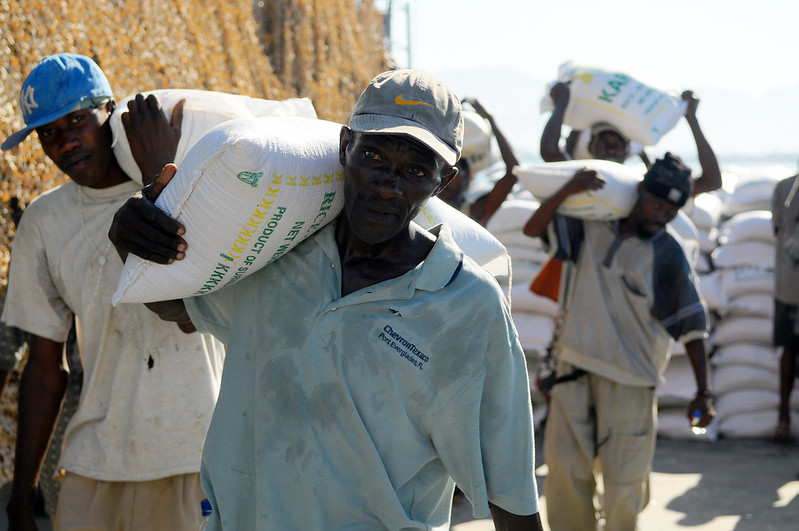
Nonye Ayeni, the Executive Director/CEO of the Nigerian Export Promotion Council (NEPC), recently highlighted the success of Nigeria’s nonoil exports in 2023, which showcased the country’s capacity to diversify its economy. Nigeria exported more than 273 unique products, including urea, cocoa beans, sesame seeds, soybeans, gold ore, cashew nuts, aluminum ingots and hibiscus flowers, to various global markets, significantly bolstering its foreign exchange inflows and supporting the naira’s stability. This growth in Nigeria’s nonoil export sector marks a promising shift, underscoring the potential to generate sustainable revenue beyond oil.

Further reinforcing this strategic focus, Dr. Doris Uzoka-Anite, Minister of Industry, Trade and Investment, discussed Nigeria’s recent trade agreements with nations such as the United Kingdom, the United States, China and India. These agreements aim to remove trade barriers and open international markets, supporting the growth of Nigeria’s nonoil exports. The government has also bolstered this sector by improving exporters’ access to financing through partnerships with the Bank of Industry (BOI) and Nexim Bank, offering single-digit interest rates to support their expansion. This comprehensive approach demonstrates Nigeria’s commitment to fostering an economically resilient nonoil sector, pivotal for stabilizing the country’s long-term economic growth trajectory.

The “Double Our Nonoil Export, DONE” Initiative

The Nigerian Export Promotion Council (NEPC) has launched the “Double Our Nonoil Export, DONE” initiative, which aims to bolster Nigeria’s nonoil export sector. Nonye Ayeni, the Executive Director/CEO of NEPC, highlighted that this initiative aligns with the country’s economic revitalization strategy, focusing on key objectives such as job creation, poverty alleviation and sustainable economic growth. The plan includes prioritizing 20 key products, supporting 10 leading exporters for each product and identifying five international markets for expansion.

The Export Support Officers (ESO) program, a significant aspect of this initiative, assigns dedicated officers to help major exporters overcome operational challenges. This program is expected to streamline business processes, further enabling Nigerian exporters to strengthen their presence in international markets. Through these ongoing efforts, Nigeria’s nonoil export sector is positioned for growth, enhancing the country’s economic stability and resilience, which in turn enhances living standards and economic stability for communities, ultimately contributing to poverty reduction.

Government Support for Export Manufacturing

At the event, Uzoka-Anite commended the achievements of the top 30 companies involved in export manufacturing, emphasizing that the government would continue to encourage industrialization and processing of raw materials for export. Such strategies, she argued, increase revenue and create employment opportunities. The government also introduced tax credits, reduced tariffs and other incentives to ensure the continued growth of the nonoil sector. “We want to enhance our industrialization efforts and support businesses by offering access to financing, market entry support and operational resources,” Uzoka-Anite explained.

The NEPC’s latest achievements in nonoil trade reflect Nigeria’s ability to become a competitive player in global markets. The efforts to prioritize value-added sectors indicate a clear direction in Nigeria’s economic transformation strategy, which aligns with the country’s broader industrial and trade goals.

Nigeria’s Path to a More Diversified Economy

Nigeria’s Path to a More Diversified Economy The nonoil sector has been a focal point in government policy, as the country aims to reduce its vulnerability to the fluctuations of oil prices on the global market. By boosting sectors such as agriculture and manufacturing, Nigeria is establishing a more sustainable path for long-term economic growth. The NEPC’s investment in quality standards and enhanced market access for Nigerian goods reflects the agency’s commitment to enhancing the global competitiveness of the country’s nonoil exports. 

The recent success in nonoil exports, as recognized by the nation, is that Nigeria is on the right track. Ayeni expressed her optimism about the future of the sector, commending the resilience of Nigerian exporters and the critical role they play in diversifying the economy. As Nigeria continues to attract foreign investment and prioritize nonoil products, the country’s economic landscape is poised for substantial growth in the coming years.

Building on Progress

Nigeria’s nonoil export growth has set a new precedent for economic diversification in the country. With initiatives like the DONE program, partnerships with financial institutions and government support for exporters, Nigeria is laying the foundation for a rich and diversified economy. As Ayeni and Uzoka-Anite emphasized, the government and the NEPC are committed to creating an environment conducive to export growth, marking a promising future for Nigeria’s nonoil sector.

– Alaya Laila

Alaya is based in Abuja, Nigeria and focuses on Business and New Markets for The Borgen Project.

Photo: Flickr

December 1, 2024
https://borgenproject.org/wp-content/uploads/borgen-project-logo.svg 0 0 Precious Sheidu https://borgenproject.org/wp-content/uploads/borgen-project-logo.svg Precious Sheidu2024-12-01 07:30:452024-12-01 00:24:15Nigeria’s Nonoil Exports Reach $4.52 Billion
Education, Foreign Relations, Global Poverty

Vocational Education Centers in Afghanistan

Vocational education centers in Afghanistan
After spending nearly 20 years in Afghanistan, the U.S. is withdrawing from the conflict with Taliban insurgents by August 31, 2021. The U.S. withdrawal is leaving the Afghan people and government susceptible to a Taliban takeover or all-out civil war, which could lead to the souring of Afghan-American relations. Perhaps U.S. support of new and improved vocational education centers in Afghanistan could help provide Afghans with the skills to repair the infrastructure that war has ravaged and maintain positive relations between the two nations.

History of Afghan Vocational Training

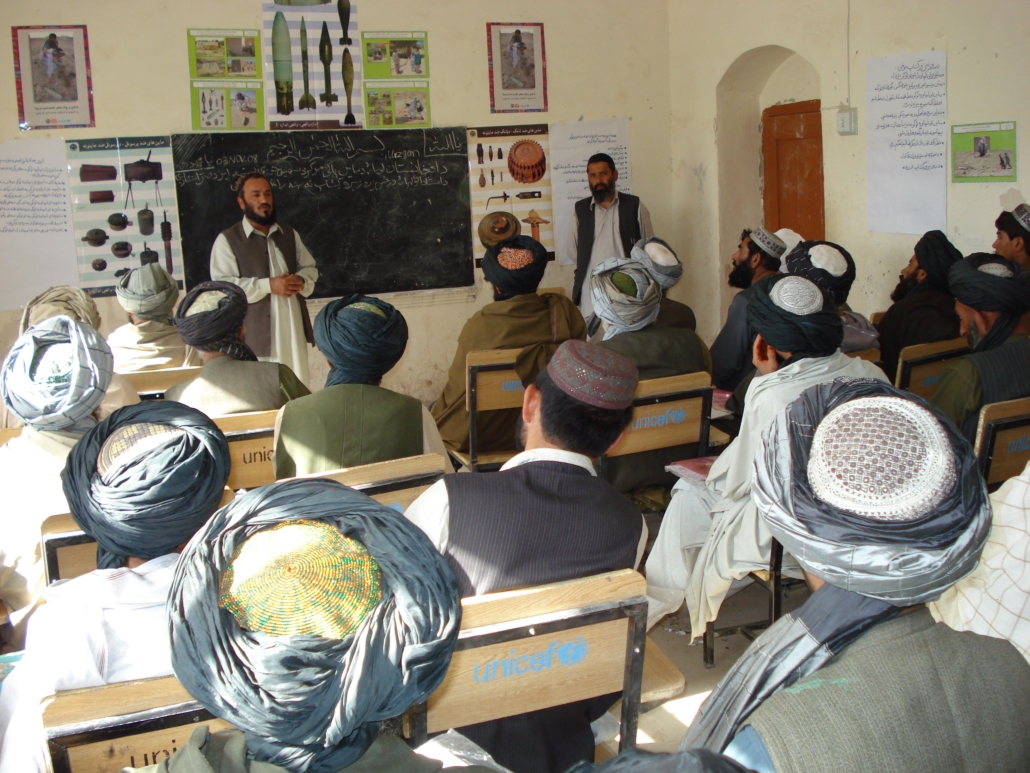
Afghanistan established its first institutions for technical and vocational training in the 1950s, with the help of countries such as the U.S., USSR, Germany and the United Kingdom. The Afghan education system integrated technical education with the creation of the Faculty of Agriculture and Engineering in 1956 and Kabul Polytechnic in 1968. However, following the Soviet invasion and the rule of the Communist Regime in 1979, many male students were unable to pursue technical education. These students either entered the military, fought with Mujahideen freedom fighters or fled the country. Additionally, many intellectuals who others associated with vocational education centers, opposed the Soviets and either went to prison, died from violence or had to flee.

The Soviet invasion severely hampered Afghan economic development and destroyed much of Afghanistan’s infrastructure, including many technical education centers. However, Afghanistan did not rebuild the infrastructure that experienced destruction in the civil war after the Soviet Union left and since the U.S. entered Afghanistan in 2001. Additionally, much of Afghanistan’s basic infrastructure, including clean water, proper sanitation and electricity, has experienced damage from the country’s previous conflicts. More vocational education centers in Afghanistan may increase access to trained individuals who could remedy these infrastructure issues.

Benefits of Vocational Education Centers

As of 2020, the World Bank reported that Afghanistan has an unemployment rate of 11.7%. According to UNICEF, 3.7 million Afghan children do not attend school. The formation of additional vocational education centers in Afghanistan could create more employment and educational opportunities for the Afghan people. Additionally, it could potentially provide the centers’ graduates with the capability to repair the infrastructure of a country that war has ravaged. Providing Afghan citizens with more vocational education centers would aid in the alleviation of poverty throughout the developing country. As UNESCO stated in a report concerning the development of Afghanistan’s Vocational Education programs, “education is one of the keys to sustainable development, peace and stability.”

U.S. institutions and Afghan vocational education centers have worked together successfully in the past. Prior to the Soviet invasion, Afghanistan had a rapidly developing set of vocational education centers. The Faculty of Engineering at Kabul University received almost all of its training in the U.S. and used U.S. textbooks for their classes. From the school’s formation in 1956 until 1978, the school had a significant affiliation with U.S. institutions through USAID support. As of 1977, the admission rate of the Faculty of Engineering at Kabul University grew from 300 to 1,000 per annum.

Additional vocational education centers in Afghanistan prior to the Soviet invasion included:

  • Kabul Polytechnic Institute
  • Kabul Mechanical School
  • Afghan Institute of Technology
  • Kandahar Mechanical School
  • Khost Mechanical School
  • Mazar-i-Sharifi Technicum
  • Kabul Technicum

The Soviets methodically dismembered these vocational education centers following the 1979 invasion. Soon, the communist ideology took precedence over all aspects of education. This lasted until the collapse of the communist government and the subsequent civil war in 1992. After that, all technical colleges and schools in Afghanistan underwent severe damage.

How USAID Assists With Development

The U.S. has been helping with the development of Afghanistan’s vocational education centers more recently as well through the Afghanistan Workforce Development Program (AWDP). USAID conceived the program in 2012 and sought to expand employment and wages in Afghanistan. It did this by increasing the employability of Afghan citizens in areas where skilled labor was necessary. This task reached completion through a four-step process. Firstly, a “labor market demand assessment” occurred to identify the skills in demand by the Afghan private sector. Following this assessment, USAID guided the curricula of the Afghan training providers to meet the demand of the private sector. After establishing the curriculum, USAID provided subsidies to help local training centers educate trainees in lacking areas. Finally, USAID provided pre-employment, job placement and follow-up services to ensure that those who completed training programs found work.

Positive Results

The AWDP was effective in many ways. As of 2018, 48,873 Afghans, 36% of them women, received training in competency-based technical and business management skills. Additionally, 28,790 participants of the program obtained assistance in finding work as a result of the AWDP. To ensure progress following the program’s completion, USAID also allowed private institutes to open career counseling centers. These five institutes trained 1,758 university graduates and landed 807 trainees jobs as of 2019. Furthermore, the program provided Master Training of Trainers (MToT) training to 1,401 master trainers attending institutes of higher learning. About 1,060 of those trainees earned jobs relevant to their expertise or received a promotion at their current jobs.

Since the U.S. military is withdrawing from Afghanistan in 2021, it may be beneficial for the U.S. government to support vocational education centers in Afghanistan further. Continuing to provide resources and increase funding may help maintain positive relations between the U.S. and Afghanistan. Furthermore, new or improved vocational education centers in Afghanistan would increase employment opportunities and empower more Afghans with the ability to repair infrastructure and further develop the state.

– Wais Wood
Photo: Wikimedia Commons

August 5, 2021
https://borgenproject.org/wp-content/uploads/borgen-project-logo.svg 0 0 Jennifer Philipp https://borgenproject.org/wp-content/uploads/borgen-project-logo.svg Jennifer Philipp2021-08-05 07:35:022024-12-13 18:02:33Vocational Education Centers in Afghanistan
Foreign Policy, Foreign Relations, Global Poverty

Taking a Feminist Approach to Foreign Policy

Taking a Feminist Approach to Foreign PolicyOn March 8, 2021, Rep. Jackie Speier [D-CA-14], a well-known advocate for women’s rights, introduced H.Res.196: Expressing the importance of taking a feminist approach to all aspects of foreign policy. The bill’s focus is to close the gender gap between men and women globally by taking a feminist approach to foreign policy. The resolution has 43 co-sponsors with an array of male and female representatives supporting the resolution, several of whom serve on the Foreign Affairs Committee.
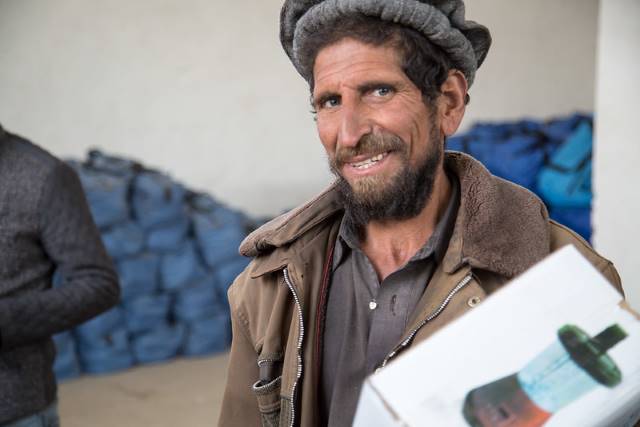
Global Gender Equality Issues

The inequalities among men and women exist in a myriad of forms, several of which are intersecting issues. One of the most prevalent inequalities exists in the workforce. Globally, women earn 24% less than men. This gap is so large that the current rate of progress would see 170 years pass before the gender pay gap is closed. Women often work longer than men when accounting for unpaid work such as household duties and child care. Despite this fact, women still earn less money by a considerable margin. According to Oxfam, women do double the amount of unpaid care work as men, sometimes even 10 times as much. The estimated monetary value of the unpaid work women do is, at minimum, $10.8 trillion.

Also, the fundamental reason women have waned behind men is that women have fewer rights. Worldwide, women have only three-fourths of the rights that men have. The lack of rights means women are not able to progress and develop at the same rate as men despite being disproportionately affected by poverty. Unfortunately, gender inequality impacts developing countries the most, mainly because an annual amount of $9 trillion is lost due to inequality. This significant amount of money could instead uplift economies and reduce poverty in communities.

Sustainable Development Goals

Goal 5 of the 2030 Sustainable Development Goals relates to achieving gender equality. Taking a feminist approach to foreign policy would help achieve this goal due to the influence the approach would have on promoting and supporting global adoptions of policies that directly improve gender equality. More so, achieving gender equality would help accomplish several other Sustainable Development Goals such as fair and equal employment for all and ending poverty.

Rep. Jackie Speier

Rep. Jackie Speier has advocated for women’s rights throughout her tenure in Congress. Newsweek nominated Speier as one of the 150 most “Fearless Women” in the world. Rep. Speier was also considered one of the 50 most influential people in U.S. politics for introducing the Me Too movement to Congress. Rep. Speier and Sen. Gillibrand introduced the ME TOO Congress Act in 2017, which formed the fundamental part of the Congressional Accountability Act (CAA) Reform Act.

H.Res.196

H.Res.196 provides solutions to the global problem of gender inequality. The focus is on recognizing all examples of inequality and attempting to end them accordingly. The priority is to advocate peacefully and methodically for women’s rights worldwide. H.Res. 196 works with clear and precise objectives to address gender equality. The policy goals are reached by allocating more money to support worldwide efforts in increasing women’s rights. The feminist approach to foreign policy not only benefits women who have suffered from inequality but serves for the betterment of the entire world.

H.Res.196 profoundly expresses how a feminist approach to foreign policy can help solve several intersecting issues worldwide. Supplying foreign aid and support would bring the world closer to achieving several Sustainable Development Goals. Adding a feminist focus to this will accelerate global development efforts to end poverty worldwide.

– James Van Bramer
Photo: Flickr

June 21, 2021
https://borgenproject.org/wp-content/uploads/borgen-project-logo.svg 0 0 Kim Thelwell https://borgenproject.org/wp-content/uploads/borgen-project-logo.svg Kim Thelwell2021-06-21 07:30:042024-06-06 00:59:34Taking a Feminist Approach to Foreign Policy
Foreign Aid, Foreign Relations, Global Poverty, Humanitarian Aid

Facts on Foreign Aid Efforts in Afghanistan

Foreign Aid efforts in AfghanistanAfghanistan’s evolution after two gruesome decades of immense adversity has caught the attention of countries all over the world. The South Asian nation has made breakthroughs in infrastructure, getting millions of girls in school and improving community development. Nonetheless, foreign aid efforts in Afghanistan are still crucial for the further development of the country.
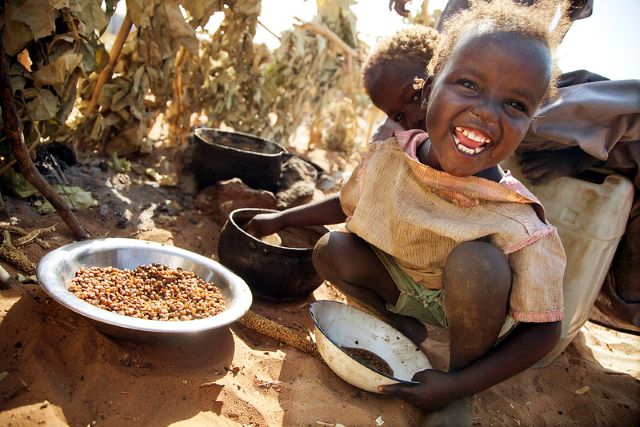
Foreign Aid Skepticism and COVID-19

The world wants to see Afghanistan succeed, but despite willing donors, definitive complications hinder the level of aid that Afghanistan is severely reliant on. The imminent withdrawal of U.S. troops has caused violence from the Taliban to spike while pressures of long-awaited peace talks between the two powers unfold, making donors wary of sending money that could be wasted due to corruption based on past events.

On top of that, COVID-19 is running rampant and bruising economies all over the world, cutting aid efforts in half compared to previous years.

Afghanistan’s rooted systematic issues will continue to undermine any reconstruction and development efforts unless a clear and mindful plan is made that addresses the topical concerns affecting the nation and motions toward this kind of growth are beginning to come to fruition. There are several important facts to note about foreign aid efforts in Afghanistan.

Cuts to US Forces Links to Cuts Toward Aid

To end the United States’ longest war, the Pentagon announced that a cut to U.S. forces in Afghanistan from 4,500 to 2,500 will be underway by mid-January 2021. This decision has already sparked vigilance and tensions between the Afghanistan government and the Taliban, as there is a great concern that the Taliban will feel invited to expand its influence and interfere with hopes of peace and progress. United Nations High Commissioner for Refugees, Filippo Grandi, urges that Afghans are in “acute need” of humanitarian support, stating that nearly 300,000 Afghans have been displaced by conflict in 2020.

Deadly attacks on Afghan forces show the Taliban’s intentions during a time where peace talks are being strained after months of stagnance and it has made donors feel uneasy about whether the Taliban could abuse any funding meant for aid. Even amongst suspicions, foreign donors like Germany are still showing support, urging the international community “not to turn their backs on Afghanistan.”

Ensuring Prosperity is an International Effort

After 19 years of promised reforms and attempts to grow the economy after the U.S. ousted the Taliban in 2001, Afghanistan will still be reliant on international support for the foreseeable future. Ministers from about 70 countries and officials from humanitarian organizations have pledged a total of $12 billion to the war-torn country over the next four years, at Afghanistan’s international donor conference held on Nov. 23 and 24 of 2020.

Germany has pledged $510 million in civilian assistance, the United Kingdom pledged $227 million in civilian and food aid, Norway pledged $72 million in development assistance and humanitarian aid and the United States pledged $600 million in civilian aid but made half of it conditional on the progress of Taliban peace talks. The U.S. was not alone in donating with specific conditions. All donors stressed that aid would only come as long as Afghanistan shows that it is committed to the peace process and that all parties to the Afghan conflict must respect human rights.

COVID-19 Causes Donation Restraints

Afghanistan is one of many countries taking an economic plunge due to COVID-19. The poverty level jumped from 54% last year to 70% during the pandemic, with more than half the population living on $1.14 a day, despite the billions of dollars devoted to the country over the last two decades.

A global pandemic combined with fragile circumstances emphasizes the need for foreign aid in Afghanistan, but with the heavy burden of COVID-19, most international donors have made significant restrictions on how much they can give. At the last donor conference in 2016, countries pledged a total of $15.2 billion for the years 2017-2020 compared to the $12 billion for 2021-2024.

Past Corruption is Obstructing Development

The U.S. government’s independent oversight authority on Afghan reconstruction, the Special Inspector General for Afghanistan Reconstruction (SIGAR), reported on October 20, 2021, that $19 billion of the total $63 billion that the U.S. has spent on Afghanistan’s reconstruction since 2002 was lost to waste, fraud and abuse.

With corruption forming such a stain on Afghanistan’s reputation and leaving remnants of distrust amongst potential donors, it is apparent why obtaining the necessary aid for growth and development has been such a hindrance for the war-torn country. That is why it is vital to ensure that future investments being made toward reconstruction are not lost and exploited.

Prospects for Peace

The Afghan government and the Taliban have endured a three-month impasse regarding peace talks that were finally brought to a close on November 2, 2020. The Afghan government and the Taliban are now expected to implement an agenda on how they can be partners in developmental changes and advancing realistic and sustainable peace plans.

As the world carefully watches the peace talks unfold, there is hope for a new start. Afghanistan is ready to transform into what it has envisioned for decades, and with realistic compromises set in place, there is an assurance that donors and the international community will feel less wary about foreign aid efforts in Afghanistan.

– Alyssa McGrail
Photo: Flickr

February 10, 2021
https://borgenproject.org/wp-content/uploads/borgen-project-logo.svg 0 0 Kim Thelwell https://borgenproject.org/wp-content/uploads/borgen-project-logo.svg Kim Thelwell2021-02-10 01:30:362024-05-30 07:55:58Facts on Foreign Aid Efforts in Afghanistan
Developing Countries, Food Insecurity, Foreign Aid, Foreign Relations, Global Poverty

USAID Provides $20 Million Worth of Wheat to Sudan

Wheat to SudanSudan’s position on the list of states that sponsor terrorism restricted their trades, imports and economy. However, with the recent removal, Sudan has already reaped the benefits of foreign aid from the United States. USAID approved a $20 million payment to the World Food Programme to provide a massive 65,000 metric ton shipment of wheat to Sudan.
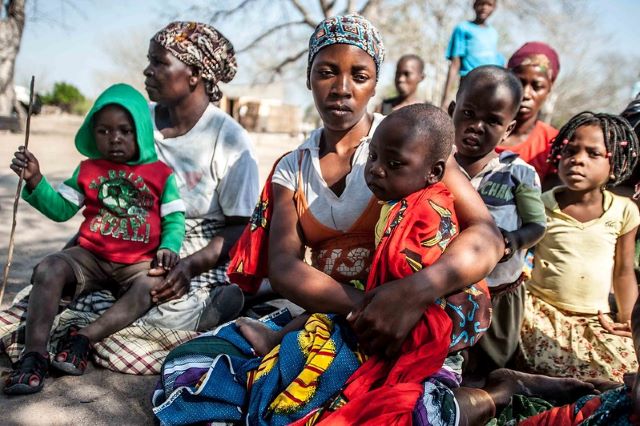
Diplomacy Opens Doors

The $20 million shipment of wheat to Sudan is part of an $81 million commitment from the U.S. to help Sudan fight poverty and hunger. This contribution will bring its total aid for the fiscal year to over $400 million, making the U.S. the largest aid sponsor to Sudan.

Sudan’s removal from the list of states sponsoring terrorism was contingent on Sudan’s recognition of Israel as a nation.  After such recognition, Israel also sent a $5 million wheat shipment to Sudan.

Economic Lockdown Compounds Hunger Crisis

While Sudan has found recent diplomatic success, its plight as a nation remains dire. Nearly half of Sudanese people are in poverty, with 46% living under the poverty line as of 2018.

Roughly nine million people will need food assistance in 2020, up by 9% from 2019, as widespread poverty has been worsened by the effect of COVID-19 on the economy.

Further stress on already limited food resources comes from droughts, floods and conflict that has displaced nearly two million people, compounded with hosting one million refugees who need food assistance.

The rampant poverty in Sudan has led to extreme numbers of children suffering from hunger and malnutrition across the nation. The number of children facing emergency food insecurity levels doubled over the last year to 1.1 million. According to Save the Children’s country director in Sudan, Arshad Malik, “120 children are dying every day due to malnutrition.”  Overall, 9.6 million individuals in Sudan are food insecure as a result of lockdown restrictions, a weak economy, natural disasters and conflict.

USAID Contributes to Disaster Relief

Although the weak economy has waned further from job losses and food prices soaring from economic restrictions, food aid remains the first priority for Sudan and USAID. Additionally, Sudan has suffered from its worst floods in 100 years, which has caused massive destruction due to vast underdevelopment. USAID granted another $60 million in aid for Sudan to recover from flooding and fight waterborne diseases that can spread during floods.

Foreign Aid Essential to Development

Sudan’s new democracy undoubtedly faces short and long-term obstacles with regard to the country’s development and stability. Natural disasters, economic woes, poverty and hunger, cripple an already struggling nation. The shipment of wheat to Sudan from USAID is crucial for helping the people of Sudan meet their daily needs and alleviating hunger and poverty. Extending the olive branch of foreign aid creates interdependence between nations and encourages peace and prosperity. Bringing nations such as Sudan out of poverty creates a more secure, just and prosperous world.

– Adrian Rufo
Photo: Flickr

January 7, 2021
https://borgenproject.org/wp-content/uploads/borgen-project-logo.svg 0 0 Kim Thelwell https://borgenproject.org/wp-content/uploads/borgen-project-logo.svg Kim Thelwell2021-01-07 02:03:302024-05-29 22:57:28USAID Provides $20 Million Worth of Wheat to Sudan
Developing Countries, Foreign Relations, Global Poverty

The DFC Energy Projects in Mozambique

Energy Projects in MozambiqueOn September 9, 2020, the United States International Development Finance Corporation (DFC) approved two energy projects in Mozambique. The recent decision resulted in a loan of $200 million to Centra Térmica de Temane for a power plant and $1.5 billion in risk assurance to support the commercialization of Mozambique’s natural gas reserves. The purpose of these projects is to create access to energy and an opportunity for economic growth fueled by Mozambique’s natural gas reserves. The DFC energy projects in Mozambique constitute a substantial investment by the U.S. that will make good on the Prosper Africa pledge which aims to increase U.S. investment in Africa.

Keeping its Promise to Africa

The Prosper Africa initiative serves to create business opportunities in Africa and increase two-way trade and investment with the intent to benefit companies, investors and workers in the U.S. and Africa. Dennis Hearne, U.S. Ambassador to Mozambique, spoke highly of the two projects stating, “These projects will have a significant development impact in Mozambique, improve lives and create a once-in-a-generation opportunity for the country to build a more prosperous future for all Mozambicans.”

Jumpstarting Economic Growth

Mozambique is one of the poorest countries in the world, with a GDP per capita of less than $500. It is the job of the DFC to prioritize projects in areas that are low income. DFC investment for energy projects in Mozambique could create a lot of private capital in the country and jumpstart economic growth.

The DFC will provide up to $1.5 billion in political risk insurance to advance the development, construction and operation of an onshore liquefaction plant that will commercialize Mozambique’s natural gas reserves in the Rovuma Basin. This project could turn the country into a major energy exporter and increase the GDP by an average of $15 billion per year, creating long-term economic growth. The development will envelop the entire country, boosting sectors aside from oil and gas.

Diversifying Power Resources

Those in Mozambique who are lucky enough to have electricity rely almost entirely on one colonial-era dam called Cahora Bassa. The dam provides more than 2,000 megawatts out of the approximate 2,800 megawatts installed capacity. Due to extreme weather conditions, the Zambezi River, which powers the dam, flows irregularly, “putting the country’s entire power system at great risk.” The DFC’s proposed power plant will be powered by Mozambique’s natural gas reserves, providing a different source of electricity that is also reliable.

Creating a Power Infrastructure

Only 29% of Mozambicans have electricity in their homes, making it an energy-poor country. Companies with a grid connection still rely on diesel 17% of the time and biomass (wood and charcoal) accounts for 60% of the country’s primary energy use.

In order to develop, construct and operate a 420-megawatt power plant with a 25-kilometer interconnection line and 560-kilometer transmission line, the DFC will loan Central Térmica de Temane up to $200 million. Not only will the power plant diversify the country’s power resources but will also reduce the cost of electricity. Furthermore, it will allow Mozambique to use its own natural gas supply to increase power generation and support the government’s plans to develop the national electricity system.

Balancing Exports and Domestic Use of Natural Gas

Mozambique’s natural gas reserves are abundant and will provide the country with an incredible income. However, Mozambique is uninterested in exporting all of its natural gas to Europe and Asia. The DFC will help Mozambique attain the generation infrastructure that will allow the country to use natural gas to power its homes and businesses and it will support large-scale liquified natural gas export facilities in order to bring revenue into Mozambique.

The completion of the DFC energy projects in Mozambique will take Mozambique from one of the poorest countries with regard to revenue and energy to a major energy exporter with long-term economic growth. These projects will help the economy grow, provide the country with a diverse power infrastructure and balance its natural gas usage. These investments will also fulfill the Prosper Africa pledge in which the U.S. vowed to increase investment in Africa. Overall, U.S.-Africa relations will benefit, and more importantly, a prosperous future will lie ahead for the people of Mozambique.

– Mary Qualls
Photo: Flickr

January 6, 2021
https://borgenproject.org/wp-content/uploads/borgen-project-logo.svg 0 0 Yuki https://borgenproject.org/wp-content/uploads/borgen-project-logo.svg Yuki2021-01-06 00:02:242021-01-06 00:02:23The DFC Energy Projects in Mozambique
Developing Countries, Development, Foreign Relations, Global Poverty, Poverty Reduction, USAID

Aceli Africa: Strengthening African Agribusinesses

African AgribusinessesOn November 30, 2020, USAID announced a joint operation with the Swiss Agency for Development and Cooperation and the IKEA Foundation to contribute $30 million to Aceli Africa to help bridge the financing gap experienced by many African agribusinesses. The grant is estimated to have a tremendous impact and will unlock $700 million in financing for up to 750 African agribusinesses in Tanzania, Kenya, Rwanda and Uganda.

Agri-SMEs Lack Financing

Much of Aceli Africa’s work focuses on a data-driven approach to incentivizing financial institutions to provide loans for small and medium-sized African agribusinesses or “agri-SMEs”, as Aceli Africa calls them.

According to Aceli Africa’s research, agri-SMEs represent a golden opportunity to solve hunger and poverty throughout Africa and help fulfill key U.N. Sustainable Development Goals (SDGs), such as gender equality and climate action.

This is because smallholder farmers consist of both men and women and provide direct access to food sources that are responsibly raised in accordance with the needs of the local environment. Furthermore, the expansion of the agricultural sector in Africa is two to three times more effective in eliminating poverty than growth in any other sector.

Despite the great potential of African smallholder farms, banks are largely unwilling to loan them much-needed financing to power additional growth. Banks do not have the risk appetite for small farms in Africa due to price volatility, the seasonality of farming, pest invasions and a weak regulatory environment.

The result of this is an investment shortfall of $65 billion per year for agri-SMEs in Africa. Initiatives focused on microfinancing do not provide enough financial injection for agri-SMEs, which are larger than the microenterprises that are the usual recipients of microloans. Agri-SMEs are thus left out of financing. However, the work of Aceli Africa aims to change these circumstances.

Aceli Africa Incentivizes Banks to Loan to Agri-SMEs

To bridge this gap in financing, Aceli Africa partners with numerous organizations such as USAID, the IKEA Foundation, Feed the Future and the International Growth Center to incentivize banks to loan and provide technical assistance to agri-SMEs.

This is where the aforementioned $30 million contribution has the potential to positively impact agriculture and African agribusinesses. One of the incentive programs that Aceli Africa employs is to cover the losses of the first loan that a financial institution gives to an African agri-SME.

This works by depositing 2-8% of the loan’s value in a reserve account that the lender can access when losses are experienced. This boosts risk appetite among lenders and makes banks and other institutions more willing to invest in agri-SMEs in Africa.

Aceli Africa also provides technical assistance for financial management for African agri-SMEs through online tools and other in-person approaches to help smallholder farmers optimize growth using the loans they receive. These approaches have the potential to put U.S. taxpayer dollars to effective use by addressing poverty and hunger abroad.

United States Outreach is Key in Combatting Poverty

USAID’s decision to partner with the Swiss Agency for Development and Cooperation and the IKEA Foundation to contribute to the work of Aceli Africa symbolizes the value and power of international partnership in the fight against global poverty. When the United States decides to lead on an issue, the rest of the world follows. Key international partnerships are essential for the United States to take the lead and garner international support to address key global issues.

– John Andrikos
Photo: Flickr

December 10, 2020
https://borgenproject.org/wp-content/uploads/borgen-project-logo.svg 0 0 Yuki https://borgenproject.org/wp-content/uploads/borgen-project-logo.svg Yuki2020-12-10 01:30:372024-05-30 07:55:58Aceli Africa: Strengthening African Agribusinesses
Developing Countries, Food Aid, Food Security, Foreign Aid, Foreign Relations, Global Poverty

2020 Conference Pledges Aid to Afghanistan

Aid to AfghanistanThe period of 2018 to 2020 brought with it a series of difficulties for the people of Afghanistan, including droughts, floods and pandemics. A severe drought in 2018 impacted 95% of the country’s farmland and dried up crucial water sources. More than 250,000 people were displaced and at least 1.4 million civilians required emergency aid. Following the drought, 2019 had the opposite occurrence: heavy rainfall activated widespread flooding in nine provinces, impacting more than 112,000 people. These crises continue to be felt in 2020 as both old and new challenges exacerbate conditions for the poorest Afghans. Countries all over the world are pledging to provide aid to Afghanistan.
Conditions Affecting Afghanistan

  • COVID-19: In November 2020, Afghanistan documented 44,133 coronavirus cases and 1,650 fatalities. The socio-economic impacts have been extensive. Average household debt rose by 36,486 AFS (US$474) and the poverty level increased from 54% to 70%. According to the World Bank, Afghanistan’s economy is predicted to contract by at least 5.5% due to the 2020 impact of COVID-19.
  • Displacement: Nearly 286,000 Afghans at home and 678,000 abroad suffered displacement in 2020, bringing the total displaced to approximately four million. Internal displacement camps are rife with insanitation, poor healthcare, unemployment, limited potable water and food insecurity. According to estimations by the 2020 Humanitarian Needs Overview, one million displaced people will require aid by the end of 2020.
  • Political Uncertainty: Political instability has been a mainstay in Afghanistan for decades and continues to trouble both citizens and the international community. Despite ongoing 2020 peace negotiations with the Taliban, fighting continues in the region. As a result, desperately needed health clinics have suffered closures and 35,000 Afghans were displaced from the Helmand Province in October 2020 alone.
  • Women’s Rights: Conditions for Afghan women and children have improved in recent years, allowing 3.3 million girls to receive an education. Additionally, women have experienced expanding opportunities for political, economic and social engagement. However, government participation is still strictly limited and women are still at high risk of violence.
  • Food insecurity: Afghan farmers still had not fully recovered from the 2018 drought and 2019 flood before the impact of COVID-19 on the country raised food prices, and with it, further food insecurity. Estimates warn that one-third of the population have already exhausted their savings and are in crisis levels of food security, with 5.5 million of them in emergency levels. However, farmers are hopeful that improved climate conditions will alleviate some of the damage done in previous years of difficulties.

2020 Afghanistan Conference

International donations fund at least half of Afghanistan’s annual budget. This is unlikely to change anytime soon, especially as COVID-19’s toll on the country’s economy also decreases government revenues. There was concern that the 2020 Conference would see a diminished aid pledge from Afghanistan’s largest donors, but the meetings that took place on November 24 secured a minimum of US$3.3 billion annually for four years contingent upon a review of Afghanistan’s progress in areas of peace, political development, human rights and poverty reduction. The United States is one such donor, pledging $300 million for 2021 and promising another $300 million worth of aid to Afghanistan if the ongoing peace talks prove successful. To this end, the “Afghanistan Partnership Framework” details the principles and goals of Afghanistan’s growth in peace-building, state-building and market-building.

Rebuilding Afghanistan

While some have expressed concern that the donations for aid to Afghanistan are not enough to cover costs and that the contingency requirements will be very difficult for Afghanistan to implement without compromises, there nevertheless is hope that tighter restrictions will prevent fewer funds from being lost to corruption. Despite the future challenges ahead of Afghanistan, Afghan leaders reiterated their commitment to “finding a political settlement that can not only bring an end to the suffering of the Afghan people but strengthen, safeguard and preserve the gains of the past 19 years.”

– Andria Pressel
Photo: Flickr

December 9, 2020
https://borgenproject.org/wp-content/uploads/borgen-project-logo.svg 0 0 Yuki https://borgenproject.org/wp-content/uploads/borgen-project-logo.svg Yuki2020-12-09 01:30:432024-05-30 07:55:572020 Conference Pledges Aid to Afghanistan
Foreign Aid, Foreign Relations, Global Poverty, Refugees

UNRWA Struggles after the US Pulls Funding

UNRWA
The United Nations Relief and Works Agency (UNRWA) was specifically created to help Palestinian refugees after the 1948 Israeli-Arab war. The Palestinian refugee problem has only grown since its formation, so the U.N. has allowed the agency to continue operating.

Palestinian refugees are unique. Every person who was a resident or a resident’s descendant of what is now Israel all have a legal designation as ‘refugees.’ UNRWA now serves four generations of Palestinian refugees, having grown from serving 750,000 to 5.6 million.

The United States Pulls Funding

The United States pulled its funding from UNRWA in 2018. President Trump cited the reason behind the defunding as the agency’s incompetency. The United States had previously been contributing about $355,000 million of UNWRA’s budget.

The United States’ decision affected refugees who rely on UNRWA’s aid for education, health care, protection and basic human needs like food security. In 2017, reports determined that 39% of Palestinian refugees lived in poverty, and very little effort has occurred to assimilate Palestinians into host communities.

Palestine, Israel and the international community, in general, see the United States’ choice as an effort to delegitimize UNRWA and the 5.6 billion Palestinian refugees it serves. Revoking these generations of Palestinians’ refugee status would take away their right to return to their homeland.

Aftermath of Funding Removal

In 2020, the U.N. extended UNRWA’s mandate to the year 2023. However, UNRWA is still struggling financially. Not only did it appeal to the international community to donate a minimum of $1.4 billion for the yearly budget, but it requested another $14 million for COVID-19 emergency aid.

The UNRWA reported that it can only sustain operations until May 2020 with the added health crisis that COVID-19 brought on. It has only raised one-third of its budget. UNRWA’s director stated that the UNRWA must run on a “month to month basis” enduring the biggest financial instability since its creation.

Pleas for Help

The United States made the suggestion to transition the UNRWA’s responsibilities into the hands of the Arab countries that host Palestinian refugees. However, these nations are struggling to fill their own funding gap. Arab countries are suffering from high poverty rates and an influx of refugees from the ongoing conflict in Syria.

UNRWA has also sought the help of NGOs, such as Islamic Relief USA, to fill the funding gap. This is a faith-based organization that works to raise funds and mobilize volunteers for a range of initiatives including UNRWA. It has been helping Palestinian refugees since 1994. Islamic Relief USA has served 1,077,000 people from 2017 to 2019.

The United States government might have cut off funding to UNRWA as a result of flaws within the agency. It might have hoped to delegitimize the Palestinian right of return. Either way, Palestine’s impoverished people need UNRWA’s support. If UNRWA is not successful in gaining new donors, they will lose their access to education, health care and other necessary securities that are human rights.

– Olivia Welsh
Photo: Flickr

September 27, 2020
https://borgenproject.org/wp-content/uploads/borgen-project-logo.svg 0 0 Kim Thelwell https://borgenproject.org/wp-content/uploads/borgen-project-logo.svg Kim Thelwell2020-09-27 14:50:172020-11-03 14:50:31UNRWA Struggles after the US Pulls Funding
Page 2 of 41234

Get Smarter

  • Global Poverty 101
  • Global Poverty… The Good News
  • Global Poverty & U.S. Jobs
  • Global Poverty and National Security
  • Innovative Solutions to Poverty
  • Global Poverty & Aid FAQ’s
Search Search

Take Action

  • Call Congress
  • Email Congress
  • Donate
  • 30 Ways to Help
  • Volunteer Ops
  • Internships
  • Courses & Certificates
  • The Podcast
Borgen Project

“The Borgen Project is an incredible nonprofit organization that is addressing poverty and hunger and working towards ending them.”

-The Huffington Post

Inside The Borgen Project

  • Contact
  • About
  • Financials
  • President
  • Board of Directors
  • Board of Advisors

International Links

  • UK Email Parliament
  • UK Donate
  • Canada Email Parliament

Get Smarter

  • Global Poverty 101
  • Global Poverty… The Good News
  • Global Poverty & U.S. Jobs
  • Global Poverty and National Security
  • Innovative Solutions to Poverty
  • Global Poverty & Aid FAQ’s

Ways to Help

  • Call Congress
  • Email Congress
  • Donate
  • 30 Ways to Help
  • Volunteer Ops
  • Internships
  • Courses & Certificates
  • The Podcast
Scroll to top Scroll to top Scroll to top