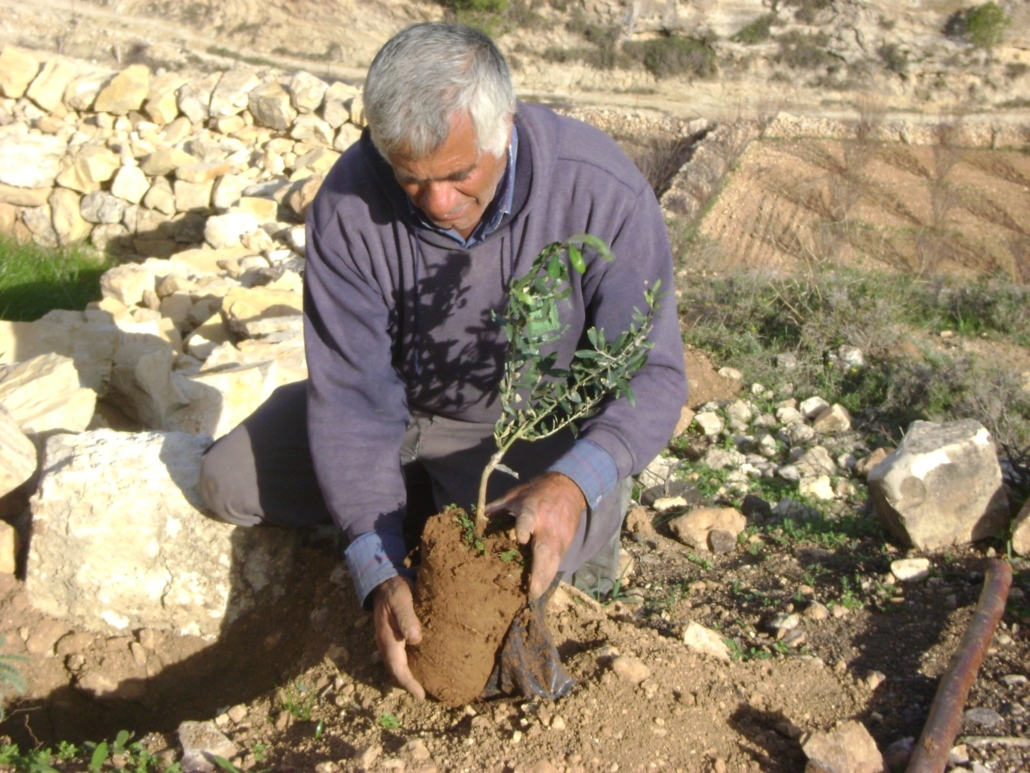
Olive trees hold symbolic, agricultural and economic meanings for Palestinian farmers. In a nation where almost one-third or 1.6 million people face food insecurity and do not have access to “nutritious food,” essential crops, like olives, are vital for many communities’ survival. Here is some information about the importance of olive trees in Palestine.
Harvesting Crops Despite Denial of Access
The rise of Israeli forces and conflict on Palestinian lands in May 2021 forced Palestinian farmers from their olive tree harvesting grounds. However, after the olive harvest season started earlier in 2021, a cohort of Palestinian olive farmers decided to take the risk of returning to their farmlands despite the armed Israeli guards in their path.
Residents and landowners from the small Palestinian town in the Northern West Bank of Palestine returned to Jabal Sabih, Mount Sabih, to handpick olives from their trees. Israeli guards are still present at the site. However, the Palestinian farmers successfully harvested their trees despite the Israeli presence.
Impact of Growing Tensions
Tensions between Israeli and Palestinian communities have remained high throughout history, but escalated tensions between the two occurred in May 2021. Israeli settlers attempted to take over Palestinian lands, and 50 Israeli families set up camp on the Palestinian olive farming grounds in May. Israeli families then evacuated in July. Palestinian farmers said these farming lands have passed through generations of family members and the trees are “part of their souls and more.”
The farmers emphasized that olive trees are one of only a few arbors that can grow in their mountainous farming areas. The trees do not need water, which means they can grow in drought conditions. Farmers said that transporting water into the region would be extremely difficult due to the terrain.
The Many Uses of Olives
The production of olives is a main source of income for more than 80,000 families in Palestine, showing the importance of olive trees to the country. More than 90% of the oil that farmers harvest from olive trees goes toward making olive oil, with them allocating the remainder to making olive soap, table olives and pickles. In the West Bank, farmers have planted more than 12 million olive trees. The nation exports some of the olives to Jordan but the rest are for local consumption.
Following the second Palestinian uprising in 2000, the Israeli army began destroying or uprooting olive trees in farmlands. The army stated that it needed to use the grounds for military operations and to provide pathways between villages. However, later reports suggested that the military specifically targeted the farmers to make it difficult for them to earn a living.
Foundations Wanting to Help
Some local organizations are helping olive tree farmers. The Arab Group for the Protection of Nature started a campaign after the severe removal of the olive trees. In 2011, AP Nature replaced 1 million olive and fruit trees. To date, the campaign has planted more than 2.5 million trees.
The Near East Foundation, an organization with a focus on building more sustainable communities in the Middle East and Africa through education, community organizing and economic development, directly supports Palestinian communities through three programs. These include early childhood education and school feeding, support for the olive oil groups and support for women’s economics.
The Near East Foundation renovated and upgraded 18 olive oil mills in Palestine and Israel due to the importance of olive trees and olive oil production to the Palestinian economy. The organization also facilitated training for oil producers to increase their production and quality of olive oils.
The ongoing tension between Israel and Palestine has extreme effects on Palestinians’ ability to access their crops to provide food for themselves and earn a living. Though permits for Palestinian farmers are available to access the lands that the Israeli army now dominates, these permits are hard to obtain and there is still no guarantee Palestinian farmers can access their land even with a permit. A group of Palestinian olive farmers had the bravery to enter into Israeli military grounds to harvest their olives, but tensions between the two nations must subside before Palestinian farmers can have full access to their own lands once again.
– Makena Roberts
Photo: Flickr
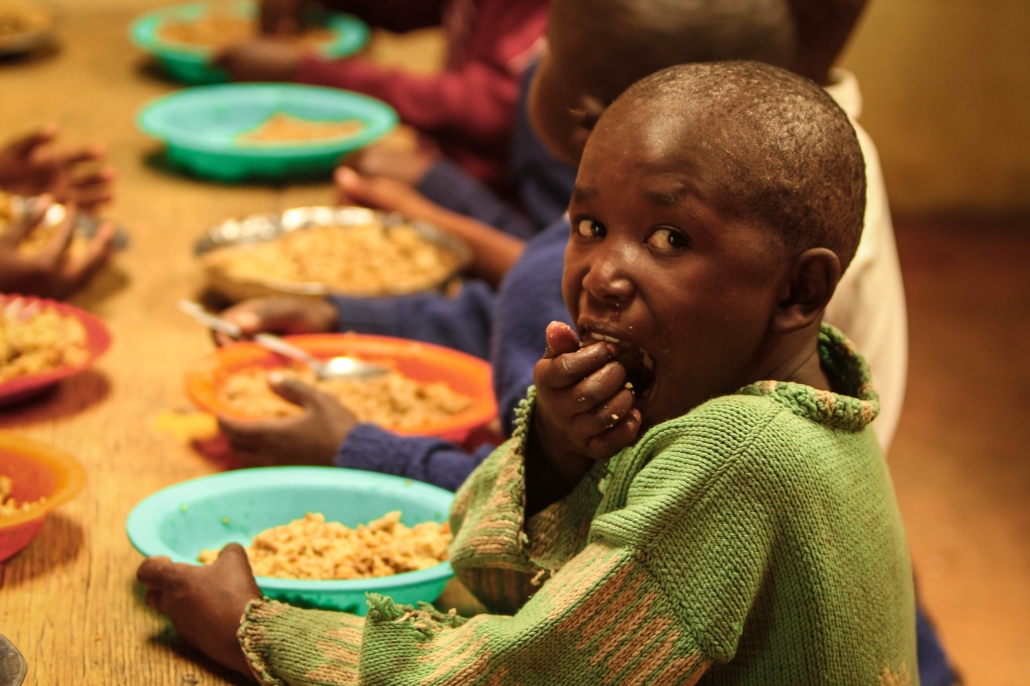

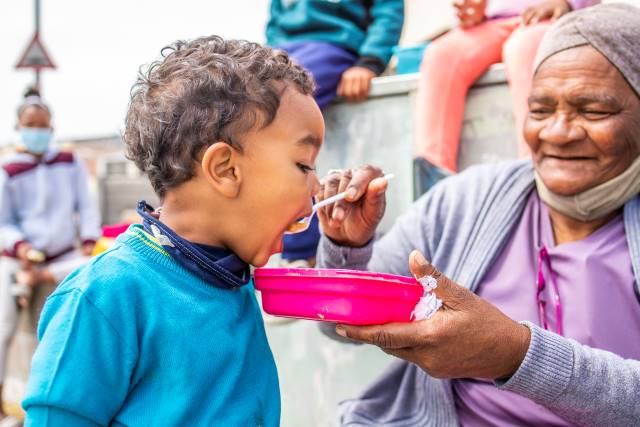 South Africa is one of the most developed African countries and the continent’s largest stock exchange. However, despite its advanced economy, South Africa still has much work to do to solve its key issues, one of them being food insecurity. According to Statistics South Africa, in 2017,
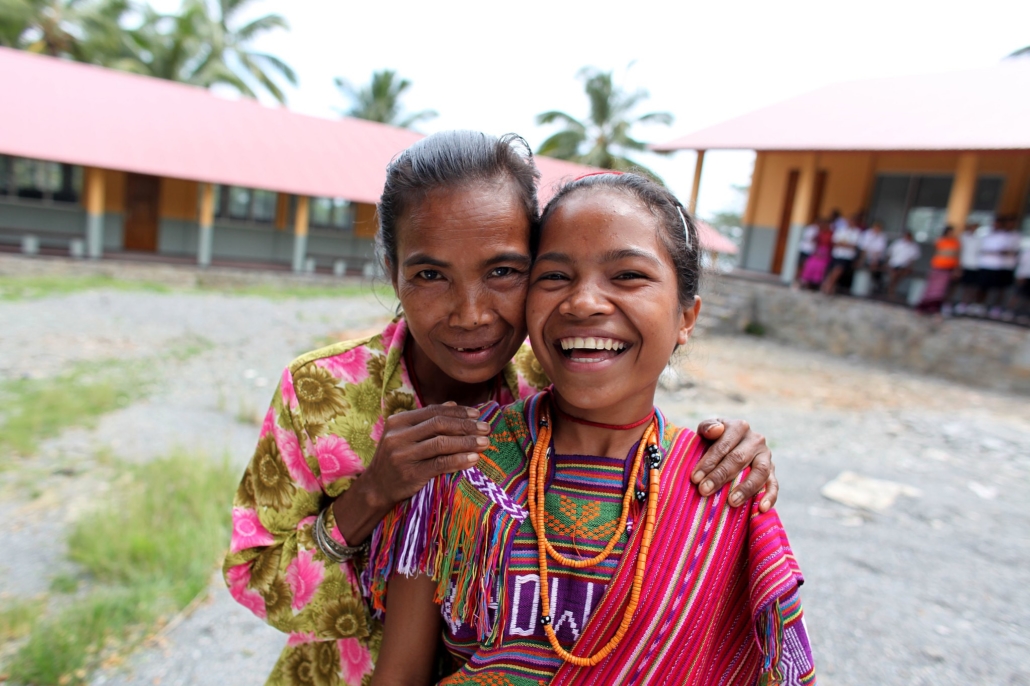
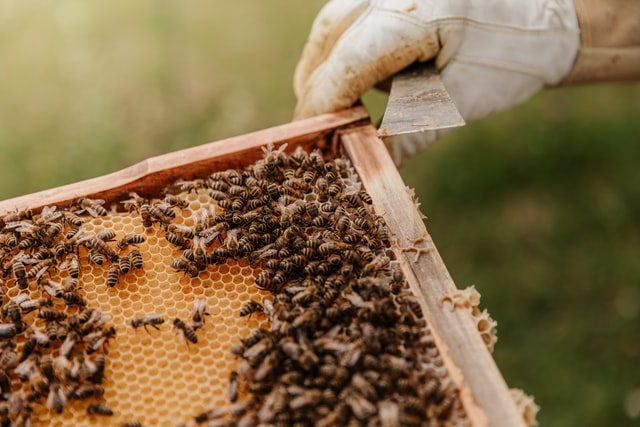 Angelina Jolie is widely considered one of the film industry’s most successful and famous stars. In 2020, she was the
 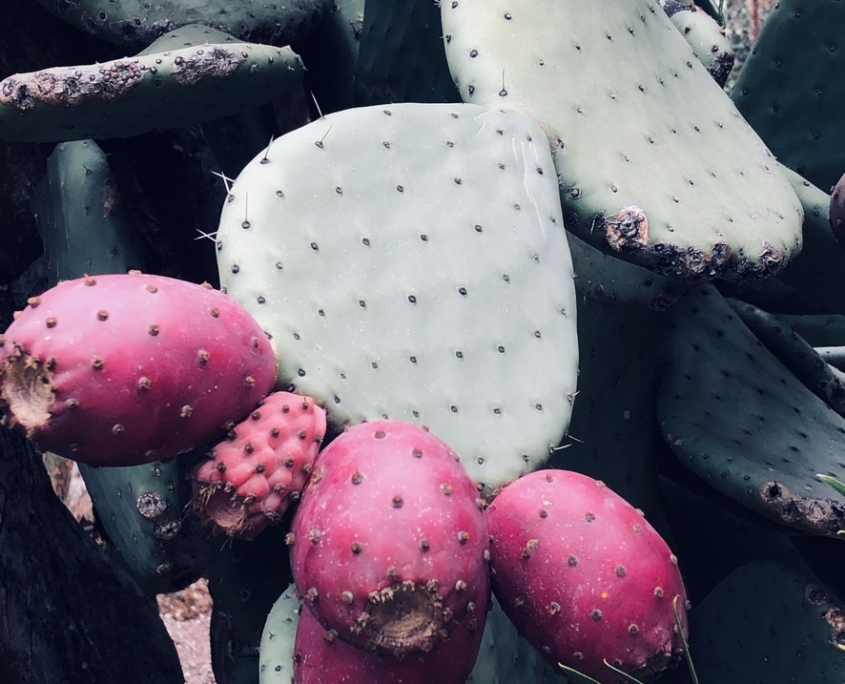 The opuntia, better known as the prickly pear, could be the key to food security in the world’s most arid countries, according to the U.N.’s Food and Agriculture Organization (FAO). This statement is born from the results of a five-year study conducted by the University of Nevada, Reno. The study sought to examine the potential
 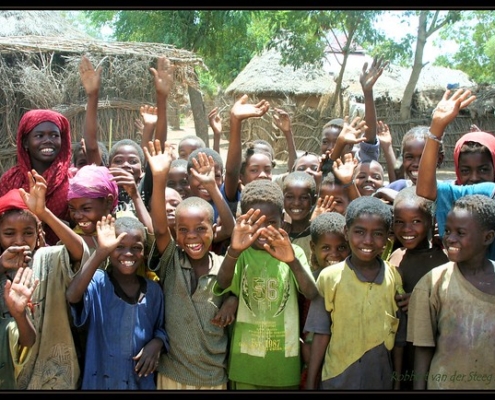 Somalia is located in the Horn of Africa with a population of more than 15 million people. Today, more than 70% of the country’s population experience poverty. The people of Somalia struggle with food insecurity, vulnerability to human trafficking and youth unemployment among other challenges. One issue, in particular, is malnutrition in Somali children.