• Link to X
  • Link to Facebook
  • Link to Instagram
  • Link to TikTok
  • Link to Youtube
  • About
    • About Us
      • President
      • Board of Directors
      • Board of Advisors
      • Financials
      • Our Methodology
      • Success Tracker
      • Contact
  • Act Now
    • 30 Ways to Help
      • Email Congress
      • Call Congress
      • Volunteer
      • Courses & Certificates
      • Be a Donor
    • Internships
      • In-Office Internships
      • Remote Internships
    • Legislation
      • Politics 101
  • The Blog
  • The Podcast
  • Magazine
  • Donate
  • Click to open the search input field Click to open the search input field Search
  • Menu Menu

Archive for category: Food Security

Information and stories about food security news.

Food Security, Global Poverty

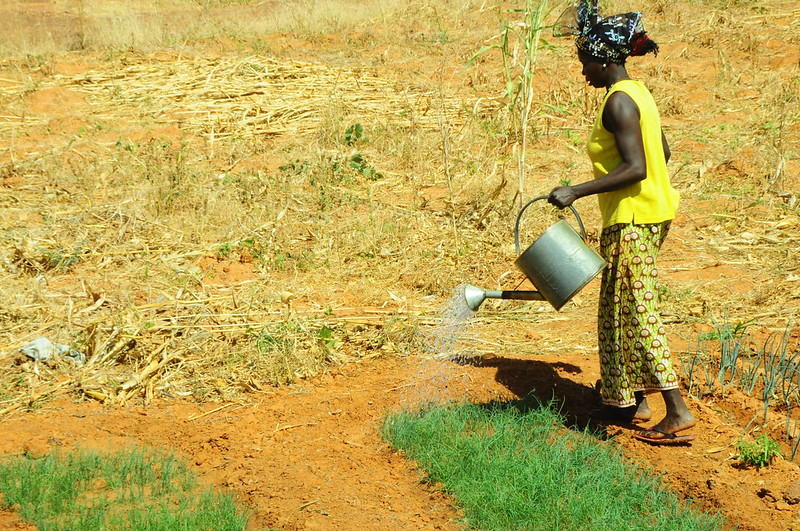
Macron’s Re-election and Poverty in France

Poverty in France
After a two-week campaign against Marine Le Pen, the French people re-elected Emmanuel Macron as their president on April 24, 2022, for another five-year mandate. The man who many often call the “president of the rich” has to deal with a country that is experiencing more and more inequalities today. After a first mandate in which Macron had to deal with the yellow vests or “Gilets Jaunes” movements requesting economic and social justice, France experienced the COVID-19 pandemic and the start of the Russian invasion of Ukraine. Poverty in France has become central to its people, whose main concern is their purchasing power amidst rising inflation. In fact, France’s inflation rate was 4.5% in March 2022.

Poverty in France

Although many know France for how it funds education, health care services and retirement pensions, the pandemic has had an impact on the French people. COVID hit parttime workers and workers in the informal economy especially hard. Additionally, many students were ineligible for state support during the pandemic, and many migrants and clandestine workers were only able to obtain support from NGOs.

The Fight Against Poverty in France Over the Last Five Years

In order to answer the needs and requests of the French people, the French government took different measures to adapt to each crisis the country was going through. Back in 2018, Macron first began with a $9.3 billion plan to fight the poverty in which nine million people in France are living.

Macron’s philosophy has always been to allow people to get out of poverty through work. Hence, Macron’s government decreased income tax and distributed a €100 bonus to low-income workers. The government adopted the “no matter the cost policy” to support businesses that the pandemic affected, thus protecting as many jobs as possible starting with the medical professionals who benefited from a €9 billion salary increase.

What About the Next Five Years?

Despite the fact that the populist class voted for Marine Le Pen, Macron has plans to continue his fight against poverty in France. The first measure Macron promised upon re-election was to provide “food cheques” to the people who cannot afford high-quality, local food.

With the ongoing war in Ukraine and the rise in prices of gas, Macron authorized subsidies for energy bills. However, the main measure of his program is to provide work and employment for people so they can get out of poverty. For that to happen, Macron is encouraging employers to recruit employees by adopting “pro-businesses reforms.”

After efforts to alleviate poverty over the last five years, the country is more in need of more reforms to fight poverty. The recently re-elected president has already started to implement some reforms and has work to do to please the important part of France’s population that is against his policies and is seeing its purchasing power diminish every day.

– Youssef Yazbek
Photo: Flickr
May 8, 2022
https://borgenproject.org/wp-content/uploads/borgen-project-logo.svg 0 0 Jennifer Philipp https://borgenproject.org/wp-content/uploads/borgen-project-logo.svg Jennifer Philipp2022-05-08 01:30:562024-05-30 22:25:59Macron’s Re-election and Poverty in France
Food & Hunger, Food Insecurity, Food Security, Global Poverty

Desertification and Farming in the Sahel

Farming in the Sahel
Desertification is a problem that those living in the Sahel Region have faced for many years. Desertification is when areas of viable land for farming dry up and are absorbed or transformed into a more desert-like climate. The Sahel Region spans 10 African countries including Burkina Faso, Chad and Cameroon. The Sahel Region has lost millions of hectares of easily accessible farming land to the desert, thus creating food insecurity and loss of income for thousands, if not millions, in the region.

The Impact of Desertification

Desertification is the official term for the process when fertile land, typically in an arid, semi-arid or sub-humid area, loses enough moisture to receive classification as desertland or drylands. The drylands are 40% of the earth’s land surface. According to the United Nations, the rate of degradation in areas susceptible to desertification has sped up 30 more times than in previous years. Increased human activity and the lack of rainfall for extended periods are the leading causes of dryland desertification. Desertified lands officially are 10% of the Earth’s land surface. Many families in areas at risk of desertification rely on farming for their income. But, as the land dries, farming becomes impossible.

Desertification hits some of the most vulnerable populations as it takes away income sources. Desertified land can neither grow crops nor provide the food or land necessary for livestock. The land that some once coveted for farming now cannot retain water. The income that agriculture and livestock farming on desertified land formerly bought no longer exists.

Farming in the Sahel Region

The Sahel Region is officially a semi-arid climate, making farming difficult. Large companies do not typically organize farming in the Sahel Region. Instead, farming is family or community-run and provides food immediately for the owners and operators of the farms. There is little food or livestock traded elsewhere to earn income. Additionally, there is little to no developed infrastructure for communities to develop commercial farming.

Farming in the Sahel Region does not provide a lot of income, nor is it located in an area with highly-ranked or flourishing economies. It has, however, in many past years, contributed at least 45% of each region’s gross domestic product. Many countries in the Sahel Region employ the majority of their workforce in the agriculture sector. In half of the countries of the Sahel Region, poverty rates are as high as 40%. Therefore, the income of the Sahel Region farmers is vital.

In Chad, farmers earn an average of $253 a month. Mali farmers earn less than Chad farmers, with an average monthly income of $169. Senegal farmers earn around $173 a month. These farmers earn enough to sustain themselves, but there is rarely extra money to circulate into the local economy.

How to Improve Farming in the Sahel Region

Farming in the Sahel Region is a race against the clock as the region faces desertification. Organizations such as Context Global (CGD) invest in small farms to bring about economic growth and improvements to the Sahel Region farming communities. CGD does this by creating international links between the farms. CGD builds commercial links without requiring membership in an overarching organization so the farms can maintain independence and gain more experience to advance their operations and incomes.

In the desertified lands, though, farming is incredibly difficult. To combat desertification, there is a new farming tool called the Delfino Plough. The plough brings the ground back to life. This plow, in particular, can cover a minimum of 10 hectares a day to revitalize the land. As the plow moves along along the farmland, it injects seeds deep into the ground that are rich in vitamins to allow the soil to sustain life. As nutrients seep into the ground, it can revert back to its original state and sustain more and more crops.

Creating Opportunity

The more crops that farms are capable of producing, the more they can earn and provide for their landowners and communities. The land brought back to life saves the farmers money as well. If they can grow hay instead of buying it, farmers save money that they can then spend on other farming necessities. With the efforts of organizations such as CGD and tools such as the Delfino Plough, the farmers will have the opportunity to expand their farming operations and increase their immediate incomes while saving for the future.

– Clara Mulvihill
Photo: Flickr

February 7, 2022
https://borgenproject.org/wp-content/uploads/borgen-project-logo.svg 0 0 Jennifer Philipp https://borgenproject.org/wp-content/uploads/borgen-project-logo.svg Jennifer Philipp2022-02-07 07:30:082024-05-30 22:25:43Desertification and Farming in the Sahel
Child Poverty, Food & Hunger, Food Security, Global Poverty

Tackling Child Malnutrition in Chad

Child Malnutrition in Chad
Chad, a country located in Central Africa, faces one of the highest levels of child malnutrition worldwide. A meta-analysis of child malnutrition in sub-Saharan Africa from 2006 to 2016 found that 39.9% of children in Chad suffered from stunting and 28.8% were underweight. Extreme weather events and conflict in the country exacerbate food insecurity, making it more difficult for many families to provide adequate, nutritious diets for their children. To help improve children’s health and reduce food insecurity, four recent initiatives are tackling child malnutrition in Chad.

Scaling Up Nutrition

Scaling Up Nutrition (SUN) is an organization that collaborates with low- and middle-income countries’ governments to organize malnutrition prevention efforts. In 2017, SUN developed partnerships with five civil society organizations in Chad focused on improving nutrition. SUN has also established six local Civil Society Alliance offices across different provinces of the country. With SUN’s support, these organizations adopted nutrition as an integral part of their development plans. SUN has also trained and mobilized 35 radio presenters and journalists for nutrition communication, who continue to help raise awareness on malnutrition across the country.

Collaboration with UNICEF and the UK

Through its Department for International Development, the U.K. committed £4 million to a collaboration with UNICEF to reduce acute malnutrition in Chad in 2018 and 2019. Using this grant, UNICEF provided therapeutic milk, Ready-to-Use Therapeutic Food and essential drugs to 58,670 children across 20 provinces nationwide.

UNICEF also used the DFID grant to develop more sanitary and hygienic health centers, improving 30 facilities across the country. This development benefited an estimated 40,000 mothers and caregivers of children suffering from acute malnutrition.

Zafaye West Health Center

A nutrition project that UNICEF and the U.K.’s Foreign, Commonwealth and Development Office sponsored supports the Zafaye West Health Center. The project selected N’Djamena, where the health center is located, as a priority province in Chad for nutrition aid because a 2019 survey detected a high prevalence of acute malnutrition in the area.

Community volunteers from the center travel door-to-door to reach out to mothers, encouraging them to visit the health center to check up on their children’s health and engage in educational campaigns. The campaigns educate mothers on the importance of balanced diets for their children and teach them nutrient-dense, affordable recipes to prepare. The nutrition project has saved 43,000 children, located within the six target provinces it serves, from acute malnutrition as of June 2021.

The World Food Programme (WFP)

The World Food Programme is an organization that provides food assistance across more than 80 countries worldwide. WFP helps provide nutritious meals to 120,000 school children in the Sahel, the region of Africa where Chad is located. The organization also feeds 15,000 children in the Lake Chad region through an emergency school meal program.

In addition, WFP helps prevent child malnutrition in Chad among 6-month-olds to 2-year-olds by providing cash-based nutrition support to their families. This support provides families with more stable access to nutrient-dense foods.

Although many children in Chad currently face malnutrition, these four initiatives are making progress in eradicating this issue. With this support, child malnutrition in Chad may decline in the years to come.

– Aimée Eicher
Photo: Flickr

January 26, 2022
https://borgenproject.org/wp-content/uploads/borgen-project-logo.svg 0 0 Jennifer Philipp https://borgenproject.org/wp-content/uploads/borgen-project-logo.svg Jennifer Philipp2022-01-26 01:30:262024-05-30 22:25:39Tackling Child Malnutrition in Chad
Food & Hunger, Food Insecurity, Food Security, Global Poverty

Food Insecurity in Syria 

Food Insecurity in Syria The civil war in Syria began in March 2011, greatly impacting the lives of those who live in and around the country of Syria. With the United Nations noting a staggering poverty rate of 90% in March 2021, the people of Syria are struggling to secure their basic needs. Rising levels of food insecurity in Syria are of particular concern, a consequence of the conflict within the nation. According to the United Nations, in 2021, 60% of Syrians were at risk of hunger, “the highest number ever in the history of the Syrian conflict.”

The Numbers

According to an August 2021 World Food Programme (WFP) country brief, 12.4 million people in Syria suffer from food insecurity. This number rose by 4.5 million since the previous year, marking a record high. The onset of COVID-19 served to exacerbate food insecurity and poverty, compounding existing issues of “years of conflict, displacement, soaring food prices and a decline in the value of the Syrian” currency. The cost of essential food “is now 29 times higher” than it was before the civil war began. Due to worsening conditions in the nation, 1.3 million people in Syria are suffering from severe food insecurity. The conflict and war have also led to the displacement of 6.8 million people, serving as another contributing factor to growing food insecurity in Syria.

War and conflict within Syria also affect crops and harvests. A study published by Nature Food in January 2022 uses satellite data to shows that cropland near urban settlements suffered severe disruption after the start of the Syrian civil war. The areas that saw the most cropland reduction are the northwest and southeast. The issue of food insecurity becomes greater when the people of Syria can no longer grow their own crops.

Emergency Food Assistance

According to USAID, 11.7 million people in Syria need humanitarian assistance, 9 million of whom “require emergency food assistance.” Some 65% of Syrians have restricted their food consumption and are now “purchasing food on credit.” This means going into debt to feed their families. USAID’s Office of Food for Peace (FFP) has donated “more than $3.2 billion in emergency food assistance [to Syria] since 2012.” This includes $401.8 million in 2017, $514.6 million in 2018 and another $475.4 million in 2019.

WFP is also providing assistance to the people of Syria. It provides food assistance to 4.8 million people on a monthly basis. This food assistance includes “rice, pulses, oil and wheat.” The WFP also provides pregnant and nursing mothers with “nutritious food” as well as vouchers to help maintain their nutritional needs and improve their diets and vitamin intake. In addition, WFP provides school children with the nutritional food they need. The organization has given “vouchers to more than 348,000 students” to ensure they receive “snacks, fresh meals and assistance.” The crisis in Syria is concerning enough that WFP fundraises hundreds of thousands of emergency funds for its various food emergency initiatives.

Addressing the Crisis

The people of Syria continue to face difficult times during the ongoing civil war. Syrians have lost their homes, family members and access to food during this time. Food insecurity in Syria is at an all-time high, with millions going hungry every day. Citizens’ struggles to grow crops only add to the food insecurity. However, with the help of the FFP and WFP, millions of people in Syria are receiving food assistance. Women and children also benefit from these programs by receiving food and vitamins. These programs offer a great example of how the international community can contribute to food insecurity emergencies around the world.

– Sierrah Martin
Photo: Flickr

January 15, 2022
https://borgenproject.org/wp-content/uploads/borgen-project-logo.svg 0 0 Jennifer Philipp https://borgenproject.org/wp-content/uploads/borgen-project-logo.svg Jennifer Philipp2022-01-15 01:30:182022-01-26 02:58:20Food Insecurity in Syria 
Food Insecurity, Food Security, Global Poverty

Fighting Food Insecurity in The Bahamas

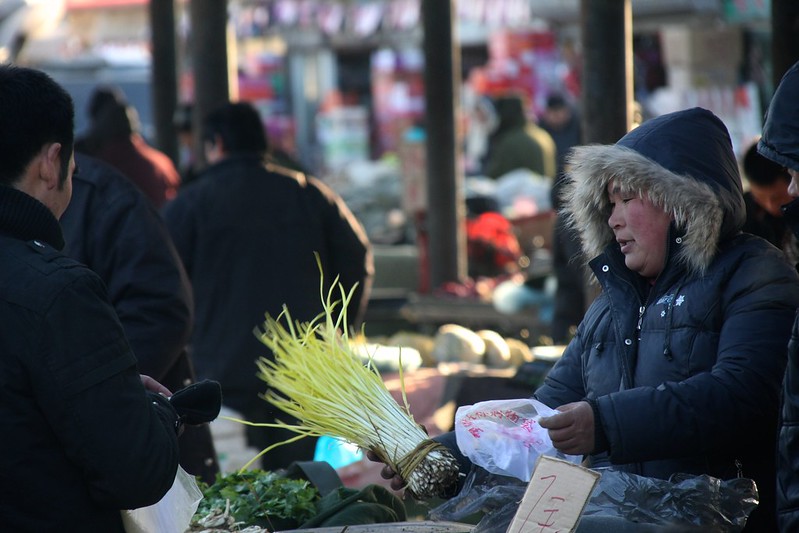
Food Insecurity in The BahamasAside from a vacation spot, The Bahamas is home to approximately 388,000 people, 12.5% of whom are in poverty. Living in poverty presents secondary challenges such as food insecurity. Food products in The Bahamas come with a noticeable price tag. This is because the island imports nearly 90% of these items. Expensive food prices not only affect the economy and any employment opportunities arising from local agriculture but also alienate those who cannot afford these food prices. As a result, food insecurity in The Bahamas is a significant issue that requires addressing.
Statistics Behind Food Insecurity

According to the Food Insecurity Experience Scale (FIES), 21% of people experienced food insecurity in The Bahamas during 2017. This means that almost a quarter of Bahamians experienced a lack of consistent access to adequate food to lead a healthy life, whether through missing meals or being unable to consistently afford quality food products.

This is largely a result of a weak food and agricultural infrastructure and a heavy reliance on imports. Food and agriculture contributed to less than 1% of The Bahamas’ GDP in 2018. This leaves the vulnerable population largely at the mercy of import prices. It also often puts Bahamians in a position where they may not have consistent access to quality food and food products.

The COVID-19 pandemic exacerbated and shed light on the existing challenges in The Bahamas. As a heavily tourism-dependent economy, many people found themselves without work and without a consistent income. This made it increasingly difficult for people to afford the food prices arising from the globally disrupted supply chain.

The Bahamas Feeding Network

The Bahamas Feeding Network uniquely stands out from the crowd when addressing food insecurity. Operating more as a channel, BFN works to coordinate and distribute resources among its member organizations. BFN and its member organizations organized finances, feeding programs, food and non-food supplies, making the fight against food insecurity more effective.

BFN also works to improve communication between different organizations. It is developing a database with times and locations of feeding programs while identifying the most underserved areas in The Bahamas.

In 2013, BFN had 13 member organizations. Now, it has more than 100 feeding centers and programs. Through frequent partnerships with Rotary Clubs, The Bahamas Feeding Network is able to mobilize resources and financial support for organizations fighting food insecurity.

BFN and the Rotary Club donated money to Hands for Hunger, an NGO dedicated to distributing food to disadvantaged people. Thanks to this funding, the organization was able to distribute food vouchers to 100 families in March 2021. BFN also receives support from the Chinese ambassador.

National Food Distribution Task Force

BFN joined forces with the Government of The Bahamas and several NGOs to form the National Food Distribution Task Force (NFDTF). The task force through majority government funding targeted people impacted by the COVID-19 pandemic. Each participating NGO delivered food relief to Bahamian residents in the form of food parcels and vouchers. Within the first official month of its formation in June 2020, the task force was able to assist more than 76,000 people.

BFN uniquely approaches the fight against food insecurity in The Bahamas. Mobilizing support and organizing and distributing resources among the many organizations addressing this specific issue creates a grid of cooperation that maximizes the effectiveness of members’ efforts.

– Owen R. Mutiganda
Photo: Flickr

December 21, 2021
https://borgenproject.org/wp-content/uploads/borgen-project-logo.svg 0 0 Jennifer Philipp https://borgenproject.org/wp-content/uploads/borgen-project-logo.svg Jennifer Philipp2021-12-21 01:30:092024-05-30 22:25:36Fighting Food Insecurity in The Bahamas
Food & Hunger, Food Security, Food Security, Global Poverty

The Campaign Addressing Food Waste in China

Food Waste in China
By November 1, 2021, China reported more than 97,000 COVID-19 cases and 4,636 deaths. Graphic representations of this data seem to show an upward trend as COVID-19 numbers continue rising. Apart from the direct health impacts of COVID-19, the pandemic has also exacerbated existing social strife, such as nationwide hunger. Along with high rates of hunger, China also reports high rates of food waste, with a recent report from July 2021 stating that the nation discards about 350 million tonnes of its farm produce. Addressing the issue of food waste in China provides a solution to growing rates of hunger in the nation. China’s Clean Plate campaign aims to tackle these two issues simultaneously.

Food Waste Globally

With the global population possibly expanding by 2 billion people by 2025, totaling more than 9 billion global citizens, the United Nations stated that “food production must double by 2050 to meet the demand of the world’s growing population.” Yet, about “one-third of the food” the world produces “for human consumption” annually, equating to 1.3 billion tonnes, goes to waste. Fruits and vegetables account for the greatest portion of food waste. According to the United Nations Environment Programme (UNEP), “if just one-fourth of the food currently lost or wasted globally could be saved, it would be enough to feed 870 million hungry people in the world.”

Food Waste in China

In China, specifically, food waste or loss amounts to “more than 35 million tonnes of food.” This amount of food can “feed 30 to 50 million people.”

In August 2020, President Xi Jinping pressed for the nationwide Clean Plate campaign in response to food waste and the economic and food-centric devastation that COVID-19 caused. At the time of Jinping’s address, the southern end of China had suffered immense flooding, ruining crops and leaving the rest of the nation without a sufficient supply of produce.

In essence, the campaign directs that diners must finish the food on their plates. Encouraging empty plates may lead to less food waste. In response to the Clean Plate campaign, “the Wuhan Catering Industry Association urged restaurants in the city to limit the number of dishes served to diners” to reduce instances of over-ordering, thereby reducing food waste. Culturally, there is a traditional understanding that a clean plate is indicative of “a bad host,” implying that there is “an insufficient amount of food” for diners.

Jinping’s initiative encourages people to be more conscious of food waste in order to address food insecurity in the nation. The Clean Plate initiative has proven to be successful, continuing in an entrepreneurial and consumerist sense. Prior to the Clean Plate initiative, taking leftovers home was unheard of, but has since become a commonality.

Looking Ahead

To avoid past crises of food insecurity, initiatives like Clean Plate encourage consumers to approach food consumption more consciously. Traditionally, in China, ordering more food than necessary is an indicator of power, wealth and status. However, the Clean Plate challenges these traditions in the name of reducing food waste to address hunger in China.

– Maia Nuñez
Photo: Flickr

November 26, 2021
https://borgenproject.org/wp-content/uploads/borgen-project-logo.svg 0 0 Kim Thelwell https://borgenproject.org/wp-content/uploads/borgen-project-logo.svg Kim Thelwell2021-11-26 01:30:262024-06-06 01:05:44The Campaign Addressing Food Waste in China
Food & Hunger, Food Insecurity, Food Security, Global Poverty

Rising Food Insecurity Rates in Afghanistan

Food insecurity rates in Afghanistan
Afghanistan has experienced many crises in recent decades, with several domestic and international conflicts transpiring within the nation’s borders. Afghanistan’s economic crisis as well as conflicts and droughts aggravate rates of food insecurity in Afghanistan. With the recent Taliban takeover in August 2021, the country is seeing a collapse in food security. On October 25, 2021, the World Food Programme (WFP) issued a warning that millions of Afghans may face starvation during Afghanistan’s winter unless the world responds with urgent intervention. Understanding the challenges that Afghanistan and its people face, many international organizations are providing both donations and aid to alleviate food insecurity in the nation.

The Food Insecurity Situation in Afghanistan

According to the WFP in October 2021, more than 50% of Afghans, approximately 22.8 million citizens, are enduring severe food insecurity. Furthermore,  about 3.2 million Afghan children younger than 5 years old are at risk of acute malnutrition. In a WFP news release, the executive director of the WFP, David Beasley, says, “Afghanistan is now among the world’s worst humanitarian crises, if not the worst.”

The full Taliban takeover that came to fruition in August 2021 debilitated an “already fragile economy heavily dependant on foreign aid.” In an effort to cut off support to the Taliban, many nations chose to suspend aid to Afghanistan and the World Bank and International Monetary Fund (IMF) chose to halt payments to Afghanistan. For a country with about 40% of its GDP stemming from international support, vulnerable Afghans are hit heavily with the impacts of aid suspensions as food insecurity rates in Afghanistan continue to rise.

In September 2021, the U.N. warned that just 5% of Afghan families have sufficient daily food supplies, with essential ingredients like cooking oil and wheat drastically rising in prices. In October 2021, the WFP warned that “one million children were at risk of dying from severe acute malnutrition without immediate life-saving treatment.” WFP also predicted that the looming winter would further isolate Afghans depending on humanitarian assistance to survive. With overall food insecurity rates skyrocketing, urban residents are suffering from food insecurity at similar rates to rural communities. The WFP stresses the importance of continuing international aid to Afghanistan so that citizens can survive the coming months.

The Aid Dilemma for Global Economic Powers

“If we do nothing, Afghanistan drifts into state collapse. The economic chokehold is squeezing the air out of the economy,” said Graeme Smith, a consultant for the International Crisis Group (ICG), in an interview with the Christian Science Monitor on November 4, 2021.

The danger of a total state collapse is so concerning that European donors “are trying to expand stopgap emergency measures to find creative ways to alleviate the financial challenge faced by the central Taliban government in Kabul.”

The challenges of providing support remain. The U.N. estimates that as much as 97% of the country’s population could live in poverty by 2022 “in a worst-case scenario.” However, recognizing the severe consequences of aid suspensions, in October 2021, “The Group of 20 major economies” pledged to provide humanitarian aid to Afghanistan. As a global powerhouse, the United States also announced its intention of providing aid to Afghan citizens as the harsh winter season starts. However, these countries are skeptical about providing aid directly to the Taliban government, therefore, aid will likely come through international agencies.

Aid to Afghanistan

Recognizing the need for aid, international organizations worked tirelessly to deliver food, blankets and monetary assistance “to hundreds of displaced families in Kabul” in October 2021. Humanitarian assistance from different global agencies found a way into Afghanistan. Even though the distribution of aid only reached 324 families, a very small percentage of the total needs of the nation, this aid gives hope to many Afghans who are experiencing severe food shortages.

Rising food insecurity rates in Afghanistan highlight the desperate need for aid. With many donors creatively developing ways to help the Afghan people, during a time of crisis, the country is hopeful for a brighter future.

– Tri Truong
Photo: Max Pixel

November 24, 2021
https://borgenproject.org/wp-content/uploads/borgen-project-logo.svg 0 0 Jennifer Philipp https://borgenproject.org/wp-content/uploads/borgen-project-logo.svg Jennifer Philipp2021-11-24 07:30:502024-06-06 01:05:43Rising Food Insecurity Rates in Afghanistan
Food & Hunger, Food Aid, Food Insecurity, Food Security, Food Security, Global Poverty

5 Global Food Security Initiatives Secretary Vilsack Supports

Secretary Vilsack
The secretary of agriculture in President Barack Obama’s administration, Thomas J. Vilsack, has returned in 2021 to serve in the same position under President Biden. Secretary Vilsack has received recognition for his civil service and efforts to combat global poverty, receiving recognition from the Congressional Hunger Center and the Global Child Nutrition Foundation. He is also “a former member of the board of directors for GenYOUth as well as Feeding America.” At the U.N.’s Food Systems Summit in September 2021, Secretary Vilsack declared that the U.S. would invest $10 billion to ensure global food security over the next five years. Here are five global food security initiatives that Vilsack supports.

5 Global Food Security Initiatives Secretary Vilsack Supports

  1. Feed the Future. Secretary Vilsack supports Feed the Future, the United States’ program to ensure global food security “by boosting inclusive agriculture-led economic growth, resilience and nutrition in countries with great need and opportunity for improvement.” Feed the Future began in 2010 following the 2007-2008 global food crisis. In 2016, Secretary Vilsack supported the Global Food Security Act, a bill ensuring that the efforts of Feed the Future could continue on even after Obama’s end of term. By backing the bill, he expressed his support for sustainable food systems for the world’s impoverished. The Feed the Future program significantly contributes to poverty reduction, reducing poverty by 37% over 10 years in countries like Bangladesh.
  2. McGovern-Dole Food for Education Program. The McGovern-Dole International Food for Education and Child Nutrition Program combats global poverty and hunger through the support of the USDA. As secretary of agriculture, Vilsack oversees this program, which supports education and child development in low-income countries, donates “U.S. agricultural commodities” and provides financial assistance for school feeding and community nutrition programs. Overall, the program aims to increase literacy and education to break the cycle of poverty. By overseeing the McGovern-Dole Program, Secretary Vilsack works to ensure that students in need, especially girls, receive the nutrition and support required to thrive in schools.
  3. Food for Peace. Secretary Vilsack also oversaw Food for Peace in the International Affairs Budget during the Obama administration. The Office for Food and Peace began with President Eisenhower’s Food for Peace Act in 1954. Food for Peace aids people in low-income countries and areas of conflict by providing international emergency services, organizing development activities and providing nutritional support. Its development activities shares tools and resources with people in food-insecure areas to end global hunger.
  4. Food is Never Waste Coalition. Secretary Vilsack announced in 2021 that the U.S. would be partnering with the Food is Never Waste Coalition. The coalition emerged from the 2021 United Nations Food Systems Summit. The coalition aims “to halve food waste by 2030 and to reduce food losses by at least 25%.” Reducing food waste involves member collaboration to create sustainable food pathways and invest in food loss reduction methods.
  5. School Meals Coalition. While attending the U.N. Food Systems Summit in September 2021, Secretary Vilsack remarked on collaborating with the School Meals Nutrition, Health and Education for Every Child coalition. The coalition strives to provide all children access to nutritious school meals by 2030. In 2021, 150 million students continue to go without school meals worldwide, which sometimes stands as their only meal of the day. The coalition seeks to address the effects of the COVID-19 pandemic by providing nutrition within education. As a member state of the coalition, the United States will invest in feeding programs to incentivize education globally.

Reducing Global Poverty and Hunger

Secretary Vilsack maintains his efforts to reduce both poverty and hunger through his work in the USDA. By supporting and overseeing various food security initiatives and aid programs, Secretary Vilsack positively impacts the lives of those in need across the world.

– Dana Gil
Photo: Flickr

November 17, 2021
https://borgenproject.org/wp-content/uploads/borgen-project-logo.svg 0 0 Jennifer Philipp https://borgenproject.org/wp-content/uploads/borgen-project-logo.svg Jennifer Philipp2021-11-17 01:30:032024-05-30 22:25:255 Global Food Security Initiatives Secretary Vilsack Supports
Food Security, Food Security, Global Poverty, United Nations

The Food is Never Waste Coalition

The Food is Never Waste CoalitionThe United Nations Environment Programme’s latest 2021 Food Waste Index Report suggests that the world is in “an epidemic of food wastage.” Currently, the world wastes about 17% of all food available for human consumption. Households contribute 61% to the total food waste while 26% comes from the foodservice industry and the retail industry contributes 13%. These wasted food resources could help to feed the 690 million undernourished global citizens.
A Closer Look at Food Waste

Food loss and waste persist for various reasons. Households may not utilize every food item they purchase and often throw out leftover food. Typically, the average household wastes roughly 74 kilograms of food per person annually. Food waste is responsible for an annual monetary loss of $1 trillion, impacting both farmers and families. The UNEP’s report finds that food waste occurs across all nations, not just low-income nations as is common belief. In fact, “at the farming stage alone,” roughly 1.2 billion tonnes of food is lost. Interestingly, middle and high-income nations account for “58% of global farm-stage food waste.” Considering these statistics, the world is searching for ways to decrease food waste and make food accessible to all.

The World’s Response

Many coalitions and campaigns are emerging to address the food waste crisis. In 2013, the UNEP began the Think Eat Save food waste awareness campaign. Now, UNEP is implementing “Regional Food Waste Working Groups in Africa, Asia Pacific, Latin America, the Caribbean and West Asia.” The groups share ideas and findings concerning food waste within a peer-to-peer network in order to reduce food waste across nations.

USAID is also taking a stand against food waste by investing $60 million over the next five years to research and reduce food waste. In September 2021, USDA Secretary Vilsack announced that “the United States joined the global coalition on food loss and waste” — the Food is Never Waste Coalition. The coalition aims “to halve food waste by 2030 and to reduce food losses by at least 25%.” The coalition works to fulfill the United Nation’s Sustainable Development Goal 12.3 to reduce consumer and retail food waste and loss.

The Food is Never Waste Coalition

The Food is Never Waste Coalition represents a significant step for global action against food waste. The international coalition works to reduce food loss and waste while emphasizing financial and economic sustainability. Members include G7 and G20 groups as well as more than 30 member states in addition to academic groups, NGOs, UN agencies and private sector groups.

Drawing from various sectors, including technology, energy and education, the coalition utilizes a public-private partnership (PPP). A PPP enables the coalition to look across food supply chains and intervene from multiple angles. By collaborating with governments and private businesses, the coalition invests in mutually beneficial sustainable food pathways. In Norway, a PPP strategy helped manufacturers reduce food waste by 15% in a period of just three years.

The Food is Never Waste Coalition will conduct research, share knowledge on food waste reduction methods and invest in food loss reduction. The coalition tracks progress with the UNEP’s Food Waste Index Report. Tracking progress will enable the coalition to maintain goals and establish necessary initiatives. Member states benefit from participating in the coalition. For instance, investing in food waste reduction creates business opportunities for local farmers and women in low-income countries.

The coalition also offers a platform for collaboration between countries by sharing knowledge on food waste research and strategies. Through grassroots efforts, private sector involvement and research, the Food is Never Waste Coalition seeks to improve food pathways. Additionally, the group will encourage food surplus donations among members states to feed those in need.

Alleviating Global Hunger by Reducing Food Waste

Ultimately, halving food waste and loss by 2030 will be a collaborative effort. The coalition embodies the international effort to improve food systems. Resources usually lost at the production or household levels could feed the world’s hungry. By improving global food pathways and encouraging surplus donations, the Food is Never Waste Coalition works to create sustainable and accessible systems with less food waste.

– Dana Gil
Photo: Flickr

November 15, 2021
https://borgenproject.org/wp-content/uploads/borgen-project-logo.svg 0 0 Jennifer Philipp https://borgenproject.org/wp-content/uploads/borgen-project-logo.svg Jennifer Philipp2021-11-15 07:30:262024-05-30 22:25:24The Food is Never Waste Coalition
Food Security, Global Poverty

How WFP is Providing Aid During Angola’s Drought

Angolas Drought
The drought in Angola is the worst the country has seen in four decades. Angola’s drought has initiated widespread food shortages and hunger among Angolans, touching as many as 1.3 million people in late September 2021. The World Food Programme (WFP) has recognized the dangers of the drought and its impact on Angola. As a result, it has begun to provide
nutrition support in the country.


The Drought in South-West Angola


Angola’s rainy season typically occurs from
November through April. The remaining months of the year are the “colder” season, and rainfall dwindles during that time. However, during the 2020-2021 rainy season, fewer than 100 millimeters of rain fell per month. 


Based on averages from previous years, the predicted rainfall shows little to no rain predicted in December, which was often one of the months to receive the most rain in Angola. The Cunene, Huila and Namibe provinces have been bearing the brunt of Angola’s drought’s impacts. Climate experts have predicted that Angola’s drought will persist, and it already began impacting the agricultural and livestock sectors in Angola
 in April 2021. 


The Impact of Drought in Angola


Angola’s drought has caused a loss of up to
40% of agricultural output. Most of the farms in Angola are small, communal farms designed to serve communities. The farms typically produce vegetables and fruits, such as cassava, bananas, potatoes, maize, sweet potatoes, citrus and pineapples. All these crops require low-to-medium levels of water, which under normal conditions, is not an issue.

The drought has increased food insecurity across Angola. The diminished crops and livestock have left more than 100,000 children under the age of 5 years old hungry. The number could increase over the next year.

Many in the workforce work in the agricultural sector, accounting for more than half of the labor force at approximately 50.2%. The lowest pay for an agricultural worker in Angola is 66,100 AOA, roughly $110 USD per month. 

Many live in extreme poverty in Angola. With the low agricultural output, farmers are often unable to earn wages. As a result, poverty, which reached 88.5% in 2018, could rise further by the close of 2021. 


The World Food Programme’s Assistance


Angola’s drought has brought distinct challenges to the country, but even though the situation seems dire, the World Food Programme (WFP) has outlined plans to provide resources to the country, such as food and nutrition support.
The WFP will likely set up food distribution centers. Additionally, the organization has analyzed the regions that the drought most impacted in order to organize relief efforts. 


When Angola’s drought began, the WFP saw that its assistance would be necessary and initially collaborated with schools to provide food and nutrition to children, easing the burden for parents. However, the issue of food has extended beyond school. In fact, almost daily, children in Angola struggle to secure food. 


The WFP is working with the officials representing the
Angolan provinces to expand nutrition activities and outreach to maximize the effectiveness of their work. The WFP is a branch of the United Nations (U.N.), serving as the world’s largest aid relief organization. With funding from the U.N., WFP plans to secure $6.3 million to pay for the services and supplies to assist Angola.


The WFP’s aid will not undergo strict coordination and organization by WFP alone. The assistance will help Angola’s government regulate food security and nutrition mechanisms within each province to limit the
necessity of WFP’s assistance later.


The WFP’s work in response to
Angola’s drought will help the Angolan government build resilience and hopefully become less reliant on aid from organizations, such as the WFP.

– Clara Mulvihill
Photo: Flickr

November 9, 2021
https://borgenproject.org/wp-content/uploads/borgen-project-logo.svg 0 0 Lynsey Alexander https://borgenproject.org/wp-content/uploads/borgen-project-logo.svg Lynsey Alexander2021-11-09 01:30:082021-11-05 10:50:12How WFP is Providing Aid During Angola’s Drought
Page 4 of 31«‹23456›»

Get Smarter

  • Global Poverty 101
  • Global Poverty… The Good News
  • Global Poverty & U.S. Jobs
  • Global Poverty and National Security
  • Innovative Solutions to Poverty
  • Global Poverty & Aid FAQ’s
Search Search

Take Action

  • Call Congress
  • Email Congress
  • Donate
  • 30 Ways to Help
  • Volunteer Ops
  • Internships
  • Courses & Certificates
  • The Podcast
Borgen Project

“The Borgen Project is an incredible nonprofit organization that is addressing poverty and hunger and working towards ending them.”

-The Huffington Post

Inside The Borgen Project

  • Contact
  • About
  • Financials
  • President
  • Board of Directors
  • Board of Advisors

International Links

  • UK Email Parliament
  • UK Donate
  • Canada Email Parliament

Get Smarter

  • Global Poverty 101
  • Global Poverty… The Good News
  • Global Poverty & U.S. Jobs
  • Global Poverty and National Security
  • Innovative Solutions to Poverty
  • Global Poverty & Aid FAQ’s

Ways to Help

  • Call Congress
  • Email Congress
  • Donate
  • 30 Ways to Help
  • Volunteer Ops
  • Internships
  • Courses & Certificates
  • The Podcast
Scroll to top Scroll to top Scroll to top