 Pol Pot ruled Cambodia from 1975 to 1979. During this period, he was known for brutally purging dissidents and attempting to transition Cambodia into an agrarian society. As a result, Cambodia has not experienced the same levels of urbanization as other nations. Currently, more than 70% of the population resides in rural communities.
Cambodia has experienced significant economic growth since the Khmer Rouge era. From 2007 to 2014, Cambodia’s poverty rate dropped from 47.8% to 13.7%. Although the COVID-19 pandemic caused an uptick in poverty, not all gains have been lost. Despite significant progress in Cambodia, rural communities still struggle. Of the five million people currently living in poverty, an estimated 90% live in rural areas.
Issues With Food Spoilage
Food scarcity remains a major driver of poverty, with about 16% of Cambodian households unable to afford adequate nutrition. Rural communities, which depend heavily on fishing and agriculture, face challenges from geographic isolation.
The problem is not a lack of arable land or resources, but insufficient infrastructure for storage and transportation. Solar-powered cold storage offers the most viable solution to preserving food quality in rural Cambodia.
Solar-Powered Cold Storage and Its Champions
Solar-powered cold storage offers an off-grid, sustainable solution for maintaining the freshness of perishables. This helps farmers and fishermen increase their profits and lowers food costs through reduced spoilage. Private and charitable organizations are leading initiatives, demonstrating solar-powered cold storage’s ethical and commercial viability.
EGE Energy Solution is a tech startup focused on transitioning Cambodia’s agrarian economy from fossil fuels and hydropower to solar solutions. The company is currently developing a solar-powered cold storage system and seeking investment. EGE believes that while solar energy requires a significant upfront investment, it is the right solution because it is reliable and has low long-term expenses.
Similarly, the United Nations Development Programme (UNDP) partnered with Korea’s Ministry of Agriculture, Food and Rural Affairs to bring solar-based technology, including solar-powered cold storage, to Cambodia and Myanmar. Their goal is to advance solar-powered technology among 7,000 farms in Cambodia.
At the nexus of market and charitable solutions is the Aggrinovation Fund in ASEAN (AIF). Recently, AIF partnered with the Kasekor Akphiwat Thmei Agricultural Cooperative (KATAC), which proposed adding solar-powered cold storage units in their province. The goal was to reduce dependence on crop harvesters and protect against low yields.
Final Remarks
While not as groundbreaking as crop rotation or seed drill, solar-powered cold storage is an innovative technology for rural farmers. By cutting spoilage, boosting farmer income and making nutritious food more accessible, it addresses both poverty and food insecurity at their roots. With continued investment and collaboration, this sustainable solution can help transform Cambodia’s rural economy for the long term.
– Patrick Feeney
Patrick is based in Los Angeles, CA, USA and focuses on Business and Technology for The Borgen Project.
Photo: Flickr
 Food insecurity has become one of
 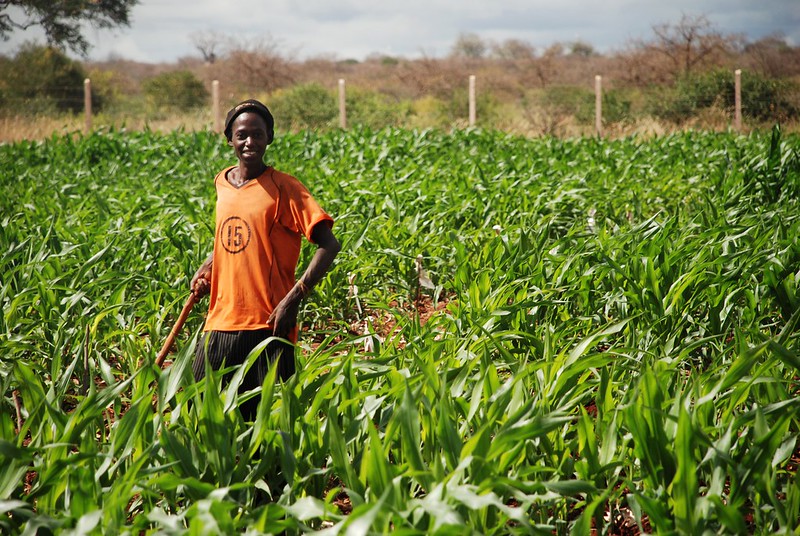 East Africa is grappling with worsening food security due to the increasing frequency and severity of extreme weather patterns. In
 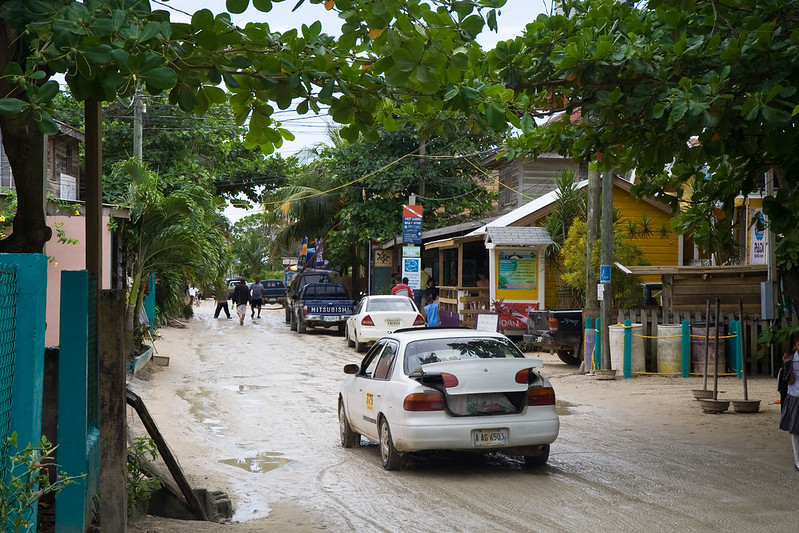 Artisanal fishermen on the Caribbean coast of