• Link to X
  • Link to Facebook
  • Link to Instagram
  • Link to TikTok
  • Link to Youtube
  • About
    • About Us
      • President
      • Board of Directors
      • Board of Advisors
      • Financials
      • Our Methodology
      • Success Tracker
      • Contact
  • Act Now
    • 30 Ways to Help
      • Email Congress
      • Call Congress
      • Volunteer
      • Courses & Certificates
      • Be a Donor
    • Internships
      • In-Office Internships
      • Remote Internships
    • Legislation
      • Politics 101
  • The Blog
  • The Podcast
  • Magazine
  • Donate
  • Click to open the search input field Click to open the search input field Search
  • Menu Menu

Archive for category: Food Security

Food Security, Global Poverty

Updates on SDG 1 in Singapore 

SDG 1 in SingaporeThough Singapore boasts one of the highest GDPs per capita globally, government disbursements of $600 SGD in relief aid to millions of Singaporeans reveal the persistence of a lesser-seen reality: affluence does not immunize wealthy societies against poverty. The latest updates on SDG 1 in Singapore show that the PAP’s poverty reduction efforts have evolved beyond simple cash handouts to include community-led food security programs and wage policy adjustments, pointing to the country’s changing approach to poverty alleviation.

Poverty in Singapore

Singapore does not publish an official poverty line, making the full scale of hardship difficult to measure, but tracking updates on SDG 1 in Singapore requires understanding who poverty actually affects. A 2024 UN Food and Agriculture Organization report estimated that 7.7% of Singapore’s population experienced moderate to severe food insecurity as of 2022, a rate that has tripled since 2014. The Singapore Hunger Report found that 10% of households experienced food insecurity in the past year, with 79% citing financial constraints. Poverty concentrates among elderly residents in public rental flats, low-wage workers, and households with dependents, who face compounding health challenges and a disproportionately higher inflation burden than wealthier households.

Singapore’s Multi-Pronged Approach to Poverty Reduction

The Singapore government has adopted a strategy combining direct financial support with grassroots food security initiatives, recognizing the persistence of relative poverty among seniors, low-wage workers and households with dependents.

The Ministry of Finance announced in December 2025 that approximately 3 million adult Singaporeans received Assurance Package cash payments ranging from $100 SGD to $600 SGD. Eligibility depends on assessable income and property ownership. Citizens earning up to $39,000 with no more than one property received the maximum payout.

In February 2026, Prime Minister and Finance Minister Lawrence Wong unveiled additional cost-of-living measures under Budget 2026. All Singaporean households will receive a one-time cost-of-living special payment of $500 SGD in CDC vouchers in January 2027 to help with daily living costs such as groceries and gas. Additionally, a one-time cost-of-living special payment ranging from $200 SGD to $400 SGD will go to adult citizens earning up to $100,000 SGD who own no more than one property. Yet, Wong emphasized that 95% of the budget goes to long-term structural plans, with only 5% for one-time assistance, prioritizing sustainable wage growth as the truly durable solution to poverty.

Effective 2027, the local qualifying salary for companies employing foreign workers will also rise to $1,800 SGD from $1,600 SGD to prevent wage suppression by supporting decent work, a framework the United Nations links directly to poverty reduction under SDG 1.

Community Gardens Address Food Security

A more obscure but rapidly growing solution to poverty reduction involves edible gardens that feed vulnerable populations while building social connection, known as the Healthy Harvest Initiative. Launched in October 2025 through a partnership between Prudential Singapore and the SG Eco Fund under the Ministry of Sustainability and the Environment, the initiative aims to collect 6,000 kilograms of food waste for composting and distribute 3,000 kilograms of fresh vegetables to the community. Two wheelchair-accessible edible gardens totaling 235 square meters in Telok Blangah and West Coast Park make it easier for seniors and persons with disabilities to volunteer and grow fresh produce. For low-income residents who receive the harvested produce, the gardens provide reliable access to nutritious food. For the volunteers, the gardens offer purpose and social contact, addressing the social isolation that often accompanies poverty in older adults.

Six months later, Naval Base Primary School launched a refreshed Wellness Garden with solar-powered hydroponics as part of Go Green SG 2026. Harvested produce flows to community fridges through a network of volunteers, while simultaneously providing hands-on educational experience to Singaporean children.

Small Initiatives Gain Traction for Future Impact

Three smaller-scale programs have received little national attention but are now building momentum. First, the Singapore Food Agency replaced its widely publicized 30 by 30 goal in November 2025 with more targeted production targets. Local farms now aim to meet 20% of fiber needs by 2035 and supply approximately one-third of protein needs by the same year. While this shift received criticism from some environmental groups, it allows local farmers to focus on crops that directly benefit low-income households.

Second, Singapore’s Platform Workers Act, which came into force in January 2025, created a distinct legal category for gig economy workers — including delivery riders and private-hire drivers — who are neither traditional employees nor self-employed. The Act mandates gradual increases in CPF contributions for platform workers over five years, improving their housing and retirement security. The government has also introduced the Platform Workers CPF Transition Support scheme to offset increased contribution costs for lower-income workers during the transition period.

Third, community fridge networks have formalized under the SG Cares framework. Fourteen community fridges now operate across Singapore, restocked regularly by volunteers and local businesses. Unlike government food rations, community fridges allow residents to choose what they need without paperwork or stigma, serving vulnerable groups across the island.

These three initiatives reflect the broader updates on SDG 1 in Singapore, focusing on poverty reduction at the neighborhood level, where poverty often hides behind the PAP’s robust subsidized housing (HDB) program, and treat it not as a failure of individual effort but as a gap in systems necessitating a humane design for repair.

– Estelle Anais Aubry

Estelle is based in Montreal, Quebec, Canada and focuses on Global Health and Politics for The Borgen Project.

Photo: Unsplash

June 11, 2026
https://borgenproject.org/wp-content/uploads/borgen-project-logo.svg 0 0 Jennifer Philipp https://borgenproject.org/wp-content/uploads/borgen-project-logo.svg Jennifer Philipp2026-06-11 03:00:512026-06-10 21:55:57Updates on SDG 1 in Singapore 
Agriculture, Food Security, Global Poverty

From Crisis to Resilience: Food Security in Nicaragua

Food Security in NicaraguaFood security in Nicaragua remains a persistent challenge in rural areas where families depend heavily on agriculture for both income and daily food. According to the World Food Program (WFP), about 19% of people are undernourished, and rural households are most affected during drought and flooding cycles. These conditions continue to strain food systems, but local and international efforts work to improve stability over time.

Agriculture’s Role in Food Security

Agriculture is central to food security in Nicaragua, especially in rural regions where smallholder farmers grow staple crops such as beans, corn and rice. The World Bank reports that climate change has increased the frequency of droughts and the intensity of flooding in areas such as the Dry Corridor, directly impacting crop yields and household incomes. When harvests fail, families lose both their food supply and financial stability.

Farmers adopt strategies that support long-term food security in Nicaragua. These include crop diversification, soil conservation methods and drought-resistant seeds. In some communities, farmers also use small-scale irrigation systems and rainwater harvesting to reduce dependence on rainfall. These changes help reduce risk in regions where weather patterns have become less predictable.

Current Responses:

  • Systems-based Responses: One example of a systems-based response is the WFP school feeding program, which reaches more than 140,000 children in Nicaragua. These meals address immediate nutrition needs while also creating demand for local food production, since smallholder farmers often supply part of the food used in the program. This strengthens food security in Nicaragua by linking agricultural production with consistent institutional demand.
  • Community-based Solutions: Community-based solutions also contribute to progress. Agricultural cooperatives allow farmers to share tools, training and market access, reducing production costs and improving stability during poor harvest seasons. Community gardens provide households with direct access to fresh food and reduce dependence on markets affected by price shifts and supply disruptions. These efforts strengthen household food security in Nicaragua.
  • Strengthening Smallholder Systems: According to Food and Agriculture Organization (FAO) analysis of rural livelihoods, smallholder farming systems account for the majority of agricultural production in Nicaragua and are central to rural food access. Strengthening these systems through training and access to resources has been identified as one of the most effective ways to improve resilience in food-insecure regions.

Continued Efforts Needed

While challenges remain, progress is being made through combined local and international efforts. Strengthening food security in Nicaragua depends on continued investment in rural communities, climate-resilient farming tools and programs that connect local production with stable food systems. Evidence from ongoing initiatives shows that food insecurity can be reduced through coordinated long-term action.

– Suheiry Frayre

Suheiry is based in Los Angeles, CA, USA and focuses on Global Health for The Borgen Project.

Photo: Flickr

June 6, 2026
https://borgenproject.org/wp-content/uploads/borgen-project-logo.svg 0 0 Lynsey Alexander https://borgenproject.org/wp-content/uploads/borgen-project-logo.svg Lynsey Alexander2026-06-06 11:38:152026-06-06 11:38:15From Crisis to Resilience: Food Security in Nicaragua
Aid, Food Security, Global Poverty

US Funding to Alleviate Poverty in Sudan and Afghanistan

Poverty in SudanOn May 14, 2026, the United States (U.S.) contributed $1.8 billion in funding to the United Nations (U.N.) to assist in its humanitarian aid efforts worldwide. According to the U.S. State Department, these funds will be mainly allocated toward those struggling from famine and natural disasters. This funding increase, along with the $2 billion the U.S. contributed in December 2025, will support local projects that assist the most vulnerable in 21 countries. Importantly, the increased funding will also help address ongoing challenges of famine and health care in Sudan and Afghanistan, both of which require more support to alleviate rising poverty rates.

Current Situation in Sudan and Afghanistan

In recent weeks, the U.N. has publicly called for more countries to contribute funding for Sudan and Afghanistan. On May 15, 2026, the Integrated Food Security Phase Classification (IPC) issued a report stating that 19.5 million people in Sudan, or 41% of the population, are struggling with high levels of food insecurity, including an estimated 825,000 children under 5 suffering from severe acute malnutrition. According to the United Nations Development Programme (UNDP), approximately 28 million people in Afghanistan were living in poverty in 2025, a figure that has changed little in 2026. These individuals are struggling to afford food, housing and health care due to economic hardships. However, increased U.S. funding enables U.N. agencies to address these issues more effectively.

Ongoing Aid Projects in Sudan

The increased funding from the U.S. will help strengthen ongoing aid projects in Sudan that tackle issues related to poverty. For example, as of May 2026, the United Nations Children’s Fund (UNICEF) runs the SANAD program, which has assisted over 182,000 household members in Sudan by providing them access to cash support and essential health care services. Additionally, the International Rescue Committee (IRC) in Sudan operates a Water, Sanitation and Hygiene (WASH) program that works to upgrade the water and sanitation infrastructure and distribute hygiene and cholera kits to prevent the spread of diseases and infections. Increased funding to the UN will enhance these programs that are already saving lives and will eventually contribute to ending the conflict in Sudan.

Basic Human Needs Programs in Afghanistan

The UN is currently running basic human needs programs (BHN) in Afghanistan that provide vulnerable communities access to essential services that can improve their quality of life. In 2025, BHN programs provided access to health care services to more than 34 million people struggling with urgent health conditions. Furthermore, the BHN programs have helped 4.6 million children deprived of schooling gain access to education. Since 2025, the World Food Programme (WFP) has been providing food rations and nutrition assistance to more than 12.4 million people in Afghanistan. Thus, the increased funding from the U.S. to the U.N. will empower its aid agencies to reach more vulnerable people in Afghanistan who urgently need food, health care and education.

Hope for the Most Vulnerable

The increased funding from the U.S. to the U.N. results from the passionate advocacy of the U.N. and its local partner organizations for vulnerable communities in Sudan and Afghanistan. In Sudan, the U.N. and the IRC have raised awareness of the millions who have accessed essential health care services, clean water, and food, as well as the millions still living in poverty. In Afghanistan, the U.N. and the WFP have highlighted the millions of children who have finally accessed education and nutrition assistance, while emphasizing that the work is far from over. This advocacy means millions of vulnerable women and children will now be able to study and eat healthy food, eventually leading to a higher quality of life for everyone.

– Abdullah Dowaihy

Abdullah is based in Riyadh, Saudi Arabia and focuses on Good News and Global Health for The Borgen Project.

Photo: Flickr

June 5, 2026
https://borgenproject.org/wp-content/uploads/borgen-project-logo.svg 0 0 Lynsey Alexander https://borgenproject.org/wp-content/uploads/borgen-project-logo.svg Lynsey Alexander2026-06-05 07:30:562026-06-05 09:53:42US Funding to Alleviate Poverty in Sudan and Afghanistan
Food Security, Global Poverty, Technology

Vertical Agriculture and Food Security in Saudi Arabia

Food Security in Saudi ArabiaAgainst the hyper-arid backdrop of the Arabian Peninsula, standard farming has historically been a losing battle against nature. Importing more than 80% of its food, the region has long been vulnerable to international supply chain shocks and volatile global market prices. The World Health Organization (WHO) previously projected that half of the global population would reside in water-stressed regions; currently, that milestone has become a stark reality as localized water demands consistently outstrip available supplies.

A major technological breakthrough is shifting the paradigm by combining two things the Arab Peninsula has an ample supply of; seawater and sunlight. A new method of desalination is allowing completely solar-powered greenhouses to operate using saltwater piped directly from the sea into wells, creating ideal growing conditions. The innovation was adopted over the last decade in sun-coated countries like Oman and the United Arab Emirates (UAE).

The technology draws inspiration from ancient architectural designs built for extreme heat. Traditional palaces in Persia, for example, integrated cascading wall fountains and courtyard pools to harness evaporative cooling, effectively creating a primitive, self-sustaining air conditioning system.

What is Vertical Agriculture?

To address mounting agricultural threats, Dickson Despommier, an American professor of public and environmental health, introduced the concept of the vertical farm in 1999. A method that optimizes food production by cultivating crops in vertically stacked layers within strictly controlled indoor environments. Because these systems are completely enclosed, they can thrive in any geographic location, spanning from dense city centers to arid, scorching deserts.

While standard vertical farms rely heavily on municipal fresh water, a groundbreaking twist on this design uses the ocean to fuel production. Rather than needing expensive, energy-intensive air conditioning to shield crops from desert heat, specialized facilities trickle raw seawater down porous cooling pads. As hot desert winds pass through the moisture, evaporation cools the interior air by up to 15 degrees Celsius.

Additionally, the moisture-laden air condenses against cold water pipes, creating a constant internal supply of pure freshwater drops that hydrate the vertically stacked plants. According to global infrastructure reports by corporations like Mitsui, scaling these closed-loop ecosystems allows arid nations to generate massive agricultural yields using zero net freshwater.

What Does This Mean for Food Security in Saudi Arabia?

With a landscape that is 95% desert and a population approaching 37 million people, Saudi Arabia faces a critical ecological challenge as it relies on diminishing groundwater reserves that cannot be replenished. Vision 2030 is the Kingdom of Saudi Arabia’s strategic blueprint for economic diversification and long-term environmental sustainability. As the country faces extreme water stress, the initiative heavily prioritizes water resource protection by cutting down on the depletion of natural aquifers.

With vertical agriculture in Saudi Arabia, the government aims to dramatically improve water efficiency by integrating a “circular economy” model that scales up wastewater recycling, implements smart irrigation technologies, and mandates clean, eco-friendly food production systems like vertical farming. By transitioning away from traditional open-field flood irrigation in Saudi, the expansion of vertical farming and high-tech hydroponic systems delivers up to 95% water savings while enabling reliable, year-round yields without pesticide reliance.

How is it Being Implemented?

According to analysis by PwC Middle East, Saudi Arabia has accelerated the adoption of these modern greenhouse solutions through multi-billion Riyal investment plans managed over the past few years. A prominent real-world deployment for vertical agriculture in Saudi Arabia is taking place at King Abdullah University of Science and Technology (KAUST). Located on the shores of the Red Sea, it has served as the primary testing ground for spin-out enterprises like Red Sea Farms. Additionally, Red Sea Global (RSG) – the massive state-backed developer behind the region’s regenerative tourism destinations – has integrated these saltwater-cooled, indoor agricultural networks directly into its food development zones. Strategically placing these commercial facilities along the coast allows them to draw directly from an infinite marine supply, proving that hyper-arid desert terrain can be transformed into localized, climate-resilient food centers without placing any pressure on inland freshwater resources.

Looking Ahead

Ultimately, this agricultural evolution represents a vital structural shift toward self-sufficiency and food security in Saudi Arabia. As international partners continue to invest in climate-resilient food infrastructure, the lessons learned on the Red Sea coast will provide blueprints for other drought-prone nations across East Africa and the Middle East. The scaling of vertical agriculture in Saudi Arabia stands as a powerful testament to how creative engineering can safeguard human livelihoods, protect precious natural resources and pave a sustainable path toward resource-independent food security.

– Celine Dib

Celine is based in London and focuses on Good News and Technology for The Borgen Project.

Photo: Flickr

June 5, 2026
https://borgenproject.org/wp-content/uploads/borgen-project-logo.svg 0 0 Lynsey Alexander https://borgenproject.org/wp-content/uploads/borgen-project-logo.svg Lynsey Alexander2026-06-05 01:30:562026-06-04 12:03:07Vertical Agriculture and Food Security in Saudi Arabia
Food Security, Global Poverty, Sustainable Development Goals

Updates on SDG 1 in Venezuela

SDG 1 in VenezuelaPoverty remains one of the most urgent challenges in Venezuela, making updates on SDG 1 in Venezuela an important topic to examine. Sustainable Development Goal 1 (SDG 1) calls for ending poverty in all its forms, expanding social protection and reducing the vulnerability of people facing economic and social shocks. In Venezuela, that goal remains difficult to achieve. While some indicators suggest limited improvement in monetary poverty, recent evidence shows that many families still struggle with food insecurity, low purchasing power and barriers to basic services.

What SDG 1 Means for Venezuela

SDG 1 is broader than income alone. The goal includes reducing poverty according to national definitions, strengthening social protection systems and helping vulnerable populations gain access to essential services. In Venezuela, this matters because poverty is not only expressed through low wages or unstable income. It is also reflected in whether families can afford food, whether children can remain in school and whether households can meet basic needs with dignity.

That distinction is especially important in the Venezuelan case. A household may experience a small increase in income and still remain in a deeply precarious situation if access to health care, education and adequate nutrition continues to lag. For that reason, updates on SDG 1 in Venezuela must be understood through a multidimensional lens rather than through income data alone. UNICEF’s Venezuela social protection program links poverty directly to family income, unmet needs and structural inequality.

What Recent Data Shows

Recent data presents a mixed picture. According to ENCOVI 2024, Venezuela’s economic reactivation has contributed to a decrease in monetary poverty. However, the same report states that these changes have had only a limited impact on improvements in access to education and health care, where significant deficits remain. This means that while some households may be earning slightly more, broader living conditions have not improved at the same pace.

International SDG tracking also reflects these limits. The Sustainable Development Report 2025 gives Venezuela an SDG Index score of 63.8 and ranks it 115th out of 167 countries. The profile also notes that Venezuela completed one Voluntary National Review between 2016 and 2025. This suggests that overall progress toward SDG goals, including SDG 1, remains limited.

Social Protection and Humanitarian Support in Venezuela

Despite these challenges, there are still efforts underway that connect directly to SDG 1. UNICEF Venezuela states that its main objective in social protection is to ensure that children and adolescents have access to inclusive social protection and live free of poverty.

UNICEF implements programs such as:

  • Multipurpose Cash Transfers, which provide families with direct financial support to cover essential needs such as food, hygiene products and medicines.
  • Child Nutrition Programs, which deliver nutritional supplements in schools and community centers to support children’s development.
  • Institutional Strengthening, which helps improve poverty measurement and technical capacity for public policies aimed at reducing inequality.

These programs have reached thousands of vulnerable families and contributed to increased food security and household stability.

Humanitarian assistance also remains essential. The World Food Programme (WFP) began implementing its school meals program in Venezuela in 2021. According to WFP, 5.1 million people in Venezuela urgently require food assistance, and the agency reached 750,000 people in 2025. Its school meals program supports more than 330,000 people across more than 1,100 schools, helping reduce pressure on vulnerable households and improve child nutrition.

Why Progress on SDG 1 Remains Uneven

Even with these efforts, progress on SDG 1 in Venezuela remains uneven. ENCOVI 2024 makes clear that improvements in monetary poverty have not translated into equally strong advances in education and health. UNICEF also notes that low household income and unmet basic needs continue to limit long-term progress. This shows that poverty in Venezuela remains both economic and structural.

Recent 2026 reporting reinforces this fragility. Reuters reported that the IMF described Venezuela’s situation as “quite fragile,” citing inflation, currency depreciation, and persistent inequality. Additional reports indicate that rising oil prices may improve national revenue but can also increase food and fuel costs, placing further pressure on low-income households.

The Road Ahead for SDG 1 in Venezuela

The future of updates on SDG 1 in Venezuela depends on whether the country can move from short-term relief toward broader stability and inclusion. Better poverty measurement, stronger social protection and sustained humanitarian assistance remain essential. Organizations such as UNICEF and WFP demonstrate that practical support is possible even in difficult conditions.

Venezuela remains far from achieving SDG 1, but the country’s situation also highlights why the goal matters. Poverty is not only about income. It is connected to food security, education, health and the ability of families to live with dignity. Understanding these factors is key to building more effective responses and moving toward long-term poverty reduction.

– Adriana Carolina Herrera

Adriana is based in Mentor, Ohio, USA and focuses on Good News for The Borgen Project.

Photo: Wikimedia Commons

May 9, 2026
https://borgenproject.org/wp-content/uploads/borgen-project-logo.svg 0 0 Jennifer Philipp https://borgenproject.org/wp-content/uploads/borgen-project-logo.svg Jennifer Philipp2026-05-09 11:21:522026-05-09 11:21:52Updates on SDG 1 in Venezuela
Food & Hunger, Food Security, Global Poverty

Food Systems in Northern Ireland Are Growing Stronger

Food Systems in Northern IrelandNorthern Ireland is a region of the United Kingdom (U.K.) made up of six counties on the northeast side of the island of Ireland. The Government of Ireland Act separated Northern Ireland from the independent Republic of Ireland in 1921. In more recent history, the region has struggled with issues of food insecurity. In 2010, an estimated 28% of Northern Irish adults and 23% of their children were experiencing food poverty. However, the situation has drastically improved, with only 9% of households in Northern Ireland reporting food insecurity concerns as of 2025. Here are some factors that have helped improve food systems in Northern Ireland in recent years:

1. Brexit 

In January 2020, the United Kingdom withdrew its membership from the European Union. The U.K. signed the Brexit referendum four years prior, in 2016. Brexit has caused a variety of financial effects, some positive and some negative. It has also enabled the U.K. to create more tailored legislation targeting the roots of food insecurity across the country.

The U.K. Department for Environment, Food & Rural affairs released a statement in July 2025 detailing plans for new food systems legislation to combat hunger and malnourishment specifically affecting children and rural populations. This food strategy aims to create a “good food cycle” by uplifting British farmers, improving agrifood trade relations with the European Union and combat biodiversity loss to allow for more balanced diets. After separating from the EU, the U.K. has shifted its focus to reprioritize food systems at a nationwide level that support its citizens financially and physically.

2. Increased Community Involvement

The Food, Farming & Countryside Commission (FFCC) has directed its attention to amplifying the voices of community members and local farmers in order to strengthen food systems in Northern Ireland. The FFCC has been operating as an independent commission since 2017. In the last two years, it has succeeded in bridging communication between the U.K.’s citizens and government through initiatives such as The Food Conversation and reports including “The False Economy of Big Food” and “Paying the Price.” The action items the FFCC is currently prioritizing include: 

  • Increasing trust between the FFCC, Northern Irish Farmers and Northern Irish people by assembling meetings across various sectors of government and community leadership.
  • Fostering relationships and networks of support between farmers across the region. This includes educational opportunities to increase Northern Ireland’s agricultural production.
  • Bringing citizens and government leaders together for important discussions on what the people want and need from their food systems.
  • Establishing and implementing a common Land Use Framework across Northern Ireland’s estimated 25,000 farms.

3. Technological Innovation 

Improving technologies in the agriculture and supply chain sectors have a high potential to continue improving the efficacy of food systems in Northern Ireland and globally. One example of a recent promising innovation for Northern Irish food security is the Food Co-Centre Conceptual Framework which Oxford University researchers developed at their Environmental Change Institute. The Institute launched this framework in 2025 and aims to deliver “environmental, economic and social stability by 2050” through tracking all stages of food production and distribution in Northern Ireland and optimizing the process by metrics of sustainability and affordability. 

Dr. Alice Gilmour is the lead author of the study responsible for designing the Food Co-Centre Conceptual Framework. When asked about what the framework will help to accomplish, she stated: 

“This framework will help policymakers and food systems stakeholders avoid a siloed approach as it provides the wider context of the entire food system. It brings together insights from industry, NGOs, government, and academia to guide smarter, more sustainable decisions.” This new technology is capable of identifying gaps in the food systems of Northern Ireland and the U.K. more broadly and problem-solving outside of the often “siloed” thinking of regulatory bodies. With this information, the Food Co-Centre Conceptual Framework will suggest more informed and optimally beneficial solutions for governmental, industry and research approaches to how the U.K. grows and distributes its food.

Looking Ahead

Food insecurity and malnutrition rates in Northern Ireland have improved by 14% for children and 19% for adult populations in the past decade. These positive margins come as a direct result of increased community involvement, implementation of new technologies and reformed socioeconomic policies that better reflect the U.K.’s specific interests. Initiatives like the ones highlighted in this article project to minimize and hope to eradicate food insecurity and strengthen food systems in Northern Ireland and across the U.K. within the next two decades.

– Natalie Naylor

Natalie is based in New York, NY, USA and focuses on Good News and Global Health for The Borgen Project.

Photo: Unsplash

May 3, 2026
https://borgenproject.org/wp-content/uploads/borgen-project-logo.svg 0 0 Jennifer Philipp https://borgenproject.org/wp-content/uploads/borgen-project-logo.svg Jennifer Philipp2026-05-03 03:00:122026-05-03 04:31:20Food Systems in Northern Ireland Are Growing Stronger
Food Security, Global Poverty, Health

Poverty Reduction in Cuba

Poverty Reduction in CubaWhile poverty reduction in Cuba has been at the forefront of its government’s policies since the 1959 revolution, poverty, food insecurity and inequalities in universal services still exist today. As of 2019, Cuba’s multidimensional poverty index score was 0.003, with only 0.7% of its population considered poor. Although one of the lowest in the region, certain indicators, such as the Cuban childhood poverty figure, have steadily increased since 2012. With an economic dependence on the tourism industry and imports, while also suffering under the United States’ strongest trade embargo; Cuba remains at risk for instability.

Since 1959, Cuba’s socialist program has addressed poverty by prioritizing food rations, healthcare, literacy and housing for all of its citizens. Despite hardships due to frequent natural disasters, a resource-poor environment and forced isolation from the world market; the Cuban people have remained both steadfast in their principles and adaptable in moments of crisis. As Cuba recovers from the impacts of the COVID-19 pandemic and fights against the United States’ oil blockade, unity and creativity are of the utmost importance when reducing poverty.

Healthcare

Cuba’s planned, state-controlled economy allows for much of the national budget to fund universal healthcare, education and food rations. During the Batista regime of the 1950s, nearly half of the country’s physicians were located in Havana. The centralization of healthcare in cities created severe disparities between quality of care for rural and urban citizens. At that time, Cuba had a single rural hospital, and the rural infant mortality rate was 100 deaths per 1,000 births.

In 1960, the government formed the Rural Medical Service, placing recent graduated physician volunteers in rural areas, and by 1970, there were 53 rural hospitals in Cuba. Through the Family Doctor and Nurse Program, every Cuban has had access to one of more than 13,000 teams of neighborhood doctors and nurses since 1999. These local doctors ensure that the Cuban Health System regularly engages with all of the country’s citizens.

It also gives the government access to aggregated community diagnoses that lead to greater analysis of risk factors and the nation’s most pressing needs. This has led to a reduction of the infant mortality rate from 38.7 per 1,000 live births in 1970 to 4.0 per 1,000 live births in 2018, and has strengthened women’s health services through the establishment and expansion of the National Maternal-Child Health Program. Furthermore, Cuba’s commitment to universal healthcare and public health exceeds its own borders. Since the end of 2018, approximately 400,000 Cuban health professionals have worked in more than 150 countries.

Food and Housing

Although to varying amounts, food rations have been a staple of poverty reduction in Cuba. Recently, limited access to foreign currency for imported food, natural disasters such as Hurricane Melissa and fuel shortages have led to increased food security issues for the island. As the government-issued food baskets are almost entirely imported, Cuba has partnered with the World Food Programme (WFP) for assistance in reducing imports and increasing food self-sufficiency. 

This partnership seeks to improve assistance in maintaining food access amid natural disasters, and to strengthen nutrition systems for vulnerable groups, such as expanding school lunches for children. In 2025, 1,540,107 Cubans benefitted from the World Food Programme’s aid—particularly through food assistance and disaster relief from Hurricane Melissa.

Cuba’s 2019 Constitution reiterates these goals. It defines healthcare, education, food security and shelter as human rights, and upholds the state’s goal to achieve food security and housing for all of its citizens. The Cuban government plans to increase shelter construction programs and food rations to accomplish this. By deeming these basic necessities as natural rights, the Cuban government seeks to create both a baseline of security and a healthy, well-educated workforce.

Future Strategies 

Due to the recent oil blockade, Cuba has turned to solar power. In 2025, Cuba, with financial help from China, installed around 1,000 megawatts of solar generation. As of February 2026, the Cuban government announced it would waive personal taxes for up to eight years for business people investing in renewable energy. Even local taxi drivers have installed solar panels on the roofs of their vehicles in response to the scarcity of oil. While the oil blockade presently harms Cubans, they are already preparing for an alternative future.

Leader Miguel Díaz-Canel has begun preparations for poverty reduction in Cuba amid increased sanctions and economic instability. Alongside investments in renewable energy, Díaz-Canel has prioritized a decentralization of authority—giving more power to local municipalities and state-owned enterprises—with the goal of expanding local production and reducing reliance on imports. Above all, Díaz-Canel cites “cooperation and collaboration…based on principles of solidarity, integration and complementarity,” as the core principles necessary for Cuban prosperity.

– Josh Megson

Josh is based in Albemarle, NC, USA and focuses on Good News for The Borgen Project.

Photo: Wikimedia Commons

April 30, 2026
https://borgenproject.org/wp-content/uploads/borgen-project-logo.svg 0 0 Jennifer Philipp https://borgenproject.org/wp-content/uploads/borgen-project-logo.svg Jennifer Philipp2026-04-30 03:00:572026-04-30 01:04:18Poverty Reduction in Cuba
Food Security, Global Poverty

Supporting Rural Communities in Tonga

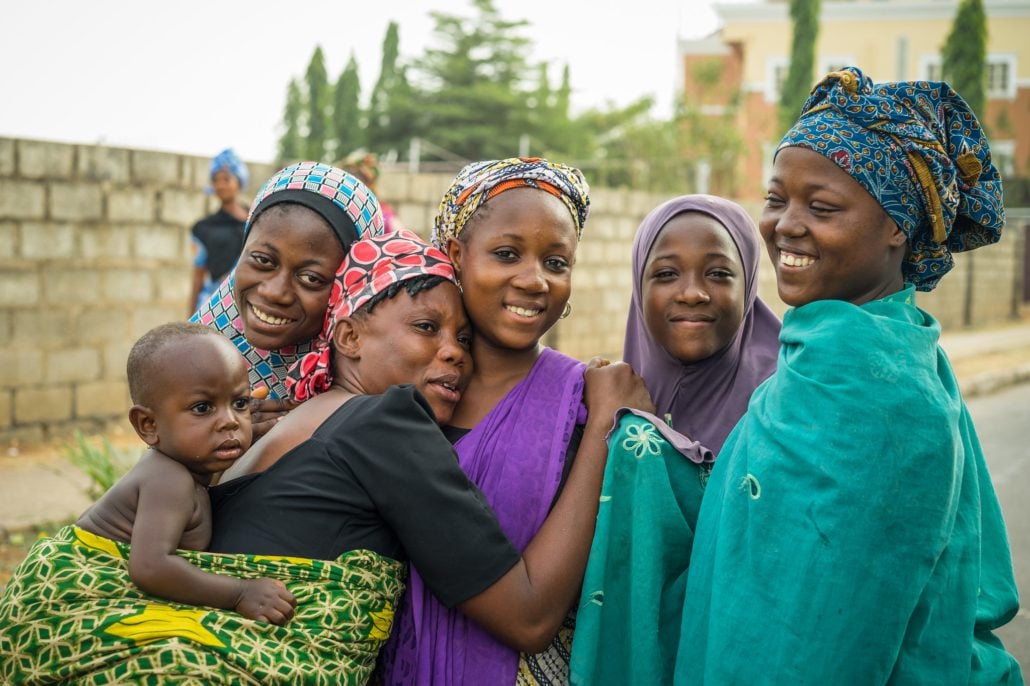
Rural Communities in TongaThe 104,175 citizens who inhabit the Kingdom of Tonga’s archipelago in the South Pacific Ocean face a multitude of challenges caused by environmental volatility, seismic activity and isolation from the rest of the world. These challenges disproportionately affect rural communities, which make up 53% of the 20.6% of the overall population living in poverty. However, in response, several international development projects have been conducted as part of efforts to strengthen food and economic security and enhance education, communication, climate and disaster resilience to support rural communities in Tonga.

Connectivity and Communication

The eruption of the Hunga-Tonga-Hunga-Ha’apai underwater volcano and subsequent tsunamis in 2022 severed 55 miles of the underwater data cable that connected Tonga to the world via Fiji. While most countries have multiple data cables, the U.K. has 50, Tonga has only one. During the five weeks it took for repairs to be conducted, the island nation was cut off from the internet and the wider world.

The damage from the once-in-1,000-year eruption highlighted the fragility and importance of internet connectivity. Of the 130 people over the age of 10 on Hunga, only 44 had access to the internet in 2024, a trend seen across the Asia-Pacific region, where only 47% of individuals in rural areas use the internet compared with 82% in urban areas.

In response, the International Telecommunication Union (ITU), as part of a Joint Program to support the United Nations Sustainable Development Goals (SDGs) and its Smart Villages and Smart Islands Initiative (SVSI), established Hunga’s Digital Hub. The hub provides locals with high-speed and reliable internet access, which has reshaped the island’s education and agricultural sectors. Teachers at the two primary schools on the island now have access to online resources, while older students, whose attendance at high schools on the main island of Vava’u was previously affected by ocean conditions, are now able to learn online. Fishermen and farmers can also market online and arrange sales before costly trips to the mainland.

Community Empowerment and Food Security

The most well-known development project in Tonga is the Tonga Rural Innovation Project (TRIP), which has had two phases — Phase I from 2012 to 2017 and Phase II from 2018 to 2025 — with a third phase agreed upon in February 2026. The project is a collaboration between the government of Tonga, the International Fund for Agricultural Development (IFAD) and other key stakeholders.

The success of TRIP II was apparent in the project’s recent Completion Report, which highlighted the ways the program exceeded targets in several key areas. With a total budget of $12.66 million, the project reached 9,291 households and more than 32,000 people across 122 communities, exceeding targets by 93%. Post-project surveys revealed that 99.8% of households surveyed reported knowledge of TRIP II, with a participation rate of 97.4% in Community Development Planning.

The project was not without difficulties. The COVID-19 pandemic and the Hunga-Tonga-Hunga-Ha’apai eruption presented challenges for the program. In response, increased funding and a time extension were allocated to ensure success, with an additional grant of $0.7 million financed by the IFAD and the Australian government. Overall, TRIP II helped support rural communities in Tonga by increasing the volume of crops cultivated and incomes generated by agriculture, with yam, sweet potato and Tonga taro yields rising by 52.9%, 59.4% and 54.3%, respectively.

Climate Resilience and Infrastructure

The financial implications of natural disasters are often severe for Tonga, with the Hunga-Tonga-Hunga-Ha’apai eruption contributing to a decline in real GDP of almost 6% in 2021 and 2022. Combined with the threat such events pose to the lives of Tongans, the need to act is apparent. This led to the establishment of the Tonga Australia Resilient Communities Program (TARCP), agreed in December 2024 between the Australian government and the MORDI Tonga Trust (MORDI).

With a budget of AUD $9.7 million, the project aims to work alongside other initiatives and align with several U.N. SDGs to establish greater economic and climate resilience, as well as build climate infrastructure and improve access to water, sanitation and hygiene supplies through local approaches and international funding. The project remains in its early stages, with targets to improve resilience and quality of life for around 39,300 Tongans across five of Tonga’s main island groups: Tongatapu, Vava’u, Ha’apai, ‘Eua and the Niuas.

Looking Ahead

Progress has been made to support rural communities in Tonga and projects continue to expand. Indeed, the recent agreement of TRIP III represents a continuation of the work begun under previous phases. Together, ongoing international development projects offer pathways to strengthen rural communities in Tonga and reduce the financial and social impact of natural disasters and economic isolation.

– Sean Patrick Welsh

Sean is based in Haywards Heath, UK and focuses on Technology and Politics for The Borgen Project.

Photo: Flickr
April 16, 2026
https://borgenproject.org/wp-content/uploads/borgen-project-logo.svg 0 0 Precious Sheidu https://borgenproject.org/wp-content/uploads/borgen-project-logo.svg Precious Sheidu2026-04-16 07:30:542026-04-15 15:03:35Supporting Rural Communities in Tonga
Agriculture, Food Security, Global Poverty

Haiti’s Irrigation Canal Fights Food Security Crisis

Haiti's Irrigation CanalHaiti is the most impoverished country in the Western Hemisphere and continues to face challenges that lead to severe instability. As of early 2026, armed gangs control an estimated 80-90% of the capital and are expanding into surrounding areas. This instability has significantly reduced international aid, disrupted supply chains due to frequent looting of imports and caused the cost of essential goods such as food and oil to skyrocket. Port-au-Prince receives a majority of the country’s imports; therefore, the capital’s issues affect all other cities. 

Building From the Ground Up

With insecurity persisting and food shortages worsening, local agricultural production has become increasingly critical to economic stability. The Kanal la Pap Kanpe (KPK) initiative sits at the center of Haiti’s irrigation canal movement, a grassroots effort to bring water to one of the country’s most fertile and underserved farming regions. By expanding access to water, the project could strengthen food security and support the livelihoods of thousands of farmers.

A Shared Island, a Contested River

The island of Hispaniola is split into two countries, Haiti and the Dominican Republic, which inevitably share common natural resources. However, issues persist between the two countries. A clear example is the Massacre River in the north of the island. 

The river not only carries significant historical importance, but is also essential to the livelihoods of the surrounding communities. In 1929, officials from the two countries signed the Treaty of Peace, Friendship and Arbitration. Article 10 of the treaty stipulates that both countries may use the water “justly and equitably,” provided its use does not interfere with the river’s natural flow.

In August 2018, Haiti’s irrigation canal project took shape with the start of construction on the Pittobert canal. The project is designed to irrigate more than 7,000 acres of fertile land on the Maribaroux Plain at a total operating flow of about 1.5 cubic meters per second. In a 2021 report, the Dominican National Institute of Hydraulic Resources (INDRHI) counted 10 irrigation canals on the Dominican side. 

Together, they had a total operating flow of 3.22 cubic meters per second, while the Pittobert canal would be the first on the Haitian side. Progress on the canal halted in 2021 with the assassination of Haitian president Jovenel Moïse. However, grassroots efforts led local farmers to resume it in August 2023. 

Dominicans strongly opposed this move, framing it as a unilateral act that threatened shared resources and border agreements and claimed that the canal would divert water. This disagreement created a transnational dispute with significant consequences for both sides. On September 11, 2023, President Luis Abinader unilaterally announced the complete closure and militarization of the border, prohibiting the migration of people and goods. In response, the Haitian government announced that the construction of this canal would not halt.

According to the popular Haitian media outlet AyiboPost, this canal has sparked one of the biggest grassroots movements uniting Haitians in decades. Both local Haitians and the diaspora mobilized resources and forces to aid in the construction of the canal and in “the recovery of national dignity,” as stated by Gaston Étienne, the treasurer of the project.

From Irrigation to Export: KPK Rice Making Its US Debut

Although completion of the canal has not yet been confirmed, it has already begun benefiting surrounding communities. In November 2024, a new rice brand named after the movement, KPK, was launched. It uses water from the newly built Haitian irrigation canal to irrigate its rice fields and exports to the U.S. have already begun.

Additionally, construction of a second canal in the Fort-Liberté area, the Malfety canal, is well underway, with support from local and diaspora communities. It is estimated that this canal will irrigate approximately 17,000 acres upon completion. Although imports still account for more than 70% of total cereal consumption in Haiti, mainly wheat and rice, the KPK movement also has implications for other countries.

Why the World Should Pay Attention

First, initiatives like KPK have economic lessons that go beyond Haiti’s borders. As local agricultural production increases, new trade and investment opportunities emerge both domestically and internationally. In Haiti, increased domestic production can reduce its heavy reliance on imports and create new export opportunities. Internationally, this can create more opportunities for actors to partner with local farmers to improve and increase production. 

Second, for aid and development organizations and policymakers, projects like KPK highlight the importance of supporting locally driven solutions to economic challenges rather than relying solely on foreign aid. These initiatives demonstrate how targeted infrastructure investments can unlock productivity, strengthen rural economies and improve food security, especially in poverty-stricken areas. Supporting these efforts through technical assistance, financing and market access could further amplify their impact and contribute to long-term stability for these communities.

Final Thoughts

Global attention is increasingly turning toward sustainable development and economic resilience, even as international aid declines and economic challenges persist. In this regard, Haiti’s experience offers valuable lessons. While Haiti navigates ongoing instability, projects like KPK demonstrate how Haiti’s irrigation canal movement and grassroots movements more broadly, can contribute to long-term economic resilience and poverty reduction.

By investing in local production and empowering communities, these initiatives show how countries can build more self-sufficient economies while creating new opportunities for global partnerships. KPK rice reaching U.S. shelves is only the beginning. It is proof that communities do not need to wait for stability to start creating it and that supporting grassroots movements may be one of the most effective investments the international community can make.

– Chloe Bonnefil

Chloe is based in Miami, FL, USA and focuses on Business and Technology for The Borgen Project.

Photo: Wikipedia

April 14, 2026
https://borgenproject.org/wp-content/uploads/borgen-project-logo.svg 0 0 Hemant Gupta https://borgenproject.org/wp-content/uploads/borgen-project-logo.svg Hemant Gupta2026-04-14 03:00:552026-04-14 03:39:23Haiti’s Irrigation Canal Fights Food Security Crisis
Food Security, Global Poverty, Hunger

How Community Grains Banks Reduce Hunger in Rural Nepal

Hunger in Rural NepalIn rural Nepal, where geographic isolation, limited infrastructure and seasonal agricultural cycles restrict access to food, community grain banks have emerged as a practical way to reduce hunger and strengthen food security.

Food Insecurity in Rural Nepal

In rural regions of Nepal, food insecurity remains a significant challenge for many families. Geographic isolation, limited infrastructure and seasonal farming cycles often leave communities without reliable year-round access to food. During the months between harvests, many households face shortages that can lead to malnutrition, debt and deepened poverty.

According to the journal “Food Insecurity, Food Grain Imports and Agricultural Exports in Nepal: A Data Analysis Comparison (1990–2023),” “Food insecurity persists as a pressing issue, particularly in rural areas where undernutrition and food shortages remain prevalent.”

The Impact of Post-Harvest Loss

One major factor contributing to food insecurity in Nepal is post-harvest loss. Limited access to proper storage facilities and technologies leaves stored grain vulnerable to pests, moisture and spoilage. As a result, a substantial portion of harvested crops is lost before they can be consumed or sold.

According to research, “Farmers in Nepal lose up to one-third of stored grain to pests and diseases.” This significantly reduces both household food availability and income.

A Community-Based Solution

To address these challenges, some communities have turned to an innovative and locally driven solution: community grain banks. Grain banks are cooperative systems in which villagers collectively store surplus crops such as rice, wheat or maize after harvest. Each household contributes a portion of its yield to a shared reserve.

When food becomes scarce, families can borrow from the bank and repay the grain after the next harvest, often with a small additional amount to sustain the system. This approach provides a critical safety net. By ensuring access to food during difficult periods, community grain banks in rural Nepal help prevent hunger and reduce the need for high-interest loans, which many families would otherwise rely on to purchase food. In doing so, they play a direct role in breaking cycles of poverty.

In one rural community in Nepal, a grain bank was established to support families vulnerable to seasonal flooding and food shortages. Households contribute grain during harvest and those in need can borrow supplies during emergencies, repaying slightly more after the next harvest. The system follows a structured policy: “If people take 40 kilograms of paddy from the bank, they must return a total of 50 kilograms once they harvest their farm.” 

Community leaders emphasize the program’s impact, with Urmila Rishidev, president of Shanti Nari DMT, stating, “The grain bank has been a boon for our community because our children do not have to starve when a flood comes.”

Improving Storage and Long-Term Resilience

In remote areas where access to markets is limited, the role of community grain banks in reducing hunger in rural Nepal is further demonstrated through their ability to stabilize local food systems. Instead of depending on fluctuating food prices or distant supply chains, communities can rely on their own reserves. This increases resilience and allows families to better manage economic uncertainty.

Additionally, improving storage practices is essential to maximizing the impact of these systems. Research highlights that improved technologies can significantly reduce losses and strengthen food security. According to findings, hermetic storage methods are viable, chemical-free alternatives to traditional methods and pesticides used by smallholder farmers for grain storage.

They effectively control pests of stored products, maintain seed quality, improve food security and increase the income of smallholder farmers. This demonstrates how better storage solutions can directly support both food availability and household income.

Conclusion

Community grain banks represent a practical and community-driven approach to addressing food insecurity in rural Nepal. By reducing post-harvest losses, improving access to food during seasonal shortages and strengthening local cooperation, these systems help mitigate key drivers of poverty. While challenges remain, continued support for grain banks and improved storage solutions can help build more resilient, food-secure communities.

– Grelby Santos

Grelby is based in Boston, MA, USA and focuses on Technology and Solutions for The Borgen Project.

Photo: Flickr
April 13, 2026
https://borgenproject.org/wp-content/uploads/borgen-project-logo.svg 0 0 Hemant Gupta https://borgenproject.org/wp-content/uploads/borgen-project-logo.svg Hemant Gupta2026-04-13 07:30:372026-04-13 02:37:25How Community Grains Banks Reduce Hunger in Rural Nepal
Page 1 of 17123›»

Get Smarter

  • Global Poverty 101
  • Global Poverty… The Good News
  • Global Poverty & U.S. Jobs
  • Global Poverty and National Security
  • Innovative Solutions to Poverty
  • Global Poverty & Aid FAQ’s
Search Search

Take Action

  • Call Congress
  • Email Congress
  • Donate
  • 30 Ways to Help
  • Volunteer Ops
  • Internships
  • Courses & Certificates
  • The Podcast
Borgen Project

“The Borgen Project is an incredible nonprofit organization that is addressing poverty and hunger and working towards ending them.”

-The Huffington Post

Inside The Borgen Project

  • Contact
  • About
  • Financials
  • President
  • Board of Directors
  • Board of Advisors

International Links

  • UK Email Parliament
  • UK Donate
  • Canada Email Parliament

Get Smarter

  • Global Poverty 101
  • Global Poverty… The Good News
  • Global Poverty & U.S. Jobs
  • Global Poverty and National Security
  • Innovative Solutions to Poverty
  • Global Poverty & Aid FAQ’s

Ways to Help

  • Call Congress
  • Email Congress
  • Donate
  • 30 Ways to Help
  • Volunteer Ops
  • Internships
  • Courses & Certificates
  • The Podcast
Scroll to top Scroll to top Scroll to top