• Link to X
  • Link to Facebook
  • Link to Instagram
  • Link to TikTok
  • Link to Youtube
  • About
    • About Us
      • President
      • Board of Directors
      • Board of Advisors
      • Financials
      • Our Methodology
      • Success Tracker
      • Contact
  • Act Now
    • 30 Ways to Help
      • Email Congress
      • Call Congress
      • Volunteer
      • Courses & Certificates
      • Be a Donor
    • Internships
      • In-Office Internships
      • Remote Internships
    • Legislation
      • Politics 101
  • The Blog
  • The Podcast
  • Magazine
  • Donate
  • Click to open the search input field Click to open the search input field Search
  • Menu Menu

Archive for category: Food Security

Food Security, Global Poverty

Welfare Cards to Mitigate Hunger in Thailand

Hunger in Thailand
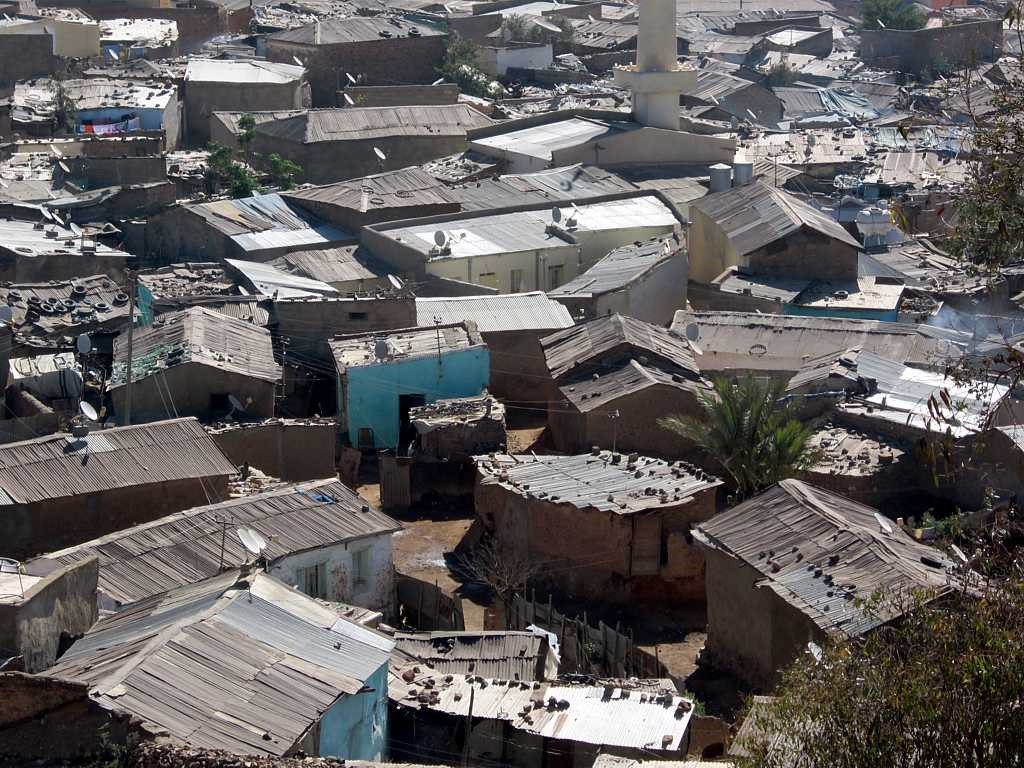
Many nations in the Global South face famine and hunger, prohibiting much of the population from meeting appropriate nutritional needs. In addition to the ongoing crisis of COVID-19, many food security reports are seeing increased malnourishment. Major inequalities have compromised proper access to food—of the 815 million people around the world who suffer from poverty, 6.5 million of those are from Thailand. Despite being a major food exporter that meets both global and domestic demands, hunger in Thailand is prevalent and there is still a worrying amount of households facing abject poverty.

Thailand’s Malnourished Population

Compared to other poorer nations such as Myanmar and Malaysia, Thailand’s malnourished population is considerably high. With ample food production in the country, much of the country’s problems reside in the food being readily available to its people. An estimated 17 percent of Thailand’s population suffers from malnourishment. This could be a direct result of a number of social inequalities, ultimately increasing the people who experience hunger in Thailand. While experts often cite frequent natural disasters and wars as reasons for high food insecurity, there are many other underlying factors, including economic instability and disproportionate ratios of distribution.

Rice in Thailand

Rice, which is the staple export in Thailand, has increased in demand and production over the years, especially during the COVID-19 spread. Thailand had maintained a level of self-sufficiency through its hefty supply of various meats (i.e. beef and pork) and the large scale production of grains. The domestic demand for rice production has increased at a rapid rate that has fueled much of the country’s economy. The number of rice exports increased from 1.3 million tons in 1971-1975 to just about 8.14 million tons in 2006 and 2007. With this in mind, however, a majority of people experience hunger in Thailand, making the nation unable to meet its own nutritional needs.

Battling Hunger in Thailand

In 2017, the government instituted preventative measures to combat food insecurity and hunger in Thailand. The nation announced a social assistance program that would serve as a safety net for poor families. This move aims to improve Thailand’s food insecurity to land amongst the ranks of middle-income countries. The program provides cash allowances and other subsidies for an estimated 12 million low-income families.

To be eligible, families must meet five criteria: being at least 18 years of age; a Thai citizen; unemployed or having an annual income below $3,055; no financial assets worth more than 100,000 Bahts; and no real estate. Once families meet these qualifications, they receive welfare cards that they can use to purchase goods at registered shops and transportation systems, costing approximately $1.4 million. There have been many faults since the program’s implementation; for example, the program does not count some people eligible despite meeting the five criteria.

The social systems in the nation are shifting consistently, meaning that the struggle of hunger in Thailand is evolving rapidly. The economic state that COVID-19 has caused is likely to impact Thailand’s ongoing battle with hunger. There is no certain answer to the issues that will arise among the ongoing crisis. Hunger in Thailand, as well as many other nations, is a lengthy battle.

– Brittany Adames
Photo: Flickr

April 23, 2020
https://borgenproject.org/wp-content/uploads/borgen-project-logo.svg 0 0 Jennifer Philipp https://borgenproject.org/wp-content/uploads/borgen-project-logo.svg Jennifer Philipp2020-04-23 01:30:022020-06-18 18:13:34Welfare Cards to Mitigate Hunger in Thailand
Food & Hunger, Food Insecurity, Food Security, Food Security, Global Poverty

Agroforestry: Improving Food Security in Honduras

Food Security in HondurasHonduras is the second-poorest country in Central America, and although its economy relies heavily on agriculture, about 1.5 million Hondurans are still food insecure. Barriers like natural disasters and unpredictable weather continue to threaten the country’s food production, but recently, advancements in agroforestry are restoring the faith in farming nationwide. Alley cropping, a new method of agroforestry, is steadily showing how it is improving food security in Honduras.

Alley Cropping

For years, agroforestry has been transforming the lives of farming families by increasing food security in Honduras. However, before the introduction of alley cropping to farms in the country, crop failure continued to devastate farmers. While other agroforestry techniques have minimized the damage resulting from flooding, erosion and drought, alley cropping has proven to be a more successful method of crop farming. Alley cropping involves planting rows of crops between trees. This methodology creates an integrated ecosystem that improves and nourishes soil that supports both crop quality and quantity, thus increasing the amount the farmers are paid so that they can afford to support their families.

The Inga Foundation was the first to introduce and teach alley cropping techniques to Honduran farmers through demonstrational farming. These farmers also had the opportunity to obtain seeds from the demonstration and start their own alley cropping systems. According to the Inga Foundation, more than 300 farming families have been able to achieve food security through the new alley cropping method, and this number is only increasing as alley cropping starts to catch on.

Benefits of Alley Cropping

  1. Alley cropping regenerates degraded land, which helps crops grow.

  2. Alley cropping increases the nutritional value of fruits and vegetables.

  3. Unpredictable weather can be withstood, meaning crops are more resilient.

  4. Alley cropping is sustainable and benefits the natural environment.

  5. Families can stay on one plot of land without having to migrate to others due to soil degradation.

Inga Trees in Alley Cropping

In Honduras, Inga trees are among one of the most popular and successful trees used in alley cropping systems. The Inga Foundation’s demonstration farm showcased hedgerows of Inga trees, which are known to revitalize the soil and support crop growth. Here are a few reasons why the Inga tree was chosen as the model for alley cropping.

  1. Inga trees grow fast. This allows farmers to quick-start their alley cropping without much of a waiting period.

  2. Not only do Inga trees tolerate poor soil, but they nourish it.

  3. Inga trees reduce weeds.

  4. Seasonal pruning of Inga trees generates firewood and fuelwood for families.

  5. Inga trees produce edible fruit.

Because the Inga tree is both incredibly resilient and easy to grow, more and more farmers are seeking out their seeds in order to better provide for their families. This tree, when paired with agroforestry, is playing a huge role in improving food security in Honduras.

The benefits that come from agroforestry methods like alley cropping can mean the difference between life and death for some families in Honduras. Thankfully, the Inga Foundation has allowed for the breakthrough of improved farming which has saved hundreds of Hondurans from the burden of food insecurity.

– Hadley West

Photo: Flickr

March 22, 2020
https://borgenproject.org/wp-content/uploads/borgen-project-logo.svg 0 0 Lynsey Alexander https://borgenproject.org/wp-content/uploads/borgen-project-logo.svg Lynsey Alexander2020-03-22 21:40:382020-03-30 13:43:36Agroforestry: Improving Food Security in Honduras
Developing Countries, Food Insecurity, Food Security, Global Poverty

How Desert Locusts Impact Global Poverty

How Desert Locusts Impact Global Poverty
With the rainy season falling upon Africa, a number of countries are rushing to take action against a catastrophic swarm of desert locusts currently in several regions. This swarm might be the most destructive of its kind in 25 years for Ethiopia and Somalia and the worst that has hit Kenya in over 70 years. People can predominantly find the insects in regions across Africa, Asia and the Middle East. They have the ability to eat their own weight in food, which poses a challenge to crop production in arid climates. Rain and planting seasons begin in March, meaning that efforts to contain infestation must happen quickly before the situation becomes too drastic and the locusts impact global poverty too severely.

Read more below for information on what desert locusts are, their impact on global poverty and the preventative measures that affected countries must take in order to address the destruction that will cut across these regions in 2020.

Desert Locusts

Desert locusts are the oldest and most dangerous migratory pests. They are short-horned insects that are part of the grasshopper species, but they differ in that they have the ability to alter their behavior in order to migrate across large distances. These migrations can easily become highly concentrated and mobile.

These locusts usually travel in swarms, containing up to 40 million insects that can consume enough food for 34 million people in a short period of time. They are able to stay in the air for a long time, meaning that they can regularly cross the Red Sea at a distance of 300 kilometers.

These swarms have already crossed into areas like Uganda, Tanzania and South Sudan. They typically form under heavy rain conditions, where they travel in search of food. Desert locusts are among the most destructive migratory pests because they not only threaten food security but economic and environmental development as well.

People can spray them with pesticides as a control measure, but it is not always preventative. Both humans and birds regularly eat them, but not enough to reduce swarms of a large size. Current environmental conditions that cause frequent droughts, cyclones in the Indian Ocean and floods have created the perfect atmosphere for locusts to breed.

Locusts’ Contribution to Global Poverty

Desert locusts primarily reside in the arid deserts of Africa and near east and southwest Asia and the Middle East. This poses a severe challenge to herders and may potentially cause communal conflict as herders move in search of pastures and other grazing lands.

Desert locusts consume as much food as 20 camels, six elephants or 350,000 people in a day. It is in this way that locusts impact global poverty because with large invasions in east Africa, where 2.5 million people are already facing severe hunger, there is a clear challenge in regards to the global poverty epidemic. The food crisis will deepen and grazing lands will no longer be able to sustain sufficient crop production, which will lead to an even more economic downturn for several African countries.

Solutions

The quickest vehicle for prevention is spraying pesticides or biopesticides in the air. Natural predators exist, but desert locusts can escape pretty quickly due to their mobility.

The United Nations (U.N.) has publicly called for international aid in alleviating the destruction that will inevitably arise from these swarms. Desert locusts will compromise food security all over Africa, which will, in turn, lead to higher poverty rates as people scramble for food. Its office for the Coordination of Humanitarian Affairs has allocated about $10 million from its Central Emergency Relief Fund. This will help fund aerial operations that can enforce infestation control better.

The Food and Agriculture Organizations of the United Nations (FAO) is currently calling to raise about $76 million from donors and other organizations in order to limit how desert locusts impact global poverty. So far, it has raised approximately $20 million, which is largely from the U.N.’s emergency fund. The numbers should increase as the locusts travel larger distances and spread to more areas.

Desert locust swarms are growing at an exponential rate. Projections determine that they will increase by 500 times in East Africa by June 2020, which invokes even more of a humanitarian crisis as food shortage will impact millions of people.

– Brittany Adames
Photo: Flickr

March 11, 2020
https://borgenproject.org/wp-content/uploads/borgen-project-logo.svg 0 0 Lynsey Alexander https://borgenproject.org/wp-content/uploads/borgen-project-logo.svg Lynsey Alexander2020-03-11 11:50:462020-03-19 14:35:29How Desert Locusts Impact Global Poverty
Food Security, Global Poverty

Hunger in Africa and Jumia Food

Hunger in Africa
World hunger has been on the rise for the third year in a row, with nearly 10 million more people without enough food to survive on. Hunger in Africa is especially prevalent, where over 25 percent of the population suffers from some form of food insecurity.

There are many factors that play a role in why some areas of Africa suffer from food insecurity. While poverty is a key factor, environmental issues such as drought, desertification, overpopulation and ongoing conflicts are all contributing issues. These issues inhibit the creation of a stable food source. Therefore, the lack of food stability is a key contributor to hunger in Africa. However, a new and innovative digital solution is joining the fight against hunger in Africa.

Jumia in Africa

Jeremy Hodara and Sacha Poignonnec founded Jumia in 2012, which is an online marketplace for clothes, technology and other commodities. The website has quickly gained the reputation of being the Amazon of Africa, because of its similarity to Amazon in operation and magnitude.

The website created a service, Jumia Food, that delivers fresh food to citizens and businesses alike in 11 African countries. The service aims to reduce food scarcity in Africa by offering a reliable source of food to select countries.

Services like Jumia Food are common in the United States. For example, the services Imperfect Produce and Farm Box Direct, offer the delivery of fresh produce to people’s homes. These companies act as a way to promote sustainability and lower food waste in America; however, Jumia Foods also offers a way to maintain a healthy diet from a safe and reliable source of food.

Jumia Food offers basic food necessities that people can normally find in supermarkets, as well as the delivery of restaurant foods, alcoholic beverages and an assortment of commodities, such as electronics and beauty products. Jumia employed delivery drivers to deliver all orders by bike.

Internet Access

While not a continent-wide solution to food insecurity, Jumia Foods has great potential for those with an internet connection in Africa. The ongoing conflicts in a number of African countries and the fact that the majority of Africans live without a car make trips to a local supermarket a difficult endeavor. This is especially the case for those who live in rural regions far away from a supermarket or grocery store.

Despite this, most of Africa is still without connection to the internet. This difficulty currently hinders the impact of the service. Less than 12 percent of the world’s internet users are located in an African country and only around 13.5 percent of Africans have internet access. However, telecommunication in Africa is growing at a rapid rate. In 2018 alone, the number of internet users in Africa increased by 20 percent.

Bridging the Gap

The internet is a great solution to help reduce hunger in Africa because of the potential to connect remote parts of any country to a reliable food source. As internet usage in Africa continues to rise, this will hopefully reduce food insecurity. With services like Jumia Foods and the potential to connect thousands of customers to their local supermarket, enormous progress is in the future.

Jumia Foods cannot provide food to the most impoverished corners of Africa yet, but the business is nonetheless a futuristic solution that will help provide food to many African consumers. With every additional country that the service expands into, it will create more delivery driver jobs. Further, food insecurity may reduce through this innovative new solution to hunger in Africa.

– Andrew Lueker
Photo: Flickr

December 20, 2019
https://borgenproject.org/wp-content/uploads/borgen-project-logo.svg 0 0 Kim Thelwell https://borgenproject.org/wp-content/uploads/borgen-project-logo.svg Kim Thelwell2019-12-20 18:00:032020-01-28 15:26:43Hunger in Africa and Jumia Food
Food & Hunger, Food Security, Global Poverty

Video Games Support the World Food Programme

Video Games Support the World Food Programme
In today’s society, the popularity of video games has steadily increased. With that popularity comes opportunities to support a nonprofit cause, spreading awareness to gamers and fans worldwide. Video games support the World Food Programme in a way. In fact, there are three video games supporting the World Food Programme in particular.

What is the World Food Programme?

The World Food Programme (WFP) is a United Nations agency with the goal of ending world hunger. It is the world’s leading humanitarian organization in this endeavor, delivering food to countries in crisis and working with communities to improve the situation. The agency arrives in the wake of war, natural disasters or famine, providing food to the victims or those caught in the conflict. When the crisis ebbs, WFP helps rebuild shattered livelihoods and lives. Its development projects focus on nutrition, especially for mothers and their children. WFP has also been implementing school feeding programs worldwide for over 50 years. Here are three video games that support WFP.

Food Force

In 2011, the World Food Programme collaborated with Konami Digital, a Japanese electronic entertainment company, to create an online game to support the fight against world hunger. Food Force immersed players in the virtual experience of planting, harvesting and distributing food across the world while responding to food emergencies. The game prompted players to logistically solve food shortages and keep countries from experiencing hunger. The money that players have spent through this game has helped fund the World Food Programme’s school meals projects in real life, providing meals to 20 million children per year.

PUBG

One of the most popular games of 2017, PlayerUnknown’s Battlegrounds (PUBG) had a gaming community of over 3 million players worldwide. With the success of this game, a famous Korean YouTuber, known as The Great Library (GL), created a live-action PUBG video in support of WFP’s fight against world hunger.

In PUBG, players search for food and weapons while competing against each other in a last-one-standing battle royale. GL’s video replaced the energy drinks and food pickups that people normally find in the game with energy biscuits and bags of rice, the very same that the World Food Programme distributes to the world’s hungry. Additionally, rather than battling to be the lone survivor, GL and his opponents had an alternate objective: beat world hunger by sharing a meal with a hungry child via WFP’s ShareTheMeal phone app.

Hunger Heroes

In July 2019, YOOZOO games hosted a charity gaming marathon, GTarcade’s Hunger Heroes, that invited gamers from across the globe to turn their on-screen efforts into meals for the world’s hungry, supporting the World Food Programme in the fight against hunger. The goal was straightforward; the more gamers that played, the more YOOZOO Games donated to WFP. Hours of playing turned into dollars, which YOOZOO Games donated via WFP’s ShareTheMeal app. During the week-long event, players received exclusive gameplay features and in-game prizes as a reward for joining and contributing to the cause.

The fact that these video games support the World Food Programme is a positive accomplishment for the gaming community. People can even implement games like PUBG as a positive influence, which supposedly has a negative influence on today’s society due to violent gameplay, and are a solid example of how popular entertainment can contribute to spreading awareness of global crises.

– Yael Litenatsky
Photo: Flickr


December 14, 2019
https://borgenproject.org/wp-content/uploads/borgen-project-logo.svg 0 0 Kim Thelwell https://borgenproject.org/wp-content/uploads/borgen-project-logo.svg Kim Thelwell2019-12-14 01:30:382019-12-12 15:01:45Video Games Support the World Food Programme
Food Insecurity, Food Security, Global Poverty

10 Facts About Hunger in Russia

Hunger in Russia
Although coverage of Russia frequently circulates the international news cycle, the prevalence of poverty in the country is relatively unknown. Unbeknownst to the general public, many Russians live in unacceptably impoverished conditions and face varying levels of food insecurity. Recent developments in the Russo-Ukrainian War have exacerbated these issues to extend beyond domestic borders, leading to a global food crisis. Despite hunger levels in Russia still considered to be low overall today, the government and NGOs must amplify their concerted efforts to address the now escalating nature of both poverty and food insecurity throughout the country.

10 Facts About Hunger in Russia

  1. Poverty Rate: Although the rate of poverty in Russia has reportedly fallen to 7.2% as of 2024 – a historic low for the country – sources such as The Insider claim that this figure is a reflection of calculations that have been modified to align with presidential decrees that have required the government to reduce poverty to under 7% of the population by 2030. According to the country’s Central Bank, the reality is that one in four families in Russia barely earns enough to cover basic nutritional needs.

  2. Conflict: The Russia-Ukraine war has significantly worsened hunger throughout the country. Significant damage to agricultural infrastructure and transportation has negatively impacted the most vulnerable populations, including children and those living in poverty, subjecting them to rising food prices and reduced food availability. In 2022, over 9% of children in Russia were estimated to have fallen into poverty as a result of the economic collapse and famine caused by the war.

  3. Income Inequality: Russia faces significant income inequality, which has disproportionately fueled poverty and hunger rates among lower-income groups. While the poor are currently suffering from debt overload due to inflation outpacing their wages, the wealthy have benefited from welfare benefits that have allowed them to accumulate even more capital. Both government and independent data confirm that this income gap is rapidly widening, with the incomes of Russia’s richest 10% growing twice as fast as those of the poorest 10%.

  4. Rising Food Costs: Food prices in Russia have been experiencing a significant surge, with staples such as olive oil, beetroot and cabbage seeing increases of over 20% in 2024. These price hikes have been largely driven by inflation and military spending for the ongoing Russia-Ukraine war, which have severely impacted the Russian economy and consumers.  

  5. Climate Change: Russia’s southern regions are reportedly becoming drier and hotter as a result of global climate change, which is predicted to reduce grain output throughout the country. A rise in temperature is also expected to increase water scarcity and encourage pest proliferation, placing the country at high risk of famine. This phenomenon has the potential to not only affect food supply domestically, but internationally as well, most notably authoritarian regimes in the Middle East that rely heavily on Russian produce. 

  6. Obesity: In 2023, nearly 2.5 million Russians were reported to be obese. The average diet in Russia is unbalanced and deteriorating in quality, which has increased the prevalence of metabolic disorders such as obesity, diabetes and high blood pressure as well as other micronutrient deficiency diseases. The low accessibility and affordability of nutritious foods such as fruits and vegetables continue to drive up obesity rates, particularly in rural regions, which are generally of lower socioeconomic status than their urban counterparts.

  7. Global Food Crisis: According to the Council of the European Union, the Russian-Ukrainian war has provoked a global food crisis. Due to the trade sanctions placed on both countries throughout the past decade, key exports from Russia and Ukraine such as grain have drastically declined in number, which has resulted in major food security concerns on an international scale. The Food and Agriculture Organization of the United Nations (FAO) predicts that millions of people will remain chronically undernourished in 2030 as a direct consequence of the war, despite humanitarian efforts to provide funding and replenish food supplies for affected countries.

  8. Success in Reducing Poverty: On May 7, 2018, Russia declared an initiative to halve the level of poverty in the country by 2024. To help achieve this goal, the country has implemented a stimulus plan worth $400 billion intended to build new infrastructure and invest in research. Since establishing this program, Russia has made significant strides in reducing hunger and severe food insecurity domestically, earning a score of 5.8 – indicating a low level of hunger – in the 2023 Global Hunger Index (GHI). 

  9. Investing in Agriculture: Since 2014, the Russian government has actively pursued nationwide agricultural self-sufficiency, with the intent of reducing its reliance on imports and strengthen food security. Major subsidies for domestic farmers and agri-tech firms have expanded food production capabilities throughout the country, yielding enough basic foods to curb the impact of unexpected external factors such as famine. As of today, Russia has achieved nearly absolute self-sufficiency for key products such as fish, meat and sugar and hopes to exceed current sufficiency levels in the near future.

  10. Foodbank Rus: One of the organizations actively working towards preventing hunger in Russia is Foodbank Rus, the largest food bank in Russia. Since 2012, the charity fund has distributed 50 million kilograms of produce and products to those in need, prevented 230,000 tons of CO2 emissions and helped ensure food security for hundreds of thousands of people every year. One of their most influential projects, National Lunch, engages the local community to curate packages for the food insecure with nutritional foods such as rice, buckwheat, peas, rolled oats, pasta, dried mushrooms and oil. The organization hopes to establish locations in all regions within Russia by 2030 to extend the reach of its programs.

Hunger in Russia remains a serious problem that is often misreported to comply with state-issued standards. Furthermore, the Russia-Ukraine war has recently catalyzed a global food crisis that has plunged millions of people into poverty and hunger. It is thus crucial to understand that more governmental and NGO programs are needed to combat food insecurity in Russia.

– Chace Pulley, Moon Jung Kim
Photo: Flickr

Updated: April 15, 2025

November 20, 2019
https://borgenproject.org/wp-content/uploads/borgen-project-logo.svg 0 0 Jennifer Philipp https://borgenproject.org/wp-content/uploads/borgen-project-logo.svg Jennifer Philipp2019-11-20 01:30:072025-04-15 12:35:5110 Facts About Hunger in Russia
Food Security, Global Poverty

How Aquaponics in South Africa Could Solve Malnutrition

Aquaponics in South Africa

Aquaponics is an emerging, innovative and resilient method to raise both fish and vegetables concurrently without soil and with little water. Aquaponics combines conventional aquaculture (raising fish in tanks) and hydroponics (cultivating plants in water). The system imitates a natural wetland. The fish waste acts as a natural nutrient source for the plants and the plants filter the water. The water continues to cycle between both as the crops grow.

Aquaponics in South Africa

South Africa is currently experiencing drought conditions. Though aquaponics is new in South Africa, it has the potential of addressing food insecurity on a larger scale. It may serve as an alternative to traditional methods that are less environmentally sustainable. Growing crops traditionally requires fertile soil and large, consistent amounts of water. Traditional fishing leads to the depletion of fish in the ocean. With aquaponics, once the initial water supply enters the system, there is no need for additional water. The plants do not require soil. Climate conditions have little effect on the aquaponics system, though the fish may need a sustained warm temperature.

The installation of aquaponics can be on a large scale for market sale, or a small scale to feed a village. Even a small system can provide a surplus to sell for income beneficial to families living in poverty. Small-scale systems can be set up in a limited space, such as a backyard or a village common area. By 2018, 190 freshwater farms and 30 saltwater farms were in production in South Africa. Many farmers start small because of the start-up costs and may move to a larger system after developing their practice.

What Are the Benefits of Aquaponics?

Tilapia is the most common fish raised via aquaponics in South Africa. Leafy greens (lettuces) are the most common vegetables. Seventy-five percent of the aquaponics systems in South Africa serve the purpose of hobby farming or producing food for subsistence or human consumption, as opposed to producing for market sale.

Goals for those interested in expanding sustainability and food security with aquaponics in South Africa include raising awareness of the benefits and advancing the technology of small systems to improve production. Farmers practicing aquaponics need to develop an understanding of managing water quality, including pH, nitrogen and oxygen levels. Systems can be fully automated or semi-automated requiring more maintenance effort. Moreover, farmers may purchase fish food or use natural manure sources at no cost.

Aquaponics can grow other vegetables including tomatoes, herbs, peppers, cucumbers, carrots, peas and beans. Farmers can harvest plants after one to three months while the fish take 9-10 months to mature. Proponents state that the vegetables flourish and grow more quickly than a traditional garden.

Aquaponics in South Africa Could Help Solve Malnutrition

Aquaponics offers an essential option for those who are at risk of malnutrition, who experience poverty and those who do not have access to sufficient water for traditional farming or gardening practices. An aquaponics system can be set up in rural or urban areas. A basic setup may begin with two repurposed bathtub basins, a water pump and piping or gravel to hold the plants and a properly plumbed system for drainage and recycling of water.

The highly nutritious and organically raised fish and leafy green vegetables provide protein, vitamins and fiber. These high-value crops create a much better alternative to high-starch, low-nutrition foods which may be more readily available when food is scarce. As an added benefit, with a closed water system, no run-off pollutes the environment.

A Need for Funding

In order to continue to boost sustainability and food security goals via aquaponics in South Africa on a larger scale, farmers will need funding to develop the technologies. Scientists are currently studying which systems (tunnels and greenhouses) provide preferable temperatures for different types of fish considering the climate in South Africa.

Though South Africa’s agricultural department plays a role in aquaponics education, proponents ask that the government of South Africa include aquaponics in their agricultural policies so that they may assist with funding. In addition, there is a need for aquaponics education in secondary and tertiary schools to increase knowledge and understanding.

Farmers and entrepreneurs will continue to develop sustainability and food security with aquaponics in South Africa. Aquaponics may provide the solution to climatic variables such as drought. The potential of aquaponics draws fishermen who recognize the decline in fish as a wild resource. In addition, aquaponics eliminates reliance on soil, which becomes depleted of nutrients from overuse. Aquaponics provides highly nutritious food sources that will combat malnourishment in impoverished areas.

– Susan Niz
Photo: Flickr

November 11, 2019
https://borgenproject.org/wp-content/uploads/borgen-project-logo.svg 0 0 Jennifer Philipp https://borgenproject.org/wp-content/uploads/borgen-project-logo.svg Jennifer Philipp2019-11-11 10:59:432024-12-13 18:01:59How Aquaponics in South Africa Could Solve Malnutrition
Food Security, Global Poverty, Refugees, Technology

Top 7 Blockchain Projects for Poverty

Top Seven Blockchain Projects
Traditional perceptions of blockchain technology involve uses in financial technology and under the table transactions. Blockchain, however, has possibilities far beyond finance and digital currency. By its nature, blockchain provides unparalleled security and transparency. By creating a decentralized network of highly-encrypted blocks, a blockchain system creates a secure, unchangeable ledger. No one person can make changes and the encryption means that it is extremely difficult to hack, thus making blockchain one of the most secure and transparent technologies in the world. This technology has the power to revolutionize poverty reduction. Below are the top seven blockchain projects that represent the most successful blockchain for poverty projects that address real, pressing global issues.

Top 7 Blockchain Projects for Poverty

  1. Agri-Wallet: Agri-Wallet is a mobile app that allows farmers to remotely and securely receive payment for their produce and save money on business expenses. The majority of smallholder farmers do not have enough funding, both due to delayed payments for goods and a lack of access to credit. This is because banks are hesitant to lend to poor farmers that do not have a strong credit history or collateral. Through the blockchain financial ecosystem, Agri-Wallet allows farmers access to small loans and guarantees payment the first week of every month, which has been a major boon to Kenyan farmers. Agri-Wallet has already seen extensive success in Kenya, with approximately 4,000 farmers, 14 suppliers and 25 buyers using the app only one year after its large-scale release.
  2. Mojaloop: In developed countries, some may take access to banking for granted, but 1.7 million adults around the world do not have access to a secure banking system. The Gates Foundation sought to change this by releasing Mojaloop, an open-source solution that allows anyone to build financial services software, providing financial security through blockchain-based encryption. The key to Mojaloop’s importance is its egalitarian nature – a developer does not have to be connected to a major company or bank to develop technology using Mojaloop, and the code bridges all financial products and applications in any given market, providing unprecedented access to financial services for poor populations. The app has already gained the confidence of two of Africa’s largest mobile operators and the Gates Foundation estimates that it will reach 338 million existing mobile money accounts through the entire continent of Africa. In other words, this blockchain for poverty app could provide a flexible, universal banking system to 338 million people in Africa.
  3. Diwala: As of June 2019, there are more than 70 million displaced people worldwide fleeing war, persecution and conflict. The ability to join the workforce of refugee’s new home is critical for their integration into their new community and to rebuild their lives. However, when fleeing a war-torn country, it is difficult for refugees to retain certifications or diplomas. Diwala provides a secure, unchangeable digital resume that verifies a person’s skills, education and certifications that employers can rely on to provide an accurate record. The organization currently works with multiple organizations and universities to help issue credentials via Diwala to further verify education and certifications. Diwala is already bringing digital employment verification to Kenya and Uganda.
  4. BitGive: BitGive’s goal is to provide better transparency and accountability between donors and charitable organizations. The company’s blockchain for poverty product, GiveTrack™, allows donors to trace their donations in real-time to see exactly where their money goes. BitGive’s use of blockchain technology provides high-level security while also providing an unalterable ledger that donors can refer to at any time to ensure their money goes to the cause they want and see the real impact they are having on a community. The use of cryptocurrency also means that BitGive can quickly and efficiently transfer funds across the globe. The organization has seen amazing success, including partnerships with Save the Children and The Water Project.
  5. Goodr: According to the U.S. Department of Agriculture, Americans waste approximately 30-40 percent of the U.S. food supply, while 820 million people around the world suffer from hunger. Goodr provides blockchain-based supply chain management tools that allow companies, such as airlines, convention centers and other food operations, to redirect surplus foods to food-insecure communities. As an added incentive, Goodr provides companies with blockchain-based ledgers that allow them to track their food and identify areas of waste. During the 2019 Superbowl alone, Goodr rescued over 100,000 pounds of food.
  6. OneSmart: The World Bank considers government corruption a significant challenge in reducing global poverty, particularly because corruption disproportionately affects poor populations. In 2018, UNICEF funded OneSmart’s OS City project to combat corruption and bring more transparency to local and national governments. OneSmart created a blockchain platform that is flexible enough to be integrated with existing city management platforms, allowing for the implementation of blockchain and artificial intelligence throughout government to avoid waste and increase transparency.
  7. SOLshare: SOLshare seeks to help the 1.1 million people worldwide without consistent access to electricity. It is the first-ever peer-to-peer electricity trading network, allowing villages to create mini-power grids by connecting houses with solar panels to other homes in the neighborhood. The blockchain-based platform allows for the fast, efficient and safe transfer of funds between neighbors, allowing for local, independent electricity grids. SOLshare has already brought electricity to 65 million people in Bangladesh and is helping helps poor villages shape a greener future.

People limit the use of blockchain technology by relegating it to banking or shady online transactions alone. The above top seven blockchain projects show that blockchain has value as a tool to develop solutions for multiple global issues. A blockchain is a useful tool that can address multifaceted issues in fighting poverty. Though it is still an emerging technology, blockchain deserves widespread research and support.

– Melanie Rasmussen
Photo: Flickr

September 24, 2019
https://borgenproject.org/wp-content/uploads/borgen-project-logo.svg 0 0 Kim Thelwell https://borgenproject.org/wp-content/uploads/borgen-project-logo.svg Kim Thelwell2019-09-24 14:56:122024-12-13 18:01:56Top 7 Blockchain Projects for Poverty
Food Security, Global Poverty, Refugees, Water

The Biggest Global Issues Facing Humankind

Biggest Global Issues
Hundreds of millions of people around the world experience insufficient living conditions due to environmental factors, displacement, disease, poverty or some combination of the four. Here is a list of the biggest global issues that plague humankind.

The Biggest Global Issues Facing Mankind

1. Food and Malnutrition

  • Food and nutrition are essential for just about every life form on the planet, especially humankind. Although countries such as China, India, Brazil and the United States produce vast amounts of food for the world, about one in nine people will not eat enough food today. Malnourishment leads to the inability of about 795 million people to lead active and healthy lives around the globe.

  • Malnutrition leads to poor health and can stunt development in education and employment. According to The Food Aid Foundation, 66 million school-aged children will go to school hungry today. Consistent hunger in schools is linked to a lack of concentration.

  • World hunger has decreased by about 219 million people within the past two decades. It is through the innovative and ambitious work of organizations like the World Food Programme, in partnership with governments and communities, that the world can fill empty stomachs and provide communities with the resources to fill their own stomachs without aid, overtime.

  • The World Food Programme provides the Home Grown School Feeding Programme to counter the effects of consistent hunger in schools. One model of the  Home Grown School Feeding Programme in Kenya provides school meals to over 600 million schoolchildren. The organization purchases the meals from local farmers which helps boost Kenya’s agriculture-dependent economy. Constant meals in school serve as an incentive for poor families to send their children to school every day and enhance the quality of children’s education by reducing hunger.

2. Access to Clean Water

  • Water covers about 70 percent of planet Earth. Inadequate water supply, water supply access and lack of sanitation kill millions of people annually. Used for drinking and hygiene practices, lack of water sanitation is a leading cause of child mortality around the world.

  • Two days of the year educate the world about one of the biggest global issues facing humankind: the global water crisis. World Water Day and World Toilet Day are reminders that 700 million people around the globe could be facing displacement due to decreased access to fresh water by 2030. Severe droughts are a major reason for displacement. When there is no more water for drinking or for crops and livestock, people must leave their homes in search of a place where there is an adequate supply of water.

  • Within the past two decades, the percentage of countries without basic sanitation services decreased by 17 percent. Forty countries are on track to receive universal basic sanitation services by the year 2030. In the meantime, 88 countries are progressing too slowly in their sanitation advancements and 24 countries are decreasing in their advances toward universal sanitation coverage.

  • The Water Project is committed to providing safe water to Africa. It builds wells and dams to provide access to safe water. The project also delivers improved technology for more sanitary toilets that keep flies away. The Water Project provides and monitors 157 water projects in Sierra Leone including wells, dams and sanitary toilets. The Water Project builds these projects in schools and communities in the Port Loko region of Sierra Leone, serving some 7,000 Sierra Leoneans. The Water Project’s save water initiative impacts over 40,000 people on the continent of Africa.

3. Refugee Crisis

  • The refugee crisis is one of the biggest global issues facing humankind today. Refugees are seeking asylum from persecution, conflict and violence. A grand total of 68.5 million people have been forcibly displaced from their home countries. Some 54 percent of those displaced are children.

  • Developing countries host a third of the world’s refugees. Many refugees reside in the neighboring countries of those they left behind. Turkey, Jordan, Pakistan and Lebanon lead the world in hosting refugees.

  • Asylum seekers from Syria, Democratic Republic of Congo and South Sudan continuously flee ongoing persecution, conflict and violence in their home countries. More recently, four million Venezuelans have fled their home country, 460 thousand of whom are seeking asylum in Spain, Central America and North America.

  • Venezuelans are fleeing dire political unrest and hyperinflation. Shortages in food, water, electricity and medicine also afflict the country. The Red Cross now provides at least $60 million worth of aid to Venezuela, reaching at least 650,000 Venezuelans. The World Vision Organization delivers aid to Venezuelan refugees in Venezuela’s neighboring countries. For example, in Colombia, World Vision provides economic empowerment, education, food and health essentials to some 40,000 refugees.

4. AIDS Epidemic

  • Acquired immunodeficiency syndrome (AIDS) is a longstanding global issue. With at least 36.9 million AIDS or HIV (the virus that causes AIDS) infections around the world, the disease is one of the biggest global issues facing humankind. Since 2004, AIDS-related deaths have been reduced by over half. In 2004, almost two million people worldwide died of AIDS-related illnesses, compared to 940,000 in 2017.

  • Organizations like the International AIDS Society, UNAIDS, Kaiser Family Foundation and PEPFAR are dedicated to stopping the spread of HIV/AIDS. These organizations help to ensure that infected people have access to treatment and the opportunity to live healthy lives. Adolescent girls and young women (AGYW) are 14 times more likely to contract HIV than boys. The DREAM initiative by PEPFAR and partners prioritizes the safety of AGYW against new HIV infections. PEPFAR is reaching at least 144,000 AGYW in Kenya, one country where HIV infections are most prevalent.

  • Although there is currently no cure, UNAIDS has a Sustainable Development Goal of bringing the number of new HIV infections down to zero by the year 2030. The Kaiser Family Foundation conducts research and analyzes data regarding U.S. AIDS policy and funding, both domestic and globally. It serves as a source of information about AIDS and other global health issues for U.S. policymakers and the media.

5. Eradicating Poverty

  • Poverty is the lack of income necessary to access basic everyday needs and/or living below a specific country’s standard of living. Living in poverty can result in malnutrition,  poor health, fewer opportunities for education and increased illness. With an estimated 783 million people living in poverty, eradicating poverty is one of the biggest global issues facing humankind.

  • Malnutrition, contaminated water, the refugee crisis and the AIDS epidemic all contain some aspects of poverty. Organizations like the United Nations and the Bill and Melinda Gates Foundation focus on sustainable development strategies to alleviate global poverty. The number of people living in poverty has decreased by half, thanks to the U.N.’s Millennium Development Goals. The Millennium Development Goals have lifted at least one billion people out of extreme poverty within the last two decades.

  • The Gates Foundation is proving that poverty can be ameliorated through Agricultural Transformation. Increasing a country’s food production can counter malnutrition and boost the country’s economy by increasing farmer’s crop productivity. Poverty in Ethiopia has decreased by at least 45 percent since the Gates Foundation first started investing in agricultural development there in 2006. Ethiopia, one of the poorest countries in the world, is witnessing an overall increase in its economy.

With the help of innovative organizations partnered with governments, the world is implementing practical techniques to help eliminate hunger, water scarcity, AIDS/HIV and poverty from the list of the biggest global issues facing humankind. Eliminating these problems will improve the living conditions of millions of people around the world, including refugees and internally displaced people.

– Rebekah Askew
Photo: Flickr

September 10, 2019
https://borgenproject.org/wp-content/uploads/borgen-project-logo.svg 0 0 Jennifer Philipp https://borgenproject.org/wp-content/uploads/borgen-project-logo.svg Jennifer Philipp2019-09-10 01:30:162024-05-29 23:09:51The Biggest Global Issues Facing Humankind
Food Insecurity, Food Security, Global Poverty, Technology

How Satellites and Food Security Go Hand In Hand

Satellites and Food Security
Nearly 800 million people in the world do not have enough food to eat. It is no secret that more efficient farming and agricultural practices can help yield more crops to feed more people as well as bring in more income to poor farmers. In conjunction with traditional ground-based data collection of farmland, satellite imaging and sensing can help farmers monitor their crops and land condition in real time. Satellite-based technology can map cropland area and crop type, estimate area planted, estimate product yield and even detect early signs of droughts and floods. With this kind of technology, farmers may be better equipped to make informed choices about their land to protect their products. With more informed farmers, better use of resources and ultimately more crops, satellites may be an important part of ensuring global food security.

A New Wave of Tech

Precision farming is the use of technologies to inform farmers about their products. This method is not new, however, the systems in place are changing. Traditional, ground-based tests, such as soil sampling, have long been used to test the arity, salinity, and other conditions of land. These tests help instruct farmers about the optimal mix of fertilizer, pesticide and water that should be used to yield the most crops. While these tests are useful, they are expensive, time-consuming and can only provide data for a small area of land.

Satellites may provide a comprehensive solution. Equipped with imaging and sensing technology, satellites may analyze entire fields at more regular intervals for a more timely and lower-cost option. With land-use mapping and monitoring technologies, satellites cater to a variety of farmers’ needs. Farmers are using satellite technology to:

  • Analyze soil fertility.
  • Map irrigated land.
  • Monitor crop growth.
  • Produce crop yield forecasts.
  • Track crop development.
  • Measure soil moisture content.
  • Test soil chemical composition.

Depending on the program and type of imaging, the costs of satellite data may differ. The Sentinel-2, a land-monitoring system of two satellites that the European Space Agency (ESA) controls, provides vegetation imagery and moisture maps to farmers for $0.20 per acre per two months of service.

Satellites: Prediction, Protection and Prevention

In places like sub-Saharan Africa where agriculture accounts for 64 percent of all employment, satellite-based technology is vital to the survival of farmers. Ninety-five percent of sub-Saharan Africa’s farmable land lacks irrigation systems, thus making the farmland more susceptible to drastic land conditions like droughts and floods. With satellite technology and remote sensing, farmers can shift their focus from reacting to disasters after they occur to planning response before the disasters cause damage. Because low soil moisture content is an indicator of drought, satellites can measure the soil’s moisture content using microwave radiation and send an early warning to farmers in the affected area.

With these early response mechanisms, insured farmers can apply early to their insurers and receive money. Programs like the Ethiopian Productive Safety Net Program provides cash-transfers to poor households using this satellite-based technology.

People have used satellite drought imaging combined with data on local market supply and demand to bring the right amount of food aid to countries in need. Molly Brown, a researcher for NASA, uses satellite images of cropland in Niger, where farmers not only grow food for markets but also eat the crops, to estimate rising market costs. During droughts, these farmers cannot grow enough food to feed themselves and sell locally, thus demand and market prices increase. Since many rural families in Niger live on only around $400 a year, drastic price increases may mean that they cannot get enough to eat.

The goal of Brown’s research is to predict rising market prices before they occur based on satellite images of farmland. It is also to bring in enough food aid when people need it and to stop food aid when it is not necessary. Brown hopes satellites will be an important step toward ensuring food security.

Already at Work

Many organizations, large and small, have already begun harnessing the power of satellite technology and its use in agriculture. NASA has rolled out several satellite-driven initiatives to help combat food security. The Famine Early Warning Systems (FEWS) Network, established in 2000, uses NASA’s Landsat satellite imaging and remote sensing to gather data, forecast weather trends and hazards and create maps for vegetation, rainfall and water use. In order to make satellite imaging and data more accessible to the communities that could best utilize them, NASA established a web-based visualization and monitoring system, for Africa and Central America, called SERVIR, in collaboration with USAID.

Working with more than 200 institutions and training around 1,800 regional support staffers, SERVIR provides previously inaccessible satellite data, imaging and forecasts to local governments and researchers. With this information, SERVIR hopes that developing nations will be able to respond better to natural disasters, improve their food security and manage water and other natural resources.

Even private companies like Planet Labs, are investing in satellite-based technology. Planet uses many smaller, relatively inexpensive satellites for its imaging force. The company has around 140 currently deployed, enough to capture an image of the entire Earth every day. It sells imaging and monitoring data to over 200 customers, many of whom are agricultural companies.

In 2015, at the U.N. Sustainable Development Summit, Planet Labs introduced its Open Regions initiative. By making $60 million worth of its satellite imagery for certain regions available to the global public and directly accessible online, Planet Lab’s imagery brings data vital to the health of crops directly to farmers. With the U.N. deadline to end global hunger and ensure global food security by 2030, it is important for governments and organizations to look for new, sustainable opportunities to increase productivity. By looking beyond conventional, ground-based agricultural solutions and turning to the skies, farmers may find that satellites may be an important part of ensuring global food security.

– Maya Watanabe
Photo: Wikipedia Commons

September 3, 2019
https://borgenproject.org/wp-content/uploads/borgen-project-logo.svg 0 0 Kim Thelwell https://borgenproject.org/wp-content/uploads/borgen-project-logo.svg Kim Thelwell2019-09-03 13:42:452024-12-13 18:01:50How Satellites and Food Security Go Hand In Hand
Page 17 of 18«‹15161718›

Get Smarter

  • Global Poverty 101
  • Global Poverty… The Good News
  • Global Poverty & U.S. Jobs
  • Global Poverty and National Security
  • Innovative Solutions to Poverty
  • Global Poverty & Aid FAQ’s
Search Search

Take Action

  • Call Congress
  • Email Congress
  • Donate
  • 30 Ways to Help
  • Volunteer Ops
  • Internships
  • Courses & Certificates
  • The Podcast
Borgen Project

“The Borgen Project is an incredible nonprofit organization that is addressing poverty and hunger and working towards ending them.”

-The Huffington Post

Inside The Borgen Project

  • Contact
  • About
  • Financials
  • President
  • Board of Directors
  • Board of Advisors

International Links

  • UK Email Parliament
  • UK Donate
  • Canada Email Parliament

Get Smarter

  • Global Poverty 101
  • Global Poverty… The Good News
  • Global Poverty & U.S. Jobs
  • Global Poverty and National Security
  • Innovative Solutions to Poverty
  • Global Poverty & Aid FAQ’s

Ways to Help

  • Call Congress
  • Email Congress
  • Donate
  • 30 Ways to Help
  • Volunteer Ops
  • Internships
  • Courses & Certificates
  • The Podcast
Scroll to top Scroll to top Scroll to top