• Link to X
  • Link to Facebook
  • Link to Instagram
  • Link to TikTok
  • Link to Youtube
  • About
    • About Us
      • President
      • Board of Directors
      • Board of Advisors
      • Financials
      • Our Methodology
      • Success Tracker
      • Contact
  • Act Now
    • 30 Ways to Help
      • Email Congress
      • Call Congress
      • Volunteer
      • Courses & Certificates
      • Be a Donor
    • Internships
      • In-Office Internships
      • Remote Internships
    • Legislation
      • Politics 101
  • The Blog
  • The Podcast
  • Magazine
  • Donate
  • Click to open the search input field Click to open the search input field Search
  • Menu Menu

Archive for category: Food Security

Education, Food Security, Global Poverty

5 Facts About Transportation in Impoverished Areas

transportation in impoverished areas
Transportation plays a major role in the development of a region. A lack of transportation impacts a large population of the global poor, from those in rural regions looking for urban jobs to students who need to commute to school. There is great potential for transportation in impoverished areas to stimulate growth and increase opportunities for underserved communities. Here are five facts about transportation in impoverished areas.

5 Facts About Transportation in Impoverished Areas

  1. Access to Transportation: Though a seemingly simple topic, transportation is quite complex for many people across the globe. There are many potential obstacles to accessing transportation. For example, public transport remains unaffordable to many poor people. Relatively high fares make public transportation unattainable for the bottom 20% of the income pyramid.
  2. Increased Job Opportunities: In developing regions, a large portion of economically disadvantaged people live in rural areas. Transport conditions are frequently difficult and draining for these rural poor. A study found that transportation services in rural sub-Saharan Africa actually helped reduce poverty and encourage growth. Improved transportation generally increases access to opportunity for the poor, potentially leading to increased income and ownership of assets. Eventually, these improvements support sustained economic growth for individuals, spurring generational change.
  3. Access to Education: Many students in impoverished areas find that commuting to and from school takes a toll on their physical and mental capacity to learn. In many cases, students drop out of primary school because they have to walk long distances to reach school. In fact, in the absence of paved roads, only 21% of rural girls and 58% of rural boys attend school. On the other hand, if a paved road exists, school enrollment rates increase to 48% for girls and 76% for boys.
  4. Food Security: Access to food and the risk of hunger remain major threats to the global poor. Although rural economies in developing countries are predominantly agrarian, approximately 45% of land area in low-income countries is located more than five hours away from the main market. Without proper infrastructure, farmers cannot sell their produce to a larger market. For instance, poor road links were shown to raise transport costs of bananas in Kenya by 14%. Better transportation systems improve the efficiency of food distribution by connecting regions, while also lowering vehicle damage.
  5. Gender Disparities: There is an obvious gap between the number of men and women in poverty. Despite increasing their participating in the labor force, women end up with lower salaries, often working in the informal sector. Unequal access to transportation perpetuates this trend. In Pakistan, where 75% of women engaged in non-agriculture jobs in the informal economy, a lack of access to public services adversely impacted women’s economic security. Due to fear of violent street crime and abuse, a disproportionate share of women’s commutes in cities are walking trips.

Transportation is a necessary investment to fight global poverty and lift living conditions for those abroad. Governments must work hard to improve access to transportation in impoverished areas. However, foreign aid stands to elevate local governments’ abilities to meet citizens’ basic needs.

– Elizabeth Qiao
Photo: Flickr

September 16, 2020
https://borgenproject.org/wp-content/uploads/borgen-project-logo.svg 0 0 Kim Thelwell https://borgenproject.org/wp-content/uploads/borgen-project-logo.svg Kim Thelwell2020-09-16 17:22:122020-09-16 17:22:115 Facts About Transportation in Impoverished Areas
COVID-19, Food Security, Global Poverty, Health

How Food Supply Chains Are Curbing the COVID-19 Hunger Crisis

Food Supply Chains
Despite immense stress due to COVID-19, food supply chains have demonstrated resilience by offering a potential avenue for long-term poverty alleviation. The pandemic has threatened food security around the globe, with Feeding America reporting that as many as 17 million people could experience food insecurity in its wake. As such, food supply chains play an important role in assuring individuals’ access to food.

The Resilience of Food Supply Chains Amidst COVID-19

Food supply chains are the mechanism by which raw food becomes consumer-ready. These supply chains consist of farm production, processing, transportation and consumption. There are two primary categories of food supply chains. Firstly, domestic chains, in which food is produced and consumed in the same country. Second, international chains, in which food is transported across borders. Both domestic and international chains have been severely affected by the pandemic. However, there are notable differences in the impact on the two systems. This is due to their unique types of labor, transportation, and consumer demand among other conditions.

The Organization for Economic Cooperation and Development (OECD) explained that food supply chain complications disproportionately affect low- and middle-income countries. Wealthier countries, which use large-scale international chains, have more capital- and knowledge-intensive structures. These international supply chains have shown greater resilience amidst the pandemic. The recovery of international chains helps explain why low-income countries are experiencing disproportionate effects of the pandemic on food security.

In comparison, low-income countries primarily rely on small and medium domestic chains. Small domestic chains are more labor-intensive and thus affected more heavily by pandemic labor restrictions. Furthermore, the labor-intensive components of food supply chains are the hardest-hit by COVID-19. This impact stems from mobility restrictions, reduced workplace capacities and illness that limits employees’ ability to complete their jobs.

The Potential to Fight Poverty

Ensuring logistical flexibility and employee health is imperative in mitigating harm to domestic food chains. Social innovations are emerging to address the labor needs created by the pandemic. These innovations aim to increase the “flexibility of labor sourcing and timing,” by improving access to transportation, decreasing reliance on physical labor in certain production zones and improving hygiene and health education to avoid outbreaks in densely populated work areas.

Far beyond social innovation in labor, though, many believe the COVID-induced threat to food supply chains could provide an incredible opportunity for long-term poverty alleviation. One contributor to the International Food Policy Research Institute wrote: “During COVID-19, the bureaucratic, financial, logistical and technological reasons that always seemed to make actions impossible or improbable have fallen away.”

Food supply chain innovations have also addressed financial, managerial and health complications. These issues affect supply chains both in the short and long terms. For instance, digital innovation and the growth of e-commerce have played significant roles in enabling supply chains to overcome previously existing complications in the face of the pandemic.

Every type of food supply chain has increased e-commerce use. E-commerce decreases contact between workers and consumers and allows for easier food access around the globe. Apps developed by governments and businesses in places like India and China have allowed consumers direct access to food providers. Overall, these changes simplify the transportation process for food producers in countries around the world.

Innovations in Food Supply Chains

Large-scale supply chains and companies have also supported small and medium domestic supply chains with kick-starter financial support for COVID-19. Aid has also been provided to families and communities through voucher programs. Additionally, the World Bank has been working to stabilize prices across the various supply chains. By investing in the infrastructure and labor flexibility of domestic supply chains, governments and development partners have the power to strengthen global food security.

The threats to food supply chains have considerable policy implications, the OECD explains, underscoring the importance of open borders for importing and exporting food items. The World Bank released a joint statement calling for the free international movement of food to prevent a food insecurity emergency, calling on countries to cooperate to ensure food accessibility around the world. The statement also emphasizes the importance of making every step of food logistics accessible to prevent all people from going hungry, especially during pandemic lockdowns and restrictions.

– Emily Rahhal
Photo: Flickr

September 16, 2020
https://borgenproject.org/wp-content/uploads/borgen-project-logo.svg 0 0 Kim Thelwell https://borgenproject.org/wp-content/uploads/borgen-project-logo.svg Kim Thelwell2020-09-16 01:31:302020-09-18 14:14:40How Food Supply Chains Are Curbing the COVID-19 Hunger Crisis
Food Security, Global Poverty

Farming and Food Security in Cuba

Food Security in Cuba
Since the end of the Cold War, food security in Cuba has been a difficult feat. Though the island country still imports 70 to 80% of food requirements, the implementation of creative farming solutions helped Cuba cope with chronic shortages by becoming more self-sufficient. The growth of these practices coupled with social protection programs helped Cuba nearly eradicate hunger in the last decade.

However, Cuba struggles with food insecurity now more than ever. The COVID-19 pandemic caused shortages in food imports and U.S. sanctions resulted in the inability to produce adequate farming harvests. Facing these challenges, Cubans demonstrate their resilience and their ability to adapt and overcome the struggles they face.

Cuba’s Farming Movement

Cuba’s farming innovation dates back to the end of the Cold War when the collapse of the Soviet Union meant the loss of Cuba’s largest trading partner. At the same time, the U.S. imposed sanctions on Cuba that restricted its food imports even more. These two factors culminated in an 80% loss of international trade, leading to a dangerous food shortage that inspired Cuba’s organic farming movement. To stave off hunger and malnutrition, Cubans turned to organic farming in urban and rural areas. Small and often family-operated urban farms brought nutrients to the inner cities while rural farmers focused on generating a sustainable and high-yield output of staple crops.

To avoid having to rely on imported farming supplies, Cuba’s organic farmers use local supplies in practices like worm compost, biopesticides and soil conservation. Through these measures, Cuba grew its farming sector and became a pioneer in sustainable agriculture, even leading some experts to believe that other countries could successfully apply Cuba’s technique. However, factors such as obsolete farming technology are still limiting Cuba, leading to low productivity and high post-harvest losses, and a minimally diverse diet that contributes to malnutrition. Despite its limitations, Cuba’s organic farming movement has overall contributed to growing food security stability in the last two decades and has become a model for other communities.

US Sanctions and COVID-19

In 2020, food security in Cuba has once again come under intense stress, as the COVID-19 pandemic has coincided with tighter U.S. sanctions. Overall, Cuba’s COVID-19 response has been effective in controlling the virus, but diminished food imports affected food security. To make matters worse, sanctions have disabled Cubans from efficiently producing their own food. The U.S. has held trade embargoes against Cuba since the 1960s, but restrictions have escalated in the last few years. The restriction that is currently impacting Cuba’s food crisis the most is a sanction imposed on companies that transport Venezuela’s oil to Cuba. This oil shortage is making it difficult for farmers to power tractors and other machinery, preventing them from efficiently tending to their crops.

Facing another food crisis, Cubans are once again turning to self-sufficiency and innovation. In an effort to conserve oil, some farmers are returning to traditional methods and utilizing oxen to plow fields. Others are changing the crops they plant and opting for lettuce and cabbage, which are easier to plant and harvest by hand than Cuban staples like rice or black beans. Many residents are repurposing their yards and planting crops like sweet potatoes and other root vegetables to replace staple crops.

Government Reform

The Cuban government has made efforts to support the farming sector and improve food security, but the state’s highly centralized structure is hampering food production by imposing too many controls on farmers. In the past, the Cuban government made efforts to improve food security, such as through social protection programs that include access to monthly food baskets, quality school meals and maternal health care. However, these programs rely on imported foods, causing them to strain the national budget and to be susceptible to disruptions in imports.

It has also made state-owned land easily available to increase the number of farms on the island. However, Cuba’s farming revolution’s strides often go to waste, because the state is responsible for purchasing and distributing food and has received criticism for wasting food and disincentivizing production. As a result of these concerns, Cubans are currently hoping that the current food crisis will push the government to reform its food system, which remains highly centralized.

Cuba has historically struggled with severe food insecurity and frequently has to innovate to feed its residents. Its farming practices have saved Cubans in times of serious need and are doing so now after food supplies have dropped dangerously low due to the COVID-19 pandemic and heightened sanctions. Despite their resilience, Cubans are urging for food system reforms to promote food security in Cuba.

– Angelica Smyrnios
Photo: Flickr

September 6, 2020
https://borgenproject.org/wp-content/uploads/borgen-project-logo.svg 0 0 Kim Thelwell https://borgenproject.org/wp-content/uploads/borgen-project-logo.svg Kim Thelwell2020-09-06 19:06:192021-01-15 19:06:33Farming and Food Security in Cuba
Food Insecurity, Food Security, Global Poverty, Hunger

Plant-Based Diets and Sustainable Agriculture

Plant-based Diets
Around 820 million people face hunger today due to droughts, high food prices, wars and insufficient access to healthy foods. Many vulnerable communities around the globe do not have access to healthy or affordable meats. For some communities, meat is not a cultural staple and is otherwise unattainable. In these cases, some impoverished individuals can focus on plant-based diets as a sustainable agriculture alternative.

7 Quick Global Hunger Facts

  1. According to the World Health Organization, over 820 million people worldwide are currently hungry.
  2. Hunger is defined as having “short-term physical discomfort as a result of chronic food shortage, or in severe cases, a life-threatening lack of food,” according to the National Research Council.
  3. Food insecurity leads to hunger when an individual faces inadequate access to appropriate quantities and qualities of food in the long-term. About 18% of the total global population is food insecure, according to the Food and Agricultural Organization of the United Nations.
  4. The most food insecure populations are in Africa and Asia, while the least food insecure populations are in North America and Europe, suggesting the most vulnerable communities to food insecurity reside in the poorest countries.
  5. Consistent food insecurity often leads to health conditions like micronutrient deficiency and malnutrition because of unbalanced diets.
  6. Despite huge progress since the announcement of the U.N. Millennium Development Goals in 2000, hunger has started rising again. This results largely from the aftermath of the 2008 global financial crisis, as rising hunger numbers have paralleled economic turndowns in countries across the globe.
  7. There are three staple micronutrients that are key for a healthy diet in all bodies, according to the World Health Education Service: iron, vitamin A and iodine. Fifty-four countries have iodine deficiency problems; approximately 250 million children have a vitamin A deficiency around the world; and Anemia (which is caused by iron deficiency) leads to about 20% of all maternal deaths.

Nutritional Facts of Meat and Plant-Based Diets

“Food insecurity is not just about insufficient food production, availability, and intake, it is also about the poor quality or nutritional value of the food,” Former Assistant Director-General of UNESCO Paris, Albert Sasson, said in his 2012 research publication, “Food security for Africa: an urgent global challenge.”

There is no scientific evidence of whether incorporating meats into one’s diet is overall more or less beneficial to one’s nutritional health than consuming only plant-based diets. Many cultures cut out some or all meats, such as Jewish and Muslim communities, while others encourage mainly meat consumption, like the Inuit of the Canadian Arctic. Professor of Nutrition at Texas A&M University and Associate Department Head of Texas A&M’s AgriLife Extension Service Jenna Anding, Ph.D., said in an interview with The Borgen Project that both types of diets have benefits. However, for communities where healthy and affordable meat is unattainable, there are sustainable and healthy alternatives found in plant-based foods. These foods help increase food security.

“Both plant- and animal-derived foods are important to the diets of vulnerable populations,” Anding said. “Plants can provide a source of energy (calories), fiber, and essential nutrients. Foods derived from animals also provide energy, but also protein as well as essential nutrients … such as vitamin B12, selenium and iron needed for growth and development.”

Sustainable Agricultural Practices for Vulnerable Communities

The Borlaug Institute for International Agriculture Office of International Training is a leading U.S.-based agricultural training program that works with developing and middle-income countries. The program provides education and resources on sustainable agriculture to scientists and researchers. Those individuals are then able to share these practices with their home countries and communities.

In 2015, the Borlaug Institute successfully completed the Food, Agribusiness and Rural Markets II project, which helped share sustainable agricultural practices with 36 payams in South Sudan. Borlaug scientists focused on growing maize, cassava, groundnuts and beans. These crops are the most sustainable, affordable, accessible and culturally accepted foods available for those communities. Thus, a plant-based diet is the most food-secure option in that particularly vulnerable community.

The African Sustainable Agriculture Project (ASAP) is a global nonprofit corporation that seeks to empower African farmers to choose sustainable agriculture. ASAP works directly with farmers across the continent to educate them on best practices that will increase their profit yields. The best practices will also provide safe and affordable food for the communities.

Through their Zamura Farms Quality Protein project, ASAP has reached approximately 4,000 preschool-aged children in Rwanda by providing one egg per day. They also employ 20 Rwandan women in their Musanze hen farm. This provides them with a steady income in the formal economic sector.

Meats are not always available in vulnerable communities. However, plant-based diets can provide an alternative source of necessary nutrients for food-insecure populations. Some communities will increase food security by focusing on growing only foods for plant-based diets. However, others may find the best option is to raise animals for consumption. It is important for scientists and researchers to continue expanding sustainable agricultural practices across the world. The practices should be tailored to each specific physical and socioeconomic climate in order to achieve zero hunger by 2030.

– Myranda Campanella
Photo: Flickr

August 20, 2020
https://borgenproject.org/wp-content/uploads/borgen-project-logo.svg 0 0 Kim Thelwell https://borgenproject.org/wp-content/uploads/borgen-project-logo.svg Kim Thelwell2020-08-20 13:02:022024-05-29 23:18:58Plant-Based Diets and Sustainable Agriculture
Food Security, Global Poverty, Health

How Genetically Modified Pests Improve Food Security

Genetically Modified PestsHumanity’s ability to feed itself by farming crops is a skill that has existed for millennia. Agriculture has long served humans’ need for nourishment and has allowed the growth and expansion of populations across the world. However, the same agricultural problems that plagued early farmers’ crop fields such as weeds, insects and weather still plague modern farmers today. Modern solutions like genetically modified pests are emerging to increase crop yield and food security for millions.
Issues Facing Farming

One key problem farmers face is pests. Pests such as the diamondback moth and the medfly are extremely dangerous to the health of key crops globally, and pests in general cause crop damage in one of two ways: they either eat or burrow into the plant, or they carry a disease that threatens the plant’s health. On a global scale, pests and the pathogens they carry are reducing crop yields major food crops by 10 to 40%. Furthermore, the resulting dead or inedible crops around the field lead to lower crop yields. In poverty-stricken areas, every crop is critical in preventing families from going hungry. For this reason, crop loss to pests is a massive problem that must be addressed.

Current Solutions and Room for Improvement

Farmers currently attempt to combat these insects with many types of pesticides, including insecticides. Insecticides are chemicals used in both rich and poor countries worldwide to kill the insects that threaten crops. Pesticides are utilized particularly heavily in South America, with insecticides comprising a significant component of total use: in fact, as of 2017, countries like Ecuador have used as many as 4,700 tons of insecticide on their crops to protect against dangerous insects.

With the heavy use of insecticides permeating agriculture globally, a major problem is on the horizon. The very insects these chemicals are designed to protect against are beginning to grow resistant to pesticides’ effects. This resistance leads to chemicals being unnecessarily sprayed on food crops, adversely affecting human health without protecting crops from any damage. Given the issues emerging from insecticide use, an innovative new solution is desperately needed.

A New Solution: Genetically Modified Pests

Valiant scientific efforts are emerging to curtail the issue of insecticide immunity. Oxitec, a company based in the U.K., has created a healthy and environmentally friendly solution to the pest dilemma. Their methods involve the “friendly” genetic modification of male pests to include a “self-limiting” gene. This gene is then passed on to wild females in affected areas. This gene kills off the female’s offspring before they can reach a mature enough age to reproduce, restricting population growth. The gene modification process ultimately shrinks the insect population, protecting more plants and increasing crop yield.

The benefits of Oxitec’s technology extend beyond plant protection. This gene also helps protect other insects, such as bees, that are vital to the agricultural process by killing off their predators. With a robust population, these insects can more efficiently pollinate and increase overall crop yields. Genetically modified pests are also beneficial to environmental and human health. Once properly implemented, this method completely replaces the insecticides that have been known to cause pollution and illness when applied in high volumes.

Impact of Genetically Modified Pests

Genetically modified pest control presents positive implications for poor farmers worldwide. This technique is cost-effective, as the work to defend against pests is done by the insects themselves in nature. Thus, participating farmers save money by no longer having to purchase insecticides and can use the extra funding to help increase crop yields, food supply and income. Additionally, the health benefits of removing insecticides from crops mean farmers and consumers alike benefit nutritionally. This is especially useful in regions where healthcare quality is poor or inaccessible. By removing the health risks of insecticide ingestion, those lacking adequate healthcare could experience a reduction in medical concerns.

By providing a plethora of agricultural, environmental and financial protections, genetically modified pests have the potential to improve the quality of life for millions of farmers. Better yet, this new method of pest control empowers farmers by allowing them to focus on improving other aspects of agriculture, which could increase food security and health for consumers across the globe.

– Domenic Scalora
Photo: Flickr

August 8, 2020
https://borgenproject.org/wp-content/uploads/borgen-project-logo.svg 0 0 Kim Thelwell https://borgenproject.org/wp-content/uploads/borgen-project-logo.svg Kim Thelwell2020-08-08 01:31:122024-05-29 23:22:56How Genetically Modified Pests Improve Food Security
Food Security, Global Poverty

Hunger in Botswana: Causes and Prevention

Hunger in BotswanaFor a wealthier African country, the prominence of hunger in Botswana may be surprising. Botswana is a landlocked country of 2.6 million, surrounded by South Africa, Namibia, Zambia and Zimbabwe. It gained independence from the British in 1966 and was then one of the world’s poorest countries. It is now considered an upper-middle-income country, aspiring to high-income status by 2036. 

Background

Botswana has several strong industries, particularly mining diamonds, which comprise approximately 80% of its exports and 25% of the country’s GDP. However, the International Monetary Fund predicted in July 2024 that lower diamond production and a fall in mineral resources, along with global economic weakness and reduced consumer demand would widen the country’s budget deficit from 3.45% to 6%.   

Although the country is rich in diamonds, it suffers from a scarcity of food. The Global Hunger Index 2023 ranks Botswana 85th out of 125 countries, with its score of 19.9 classifying the country’s status as moderate, right on the threshold of serious. Its score has been gradually improving over the last two decades, but the proportion of the population considered to be undernourished remains at over 20%. In July 2023, the government estimated almost 37,000 people (1.4%) to require food assistance, a number lower than in the previous year and occurring in “localized pockets.” 

Inconsistent Food Production

One of the root causes of Botswana’s food insecurity is poor and inconsistent food production. Although around 46% of Botswana is zoned for agricultural production, agriculture contributes less than 2% of the country’s GDP. 

Botswana’s farmers are hampered by a tempestuous climate that threatens frequent droughts. The Kalahari Desert extends into the country and the arid climate causes large temperature fluctuations, making growing crops extremely difficult. In 2023, the cereal harvest was 15% below the five-year average thanks to such fluctuations. 

In May 2024, the Ministry of Local Government and Rural Development’s Rural Development Secretariat reported the “devastating impact” of the third consecutive year of drought on water supplies, food production, and nutrition. Cereal production in 2022-23 had already suffered, yielding only 23% of the national requirement. 

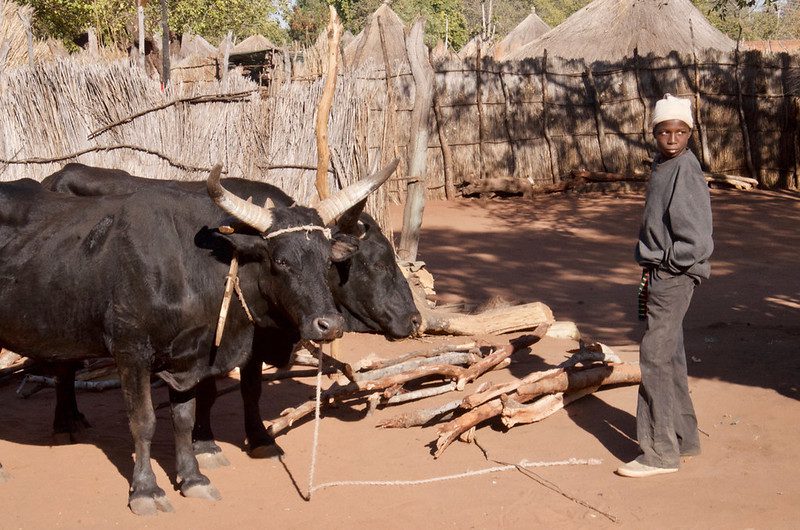
With only 0.65% of Botswana’s land suitable for farming, around 80% of the agricultural GDP is based on livestock production, mainly cattle. 

Moving Toward Food Self-Sufficiency

There is a serious lack of consistent food production in Botswana, and it is responsible for the malnutrition and food insecurity that plague many citizens. As much as 80% of Botswana’s food has been imported from South Africa, with vegetable, fruit and nut food preparations totaling almost $83 million in January 2024.

In January 2022, the Government of Botswana implemented a two-year ban on fresh produce imports. The ban was extended in December 2023 until the end of 2025, and expanded to 32 products, double what it had been. The government intends to increase Botswana’s food self-sufficiency and cut its import bill. This has angered South African farmers, but Botswana sees this as protecting its “nascent industries” that are being squeezed by the cheaper South African imports. 

Another approach to a nutritious and sustainable food supply is that of Go Fresh! an award-winning start-up company that has brought Grade-1 vegetable production to Botswana. Using greenhouses and hydroponics, the company can produce quality vegetables throughout the entire year. With this new technology, fresh tomatoes, cucumbers and other large vegetables can be grown locally, requiring only 2% of the water normally needed for vegetable production. 

– Staff Reports
Photo: Flickr

Updated: August 22, 2024

July 29, 2020
https://borgenproject.org/wp-content/uploads/borgen-project-logo.svg 0 0 Kim Thelwell https://borgenproject.org/wp-content/uploads/borgen-project-logo.svg Kim Thelwell2020-07-29 01:30:312024-08-22 06:52:25Hunger in Botswana: Causes and Prevention
Food Security, Global Poverty

5 Ways Solar-Cookers Help Fight Poverty

solar-cookersAn estimated three billion people around the globe rely on open, bio-fuel based fires to cook. Open-fire cooking can cause injuries from open flames, generate long-term health issues from smoke inhalation, and aggravate deforestation. Furthermore, the time-consuming and often dangerous task of traveling long distances to collect biofuel and maintain the fire disproportionately burdens women and children. Solar-cookers offer a cheap, clean and safe alternative to cooking with an open fire. Implementing this technology can help families avoid the detrimental effects of open-fire cooking that contribute to the cycle of poverty. 

How Solar Cookers Work

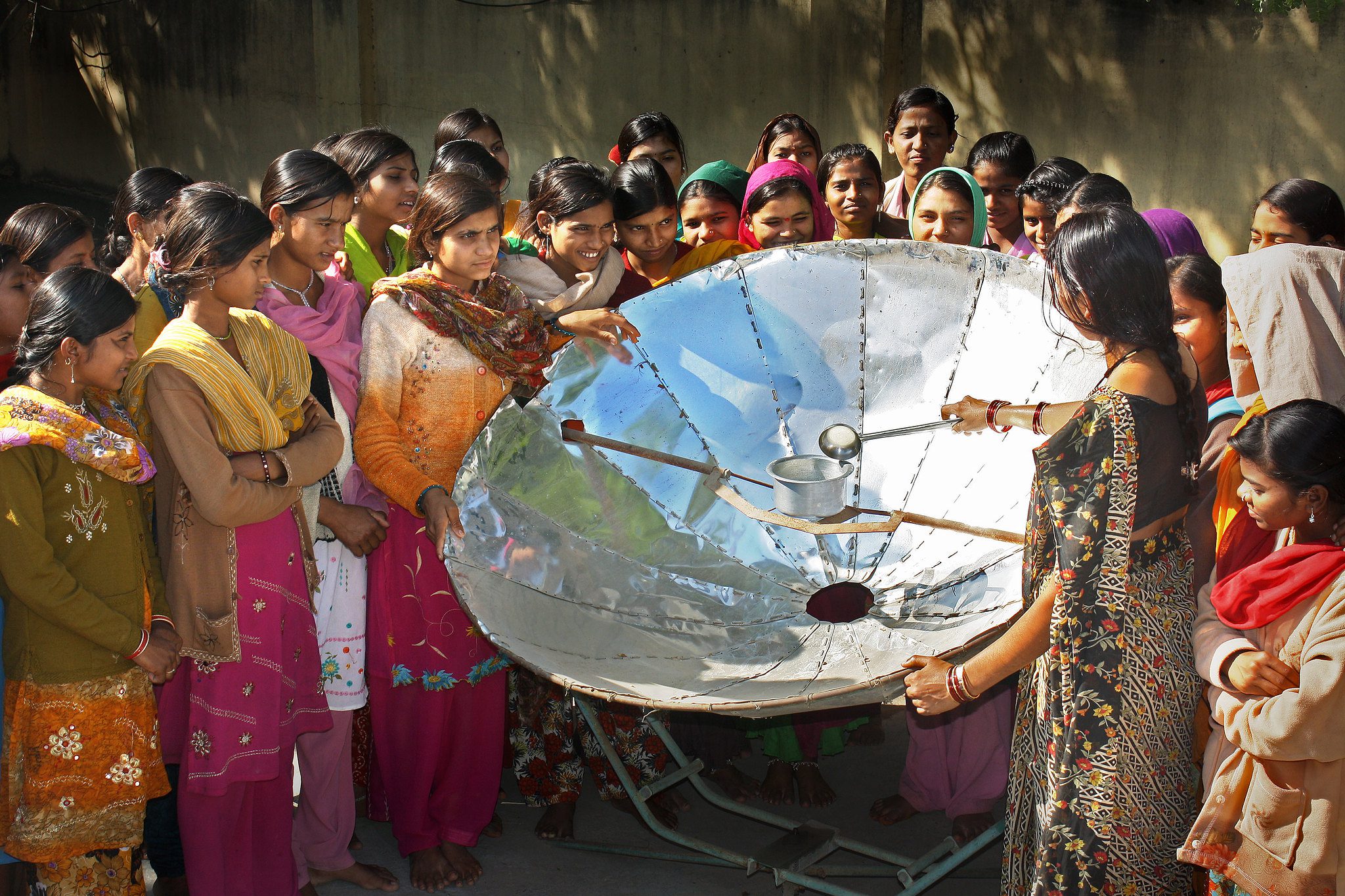
Solar-cookers are oven-like devices that use mirrored surfaces to concentrate the sun’s thermal energy and heat the cooker’s contents. These devices are easily constructed with low-cost materials and even the most rudimentary model—the box cooker—can cook at a temperature up to 140° Celsius, or 284° Fahrenheit. 

How Solar-Cookers Help Break the Cycle of Poverty

  1. The only fuel needed to operate solar-cookers is both free and abundant—the sun. While some regions are better suited for harvesting sunlight than others, 85% of the 500 million people living in sun-abundant territories suffer from regional biofuel shortages. Due to these shortages, families either spend as much as 25% of annual income on biofuel or regularly travel long distances to collect it themselves. Solar-cookers relieve families of this financial burden. Besides the initial cost of purchase or construction, solar-cookers need only sunlight to operate. The funding typically allotted for fuel can then be spent on education, increased healthcare or more nutritious foods.
  2. Solar-cookers provide time for families to pursue other activities. Cooking with open fires can require as many as four hours daily to retrieve biofuels. Comparatively, solar-cookers eliminate the need to travel large distances in order to cook altogether. Additionally, the food in solar-cookers does not need regular stirring and can be left unattended for the total cook time. For the women and children typically involved in the process of maintaining the fire or gathering fuel, the valuable time saved can be spent on other economically beneficial activities, such as pursuing education, caring for family members or producing and preparing goods for sale.
  3. Solar-cookers can reduce the rate of infections and death due to water-borne illnesses. Solar cookers can be used to pasteurize water in locations where potable sources of water are unavailable. Eliminating the cost of biomass fuel to heat the water, solar-cookers make consistent purification of drinking water more economically viable. Water purification also saves families from unnecessary and costly expenditures on healthcare due to water-borne illnesses.
  4. Solar-cookers combat malnutrition. High levels of childhood stunting, a direct effect of chronic malnutrition, correlates directly with household poverty. Biofuel-scarcity contributes to malnutrition, as families exclude foods with higher nutritional value due to longer cook times. Solar-cookers eliminate this problem, allowing families to restore nutrient-heavy foods to their diets. Additionally, the slow cooking style of solar-cookers allows food to retain more nutrients than if cooked through traditional methods. Lastly, local food production and availability improve as solar-cookers reduce deforestation; the increased quality of soil and water lends itself to superior agricultural production.
  5. Solar-cookers eliminate the risk of health issues caused by open fires. According to the World Health Organization, household air pollution from open fire cooking and simple stoves are responsible for approximately four million deaths annually. Accidents from open-fire cooking can lead to burn injuries and disfigurement, as well as the destruction of property. Solar-cookers are entirely flame and smoke-free. These devices effectively eliminate the detrimental consequences of meal and water preparation and save families from burdensome healthcare costs.

Solar-Cookers in Action

The success stories are plenty. In the Iridimi refugee camp in Chad, distribution of solar-cookers by the NGO Solar Cookers International caused an 86% drop in trips outside of camp to collect firewood. This reduced exposure to violence from the Janjaweed militia group. Additionally, food consumption increased as families no longer needed to barter food rations away for firewood. In Oaxaca, Mexico, where households spend as much as 10% income on energy, Solar Household Energy supplied 200 local women with solar cookers in 2016. Today, users report that the cookers have reduced the use of their woodstoves by more than 50% and that they have more free time. Many of the women now organize solar-cooker demonstrations in their homes to promote the benefits of leaving open-fire cooking behind. 

– Alexandra Black
Photo: Flickr

July 11, 2020
https://borgenproject.org/wp-content/uploads/borgen-project-logo.svg 0 0 Kim Thelwell https://borgenproject.org/wp-content/uploads/borgen-project-logo.svg Kim Thelwell2020-07-11 01:30:542020-07-12 11:56:485 Ways Solar-Cookers Help Fight Poverty
Food Security, Global Poverty

The Threat COVID-19 Poses to Global Food Security

Global Food Security
The Borgen Project has published this article and podcast episode, “COVID-19 and the 5 Major Threats it Poses to Global Food Security,” with permission from The World Food Program (WFP) USA. “Hacking Hunger” is the organization’s podcast that features stories of people around the world who are struggling with hunger and thought-provoking conversations with humanitarians who are working to solve it.


Entering 2020, the number of hungry and malnourished people around the world was already on the rise due to an increase in violent conflict and climate change impacts. Today, over 800 million people face chronic undernourishment and over 100 million people are in need of lifesaving food assistance. The novel Coronavirus, COVID-19, risks undermining the efforts of humanitarian and food security organizations seeking to reverse these trends.

As former International Food Policy Research Institute (IFPRI) Director General Shenggan Fan, writes, “COVID-19 is a health crisis. But it could also lead to a food security crisis if proper measures are not taken.”

Every major outbreak in recent memory—Ebola, SARS, MERS—has had both direct and indirect negative impacts on food security. On this episode of Hacking Hunger, Dr. Chase Sova, WFP USA senior director of public policy and research, tells us what the experts are saying about the likelihood and nature of such impacts from COVID-19.

Click below to listen to what Dr. Chase Sova has to say about the threat COVID-19 poses to global food security.


World Food Program USA · Episode 43: COVID-19 and the 5 Major Threats it Poses to Global Food Security
Photo: Flickr


June 18, 2020
https://borgenproject.org/wp-content/uploads/borgen-project-logo.svg 0 0 Jennifer Philipp https://borgenproject.org/wp-content/uploads/borgen-project-logo.svg Jennifer Philipp2020-06-18 12:19:102024-05-29 23:18:03The Threat COVID-19 Poses to Global Food Security
Food Security, Global Poverty, Homelessness

Fighting Poverty in Tuvalu Through Community

Poverty in Tuvalu

Tuvalu (pronounced two-vah-loo) is a small island nation in the South Pacific with a population of around 11,733 people. They are the only ones in the world who can speak their native language and their way of life is very remote. The small island nation relies primarily on subsistence living, which completely redefines what poverty means in this setting. Tuvalu is the fourth most impoverished nation in the world. However, it is important to look at this South Pacific island nation from a different perspective. Suppose one measures poverty in terms of income level. In that case, they will view Tuvalu in a much bleaker light than what is appropriate.

Facts About Poverty in Tuvalu

  1. Given the country’s remoteness, little data is available. However, the United Nations Children’s Fund (UNICEF) reports a 20.4% mortality rate among children younger than 5. According to another report, only 37% of the country’s population had access to safely managed sanitation services in 2022.
  2. Factors such as overpopulation affect poverty in Tuvalu because they exacerbate food scarcity. Saltwater intrusion affects the soil in Tuvalu, leading to the death of crops. This intrusion can be detrimental to the crops in the region. For example, pulaka, a native fruit that symbolizes Tuvalu culture, suffers as saltwater infiltrates the limited soil, causing the pulaka pits to die. Consequently, many families have resorted to imported rice instead.
  3. According to the Asian Development Bank (ADB), Tuvalu lacks many of the resources for sustainable growth and poverty reduction. Limited private businesses cause a huge reliance on the public sector. Considering the climate impact as well, storms are commonplace and can have a devastating effect on livelihoods, revenue and fiscal security.
  4. Tuvalu only has one hospital on the capital island, Funafuti. However, there are two more health clinics and eight health centers distributed across the islands.
  5. Although the country comprises nine islands and numerous small islets, it has seen tremendous population growth. According to the Food and Agriculture Organization (FAO), Tuvalu had 10,600 people as of 2017. In one year, this number increased by almost 1,000 people. More people means more mouths to feed. Despite food scarcity, “everybody helps everybody,” according to John Goheen, director of the upcoming documentary “We Are Tuvalu.” “Nobody goes hungry. It’s a country that’s very small, very close-knit,” stated Goheen in an interview with The Borgen Project.
  6. Tuvaluans spend less than $2 on food per day. Ironically, many in Tuvalu are overweight. The population eats about one-fourth of the recommended intake of fruits and vegetables per day. When it comes to food scarcity, it all comes down to what is easily accessible. Tuvalu imports rice and sugary foods, which are cheap to buy, while vegetables are hard to grow and fish are becoming scarce.
  7. Only recently has Tuvalu had to rely on imports. Before, it lived a subsistence lifestyle. Most families own pigs and many own chickens or roosters, but fish remains their main source of protein. However, fish surrounding the islands are becoming scarce. It is getting harder and harder for Tuvalu’s fishermen to come home with a good catch, said Jake Pieczynski, executive producer of “We Are Tuvalu,” when speaking with The Borgen Project. “And that’s primarily caused by changing climatic conditions, specifically, the warming of the ocean. As the temperatures rise, the reefs that surround Tuvalu die. Fish lose their homes; they migrate to other areas.”
  8. Another factor in coral reefs dying is waste from pigs. Pig sites are close to the shoreline, so feces washes into the ocean and kills off some of the coral by the coast. Of course, without coral, fish cannot breed. One solution the government has been putting in place is planting thick, dense grass imported from Fiji to shield much of the pig waste from washing into the water.
  9. In 2017, 35% of the population were youth between the ages of 15 and 35 and 39% of them did not have employment. Culturally, children must take care of their parents once they hit the proper age, which makes that statistic a bit more alarming. Pieczynski talked to the Minister for Labor during his time in Funafuti. He reported that the minister estimated that probably more than half of the population did not have employment. However, Pieczynski also noted that he never observed anyone living on the streets; no one goes homeless. “You don’t really need to have everyone in your household working a full-time job in order to survive and live a good lifestyle in Tuvalu,” Pieczynski said.

Efforts to address poverty in Tuvalu

Significant effort is being made to improve the quality of life for the people of Tuvalu. As Tuvalu is now part of the global economy and depends on imported goods, money holds much more value than before. The Australian dollar is the currency used in Tuvalu and many individuals seek employment abroad to support their families back home.

To address food scarcity, many nongovernmental organizations (NGOs) travel to Tuvalu to re-educate Tuvaluans and help them adapt to changing climate conditions. One such organization is Live and Learn Environmental Education. Its Tuvalu Food Futures program aims to increase local food consumption and decrease reliance on imported goods.

Final Remark

While poverty in Tuvalu may not seem as big a threat as local food scarcity, it is still relevant. Many live without making much money and rely instead on their families. Luckily, there seems to be a strong sense of community on the islands. Hopefully, with the help of NGOs, food scarcity can be reduced through more sustainable agriculture.

– Annie Kate Raglow
Photo: Flickr

Updated: June 11, 2024

May 21, 2020
https://borgenproject.org/wp-content/uploads/borgen-project-logo.svg 0 0 Borgen Project https://borgenproject.org/wp-content/uploads/borgen-project-logo.svg Borgen Project2020-05-21 07:30:452024-06-11 01:56:37Fighting Poverty in Tuvalu Through Community
Food Insecurity, Food Security, Global Poverty

Innovations to Provide Food Security in the Desert

Food Security in the DesertThe desert is an ecosystem that does not have adequate moisture and nutrients to grow food. People living in these areas often rely heavily on food imports because of this lack of fertile soil. Approximately 5 percent of land in the Middle East and North Africa regions has sufficient amounts of water. That small amount of viable land has suffered mismanagement, resulting in shortages and limitations in agricultural regrowth after natural disasters and war. Fortunately, scientists and organizations around the world are developing ways to boost food security in the desert. Luckily, there are two programs in Syria and the United Arab Emirates that are attempting to feed people in arid regions.

Hydroponics in Syria

The prolonged war in Syria has destroyed the once-booming agricultural industry, diminishing food security in the desert. Since the beginning of the conflict in 2011, the Food and Agriculture Organization of the United Nations (FAO) estimated the loss of the agricultural exports sector to be around $16 billion. This number does not include the destruction of fertile land and crops that fed the people of Syria.

British scientists brought green technologies to Syrian refugee camps to promote food security in the desert. Through these programs, refugees learn how to grow crops where fertilized soil is not available. This process uses recycled materials like mattresses; another process uses an indoor planting technique called hydroponics. Hydroponics is a growing technique that uses nutrient-rich water mixtures instead of soil to grow fruits and vegetables.

These projects allow people in refugee camps to become self-sufficient in terms of agriculture. Individuals can use these skills for future gardening and farming once resettled. The project has taught almost 1,000 people sustainable agriculture practices such as growing tomatoes, eggplants and peppers in refugee camps. Using technologies to grow vegetables in places with infertile land will help individuals and countries develop sustainability.

Pure Harvest in the United Arab Emirates (UAE)

The United Arab Emirates has a climate of severe heat. The high temperatures and harsh conditions present serious issues for conventional farming methods. Due to this extreme climate, the country imports roughly 80 percent of the total amount of food consumed. The emergence of sustainable and innovative agriculture occurred from the need for alternative farming methods.

Pure Harvest began the pursuit of climate-controlled hydroponic greenhouses in 2016. This company aims to help the UAE become more self-sufficient in the government’s efforts to improve food security in the desert. In 2018, the company’s soccer field-sized facility in the Abu Dhabi desert produced its first tomato plants. Since then, it has produced approximately two tons of tomatoes per day.

The success of the first greenhouse has gained positive attention around the world. More desert communities are interested in building greenhouses to increase food security in the desert. Not only do these greenhouses allow crops to grow in arid parts of the world, but they are also producing enough of a surplus to create an agricultural market economy to the desert.

The war-torn areas and severe climates pose threats to food security in the desert, and technology is a crucial tool for mitigating these threats. Innovative methods such as hydroponics in refugee camps and building greenhouses on infertile land are just the start of a transformation that will provide more self-sufficiency and food security in the desert.

– Ashleigh Litcofsky
Photo: Wikipedia Commons

May 10, 2020
https://borgenproject.org/wp-content/uploads/borgen-project-logo.svg 0 0 Kim Thelwell https://borgenproject.org/wp-content/uploads/borgen-project-logo.svg Kim Thelwell2020-05-10 01:30:182024-05-29 23:15:49Innovations to Provide Food Security in the Desert
Page 16 of 18«‹1415161718›»

Get Smarter

  • Global Poverty 101
  • Global Poverty… The Good News
  • Global Poverty & U.S. Jobs
  • Global Poverty and National Security
  • Innovative Solutions to Poverty
  • Global Poverty & Aid FAQ’s
Search Search

Take Action

  • Call Congress
  • Email Congress
  • Donate
  • 30 Ways to Help
  • Volunteer Ops
  • Internships
  • Courses & Certificates
  • The Podcast
Borgen Project

“The Borgen Project is an incredible nonprofit organization that is addressing poverty and hunger and working towards ending them.”

-The Huffington Post

Inside The Borgen Project

  • Contact
  • About
  • Financials
  • President
  • Board of Directors
  • Board of Advisors

International Links

  • UK Email Parliament
  • UK Donate
  • Canada Email Parliament

Get Smarter

  • Global Poverty 101
  • Global Poverty… The Good News
  • Global Poverty & U.S. Jobs
  • Global Poverty and National Security
  • Innovative Solutions to Poverty
  • Global Poverty & Aid FAQ’s

Ways to Help

  • Call Congress
  • Email Congress
  • Donate
  • 30 Ways to Help
  • Volunteer Ops
  • Internships
  • Courses & Certificates
  • The Podcast
Scroll to top Scroll to top Scroll to top