• Link to X
  • Link to Facebook
  • Link to Instagram
  • Link to TikTok
  • Link to Youtube
  • About
    • About Us
      • President
      • Board of Directors
      • Board of Advisors
      • Financials
      • Our Methodology
      • Success Tracker
      • Contact
  • Act Now
    • 30 Ways to Help
      • Email Congress
      • Call Congress
      • Volunteer
      • Courses & Certificates
      • Be a Donor
    • Internships
      • In-Office Internships
      • Remote Internships
    • Legislation
      • Politics 101
  • The Blog
  • The Podcast
  • Magazine
  • Donate
  • Click to open the search input field Click to open the search input field Search
  • Menu Menu

Archive for category: Food Security

Food Security, Global Poverty

Fighting Poverty in Timor-Leste

timor-leste povertyTimor-Leste, a small island north of Australia, continues to battle widespread poverty. For decades, the coastal communities of Timor-Leste have struggled with the dependency of crops and farming, but they have figured a new way, and it all starts with the sea.

The Numbers

More than half of Timor-Leste’s population is multidimensionally poor, and an additional 26.8% is on the cusp of extreme poverty. Despite the country’s past efforts to ameliorate conflict within communities, Timor-Leste ranks 104th out of 124 countries on the Global Hunger Index. 

Childhood stunting is an unfortunate commonality among the families and children of Timor-Leste; more than half of the children under 5 struggle with stunting. Along with this, one in 24 children will die before the age of 5, and 38% of children under 5 are underweight, according to UNICEF.

In Timor-Leste, the most popular occupations that also generate the most income are crop farming, livestock rearing, fishing, formal employment and small scale businesses. Eighty-four percent of households rely on these occupations as a source of income and 63% of households rely solely on natural resource based livelihoods as a main source of income, making fisheries an important part of how Timor-Leste fights poverty.

How WorldFish is Making a Difference

WorldFish is a key component in helping the country of Timor-Leste fight poverty. WorldFish uses science to prioritize aquatic foods as a main source of nutrition. It aims to end hunger by 2030, and advance sustainable living for the whole planet. Timor-Leste’s WorldFish program is utilizing aquatic foods to change the trajectory of Timor’s food systems, in hopes to meet the nutritional needs of the country. WorldFish is currently working on two initiatives that rely on the sea to transform food systems.

Developed in 1988 as a part of a breeding program to create adaptable food sources, Genetically Improved Farm Tilapia (GIFT) has been wildly successful in its intention of increasing income and feeding local businesses, with Timor-Leste now cultivating its 14th generation of GIFT.

The second initiative is the development of Peskas, a digital monitoring platform. There was a lack of necessary information about where coastal fishers went and what they caught, and this led to government officials and policy change makers not knowing how to improve food insecurity in Timor-Leste.

Peskas uses GPS trackers to capture data about where fishers go, and document all that happened on their journey. That data is then seen on a public online dashboard, and this helps policymakers make more effective decisions about sustainability management. Peskas is not only the official fisheries monitoring system but Timor-Leste is being praised as an example in many other countries around the world.

Along these two, the Fish in Schools Meals pilot program from July 2023 aims to improve the consumption of fish in communities that are predominantly rural. The government has concentrated on developing sustainable fisheries and aquaculture sectors, which have successfully contributed to the influx of nutrition security.

Moving Forward

Since Timor-Leste’s independence in 2002, the country has seen extreme progress in maintaining stability as the youngest nation in Asia. As a country that is coming out of a recent conflict, they have managed to strengthen institutions and has benefited from economic growth.

This research highlights that the fisheries sector remains the most promising solution for how Timor-Leste fights poverty and could boost the well-being for the rural poor who live near the coast.

– Arielle Telfort

Arielle is based in Purchase, NY, USA and focuses on Global Health for The Borgen Project.

Photo: Flickr

October 18, 2025
https://borgenproject.org/wp-content/uploads/borgen-project-logo.svg 0 0 Naida Jahic https://borgenproject.org/wp-content/uploads/borgen-project-logo.svg Naida Jahic2025-10-18 07:30:462025-10-18 02:33:28Fighting Poverty in Timor-Leste
Food Security, Global Poverty

FH Cambodia: Combatting Malnutrition

fh cambodiaCambodia is one of Southeast Asia’s most prominent countries in the region for culture and tourism. However, life for its citizens is shaped by many struggles. Scarce resources have limited opportunity for development and sustainability. As of 2025, 22% of the children under 5 struggle with malnourishment, with 16% of families unable to afford meals.

Furthermore, assistance to combat hunger is disproportionate, with urban areas improving significantly faster than rural areas, creating greater inequality. Food for the Hungry Cambodia (FH Cambodia) is one of the leading organizations working to bridge the gap and create communities that are sustainable and resilient.

FH Cambodia

FH’s initial mission was relief: aiding refugees and providing immediate support during civil unrest after the Vietnam war. By 1992, FH Cambodia shifted strategy: from temporary relief to partnering with marginalized communities in southern Cambodia (Kampot Province) to improve living conditions over the long term. Over time, FH expanded north, adopting decade-long community development models that address education, health, economic security, and leadership.

In 2024, FH Cambodia reached more than 211 communities and served 188,925 individuals. Out of the individuals, 66,472 were children. Young children, from 6-23 months, have a minimum dietary diversity, minimizing the risk that they are malnourished. FH was successful in combating malnutrition by partnering with local health care centers that measure the health status of the child.

Improving Education

In addition to combating malnutrition by aiding children and starving households, the organization created long term benefits, such as mobilizing churches and providing educational resources to schools. Specifically, the education program brought 625 children, 285 of which are girls, into primary education. Furthermore, FH Cambodia assisted in renovating five digital libraries in a district, allowing for interactive online learning. As a result, school absences of children aged 7–15 decreased by 17.9%, and 86.4% of children the same age are proficient in reading.

Pregnancy

FH Cambodia’s aggregate impact demonstrates the effectiveness of community-based programs focusing on long-term sustainability. However, the improvement in individual lives can be best seen through the stories of those directly aided. Mrs Khuon Sinan is a 27-year-old woman who lost three pregnancies, suffering miscarriages.

With help from community health workers partnered with FH Cambodia, Mrs Sinan received the care and observation of a midwife at a health center. There, Mrs Sinan changed her diet to have more diverse foods such as local greens and fruit, to satisfy nutritional requirements for a healthy pregnancy.

In addition, she also attended community health awareness programs and support groups to better understand how to take care of one’s wellbeing. At the end of the pregnancy, Mrs Sinan successfully gave birth to a healthy girl, and is able to provide for her newborn by breastfeeding and learning to cook nutritious meals.

The Future

Mrs Sinan’s story, after numerous tragic failures, is a testament to the impact FH Cambodia’s program on individuals. Even though hunger and poverty remain great problems in Cambodia, combating malnutrition and hunger as a whole is imperative. The work of organizations such as FH Cambodia ensures that communities cannot face the same devastation as decades prior and that everyone is on the path to a sustainable future.

– Owen Wu

Owen is based in Boston, MA, USA and focuses on Business and Global Health for The Borgen Project.

Photo: Flickr

October 18, 2025
https://borgenproject.org/wp-content/uploads/borgen-project-logo.svg 0 0 Naida Jahic https://borgenproject.org/wp-content/uploads/borgen-project-logo.svg Naida Jahic2025-10-18 01:30:072025-10-18 02:22:27FH Cambodia: Combatting Malnutrition
Food Security, Global Poverty, Legislations and Policies

Poverty, Fragility and the Rule of Law in Cuba

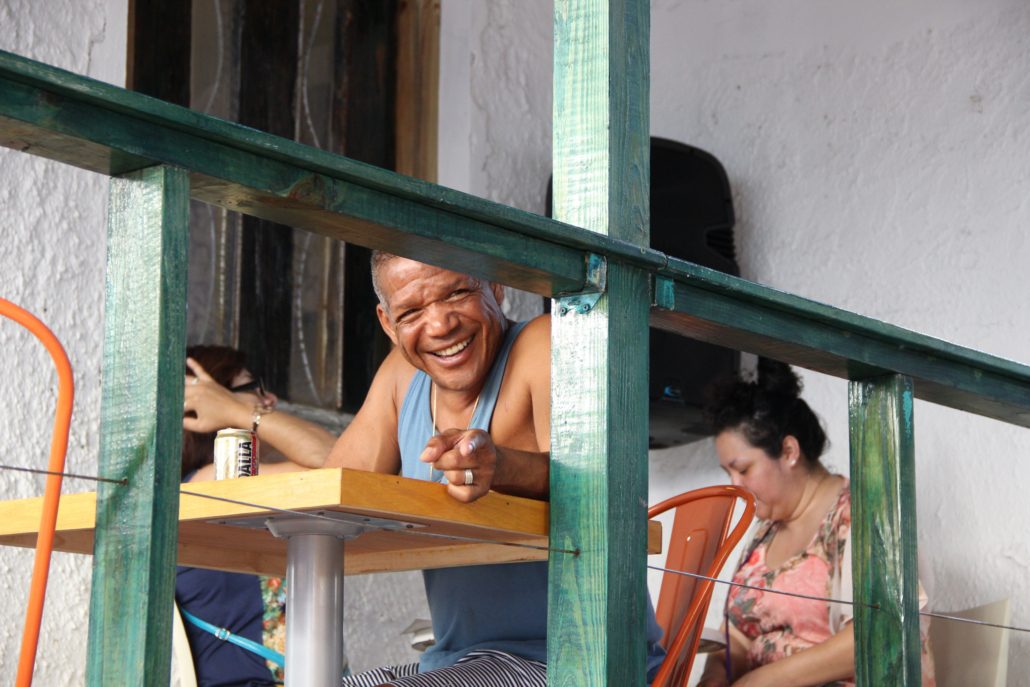
The Rule of Law in CubaPeople have always seen Cuba putting the most vulnerable first. Cuba aimed to achieve a state with no poverty, no unemployment, full literacy, strong education and strong health care. In other words, Cuba aims to be a successful socialist state. However, the socio-economic situation in Cuba today presents an entirely different picture. Today, Cuba is one of the poorest countries in the world with only 1.5% GDP growth between 2016-18, well below the 5% growth needed for sustainable development. The social services system has deteriorated and the employed are not working jobs where they could be most efficient. These factors have all contributed to increased levels of poverty in Cuba. Here is information about fragility and the rule of law in Cuba and how it relates to poverty.

Fragile Rule of Law in Cuba

Fragility of law has contributed significantly to poverty in Cuba. Cuba has high levels of corruption. Systemic failures in enforcing laws ensure that essential resources never reach the people. A lack of transparency has led to people not having any legal recourse to ensure better living and working conditions. The Cuban government also requires any aid coming from international organizations to go through the state agency in charge and work with local actors connected to the state. Therefore, in actuality, international organizations have very little control over how the aid provided is utilized or even where it is allocated. Weak rule of law and limited institutional capacity mean that vulnerable groups (women, people with HIV and the elderly) continue to face stigma and lack equal access to services

Poor Governance and Food Security in Cuba

However, a more pressing issue is bad governance. Poor fiscal policies have led to anemic economic growth and in the last two years the economy contracted from 1.8% in 2022 to -1.9% in 2023.

This contraction is far below the 5% needed for sustainable growth and to create the income needed for the government to provide basic services to the people. Cuba, according to the World Food Program (WHO), spends at least $1.7 billion annually on food imports. This is an increase from $1 billion of food imports in 2017. Weak enforcement of agricultural policies and poor incentives for producers contribute to persistent shortages. It is clear that the needs of the people are not being met. Severe food shortages have led people to rely more on income from outside sources other than the government such as dealing and working on the black market, remittances from outside aid or community networks.

Efforts To Address Poverty

However, there is some hope. Despite restrictions from the Cuban government, organizations such as the World Food Program (WFP) are having some success in providing aid to fight poverty. The WFP has implemented food security programs such as school feeding programs, nutrition education and training for farmers. It also collaborated with local authorities to enhance food systems and social protection mechanisms. These programs have had a noticeable impact on food security in Cuba. The WFP has managed to provide aid to more than 1.3 million people in Cuba through such programs.

Looking Ahead

According to a report by the Cuban Observatory of Human Rights, more than 89% of the Cuban population live in extreme poverty. There is severe inequality, corruption and a lack of basic services that not only increase poverty but sustain it. While there has been some success, without a strong change in policies and an increase in effective governance, the situation is not likely to change. In the end, addressing fragility and the rule of law in Cuba is essential for reducing poverty and ensuring a more equitable future for its citizens.

– Akash Ramaswamy

Akash is based in Mississauga, Ontario, Canada and focuses on Politics for The Borgen Project.

Photo: Pixabay

October 10, 2025
https://borgenproject.org/wp-content/uploads/borgen-project-logo.svg 0 0 Jennifer Philipp https://borgenproject.org/wp-content/uploads/borgen-project-logo.svg Jennifer Philipp2025-10-10 01:30:592025-10-09 03:11:31Poverty, Fragility and the Rule of Law in Cuba
Education, Food Security, Global Poverty

Nutrition and Poverty in Delhi: The Role of Education and NGOs

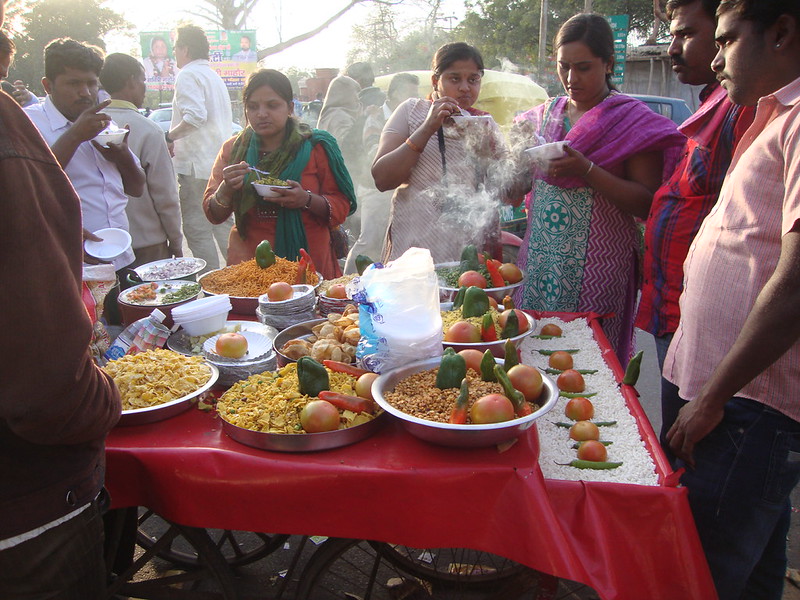
Nutrition in DelhiDelhi, the capital of India, is considered a culturally rich and diverse city. A beautiful city, vibrant with people, an amalgamation of culture and a kaleidoscope of colors. It holds a fine balance between traditional and modern values. With its blend of ancient heritage and traditional modern life, the city attracts people from across the country. However, beneath the vibrant image lies a stark contrast, where nutrition and poverty in Delhi continue to disproportionately impact underprivileged children, limiting their access to basic resources, education and opportunity.

According to the NITI Aayog Multidimensional Poverty Index (MPI) report 2023, the share of the population living in multidimensional poverty declined from 4.43% in 2016 to 3.43% in 2021. However, this decline hides the reality in certain districts, especially in north and west Delhi, where poverty persists at troubling rates.

Education Inequality

While the country has seen overall improvement, education gaps remain a major issue in Delhi. A 2023 report by ThePrint indicated that “school attendance deprivation” increased from 31% in 2016 to 38% by 2021 in several districts of the city. This increase affects underprivileged children the most, often limiting their long-term prospects and trapping them in cycles of poverty. The situation is bleaker in rural parts of the nation.

According to the National Statistical Office (NSO), more than 20% of children between the ages of 6 and 14 in rural parts of India are out of school, compared to just 6% in urban counterparts. This reflects how nutrition and poverty in Delhi and beyond create long-term barriers to consistent school attendance and academic success.

Gender and Nutrition

Cultural biases and gender further deepen inequality in the country. An article by The Wire discussed how girls face a deficit in access to nutritional food sources because of the deep-rooted belief that boys will be the future providers in the family. Such beliefs amount to health issues for female children, including stunted growth and anemia.

The National Family Health Survey (NFHS) pointed out that “54-59% of girls within the age group of 15-19 years are anemic as opposed to 29-31% boys in the same group” in India. Poor nutrition affects their ability to attend and succeed in school, reinforcing both gender and economic inequality.

Pehchaan the Street School

Many NGOs in the city are working to change this trajectory by providing essential resources to underprivileged children. One such example is Pehchaan the Street School in the Delhi-NCR region. As the name suggests, the organization focuses on providing a “Pehchaan, an identity to underprivileged children by providing them with education.” The nonprofit has worked tirelessly for more than 10 years to provide free education to children in the rural and slum areas of the city, aiming to make each child self-sufficient and independent.

Beyond the classroom, the organization also conducts free health check-up camps and menstrual health seminars. It provides legal and financial aid and vocational training courses for its students, ensuring they receive comprehensive support and are well-equipped to pursue their dreams confidently. The organization has supported more than 5,000 underprivileged children in the city over the last decade, achieving a passing rate of 94%. It works to address issues of nutrition and poverty in Delhi, creating support systems where the government infrastructure often falls short.

As one student shared, “In my 10-year journey, it has become a very important part of my life. I attend school regularly and this is where I received a lot of love, care and guidance.” This heartfelt reflection underscores the transformative role that the organization has played in the lives of many children.

The Red Foundation

The Red Foundatiom was founded in 2022 in the capital. The NGO aims to improve nutrition and support the right to education for underprivileged and marginalized communities. The institution operates on four pillars: education, better livelihood, skill development and empowerment and awareness. These pillars form the foundation for the nonprofit’s various programs and initiatives. One such program, “Pathshala,” provides academic education and life skills to disadvantaged children. Another, “Swasth Bharat,” proactively brings medical services to underserved areas.

Final Remarks

The work of grassroots organizations like Pehchaan-the Street School and Red Foundation demonstrates that meaningful change is both possible and already in motion. These efforts have brought education, health care and nutrition to many children who might have otherwise been left behind.

However, nutrition and poverty in Delhi remain pressing challenges that require continued, coordinated action from both public and private sectors. The journey toward equity and empowerment is far from over, but it is well underway.

– Vasudhaa Shakdher

Vasudhaa is based in Vancouver, BC, Canada and focuses on Good News for The Borgen Project.

Photo: Unsplash
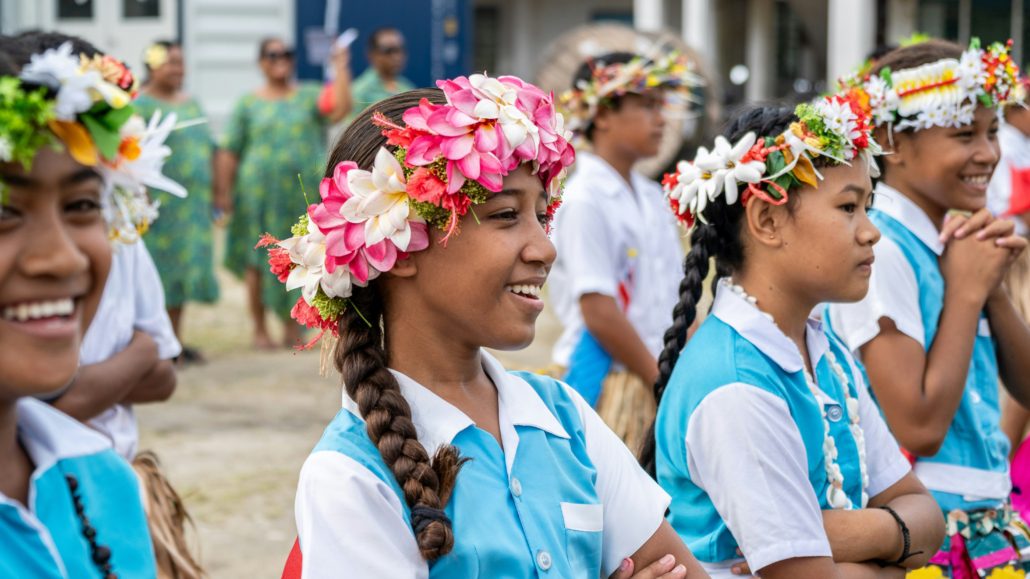
October 9, 2025
https://borgenproject.org/wp-content/uploads/borgen-project-logo.svg 0 0 Hemant Gupta https://borgenproject.org/wp-content/uploads/borgen-project-logo.svg Hemant Gupta2025-10-09 01:30:562025-10-08 10:10:39Nutrition and Poverty in Delhi: The Role of Education and NGOs
Food Security, Global Poverty

Food Security with Solar Cold Storage in Africa

Solar-Powered Cold Storage in AfricaIn sub-Saharan Africa, limited access to properly refrigerated goods means that as much as 50% of perishable produce never reaches the market, most prominently dairy, fish, fruits, and vegetables, items that are extremely valuable in this region. The continent loses $1.2 billion annually due to poor refrigeration and infrastructure, with 600 million people living without consistent access to electricity, affecting their ability to properly store food. These losses undermine hunger relief efforts and therefore hold farmers in a repetitive cycle of low income, affecting their ability to produce quality goods.

Solar Refrigeration Steps In

Companies like Sokofresh are utilizing solar-powered cold storage in Africa which is a clean, off-grid alternative to diesel-based systems. This enables farmers to preserve their perishable goods for up to 21 extra days, extending selling windows and increasing revenue potential.

Based in Nigeria, ColdHubs provides 100% solar-powered, walk-in cold rooms at rural hubs to combat post-harvest food waste for farmers. These units can store up to three tonnes and serve numerous small-scale farmers and fishers. This has ultimately reduced spoilage during transportation by up to 80%.

At the same time, Koolboks delivers solar-powered refrigeration and freezers to the Nigerian market traders to aid their protection of stock during frequent outages.

In Kenya, Sokofresh’s model helps farmers band together to access and share storage, helping them significantly cutting waste. ColdHubs’ network across 54 sites provides accessible refrigeration while generating local jobs and improving produce value.

As well as this, Uganda is implementing innovative strategies to empower female farmers, extend the shelf life of harvests, and strengthen local markets. This approach maximises available resources and serves as a model for reducing food waste and providing relief across Africa.

Barriers to Scaling Solar Cold Storage in Africa

However, there continues to be barriers as in Tanzania, up to 50% of tomato harvests spoil before reaching consumers due to a scarcity of cold storage. Significant obstacles are preventing Tanzania from introducing solar-powered storage, including institutional and technological barriers, foreign investment and aid to electrification project that require reshaping.

From the strides Nigeria has made in improving their food storage, this has awoken Rwanda’s eyes in attempting to reduce its food wastage by utilizing solar-powered storage. The model uses solar energy to complement Rwanda’s initiatives to reduce their post-harvest loss whilst increasing their green energy and cutting carbon emissions.

Cooling Towards Prosperity

Solar-powered cold storage has made significant differences in a multitude of countries all around Africa. Protecting the post-harvest quality, reducing waste and helping preserve farmers’ goods, this innovation supports food security, gender equity, and sustainable rural economies. This solar-powered solution can significantly reduce the $1.2 billion annual waste of improperly stored food and help provide wider access to food for those without consistent electrical connections.

– Carise Wallbank

Carise is based in the United Kingdom and focuses on Global Health for The Borgen Project.

Photo: Flickr

October 4, 2025
https://borgenproject.org/wp-content/uploads/borgen-project-logo.svg 0 0 Naida Jahic https://borgenproject.org/wp-content/uploads/borgen-project-logo.svg Naida Jahic2025-10-04 01:30:132025-10-04 02:28:05Food Security with Solar Cold Storage in Africa
Food Security, Global Poverty

Food Insecurity and Poverty in Jordan

poverty in jordanFood security and poverty alleviation in Jordan are closely linked, with limited access to nutritious food deepening economic hardship. Addressing this cycle requires strategies that improve nutrition, strengthen food security, and create sustainable opportunities for vulnerable communities.

Poverty and Food Insecurity in Jordan

According to new data, the percentage of registered refugees living in poverty has increased significantly in Jordan’s refugee camps, rising from 45% in 2021 to 67% now. Food insecurity has increased and household spending has decreased as a result. The employment rate among camp-dwelling refugees has also decreased since 2021. According to the survey, many women are unable to look for work due to hold/hold duties, and those who can find employment are frequently more susceptible to risks at work.

Experts globally recognize that to transform food security and eradicate poverty, it is essential to develop safe, sustainable, and healthy diets that are accessible to all. As the United Nations Food Systems Summit approached in 2021, the national food systems highlighted the great importance of transformation and suggested ways to lower the cost of nutritious foods and make healthy diets more accessible for the country, which launched the National Food Security Strategy in 2021.

Creating Sustainable Economic Opportunities

A significant progress is happening in Jordan. Officials are saying the move from an economy that focuses on resource extraction to a circular nation is opening opportunities for the country to not only achieve sustainable and inclusive development but to boost the economy to grow, along with the creation of new jobs that will increase the local production of goods. While highlighting the country’s environmental benefits the Ministry of Environment has made the circular economy a top priority.  This will include recycling and cutting down on waste, trimming down on gas emissions and taking on resource use to encourage sustainable consumption and production.

Ensuring Food Availability

Funded in 2003 by Princess Haya bint Al Hussin, Um Ali gives out sustainable food support and essential assistance to support food security and poverty eradication in Jordan that are in deep need across the country. The mission of the food bank still continues to push through occasional charitable food distributions. In 2020 and 2022 wage based employment and self employment aims to help those who participated in the employment program develop technical skills, self- reliance, and strengthen their goal of long-term food for security for the poor.

Final Thoughts

Jordan faces significant challenges in food security due to the resource shortages, poverty and limited job opportunities. Transforming the nation’s food systems and promoting sustainable, healthy diets is essential. Through initiatives like the 2021 National Food Security, the circular economy, and programs by Tkiyet Um Ali, Jordan is making progress by creating jobs, boosting local production and providing sustainable food support to vulnerable communities, ultimately strengthening self-reliance and long term food security.

– Joshua Pettis

Joshua is based in Houston, TX, USA and focuses on Global Health for The Borgen Project.

Photo: Flickr

October 3, 2025
https://borgenproject.org/wp-content/uploads/borgen-project-logo.svg 0 0 Naida Jahic https://borgenproject.org/wp-content/uploads/borgen-project-logo.svg Naida Jahic2025-10-03 01:30:252025-10-01 23:23:28Food Insecurity and Poverty in Jordan
Food & Hunger, Food Security, Global Poverty

Fighting Malnutrition in the Philippines with Biofortified Rice

Malnutrition in the PhilippinesIn the Philippines, where rice is a staple food eaten daily by most households, Vitamin A deficiency continues to affect children’s health. This deficiency can lead to blindness, stunted growth and higher rates of illness. To combat this, researchers and development partners are fighting malnutrition in the Philippines with biofortified rice. Also known as Golden Rice, this biofortified variety is rich with Vitamin A. By adding vital nutrients directly into the staple diet, Golden Rice has the potential to improve nutrition for millions of low-income families.

Partnerships Bringing Nutrition to Families

The Philippine Department of Agriculture in collaboration with the Philippine Rice Research Institute (PhilRice) leads the rollout of biofortified rice and the International Rice Research Institute (IRRI), which is based in Los Baños, Laguna [3]. Together, these organisations have spent over a decade developing a variety of rice that not only grows well in local conditions but also delivers meaningful levels of Vitamin A.

Support has also come from global initiatives such as HarvestPlus, part of the CGIAR research partnership, which specialises in promoting biofortified crops [4]. Through training, seed distribution and farmer support, HarvestPlus and its partners are ensuring that Golden Rice reaches the communities most at risk of malnutrition.

Reaching Communities in Need

The first planting of biofortified rice in the Philippines began in 2022 in provinces with the highest rates of Vitamin A deficiency. PhilRice has distributed seed to local farmers and provided training on cultivation, while IRRI has worked alongside government agencies to monitor yields and nutritional outcomes, Reuters reports. The Department of Agriculture has committed to scaling up production nationwide, aiming to integrate Golden Rice into school feeding programmes and rural markets.

For families who cannot afford vegetables, meat or dairy on a regular basis, Golden Rice provides a low-cost way to improve diets and reduce poverty-linked illness. Studies show that just one cup of cooked Golden Rice can provide up to 30–50% of a child’s daily Vitamin A requirement.

A Model for Future Biofortification

Golden Rice is part of a broader movement to use biofortification to combat “hidden hunger.” Alongside Vitamin A-enriched rice, IRRI and HarvestPlus are supporting the development of zinc-biofortified rice and iron-rich crops for the region, Science reports. These innovations aim to strengthen food security and health without requiring major changes to eating habits. The hope is that biofortified crops could quickly become a trusted part of the Filipino diet, helping to reduce child malnutrition across the country.

A Brighter Future for Children

Fighting malnutrition in the Philippines with biofortified rice demonstrates how science and partnerships can deliver solutions to some of the world’s most pressing health challenges. By working together, PhilRice, IRRI, HarvestPlus and the Department of Agriculture are transforming a staple food into a life-saving tool.

As the program expands, millions of Filipino children stand to gain stronger immune systems, better vision and healthier growth. For families living in poverty, biofortified rice in the Philippines represents hope for a healthier future.

– Robert Darke

Robert is based in London, UK and focuses on Technology and Global Health for The Borgen Project.

Photo: Flickr

October 1, 2025
https://borgenproject.org/wp-content/uploads/borgen-project-logo.svg 0 0 Naida Jahic https://borgenproject.org/wp-content/uploads/borgen-project-logo.svg Naida Jahic2025-10-01 07:30:572025-10-01 01:17:53Fighting Malnutrition in the Philippines with Biofortified Rice
Food Security, Global Poverty, War

International Community’s Reaction to Famine in Gaza

famine in gazaOn August 22, 2025, the war in Gaza reached a sobering milestone when the U.N.-backed Integrated Food Security Phase Classification (IPC) declared a famine in the Gaza Governorate. In a speech by the United Nations Under-Secretary-General for Humanitarian Affairs and Emergency Relief Coordinator, Tom Fletcher, he called this the world’s famine, underscoring what he saw as the abject failure of the international community to prevent Gaza’s suffering.

Just weeks later, the Independent International Commission of Inquiry on the Occupied Palestinian Territory, including East Jerusalem, and Israel found that Israel had committed four of the five genocidal acts defined in the 1948 Genocide Convention. Pedro Sanchez called the declaration of famine a “shame for all of humanity.” Such words of shame have ramped up as nations across the world call for an end to the suffering of Gazans, the release of hostages and a ceasefire to allow aid to reach the Gaza Strip unencumbered.

IPC Classifications

The IPC has individually assessed four of the five governorates in the Gaza Strip, according to the 2025 report. This has been evaluated on the Acute Famine Index and the Acute Malnutrition Index, each with five stages. The Famine Review Committee, which operates within the IPC, concluded that a Phase 5 famine was affecting the Gaza Governorate. This represents the most catastrophic classification and requires “extreme critical levels of acute malnutrition and mortality.”

North Gaza faced similar or worse conditions, but evidence was insufficient for an official Phase 5 classification. Both the Deir al-Balah and Khan Younis Governorates face a Phase 4 emergency, which the IPC projects will imminently rise to Phase 5 by September 30, according to the August 2025 review. While these classifications provide vital structure, it is crucial to recognise the lived realities they represent.

As of September 25, 2025 Israeli forces have killed almost 65,000 Palestinians, according to BBC, and have damaged or destroyed an estimated 90% of homes. Each of these fatalities is a life, each fatality has a story, and each fatality has a family that will be mourning their death. The human aspect of this conflict must always remain its primary framing.

Previous Warnings

Even before the official declaration of famine in Gaza, the IPC had been warning that the humanitarian crisis was reaching catastrophic levels. As early as March 2024, the IPC warned that “Famine is now projected and imminent in the North Gaza and Gaza Governorates.” Just a week before the official declaration of famine in Gaza, more than 100 organizations signed a statement calling on Israel to stop the “Weaponization of aid.”

Furthermore, in a statement on September 17, 2025, the leaders of more than 20 aid agencies called on world leaders to intervene after the declaration of genocide by a U.N. Commission. They called the situation on the ground “unconscionable” and recounted meeting Palestinians who had lost limbs and even children who wished for death to join their parents in heaven. Amnesty International echoed these appeals with a statement on the 25th September, asserting that “Words alone will not stop the atrocities.”

They called for all states to use every diplomatic, economic and political tool to exert influence over Israel to secure a ceasefire. These escalating appeals highlight a growing agreement among humanitarian groups that action on an international level is desperately needed.

The International Community

The realities of geopolitics in the region make it difficult for international actors outside of the U.S. to make decisions that could decisively end the war. In recent months, many of Israel’s allies, frustrated with the continuing conflict, have recognized Palestine in an attempt to revive the two-state solution that Netanyahu has said he will strongly oppose. However, some are calling for European states, particularly, to go further.

At the recent U.K. Labour Party conference, members of the governing party backed a non-binding motion calling for the full suspension of arms trade with Israel. This follows the Spanish government, which had already announced a full arms embargo on Israel in response to what Prime Minister Pedro Sanchez called a genocide. The European Commission has also announced plans to restrict trade with Israel and impose sanctions on extremist Israeli ministers.

Israel’s number one trading partner is the EU, and it accounted for 32% of Israel’s trade in 2024, positioning the EU well to apply meaningful pressure. However, experts predict the impact to be somewhat limited, with trade commissioner, Maroš Šefčovič, estimating the effect to be just €227 million a year, if the measure passes at all, which currently looks doubtful.

President Trump has also proposed peace with the backing of Netanyahu, which would see the demilitarisation of Gaza, the release of prisoners by both Israel and Hamas, a surge of aid into the strip and the creation of a temporary committee tasked with the transitional governance of Gaza. The success of this deal in the long term remains uncertain; however, leaders in the Middle East and Europe have signalled support for the plan.

Final Thoughts

International agencies described the humanitarian situation in Gaza as unprecedented in scale and severity. In September 2024, a U.N. commission declared that acts committed by Israel in Gaza met the legal definition of genocide, a finding that has intensified appeals for urgent international intervention.

Reports from the IPC, U.N. bodies, and humanitarian organizations continue to highlight widespread food insecurity, mass displacement, and the near-total collapse of essential services. Aid groups warn that without immediate and sustained access to food, water, and medical supplies, famine will deepen.

While long-term political solutions remain uncertain, humanitarian actors stress that the immediate priority is securing life-saving assistance for civilians. These repeated calls from agencies, governments, and human rights organizations are part of a growing international consensus that words of shame are insufficient without tangible measures to prevent further civilian suffering and loss of life.

– Adam Walsh

Adam is based in Burnley, UK and focuses on Global Health and Politics for The Borgen Project.

Photo: Flickr

October 1, 2025
https://borgenproject.org/wp-content/uploads/borgen-project-logo.svg 0 0 Naida Jahic https://borgenproject.org/wp-content/uploads/borgen-project-logo.svg Naida Jahic2025-10-01 03:00:242025-10-10 02:25:45International Community’s Reaction to Famine in Gaza
Electricity and Power, Food Security, Global Poverty

Food and Electricity: Cuban Mothers’ Activism Against Poverty

Cuban Mothers“Food and electricity” has been the rallying cry for Cuban citizens since the 2021 Cuban protests. In July 2021, Cubans took to the streets in record numbers to protest the COVID-19 response, scarcity of food and medicines and governmental restrictions on their rights. Continuing blackouts due to the energy sector’s collapse fueled protests. As of early 2025, only six of the country’s 15 oil-powered plants remained functional.

The blackouts paralyzed businesses, disrupted schools and caused mass spoilage of household food. According to reports by civil society organizations, around 290 protests driven by the National Electric Power System collapse took place between June 2024 and June 2025. Other factors have spurred the demonstrations, such as the decades-long U.S. embargo, which began in 1958 and has since tightened under the Trump administration; currency reform, which led to soaring inflation; and the COVID-19 pandemic.

These protests have been marked with resilience, especially by Cuban mothers who have been leading the charge. Cuban mothers’ activism has been the loudest, filling the void in the protest movement.

Mothers on the Front Line

Forced to bear the weight of being both caregivers and wage-owners, mothers in Cuba, especially single mothers, bear the brunt of the economic hardships disproportionately. Becoming the main opposition to the Cuban regime, Cuban matriarchs are demanding basic needs such as food, water, electricity, health care and housing. Worried about how the living and economic conditions may impact the lives of their children, Cuban mothers’ activism has brought these issues to the fore.

One poignant example of mothers spearheading the protest movement is 33-year-old Amelia Calzadilla. In a social media video, Calzadilla asked local authorities to run a gas line to her block, one of the few areas in Havana that does not have government-provided gas service. Since her initial video, she began sharing more openly antigovernment stances about Cuba’s deteriorating living conditions. Juggling activism, a paid occupation and caring for three children, Calzadilla represents the multifaceted pressures Cuban women are facing.

In more recent protests, mothers who were unable to feed their children have blocked highways. During the country’s frequent blackouts, matriarchs are protesting through the streets, banging pots and pans until the electricity resumes. Local media reports that more than 30 of these protests occurred in 2023. Women have also been the most vocal in denouncing the government’s detention of at least 45 minors for their participation in the 2021 protests. They have called out children being detained and interrogated without the presence of adults.

Moving Forward

Cuban mothers’ activism has become a formidable force, confronting social and economic issues while they shoulder the weight of being a matriarch. Their feat is all the more monumental considering the danger of detention that protestors face.

– Libby Foxwell

Libby is based in Sherborne, Dorset, UK and focuses on Politics for The Borgen Project.

Photo: Wikimedia Commons

September 29, 2025
https://borgenproject.org/wp-content/uploads/borgen-project-logo.svg 0 0 Hemant Gupta https://borgenproject.org/wp-content/uploads/borgen-project-logo.svg Hemant Gupta2025-09-29 07:30:032025-09-28 23:37:31Food and Electricity: Cuban Mothers’ Activism Against Poverty
Food Security, Global Poverty, Hunger

Preserving Tomorrow: Senegal’s Commitment To Fighting Hunger

Senegal’s Commitment To Fighting HungerThe concept of food preservation has existed for thousands of years, keeping communities alive during hungry seasons by preventing the immediate spoilage of fruits, meats and vegetables. Common methods of food preservation include freezing, drying, pickling, fermenting, curing, canning and creating jams and jellies.

Due to the extreme climate in Senegal, food preservation is vital for staying nourished. However, with limited access to ice and cooling methods, many Senegalese rely on sun-drying, solar drying, canning and fermentation to preserve foods. These challenges have never stopped Senegal’s commitment to fighting hunger.

Food Preservation in Senegal: Hot Water-Bath Canning

Despite its intense climate, Senegal is rich in food diversity, offering meals that include fish, beef, lamb, chicken, vegetables and rice. However, access to these foods can vary by region, making preservation essential. Commonly preserved foods in Senegal include fish, such as African catfish and fruits and vegetables.

The Borgen Project spoke with Dr. Rudd, an Agricultural, Leadership and Community Education professor at Virginia Tech, about his experiences with hot water bath canning in Senegal. “Hot water-bath canning is relatively easy to do with low-cost inputs,” explains Rudd. “Pressure canning is another option, but [it] requires specialized equipment and expertise.”

The Illuminate Project

Rudd shared his experiences with the Illuminate Project, a USDA-funded initiative that trains selected undergraduate students from Virginia Tech and Tennessee State University in proper hot water bath canning techniques. The project also partners with the University of Bambey in Senegal, where students work with local communities to teach food preservation methods such as canning tomatoes and mango sauce.

The Illuminate Project, a four-year effort, has supplied the University of Bambey with more than 1,000 jars and 10,000 lids to support the education of hot water bath canning in Senegal. When asked about the impact he has seen food preservation have in Senegal, Rudd answered, “Women are adopting the technology and using it in their homes and some have actually started selling canned products. It adds months of availability of preferred food to households.”

Policies in Senegal That Support Food Preservation

Senegal has implemented many policies in support of food security, preservation and general safety. With agriculture being recognized as a staple in Senegal’s economy, policies have significantly increased, reinforcing its importance. These policies further solidify Senegal’s commitment to fighting hunger.

The Food Security Support Project (PASA) was created to combat climate instability and the lack of government assistance, two components significantly affecting Senegal’s agriculture. Established in 2013, this project has assisted more than 30,000 farmers, providing them with methods to increase production, resulting in higher sales.

Over four years, rice farmers have seen their yields almost triple, allowing them to invest in other aspects of life. Although PASA does not directly help with food preservation, it creates conditions for effective and efficient food preservation, further supporting Senegal’s commitment to fighting hunger.

Senegal’s Food Safety Law 68-48 and its 1999 Decree establish regulations to ensure the safety of fruits, vegetables and other agricultural products. Under this policy, fresh produce is required to meet minimum safety requirements. This also encourages farmers to use proper food preservation practices, prioritizing the safety of consumers.

Final Notes

Food preservation plays a key role in ensuring stability in communities. With external factors such as extreme climates and limited resources, food preservation becomes even more important to Senegal’s commitment to fighting hunger. Preserving foods results in extended shelf life, consistent nutritional value and reduced waste.

– Casey Relyea

Casey is based in Moneta, VA, USA and focuses on Celebs and Politics for The Borgen Project.

Photo: Pxhere

September 17, 2025
https://borgenproject.org/wp-content/uploads/borgen-project-logo.svg 0 0 Hemant Gupta https://borgenproject.org/wp-content/uploads/borgen-project-logo.svg Hemant Gupta2025-09-17 07:30:242025-09-19 03:12:31Preserving Tomorrow: Senegal’s Commitment To Fighting Hunger
Page 3 of 16‹12345›»

Get Smarter

  • Global Poverty 101
  • Global Poverty… The Good News
  • Global Poverty & U.S. Jobs
  • Global Poverty and National Security
  • Innovative Solutions to Poverty
  • Global Poverty & Aid FAQ’s
Search Search

Take Action

  • Call Congress
  • Email Congress
  • Donate
  • 30 Ways to Help
  • Volunteer Ops
  • Internships
  • Courses & Certificates
  • The Podcast
Borgen Project

“The Borgen Project is an incredible nonprofit organization that is addressing poverty and hunger and working towards ending them.”

-The Huffington Post

Inside The Borgen Project

  • Contact
  • About
  • Financials
  • President
  • Board of Directors
  • Board of Advisors

International Links

  • UK Email Parliament
  • UK Donate
  • Canada Email Parliament

Get Smarter

  • Global Poverty 101
  • Global Poverty… The Good News
  • Global Poverty & U.S. Jobs
  • Global Poverty and National Security
  • Innovative Solutions to Poverty
  • Global Poverty & Aid FAQ’s

Ways to Help

  • Call Congress
  • Email Congress
  • Donate
  • 30 Ways to Help
  • Volunteer Ops
  • Internships
  • Courses & Certificates
  • The Podcast
Scroll to top Scroll to top Scroll to top