• Link to X
  • Link to Facebook
  • Link to Instagram
  • Link to TikTok
  • Link to Youtube
  • About
    • About Us
      • President
      • Board of Directors
      • Board of Advisors
      • Financials
      • Our Methodology
      • Success Tracker
      • Contact
  • Act Now
    • 30 Ways to Help
      • Email Congress
      • Call Congress
      • Volunteer
      • Courses & Certificates
      • Be a Donor
    • Internships
      • In-Office Internships
      • Remote Internships
    • Legislation
      • Politics 101
  • The Blog
  • The Podcast
  • Magazine
  • Donate
  • Click to open the search input field Click to open the search input field Search
  • Menu Menu

Archive for category: Food Security

Education, Food Security, Global Poverty

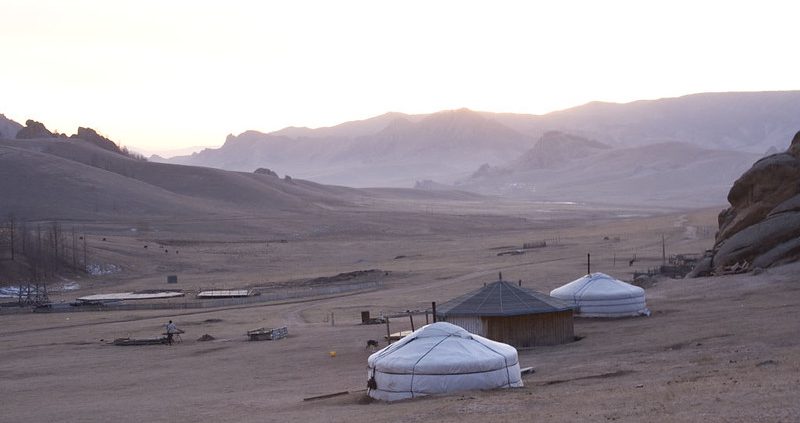
Poverty Reduction in Mongolia Through Social Protection Programs

Poverty Reduction in MongoliaMongolia has made significant progress in reducing poverty and inequality through its social protection programs. In 2022, the country’s tax and social assistance system reduced the national poverty rate by 1.8 percentage points and lowered income inequality by nine Gini points.

However, challenges remain, with 27.8% of the population living below the poverty line. The government continues to implement policies to support vulnerable households and improve financial security.

The Child Money Program

One of Mongolia’s most impactful social assistance programs is the Child Money Program (CMP), which provides financial support to households with children. Under the program, children receive a monthly payment of MNT 100,000 (approximately $30), deposited into an account registered in their name.

The benefit helps families cover everyday expenses and provides additional financial support for children’s needs. Today, the CMP remains one of Mongolia’s most significant social protection measures. According to a 2025 World Bank Commitment to Equity assessment, direct transfers reduce Mongolia’s poverty rate by 14.1 percentage points, with the CMP accounting for more than half of that impact, highlighting its important role in supporting vulnerable households.

The Food Support Program

Another important part of Mongolia’s social protection system is the Food Support Program (FSP), which assists low-income households. The program is particularly effective at reaching the country’s poorest populations. Although the FSP operates on a smaller scale and provides more limited benefits than some other social assistance programs, it plays an important role in ensuring support reaches those most in need.

In 2020, food stamps benefited 240,500 Mongolians, including more than 118,000 children. Women and girls made up 53% of recipients.

After revisions in 2025, the program more specifically targets those with the most urgent needs, and monthly support for low-income households, especially those with children, has increased. By targeting vulnerable households, the program helps strengthen financial security and the country’s overall efforts for poverty reduction in Mongolia.

Current Poverty Reduction Efforts

In March 2026, Mongolia launched the National Initiative to Support Household Employment and Reduce Poverty, a program designed to help low-income households achieve financial stability by addressing issues such as limited access to education, low labor force participation and poor health and living conditions. This will be done through microloans, support for agricultural production, new contributors to social insurance and other targeted services. The government is working with the Asian Development Bank (ADB) to reach 5,000 low-income households in 2026.

By increasing employment opportunities and providing targeted assistance to vulnerable populations, the initiative seeks to improve household incomes and independence. These efforts reflect Mongolia’s commitment to strengthening financial security and reducing poverty across the country.

Looking Ahead

While poverty remains a challenge, Mongolia’s social protection programs continue to provide essential support to vulnerable households. Through initiatives that strengthen financial security and opportunity, these efforts are helping to advance poverty reduction in Mongolia and build greater economic resilience for families across the country

– Michelle Kurniali

Michelle is based in Dallas, TX, USA and focuses on Good News for The Borgen Project.

Photo: Flickr

July 8, 2026
https://borgenproject.org/wp-content/uploads/borgen-project-logo.svg 0 0 Lynsey Alexander https://borgenproject.org/wp-content/uploads/borgen-project-logo.svg Lynsey Alexander2026-07-08 07:30:462026-07-08 00:48:35Poverty Reduction in Mongolia Through Social Protection Programs
Food Security, Global Poverty, Hunger

Everything You Need to Know About Hunger in Venezuela

HUNGER IN VENEZUELAFor years, empty shelves, shortages and long lines outside grocery stores defined Venezuela’s food crisis. While scarcity was once a visible sign of the country’s economic collapse, the current reality is more complex. In many cities, supermarkets and local markets now have food available. However, availability does not always mean access. Hunger in Venezuela is now largely an affordability crisis: food may be present, but millions of families cannot consistently afford a nutritious diet.

The Affordability Crisis Behind Hunger in Venezuela

The central issue is the gap between wages, inflation and the cost of food. In 2026, Venezuela’s official minimum wage remained fixed at 130 bolivars per month, while the government announced that monthly minimum income would rise to $240 through a system that includes bonuses. However, this income structure remains uncertain for many workers because bonuses do not always function as a formal salary increase. At the same time, the cost of a basic family basket remains far higher than regular income for many households.

The Associated Press reported that Venezuela’s monthly minimum wage of 130 bolivars was worth less than $1 in dollar terms in 2025. Even with government stipends, many public sector workers survived on roughly $160 per month, while the average private sector employee earned about $237, according to the independent Venezuelan Observatory of Finances. At the same time, the cost of a basic food basket exceeded $500. This means that even families with some income may still struggle to buy enough food.

As a result, families buy less food, choose cheaper and less nutritious products, skip meals or depend on credit from small local stores. In some communities, corner stores have become a survival tool because families can buy food on credit and pay later when they receive wages, stipends or support from relatives. This shows how hunger in Venezuela is not only about food supply, but also about purchasing power.

Poverty and Nutrition

Food prices make access to protein especially difficult. When prices rise, families often reduce or eliminate foods such as chicken, beef, eggs, milk and cheese. Many households rely on cheaper and more filling foods, including rice, pasta, corn flour, bread and beans. These foods may help prevent immediate hunger, but they do not always provide the nutrients needed for long-term health. Eating something is not the same as being well nourished.

This distinction is key to understanding hunger in Venezuela. Many families may not be completely without food, but they live with incomplete, repetitive and nutrient-poor diets. Health experts cited by the Associated Press explained that families reduce or eliminate animal protein first when prices increase. Poor nutrition can contribute to stunting, headaches, fatigue and other health problems in children.

The 2025 National Survey of Living Conditions, known as ENCOVI, found that 68.5% of Venezuelan households remained in income poverty, underscoring the close relationship between poverty and food insecurity. The survey also found that one in three households did not have enough food. These figures show that hunger in Venezuela is rooted not only in food prices, but also in the persistent poverty that limits families’ ability to buy a balanced diet.

Children and School Meals

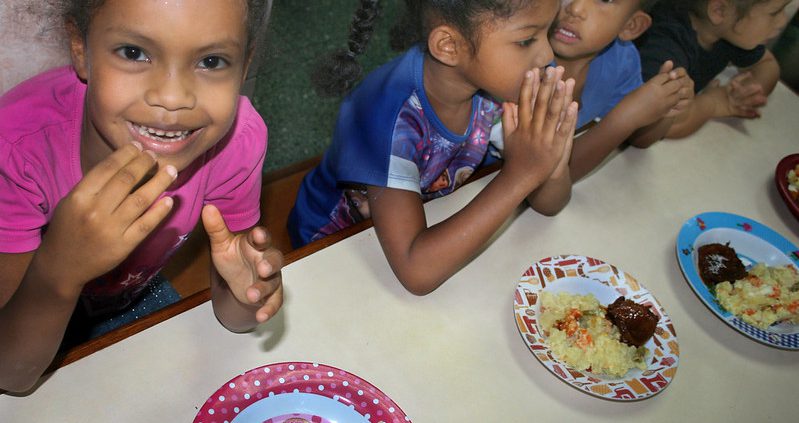
Children are among the most vulnerable. Limited access to protein and other essential nutrients can affect children’s growth, immune health and cognitive development. Hunger can also affect their ability to attend school, concentrate in class and perform academically. The Associated Press reported cases of students skipping school or struggling during the school day because they had not eaten enough.

ENCOVI 2025 found that only 29% of schools with a school feeding program served food every day. For some children, a meal at school may be one of the few reliable sources of food during the day. When school feeding programs are reduced, irregular or unavailable, the impact goes beyond nutrition. It can also affect attendance, academic performance and future opportunities.

In a country where many families cannot consistently afford breakfast or lunch, school meals help protect both health and education. They also show why food security is closely tied to poverty reduction: when children eat regularly, they are better positioned to learn, stay in school and build long-term opportunities.

Basic Services and Food Insecurity

The deterioration of basic services also exacerbates hunger in Venezuela. ENCOVI 2025 found that only 10% of Venezuelans had continuous electricity and only 19% of households had continuous running water. These conditions make it harder for families to store, prepare and cook food. Even when a household manages to buy groceries, it may still face obstacles to cooking beans, refrigerating perishable products or maintaining safe hygiene.

Low income, weak public services, limited school attendance and poor access to food reinforce one another. In many cases, students miss school because there is no water, no electricity, no transportation, no food at home or because teachers are absent. Hunger in Venezuela is therefore not only a nutrition issue; it is also connected to education, infrastructure and long-term development.

A Recent Emergency Raises New Food Needs

The earthquakes that struck northern Venezuela on June 24, 2026, added new pressure to a country already facing severe food insecurity. Reuters reported that the twin earthquakes, with magnitudes of 7.2 and 7.5, devastated parts of La Guaira state and that the government had confirmed at least 1,943 deaths by June 30. The full scale of the disaster remains uncertain, but aid workers have warned that displacement, damaged infrastructure and disrupted markets are deepening humanitarian needs, including access to food, clean water and health care.

The disaster does not change the underlying causes of hunger in Venezuela, but it makes them more urgent. Families who were already struggling with low wages, weak public services and limited access to nutritious food now face additional barriers when homes, markets, roads and local businesses are damaged. WFP USA reported that homes, markets and food supplies in La Guaira were devastated, leaving families with little or nothing to eat. The organization said it is expanding emergency food assistance to reach up to 500,000 people in the hardest-hit areas.

Humanitarian and Community Responses

Despite these challenges, humanitarian and community-based efforts continue to provide relief. The World Food Programme (WFP) supports school meal programs in vulnerable communities across Venezuela. According to WFP, its school meals program reaches more than 330,000 people across more than 1,100 schools, including students with disabilities. WFP also reports that the program helps boost school enrollment and attendance while providing essential nourishment for children.

The recent earthquake response also shows the importance of rapid food assistance. WFP USA reported that WFP already had more than 3,000 metric tons of food in Venezuela, enough to support more than 10,000 families for two months, and that it is bringing in additional supplies. Reuters also reported that WFP is seeking $50 million to feed 500,000 people affected by the earthquakes. These figures show how existing humanitarian networks can respond quickly when an emergency increases food needs.

However, funding shortages threaten these efforts. El País reported that WFP’s operation in Venezuela was reduced from 11 states to four: Delta Amacuro, Sucre, Zulia and Falcón. The same report stated that 7.9 million Venezuelans needed humanitarian assistance in 2025, while WFP had only 15% of the funds needed to assist its target population of 5.1 million. In the area of nutrition and food security, funding reached only 7% of what was required.

These numbers show both the value and the vulnerability of humanitarian programs. School meals, emergency food distributions and nutrition support can make a measurable difference for children and families, but funding gaps limit their reach. When organizations have adequate resources, they can help families meet immediate needs while supporting children’s health, education and stability.

Local initiatives also play an important role. Churches, community groups, volunteers and family networks help support vulnerable people through food donations, community kitchens and informal aid. After the earthquakes, Venezuelans inside and outside the country quickly organized donation drives and supply networks. The Associated Press reported that Venezuelan communities in the United States collected medicine, water and food, while Reuters reported that international aid included rescue teams, medical supplies, field hospitals, food distribution and emergency funding from several countries and humanitarian partners. Pope Leo XIV also sent emergency aid through the Vatican’s charity fund.

These efforts do not solve the structural causes of hunger, but they provide immediate relief for families who cannot meet their daily food needs. In many communities, this local and international support has become essential for children, older adults, displaced families and households without stable income.

Looking Ahead

The situation in Venezuela shows that food security depends on more than the physical availability of food. It also requires sufficient income, stable public services and consistent support for the most vulnerable households. When families can see food on the shelves but cannot afford to buy it, the crisis remains real.

The earthquakes of June 2026 make that reality even clearer. A sudden disaster can quickly turn an affordability crisis into an emergency food crisis, especially when families already lack savings, reliable services and stable income. Yet the response also shows that humanitarian systems, local volunteers and the Venezuelan diaspora can mobilize quickly when communities need help.

School feeding programs, emergency food distributions, nutrition support and humanitarian aid can help reduce the short-term impact of food insecurity. At the same time, improving household income, strengthening basic services and expanding access to nutritious food are essential for lasting progress.

Continued international cooperation and local action can help protect vulnerable communities and support a more food-secure future for Venezuelan children and families. Hunger in Venezuela remains a serious challenge, but targeted assistance, stronger school feeding programs, emergency relief and sustained support for basic services offer practical ways to reduce its impact and protect the next generation.

– Adriana Carolina Herrera

Adriana lives in Mentor, OH, USA and focuses on Good News for The Borgen Project.

Photo: Flickr

July 8, 2026
https://borgenproject.org/wp-content/uploads/borgen-project-logo.svg 0 0 Lynsey Alexander https://borgenproject.org/wp-content/uploads/borgen-project-logo.svg Lynsey Alexander2026-07-08 03:00:402026-07-07 13:59:16Everything You Need to Know About Hunger in Venezuela
Charity, Food Security, Global Poverty

5 Charities Operating in Turkmenistan

Charities Operating in TurkmenistanTurkmenistan, like many other countries, has had their work cut out for them in their goal to end poverty and support the welfare of its citizens. Currently, 2.15% of the working population still lives on less than $2.15 a day and 46.95% live on less than $6.85, causing these people to face food insecurity and inadequate healthcare. While the government and foreign aid from other nations do their part in supporting the minorities and impoverished peoples in the country, various charities work directly in Turkmenistan to provide immediate support to those who need it. Here are five charities operating in Turkmenistan currently doing their part to help the country’s citizens.

1. The Anzal Begum Foundation

When considering all the things needed to provide direct poverty relief, the Anzal Begum Foundation helps provide the citizens of Turkmenistan support for almost all of these basic needs. Not only does it work to make sure every citizen has access to food support and clean water, but it also works to provide disaster relief, orphan care and eco-friendly power sources. The foundation originated in 2013 in memory of Anzal Begum, someone who by herself would work to help whoever she could whenever she could. Located in the United Kingdom, the Anzal Begum Foundation now serves 47 countries across Asia and Africa.

2. The Mitsubishi Corporation Foundation for EMEA

The newest of these five charities operating in Turkmenistan, the Mitsubishi Corporation Foundation for Europe, the Middle East and Africa was founded in 2024. This foundation focuses specifically on education and environmental conservation. Currently, Turkmenistan has a very high education rate with 97% of their population completing upper secondary school. Despite this, a semi-large portion of students are unable to meet their foundational reading and numeracy skills, especially in the Balkan and Lebap velayats, and only 35% of youth have at least one ICT skill (Information and Communication Technology). This charity’s goal is to provide equal education to everyone, especially youth, while also providing education and technology for citizens to support their own eco-friendly environment. Some of its main projects right now involve protecting rainforests around Africa and Asia, creating and utilizing their ‘green schools’ to educate students on eco-friendliness and promoting sustainable water reuse.

3. Hesperian Health Guides

Hesperian Health Guides is one of the most widespread charities in the world right now, with it now having reached more than 220 countries and territories. Founded in 1973, Hesperian Health Guides’ goal is to provide everyone with the medical education needed to help themselves and their community. Digital resources like A Community Guide to Environmental Health are translated into Turkmen, and the charity works directly with AFEW International and its website Saglyk.org to translate and provide additional healthcare information. Saglyk.org now has more than 2,000 accessible resources and is one of the most read Turkmen websites.

4. Support Center of Disabled People of Turkmenistan

Located directly in the country, the Support Center of Disabled People of Turkmenistan focuses on supporting and rehabilitating disabled athletes of all ages. It protects the rights, interests and social support of these athletes while also providing them with opportunities such as powerlifting tournaments. Since its founding in 2004, the charity has provided education and agricultural training, including with the building of a new greenhouse in 2019, along with its creation of training camps, a gym with modern exercise machines and an esports club. Its center now has around 330 members with access to the facilities and training.

5. The Bearr Trust

The Bearr Trust is an advocacy charity supporting health and social welfare in 12 countries across eastern Europe and western Asia. Its main focuses are supporting rights for women, disabled peoples, elderly, mental health, and socially isolated groups. Founded in 1991, it has supported almost 200 projects and disbursed €500,000 in grants to organizations looking to help reform health and social sectors while also lobbying on the behalf of these organizations too. One of these recent supported projects is Turkmenistan’s goal to improve their healthcare system by providing modern equipment to 46 clinical laboratories, continue production of medicines for non-communicable disease and building three new medical centers.

Looking Ahead

Despite laws that have made it difficult for NGOs, especially foreign ones, to help, these five charities operating in Turkmenistan continue to accomplish as much as they can in this country, leading the way for further poverty reduction and improved quality of life for its citizens.

– Ally Jones

Ally Jones is based in Bethany, OK, USA and focuses on Good News for The Borgen Project.

Photo: Wikimedia Commons

July 7, 2026
https://borgenproject.org/wp-content/uploads/borgen-project-logo.svg 0 0 Jennifer Philipp https://borgenproject.org/wp-content/uploads/borgen-project-logo.svg Jennifer Philipp2026-07-07 07:30:312026-07-07 01:40:005 Charities Operating in Turkmenistan
Agriculture, Food Security, Global Poverty

The Growth in Food Systems in Senegal

Food Systems in SenegalSenegal is located in West Africa with the Atlantic ocean on the coast and the savanna stretching inland. The food systems in Senegal are dependent on agriculture, fishing and livestock. Domestic farming supplies many people with sustenance. Senegal’s fishing industry on the coast supports cities like Dakar. 

Many people are struggling to afford food in Senegal even if it is available. Poverty has left 1.3 million people facing acute food insecurity. The people need the ability to purchase and access food. Many people living in poverty are in the rural areas of Senegal. Cities like Dakar, the capital of Senegal, are growing rapidly. There are new initiatives to make Senegal self-sufficient and less dependent on imports and foreign aid.

Food Sovereignty

Senegal is starting to implement new agricultural practices that incorporate drought-resistant crops and better irrigation. New technology and machines are being incorporated into farming. The country is striving to reach food sovereignty by increasing its productivity and building the economy. Senegal is now a lower-middle-income country.

New policies aim to help Senegal grow and reach food sovereignty. The AgriConnect Senegal Compact aims to improve the food systems in Senegal. The World Bank has partnered with the Senegalese government to work on new farming methods. Grains, horticulture and livestock are the main focus of the AgriConnect Compact. This initiative aligns with the Senegal National Agenda for Transformation 2050 and the Food Sovereignty Strategy (SSA 2025-2034).

“By 2029, the AgriConnect Compact aims to achieve more than 90% food security at the national level and create 800,000 formal jobs in the agricultural sector,” according to the World Bank. “Among the objectives set are an increase in the cereal coverage rate from 48% to 78%, rice self-sufficiency to 64%, and the establishment of 100 community-based agricultural cooperatives across the country.”

Agriculture

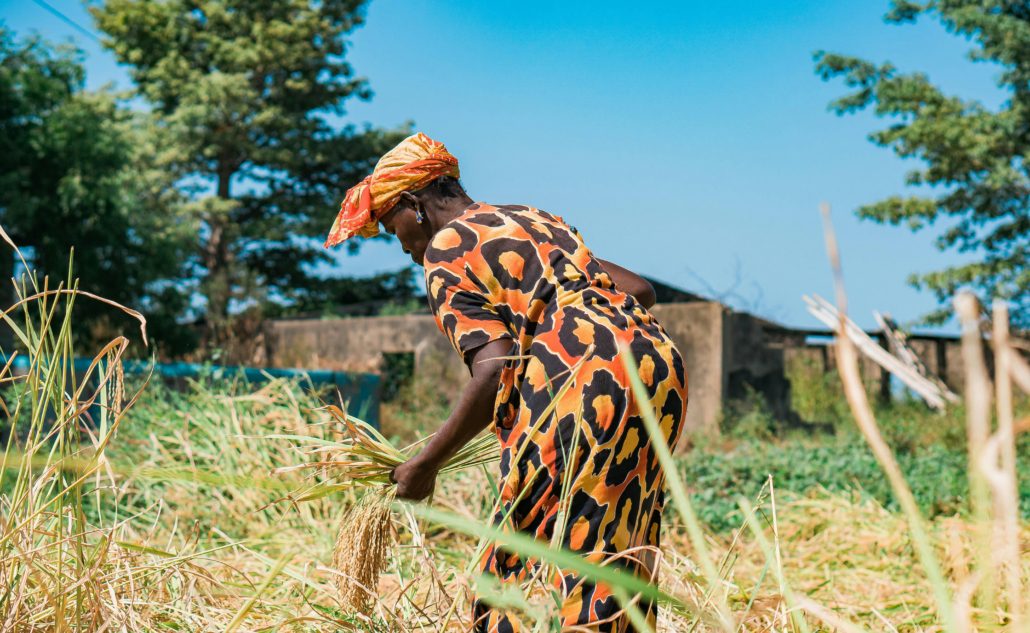
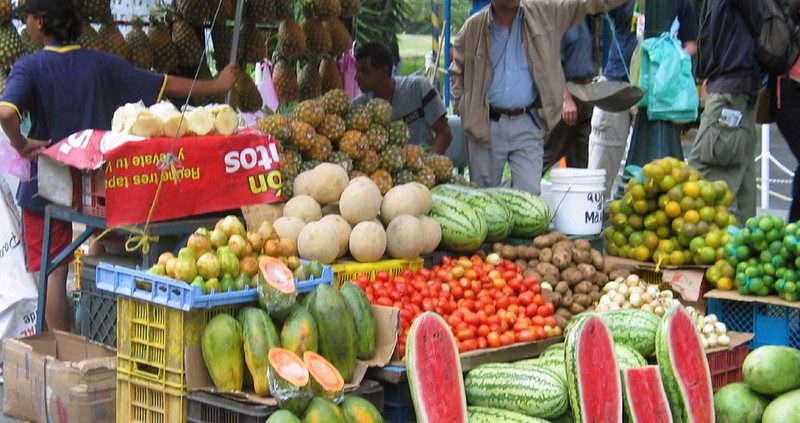
The food systems in Senegal rely on agriculture. Rural areas of the country focus on small-scale farming that supplies food for their families. The Senegalese women do most of the farming. They plant and harvest everything by hand. Farms are typically two to seven acres. Larger commercial farms export crops to places such as the U.K. The farmers grow vegetables such as okra, tomatoes, onions and peppers. Vendors sell the produce in markets such as Marché Tilène in Dakar.

“In Senegal, agriculture is not just an economic activity but also a central aspect of cultural identity and community life,” according to a peer-reviewed article in World. “Growth in agricultural productivity also contributes to reducing poverty. In essence, higher agricultural productivity leads to increased incomes, which can be reinvested into local communities, further enhancing rural development.”

Peanuts are one of Senegal’s biggest cash crops. Kaolack, Kaffrine and Fatick are known as the “Groundnut Basin.” The peanuts are often sold shelled and roasted. Senegal’s national dish, Maafe, is a peanut butter and tomato stew served with meat or fish over rice. Peanuts are a large part of the country’s exports that contribute to the growth of the economy. China is a major importer of Senegalese peanuts.

Fishing

Senegal borders the Atlantic Ocean, where fishing supports the local community. Blue Marlin, Sailfish and Yellowfin Tuna are caught and sold fresh in the markets. Inland, there is the Saloum Delta and Casamance River where locals catch tarpon, captain fish and barracuda. The fishermen are known as “The Pirogue Fleet” where they partake in artisanal fishing in the colorful boats.

The people in cities such as Dakar depend on the fish for their livelihood. Overfishing has drastically depleted the numbers of fish and devastated the people who live on the coast. The Regional Partnership for the Conservation of the Coastal and Marine Zone in West Africa will apply new regulations concerning illegal, unreported and unregulated (IUU) fishing that can lead to an increase in the fish population.

“This project will effectively and sustainably improve Senegal’s capacity to fight IUU fishing through better fisheries governance, in particular by increasing the transparency of the activities of fisheries policy bodies, through enforcement of fisheries legislation and by building capacities of stakeholders in Senegal,” according to an article by Oceans 5.

Livestock 

Livestock is a smaller portion of the food system in Senegal. The Senegalese diet mainly consists of fish and rice because meat is too expensive. Poultry makes up 80% of the livestock population. Farmers herd cattle, sheep and goats in rural areas. These herds are typically small. The climate poses a great challenge to raising livestock in Senegal. The drought, land and water all pose challenges for farmers.

“To optimize the use of natural resources such as pasture and surface water, whose availability varies throughout the year, livestock farmers are forced to move their herds around: these movements occur all the year round (nomadism) or in specific periods (transhumance),” according to a study by Transboundary and Emerging Diseases. “Because of the lack of storage facilities and infrastructure, the majority of animals are sold alive at markets all year round.”

A Growing Senegal

The impact of inflation, war and trade have increased the price of food in Senegal. The growing agriculture business has contributed to a significant decrease in the poverty rate. With time, West Africa can successfully grow into a productive, competitive economy with less poverty.

– Brittany LeJeune

Brittany is based in Livonia, MI, USA and focuses on Business and New Markets for The Borgen Project.

Photo: Unsplash
July 5, 2026
https://borgenproject.org/wp-content/uploads/borgen-project-logo.svg 0 0 Jennifer Philipp https://borgenproject.org/wp-content/uploads/borgen-project-logo.svg Jennifer Philipp2026-07-05 03:00:392026-07-04 11:50:45The Growth in Food Systems in Senegal
Agriculture, Food Security, Global Poverty

Food Systems in Iran: Persisting Through Crisis

Food Systems in IranIn the bazaars of Tehran, a shopkeeper sees his aisles grow quiet as food price inflation reaches 40%. He describes a bleak moment when children enter the store to ask for basic snacks with only 10,000 tomans, which is equal to nearly $0.05 USD. This price point has seemingly disappeared from most local markets. For many families in the capital, the immediate crisis does not involve empty shelves, but rather a collapse in purchasing power that impacts the stability of food systems in Iran. 

Iran, a nation with more than 85 million people, faces significant economic hurdles that impact its ability to maintain a stable food supply. Strengthening food systems in Iran remains a core priority for the state, especially as international sanctions and changing weather patterns place pressure on domestic production. Despite these hurdles, the country continues to implement strategies to enhance the resilience of its agricultural sectors and protect vulnerable populations.

Key Facts About Food Systems in Iran

While challenges clearly exist, the domestic agricultural sector maintains several key strengths:

  • Iran equips approximately 50.1% of its arable land with irrigation systems, which is more than double the global average.
  • The value of food imports accounts for only 10% of total merchandise exports.
  • Per capita food production variability stands at 9.6, indicating a level of production strength that significantly exceeds the global average.

Overcoming Economic and Climate Hurdles

In recent years, two major challenges to food systems in Iran have emerged: intensified international sanctions and severe drought. Unlike many other nations facing insecurity, Iran does not suffer from a physical food shortage. Store shelves across the country remain fully stocked with a wide variety of goods, but international sanctions have reduced foreign exchange earnings, leading to a 40% rise in food price inflation within a single year. 

Such a sharp increase in costs places abundant food out of the financial reach of many families. These economic pressures caused staples like green lentils and vegetable oil to triple in cost. Additionally, water scarcity remains a critical threat as only 2.6% of the land is naturally suitable for agriculture. This makes a nation facing severe drought heavily dependent on irrigation. To ensure citizens have reliable access to food, the government balances domestic farming with necessary imports from abroad.

Government Support for Agriculture

To counter these challenges, the Iranian government provides significant support to the agricultural sector. Currently, the government pays more than 75% of the total cost of chemical fertilizers through subsidies. This financial aid helps farmers maintain output despite the rising costs of equipment and raw materials.

Furthermore, the government offers guaranteed purchase prices for strategic crops like wheat. By allocating energy and fuel at lower prices, the state also reduces the overall operational costs for rural producers. These actions encourage farmers to keep producing during difficult times.

Implementing the Food Voucher Program

One major solution to current challenges within food systems in Iran is the government-led food voucher program. This initiative provides targeted support for the purchase of essential commodities for low-income households. Additionally, earlier this year, officials also raised the monthly minimum wage by 60% to approximately 166 million rials to help families manage rising costs.

While inflation remains a challenge, these cash and non-cash initiatives increase consumer purchasing power and improve the equitable distribution of income. Data shows that these fiscal interventions are necessary to ensure that households can still afford necessities as prices fluctuate.

Looking Ahead

While challenges remain, government efforts drive progress within food systems in Iran. The nation clearly demonstrates its commitment to modernization by prioritizing innovation to increase self-sufficiency in the face of extreme international sanctions. Additionally, government programs like food vouchers and a higher minimum wage protect vulnerable families to ensure that everyone can afford the abundant supply.

– Nikki Rasoulian

Nikki is based in Los Angeles, CA, USA and focuses on Good News and Technology for The Borgen Project.

Photo: Unsplash

July 4, 2026
https://borgenproject.org/wp-content/uploads/borgen-project-logo.svg 0 0 Jennifer Philipp https://borgenproject.org/wp-content/uploads/borgen-project-logo.svg Jennifer Philipp2026-07-04 01:30:282026-07-03 11:41:49Food Systems in Iran: Persisting Through Crisis
Agriculture, Food Security, Global Poverty

Innovations in Poverty Eradication in Tuvalu

Poverty Eradication in TuvaluTuvalu is a small island country in the West Pacific Ocean with a small population and faces unique climate-based challenges with its development. The current basic needs poverty rate in Tuvalu is 21.5%, due to the lack of fertile land and climate-related issues affecting the local population such as many homes and crop farms consistently being damaged from storm surges. The country is especially at risk from rising sea levels and has to rely heavily on outside aid which makes development difficult due to its remote location. However, the government as well as organizations like the UN, has made considerable progress in supporting and funding innovations in poverty eradication in Tuvalu.

Land Reclamation Efforts

One of the ways Tuvalu is tackling climate issues is through reclaiming land. As Tuvalu at its highest point is only 15 feet above sea level, many communities are at risk of coastal erosion because they are too low-lying and a sea level rise as low as 8 inches could make the country uninhabitable in 100 years. A measure to solve this problem organized by the national government and the United Nations Development Program (UNDP) is the Tuvalu Coastal Adaptation Project which began in June 2017.

The project aims to implement protections against coastal erosion and increasingly intense storm and wave activity. This will involve creating 7 hectares of new land designed to withstand storm surges and stay above forecast sea level rises until at least 2100. The project is set for completion in September 2026 and so far has already seen the construction of a 2,500 foot platform on the island of Fongafale to protect essential infrastructure and coastal homes. The new land can be used to relocate the most vulnerable residents and to provide government and community services on safe ground. 

Improvements in Food Security

On the island of Nui, violent hurricanes make traditional crop farming difficult and food security very uncertain. Innovative solutions are essential to ensuring food security for the small community living there. 

One of these innovations in poverty eradication in Tuvalu is the introduction of food cubes on the island, where people can plant crops in movable containers instead of in the vulnerable soil by the shore. The UNDP and International Organization for Migration (IOM) has implemented these and provided them to residents as part of the Climate Security in the Pacific Project.

The food cubes have proven to be especially effective and have provide much needed security for the crops of the 500 residents on the island of Nui. The cubes are simple to set up and are easy to move to a safer location more inland by the residents in the event of a storm. The cubes have also been successful on other Tuvaluan islands such as Nukulaelae and Funafuti where food security has also improved.

Fostering Connections to Global Institutions

Tuvalu is a very remote country, it is very reliant on aid from international institutions. With the impending risk of changing weather patterns exacerbating the poverty level in the country, Tuvalu is prioritizing forming connections with organizations that can assist with tackling climate poverty.

An example of this is the Tuvalu Second Climate and Disaster Resilience Development Policy Financing from the World Bank. While the previous initiatives have been for specific projects, this loan from the World Bank to the Tuvaluan government is to ensure the fiscal resilience of the country amidst the risks of changing weather.

The loan, as well as the strengthened ties between Tuvalu and the World Bank and other monetary organizations, provides much more financial security for Tuvaluan citizens and allows local entrepreneurs and business owners to contribute more to the island state’s economy.

Looking Ahead

These innovations in poverty eradication in Tuvalu, such as cultivating connections with international organizations, can help to ensure a safe and secure future for the country and its citizens.

– James Holder

James is based in Nottingham, UK and focuses on Technology and Politics for The Borgen Project.

Photo: Unsplash

July 3, 2026
https://borgenproject.org/wp-content/uploads/borgen-project-logo.svg 0 0 Jennifer Philipp https://borgenproject.org/wp-content/uploads/borgen-project-logo.svg Jennifer Philipp2026-07-03 07:30:272026-07-02 12:02:07Innovations in Poverty Eradication in Tuvalu
Food Security, Global Poverty, Hunger

Everything To Know About Hunger in Sri Lanka

Hunger in Sri LankaSri Lanka is a small island in the Indian Ocean with a population of 23.3 million. Of these residents, 7.4% are malnourished, and the country currently holds a “moderate” rating on the Global Hunger Index (2025). Many of the hunger issues in Sri Lanka stem from environmental and climate-related challenges. Programs like the ENOUGH campaign are advocating for change and seeking practical solutions to address this crisis. Below are more details about hunger in Sri Lanka and potential ways to help.

Reasons for Hunger in Sri Lanka

Understanding hunger in Sri Lanka arises from the country’s location and the local living conditions. Agriculture is one of the main sources of employment in the country, and the country depends heavily on the harvesting of crops as the industry contributes 6.9% of the GDP of the country. This heavy reliance on agriculture makes the country vulnerable to severe weather that can damage crops. Rainfall in Sri Lanka varies drastically, ranging from 1,000 millimeters to 5,000 millimeters depending on the area. Floods and landslides cause crops to break down or be completely flooded.

In 2025, Cyclone Ditwah – a tropical cyclone that hit Sri Lanka in November 2025 – caused a devastating impact on both local households and the agricultural system. The rainwater buried vegetables such as paddy, and the income of farmers as well as other residents decreased. Prices of agricultural products increased due to a decrease in quantity, causing hunger in more households. Fortunately, the country stored available food sources immediately and provided soft loans to farmers who were having difficulties recovering their land from the crisis.

Lack of imported goods and price inflation also contribute to hunger in the country. Within the total caloric consumption in the country, 22% comes from imported goods. Some agricultural products, such as wheat, do not grow in Sri Lanka due to the soil conditions. The shortage of foreign exchange limits the country’s ability to import food, which causes a deficiency in food storage in Sri Lanka.

These disadvantages force locals to rely on a bland diet. This diet causes many to suffer from malnutrition, and also acts as a barrier to children’s physical development. 

Reduction of Hunger in Recent Years

Despite the unavoidable environmental damages, improvements are happening in Sri Lanka, and significantly fewer people are suffering from hunger every year. In 2025, the population that is “in moderate acute food insecurity” has decreased by 15% as of last year, and this is thanks to the World Food Programme (WFP) and other organizations. 

WFP assisted international governments in providing food rations to 1.2 million children during the COVID-19 pandemic. Some students from low-income families depend on the school meals provided during lunch. To address this issue, the government of Canada redirected $200,000 USD to assist Sri Lanka in providing rations for children during the pandemic.

Farmers are also taking scientific measures to resist the harsh weather conditions. Scientists are developing climate-smart agriculture by testing flood-tolerant crop varieties. Canals and reservoirs are also being built to promote water management and to ensure water distribution and control.

Looking Towards the Future

While challenges remain, the government as well as locals are making a lot of progress to support the hunger crisis in Sri Lanka. Resolving the situation depends on developing new varieties of crops against the disadvantaged growing conditions. The nation continues to have support from the government and other nations, and it continues to make important progress in sustaining sufficient food for locals, the population suffering from hunger in Sri Lanka could be greatly reduced. 

– Jiayu Wang

Jiayu is based in Beijing, China and focuses on Good News and Global Health for The Borgen Project.

Photo: Unsplash

July 3, 2026
https://borgenproject.org/wp-content/uploads/borgen-project-logo.svg 0 0 Jennifer Philipp https://borgenproject.org/wp-content/uploads/borgen-project-logo.svg Jennifer Philipp2026-07-03 03:00:112026-07-02 11:58:24Everything To Know About Hunger in Sri Lanka
Employment, Food Security, Global Poverty

7 Things To Know About Being Poor in Puerto Rico

Being Poor in Puerto RicoBehind the vibrant culture, Caribbean architecture and the pristine, turquoise waters of the island of Puerto Rico, there lies the truth that more than one-third of its residents live in poverty, making it the poorest U.S. jurisdiction by a wide margin. While the causes are complex, poverty on the island is closely tied to economic, political and historical factors that continue to shape daily life. Here are seven things to know about being poor in Puerto Rico.

1. Poverty’s Roots in US Colonialism

Conditions of poverty have roots in U.S. colonialism. After the United States acquired the territory in the 1898 Spanish-American War, Puerto Rico’s economy transformed into a sugarcane monoculture, primarily through colonial restructuring. U.S. corporations like South Porto Rico Sugar Company and Central Aguirre Sugar Company capitalized on inexpensive Puerto Rican land and labor, consolidating localized, biodiverse farms into massive, industrial sugarcane plantations to satisfy U.S. market demand. This shift led to Puerto Rico’s reliance on mainland U.S. food imports, whose costs were artificially inflated by the Jones Act (officially the Merchant Marine Act of 1920), which required that all goods shipped between U.S. ports be carried on U.S.-built, owned, and operated vessels. Initial colonial exploitation of Puerto Rican resources by the United States set a precedent for ongoing and aggravated conditions of poverty in the territory.

2. Poverty and Unemployment in Puerto Rico

At 43%, Puerto Rico has one of the lowest labor force participation rates in the world, according to The World Bank’s report for 2025. This is significantly lower than the United States, which the World Bank reported at 62%, and the global average of roughly 60%. According to Liberty Street Economics, the decline is “the consequence of an aging population, accelerated by a falling birth rate and outmigration of a relatively young cohort.” These vulnerabilities place considerable strain on the island’s economy, effectively limiting economic growth and increasing the likelihood that families will experience being poor in Puerto Rico.

3. Puerto Rico is the Poorest Jurisdiction of the US

Under the U.S. government’s definition of a persistently poor county as one having maintained poverty rates of 20% or more for at least 30 years, all 78 municipios (county equivalents) of Puerto Rico have experienced persistent poverty, and as The Center for Puerto Rican Studies at Hunter College has stated, have done so “for more than half a century.” Additionally, the poverty rate in Puerto Rico at 37.2% is disproportionately higher than that of even the poorest U.S. states. Mississippi, the poorest U.S. state, has a poverty rate of 14.3%, while Louisiana, the second poorest, has a rate of 14.1%. In contrast, Puerto Rico’s poverty rate is more than twice as high, demonstrating a level of economic hardship unmatched anywhere in the 50 states.

4. Cost of Living Burdens in Puerto Rico

Cost of living burdens in Puerto Rico are higher or as high as they are in U.S. states. The median household income in the United States for 2024 was $83,730, compared to $26,297 in Puerto Rico. It is important to note that this disparity does not reflect lower costs of living in Puerto Rico. The Congressional Research Service reported that, on average in the United States, 49.4% of renter households were housing cost-burdened in 2024, while in Puerto Rico, nearly 72% of renters were housing cost burdened, highlighting the substantial affordability challenges faced by many residents despite significantly lower incomes. Taken together, these figures demonstrate that Puerto Ricans often face both lower earnings and greater housing insecurity, increasing their risk of poverty.

5. Gentrification and the Displacement of Indigenous Puerto Ricans

U.S. citizens relocating to Puerto Rico has led to gentrification and the displacement of indigenous Puerto Ricans. Puerto Rico’s Act 60 (also known as the Incentives Code), which the Puerto Rican government enacted on July 1, 2019, is a comprehensive tax incentive program designed to attract investors, entrepreneurs and businesses to the island. It established a 0% tax on capital gains accrued after becoming a bona fide resident (both for Puerto Rico and U.S. federal taxes), a 100% tax exemption on dividends and interest sourced from Puerto Rico, and 75% exemption on property taxes for a primary residence. Over the combined 2022 and 2023 period, Business Insider reported that 50,577 Americans relocated to the island. This has led to significant and ongoing gentrification in the territory, along with the displacement of local Boricuas due to increasingly unaffordable housing and diminishing purchasing power.

6. Economic Development Policies in PR

The exhausted state of economic development policies in Puerto Rico has critically affected conditions of poverty. Puerto Rico’s persistently high poverty rate has also been exacerbated by the failure of existing economic development policies to generate sufficient employment opportunities. For decades, the territory relied on an export-oriented economic model supported by federal tax incentives that encouraged U.S. corporations to invest and create jobs. However, the expiration of Section 936 of the Internal Revenue Code in 2006 removed many of these incentives, contributing to a prolonged economic decline from which Puerto Rico has yet to fully recover. Subsequent federal interventions, particularly the PROMESA fiscal oversight board established in 2016, imposed austerity measures that reduced public spending and disproportionately affected low-income residents. As economic growth stagnated and job creation lagged, poverty remained deeply entrenched across the island.

7. Federal Funding Parity and Political Self-Determination

Federal funding parity and political self-determination in the focus of active legislative efforts in the 119th Congress could incite positive change. Several initiatives in the 119th Congress seek to address both the structural causes and the urgent realities of being poor in Puerto Rico. The Puerto Rico Nutrition Assistance Fairness Act (H.R. 5168/S. 3958) would extend SNAP benefits to the territory, reducing disparities in federal nutrition assistance and strengthening support for low-income families.

The Puerto Rico Status Act would establish a binding process for Puerto Ricans to determine the island’s future political status, potentially giving residents a stronger voice in federal decision-making and greater influence over policies affecting economic development and public welfare. Additionally, ongoing efforts to reform PROMESA seek to restore greater fiscal authority to Puerto Rico’s elected government and reduce reliance on federally imposed austerity measures. These initiatives aim to provide both immediate economic relief and greater local control over the policies that shape conditions of life in Puerto Rico.

Looking Ahead

Poverty in Puerto Rico is not the result of a single issue, but rather a combination of historical, economic and political factors that have compounded over generations. As Congress considers measures such as the Puerto Rico Nutrition Assistance Fairness Act, reforms to PROMESA and the Puerto Rico Status Act, policymakers have an opportunity to address both the immediate needs of Puerto Rican families and the structural conditions that sustain poverty. Continued advocacy and legislative action will be essential to creating a more equitable future for the island.

– Nilani Mathur

Nilani is based in Longmeadow, MA, USA and focuses on Business and Global Health for The Borgen Project.

Photo: Pixabay

July 2, 2026
https://borgenproject.org/wp-content/uploads/borgen-project-logo.svg 0 0 Jennifer Philipp https://borgenproject.org/wp-content/uploads/borgen-project-logo.svg Jennifer Philipp2026-07-02 03:00:242026-07-01 12:08:397 Things To Know About Being Poor in Puerto Rico
Food Security, Global Poverty

Innovations in Poverty Eradication in the Marshall Islands

Poverty Eradication in the Marshall IslandsThe Republic of the Marshall Islands (RMI) faces growing economic and environmental pressures, from the changing climate to food insecurity. The legacy of U.S. nuclear testing continues to affect communities, while changing weather patterns threaten the country through rising sea levels and increasingly severe weather events. Despite these obstacles, innovations in poverty eradication in the Marshall Islands are being pursued through universal basic income, food security initiatives and renewable energy investments.

Poverty in the Marshall Islands 

Poverty remains a major challenge in the Marshall Islands. Approximately 7.2% of the population lives below the national poverty line. Outmigration has increased, driven by economic hardship and climate-related pressures, and one-third of Marshallese citizens now live in the United States. According to the RMI’s 2021 census, the population declined by an average 2.3% annually over the previous decade due largely to outmigration. 

The country also faces food insecurity, wealth inequality and limited access to health care. In response, the government and its partners are developing policies aimed at improving living conditions and creating opportunities for residents to remain in the islands.

Universal Basic Income

In 2025, the Marshall Islands launched ENRA, the world’s first long-term nationwide universal basic income program. The initiative provides annual cash payments to every Marshallese citizen living in the country, helping households manage rising living costs and reducing pressure to migrate abroad. 

More than 33,000 residents enrolled in the program, making it one of the largest national outreach efforts in the country’s history. By providing a reliable source of income and building a financial safety net, ENRA seeks to strengthen economic security for families while addressing poverty at a national scale. As the world’s first nationwide long-term universal basic income program, ENRA represents one of the most significant innovations in poverty eradication in the Marshall Islands to date.

Strengthening Food Security 

Food security is another pressing concern. Arable land is limited, much of the natural environment has been damaged by nuclear testing and more than half of households reported that natural disasters had limited their livelihoods in the most recent census. The national diet relies heavily on imported, highly processed foods, with an estimated 80% to 90% of the country’s food supply coming from abroad.

To address this dependence, the International Organization for Migration (IOM), with support from the Government of Japan, launched a two-year initiative in 2026 to strengthen local food systems on Majuro and Wotje atolls. The project supports school gardens, nutrition education and improved food storage while promoting greater use of locally produced foods and fisheries. Efforts to strengthen local food production are another example of innovations in poverty eradication in the Marshall Islands, addressing both nutrition and economic resilience.

Renewable Energy for Economic Resilience

Innovations in poverty eradication in the Marshall Islands also take the form of renewable energy. Although the country achieved universal access to electricity in 2022, it remains heavily dependent on imported diesel fuel, which contributes to high energy costs. 

To reduce this dependence, the RMI has partnered with the Asian Development Bank (ADB) and the World Bank to expand solar power, modernize electricity infrastructure and improve energy storage systems. These investments are expected to lower energy costs, strengthen energy security and increase resilience to climate-related disruptions. 

In low-lying nations like the RMI, extreme weather is a key driver of poverty. An estimated 1.7% of RMI GDP is lost annually to typhoons and tsunamis. Through the Pacific Resilience Project II, supported by the Green Climate Fund and the World Bank, the Marshall Islands is improving coastal protection, disaster preparedness and early warning systems. These measures help reduce the economic losses caused by extreme weather events, which can undermine development progress and deepen poverty.

Looking Ahead 

Innovations in poverty eradication in the Marshall Islands demonstrate how even small island nations can develop ambitious solutions to complex challenges. While the changing climate, geographic isolation and economic vulnerability remain significant obstacles, innovations in poverty eradication in the Marshall Islands, such as investments in income security, local food production and renewable energy, are helping build long-term resilience. These efforts offer a model for how targeted policies can reduce poverty while preparing communities for an uncertain future.

– Anna Morin

Anna is based in Fairfield, CT, USA and focuses on Good News for The Borgen Project.

Photo: Flickr

June 29, 2026
https://borgenproject.org/wp-content/uploads/borgen-project-logo.svg 0 0 Jennifer Philipp https://borgenproject.org/wp-content/uploads/borgen-project-logo.svg Jennifer Philipp2026-06-29 01:30:552026-06-22 12:09:35Innovations in Poverty Eradication in the Marshall Islands
Food Security, Global Poverty, Hunger

Urban Food Poverty in India: Delhi’s 3 a.m. Kitchen

Urban Food Poverty India: Delhi's 3 a.m. Kitchen Every morning, before most of Delhi has opened its eyes, a kitchen in Connaught Place is already running at full speed. Thousands of meal boxes — roti, kadhi chawal, rajma, vegetable noodles — are packed and loaded into a van before 9 a.m. By the time the city’s traffic begins to snarl, Atul Kapur’s team is already on the road.

Kapur is not a celebrity chef. He is a Delhi restaurateur, co-owner of the Q’BA restaurant in Connaught Place, who looked at the hunger around him and decided his kitchen could do more. In 2016, he co-founded Rasoi on Wheels — a mobile kitchen that now distributes thousands of freshly cooked meals every week to homeless individuals, slum schools and daily wage workers across Delhi-NCR. The meals are not leftovers.

A City Sitting on Top of a Hunger Crisis

Delhi’s contradictions are visible from any street corner. Gleaming malls stand minutes from settlements where families cannot guarantee a single meal a day. India ranks 102 out of 123 countries on the 2024 Global Hunger Index, with a hunger level classified as “serious.”

Nationally, an estimated 811 million people remain undernourished — the largest such population in the world. In Delhi’s urban slums specifically, a Tata-Cornell Institute study found that 51% of households experienced food insecurity. India produces enough food to feed itself. The crisis is not one of supply — it is one of access, distribution and dignity.

Ghar Jaisa Khana: Food Like Home

Rasoi on Wheels started by serving 30 meals a day. That grew to 300, then to 800 to 1,000 meals five days a week, plus Sunday langars for the homeless.

During the COVID-19 pandemic, with Delhi’s migrant workers stranded, the organization distributed close to 20,000 meals a day.

The operation’s tagline is ghar jaisa khana — food like home. It is a deliberate choice. The people served are not handed scraps. They receive a rotating daily menu, individually packaged and prepared fresh from 3 a.m. every morning. Kapur calls the funding model ISR — Individual Social Responsibility — donations from ordinary people marking birthdays, weddings and funerals by feeding strangers instead.

Kapur has said that food is the most important requirement and that people should not be deprived of healthy food simply because they cannot afford it.

A Global Movement, One Kitchen at a Time

Kapur’s model sits within a broader shift in how food professionals are responding to hunger. Globally, José Andrés’ World Central Kitchen has served hundreds of millions of meals across crisis zones, built on the same core principle: that trained cooks, given the right support, can respond to hunger faster and more humanely than most institutions. In 2024 alone, World Central Kitchen served more than 109 million meals across 20 countries.

Both operations reject the model of surplus redistribution — the cold, leftover approach to aid — in favor of treating hungry people as people who deserve a proper meal.

What Policy Can Learn From a Van

Rasoi on Wheels is not a comprehensive solution to Delhi’s hunger crisis. But it points to something that policy consistently underestimates — the capacity of local, sustained, community-rooted action to fill gaps that government programs leave open.

India’s Public Distribution System, designed to provide subsidized food grains to the poor, reaches millions. But it does not reach the homeless man sleeping under a bridge in Connaught Place, or the construction worker’s child who arrives at school too hungry to learn. Rasoi on Wheels does.

Looking Ahead

Urban food poverty in India remains a structural challenge that no single organization can solve. The work of Rasoi on Wheels demonstrates that locally rooted, dignity-centered food initiatives can reach populations that formal systems miss. As India continues to grapple with the gap between food production and food access, models like this offer practical evidence that sustained, community-driven action can complement broader policy efforts to reduce hunger and poverty.

– Parthive Mukherji

Parthive is based in Edinburgh, UK and focuses on Celebs and World News for The Borgen Project.

Photo: Flickr

June 16, 2026
https://borgenproject.org/wp-content/uploads/borgen-project-logo.svg 0 0 Precious Sheidu https://borgenproject.org/wp-content/uploads/borgen-project-logo.svg Precious Sheidu2026-06-16 07:30:212026-06-15 13:04:48Urban Food Poverty in India: Delhi’s 3 a.m. Kitchen
Page 2 of 19‹1234›»

Get Smarter

  • Global Poverty 101
  • Global Poverty… The Good News
  • Global Poverty & U.S. Jobs
  • Global Poverty and National Security
  • Innovative Solutions to Poverty
  • Global Poverty & Aid FAQ’s
Search Search

Take Action

  • Call Congress
  • Email Congress
  • Donate
  • 30 Ways to Help
  • Volunteer Ops
  • Internships
  • Courses & Certificates
  • The Podcast
Borgen Project

“The Borgen Project is an incredible nonprofit organization that is addressing poverty and hunger and working towards ending them.”

-The Huffington Post

Inside The Borgen Project

  • Contact
  • About
  • Financials
  • President
  • Board of Directors
  • Board of Advisors

International Links

  • UK Email Parliament
  • UK Donate
  • Canada Email Parliament

Get Smarter

  • Global Poverty 101
  • Global Poverty… The Good News
  • Global Poverty & U.S. Jobs
  • Global Poverty and National Security
  • Innovative Solutions to Poverty
  • Global Poverty & Aid FAQ’s

Ways to Help

  • Call Congress
  • Email Congress
  • Donate
  • 30 Ways to Help
  • Volunteer Ops
  • Internships
  • Courses & Certificates
  • The Podcast
Scroll to top Scroll to top Scroll to top