FH Cambodia: Combatting Malnutrition
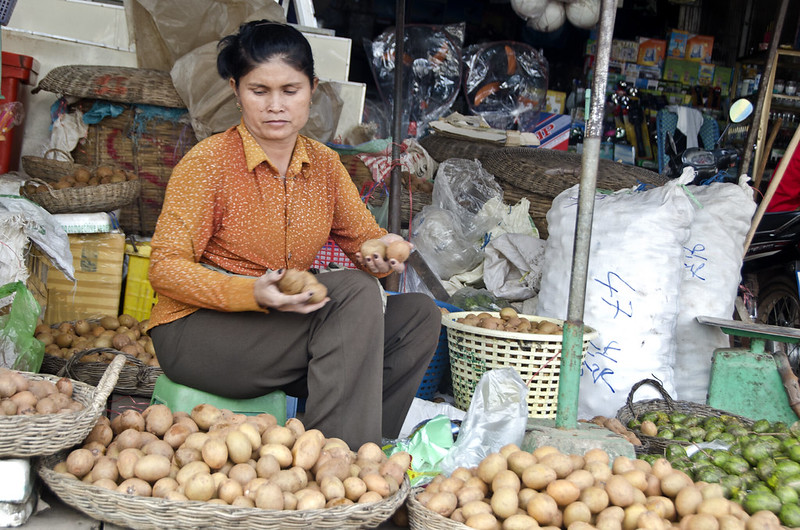 Cambodia is one of Southeast Asia’s most prominent countries in the region for culture and tourism. However, life for its citizens is shaped by many struggles. Scarce resources have limited opportunity for development and sustainability. As of 2025, 22% of the children under 5 struggle with malnourishment, with 16% of families unable to afford meals.
Furthermore, assistance to combat hunger is disproportionate, with urban areas improving significantly faster than rural areas, creating greater inequality. Food for the Hungry Cambodia (FH Cambodia) is one of the leading organizations working to bridge the gap and create communities that are sustainable and resilient.
FH Cambodia
FH’s initial mission was relief: aiding refugees and providing immediate support during civil unrest after the Vietnam war. By 1992, FH Cambodia shifted strategy: from temporary relief to partnering with marginalized communities in southern Cambodia (Kampot Province) to improve living conditions over the long term. Over time, FH expanded north, adopting decade-long community development models that address education, health, economic security, and leadership.
In 2024, FH Cambodia reached more than 211 communities and served 188,925 individuals. Out of the individuals, 66,472 were children. Young children, from 6-23 months, have a minimum dietary diversity, minimizing the risk that they are malnourished. FH was successful in combating malnutrition by partnering with local health care centers that measure the health status of the child.
Improving Education
In addition to combating malnutrition by aiding children and starving households, the organization created long term benefits, such as mobilizing churches and providing educational resources to schools. Specifically, the education program brought 625 children, 285 of which are girls, into primary education. Furthermore, FH Cambodia assisted in renovating five digital libraries in a district, allowing for interactive online learning. As a result, school absences of children aged 7–15 decreased by 17.9%, and 86.4% of children the same age are proficient in reading.
Pregnancy
FH Cambodia’s aggregate impact demonstrates the effectiveness of community-based programs focusing on long-term sustainability. However, the improvement in individual lives can be best seen through the stories of those directly aided. Mrs Khuon Sinan is a 27-year-old woman who lost three pregnancies, suffering miscarriages.
With help from community health workers partnered with FH Cambodia, Mrs Sinan received the care and observation of a midwife at a health center. There, Mrs Sinan changed her diet to have more diverse foods such as local greens and fruit, to satisfy nutritional requirements for a healthy pregnancy.
In addition, she also attended community health awareness programs and support groups to better understand how to take care of one’s wellbeing. At the end of the pregnancy, Mrs Sinan successfully gave birth to a healthy girl, and is able to provide for her newborn by breastfeeding and learning to cook nutritious meals.
The Future
Mrs Sinan’s story, after numerous tragic failures, is a testament to the impact FH Cambodia’s program on individuals. Even though hunger and poverty remain great problems in Cambodia, combating malnutrition and hunger as a whole is imperative. The work of organizations such as FH Cambodia ensures that communities cannot face the same devastation as decades prior and that everyone is on the path to a sustainable future.
– Owen Wu
Owen is based in Boston, MA, USA and focuses on Business and Global Health for The Borgen Project.
Photo: Flickr
