• Link to X
  • Link to Facebook
  • Link to Instagram
  • Link to TikTok
  • Link to Youtube
  • About
    • About Us
      • President
      • Board of Directors
      • Board of Advisors
      • Financials
      • Our Methodology
      • Success Tracker
      • Contact
  • Act Now
    • 30 Ways to Help
      • Email Congress
      • Call Congress
      • Volunteer
      • Courses & Certificates
      • Be a Donor
    • Internships
      • In-Office Internships
      • Remote Internships
    • Legislation
      • Politics 101
  • The Blog
  • The Podcast
  • Magazine
  • Donate
  • Click to open the search input field Click to open the search input field Search
  • Menu Menu

Archive for category: Electricity and Power

Development, Electricity and Power, Global Poverty

Floating Solar Power in India

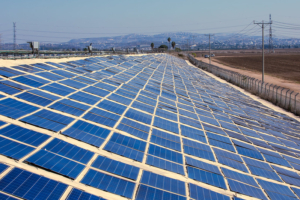
Floating Solar Power in IndiaFor the first time, it is predicted that energy investments in solar power will exceed oil and gas in 2025. Solar energy has become a vital way to create jobs, cut carbon emissions and accelerate economic progress. While many new solar installations are found on land, land availability in India is the lowest per capita among G20 countries. To strengthen its green energy capacity, India is turning to floating solar power.

India’s Floating Solar Revolution

India has the potential to generate 280 GW to 300 GW of electricity by installing floating solar panels and the work has already begun. The Ramagundum Floating Solar Project, which has been built over 500 acres and the Kayamkulam Floating Solar Power Plant, which can light up 26,000 households daily, were commissioned as early as 2022.

The Omkareshwar Floating Solar Project is projected to power more than 100,000 houses daily and offset carbon emissions by 1.2 million metric tons annually.

More Than Land Savings

Installing solar panels has other benefits besides land preservation, which is important to India. Floating panels operate more efficiently thanks to the cooling effect of water. Covering large areas of lakes, rivers and reservoirs with plastic solar panels also reduces water loss from evaporation, which has become more of a concern due to increased global temperatures.

Many large countries already use floating solar to generate clean, green energy and India is joining their ranks. Globally, floating solar could supply up to 50% of the world’s electricity.

In addition to advancing India’s clean energy goals, including a net-zero carbon target by 2070, the push for floating solar generates millions of new jobs annually. The renewable energy sector globally created 13.7 million jobs in 2022, rising to 16.2 million in 2023. India alone accounted for an estimated 1.02 million jobs in 2023. With the push towards floating solar panels in 2024, India’s renewable energy job numbers are expected to grow even further.

Floating Solar’s Promise and Roadblocks

India is leading the way in charging for green electricity. However, other countries like the Maldives, Bangladesh, Pakistan and Sri Lanka have been trying to adopt clean energy, particularly floating solar panels.

The cost of installing solar on land in India is cheaper than on bodies of water and there are some unclear eligibility criteria for floating solar sites, as well as a limited manufacturing capacity for floating solar equipment. There are still struggles involved in implementing floating solar technology.

Final Remarks

India depends heavily on its land for agriculture, mining and other vital economic activities. Discovering India could use its abundant bodies of water for floating solar power, rather than sacrificing precious land, was a breakthrough. This approach is generating much-needed energy, cutting CO₂ emissions, reducing evaporation from critical water sources and creating valuable jobs nationwide.

– Gregory Walker

Gregory is based in York, PA, USA and focuses on Technology and Solutions for The Borgen Project.

Photo: Flickr

August 19, 2025
https://borgenproject.org/wp-content/uploads/borgen-project-logo.svg 0 0 Hemant Gupta https://borgenproject.org/wp-content/uploads/borgen-project-logo.svg Hemant Gupta2025-08-19 07:30:212025-08-18 12:58:06Floating Solar Power in India
Electricity and Power, environment, Global Poverty

3 Opportunities Created By Renewable Energy in Seychelles

Renewable Energy in SeychellesWhen flying off the coast of East Africa, one may spot a glimpse of the 115 islands that make up Seychelles. In terms of land area, this is the smallest African nation. Yet, the archipelago is making big waves in the energy industry to combat environmental changes and economic impacts. Contrary to mainland nations, critical problems for this cluster of islands include vulnerability to changing weather and reliance on foreign oil. To combat this, large scale changes are in progress for renewable energy in Seychelles.

Seychelles’ Renewable Energy Goal

According to the World Bank, Seychelles has the highest Gross National Income (GNI) per capita in Africa. The small African nation boasts an impressive renewable energy goal of reaching 15% by 2030 and 50% by 2050. This change impacts far more than Seychelles’ carbon footprint. Without the means to produce their own energy, local communities are at the mercy of fluctuating import costs of energy and fuel, which support important vehicles, like cars and boats. For a country with an economy driven primarily by fishing and tourism, the shift towards renewable energy has the potential to decrease poverty through economic growth and increase job opportunities related to energy initiatives. 

The Dangers of Fossil Fuels

Experts have linked air pollution due to the burning of fossil fuels, such as the use of diesel-fueled vehicles, to respiratory and cardiovascular diseases, lung cancer, diabetes, neurological disorders and adverse pregnancy outcomes. To address the effects of biodiversity loss and pollution, Seychelles entered a more than two-decade long partnership with the United Nations Environment Programme (UNEP). This partnership has helped the country mitigate greenhouse gases and both land and marine pollution. According to Seychelles’ Minister of Agriculture, Climate Change and Environment, Flavien Joubert, “The programmes that UNEP has been operating over the past years have really contributed to the success of Seychelles that we see today.”

The Creation of Solar Farms

Due to Seychelles’ lack of natural oil reservoirs and limited space for development, the government announced the creation of floating solar farms on uninhabited islands. “The Seychelles import three times more oil than they need so that they can support internal activities as well as boats and airplanes that travel to and from the islands,” Forbes reports. In 2024, the country secured a $15 million loan from the World Bank to support key environmental challenges, including its progressive energy initiatives. Naadir Hassan, Minister of Finance, National Planning and Trade of Seychelles, explains, “This support will help Seychelles strengthen financial stability and the business environment, improve fiscal management, and address important environmental and social challenges.” As with other island nations, access to energy sources is crucial for survival, especially due to an increased risk of extreme weather events. 

3 Opportunities That Renewable Energy in Seychelles Created

  1. Poverty Reduction: While extreme poverty is hardly present, youth and single mothers make up a large portion of the 3.5% unemployment rate. In order to reach Seychelles’ renewable energy goals, it invests in the production of solar farms. The use of solar energy will reduce energy costs and create jobs related to the construction and maintenance of the farms. According to the World Bank, the success of social programs has contributed to the decline in poverty. It is reported that “the poverty rate is projected to decline from 6.2 percent in 2024 to 5.9 percent in 2025, based on the $6.85-per-day poverty line.” 
  2. Economic Stimulation: The cost of importing of foreign oil is dependent on global markets. In 2023, the nation imported an estimated $361 million in refined petroleum. Renewable energy is competitive in price to fossil fuels. With an economy dependent on tourism, the decreased reliance on imported fuel lessens the financial burden for local communities, resulting in economic growth.
  3. Health Benefits: The Ministry of Health in Seychelles alerted the public of air quality concerns in early 2025 due to “haze, caused by a combination of atmospheric conditions and potential transboundary pollutants.” Air pollution due to the burning of fossil fuels is a known contributor to respiratory, cardiovascular and other diseases. Vulnerable populations include those with pre-existing respiratory conditions, including asthma. According to the Lancet Countdown, fossil fuel emissions contribute to more than 2 million deaths globally each year, as energy-related CO2 emissions continue to climb to new heights. Switching to renewable energy sources provides cleaner air and improves both public health and environmental stability.

Looking Ahead

The precedent that Seychelles has set is an environmentally conscious feat that serves as an example to the world. Not only is the investment in renewable energy production in Seychelles beneficial to the health of our environment, it increases opportunities to better our communities.

– Jamaya Newton

Jamaya is based in Somerset, NJ, USA and focuses on Good News and Technology for The Borgen Project.

Photo: Unsplash

August 18, 2025
https://borgenproject.org/wp-content/uploads/borgen-project-logo.svg 0 0 Jennifer Philipp https://borgenproject.org/wp-content/uploads/borgen-project-logo.svg Jennifer Philipp2025-08-18 01:30:492025-08-17 12:33:513 Opportunities Created By Renewable Energy in Seychelles
Electricity and Power, Global Poverty, Health

Solar Clinics in Malawi: How Off-Grid Power Is Saving Lives

 Solar Clinics in Malawi: How Off-Grid Power Is Saving Lives in the Poorest Communities In some of Malawi’s most remote health posts — where fewer than 4% of rural facilities are connected to the national grid — women once gave birth by candle or torchlight. In 2025, with solar-powered “suitcases” and larger photovoltaic systems, these solar clinics in Malawi can refrigerate vaccines, light delivery rooms at night and power vital diagnostics around the clock.

Bringing Light to Rural Clinics

Malawi still faces stark energy inequities: only 11% of the population has grid access (4% in rural areas) and 13% of public health care facilities have no electricity, while another 32% rely solely on unreliable diesel generators. Unreliable power severely hampers vaccine storage, nighttime deliveries and emergency care—contributing to one of the world’s highest maternal mortality ratios.

In August 2024, We Care Solar launched its Light Every Birth initiative in partnership with Malawi’s Ministry of Health and the United States Agency for International Development’s (USAID) Momentum 1-Tiyeni Project. By mid-2025, teams had installed 800 solar suitcases — compact panels, batteries and LED lights — in rural clinics across all three regions and 28 districts. These units provide at least 12 hours of reliable light per night, power fetal monitors and charge mobile devices for telemedicine calls.

Complementing this, the United Nations Development Program’s (UNDP) Solar for Health programme has supplied and installed larger photovoltaic systems at secondary clinics and district hospitals. A 2020 feasibility study reported that 13% of Malawi’s 568 public health care facilities lacked electricity and another 32% depended on diesel, while only 21% had solar systems; UNDP estimates a full solar installation yields a 100% return on investment within 2 to 3.5 years through fuel savings and reduced maintenance costs.

Measurable Health Impacts

At more than 100 rural health centers, We Care Solar and the Judith Neilson Foundation support safer deliveries for at least 80,000 women annually. Midwives report that nighttime delivery complications have dropped by 60% since lights were installed and vaccine cold rooms maintain the required 2–8 °C range, reducing stock loss from 15% to under 1%.

A 2022 report by SolarAid and Mzuzu University found that 76% of off-grid solar systems in Malawian clinics fail within two years because of a lack of maintenance. Their joint pilot introduced local technician training and remote monitoring, achieving 90% system uptime after one year. Scaling this model, UNDP’s capacity-building component trains community-based technicians — 50% women — to install, maintain and repair both Solar Suitcases and larger photovoltaic (PV) arrays.

Sustainable Partnerships and Policy

In late 2023, Malawi’s Ministry of Health adopted a sustainability plan: by 2030, all public clinics will transition to hybrid solar–grid systems, with district health offices responsible for preventive maintenance. This aligns with the national target of 70% off-grid electrification by 2030.

International partners—USAID, UNDP, GIZ and the European Union (EU)—have coordinated through a technical working group to standardize equipment lists, set up long-term supplier agreements and develop an energy-as-a-service model that removes upfront costs for clinics. Community volunteer committees oversee solar equipment maintenance, ensuring that local voices guide the programme’s evolution.

A Model for Low-Income Regions

Off-grid solar clinics in Malawi reveal how decentralized renewable energy can transform health care in low-income settings. Indeed, by combining compact solar suitcases for basic lighting and power, larger photovoltaic systems for refrigeration and diagnostics and strong local capacity-building, clinics gain the reliability once thought impossible beyond the grid. As rural facilities report improved maternal outcomes, reduced vaccine spoilage and greater staff retention, this model offers a scalable blueprint for other countries with similar energy and health care challenges.

– Alexander Broermann

Alexander is based in Frankfurt, Germany and focuses on Good News and Global Health for The Borgen Project.

Photo: Flickr

August 15, 2025
https://borgenproject.org/wp-content/uploads/borgen-project-logo.svg 0 0 Precious Sheidu https://borgenproject.org/wp-content/uploads/borgen-project-logo.svg Precious Sheidu2025-08-15 03:00:582025-08-14 07:40:21Solar Clinics in Malawi: How Off-Grid Power Is Saving Lives
Electricity and Power, Global Poverty

Renewable Energy: Improving the Health Care System in Haiti?

Health Care System in HaitiBetween the unstable political economy and repeated destruction left by climate disasters, around 50% of Haitians lack consistent access to electricity. This impacts not only individuals’ homes and livelihoods, but also the health care system in Haiti. Renewable energy has become the solution to this problem of healthcare access in Haiti as Justinien University Hospital stands out as a success story in renewable energy use.

Thanks to its location in the center of Cap-Haitien in Northern Haiti and available services, Justinien University Hospital is one of the largest public hospitals in the country. The hospital is also the second-largest teaching hospital in Haiti. Justinien University Hospital serves a population of more than 1 million in the surrounding area of northern Haiti

Renewable Energy Use at Justinien University Hospital

Beginning in 2024, Justinien University Hospital has been transitioning to a renewable energy model to power their medical facilities. As of May 2025, 60% to 75% of daily energy needs within the hospital are supplied by renewable sources. Justinien University Hospital used to rely heavily on diesel generators for power. As an administrator commented to a World Bank reporter, “We used to buy 120 gallons of diesel every day, which would cost nearly $22,000 per month. The installation of the renewable energy system has allowed us to reduce our dependence on fossil fuels by more than 60%. Now, we reallocate these funds to other services and improve the quality of care offered.”

Hospitals Turning to Solar Energy

In addition to Justinien University Hospital, the Ministries of Health and Public Works of Haiti, the United Nations Office of Project Services (UNOPS) and the World Bank have come together to implement renewable energy in five hospitals across Haiti. These hospitals have implemented a solar photovoltaic and battery storage system that provides a clean and reliable energy system to their medical facilities. Because of the quantity and reach of hospitals that have implemented this energy model, more than 1.5 million people could benefit, according to the World Bank. This increased energy security for medical facilities means a revolutionary increase in access to healthcare within Haiti

The Future

Access to energy is an ongoing issue in Haiti. Political upheaval and the impact of natural disasters, such as hurricanes, leave the country struggling to establish a widespread power grid. Despite the United Nations Sustainable Energy for All initiative aiming to provide universal energy access by 2023, there is still a long way to go within some Caribbean nations

Several sectors feel the impacts of this, but none so dire as the health care system in Haiti. In recent years, however, the Haitian government, along with several NGOs, has initiated the implementation of renewable energy sources in hospitals across Haiti. This has significantly improved healthcare access in Haiti, cutting hospital operating costs, making services more consistently available, and expanding the reach of the hospital within the local community.

– Gwyneth Connor

Gwyneth is based in Kensington, MD, USA and focuses on Global Health for The Borgen Project.

Photo: Flickr

August 10, 2025
https://borgenproject.org/wp-content/uploads/borgen-project-logo.svg 0 0 Naida Jahic https://borgenproject.org/wp-content/uploads/borgen-project-logo.svg Naida Jahic2025-08-10 01:30:202025-08-09 14:17:24Renewable Energy: Improving the Health Care System in Haiti?
Electricity and Power, Employment, Global Poverty

Positive Progress for Renewable Energy in Mauritius

Renewable Energy in MauritiusRenewable energy in Mauritius faces major advancements in the coming years. The island is located off the East coast of the African continent, and is home to 1.2 million people. Of those people, more than 80% agree on the negative effects that energy gained from burning fossil fuels has on their quality of life. Transitioning to renewable energy will combat these negative effects.

Fossil Fuels Worsen Quality of Life for Mauritians 

More than 80% of the country’s energy comes from imported fossil fuels. Greenhouse gases become trapped in the atmosphere through burning fossil fuel, and affect weather patterns. Mauritius feels this through flooding, tropical storms, coastline erosion, changing tides and rising temperatures. Natural disasters and drastic changes to weather patterns affect low-income communities more drastically than others. These individuals typically do not have the resources to prepare for or recover from these disasters as they occur. The average monthly salary is $1,013, with the lowest-earning Mauritians living off of about $250. Many work in tourism-related professions and outsourcing roles such as IT support and the manufacturing industry. The downside is the unpredictable demand for these jobs and the resulting unreliable income.

Energy Poverty

Steep costs for basic necessities like heat and electricity for cooking exacerbate the struggles of those already experiencing energy poverty. Energy poverty describes a situation in which someone does not have access to reliable, safe and affordable energy to meet their daily needs. A $250 monthly budget does not leave much room for expensive electric bills. The cost of importing fossil fuels to Mauritius drives up the price of power for consumers. The price of electricity for residential areas is MUR 6.140 per kWh, or 0.135. That is about 6% more than the average price of electricity in Africa.

Government Plans Pave the Way for Renewable Energy Use

As of 2019, the Ministry of Public Utilities enacted the Renewable Energy Roadmap 2030. It contains plans and proposals for various renewable energy programs, as well as objectives for total renewable energy use for the entire country. The Renewable Energy Roadmap strives for renewable energy in Mauritius to be 35% of the country’s total power source by 2025. They are on track to meet this goal at the end of the year.

The Roadmap also includes goals of severing reliance on burning coal by 2027, as well as 60% of Mauritius’ energy coming from renewable sources by 2030. Strategies such as investing in solar energy and biomass projects are outlined, as well as careful coordination to ensure this energy will be accessible on all levels: households, commercial and industrial use.

Mauritius is well underway with its renewable energy goals. In 2021, a 14-Megawatt Grid-Scale Battery Energy Storage System funded by the United Nations Development Program (UNDP) finished construction. The $5 million storage system is equipped to stabilize the electrical grid frequency, furthering the capabilities of renewable energy in Mauritius.

Solar Energy Helps Mauritius Reach Energy Goal and Provides Jobs

The hot climate and reliable sunlight make solar energy an ideal candidate for renewable energy in Mauritius. About 10,000 rooftop solar systems have been approved by the Central Electricity Board and the Ministry of Energy and Public Utilities. The installation prevented 15,000 tons of carbon dioxide from entering the atmosphere. Not only do the solar systems provide tangible progress towards the Renewable Energy Roadmap goal, but offer reduced electricity bills for the Mauritians who have participated in the project. This allows them to spend more of their hard-earned money on food and other necessities. The renewable energy efforts will create 7,000 jobs, stimulating the economy and providing employment opportunities for Mauritians.

Renewable Energy Is the Future

Mauritius’ steady advancements towards renewable energy demonstrate the government’s dedication to contributing to a greener planet and access to affordable power. The country is on track to meet its renewable energy goals for the coming years. Each additional project will continue to improve the lives of Mauritians.

– Sydney Uhl

Sydney is based in Vancouver, WA, USA and focuses on Good News and Technology for The Borgen Project.

Photo: Flickr

August 8, 2025
https://borgenproject.org/wp-content/uploads/borgen-project-logo.svg 0 0 Jennifer Philipp https://borgenproject.org/wp-content/uploads/borgen-project-logo.svg Jennifer Philipp2025-08-08 03:00:292025-08-08 16:58:43Positive Progress for Renewable Energy in Mauritius
Electricity and Power, Global Poverty, Sustainable Development Goals

Wind Farms for Sustainable Energy – Updates on SDG 7 in Egypt

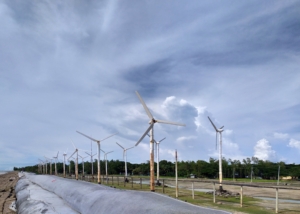
SDG 7 in EgyptOn July 1, 2025, ENGIE, a global energy company located in France, announced the full operation of Egypt’s Red Sea Wind Energy project. This 650 MW wind farm is considered the largest one in the Middle East and North Africa region. The project is located along the Red Sea in the Ras Ghareb district.

The first operational phase of the project started in December 2024 and the last phase was in June 2025. The project reduces the emission of CO2 by approximately 1.3 million tons per year. Additionally, it supplies more than 1 million homes with electricity generated from wind power.

Significance of the Project

For a long time, Egypt’s exports were dominated by chemicals, petroleum products, cotton and textiles. With the evolution of the global energy landscape, Egypt works to strengthen its renewable energy potential. The current administration’s goal is to make Egypt a leader in clean energy export, reduce reliance on fossil fuels and meet domestic demands. To achieve these goals, internal challenges should be addressed, including underdeveloped renewable energy infrastructure and the reliance on natural gas for electricity production.

In 2024, the North African region suffered from an electricity shortage due to the increase in cooling demand during summer. Egypt’s Prime Minister Mostafa Madbouly referred to the fact that natural gas supplies have shrunk as power demand increased, highlighting that the daily power consumption increased 12% from the previous year. However, in summer 2025, Madbouly confirmed that there would be no electricity cuts, affirming the country’s preparedness for any increase in electricity.

SDG 7: Ensuring Affordable Energy for All

In 2015, the United Nations (U.N.) adopted the 2030 Agenda for Sustainable Development, which includes 17 goals. Among them is Sustainable Development Goal 7 (SDG 7), which refers to the fact that modern and sustainable energy should be affordable for all by 2030. Indeed, the wind energy project is a significant step in achieving SDG 7 and reducing the reliance on natural gas in Egypt.

The Role of Partnership and Foreign Aid

The Red Sea Wind Farm project was implemented by a group of development companies, known as the Red Sea Wind Energy consortium. This consortium is 35% owned by ENGIE, 25% by Orascom Construction PLC, 20% by Toyota Tsusho Corporation and 20% by Eurus Energy Holdings Corporation.

It was financially supported by the Japan Bank for International Cooperation (JBIC) in coordination with Sumitomo Mitsui Banking Corporation, the Norinchukin Bank, Société Générale and the European Bank for Reconstruction and Development (EBRD).

Final Remarks

This achievement demonstrates the significance of partnership and foreign aid in implementing such projects. Investing in such renewable energy projects is critical to achieving SDG 7 in Egypt. Overall, Egypt’s Red Sea Wind Energy project is a significant milestone. However, there is still an urgent need for more renewable energy projects to ensure sustainable and affordable energy for all.

– Eiman Elsawy

Eiman is based in Kirkland, WA, USA and focuses on Business and Politics for The Borgen Project.

Photo: Wikimedia Commons
August 8, 2025
https://borgenproject.org/wp-content/uploads/borgen-project-logo.svg 0 0 Hemant Gupta https://borgenproject.org/wp-content/uploads/borgen-project-logo.svg Hemant Gupta2025-08-08 01:30:542025-09-08 02:00:43Wind Farms for Sustainable Energy – Updates on SDG 7 in Egypt
Clean Water Access, Electricity and Power, Global Poverty

Solar Power in Yemen Eases Energy Crisis

Solar Power in YemenIn many ways, the civil war has plunged Yemen into darkness. Over a decade of conflict has resulted in approximately 400,000 deaths, severe economic downturn and one of the world’s worst humanitarian crises. As of 2021, 82.7% of Yemenis were living in multidimensional poverty. Yet the country’s future is not entirely dark. Here are three ways solar power in Yemen is bringing literal and figurative light to communities nationwide.

Clean Water in Al Maqatirah

Finding clean water has been a challenge for many Al Maqatirah District residents. An outdated system lacking functionality and the high cost of diesel fuel created a difficult choice: pay for expensive and potentially unsafe local water or travel long distances to buy it from somewhere else.

Thanks to a 2025 project sponsored by the United Nations Development Programme (UNDP) and several partners, 5,827 Yemenis no longer face this dilemma. The old pipelines have been replaced by a solar-powered water system that provides immediate access to reliable drinking water and sets Al Maqatirah toward long-term sustainability. This project is a clear example of the humanitarian potential of solar power in Yemen.

Powering Livelihoods in Al-Ghaydah

Meanwhile, the city of Al-Ghaydah struggled with an entirely different problem. Climate instability, rising fuel prices and energy shortages threatened the Bawazier Ice and Fish Preservation Factory operations. The facility is a critical part of the coastal community, which relies heavily on fresh fish for sustenance and employment. Without a way to preserve their catch, fishermen risked losing their livelihoods and families their dinners.

Recognizing the urgency, the World Bank, UNDP and Yemen’s Small and Micro Enterprises Promotion Service stepped in with a solution. In 2023, they gave the factory a grant, allowing it to transition 25% of its energy to solar power. This reduced reliance on diesel has enhanced efficiency, lowered monthly energy costs by $875 and created new job opportunities. As a result of this successful model of solar power in Yemen, higher-quality fish is now sold at lower prices and a community vulnerable to changing climatic conditions has become more sustainable.

Keeping the Lights on in Hospitals

Ensuring hospitals remain operational is essential, particularly in a country where 21.6 million desperately need humanitarian aid. However, 46% of Yemen’s health care facilities are either partially operational or completely out of service. A driving force behind this number is a long-standing energy crisis, which has significantly inhibited hospitals from giving patients the care they desperately need.

Once again, solar power in Yemen provides a source of hope. Through a partnership between the UNDP and the Kuwait Fund for Arab Economic Development, four hospitals have been provided with renewable energy systems. This project hopes to see Yemeni patients receive high-quality health care by installing solar panels that keep the lights on. Enabling their communities to become cleaner and more environmentally friendly.

A Brighter Future for Yemen

As these examples show, solar power in Yemen has the potential to make a substantial difference in the lives of some of the world’s most impoverished citizens. It could help provide clean drinking water to the 18 million people without access. It could put food on the table for the 17 million suffering from severe malnutrition. Furthermore, it could also curb outbreaks of preventable infectious diseases that fuel the humanitarian crisis. In a country plagued with hardship, renewable energy illuminates a path forward.

– Caroline Clark

Caroline is based in Needham, MA, USA and focuses on Global Health and Politics for The Borgen Project.

Photo: Flickr

August 8, 2025
https://borgenproject.org/wp-content/uploads/borgen-project-logo.svg 0 0 Hemant Gupta https://borgenproject.org/wp-content/uploads/borgen-project-logo.svg Hemant Gupta2025-08-08 01:30:382025-08-07 10:33:29Solar Power in Yemen Eases Energy Crisis
Electricity and Power, Global Poverty

Morocco’s Noor Solar Project: Redefining Renewable Growth

Noor Solar ProjectThe Noor Ouarzazate Solar Complex project in Morocco stands as a blueprint for sustainable innovation and alternative energy resources internationally. Set against the arid backdrop of the Sahara’s gateway, this solar giant does more than generate energy, but is building a model for clean development that blends technology, climate action and economic growth.

A Solar Vision for Change

Launched in stages beginning in 2016, the Noor solar project has rapidly grown into the world’s largest concentrated solar power (CSP) facility, with a generation capacity of more than 580 megawatts. The complex currently provides electricity to more than 1.1 million Moroccans and offsets approximately 690,000 tons of CO₂ emissions annually, which equates to removing more than 145,000 constantly running vehicles from the road.

The project was born out of a critical energy need. In 2019, Morocco depended on imports for more than 97% of its energy demand, with the government strategically turning to the locally available, renewable source to secure its energy security. This national strategy for Moroccan energy has big aims, hoping  to raise renewable energy to 52% of capacity by 2030, the World Bank reports. Noor, the crown jewel of this strategy, is delivering on that promise.

Clean Energy with Storage Capacity

The technology developed in the Noor solar project also represents a leap forward for renewable sources and alternative energy usage. Unlike traditional solar panels, the Noor plant uses curved mirrors to concentrate sunlight and heat a fluid, either synthetic oil or molten salt. This allows storing energy captured from the sun up to eight hours after sunset, something not possible with regular solar technology. This capacity to deliver electricity after dark is vital for matching peak demand, and it sets CSP apart from most other renewable systems.

Noor I, II, and III use a mix of trough and tower-based CSP designs, and each component of the project contributes significantly to Morocco’s grid. Noor I alone produces 370 GWh per year, while Noor II and III add another 1,100 GWh combined, according to King’s College London. This amount of energy is enough to power all of Marrakesh, a city of more than a million people, highlighting the local impact the energy generated by the project has made.

From Local Jobs to Global Impact

Development of the Noor solar project additionally supported local development, creating thousands of jobs during the construction process, and although long-term employment at the site is limited, secondary benefits have been longstanding. New roads and water infrastructure have allowed surrounding villages to become better linked to public services, with local farmers additionally receiving sustainable agriculture training from the Moroccan Agency for Sustainable Energy (MASEN).

Crucially, the project has attracted $1.6 billion in concessional financing from the World Bank, the African Development Bank, and the European Union. This blend of public-private support signals what is possible when long-term environmental goals align with innovative development in the renewable energy sector.

Facing Environmental Trade-Offs

Despite its success, the Noor project does raise concerns, with the plant consuming a significant amount of water in the very dry and already water-scarce arid region. However, dry-cooling systems and air-based mirror cleaning are helping to lower usage, attempting to ensure the plant would remain functional in water shortages. Environmental studies have also flagged habitat loss and disruptions to native ecosystems, underscoring the importance of integrated sustainability planning in large-scale infrastructure.

Still, for many, the trade-offs are worth it. Noor represents more than just a solar farm, it is a pivot toward energy independence and a vision for exporting clean energy beyond Africa. As Morocco eyes future CSP developments in Midelt, Boujdour and Laayoune, the Noor Complex offers a promising path forward.

Looking Ahead

As global energy demand continues to rise, especially across Africa, Noor is proving that utility-scale renewables are viable. With a stable policy environment, strategic public-private investment and cutting-edge technology, Morocco is highlighting how developing nations can leap forward economically with sustainable practices.

– Thomas Finighan

Thomas is based in London, UK and focuses on Business and for The Borgen Project.

Photo: Flickr

August 6, 2025
https://borgenproject.org/wp-content/uploads/borgen-project-logo.svg 0 0 Naida Jahic https://borgenproject.org/wp-content/uploads/borgen-project-logo.svg Naida Jahic2025-08-06 01:30:302025-08-05 09:40:38Morocco’s Noor Solar Project: Redefining Renewable Growth
Electricity and Power, environment, Global Poverty, Natural Disaster

The Journey To Renewable Energy in Micronesia

Renewable Energy in MicronesiaMicronesia (or the Federated States of Micronesia) is a small country located in the continent of Oceania. A large advocate of environmental policy, renewable energy in Micronesia has a long history behind it. Through many years of struggle and advancements, Micronesia has made its intentions for a clean future clear.

Life in Micronesia

While Micronesia’s environment is beautiful, living there isn’t easy.  In 2013, 41.2% of the population lived below the national poverty line, a statistic that the World Bank Group estimates to be higher post-COVID-19. Due to its isolated geography, poor mineral deposits and lacking economy, opportunities can be slim.

Electricity is a scarce resource in Micronesia; most of the country is reliant on diesel generators that power a central grid. Most communities do not have day-long access to electricity. Individual households are not the only parties affected by a lack of energy; hospitals have to work with a less-than-ideal power supply as well.

For those with more reliable access to electricity, another problem rears its head. Aging infrastructure causes many power grids to be vulnerable to intense weather like typhoons. This leads to frequent power outages as the grids fail to hold under the conditions.

Fossil Fuels in a Changing World

As an island country, Micronesia experiences some of the highest rates of sea-level rise per year on the planet. A reliance on diesel generators, which produce more pollutants than gasoline engines, exacerbates the issue. Its economic reliance on fisheries and farming causes a unique need to halt the unsustainable fossil fuels use as weather patterns rapidly intensify.

Micronesia’s reliance on diesel generators is more than just an environmental issue however, it is also a financial one. Micronesia has a severe lack of local fossil fuel deposits, this includes resources to fuel these generators. Due to this, Micronesia must outsource its entire fuel supply.

The U.S. used to pay for these fuel imports, but that stopped in 2004. As Micronesia locally lacks typical energy sources, the cost for a fossil fuel economy is too great for Micronesia to handle.

A Plan To Help

In 2004, Micronesia implemented a Strategic Development Plan to outline the goals and benchmarks of renewable energy in Micronesia up until 2023.  This plan detailed multiple advancements towards green energy, such as providing sustainable funding for environmental programs and would outline the approach towards green energy for the coming years.

This plan provided an outline that would pave the way for climate and disaster policy, as well as the formation of new climate committees. Through this new focus, renewable energy in Micronesia has grown into a larger force. Solar energy has become prevalent in the country, playing a large role in the hopeful eventual phasing out of the reliance on diesel.

A Green Future

Renewable energy in Micronesia still has a long way to go. The country still has an overwhelming reliance on diesel generators, and most households are still without electricity. However, through actions both past and present, there is undeniable progress ahead.

The World Bank’s recent ARISE Project is set to be a significant boon for the country. The project aims to increase solar construction, creating both mini-grids and home systems. It also aims to strengthen the older grid’s infrastructure to make them more resilient to natural events. This project will help more than 3,000 people gain electrical access.

The FSM recently launched its National Energy Policy through 2050. This policy outlines a future of independent power production as well as public private partnership. It also calls for studies into clean energy sources such as wind, the implementation of hydropower and advancements in architecture for solar. 

Looking Ahead

With weather patterns steadily intensifying over time, renewable energy’s steady traction and momentum and an ambitious goal of net zero emissions by 2050, a green future is not only necessary, but inevitable for Micronesia.

– Cayle Harrison

Cayle is based in West Columbia, SC, US and focuses on Global Health and Politics for The Borgen Project.

Photo: Wikimedia Commons

July 31, 2025
https://borgenproject.org/wp-content/uploads/borgen-project-logo.svg 0 0 Jennifer Philipp https://borgenproject.org/wp-content/uploads/borgen-project-logo.svg Jennifer Philipp2025-07-31 07:30:072025-07-31 02:12:03The Journey To Renewable Energy in Micronesia
Electricity and Power, Global Poverty

Energy Poverty: Renewable Energy in Lesotho

Renewable Energy in LesothoThe Kingdom of Lesotho has stood at the precipice of expanding renewable energy projects in recent years. According to the World Bank Group, the nation has a great capacity to utilize wind, solar and hydropower resources, which is abundant and can completely cover their national energy needs if harnessed.

Despite this, only 50% of the population has access to electricity. Lesotho’s efforts to reduce poverty have decreased urban impoverished groups by a small margin, but rural areas stagnated, likely needing decentralized electricity for development. Additionally, their high unemployment rates will make unaffordable energy, inequality and poverty persist if not addressed.

In order to prevent economic collapse in the wake of worsening climate effects and unpredictable economic surprises such as the U.S. tariff on Lesotho’s textile industry, focusing on improving domestic renewable energy in Lesotho can create jobs and reduce poverty.

What Is Energy Poverty?

A negative impact to populations is the lack of access to energy in households, depriving them of heating, cooling and functioning lights. As the problem occurs behind closed doors, governments often overlook this aspect in developing energy sectors.

Energy poverty can continuously affect vulnerable populations’ income levels. These impacts include less access to hygiene, healthcare issues and educational barriers. Improving household inequalities with renewable energy in Lesotho utilizes resources local to impacted areas.

Economic processes, such as humanitarian aid or budgetary spending, often tackle poverty. Lesotho’s poverty rate of 49% as of 2017 proves that these efforts are not enough. Concrete steps to stimulate the energy sector can provide relief for the at-risk population.

Additionally, the process to eradicate poverty and to provide renewable energy intertwine. To solve either issue, the government must commit to a combination of strategies. Strategic Planner for the United Nations, Subhra Bhattacharjee believes that to deliver clean energy, ending poverty is important as it is a requirement for future sustainable development.

PowerPoor: A Model for Energy Poverty

In addition to increasing their capacity to harness renewable energy in Lesotho, the government can improve their energy sector further by mitigating energy inefficiencies. Lesotho’s relatively small population gives them the opportunity to employ PowerPoor’s Power-Act tool in an effort to reduce inefficiency. 

Power-Act is the project’s idea to customize advice based on assessments of energy profiles of vulnerable citizens. As a secondary step in poverty reduction, this can prevent energy access from being unaffordable and can increase the country’s quality of life.

Looking Ahead

With better electricity infrastructure, using renewable energy in Lesotho will physically improve their initial energy needs, increase jobs and their overall quality of life. In combination with structured plans to reduce inefficiency, they can teach energy preservation to prevent future decline.

– Aliyah Omar

Aliyah is based in Alberta, Canada and focuses on Global Health and Politics for The Borgen Project.

Photo: Unsplash

July 30, 2025
https://borgenproject.org/wp-content/uploads/borgen-project-logo.svg 0 0 Jennifer Philipp https://borgenproject.org/wp-content/uploads/borgen-project-logo.svg Jennifer Philipp2025-07-30 07:30:132025-07-30 01:02:48Energy Poverty: Renewable Energy in Lesotho
Page 6 of 15«‹45678›»

Get Smarter

  • Global Poverty 101
  • Global Poverty… The Good News
  • Global Poverty & U.S. Jobs
  • Global Poverty and National Security
  • Innovative Solutions to Poverty
  • Global Poverty & Aid FAQ’s
Search Search

Take Action

  • Call Congress
  • Email Congress
  • Donate
  • 30 Ways to Help
  • Volunteer Ops
  • Internships
  • Courses & Certificates
  • The Podcast
Borgen Project

“The Borgen Project is an incredible nonprofit organization that is addressing poverty and hunger and working towards ending them.”

-The Huffington Post

Inside The Borgen Project

  • Contact
  • About
  • Financials
  • President
  • Board of Directors
  • Board of Advisors

International Links

  • UK Email Parliament
  • UK Donate
  • Canada Email Parliament

Get Smarter

  • Global Poverty 101
  • Global Poverty… The Good News
  • Global Poverty & U.S. Jobs
  • Global Poverty and National Security
  • Innovative Solutions to Poverty
  • Global Poverty & Aid FAQ’s

Ways to Help

  • Call Congress
  • Email Congress
  • Donate
  • 30 Ways to Help
  • Volunteer Ops
  • Internships
  • Courses & Certificates
  • The Podcast
Scroll to top Scroll to top Scroll to top