• Link to X
  • Link to Facebook
  • Link to Instagram
  • Link to TikTok
  • Link to Youtube
  • About
    • About Us
      • President
      • Board of Directors
      • Board of Advisors
      • Financials
      • Our Methodology
      • Success Tracker
      • Contact
  • Act Now
    • 30 Ways to Help
      • Email Congress
      • Call Congress
      • Volunteer
      • Courses & Certificates
      • Be a Donor
    • Internships
      • In-Office Internships
      • Remote Internships
    • Legislation
      • Politics 101
  • The Blog
  • The Podcast
  • Magazine
  • Donate
  • Click to open the search input field Click to open the search input field Search
  • Menu Menu

Archive for category: Education

Information and stories on education.

Education, Global Poverty

Unconventional Classrooms: Micro-Libraries in Brazil

Micro-Libraries in BrazilNearly one in 10 residents over age 15 in Brazil’s favelas are illiterate. In communities where access to books, libraries, and formal education resources is limited, children often grow up without the basic tools for learning. To bridge these gaps, grassroots initiatives such as micro-libraries in Brazil are bringing books and learning directly into underserved neighbourhoods. They provide children with opportunities they might otherwise go without.

A 12-Year-Old Girl Sparks Change

In São Paulo, 12-year-old Lua Oliveira created a library in a small, tin-roofed room in her favela. She started after seeing a child at a book fair told she could not afford a book. Lua began collecting donated titles to lend to local children. Her library now holds approximately 18,000 books and operates in a community centre where children regularly visit to read and learn, World Economic Forum Reports. Furthermore, her initiative inspired neighbours and peers to engage with reading in their everyday environment, demonstrating how locally managed, small-scale learning spaces can have a profound impact on education in low-income communities.

The Mala do Livro Project: A Citywide Effort

Lua’s story reflects a broader movement in Brazil. In Brasilia, the Mala do Livro (‘Book Bag’) project has run for decades, with the support of the Secretariat of Culture and Creative Economy. Volunteers carry mobile book bags into neighbourhoods, community centres, hospitals, and subway stations. Each bag contains around 150 books, carefully selected for children, teenagers, and adults, and the network now encompasses 193 micro-libraries with approximately 45,000 books in circulation.

These micro-libraries in Brazil demonstrate the flexibility and community focus of grassroots learning spaces. By situating libraries directly within neighbourhoods, children and adults can borrow books without travelling long distances or relying on formal institutions.

Impact on Communities

Micro-libraries in Brazil affect more than book lending. They strengthen community cohesion, provide safe environments for children after school, and encourage peer-to-peer learning. Indeed, in Brasilia alone, the Mala do Livro project has reached around 100,000 readers over its lifetime, with 18,000 people using the libraries in a single year. Each micro-library receives roughly 45 visits per year, showing the continued engagement and importance of these programs.

Micro-Libraries as a Tool Against Poverty

Poverty in Brazil is not just about income; it also affects access to education and learning opportunities. According to UNICEF, 32 million children live in multidimensional poverty, which includes severe educational deprivation. However, in this context, micro-libraries in Brazil act as practical interventions against poverty. By providing children in favelas with books and access to literacy resources, these grassroots initiatives help break the cycle of educational disadvantage, giving young people tools to improve their long-term social and economic prospects. Education also drives economic mobility: the Inter-American Development Bank estimates that differences in education explain more than 40% of income inequality in Brazil.

Small Libraries, Big Impact

Micro-libraries in Brazil depend heavily on volunteers and consistent donations. Lua’s library, for instance, requires ongoing book donations and active participation from her neighbours. Similarly, the Mala do Livro project relies on a network of volunteers to circulate books and maintain access. Supporting these initiatives helps promote literacy and combat educational inequality in low-income communities, offering children a chance to break cycles of poverty.

From a 12-year-old girl’s home library in Sao Paulo to the mobile book bags, micro-libraries in Brazil demonstrate that classrooms do not need walls to be effective. Community-driven, accessible learning spaces transform education in the favelas, offering hope and opportunity to children who might otherwise be left behind.

– Iona Gethin

Iona Gethin is based in Exeter, UK and focuses on Good News for The Borgen Project.

Photo: Wikimedia commons

December 2, 2025
https://borgenproject.org/wp-content/uploads/borgen-project-logo.svg 0 0 Naida Jahic https://borgenproject.org/wp-content/uploads/borgen-project-logo.svg Naida Jahic2025-12-02 07:30:062025-12-02 00:44:42Unconventional Classrooms: Micro-Libraries in Brazil
Education, Gender Equality, Global Poverty

Closing Kenya’s Gender Gap in Tech Education

Kenya's Gender GapIn 2025, Kenya is witnessing a transformative shift in education. Across cities, towns and rural villages, digital learning hubs are opening doors for women and girls to access science, technology, engineering and mathematics (STEM) education for the first time. This access is driven by both government-backed digital literacy campaigns and grassroots organizations such as AkiraChix. These initiatives aim to close Kenya’s gender gap in the technology sector and position young women as leaders in the country’s growing digital economy.

Kenya’s Government Connecting the Gender Divide

Kenya has long been recognized as one of Africa’s technology pioneers, with its capital city, Nairobi, earning the nickname “Silicon Savannah” for its start-up ecosystem. However, despite this progress, Kenya’s gender gap in digital access remains significant. According to the United Nations Educational, Scientific, and Cultural Organization (UNESCO), women occupy fewer than 30% of Information and Communication Technology (ICT) roles in Kenya, and mobile internet use is considerably lower among women than men.

To tackle this divide, Kenya’s government has launched several digital literacy initiatives under its Kenya Vision 2030 and national ICT strategy. These initiatives aim to expand computer access in schools, increase teacher training and extend technology access in low-income regions. The government’s 2030 goals would allow women and girls to gain stronger digital skills and develop a greater interest in STEM fields.

How AkiraChix Is Coding a New Future for Women

At the heart of this transformation is AkiraChix, a Nairobi-based nonprofit founded in 2010 that trains young women from underprivileged backgrounds in coding, design and entrepreneurship. AkiraChix runs a camp program that introduces girls to technology and design software. Its CodeHive program offers a fully subsidized, yearlong training in software development, product management and digital design for women ages 20-24.

According to AkiraChix’s 2022 Impact Report, more than 80% of graduates secure a placement or start their own ventures within six months of finishing the program. In its 2021 Impact Report, one 2020 alumna, Rebecca Wambui, said learning to code through the CodeHive program helped her realize that “I can also do this.” She has since developed a chatbot to help local farmers access affordable market prices.

Community Hubs Expand Rural Opportunities

Beyond Nairobi, a growing network of community digital learning hubs is making STEM education accessible in rural and low-income areas. UNESCO-supported programs have introduced more than 200 girls from 20 schools to robotics, mobile app design and 3D printing. Similar to AkiraChix’s programs, UNESCO bootcamps often give girls their first exposure to engineering and computer science. These programs play a key role in narrowing Kenya’s gender gap by increasing interest in STEM.

By equipping women with marketable STEM skills, Kenya is strengthening innovation and inclusive growth. Studies show that expanding digital access contributes directly to higher gross domestic product (GDP) and employment rates in developing nations. For graduates of AkiraChix, UNESCO programs and other digital hubs, the results include greater financial stability, improved livelihoods and stronger educational outcomes.

Challenges and the Road Ahead

Despite these gains, challenges remain. Many rural areas still lack stable electricity or affordable data, limiting the reach of digital learning. Additionally, cultural norms and gender stereotypes continue to discourage girls from pursuing STEM, and the cost of devices remains a barrier for low-income families.

Experts emphasize the need for sustained investment in infrastructure, teacher training and the integration of digital skills in school curricula, supported by public and private partners.

Kenya’s expanding digital learning ecosystem demonstrates how innovation and equality can intersect to drive national progress. By giving women and girls the tools to thrive in STEM, the country is working to bridge its gender gap in technology and build a more inclusive future.

– Abigail Ariyo

Abigail is based in Ottawa, Canada and focuses on Good News for The Borgen Project.

Photo: Unsplash

December 1, 2025
https://borgenproject.org/wp-content/uploads/borgen-project-logo.svg 0 0 Precious Sheidu https://borgenproject.org/wp-content/uploads/borgen-project-logo.svg Precious Sheidu2025-12-01 07:30:332025-12-01 00:54:16Closing Kenya’s Gender Gap in Tech Education
Education, Employment, Global Poverty

How Higher Education in Algeria Is Pivoting Toward Jobs 

Higher Education in AlgeriaHigher education in Algeria has grown at remarkable speed and now focuses on improving its quality, job outcomes and student infrastructure. This article will look at what expanded access has achieved, what the LMD reform changed and how Erasmus projects and new incubators are tying degrees more closely to work.

A System That Scaled Up Fast

In two generations, higher education in Algeria has pivoted from being only for the elite to now being accessible to the masses. In 1963, the country had less than 10 higher education institutions and 3,000 students: fast forward to 2025 and that figure has grown to 115 with just shy of 2 million full-time students. Out of these students, 500,000 were working towards masters degrees while 65,000 were doctoral candidates. Women make up more than 60% of students in Algeria, putting them in the top 15 countries in the world for female enrolment.

Since 2004, Algeria has implemented the License–Master–Doctorate (LMD) aligning with the French/European model in order to boost international compatibility. The reform followed earlier restructurings in 1971 and 1999 and remains the framework for teaching and assessment today.

Incubators

A clear policy pivot is linking university study to entrepreneurship and regional development. Under the Ministry of Higher Education and Scientific Research (MESRS), campus incubators are now helping students and researchers turn their ideas into businesses and ventures. The incubator push is part of a wider strategy with the Algerian government setting a national target of 20,000 startups by 2029. Universities view incubators as a key mechanism to diversify the economy and tackle youth unemployment.

International Projects

International cooperation is reinforcing these shifts. Through Erasmus’ Capacity Building in Higher Education (CBHE), Algerian universities have been able to design an employment ready curriculum, strengthen their governance and emphasize quality assurance. Projects such as COFFEE created new professional bachelor degrees in partnership with Algerian companies and the ministry of higher education. This project has already led to the accreditation of 17 professional bachelor’s programs in areas such as industrial maintenance, building rehabilitation and e-commerce. These degrees focus on management and technical profiles that are in demand, helping young graduates move quicker into decent jobs and out of poverty.

A Linguistic Turn With Classroom Impacts

Algeria has made visible reforms to its language policy. While French remains widely used socially and academically, the government has focused its attention in making English the country’s secondary language. In 2025, schools, universities and medical programs will begin to utilize the English language with plans to train 30,000 English teachers. This shift aims to widen Algeria’s global research base as well as help them build industry networks that can create more skilled jobs for graduates of higher education in Algeria.

However, due to the government’s focus on rapid expansion, the quality of the staffing and facilities are unevenly distributed across the country. Studies have found that there are persistently high unemployment rates among graduates in certain fields.

A Brighter Future

Algeria’s higher education system has improved significantly in such a short amount of time with diversification and constant innovation playing a pivotal part in its success. The components for a better future are in place with modular degrees, incubators and international cooperation in place. If they continue with their consistent quality assurance, improved infrastructure spending and significant contributions to academic research Algeria will be able to quash their high youth unemployment rate and boost its economy further.

– Jibreel Meddah

Jibreel is based in Cardiff, UK and focuses on Good News and Politics for The Borgen Project.

Photo: Wikimedia Commons

November 27, 2025
https://borgenproject.org/wp-content/uploads/borgen-project-logo.svg 0 0 Jennifer Philipp https://borgenproject.org/wp-content/uploads/borgen-project-logo.svg Jennifer Philipp2025-11-27 03:00:232025-11-26 23:28:21How Higher Education in Algeria Is Pivoting Toward Jobs 
Education, Global Poverty, Health

The Philippines is Addressing Poverty: A Multi-Pronged Approach

Philippines is addressing povertyThe Philippines is addressing poverty with a three-tier strategy that combines cash transfers, education reforms and expanded health care coverage, officials say, as policymakers aim to transition short-term relief into sustainable progress.

A Stronger Social Safety Net

At the core of the country’s effort is the flagship conditional cash-transfer program known as the Pantawid Pamilyang Pilipino Program (4Ps). The program provides regular cash payments to low-income households that meet specific criteria, including regular school attendance for children and regular preventive health care visits. The idea is to provide an immediate buffer from extreme hardship while encouraging families to adopt behaviors that build human capital.

Government planners identify poverty reduction, universal health care and quality education as the three key “socioeconomic goals” driving this agenda.

Expanding Access to Education

On the education front, the Philippine government passed the Universal Access to Quality Tertiary Education Act (RA 10931) in 2017. It provides free tuition and certain school-fee subsidies at state universities and colleges and offers a “tertiary education subsidy” (TES) for students in private institutions under particular conditions. The policy has benefited more than two million students.

Officials say that free higher education is a vital means of equipping low-income households for stable employment, thereby helping to break the cycle of poverty. For example, 4Ps households are being encouraged to tap the student-aid schemes. Yet analysts note that participation among the most impoverished deciles remains lower than among wealthier peers; in 2019, only about 6.1% of students came from the neediest households versus higher shares in better-off ones.

Health Care Investment and Risk Protection

The Philippines is also addressing poverty by working to fortify health care access through its Universal Health Care (UHC) law. It aims to reduce financial risk from illness and to expand service delivery, especially for people experiencing poverty. According to the World Health Organization (WHO), high out-of-pocket spending and health-service gaps have been drivers of poverty in the country.

A study by the Philippine Institute for Development Studies (PIDS) identified major geographic coverage gaps: while most major regions have national health insurance enrollment rates above 90%, conflict-affected provinces in Mindanao reported coverage levels as low as 52%.

Early Progress

According to the Philippine Statistics Authority, the national poverty rate dropped from 18.1% in 2021 to 15.5% in 2023. This translates to a decline of roughly 2.4 million individuals living under the official poverty line. It suggests the multi-pronged strategy is yielding results. However, officials caution that inflation (especially food price inflation) and regional disparities remain serious headwinds.

Despite the framework, key challenges remain. In health care, enrollment is still concentrated among formal-sector workers, making it difficult to extend equitable coverage to informal and rural populations. In higher education, low-income households continue to be underrepresented, raising concerns about whether subsidies are reaching those who need them most.

Finally, in cash-transfer programs, persistent inequalities, service-delivery bottlenecks and local government capacity gaps mean full reach has not yet been achieved.

Looking Ahead

For the Philippines’ approach to translate into enduring poverty reduction, policymakers will need to deepen the linkages among welfare, education and health interventions. That means ensuring vulnerable households are not only stabilized by cash grants, but that their children benefit from quality schools and are shielded from catastrophic health-care costs. If effectively implemented, the integrated model offers a pathway from relief to resilience.

– Arielle Telfort

Arielle is based in Purchase, NY, USA and focuses on Global Health for The Borgen Project.

Photo: Flickr

November 26, 2025
https://borgenproject.org/wp-content/uploads/borgen-project-logo.svg 0 0 Lynsey 2 https://borgenproject.org/wp-content/uploads/borgen-project-logo.svg Lynsey 22025-11-26 07:30:392025-12-02 05:25:19The Philippines is Addressing Poverty: A Multi-Pronged Approach
Education, Global Poverty, Youth Empowerment

WSLB: Global Stewardship Through Youth Leadership in Spain

Washington State Leadership Board Builds Global Stewardship Through Local Youth Leadership in SpainWhen the inaugural cohort of 15 Washington students arrived at their host families’ homes in Logroño, Spain, during the summer of 2017, it was clear that these students were the first in a new field of global advocacy, yet far from the last. This was the year the Washington State Leadership Board (WSLB) launched Washington World Fellows, Washington State’s first international advocacy program for high school youth.

Recent years have seen an increase in similar initiatives for youth across the world, creating a rapidly growing network of globalized communities. The WSLB is an example of regional governments integrating the United Nations Sustainable Development Goals (SDGs) into long-term community planning. Local institutions play a uniquely crucial role in alleviating poverty at the grassroots level, and employing the rising generation is central to this work. “If we’re not taking care of our citizens, the whole society suffers,” says WSLB Director of Programming, Amy Ubungen.

WSLB programs for youth leadership in Spain are necessary avenues that reflect a growing global presence in the development of sustainable communities.

A Long-lasting Global Network

The WSLB backs two international programs, both designed as accessible, cost-free opportunities for underserved youth from Washington and Northern Spain to travel abroad. Washington World Fellows began in 2017 as a sister exchange program to World Fellows España, which in 2022 sent its first cohort of Spanish students to Washington State.

World Fellows, many of whom are first-generation college students facing community-specific education barriers, embark on a college readiness track while abroad. In July 2025, World Fellows connected with local government officials during an annual International Youth Summit in Viana, Spain, where students issued a magazine to voice concerns about universal socioeconomic barriers facing youth.

The Compassion Scholars initiative launched in 2019, when the inaugural cohort of Washington students traveled to Dharamsala, India, to discuss global inequalities with the Dalai Lama.

Compassion Scholars now visit the La Rioja region in Northern Spain, where they observe measures in both urban and rural settings to alleviate poverty. Upon returning home, Scholars implement community projects that range from reducing education barriers to partnering with local immigrant support agencies.

Sustainable Development Goals at the Micro Level

WSLB’s partners in La Rioja each incorporate SDGs, enriching the region with a strong network of resources. El Colletero is an innovative, grassroots effort based in the agricultural community of Nalda, Spain. It is driven by local women who offer training sessions in food production to prevent food insecurity and promote ecofeminism. La Rioja Acoge is a regional immigrant and refugee resettlement agency in Logroño whose Reception and Integration System accommodates asylum seekers fleeing humanitarian crises in areas such as Gaza and Ukraine. The regional branch of La Cruz Roja in La Rioja tailors its emergency response services to local vulnerable populations. All three agencies promote youth leadership in Spain and provide an exemplary framework for communities worldwide pursuing para-diplomacy.

How the WSLB and Its Partners Thrive

The success of World Fellows and Compassion Scholars is due in part to the WSLB’s history as a longstanding, state-funded institution, providing a legal foundation in Washington State for an international framework. However, this level of institutional support is not present for World Fellows España. “You could say… that we are the Spanish agency of the WSLB, [but World Fellows España doesn’t] have any support here locally,” explains World Fellows España Director, César Martínez Lorenzo. “We do have the support of organizations that get involved in Compassion [Scholars]. They support us. They do it out of compassion, so to speak. But other than that, at any institutional level, we don’t have any support just yet.”

Despite Spain’s developed social safety net, community-driven initiatives like World Fellows España often struggle to gain the institutional recognition needed to lift programs off the ground. The pandemic delivered a particular blow to World Fellows and other youth programs globally. However, César remains optimistic about the WSLB’s continued success. “Policy should be implemented to make these programs a thing,” he says. “It’s like planting a seed… and we need to let it grow. But that is a process. That doesn’t happen overnight… I think we have to wait and see. It’s a ‘trust the process’ kind of thing. And that’s what we do, we trust the process. And we can invest in it, because we believe in it.”

Missions for Underserved Youth

Early in World Fellows España’s development, the regional initiative Los Pioneros provided a well-aligned model for the World Fellows mission. Los Pioneros is a nonprofit based in Logroño that promotes youth leadership in Spain by addressing education and employment barriers for marginalized young adults.

Many initiatives like Los Pioneros exist globally but lack access to consistent funding like that of the WSLB, making it difficult to expand programs beyond their region of origin.

Alliance Africa Avanza is another example of a well-resourced initiative sustained on an international scale. In August 2024, the Spanish government launched a joint program in Senegal, Tierra Firme, to address the country’s high unemployment rates by fostering self-sufficiency and financial stability. The program enables 500 Senegalese youth to receive vocational and professional training. Bilateral agreements between nations, such as Alliance Africa Avanza, demonstrate how essential institutions are in providing measurable opportunities for youth.

The WSLB and Barriers to Success

Like many state-funded agencies in the U.S., WSLB programming has been affected by recent decreases in federal funding. For World Fellows and Compassion Scholars students in both Washington and Spain, the programs’ limited mobility caused by budget cuts “puts a lot more burden on participants, [and] it requires participants to step up,” says Amy Ubungen. Since spring 2025, the WSLB has experienced a 12% funding cut.

Such cuts are the “biggest threat and number one concern of our agency at this time,” says WSLB Programs Manager Claire Muehleisen. Given World Fellows España’s lack of local financial support, these reductions present a particular challenge for youth leadership programs in Spain.

“…What would be ideal [is for World Fellows España] to get funded, and that’s where local governments and institutions come in,” says César Martínez Lorenzo. He suggests increased support from “a local institution, say the city council or… the town hall,” to channel funding. “We would need someone in a position of power… to believe in what we do and make it happen… that’s my hope,” he explains. With a boost in local support, César foresees a future where Compassion Scholars could evolve into an exchange program, like World Fellows.

A Catalyst for Sustainable Development

As World Fellows and Compassion Scholars expand, the WSLB’s international partnerships will continue to inspire global youth initiatives aligned with the SDGs. “Poverty is always in the details,” remarks César Martínez Lorenzo. Fortunately, so are local institutions that continue to make long-term investments in the youth for healthy, sustainable communities in the future.

– Isla Hansen

Isla is based in Spokane, WA, USA and focuses on Good News and Politics for The Borgen Project.

Photo: Flickr
November 24, 2025
https://borgenproject.org/wp-content/uploads/borgen-project-logo.svg 0 0 Precious Sheidu https://borgenproject.org/wp-content/uploads/borgen-project-logo.svg Precious Sheidu2025-11-24 07:30:242025-11-24 01:45:28WSLB: Global Stewardship Through Youth Leadership in Spain
Education, Global Poverty, Youth Empowerment

Higher Education in Georgia: Learning Toward a Brighter Future

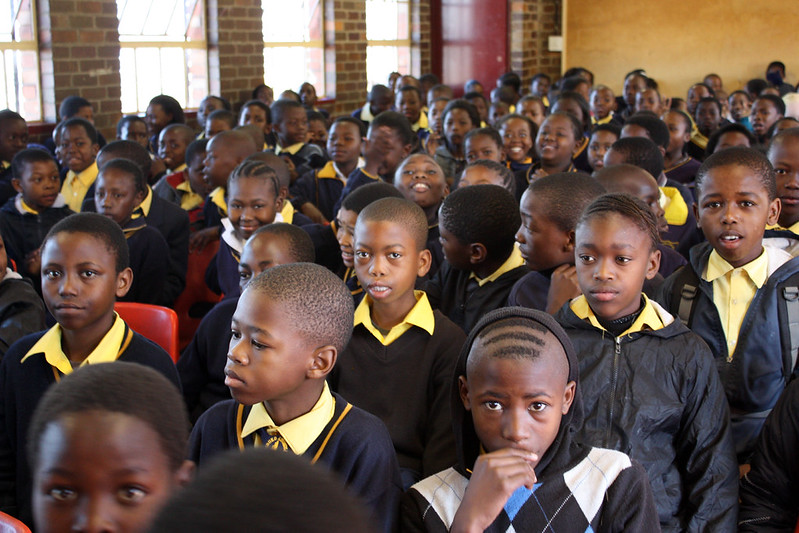
Higher Education in Georgia: Learning Toward a Brighter Future Education is one of the biggest agencies against poverty. Higher education in Georgia has become one of the country’s most powerful means of connecting opportunity, innovation and social mobility. Once limited to the privileged few, university education now opens doors for thousands of young Georgians, and the country’s progress shows that investing in young minds can support national development.

A Decade of Educational Growth

Since Georgia’s independence in 1991, education reform has been a central component of its development strategy. Currently, higher education in Georgia encompasses more than 60 accredited universities, with increasing access for students from rural and low-income families through financial aid and merit programs.

According to the National Statistics Office, the number of students enrolled in higher education institutions increased to more than 138,000 in 2023, a continued climb from the early 2010s. Women make up nearly 56% of enrolled students, highlighting the growing gender equality in education access. This expansion mirrors Georgia’s broader effort to modernize its knowledge-based economy, attract international students and strengthen ties to the European Higher Education Area.

The Link Between Education and Poverty

Higher education is often the turning point between poverty and opportunity. In Georgia, that link is clear. Students from low-income households who complete tertiary education are twice as likely to find formal employment as those without post-secondary training, according to a 2023 World Bank skills report.

Education remains one of the strongest equalizers in a country where regional inequality persists. Rural students, however, continue to face barriers such as limited internet access, travel costs and a lack of preparatory schools. To address this, the government and universities are expanding scholarship programs and digital learning opportunities.

Scholarships and Student Support

Several initiatives now help bridge the gap between poverty and education access.

  • Targeted Financial Aid. The Ministry of Education provides need-based grants to students from low-income and internally displaced families. In 2023, more than 6,000 students received tuition support through this program.
  • Regional Scholarships. The Millennium Foundation and partner universities fund students from remote areas, encouraging local development through education.
  • Private and NGO Programs. Organizations such as the Open Society Georgia Foundation support merit-based scholarships, particularly for women and students with disabilities.

The Bank of Georgia supports education in rural regions through initiatives such as the Ideateka project, which establishes modern educational spaces in regional schools, and the Komarov STEM camp, which provides STEM education to high school students nationwide. The bank also offers online resources and platforms for scholarships and other educational opportunities. These programs show that targeted efforts can make higher education in Georgia more inclusive and effective as a poverty-fighting tool.

Universities as Engines of Growth

Beyond classrooms, universities are becoming innovation hubs that shape Georgia’s economic and civic future. Institutions such as the Georgian Technical University and Ilia State University partner with local industries to create applied research centers, startup incubators and international exchange programs. These partnerships equip students with employable skills and strengthen Georgia’s competitiveness. The European Union’s Erasmus+ program has funded more than 300 Georgian students and faculty annually since 2019, promoting collaboration with European universities and modernizing curricula.

Digital Learning and the Pandemic Effect

The COVID-19 pandemic accelerated online learning in Georgia, exposing challenges but also sparking innovation. Universities developed new e-learning platforms, and the government, with World Bank support, launched projects to expand internet access in rural regions. This digital transition made education more flexible and accessible. For students who once faced financial or geographical barriers, online courses opened new pathways to higher education. This shift has played an important role in promoting inclusion and supporting efforts to reduce poverty.

A Hopeful Future

The story of higher education in Georgia is one of perseverance and progress. Each new graduate represents not just personal achievement but also a step toward national development and a future where education supports economic growth, gender equality and social stability. As Georgia continues to align with European standards and expand access to learning, its investment in higher education remains an investment in its people. By ensuring that opportunities reach every student, Georgia moves closer to reducing poverty through aid and empowerment.

– Salome Jincharadze

Salome is based in Tbilisi, Georgia and focuses on Good News and Politics for The Borgen Project.

Photo: Flickr
November 22, 2025
https://borgenproject.org/wp-content/uploads/borgen-project-logo.svg 0 0 Precious Sheidu https://borgenproject.org/wp-content/uploads/borgen-project-logo.svg Precious Sheidu2025-11-22 07:30:332025-11-22 01:42:39Higher Education in Georgia: Learning Toward a Brighter Future
Education, environment, Global Poverty

Clean-Air Schools in Cairo Offer Hope for Low-Income Children

Clean-Air SchoolsIn Egypt’s crowded capital, children living in low-income neighborhoods face an invisible threat every day: air pollution. According to the World Bank, Cairo ranks among the world’s most polluted cities, with vehicle emissions, industrial pollution and desert dust contributing to hazardous air quality that disproportionately harms vulnerable communities. Children from impoverished districts, where schools sit near congested roadways and factories, face an elevated risk of developing asthma and other respiratory illnesses.

The World Health Organization (WHO) notes that children breathe faster than adults and are more vulnerable to fine particulate matter, which can become trapped in developing lungs.

Pollution and Poverty Reinforce Each Other

Across Cairo, environmental health and economic inequality are closely linked. According to UNICEF, children in low-income communities experience higher exposure to environmental hazards and have less access to quality health care. For many families, chronic respiratory illness creates additional financial hardship, including missed school days, lost wages for parents caring for sick children and recurring medical costs.

The Egyptian Ministry of Health reports that asthma is among the most common chronic illnesses affecting Egyptian children, with higher prevalence in densely populated urban areas.

Clean-Air Schools Take Root

To address this challenge, NGOs and parent-led coalitions have begun implementing “clean-air schools” initiatives in the most polluted districts of Cairo. These programs equip classrooms with portable air purifiers, increase natural ventilation and plant trees and shrubs around school grounds to trap airborne pollutants. Environmental groups, such as Greenish, a Cairo-based nonprofit, partner with schools to “provide workshops focused on environmental awareness.”

According to the American University in Cairo’s Center for Applied Research on the Environment, urban greening has been shown to lower particulate matter levels, improving both air quality and student well-being.

Health and Education Benefits

Cleaner indoor air is more than a health measure; it is a tool for improving educational outcomes. Research cited by the U.S. Environmental Protection Agency (EPA) indicates that air purifiers in schools can reduce respiratory symptoms and absenteeism, two key factors that hinder academic performance in children with asthma. In Cairo’s low-income areas, where asthma-related absences can lead to learning delays and higher dropout rates, clean-air classrooms provide an opportunity to break the cycle of disadvantage.

Government Policies and Future Expansion

National efforts reinforce local programs. Under the National Air Pollution Reduction Plan, Egypt aims to reduce particulate pollution by 50% by 2030, supported by upgrades to public transportation, stricter emissions monitoring and urban greening projects. Egypt’s National Climate Strategy 2050 also includes expanding electric buses and increasing green spaces in urban centers, measures expected to improve air quality in commuting corridors near schools.

A Breath of Relief for Cairo’s Youngest Learners

While systemic improvements will take time, clean-air schools in Cairo are already beginning to reduce asthma symptoms and improve student well-being in participating districts. For families in Cairo’s most impoverished communities, where health and education resources are limited, these small interventions can mean the difference between chronic illness and opportunity. As Egypt invests in cleaner transportation and environmental protection, community-driven school programs ensure that the most vulnerable children benefit today, helping them breathe more easily, learn better and envision a healthier future.

– Katie Williams

Katie is based in England, UK and focuses on Global Health for The Borgen Project.

Photo: Unsplash

November 17, 2025
https://borgenproject.org/wp-content/uploads/borgen-project-logo.svg 0 0 Lynsey 2 https://borgenproject.org/wp-content/uploads/borgen-project-logo.svg Lynsey 22025-11-17 03:00:302025-11-17 00:26:03Clean-Air Schools in Cairo Offer Hope for Low-Income Children
Agriculture, Education, Global Poverty

Building Opportunity: Agriculture and Education in Burundi

Education in BurundiIn the heart of East Africa lies Burundi, a small, landlocked nation bordered by Rwanda, Tanzania and the Democratic Republic of Congo. Beneath its green hills and tranquil lakes, however, Burundi faces persistent poverty driven by decades of instability, underdeveloped infrastructure and dependence on agriculture. While the country has made progress since its civil conflicts ended, many Burundian families continue to struggle to meet their daily needs.

The Borgen Project spoke with Francine Nahimana, a 25-year-old woman from rural Gitega, to learn more about how these challenges shape the lives of ordinary citizens and what solutions are helping Burundians rise above hardship. “People here are hardworking, but without opportunities and support, it is difficult to move forward,” Nahimana said.

Historical Impact

Burundi’s history of ethnic and political conflict has left deep social and economic scars. During years of unrest, schools and hospitals closed, families fled their land and many professionals left the country in search of stability. These years disrupted entire generations.

According to UNICEF, conflict forced thousands of children out of school, leading to widespread illiteracy and unemployment in later years. Many displaced families lost farmland, the backbone of Burundi’s economy and still face disputes over land ownership today. Nahimana explained that her community is still rebuilding: “Some people my age never had the chance to learn to read or write. That affects jobs today; many adults are still trying to catch up.”

Agricultural Impact

According to the International Fund for Agricultural Development (IFAD), roughly 80% of Burundians depend on agriculture for their livelihoods. Yet recurring droughts, soil erosion and limited access to modern tools continue to reduce yields and income. In rural Gitega, most families tend small plots of maize, beans or cassava.

Nahimana said that when rains fail, families cut back to one meal a day and ration food to children first. For many households, farming remains a matter of survival rather than a source of profit. The World Food Programme (WFP) estimates that more than half of Burundians face chronic food insecurity, highlighting the connection between environmental vulnerability and poverty.

Efforts to improve irrigation systems and promote climate-resilient crops have begun in parts of the country, offering hope that communities can protect both livelihoods and nutrition in the coming years.

Education in Burundi

Education in Burundi is both a challenge and a solution to poverty. According to UNESCO, while primary enrollment rates have increased, completion rates remain low, especially for girls. Families often struggle to afford school uniforms, materials or the long commute to secondary schools.

Nahimana recalled walking nearly an hour each day to reach class. “My parents believed girls should be educated, but many of my friends left school early to help at home or marry young,” she said. The lack of consistent schooling limits access to formal employment, leaving many young people dependent on subsistence farming.

Expanding access to education and vocational training in Burundi could empower citizens to pursue alternative livelihoods and break cycles of poverty.

Health Impact

Health care in Burundi remains fragile, especially in rural areas, where clinics are understaffed and medical supplies are scarce. For low-income families, medical costs can be devastating. When illness strikes, adults often lose workdays and children miss school, creating new obstacles to economic stability.

Nahimana said that even minor illnesses can send families into debt: “If someone gets sick, we borrow money to buy medicine and then the next month we can’t buy fertilizer or seeds.” Expanding community clinics and enhancing maternal and child health programs could prevent minor health issues from escalating into cycles of poverty.

Youth and Governance Impact

Burundi’s population is predominantly young; according to the United Nations Population Fund (UNFPA), more than 60% of the population is under the age of 25. This generation holds the potential to transform the country if provided with stable jobs and inclusive governance.

After years of instability, trust in institutions is slowly returning. National peacebuilding efforts, supported by the United Nations Peacebuilding Fund, aim to strengthen transparency and civic participation. Nahimana believes young people are ready to lead: “We are not defined by poverty, we are defined by perseverance. With education and opportunity, we can create a better future.”

Future Impact

Burundi’s challenges remain immense, but progress is possible. Investments in sustainable agriculture, affordable health care and education, particularly for girls, could significantly reduce poverty over the next decade. The World Bank and the United Nations Development Programme (UNDP) continue to partner with Burundi to improve rural infrastructure, access to credit and food security.

These long-term projects, paired with community-level resilience, aim to ensure that economic growth reaches every hill and valley. As Nahimana’s story shows, hope endures in Burundi’s hills. Each classroom that stays open, each seed that survives a dry season and each young woman who completes her education brings the nation one step closer to lasting prosperity.

– Katie Williams

Katie is based in the United Kingdom and focuses on Global Health for The Borgen Project.

Photo: Unsplash

November 14, 2025
https://borgenproject.org/wp-content/uploads/borgen-project-logo.svg 0 0 Lynsey 2 https://borgenproject.org/wp-content/uploads/borgen-project-logo.svg Lynsey 22025-11-14 03:00:232025-11-14 02:19:16Building Opportunity: Agriculture and Education in Burundi
Education, Gender Equality, Global Poverty

Education or Survival? Educational Challenges in Rural Punjab

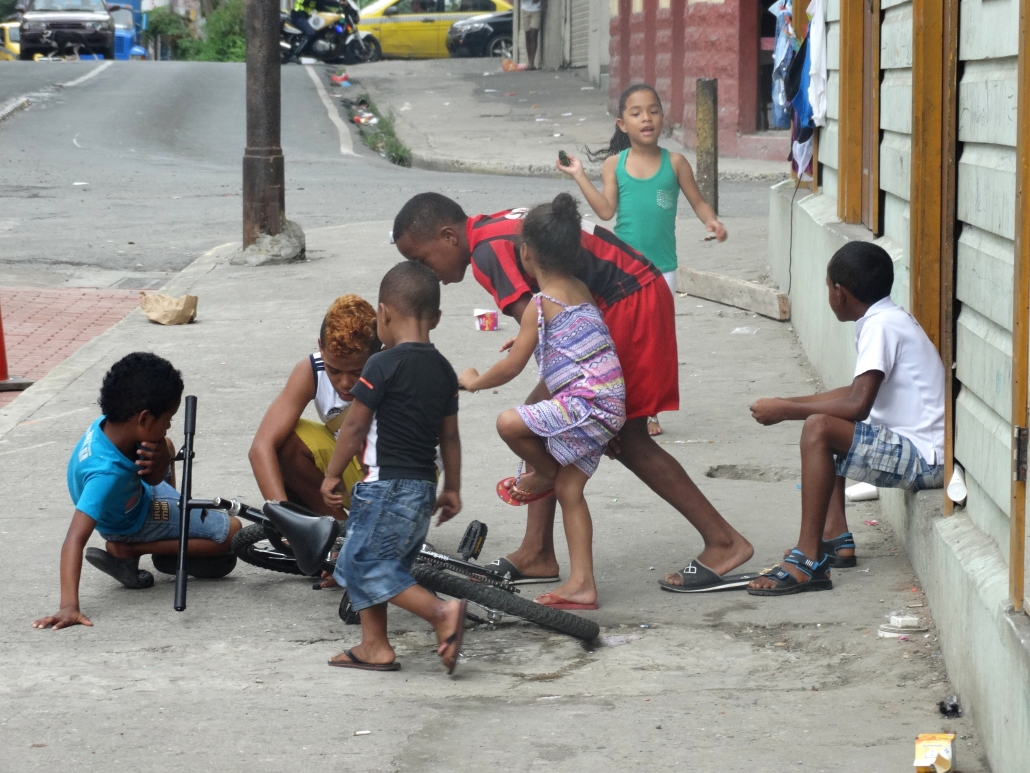
Educational Challenges in Rural PunjabThe literacy rate in Pakistan has increased significantly over time, with the national figure now exceeding 60%. Punjab leads this progress with a rate slightly above 66%. However, these statistics do not override the province’s barriers to education, particularly for working-class families. Thus, to learn more about the educational challenges in rural Punjab, The Borgen Project interviewed Laiba Waris. Waris is a 22-year-old girl whose family moved from Sialkot to Islamabad to escape societal pressure and seek better opportunities.

Despite being close to Pakistan’s industrial hubs, rural Sialkot still faces deep-rooted inequality. Most families rely on small trades, farming or daily labor to make a living. For many, educating their children, especially daughters, feels out of reach. Schools are limited, transportation is expensive and traditional gender norms remain strong.

Waris is the only one in her family still in school. Her brothers fully support her, doing what they can despite financial strain. “We do have a small business, but education expenses are a big burden,” she says.

Waris’ Story: Education Beyond Boundaries

To overcome these educational challenges in rural Punjab, Waris’ family moved to Islamabad. This marked a turning point in Waris’ life. “It’s good for my personality development and my life,” she says, explaining that university education has given her confidence and exposure that rural girls rarely experience.

Yet, the journey has not been easy. “I face difficulties in paying my fees and managing transport. My family supports me, but it’s not easy for them,” she adds. Her words reflect the quiet determination of many rural students who leave their homes in search of a better future.

The Gender Divide in Rural Punjab

Educational challenges in rural Punjab are deeply intersectional with gender. This reflects the province’s wider gender gap, where female literacy is just about 63.4% compared to 75.4% for males. In her hometown, education beyond matriculation is not very common for girls. “In our area, education is so difficult for girls after matric, very few continue,” Waris explains. “Most get married early or start working in factories.”

Waris considers herself lucky to have parents who believe in education. “They’re not conservative. They want me to study and have a good job. But there’s still a lot of social pressure. People talk, but my family appreciates me and is standing by me.” Encouragingly, she also notes progress. “In old times, there were very few girls going to school. But now, things are changing. More girls are studying and they’re more passionate than boys.”

Dreams and Determination

Waris’ ambitions stretch far beyond her village. She aspires to enter politics to represent and uplift her community. “Education is as important as water,” she says. “It gives life meaning and power. Without it, people remain trapped.”

Her words carry a powerful message for policymakers and citizens alike: scholarships, free education and transport systems are essential if rural students are to compete equally with their urban counterparts.

The Path Forward

Waris’ story, from rural Sialkot to Islamabad, mirrors the broader dilemma faced by Pakistan’s working class: whether to prioritize education or focus on survival. Her journey highlights the significance and ever-cascading educational challenges in rural Punjab.

She shares her story as both a personal triumph and a reminder that true progress depends on making education accessible to all, regardless of geography, gender or income. For now, Waris continues to study, fueled by hope that one day her success will help open doors for others in her village who still dream of learning.

– Sidra Tahir

Sidra is based in Rawalpindi, Pakistan and focuses on Technology and Politics for The Borgen Project.

Photo: Flickr
November 8, 2025
https://borgenproject.org/wp-content/uploads/borgen-project-logo.svg 0 0 Lynsey 2 https://borgenproject.org/wp-content/uploads/borgen-project-logo.svg Lynsey 22025-11-08 07:30:362025-11-08 01:27:19Education or Survival? Educational Challenges in Rural Punjab
Education, Global Poverty, Indigenous Peoples

Vocational Māori Education in New Zealand

Vocational Māori Education In New ZealandMāori in New Zealand face a culturally unsympathetic education system, which has hindered graduation rates and students’ prospects. With roots in debate regarding their separateness from other peoples, which directly affects how special provision is dispensed in mainstream education, there are several schemes to resituate Māori custom in students’ learning. New Zealand is at a cultural crossroads between facilitating Māori beliefs within the classroom or conversely encouraging students out of it into a vocational environment. Here is more information about vocational Māori education in New Zealand.

Contextualizing the Māori Experience

In 1840, there were 80,000 Māori in comparison to 2,000 non-Māori inhabiting New Zealand; by 1896, this figure has drastically reversed with 42,000 Māori to 700,000 non-Māori. Issues of inequality remain tightly bound to ethnicity as poverty disproportionately affects the Māori which, when combined with an education system that does not reflect their beliefs, has reinforced social barriers.

In 2023, 28.3% of Māori school leavers did not achieve the NCEA (National Certificate of Educational Achievement) Level 1, New Zealand’s official secondary school qualification, in contrast to just 14% of the non-Māori. Only 63.6% of Māori students remain enrolled in school until age 17, compared with 79% of non-Māori students.

Colonial Legacies or Responsibilities?

Educational disparities have close ties with historic prejudices; when European colonial authorities settled, the Māori experienced stigmatization. To form an agreement between the two, the settlers and the Māori signed the Treaty of Waitangi in 1840. However, Māori and English translations of the treaty vary on one crucial point: Māori authority. Article 3 of the treaty not only grants Māori with the same citizenship rights as European colonial authorities, but also states that the Crown should provide accessible and appropriate education. However, what some deem accessible and appropriate is both a changeable and controversial topic.

In a move the government hoped would create greater social equality, it formed the Treaty Principles Bill which was voted down in April 2025 and would have, had it not received a rejection, effectively dissolved the Treaty of Waitangi’s statement of the Māori’s need for individual determination and provision. Seeing differentiation as a form of discrimination or facilitation directly changes how Māori customs are honored, or not, in mainstream education. So, New Zealand’s continual legislative insecurity has resulted in alternate pathways to widen Māori access to education: the first within and the second outside of the classroom.

Schemes Within Mainstream Education

Against a defective educational background sits the so-called ‘Māori Renaissance,’ a phrase notably European in reference and a movement which prioritizes the iwi, the Māori term for their people. Created in 1995, the Māori Affairs Select Committee made a model to support iwi in their attainment of higher educational outcomes.

These outcomes were set to begin early, with the rollout of Te Kōhanga Reo from the 1980s providing a total immersion in Māori language for preschoolers. A more culturally conscious mode of teaching has also received encouragement in the classroom, as a renewed emphasis on building a whānau, an extended family, between teachers, students and parents has aimed to prevent further disaffiliation with mainstream education.

 The 2025 Budget further affirms this aim, adding another $50 million in New Zealand’s capital funding to support Māori students’ success with enhanced curriculum and teacher training, including but not limited to:

  •     Training 51,000 teachers for years 0-13 in Te Reo, the Māori language, and Tikanga, Māori customs 
  •     Creating a STEM virtual learning network to help 5,500 senior secondary school students 
  •     Developing Māori Studies as a subject area taught between years 11-13

There are also three Māori Universities offering anything from Bachelors in Māori Performing Arts, to Māori nursing, or even Mātauranga Māori, a degree in iwi philosophy. As an alternative to a purely vocational path, these courses bring Māori knowledge in line with more traditional degree paths to allow members of the community access to higher education without forfeiting their cultural beliefs.

However, on the June 7, 2025, the New Zealand government removed Māori and Pacific learners as an eligible category for extra funding, prompting insecurity and anxiety as to how Māori accommodations will continue to work in mainstream education.

Vocational Schemes Outside Mainstream Education

Vocational learning is an experience intrinsically Māori in practice, as past generations would impart crafts like weaving and woodworking in a familial practice known as the Tuakana teina dynamic. This principle also determines a Māori’s rights to ancestral lands, roles within the iwi and even, historically, potential marriages. With a focus on how individual responsibility intersects with the community, it provides an excellent framework for vocational training schemes.

A nonprofit actively utilizing this dynamic is the Tāwharau Housing Trust, which originated in 2017. It uses the customary acquisition models of the Māori community to teach trades within the construction industry, while also building affordable housing. One can translate ‘Tāwharau’ as the verb “to shelter” or the noun “a shelter,” which encapsulates the overall sustainability of the project as it not only addresses the housing needs of the immediate community, but provides future generations with the skills needed for job security. 

The Rotorua School of Māori Arts and Crafts

Another vocational Māori education scheme in New Zealand is The Rotorua School of Māori Arts and Crafts, which originated in 1926. Translated as “The World of Light,” kinship is built between students and their instructors as they work on projects together such as the building of a meeting house, dining rooms and various other community buildings. Many of their graduates rejoin as staff to train the next generation of Māori carvers in a cyclical pattern not only preserving traditional practices, but also careers which support creative and cultural expression.

The Māori Trade Training Scheme

 Finally, the Māori Trade Training Scheme, which has been operational since the 1960s, led Māori school leavers down vocational pathways by relocating them to specialist training centers. In addition to giving those who grew up in rural communities the opportunity to live in an urban environment, the trades on offer have come to range from carpentry to electrical work and even engineering to name a few.

Looking Ahead

Considering the closure of the Māori Trades and Training Fund on June 30 2025, the future of vocational Māori education in New Zealand is largely dependent on the community’s own self-determination in light of lost government aid. 

– Carys Davies

Carys is based in London, UK and focuses on Good News for The Borgen Project.

Photo: Pixabay

November 8, 2025
https://borgenproject.org/wp-content/uploads/borgen-project-logo.svg 0 0 Kim Thelwell https://borgenproject.org/wp-content/uploads/borgen-project-logo.svg Kim Thelwell2025-11-08 01:30:222025-11-08 01:15:45Vocational Māori Education in New Zealand
Page 9 of 241«‹7891011›»

Get Smarter

  • Global Poverty 101
  • Global Poverty… The Good News
  • Global Poverty & U.S. Jobs
  • Global Poverty and National Security
  • Innovative Solutions to Poverty
  • Global Poverty & Aid FAQ’s
Search Search

Take Action

  • Call Congress
  • Email Congress
  • Donate
  • 30 Ways to Help
  • Volunteer Ops
  • Internships
  • Courses & Certificates
  • The Podcast
Borgen Project

“The Borgen Project is an incredible nonprofit organization that is addressing poverty and hunger and working towards ending them.”

-The Huffington Post

Inside The Borgen Project

  • Contact
  • About
  • Financials
  • President
  • Board of Directors
  • Board of Advisors

International Links

  • UK Email Parliament
  • UK Donate
  • Canada Email Parliament

Get Smarter

  • Global Poverty 101
  • Global Poverty… The Good News
  • Global Poverty & U.S. Jobs
  • Global Poverty and National Security
  • Innovative Solutions to Poverty
  • Global Poverty & Aid FAQ’s

Ways to Help

  • Call Congress
  • Email Congress
  • Donate
  • 30 Ways to Help
  • Volunteer Ops
  • Internships
  • Courses & Certificates
  • The Podcast
Scroll to top Scroll to top Scroll to top