• Link to X
  • Link to Facebook
  • Link to Instagram
  • Link to TikTok
  • Link to Youtube
  • About
    • About Us
      • President
      • Board of Directors
      • Board of Advisors
      • Financials
      • Our Methodology
      • Success Tracker
      • Contact
  • Act Now
    • 30 Ways to Help
      • Email Congress
      • Call Congress
      • Volunteer
      • Courses & Certificates
      • Be a Donor
    • Internships
      • In-Office Internships
      • Remote Internships
    • Legislation
      • Politics 101
  • The Blog
  • The Podcast
  • Magazine
  • Donate
  • Click to open the search input field Click to open the search input field Search
  • Menu Menu

Archive for category: Education

Information and stories on education.

Education, Global Poverty, Technology

Tackling Digital Poverty in Punjab

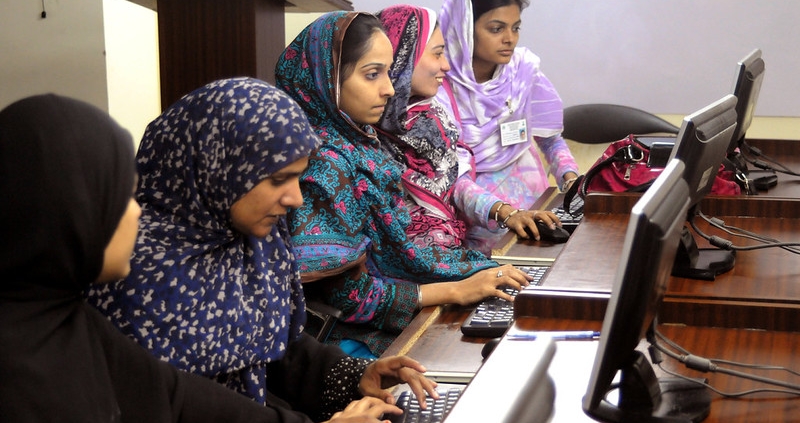
Tackling Digital Poverty in PunjabTackling digital poverty in Punjab is currently one of the highest priorities in achieving fair access to education. There is a low level of digital literacy in Punjab as a result of socioeconomic constraints, gender inequality and rural-urban divides. Rural and marginalized populations have limited device ownership, inadequate connectivity and high levels of digital illiteracy. Within the education system, children from low-income households, rural communities and female students face additional hurdles because of digital poverty.

In India, for every household that is online, about one household remains offline. This gap underscores how digital poverty is shaping educational outcomes and the scale of the challenge in addressing it. Academic performance is impacted by the digital divide. Disadvantaged learners face reduced educational persistence and limited career prospects.

To ensure fair access and inclusion for all students and to create equal opportunities both in school and in the job market later in life, digital poverty has become a pressing issue for India and Punjab.

POISE and Tackling Digital Poverty in Punjab

The World Bank Board of Executive Directors is addressing digital poverty in Punjab to improve education through the Punjab Outcomes-Acceleration in School Education Operation (POISE) program. An investment of $286 million has been made available for the project, which uses technology to monitor learning outcomes.

The investment means that 1.3 million primary school students are enrolled and more than 2.2 million secondary school students are also attending classes. In addition, 592,000 students in early childhood education will receive support through POISE. Digital infrastructure in schools will be expanded through the installation of computer labs, tablets and projectors, particularly for science and mathematics curricula.

Creating a Future Without Digital Poverty in Punjab

Paul Proccee, acting country director for the World Bank India, stated that “digital infrastructure has the potential to significantly drive economic development and poverty reduction.” He also noted that digital infrastructure can help fulfill “India’s vision of Viksit Bharat through quality education for better jobs.” 

Meghna Sharma and Ragnvald Michel Maellberg, task team leaders for the program, stated that “POISE will help to improve school readiness at pre-primary level, foundational learning at primary level, skills at the secondary level for school to higher education or work transition, as well as teacher training and school management.”

In recent years, India has shifted toward technology-led development. The aims of POISE include strengthening readiness for school, improving literacy and numeracy skills, enhancing the quality of STEM education and improving pathways into higher education and employment for students.

Looking Ahead

Tackling digital poverty in Punjab has the potential to transform education and expand opportunities for many students. The Digital Poverty Alliance has emphasized that digital poverty limits social and economic inclusion. The issue involves not only a lack of access to technology but also a lack of digital literacy and skills, which are essential in an increasingly connected world. POISE in Punjab represents a step toward ensuring that, regardless of background, more students have access to the opportunities created by the digital age.

– Suneel Mehmi

Suneel is based in London, UK and focuses on Good News for The Borgen Project.

Photo: Unsplash

March 11, 2026
https://borgenproject.org/wp-content/uploads/borgen-project-logo.svg 0 0 Precious Sheidu https://borgenproject.org/wp-content/uploads/borgen-project-logo.svg Precious Sheidu2026-03-11 07:30:142026-03-10 14:09:59Tackling Digital Poverty in Punjab
Education, Global Poverty, Technology

ZNotes: Reducing Learning Poverty Through Education

ZNotesEducation does not just reduce learning poverty. It also provides a better future and enhances the chances of people who did not have access to education before. This can provide greater access to jobs and reduce income inequality. 

Education can transform lives socially and empower people across demographics to improve their own lives. Even people in developing nations like India are achieving state ranks due to these educational opportunities. 

ZNotes

ZNotes is an educational platform created by Zubair Junjunia, who witnessed the inequalities students faced during their end-of-year exams. Junjunia launched the platform when he was just 16. Now, this platform has amassed a wealth of information to help people gain further access to educational rights.

With more than 500,000 subscribers to its databases, ZNotes has had a profound impact on more than 6 million students from more than 190 countries. Epic Angels is one of the educational platform’s biggest benefactors in the Asia Pacific region. 

The Importance of Education

UNESCO reports that global poverty would be reduced by more than 50% if everyone completed secondary education. During the COVID-19 pandemic, the learning poverty rate skyrocketed to about 70% due to limited access to educational resources. ZNotes is a good way to quell this hindrance. 

If everyone (including those in developing or low-income households) had proper access to education, then 171 million people would be able to have better lives and be free from poverty. Although ZNotes has garnered support from more than 4.5 million students globally, coverage of certain topics remains limited. 

How ZNotes Is Reducing Learning Poverty

ZNotes is an immensely popular online learning tool that has also won awards for its syllabus-tailored study materials, which increase the chances of getting good grades. What started as a personal effort quickly turned into a global fight against educational inequality. It has worked to reduce the rate of learning poverty ever since by connecting learners across cultures, genders and faiths. 

In these diverse spaces, students exchange guidance on university, internships and career pathways, widening access to valuable social capital. Beyond preparing students for high-stakes exams, ZNotes equips them for life after school. Through its internship and contribution programs, young people gain real-world experience in a global social impact startup, building both academic and employability skills. The results are clear: 77% of interns report stronger candidacy for jobs and future internships.

Conclusion

Education is a powerful yet complex tool to foster growth, independence and success. ZNotes is an online educational platform dedicated to working collaboratively with students to reduce learning poverty. With millions of supporters, ZNotes has significantly contributed to reducing learning poverty by empowering students to become globally connected, career-ready leaders through a combination of academic support and real-world experience.

– Shruti Reddy

Shruti is based in Cedarhurst, NY, USA and focuses on Technology and Solutions for The Borgen Project.

Photo: Flickr

March 9, 2026
https://borgenproject.org/wp-content/uploads/borgen-project-logo.svg 0 0 Lynsey 2 https://borgenproject.org/wp-content/uploads/borgen-project-logo.svg Lynsey 22026-03-09 07:30:592026-03-09 02:28:47ZNotes: Reducing Learning Poverty Through Education
Agriculture, Education, Global Poverty

Poverty Reduction in Namibia: Progress and Practical Solutions

poverty namibiaNamibia has made steady progress in reducing poverty since gaining independence in 1990, but many communities still face economic hardship. High unemployment, regional inequality and limited access to services continue to shape daily life for millions. Strengthening social protection, expanding education access and investing in rural development remain central to long-term poverty reduction in Namibia.

Poverty Trends and Current Challenges

Namibia reduced its national poverty rate from 37.7% in 2003 to 17.4% in 2021, according to the Namibia Statistics Agency. Yet broader indicators show that many households still experience deprivation. OPHI reports that 43% of Namibians live in multidimensional poverty, which includes limited access to health care, education and basic services.

Rural communities face the highest risks. UNICEF report notes that poverty is the highest in northern regions, where access to water, sanitation and employment remains limited.

Women and children experience the greatest vulnerability, according to Namibia’s 2024 Voluntary National Review, which highlights persistent gaps in nutrition, education and income stability.

Unemployment also remains a major barrier. Reuters reports Namibia’s broad unemployment rate as more than 36%, one of the highest in southern Africa.

Supporting Families and Skills Development

Namibia operates one of the most extensive social protection systems in the region. The Ministry of Gender Equality, Poverty Eradication and Social Welfare provides old-age pensions, child grants, disability support and food assistance. In 2023, more than 600,000 Namibians relied on social grants, according to The Namibian.

UNICEF’s Social Protection Budget Brief shows that grants significantly reduce poverty and narrow inequality gaps, especially for children and elderly residents.

Namibia has also tested innovative approaches. The Basic Income Grant pilot in Otjivero-Omitara showed improvements in nutrition, school attendance and local economic activity.

Education has been a national priority since independence. Namibia now maintains primary school enrollment above 95%, according to UNICEF. In 2025, the government announced plans to introduce free higher education and vocational training beginning in 2026. This expansion aims to help young people enter careers in agriculture, construction, information technology and renewable energy.

Agricultural Investment and Economic Diversification

Agriculture remains a major source of income for rural households. The Namibia Agricultural Mechanization and Seed Improvement Project (NAMSIP) provides farmers with equipment, improved seeds and training to strengthen food security. 

The Green Scheme irrigation program expands crop production and market access for small-scale farmers. Recent reporting from New Era shows that Green Scheme projects are increasing productivity and helping communities adapt to climate challenges. 

Land access remains central to Namibia’s poverty reduction strategy. The Legal Assistance Centre documents ongoing efforts to redistribute commercial farmland and provide training to resettled families. Beneficiaries who receive continued technical support report higher food security and more stable incomes. Rural development projects (including road upgrades, water infrastructure and electrification) could also help communities access markets, schools and health services. These improvements strengthen local economies and reduce regional inequality.

Namibia is internationally recognized for its Community-Based Natural Resource Management (CBNRM) program. Through conservancies, communities manage wildlife and benefit directly from tourism and conservation income.

Maliasili’s analysis highlights that conservancies generate millions of dollars in community revenue each year and support women’s cooperatives, youth enterprises and local governance. 

Look Forward To What’s Ahead

Namibia’s progress shows that consistent investment and inclusive policy can reduce poverty. Strengthening social protection, expanding education, supporting farmers and improving land access remain essential pillars of poverty reduction in Namibia. Continued collaboration between government agencies, community organizations and international partners will be vital to ensuring long-term stability and shared economic growth.

– Angela ‘Phoenix’ Garrett

Angela is based in Chicago, IL, USA, and focuses on Good News and Global Health for The Borgen Project.

Photo: Flickr
March 9, 2026
https://borgenproject.org/wp-content/uploads/borgen-project-logo.svg 0 0 Naida Jahic https://borgenproject.org/wp-content/uploads/borgen-project-logo.svg Naida Jahic2026-03-09 01:30:292026-03-08 11:06:25Poverty Reduction in Namibia: Progress and Practical Solutions
Education, Global Poverty, Government

Eradicating Extreme Poverty in Brazil: Brasil Sem Miséria

Brasil Sem MisériaBrazil is a country situated in South America, consisting of 26 states and is home to the official language, Portuguese. With a population of 211,140,729 as of 2023, according to the World Health Organization (WHO), it occupies nearly half of South America. A governmental social program named Brasil Sem Miséria, created in 2011, aims to lift a large proportion of the country suffering from extreme poverty. Some focuses include providing access to social services for individuals and improving rural production for farmers. The scheme has primarily been targeted in the Northeast region of the country.

Poverty in the Northeast of Brazil

The Northeast of Brazil is the largest region in Latin America suffering from rural poverty. According to the World Bank, 5.4 million of the 45 million people living in the Northeast live on around $1 a day. The area suffers from geographical struggles, such as frequent severe droughts and unequal distribution of land, causing individuals to be reluctant to engage in social programs and government assistance.

It comprises nine states, including Maranhão, Piauí, Ceará, Rio Grande do Norte, Paraíba, Pernambuco, Alagoas, Sergipe and Bahia, as well as Fernando de Noronha. According to ScienceDirect, more than 70% of farmers in the Northeast Region are classed as poor or extremely poor. The agricultural sector is a significant income generator for a large number of people in rural areas. Farmers, especially, are reliant on their income from agricultural work, and climate change and prolonged periods of drought have and continue to result in fluctuating markets due to the unpredictability of price, supply and demand.

Brasil Sem Miséria

Brazil Without Extreme Poverty, also known as Brasil Sem Miséria, consists of various social programs to lift Brazil from extreme poverty. Created in 2011 by President Dilma Rousseff, the program was designed to support a large number of individuals. Some targets include:

  • Targeting children
  • Full-time education
  • Access to jobs
  • Rural food production and farmers

Accomplishments So Far

  • Targeting Children. Children must learn the foundations of human development, relating to their health, intellectual mind and physical well-being, especially for those living in poverty. According to World Without Poverty (WWP), Brasil Sem Miséria provided investment worth R$450 million in 2013 to enable children to stay well-fed and motivated as they grow.
  • Full-Time Education. The program consisted of expanding school days through Brasil Sem Miséria to strengthen learning and reduce inequalities. The policy has been adopted by nearly 30,000 schools. The Ministry of Education (MEC) invested and aimed to increase the number of full-time schools in Brazil from 32,000 to 46,000.
  • Access to Jobs. Free courses were available through the Brasil Sem Miséria job program, called the Plan’s Access to Technical Learning and to Jobs National Program. To date, there are 481 choices of profession, oriented to various sectors, including industry, trade, agriculture and cattle farming. More specific courses include computing, electrician, receptionist, etc.
  • Rural Food Production and Farmers. To maintain Brazil’s rich agricultural economy, Brasil Sem Miséria intended to work with rural families to enhance their production rates so the quality, quantity and value of produce increase, contributing to increasing income for family farmers. The Technical Assistance and Rural Extension (Ater) was hired to support 260,000 families, according to World Without Poverty (WWP).

Looking Ahead

Extreme poverty in the Northeast rural region of Brazil remains and continues to impact a large proportion of the population. However, government social programs, like Brasil Sem Miséria, have and will continue to lift various individuals out of poverty. Young children, farmers and rural families have already experienced progress by stabilizing healthier lives for the future.

– Zara Ashraf

Zara is based in London, UK and focuses on Good News for The Borgen Project.

Photo: Unsplash

March 7, 2026
https://borgenproject.org/wp-content/uploads/borgen-project-logo.svg 0 0 Precious Sheidu https://borgenproject.org/wp-content/uploads/borgen-project-logo.svg Precious Sheidu2026-03-07 07:30:192026-03-07 02:41:42Eradicating Extreme Poverty in Brazil: Brasil Sem Miséria
Education, Global Poverty, Innovations

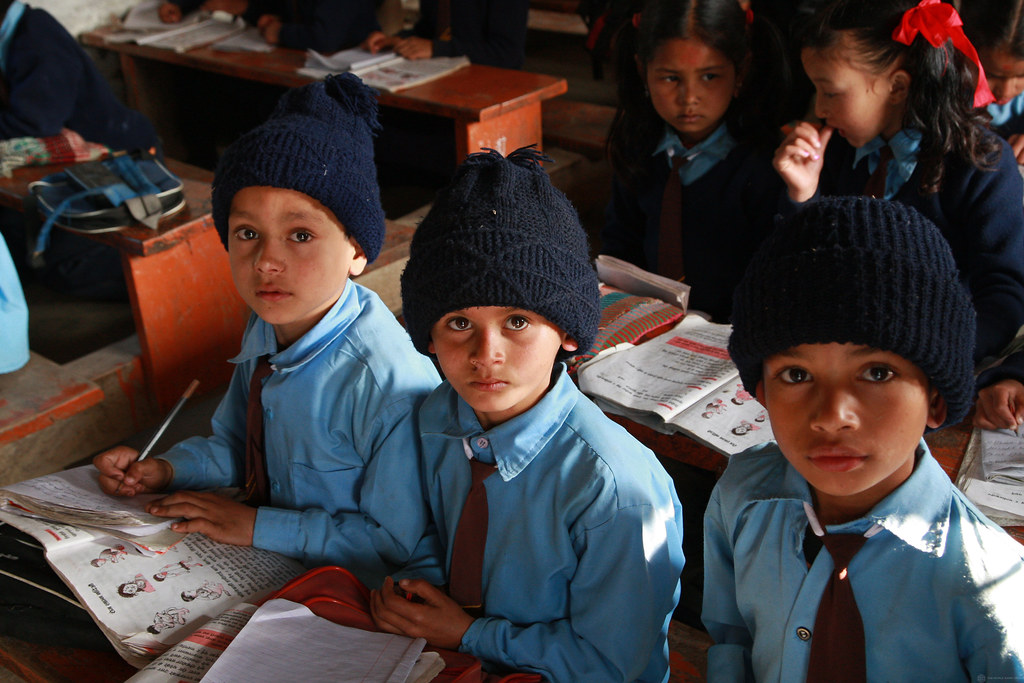
Education Innovation in Cuba Expands Cultural Learning

Education Innovation in Cuba Expands Cultural LearningEducation innovation in Cuba is advancing inclusive classroom practices through a new interactive educational game introduced by the United Nations Educational, Scientific and Cultural Organization (UNESCO) in Havana. The tool, titled “African Diaspora,” encourages students to explore African heritage and its cultural influence in the Caribbean through participatory learning.

UNESCO Launches “African Diaspora” Game

UNESCO introduced the “African Diaspora” game through its Regional Office in Havana as a new educational tool for learning about Africa and its descendants in the Caribbean. The resource uses illustrated cards, game boards and creative activities that promote collaboration and help participants place episodes, characters and Afro-descendant traditions in context.

Supporting the General History of Africa Project

UNESCO launched the General History of Africa project in 1964 to address gaps in how Africa’s history is documented and taught from an African perspective. The United Nations (U.N.) describes the project as an effort to remedy widespread ignorance of Africa’s history and to promote a fuller understanding through education.

The “African Diaspora” educational game draws inspiration from this broader initiative by focusing on Africa’s connections to the Caribbean region.

Education Innovation in Cuba and Inclusive Learning

Education innovation in Cuba reflects efforts to modernize teaching approaches while supporting student engagement through interactive classroom tools. According to World Bank data, Cuba reports near-universal adult literacy.

The “African Diaspora” tool aims to help students examine cultural traditions and historical narratives linked to Africa and Afro-descendant communities in the Caribbean.

Regional Collaboration and Broader Impact

Prensa Latina reported that the resource highlights Afro-descendant traditions from Cuba, the Dominican Republic and Venezuela, supporting a regional approach to learning. 

UNESCO continues to promote and expand the General History of Africa project as a long-standing effort to strengthen educational materials on Africa and its diasporas, showing how interactive classroom tools can support cultural awareness while strengthening student engagement.

– Isil Ertas Senturk

Isil is based in Oakville, Ontario, Canada and focuses on Good News for The Borgen Project.

Photo: Flickr
March 3, 2026
https://borgenproject.org/wp-content/uploads/borgen-project-logo.svg 0 0 Precious Sheidu https://borgenproject.org/wp-content/uploads/borgen-project-logo.svg Precious Sheidu2026-03-03 07:30:562026-03-02 23:50:29Education Innovation in Cuba Expands Cultural Learning
Developing Countries, Education, Global Poverty, Poverty Reduction

Fighting Poverty Through Education in Latin America

Education in Latin AmericaWhen thinking about their childhood, most people remember their first day of school, learning their ABCs and basic math operations. For most, childhood and education go hand in hand as essential steps that help an individual learn, mature and transition into adulthood. However, many children in Latin America lack access to this experience. 

Before COVID-19, roughly 52% of children in Latin America were unable to read and understand simple text. The pandemic has made this situation even worse, with young generations being less educated and lacking the tools necessary to transition into adulthood. However, international organizations are fighting poverty through younger generations by increasing investments in education to create a brighter future for millions of children across Latin America.

Learning Crisis

Over the last two decades, many countries in Latin America have experienced a learning crisis related to their younger generations. This crisis can take different forms across countries, depending on their specific geographic and social characteristics. In Argentina, for example, the most affected children are those living in rural areas, far from cities and their services. 

As a result, many teachers are forced to teach children from multiple grades, ages and abilities in the same classroom, being unable to personalize the learning experience and focus on individual students. In other countries, such as Haiti, the learning crisis is related to the provision of educational opportunities to all members of the population. 

In Haiti specifically, nearly 80% of primary schools are non-public, thus limiting access to education to those who can pay, on average, $130 per year. Many families cannot afford education and other necessities, so they decide not to send their children to school.

What Is Being Done?

To address the education crisis plaguing Latin America, several international organizations have stepped up efforts to expand access to education across the region. In September 2025, the Development Bank of Latin America and the Caribbean (CAF) launched the LAC Future Bank. It is a five-year strategy designed to benefit 50 million children in Latin America through a $5 billion regional investment.

These funds will be used to develop projects that prioritize children and their needs, including education. Although this initiative addresses other issues related to childhood well-being, education is a main area of focus to “break cycles of poverty and inequality.” In Haiti, programs and organizations, such as the International Development Association (IDA) and its partners, have focused primarily on funding for millions of children. 

From 2013 to 2023, IDA and partner organizations provided roughly half a million tuition waivers to children who could not afford to attend school. In other countries, such as El Salvador, projects like the “Growing up and Learning Together: Comprehensive Early Childhood Development Project” are working to create safe, clean schools with essential services for children.

The Impacts

Although it is difficult to measure the effectiveness of these investments in the short term, there have been early signs of improvement. World Bank investments have enabled middle-income countries to reduce their dropout rates and boost learning outcomes. Slowly but surely, improvements in education quality and access in Latin America are key to a more productive, inclusive and sustainable development pattern in the future for many countries across the region.

– Rodrigo Salgado

Rodrigo is based in Boulder, CO, USA and focuses on Good News for The Borgen Project.

Photo: Unsplash

March 2, 2026
https://borgenproject.org/wp-content/uploads/borgen-project-logo.svg 0 0 Lynsey 2 https://borgenproject.org/wp-content/uploads/borgen-project-logo.svg Lynsey 22026-03-02 07:30:522026-03-02 00:52:34Fighting Poverty Through Education in Latin America
Child Poverty, Education, Global Poverty

Rouble Nagi: Solving Child Poverty in India With Art and Education

Child Poverty in IndiaFew activists can say that their work has made a difference in more than 100 communities and improved the lives of more than a million underprivileged children. But Rouble Nagi, a teacher and an artist from India, has a resume unlike any other. Through her work as an artist and educator, she has developed a unique and innovative approach to alleviating child poverty in India by providing adolescents with free, flexible education. 

Her work primarily involves building education facilities and transforming the walls of abandoned buildings into educational murals. Indeed, these murals, which she calls “Living Walls of Learning,” teach reading, math, science and more, providing children with accessible learning opportunities. In February 2026, she was awarded the 2026 GEMS Education Global Teacher Prize for her outstanding work on the ground in marginalized communities.

A Hero for India’s Underprivileged Youth

India has the largest child population in the world, with 253 million adolescents out of 1.46 billion people and 25% of these children are living in poverty without access to education. As one of the largest nations in the world, India’s youth will be essential to the future of India and the world. But not enough of these children are getting the care and services they need to grow up with good physical and intellectual health. 

Many factors keep impoverished children from attending school, primarily child labor, child marriage and a lack of proper education facilities. However, Nagi has found a way to work around this. She has designed an education system that works around the challenges facing India’s youth. Her education facilities offer lenient schedules, where children learn practical skills they will use in everyday life.

Nagi has created more than 800 classrooms and murals across more than 100 slums and communities through her organization, the Rouble Nagi Art Foundation (RNAF), resulting in astounding progress. For the one million children who attend her classrooms, she has reduced the dropout rate by 50% and helped ensure they stay in school until completion. Through art, compassion and hard work, Nagi has been a hero to India’s youth and a pioneer in ending child poverty.

Recipient of the 2026 Global Teacher Prize

The GEMS Education Global Teacher Prize is an initiative organized by the Varkey Foundation and UNESCO. Each year, judges select a teacher who has exemplified what it means to be an outstanding educator. The winner receives a $1 million prize for their accomplishments. 

The most recent Global Teacher Prize went to Nagi for the sheer expanse of her positive impact on children’s education in India. She received this award at the 2026 World Governments Summit in Dubai. Judges chose Nagi out of more than 5,000 nominees from 139 countries, describing her as representing the very best of what teaching can be.

What Is Next?

With the $1 million reward she received, Nagi plans to continue providing education to marginalized youth to expand their opportunities and help them lead better lives. Specifically, she plans to build a specialized skilling institute, where she will provide free online and in-person literacy training. She exemplifies what it means to take action to improve the lives of those less fortunate. 

Though child poverty in India remains alarmingly high, pioneers like Nagi are always emerging from the woodwork and taking charge of creating a better future. Her work isn’t done either; she plans to improve the lives of millions more, bringing an end to child poverty step by step.

– Lucas Cain

Lucas is based in Pittsburgh, PA, USA and focuses on Good News and Technology for The Borgen Project.

Photo: Flickr

March 2, 2026
https://borgenproject.org/wp-content/uploads/borgen-project-logo.svg 0 0 Lynsey 2 https://borgenproject.org/wp-content/uploads/borgen-project-logo.svg Lynsey 22026-03-02 01:30:062026-03-02 00:35:58Rouble Nagi: Solving Child Poverty in India With Art and Education
Education, Global Poverty, Nonprofit Organizations and NGOs

Using Technology to Improve Education in Tanzania

Education System in TanzaniaTanzania, a country in East Africa, has faced many years of poverty and hardships under its government that bled into the education department. Due to a lack of support in finding teachers, supplies, and high dropout rates in the education system, it took a while for someone to find a solution to ease the transition of teaching English. 

The national language in Tanzania is Swahili (Kiswahili), with English as the second most common. In Tanzania, there is no push to learn English at a young age, which causes children to drop out and be left in a pitfall without the opportunity to learn and the inability to be employed in higher-paying jobs. 

The setbacks that children face in Tanzania are not their fault. Despite the education system’s flaws, there is a group of hardworking people who are using technology to help bridge the English gap and keep students in school.

Selfless Solutions (E-Shuleni)

After a volunteer trip to Tanzania, Patrick Irwin saw how much the children in Tanzania wanted to learn, but didn’t have the resources to learn. Irwin wanted to make a change in providing education and using technology to bridge the language barrier, and seeing the motivations of the kids encouraged Irwin to keep going.

“When you see with your own eyes just how much the kids are developing thanks to the work of our organization and all the people involved, it gives you a lot of motivation to continue to do the things that aren’t necessarily as fun,” Iwrin said. 

“E-Shuleni” is the technology used as a way to help children transition to learning English with more ease. For seven years, children are taught Swahili, and once the students complete primary school, an abrupt switch to learning English happens. This switch often causes struggles to keep up with the curriculum, and many students drop out. 

Struggles in Education

The education system in Tanzania, though scoring high rates on their exams, continues to struggle with other problems: overcrowding, teacher shortages, financial struggles, and resource gaps are just some of the problems that they still face. 

Poor proficiency in English as the medium of instruction was a major factor contributing to higher dropout rates in early secondary grades, according to a study by Consortia Academy. School records revealed that many students…struggled to understand lessons and communicate effectively in English…This language barrier created significant learning challenges, limiting students’ participation in class and their ability to perform well in assessments, ultimately contributing to early school withdrawal.

These problems, though not significant to just Tanzania, are problems that many surrounding countries face. However, the problems of education and solutions to fix those problems are focused solely on Tanzania, because each country is different. 

Focusing on education in just Tanzania with the Selfless Solutions program, Irwin believes that this will, in turn, bring more support and a steady footing underneath. Instead of trying to branch out to different countries. 

“We are focused on strengthening and sustaining existing programs that we have rather than expanding into new areas,” Irwin said. “Our program is designed to scale and expand across Tanzania, but it may not be suitable for neighboring countries like Kenya and Uganda.”

Since 2019, when Selfless Solutions was founded, this program has created a bright and supportive future for the children in Tanzania. 

Future of Selfless Solutions

Following the success and positive results from the pilot of “E-Shuleni,” the enterprise of teaching children English has expanded to seeking new partnerships and groups.

Selfless Solutions expanded “E-Shuleni” to the new “E-Shuleni” Reading Club. The reason behind this is the first class that used this technology, the children completed the full e-learning program. These children have now moved to grade 5, aiding in the improvement of children who surpass the dropout rate when they start to learn English. 

The students come together every week to read, practice, and stay connected to English. Irwin believes that hope and self-belief are not contained in the classroom, and that a child is influenced when they are at home or in their community. Selfless Solutions creates a groundwork and steadiness for more things in life, not just education.

– Elizabeth Fryer

Elizabeth is based in Philadelphia, PA, USA and focuses on Good News and Technology for The Borgen Project.

Photo: Selfless Solutions

March 1, 2026
https://borgenproject.org/wp-content/uploads/borgen-project-logo.svg 0 0 Precious Sheidu https://borgenproject.org/wp-content/uploads/borgen-project-logo.svg Precious Sheidu2026-03-01 03:00:052026-02-28 23:50:01Using Technology to Improve Education in Tanzania
Education, Global Poverty, Health

Trail Bridges in Nepal: Improving Access to Schools and Clinics

Trail Bridges in NepalIn Nepal’s hill and mountain districts, seasonal rivers often separate communities from essential services. During monsoon season, rising water levels can wash away temporary crossings, forcing children, patients and families to take long detours or attempt unsafe river crossings. Trail bridges in rural Nepal are helping restore safe, year-round access to schools, health posts and emergency care. By replacing damaged or temporary crossings with durable pedestrian suspension bridges, Nepal’s trail bridge program helps reduce travel time and improve safety for rural communities.

Infrastructure and Recovery Needs

The need for resilient rural infrastructure intensified after the 2015 earthquake, which affected 31 districts and damaged transport links and public facilities. In many hill and mountain areas, the absence of a bridge can significantly extend travel time to schools, markets and health facilities, particularly during monsoon periods.

Nepal’s Department of Local Infrastructure (DoLI) coordinates the Trail Bridge Sector Wide Approach (TB SWAp), which provides national standards, financing mechanisms and institutional coordination across federal, provincial and local governments. According to DoLI, Nepal had 8,444 trail bridges in place under the sector framework, with an estimated 4,000 to 5,000 additional bridges still needed to ensure safer crossings and reduce long detours.

The framework sets an access objective aimed at limiting detours to safer crossings to within one hour, with particular focus on rural and disadvantaged communities.

Implementation relies on standardized technical designs, trained bridge builders, user committees and quality monitoring systems operating under national guidelines.

Construction Momentum and National Scale

A 2023 regional presentation on Nepal’s trail bridge sector reported that Nepal reached 10,000 trail bridges by 2023 and constructed 740 trail bridges in fiscal year 2022/2023. The same presentation reported that approximately 1 million people use a trail bridge each day.

Switzerland’s development agency, the Swiss Agency for Development and Cooperation, has supported Nepal’s trail bridge program since the 1960s.

Swiss government reports that Swiss technical support and funding support helped build more than 8,000 trail bridges, improving access to services for millions of people.

Measurable Gains in Education and Health Access

Switzerland’s government reported that the trail bridge program improved access for more than 18 million people, with about 1.4 million people using trail bridges daily.

In areas near newly built trail bridges, average school attendance increased by 16%, and visits to health centers increased by 26%.

Helvetas, which provides technical verification and engineering support to the Nepali government, reports similar outcomes: school attendance increases by an average of 16% and consultations at health centers rise by 26% following construction of a new trail bridge.

Helvetas also reports that each bridge shortens and secures travel routes for an average of approximately 1,800 people.

Why the Model Works

Nepal’s trail bridge sector combines national technical standards with decentralized delivery. The TB SWAp framework outlines institutionalized norms, standardized manuals and training systems that support construction and monitoring at multiple levels of government.

The UNCRD presentation notes that average annual construction increased under the sector-wide approach, reflecting strengthened coordination and sector planning.

Helvetas reports that more than 10,000 trail bridges have now been built in Nepal, many verified through long-term partnerships with the government.

Swiss development reporting highlights that Nepal has developed the institutional capacity to plan, construct and maintain trail bridges through national and subnational systems.

Continuing Need

Despite progress, thousands of additional crossings remain necessary to reduce unsafe river crossings and long detours in rural areas.

Documented increases in school attendance and health facility visits indicate that trail bridges in rural Nepal remain a practical and evidence-based approach to improving access to essential services for remote and marginalized communities.

– Kira Rai

Kira is based in London, UK and focuses on Good News for The Borgen Project.

Photo: Flickr

February 27, 2026
https://borgenproject.org/wp-content/uploads/borgen-project-logo.svg 0 0 Naida Jahic https://borgenproject.org/wp-content/uploads/borgen-project-logo.svg Naida Jahic2026-02-27 07:30:512026-02-27 03:46:20Trail Bridges in Nepal: Improving Access to Schools and Clinics
Education, Food Insecurity, Global Poverty

Spotlighting 5 Charities in the Galapagos

Charities in the GalapagosAlthough the main focus of many charities operating throughout the Galapagos Islands is wildlife conservation-based, efforts also prioritize the residents of these islands. More than 25% of residents in Ecuador and the Galapagos Islands are living in poverty. Below are five charities in the Galapagos doing work in the islands to help.

1. The Charles Darwin Foundation

In 1959, a group of scientists and researchers created the Charles Darwin Foundation to preserve the communities across the Galapagos Islands. Since then, it has only grown, becoming one of the leading charities in the Galapagos.

Volunteers are able to utilize the work they are putting into the environment to better the lives of the residents. Not only do they offer a comprehensive science education program, but they have also created clubs and social groups for the children enrolled. These opportunities are not something they can find elsewhere. 

In addition to their classes and experiential learning activities, the foundation has traveling libraries to supplement the lack of them on the Floreana and Isabela islands. By providing 1,500 children with advanced education each year, it gives them additional opportunities for their future, widening what was previously available to them. 

Education resources in the Galapagos Islands are extremely limited, so these programs are valuable to children living in poverty if they hope to have ample job prospects as they approach adulthood.

2. Ecuador Volunteer Fundacion

Ecuador Volunteer Fundacion has curated a vast network of volunteers across the globe who work to aid the community in the Galapagos. It is helping to better the lives of many by flying out volunteers to help directly, taking donations to increase their assistance budget and more. Its volunteers work closely with both children and adults on the islands to help them succeed. Because of its efforts, 1,437+ families have received natural, healthy food bags. On top of this, 1,161+ children have received a strong education and benefited developmentally.

These families are reliant on this kind of charity work as food and water insecurity are prominent in the Galapagos. It primarily receives food through imports from Ecuador, which often results in a decrease in the quality and nutritional value.

3. The Intrepid Foundation: Galapagos Conservancy

The primary focus of this foundation is to raise funds to support the people of the Galapagos Islands through a donation portal. It advocates for the often less-recognized troubles these communities face.

It pushes for women to have equal access to job opportunities and supports women’s leadership throughout the islands, desiring an inclusive environment. Through this, families can better support themselves financially. In tandem with this, it advocates for women to have a part in the conservation of their home. A large part of the work that charities in the Galapagos are doing is environmental, and they push for all residents to be included in that.

As this foundation has progressed, 60 women now have steady support to pursue sustainability and nutrition based work. The grants they have received have been as much as $10,000.

4. Galapagos Conservation Trust

The Galapagos Conservation Trust is composed of volunteers, scientists, citizen scientists, supporting members and the many people who donate. All of these people work together to curate a sustainable, hospitable home for the people of the Galapagos.

It works directly with community members and scientists from the islands to empower them to sustain conservation efforts in their communities. It is ensuring the future of their children, grandchildren and more by having sustainable development.

Volunteers also provide families with food security through the Urban Family Gardening project. Starting in 2020, it has supported local families in starting their own gardens and growing their own food to ensure their well-being. This project makes it so that the children of the islands are receiving healthy food, especially as importing from the mainland has been less effective after the COVID-19 pandemic. In just its first year, it reached 525 families and 19 teachers, and only more since.

5. Heifer International

Heifer International operates in nearly 20 countries to promote food security for impoverished families across the world. Particularly, in Ecuador and the Galapagos Islands, it aids rural communities in connecting with larger markets to promote their farming economy. Rather than focusing solely on the short term, it works to grow the islands’ economy over time.

It has had more than 600,000 participants in its program in Ecuador and the Galapagos Islands since 1993, empowering people to grow their own food and take their agricultural businesses to the next level. As residents grow their own food, access to food is inherently more stable than relying on imports from elsewhere. By 2030, it hopes to have sustainable food systems operating in 189,000 households and rural areas to help them overcome poverty, food insecurity and eventually have a stable, livable income.

Final Remarks

As more charities expand to include the Galapagos in their ventures, and new ones pop up fully devoted to the islands, the percentage of islanders living in poverty will decrease further. It is important to support these organizations to make stability for these residents a possibility.

– Megan McGrath

Megan is based in Verona, NJ, USA and focuses on Good News and Global Health for The Borgen Project.

Photo: Flickr

February 27, 2026
https://borgenproject.org/wp-content/uploads/borgen-project-logo.svg 0 0 Jennifer Philipp https://borgenproject.org/wp-content/uploads/borgen-project-logo.svg Jennifer Philipp2026-02-27 07:30:432026-02-27 03:40:52Spotlighting 5 Charities in the Galapagos
Page 8 of 244«‹678910›»

Get Smarter

  • Global Poverty 101
  • Global Poverty… The Good News
  • Global Poverty & U.S. Jobs
  • Global Poverty and National Security
  • Innovative Solutions to Poverty
  • Global Poverty & Aid FAQ’s
Search Search

Take Action

  • Call Congress
  • Email Congress
  • Donate
  • 30 Ways to Help
  • Volunteer Ops
  • Internships
  • Courses & Certificates
  • The Podcast
Borgen Project

“The Borgen Project is an incredible nonprofit organization that is addressing poverty and hunger and working towards ending them.”

-The Huffington Post

Inside The Borgen Project

  • Contact
  • About
  • Financials
  • President
  • Board of Directors
  • Board of Advisors

International Links

  • UK Email Parliament
  • UK Donate
  • Canada Email Parliament

Get Smarter

  • Global Poverty 101
  • Global Poverty… The Good News
  • Global Poverty & U.S. Jobs
  • Global Poverty and National Security
  • Innovative Solutions to Poverty
  • Global Poverty & Aid FAQ’s

Ways to Help

  • Call Congress
  • Email Congress
  • Donate
  • 30 Ways to Help
  • Volunteer Ops
  • Internships
  • Courses & Certificates
  • The Podcast
Scroll to top Scroll to top Scroll to top