How Public Libraries Are Alleviating Poverty in Rural South Africa
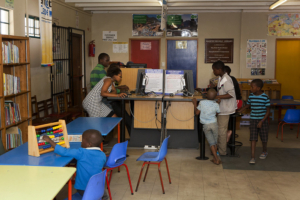 In rural South Africa, where access to education, technology and employment opportunities is often limited, public libraries are playing a pivotal role in breaking the cycle of poverty. These libraries have transformed into vital community hubs that offer much more than just reading materials. They are gateways to education, digital literacy and skills development, providing rural populations with the tools they need to improve their livelihoods.
The Role of Public Libraries in Rural South Africa
Public libraries in rural South Africa play an essential role in enhancing the local information environment by providing equitable access to information, education and digital tools. In areas with limited resources, these libraries serve as crucial community hubs, offering a wide range of services, including access to books, the internet and educational programs. By bridging the digital divide, public libraries empower individuals with the skills needed to navigate the digital world, improving their chances of economic success and social inclusion.
Furthermore, libraries facilitate lifelong learning by offering various educational opportunities, from early childhood literacy programs to adult education and vocational training. In this way, public libraries help address information poverty, promote equality and contribute to sustainable development, alleviating poverty in rural communities across South Africa.
Empowering the Next Generation
One of the most significant ways libraries help reduce poverty in rural South Africa is through their work with children and young people. In under-resourced communities, libraries serve as spaces for learning and personal development. Programs such as after-school tutoring, reading clubs and skills workshops help improve literacy and encourage a lasting interest in education.
By supporting the education of the next generation, libraries play a vital role in breaking the cycle of poverty that has held many families back for generations. For young adults, libraries offer opportunities for personal development and career advancement. Workshops on job readiness, training on resume writing, application processes and interview skills are often conducted in collaboration with organizations.
These programs give young people the tools they need to succeed in the job market and secure employment, thus enhancing their economic prospects and contributing to local economic growth.
Access to Information and Resources for Adults
Public libraries also serve as vital resources for adults seeking to improve their lives. In rural South Africa, many adults face unemployment or underemployment, often due to limited skills or restricted access to information. Libraries help address this gap by offering resources that go beyond traditional reading and language support.
Today, public libraries play an important role in promoting Media and Information Literacy (MIL). In an increasingly digital world, they help individuals develop the skills needed to critically engage with information, assess sources and use digital tools responsibly. Supported by UNESCO, MIL equips people to navigate online spaces safely and build trust in digital technologies.
This includes addressing challenges such as the spread of misinformation and disinformation, hate speech and the growing decline in trust toward media and digital technologies like artificial intelligence. By offering MIL resources alongside traditional literacy programs, libraries empower individuals to make informed decisions and engage more effectively with the information ecosystem. Over time, these efforts contribute to reducing poverty in rural South Africa by strengthening digital confidence, critical thinking and access to opportunity.
Success Stories: Impacting Lives in Rural Communities
One notable success story is the African Library Project. This nonprofit organization establishes libraries in rural and underserved communities across Africa. The initiative has played a key role in improving literacy rates and expanding educational opportunities by collecting and distributing books to schools and local libraries.
Through partnerships with community members and volunteers, the African Library Project helps create sustainable, resource-rich libraries that support both students and adults. These efforts not only provide access to essential learning materials but also encourage a culture of reading, helping to bridge educational gaps and promote lifelong learning across the continent.
Overcoming Challenges and Looking Ahead
Despite the positive impact that public libraries have had, challenges remain. Many libraries in rural South Africa face challenges, including a lack of competent, qualified staff and outdated, limited resources. However, there is hope.
Efforts are underway to address these challenges. Recent studies and advocacy initiatives highlight the important role libraries play in development, particularly as public access points for information and communication technologies (ICTs) and community-based programs. Organizations such as the International Federation of Library Associations and Institutions (IFLA) and the African Library and Information Associations and Institutions (AfLIA) are actively working to amplify the impact of African libraries and expand their role in development efforts.
These efforts, supported by local and international advocates, reflect a growing recognition of libraries’ transformative power to foster development and improve access to information in underserved communities. With sustained support, public libraries can become powerful agents of change in the fight against rural poverty. By providing access to knowledge, skills and opportunities, they help individuals build better futures for themselves and their communities.
– Chris Tang
Chris is based in Singapore and focuses on Good News and Technology for The Borgen Project.
Photo: Flickr
