• Link to X
  • Link to Facebook
  • Link to Instagram
  • Link to TikTok
  • Link to Youtube
  • About
    • About Us
      • President
      • Board of Directors
      • Board of Advisors
      • Financials
      • Our Methodology
      • Success Tracker
      • Contact
  • Act Now
    • 30 Ways to Help
      • Email Congress
      • Call Congress
      • Volunteer
      • Courses & Certificates
      • Be a Donor
    • Internships
      • In-Office Internships
      • Remote Internships
    • Legislation
      • Politics 101
  • The Blog
  • The Podcast
  • Magazine
  • Donate
  • Click to open the search input field Click to open the search input field Search
  • Menu Menu

Archive for category: Education

Information and stories on education.

Education, Global Poverty, Technology

Uplifting Digital Poverty in Ukraine

Digital Poverty in Ukraine Data shows us that 3.7 million people are internally displaced and nearly 6.5 million refugees are present globally from Ukraine. The destruction brought about by the war has greatly impacted the success of education, electricity, healthcare, heating, social protection and water. In 2020, research shows the digital divide wherein 53% of Ukrainians between the ages of 18 to 70 have an average level of digital skills. Additionally, 15.1% of Ukrainians do not have any digital skills at all. The destruction of infrastructure due to war, displacement of people in Ukraine and low digital skills exacerbate digital poverty in Ukraine.

Digital Poverty Alliance

Founded in 2021, Digital Poverty Alliance is an independent charity in England and Wales. It advocates for the creation of sustainable social change against digital poverty, aiming to end digital poverty for all by 2030.

Digital Poverty Alliance brings to light the vital role that digital services have in supporting disadvantaged families and children. These vulnerable groups do not have the digital means to access simple educational initiatives or resources. This prevents them from engaging in new and exciting learning opportunities. Eradicating digital poverty gives individuals access to life-changing benefits, enabling individuals to have a sufficient level playing field.

It aims to unify communities and organizations to build solutions based on evidence, behavioral science and research to create impactful results, according to its website. This organization continues to tackle digital poverty by lobbying with the government, public and other stakeholders.

Digital Poverty Alliance recognizes that initiatives are necessary to create a change in the lives of diverse communities. The organization believes that access to digital is a fundamental right irrespective of the individual’s socio-economic background. The organization aims to create innovative programs to empower communities through the use of technology.

Success Stories

Digital Poverty Alliance has donated 100 laptops to St Mary’s Ukrainian School, London. The school has played a crucial role in welcoming 780 children since the beginning of the war. It is important to recognize that 70% of its staff consists of displaced teachers. These laptops have been instrumental in educating the children and useful to the teachers in preparing the lessons and activities.

Digital Poverty Alliance’s collaboration with Vodafone to provide the Ukrainian Cultural Centre, located in London, with prepaid SIM cards to support families fleeing the war. These online services allow them to be in contact with family and friends in Ukraine. Furthermore, they are able to use the services to obtain vital information about their home country.

Looking Ahead

Digital poverty in Ukraine exacerbates existing inequalities. It hampers the education and growth of those individuals impacted by digital exclusion. It is important to recognize and support important initiatives such as that of the Digital Poverty Alliance to uplift those impacted by digital poverty in Ukraine.

– Caren Thomas

Caren is based in Dubai, United Arab Emirates and focuses on Good News and Technology for The Borgen Project.

Photo: Flickr

August 27, 2024
https://borgenproject.org/wp-content/uploads/borgen-project-logo.svg 0 0 Naida Jahic https://borgenproject.org/wp-content/uploads/borgen-project-logo.svg Naida Jahic2024-08-27 07:30:302024-08-26 11:00:54Uplifting Digital Poverty in Ukraine
Children, Education, Global Poverty

Improving Education in Nepal

education in NepalIn the last few decades, the education system in Nepal has improved thanks to the help from various international organizations. In 2016, the country passed a bill elongating mandatory education from five years to eight years. Additionally, the primary schools’ net enrollment rate reached 97%. However, only half of the students in third, fifth and eighth grade meet the academic standards and the youth literacy rate is 84.8%, compared to the global average of 89.6%, according to the World Education News + Reviews (WENR).

The Issue

Overall, education in Nepal struggles in a few facets. For one, socioeconomic, ethnic and gender differences exist and often pose challenges in the educational system, according to UNICEF. Secondly, the actual education within primary and secondary schools is quite inconsistent. Also, environmental pressures exist, due to the high earthquake risk, and only 11% of schools are earthquake-resistant, UNICEF reports. UNICEF’s partnership with Nepal and its government has made progress, but there is room for improvement.

In 2015, Nepal was hit by two consecutive earthquakes, damaging more than 9,300 schools, and the enrollment rate for schools went down by 6%. At this time, 700,000 people were plunged into poverty, posing a challenge regarding education, WENR reports. Most Nepalis cannot afford private education, but now, even public education is a struggle for low-income households. As a result, a vast gap between socioeconomic groups exists in schools; 65% of the higher-income students were progressing as expected, while of the lower-income students, only 12% were reaching that target, according to UNICEF.

Additionally, access to education is a dire problem. The geographical remoteness within Nepal causes accessibility to schools to be extremely challenging, solely based on proximity. Long distances from schools are the reason for several students dropping out, according to WENR.

The number of female students dropping out is substantially higher than male students. Firstly, child marriage still exists in Nepal, leading to several families marrying off their girls at younger ages. Secondly, female education in Nepal is a pressing issue, as it is not perceived as a priority. According to WENR, in Nepal, there is still a belief that women do not require an education.

Education in Nepal: Solutions

The World Bank’s Program for Results (PforR) aims to help the Nepali government implement more into the education sector. The School Sector Development Program (SSDP) focuses on supporting the Nepali Government’s own SSDP, the PforR and has nine joint-financing partners. After five years of the SSDP, ending in 2022, the rate of students reaching twelfth grade increased by 21.6% for boys and 33.9% for girls, the number of out-of-school children decreased by 6.76%, and in the 15 “most disadvantaged districts,” enrollment increased by more than 7%, according to the World Bank.

Overall, nearly 8.1 million students, nationally, benefitted from the SSDP. With the support of the World Bank, the SSDP created targeted scholarships, which allowed girls and disadvantaged children to continue their educational careers, the World Bank reports.

Additionally, UNICEF partnered with the SSDP as another JFP to improve the quality of early childhood education (ECE). Right now, enrollment for ECEs is only 51%, so UNICEF is also working towards increasing accessibility. Another goal is to support students entering school later in their careers, as well as those choosing alternative educational paths, including informal classes, etc. Along with that, strengthening the overall safety plan of schools (Comprehensive School Safety Master Plans), and checking in on out-of-school students (often those with disabilities) are on its list as well, UNICEF reports.

Overall, with help from UNICEF and the World Bank, education in Nepal is slowly improving. However, there is still scope for improvement. At this point, 770,000 children do not attend school, according to UNICEF. Working towards getting more children in school and jumpstarting their careers is the next step to improving Nepal’s education as a whole.

– Lakshya Anand

Lakshya is based in Bellevue, WA, USA and focuses on Good News for The Borgen Project.

Photo: Flickr

August 26, 2024
https://borgenproject.org/wp-content/uploads/borgen-project-logo.svg 0 0 Naida Jahic https://borgenproject.org/wp-content/uploads/borgen-project-logo.svg Naida Jahic2024-08-26 07:30:292024-08-25 08:55:22Improving Education in Nepal
Education, Global Poverty, Human Rights

Russian Minorities in Estonia and Latvia: Combating Discrimination

Russian Minorities in Estonia and LatviaEstonia, which gained independence following the 1991 fall of the Soviet Union, is still home to a large Russian minority, composing around a quarter of the population. In Latvia, another post-Soviet Baltic state, a similar percentage of the population is ethnically Russian. Russian minorities in Estonia and Latvia face language barriers and discrimination that exacerbate poverty among these communities.

Citizenship and Language

Many Russian-speaking residents of Estonia do not have citizenship. According to data from 2017, 19% of ethnic Russians living in Estonia are non-citizens. This, combined with Estonian language requirements, makes it harder for Russians living in Estonia to find work and housing, and to benefit from social services. As a result of these factors, 24.6% of ethnic Russians in Estonia are at risk of poverty, compared with just 18.9% of Estonians, according to 2019 data.

In Latvia, Russian language education will be phased out by 2025 under a recent law that received criticism from the Office of the U.N. High Commissioner for Human Rights (OHCHR). A similar law has also been enacted in Estonia, with similar criticism from the OHCHR.

Discrimination: A Political Talking Point

Importantly, the Russian government has often used the alleged discrimination of Russian minorities within post-Soviet countries as a political talking point. Indeed, this was one of Putin’s justifications for the 2014 annexation of Crimea and the 2022 invasion of Ukraine., according to the Centre for East European and International Studies (ZOIS).

However, this does not detract from the legitimacy of such anti-Russian discrimination when it does occur. There is a danger that anti-Russian ginned up in the wake of Russia’s ongoing war with Ukraine could exacerbate existing issues of inequality and discrimination within Latvia and Estonia. A survey conducted in the immediate aftermath of the 2022 invasion found that 40% of those residing in Latvia agreed that attitudes towards the country’s Russians were worsening, ZOIS reports.

Estonian-Russian Language Group

Started in 2012, Keelengrupp is an informal grassroots community group that offers free Estonian and Russian language classes in a relaxed and informal setting. The organization serves the dual purpose of helping Russian speakers overcome language barriers while also helping to build bridges across communities.

It organizes meetings through the Keelengrupp Facebook group and often revolves around leisure activities such as playing board games or watching movies, according to Cambridge University Press. Such activities allow for civic, multicultural, and multilingual exchange in an otherwise stratified society, while also helping Russian speakers acquire the Estonian language skills necessary to succeed professionally and financially.

Promoting the Russian Language in Estonia

Founded in 1996, the Latvian Association for the Support of Schools with Instruction in Russian (LASHOR) focuses on promoting Russian language education in Latvia. LASHOR has been an outspoken critic of Latvia’s recent restrictions on Russian education, speaking up on the topic during the 15th session of the U.N. Forum on Minority Issues in Geneva in 2022. It has also advocated for the adoption of the Law on Educational Institutions of National Minorities, which would seek to provide opportunities for studying the languages of national minorities. As of April 2021, nearly 5,000 people have signed the LASHOR petition in support of the proposed law.

Despite the challenges Russian minorities in Estonia and Latvia face, grassroots organizations and groups are working to overcome the language-based segregation of Russian speakers through community building and language learning. Going forward, the goal is that this community-based approach will better enable disadvantaged Russians to navigate Estonian and Latvian society, with the eventual hope of also bringing about changes to government policy.

– Josephine Koch

Josephine is based in Grand Marais, MI, USA and focuses on Good News and Politics for The Borgen Project.

Photo: Unsplash

August 26, 2024
https://borgenproject.org/wp-content/uploads/borgen-project-logo.svg 0 0 Naida Jahic https://borgenproject.org/wp-content/uploads/borgen-project-logo.svg Naida Jahic2024-08-26 03:00:202024-08-26 10:08:35Russian Minorities in Estonia and Latvia: Combating Discrimination
Education, Global Poverty, Nonprofit Organizations and NGOs

3 Nonprofits Improving Education in Singapore

3 Nonprofits Improving Education in SingaporeSingapore, one of the wealthiest countries in the world, is often recognized for its top-tier education systems. High test scores, prestigious schools and rigorous math programs are all thoughts that come to mind when thinking about the Singapore education system. However, not everyone is privileged enough to receive this top-notch education in Singapore. About 12% of Singaporean families are low-income families, barely earning enough money to support their families. With this comes the inability to provide high-quality education for children. To help combat this issue, these three organizations are all working to make sure people in poverty are also receiving a good education. 

Project Dignity

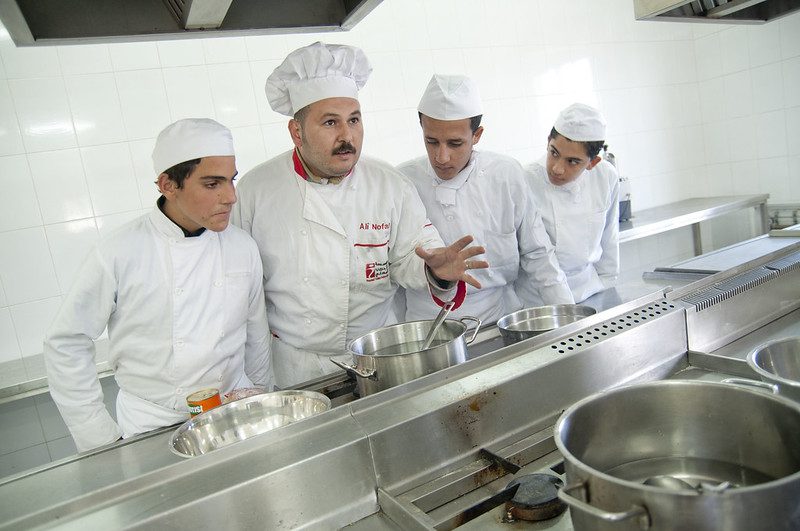
Established in 2010, Project Dignity has a mission of giving back “dignity” to lower-class individuals through education and specialized training. The organization provides skills training and employment opportunities for people who are living in poverty. It also welcomes people with learning or physical disabilities. Project Dignity’s Kitchen teaches people the skills needed to work in the food and beverage industry. In addition, other projects focus on educating people and giving unemployed people skills that can potentially help them get employed. Through this service initiative, the organization helps people get employable skills and also gives them confidence in their work and education, helping them escape poverty. 

ReadAble

This organization was founded in 2014 and is focused on literacy and education for children living in poverty. It offers reading and language programs for these children. The organization has volunteer tutors who work with children and develop their reading and writing skills. It aims to encourage children to love learning and have a desire to learn more. This organization helps children with less resources and privilege build the confidence and skills needed to do well academically, giving them a better chance at a brighter future. Essentially, this organization works to provide quality education and assistance with education in Singapore for lower-class children.

South Central Community Family Service Centre

Established in 2013, the South Central Community Family Service Centre helps lower-class families that are struggling to make ends meet. It focuses on assisting adults and children in an educational aspect. It provides many services, including financial aid for school fees, tuition programs and educational workshops for children and even their parents. Its approach ensures that families receive not only the financial support they need but also the mentorship and resources to help their children do well in school. This organization does significant work to help lower-income children receive equal education as all other Singaporean children. Ultimately, this organization strives to make quality education in Singapore accessible to all. 

Looking Forward

While Singapore is often regarded as a country with the best education, not everyone is living this reality. However, Project Dignity, ReadAble and the South Central Community Family Service Centre are all nonprofit organizations working to make every child employable and have a proper education for a job in the future. These organizations all recognize that education is a key variable in helping children escape the poverty cycle. Disparity in education in Singapore is still a critical issue that has very little awareness. 

– Poppy Duggal

Poppy is based in Munich, Germany and focuses on Good News for The Borgen Project.

Photo: Flickr

August 24, 2024
https://borgenproject.org/wp-content/uploads/borgen-project-logo.svg 0 0 Precious Sheidu https://borgenproject.org/wp-content/uploads/borgen-project-logo.svg Precious Sheidu2024-08-24 01:30:162024-08-22 14:30:123 Nonprofits Improving Education in Singapore
Artificial Intelligence (AI), Education, Global Poverty

Revolutionizing Learning: AI in Kenyan education

AI in Kenyan educationKenya has emerged as a hotspot for educational technology innovation in Africa. Artificial intelligence (AI) is revolutionizing the country’s learning landscape. AI in Kenyan education reshapes how students learn and how educators teach, using software ranging from individualized tutoring to data management and analysis algorithms.

The Competency-Based Curriculum

Recognizing the importance of preparing students for the digital age, the Kenyan government introduced the Competency-Based Curriculum (CBC) in 2017. This new approach shifts away from traditional high-stakes exams and rote memorization. Instead, it focuses on enhancing learning comprehension and practical skills. The CBC emphasizes digital literacy and coding, incorporating tools like Scratch for programming and data handling. By integrating AI and digital literacy into the national curriculum, Kenya takes significant steps to equip its students with the skills they will need in an increasingly digital world.

Kytabu

Kytabu has developed several AI-powered tools designed specifically for the African educational context. Its most acclaimed product, SOMANASI, is an AI-driven personal tutoring tool that provides personalized curriculum materials, course programs and assessment questions. The application lets students rent affordable textbooks, audiobooks, assessments and courses, all accessible in the AI-supported mobile app. By enabling students to learn at their own pace, SOMANASI makes education more accessible and engaging.

Additionally, HODARI, assists teachers with grading, lesson planning and administrative tasks. The software connects individual student data from assessments to the Kytabu information management system. AI in the product helps teachers understand kids’ individual needs by analyzing performance data and identifying strengths and weaknesses. By automating these time-consuming processes, HODARI allows teachers to focus more on what they do best: teaching and supporting their students.

M-Shule

M-Shule is an edtech platform that uses AI and SMS technology to deliver personalized learning content to Kenyan primary school students, aiming to improve education outcomes in areas with limited internet access. Students interact with an AI bot that prompts them with lessons and questions they answer by text. The system analyzes the data in real-time, allowing program teams and supporting organizations to track student performance and provide targeted support where needed. M-Shule has reached more than 45,000 users, including 13,000 households from 30 Kenyan counties.

Mosabi: Financial Education for the Masses

Recognizing that education extends beyond traditional subjects, Mosabi leverages AI to provide tailored financial and business education to underserved communities in emerging markets. Lessons cover areas like financial literacy, entrepreneurship and business management. Its mobile platform uses AI-driven analytics to track user progress. Furthermore, personalized learning experiences, help small business owners and entrepreneurs improve their financial health.

Endless OS Foundation

The Endless OS Foundation provides a Linux-based operating system with preloaded educational content, productivity tools and entertainment designed for communities without internet access. Its AI capabilities curate content based on student interests, fostering curiosity-driven learning and greater engagement. Since its creation, the initiative has established 600 computer labs. This growth has significantly expanded access to digital education and resources for students across Kenya and other countries where it operates.

Challenges and Future Prospects

While the integration of AI in Kenyan education shows great promise, challenges remain. A recent study across 38 out of 47 Kenyan counties found that while teachers generally have a positive attitude toward AI, many lack confidence in implementing these platforms in their classrooms. To address this, experts recommend revising teacher training curricula to include AI components. Furthermore, they suggest designing professional development programs to build teachers’ confidence in AI.

As Kenya continues to embrace AI in education, the potential for transformative change is immense. From personalized learning experiences to more efficient school management, AI helps create a more inclusive, engaging and effective education system for all levels.

Michael Murungi, Government Affairs and Public Policy Lead for Eastern Africa at Google states, “One of the biggest opportunities AI has in education is the ability to personalize learning and for the teacher to curate the learning experience for the child based on the child’s needs.”

– Lauren Thompson

Lauren is based in San Francisco, CA, USA and focuses on Technology and Global Health for The Borgen Project.

Photo: Flickr

August 20, 2024
https://borgenproject.org/wp-content/uploads/borgen-project-logo.svg 0 0 Lynsey 2 https://borgenproject.org/wp-content/uploads/borgen-project-logo.svg Lynsey 22024-08-20 07:30:572024-08-19 13:37:11Revolutionizing Learning: AI in Kenyan education
Child Poverty, Education, Global Poverty

3 Organizations Providing Education for Children in Malaysia

Education for Children in MalaysiaMalaysia, located just south of Thailand in Southeast Asia, is home to more than 35 million people. Major cities include Kuala Lumpur, Petaling Jaya and Johor Bahru. Recently, Malaysia’s education system was ranked second in the region based on test scores. However, it also placed last in Southeast Asia. While some families can afford quality education for their children, others living below the poverty line struggle to prioritize education. It is difficult for families with lower incomes to spend money on education when they have so many other needs that they need to tend to. Organizations like Dignity for Children Foundation, Teach For Malaysia and Budimas Education Charity Fund are dedicated to providing educational opportunities for children from impoverished families in Malaysia.

Dignity for Children Foundation

Founded in 1998, the Dignity for Children Foundation aims to provide quality education to impoverished children. Its mission includes support programs, education initiatives, a farm academy and various enterprises designed to offer a well-rounded education that prepares children for employment.

Through donations, child sponsorships and the efforts of many volunteers, the foundation has significantly impacted the lives of impoverished children. Starting with 20 students in 1998, the foundation now supports 2,300 students aged 2 to 19 as of 2024. In addition to offering free quality education, the foundation also provides meals.

Teach For Malaysia

Established in 2010, Teach For Malaysia aims to reduce educational inequality across the country. The organization recruits and trains individuals to work in under-resourced schools, ensuring that all children have access to quality education regardless of their family’s financial situation. Partnering with the Ministry of Education, Teach For Malaysia addresses impoverished students’ challenges and advocates for systemic change.

Students taught by Teach For Malaysia’s fellows experienced 36% more academic growth than their peers. By training and placing new teachers in schools with high needs, the organization significantly impacts education in Malaysia.

Budimas Education Charity Fund

Founded in 2001, the Budimas Education Charity Fund is dedicated to making education more accessible for all. In Malaysia, where many children would have to travel more than 40 kilometers to reach school, the organization works to bring education closer to those in poverty.

The Budimas Education Charity Fund has established 12 libraries in underprivileged areas, providing thousands of books and spaces for children to complete schoolwork and engage in educational activities. By offering free books and educational resources in regions with limited school access, the organization is committed to enhancing education for less privileged children in Malaysia.

Final Note

While accessing quality education in Malaysia can be extremely challenging for underprivileged children, organizations like the Dignity for Children Foundation, Teach For Malaysia and Budimas Education Charity Fund are making significant strides to address educational inequality. These three organizations have positively impacted many lives by improving access to education and resources. Although the statistics and rankings regarding education in Malaysia may raise concerns, efforts by these organizations offer hope for a brighter future.

– Poppy Duggal

Poppy is based in Chevy Chase, MD, USA and focuses on Good News for The Borgen Project.

Photo: Flickr

August 19, 2024
https://borgenproject.org/wp-content/uploads/borgen-project-logo.svg 0 0 Lynsey 2 https://borgenproject.org/wp-content/uploads/borgen-project-logo.svg Lynsey 22024-08-19 01:30:592024-08-19 00:56:283 Organizations Providing Education for Children in Malaysia
Education, Global Poverty, Health

Go Project Hope: Advancing Health and Education in Palestine

Go Project HopeSince October 7, 2023, the crisis in Palestine has escalated exponentially, bringing serious concerns to the livelihood of Palestinians in the West Bank and Gaza. With up to 175,000 buildings being severely damaged or destroyed in the Gaza Strip, accessible health care and education for Palestinians has become nonexistent.

Effective and innovative strategies for improving the region’s health care and educational systems are paramount in the face of the conflict. Go Project Hope, a nongovernmental organization (NGO), understands that and works toward advancing health and education in Palestine through innovation and creativity.

Health and Education in Palestine

The decades-long occupation and blockade in Palestinian territories has left the health system in Gaza and the West Bank severely under-resourced. The growing conflict and violence between Israel and Palestine has worsened an already bleak situation. Additionally, the Israeli bombardment on the Gaza Strip since October 7, 2023, has damaged, destroyed or raided 32 out of a total of 36 hospitals, leaving the Palestinian health care system in collapse.

While Palestine has prioritized education and literacy for many years, the ongoing conflict in Gaza and the West Bank has severely impeded the value system. The displacement of nearly two million in the Gaza Strip has made access to education in the region impossible. According to 2024 reports from the United Nations Relief and Works Agency for Palestine Refugees in the Near East (UNRWA), more than 625,000 students and 22,564 teachers cannot access or contribute to the education system in Palestine.

On top of that, with the destruction of more than half of the buildings in Gaza, many educational buildings no longer exist or have been converted into refugee shelters. In consequence, the ongoing occupation and Israeli settlements in the West Bank have placed severe pressure and restrictions on already displaced Palestinians in accessing proper health care and education.

Go Project Hope’s Mission

Go Project Hope aims to improve and advance health and education in refugee camps worldwide. Through innovation and creativity, the organization has created mindful and unique initiatives for refugee camps in developing countries, focusing on improving health and education conditions. For the 1.7 million displaced Palestinians, Go Project Hope has created and funded initiatives considering the complexities of life in refugee camps, thus expanding their overall impact.

Innovations in health and education define progress in the face of crisis. With this prerogative, Go Project Hope has created and funded several programs prioritizing health and education in Palestine and for refugees worldwide. 

Camp Care Comic

The Camp Care Comic series was created as an educational resource that addressed many mental and physical health concerns facing Palestinian refugees. The protagonist, Superhero Azhar, solves the problems facing Palestinians and refugees globally through fun and engaging pictures and story-telling. The comic series educates Palestinians on health concerns across the refugee camps, such as lice, scabies and stress, in an engaging and informative manner. The duality of the comic series is demonstrated as it is not only a creation to better education and literacy in refugee camps but to better the mental and physical health of refugees.

Jalazone Refugee Camp Music and Movement Program

Go Project Hope designed and created a movement and mindfulness program at the Jalazone refugee camp in the West Bank, specifically prioritizing the mental and physical health of special needs children and their siblings who would often take care of them.

According to a 2018 study on post-traumatic stress disorder (PTSD) in refugees, children and adolescents, psychiatrist J.M. Fergert explains that refugees fleeing from areas of severe danger and violence are significantly more likely to experience PTSD and similar mental disorders. Go Project Hope’s movement and mindfulness initiatives in the West Bank teach students healthy techniques to relax and bring them peace in the face of violence and conflict.

Final Note

With its innovative initiatives like the Camp Care Comic series organizations such as Go Project Hope offer hope in the face of crises that frequently characterize the developing world. The programs developed and funded by the NGO have provided essential support to refugee camps across Palestine, Iraq and Greece. These efforts continue to enhance the lives of thousands of refugees and instill hope worldwide.

– Juliana Granville

Juliana is based in Brooklyn, NY, USA and focuses on Technology and Global Health for The Borgen Project.

Photo: Flickr

August 19, 2024
https://borgenproject.org/wp-content/uploads/borgen-project-logo.svg 0 0 Lynsey 2 https://borgenproject.org/wp-content/uploads/borgen-project-logo.svg Lynsey 22024-08-19 01:30:212024-08-19 01:03:34Go Project Hope: Advancing Health and Education in Palestine
Children, Education, Global Poverty

Tackling Poverty, Transforming Lives: Child Poverty in Romania

Child Poverty in RomaniaRomania is a high-income economy with a high human development ranking. However, almost half of the 4 million children living in the country are at risk of child poverty in Romania. To combat this issue, FARA, a nongovernmental organization (NGO) founded in the U.K., offers a variety of practical solutions to give a range of vulnerable groups the best start in life.

Child Poverty in Romania

According to UNICEF, during 2019-2021, 29% of Romanian children were living in relative income poverty, the highest of all member states of the EU. It also noted that Romania had the most cases of persistent child poverty, which amounted to 25% of all children. UNICEF explains that prolonged periods of poverty throughout childhood can exacerbate the disadvantages already created by poverty and provide particularly negative outcomes for children in the future.

One of the reasons for this particularly high rate of child poverty may be the limited impact of social protection benefits on the issue, according to UNICEF. Eurochild calls for investments in social infrastructure to address the needs of vulnerable children in Romania, especially those belonging to minority groups such as Roma.

FARA

FARA, which means “without” in Romanian, is an NGO focusing on breaking the cycle of poverty experienced by children in Romania. Jane Nicholson founded the organization in 1991 and was appalled to find out about the extreme cruelty inflicted within state-run orphanages during the dictatorship of Nicolae Ceaușescu, FARA states on its website.

Since its founding, all of the services FARA provides continue to match her initial ethos that abandoned children should have access to quality education and live in places that resemble families, not institutions.

FARA believes that to break the cycle of poverty, children must complete their education. According to UNICEF via FARA, an extra year of school attendance could increase a child’s future income by 8% to 9% and reduce their risk of unemployment by 8%. FARA has identified key groups that currently face barriers to their education. These include children from poor families and communities such as Romani, vulnerable children and children with disabilities.

Tackling Poverty Through Education

Tackling Poverty Through Education is FARA’s flagship program which assists 300 children and their families in nursery and primary schools in rural communities across Northern Romania. To help children start and stay in school, FARA offers a free program that employs teachers, catering staff and social workers in schools across rural communities, according to its website.

As part of this program, FARA provides children from poor families with free school meals which both fuels them for a day of learning and encourages their parents to send them off to school. In addition to appropriate nutrition, the program also provides pastoral care and support to children and their families to strengthen family ties and prevent school dropouts. The organization hopes to expand beyond the 300 children it assists in the next decade.

FARA Family Homes

According to FARA, “Romania has one of the largest alternative care systems in the EU.” Figures from the Romanian Government and UNICEF show that over 56,000 children receive some form of support, with 18,000 living in foster care, 13,900 in kinship care and 18,500 in state-run institutions. According to UNICEF via FARA, for a child under the age of three, spending three months in an institution can delay their physical development by one month and may also pose a risk to their cognitive and language development.

As one of few NGOs providing an alternative to state care in Romania, FARA’s children’s homes are modeled on the principle of giving a “family for those without.” FARA’s current home, St Nicholas, which can accommodate 12 children and three students, provides a caring and loving environment for children over the age of three. The children get accommodation until their mid-20s to ensure that they receive support in their pursuit of further education and have the best chance of finding a future career. Over the years, more than 70 children have received support through FARA Family Homes, according to its website.

Therapy for Children with Disabilities

There are approximately 72,000 children registered as disabled in Romania, many of whom are unable to access mainstream education. Children with disabilities face negative attitudes, daily discrimination and costly health care, causing them to be one of the most marginalized groups in Romanian society. The combination of these barriers to success significantly endangers the development and life of disabled children and their families.

FARA offers a lifeline of support for isolated children and their families through their three therapy centers in Bucharest and Suceava District in the northeast of Romania. According to FARA, every week the centers support 228 children by providing them with physio, speech and sensory therapies for various disabilities. It also provides social support for their families, ensuring they can meet their children’s needs. In the last decade, 630 disabled children have accessed therapy in FARA centers, with 67% of those children going on to enroll in kindergartens and mainstream schools.

In addition to these three main groups, FARA also helps “youth at risk and adults with learning disabilities.”

A Brighter Future

Although child poverty remains a prevalent issue in communities across Romania, NGOs such as FARA are working hard to ensure that every child has the best chance at life. Hopefully, going forward, the government can improve the social infrastructure to create more effective welfare solutions to ensure every child receives the education and support they need, which could further help alleviate child poverty in Romania.

– Carla Messinger

Carla is based in Oxford, UK and focuses on Global Health and Politics for The Borgen Project.

Photo: Flickr

August 15, 2024
https://borgenproject.org/wp-content/uploads/borgen-project-logo.svg 0 0 Naida Jahic https://borgenproject.org/wp-content/uploads/borgen-project-logo.svg Naida Jahic2024-08-15 03:00:022024-08-24 09:02:14Tackling Poverty, Transforming Lives: Child Poverty in Romania
Charity, Education, Global Poverty

5 Innovative Education Programs in Haiti

5 Innovative Education Programs in Haiti Education in Haiti has faced significant challenges in recent years, from socio-economic issues to natural disasters, leaving the education system struggling to keep pace. Statistics reveal that more than 78% of students drop out after primary school and more than 40% of the population is illiterate. Most schools in Haiti are private and charge tuition, making education inaccessible for many. Only 29% of students advance to secondary school and the average age for girls dropping out is 7 years old. However, there is a positive shift occurring. Several charities have introduced education programs in Haiti that are transforming the educational landscape. Here are some innovative education programs in Haiti that have made a considerable impact.

Locally Haiti

Locally Haiti is a charity centered on community-driven, locally-led volunteer work in the Nippes region of Haiti. It manages several impactful projects, including hospitals, agriculture and women’s empowerment. A flagship educational program of the charity is St. Paul’s School, founded in 1989, which has educated more than 5,000 students from pre-K through high school. The curriculum includes basic academic subjects and emphasizes agricultural education in areas such as botany and horticulture.

Entrepreneurship also plays a critical role in the curriculum. Professor Vladimy, a St. Paul’s alum, teaches courses in business and economics, equipping students with a comprehensive education that prepares them for various career paths. St. Paul’s enrolls more than 54% female students, reflecting the school’s commitment to providing a safe and supportive environment for all attendees. Locally Haiti has awarded scholarships for higher education to more than 25 students and built a school facility that doubles as a relief center and community hub, further fostering a strong connection between students and their local community.

Blue Butterfly

Blue Butterfly is an innovative charity that creates engaging and informative media programs for schools in developing countries. It blends local culture and traditions with professional consulting to produce videos tailored to the needs and interests of children. The organization produces content locally, enabling children to use their mother tongue and connect with cultural figures familiar to them. Not only is the content rigorously researched, but it is also widely distributed to reach as many children as possible.

A notable educational program from Blue Butterfly in Haiti is the video series “Lakou Kajou,” which follows a brother and sister experiencing adventures around their family’s courtyard. This program includes episodes on math, science, literacy and problem-solving. The episodes, which feature animation, Haitian fables, live-action documentaries and artwork by local Haitian artists, are designed to be accessible. Blue Butterfly also partners with Université Quisqueya in Port-au-Prince, which helps extend the charity’s reach to schools in areas with limited internet and electricity.

Summits Education

Summits Education is a charity that supports schools in remote parts of Haiti. Established in 2015, the organization is dedicated to transforming education through teacher development and community engagement. In Haiti’s Central Department, where literacy rates are particularly low, the charity operates 40 schools in an area predominantly inhabited by farmers earning around $2 a day. For many residents, education represents a pathway out of poverty, enhancing community life, health and gender equality.

Summits Education emphasizes the crucial role of teachers in education. Instead of primarily investing in buildings and supplies and allocating leftover funds for teachers, the charity prioritizes its spending on educators. It adopts a ‘whole child approach,’ ensuring every child feels supported in their environment. This approach includes intensive training for the teachers and principals of their schools. Summits Education collaborates with the Haitian Ministry of Education and together they have trained 350 administrators and educated 10,000 students, to improve education programs in Haiti.

Model School Network

In 2016, the Model School Network was established to create a sustainable solution to the problem of underperforming schools in Haiti. Furthermore, three years earlier, education representatives in Haiti had convened three networks—EFACAP-Mirebalais, BDE-Hinche and Summits Education—to develop a strategy for improving the country’s educational system. These networks formed the Model School Network.

A key initiative of this network is the Longitudinal Benchmarking and Evaluation Systems (LBES), which aims to establish a data management system to monitor and enhance learning outcomes. The project has built a skilled team of managers and field agents who collect, process and analyze data on learning outcomes. It focuses on outcome-based measures to guide educational decisions and boost student performance. By gathering this data, the Model School Network can set precise future goals. Ongoing data analysis enables accurate progress evaluation, leading to data-driven decision-making and robust long-term solutions. The mission of MSE is straightforward: to recognize the potential of children and support it fully. “As long as we all come together and commit to helping one another look in all the right directions, we will find all the answers.”

The Haiti Project

The Haiti Project is a nonprofit organization that collaborates with students from Vassar College to support six primary initiatives: Art, Education, Water Access and Purification, Reforestation and Women’s Cooperative. Based in Chermaitre, Haiti, its education program enables 250 children to access primary education and provides scholarships for 10-20 students to pursue further education. These scholarships cover food, books, housing and enrollment fees, crucial support since the nearest secondary school is a four-hour journey from the village.

This initiative began as an effort to enhance the lunch program at École St. Paul. Additionally, The Haiti Project is launching an Adult Education program proposed by the Women’s Committee. The aim is to improve adult literacy and math skills to help start small businesses or pursue further education. Beyond these, the charity is developing a range of other programs including anti-trafficking classes, a breakfast program, a summer program, a medical fund, health and sexual education and a textbook-lending library.

Looking Forward

Education in Haiti has faced significant challenges. Despite the ongoing difficulties, several organizations have implemented innovative education programs in Haiti that are making a substantial impact on the country’s educational landscape. These ongoing initiatives, ranging from locally-led schools to digital learning resources, are providing critical support to students and teachers, helping to improve educational outcomes and offering hope for a brighter future in Haiti.

– Sofia Hattiangadi

Sofia is based in New York City, NY, USA and focuses on Good News for The Borgen Project.

Photo: Flickr

August 14, 2024
https://borgenproject.org/wp-content/uploads/borgen-project-logo.svg 0 0 Precious Sheidu https://borgenproject.org/wp-content/uploads/borgen-project-logo.svg Precious Sheidu2024-08-14 03:00:412024-08-14 01:23:565 Innovative Education Programs in Haiti
Africa, Education, Global Poverty

Libyan Higher Education as an Example of Academic Resilience

Libyan Higher EducationFollowing the 2011 Arab Spring, Libya experienced the dissolution of the long-time dictatorial regime of Muammar Gaddafi, culminating in showings of mass violence. Prior to the Arab Spring uprisings, Libya primarily held an isolationist view of education, limiting academic collaboration to within the nation’s 30 universities and actively working against English language academic research.

Throughout the 2011-2012 period, several Libyan academics abroad praised the removal of the Gaddafi regime as a way to increase academic research and standing for Libyan universities around the world. There was genuine hope for the future, particularly with the announcement of the Tripoli University Program for Rebuilding Libya in 2012. Following the university’s reopening, the program set out four main goals:

  1. Develop a nationwide civic education strategy through Libya’s primary universities.
  2. Establish a university communication and outreach production unit.
  3. Create a platform to support the role of women during the transition.
  4. Provide online civic education and professional development courses for women, disadvantaged groups, civil servants, the voluntary sector and development staff.

Within the first year, events overwhelmed the proposal. The proposed reforms may have been considered “tone-deaf” and portrayed a general political aim instead of an attempt to stabilize the Libyan higher education system in the wake of recent conflict.

Current State of Libyan Higher Education

Following years of civil war within the country, Libya remains in a political stalemate with the United Nations (U.N.) calling for a peaceful, Libyan-led shift to democratic power. While the government sits at a standstill, the same can not be said of higher education. Libya’s nation-state boasts more than 20 universities, with access intended to reach the urban-rural divide.

Mainly built during the Gaddafi regime, the resources accessible to the institutions were dependent on their location regarding urban centers with the modern elite of the political party. It has to be noted that due to the political upheaval surrounding the past decade, more than 200,000 Libyan students have had their education interrupted or delayed and some even ceased altogether.

After the 2011 civil war, university resources became more scarce and the funds necessary to pay staff and faculty became contentious. In 2023, the faculty at the University of Tripoli staged a two-month sit-in, protesting the lack of pay and benefits received. The protests were exacerbated after the University needed to close temporarily due to political violence spilling onto campus grounds. Several universities stood in solidarity with the University of Tripoli, including the University of Benghazi. The strike would experience extremes, including when armed forces kidnaped a leader of the General Syndicate of University Teaching in an attempt to stop the strike.

During the Tripoli-based violence, the University of Benghazi was set to receive a visit from the World Federation for Medical Education regarding the university’s QS ranking for 2023. Beyond the delay of international recognition, the University of Benghazi suffered property damage to the campus within the past decade of civil war. And while action has been taken to mitigate portions of the damages, the campus, like many others, remains in disrepair.

Continued Barriers to Higher Education

As Libyan universities attempt to make education accessible despite political instability, several barriers restrict students’ access to higher education. Due to the political upheaval, there is a risk of violence bleeding onto university campuses, which has occurred as local militias become “university guards.” These militia members are under nonexistent supervision and reportedly have caused more harm than good. There have been several instances from multiple universities that show a pervasiveness of harassment by militia members on university campuses. Harassment and violence escalated in several cases to the point in which female students have been unable to attend lessons and, as such, delayed or hindered their education.

While political violence and uncertainty surrounding portions of the country explain issues involving militias and campus-based harassment, conflict-related hindrances are not the only barriers to higher education (and education in general); language remains a pervasive barrier. Within Libya, there is a minority population of Amazigh (“Berbers”) who speak the Tamazight language. Speakers of the Tamazight language cross several national lines, including Algeria, Morocco, Tunisia and specifically the Siwa Oasis within Egypt. The Gaddafi regime, which titled itself the Libyan Arab People’s Jamahiriya, created clear ethnic and linguistic lines that have yet to be meaningfully rectified.

Hope for the Future

Throughout the continued violence and contested ideas of a national government, Libyan academia has persevered. Several studies within the last decade are attributed to Libyan academics, specifically within the realm of climate science and resilience studies. While resources and funding are scarce, professors have continued to research significant local and global issues while simultaneously teaching in universities that can not be guaranteed to protect them from violence. Libyan academics have continued to pursue knowledge throughout more than a decade of adversity, showing strength and tenacity in the face of conflicts.

– Jamie Sackett

Jamie is based in Hutto, TX, USA and focuses on Global Health and Politics for The Borgen Project.

Photo: Wikimedia Commons

August 10, 2024
https://borgenproject.org/wp-content/uploads/borgen-project-logo.svg 0 0 Lynsey 2 https://borgenproject.org/wp-content/uploads/borgen-project-logo.svg Lynsey 22024-08-10 03:00:282024-08-09 12:09:24Libyan Higher Education as an Example of Academic Resilience
Page 28 of 241«‹2627282930›»

Get Smarter

  • Global Poverty 101
  • Global Poverty… The Good News
  • Global Poverty & U.S. Jobs
  • Global Poverty and National Security
  • Innovative Solutions to Poverty
  • Global Poverty & Aid FAQ’s
Search Search

Take Action

  • Call Congress
  • Email Congress
  • Donate
  • 30 Ways to Help
  • Volunteer Ops
  • Internships
  • Courses & Certificates
  • The Podcast
Borgen Project

“The Borgen Project is an incredible nonprofit organization that is addressing poverty and hunger and working towards ending them.”

-The Huffington Post

Inside The Borgen Project

  • Contact
  • About
  • Financials
  • President
  • Board of Directors
  • Board of Advisors

International Links

  • UK Email Parliament
  • UK Donate
  • Canada Email Parliament

Get Smarter

  • Global Poverty 101
  • Global Poverty… The Good News
  • Global Poverty & U.S. Jobs
  • Global Poverty and National Security
  • Innovative Solutions to Poverty
  • Global Poverty & Aid FAQ’s

Ways to Help

  • Call Congress
  • Email Congress
  • Donate
  • 30 Ways to Help
  • Volunteer Ops
  • Internships
  • Courses & Certificates
  • The Podcast
Scroll to top Scroll to top Scroll to top