• Link to X
  • Link to Facebook
  • Link to Instagram
  • Link to TikTok
  • Link to Youtube
  • About
    • About Us
      • President
      • Board of Directors
      • Board of Advisors
      • Financials
      • Our Methodology
      • Success Tracker
      • Contact
  • Act Now
    • 30 Ways to Help
      • Email Congress
      • Call Congress
      • Volunteer
      • Courses & Certificates
      • Be a Donor
    • Internships
      • In-Office Internships
      • Remote Internships
    • Legislation
      • Politics 101
  • The Blog
  • The Podcast
  • Magazine
  • Donate
  • Click to open the search input field Click to open the search input field Search
  • Menu Menu

Archive for category: Disease

Information and news about disease category

Developing Countries, Disease, Global Poverty, Health

Addressing the Top 3 Diseases in Uganda

diseases in UgandaAs a developing country, Uganda struggles with multiple intractable diseases that kill millions of Ugandans every year. HIV/AIDS, malaria and tuberculosis are among the top five causes of death in Uganda. But, medical research is providing innovations that give hope to relieve suffering and prevent death in Uganda. Here are three diseases in Uganda that can be tackled with treatments that seem like science fiction.

Tuberculosis and Bedaquiline

Science fiction often explores the possibilities of DNA manipulation. Now, this sci-fi premise is becoming a reality through a new tuberculosis drug called bedaquiline. Bedaquiline is a new drug that blocks energy transfer enzymes that a tuberculosis bacteria cell needs to survive. Without this essential energy, the cell dies. A June 2019 study discovered that bedaquiline has long-term treatment potential. The drug forms small reservoirs in the body, allowing it to naturally release throughout the body and continually kill tuberculosis cells over time. This is a major breakthrough for Ugandan citizens since this is the first tuberculosis treatment to come out in 50 years. 

Malaria and Genetic Mutation

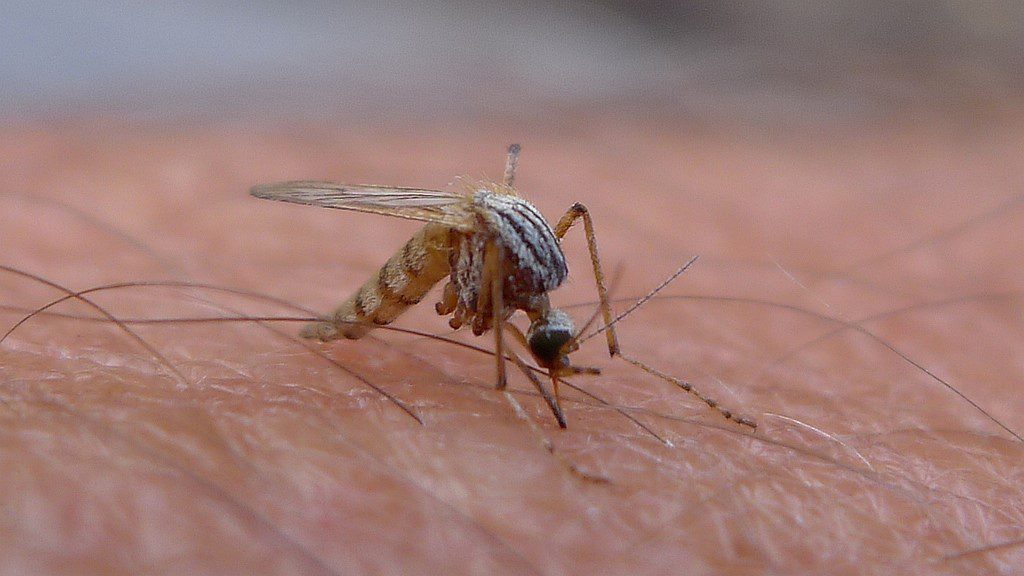
Popular science fiction games outline the use of biological weapons, such as Mass Effect’s fictional “genophage” which causes a female host to produce sterile offspring. Experimental genetic engineering technology is now taking on a highly deadly disease in Uganda. Scientists have developed an engineered genetic mutation that deforms mosquito reproductive organs and passes from female mosquitos to daughter eggs, meaning that the hatched females are unable to breed. In other words, the mutation makes the next generation of mosquitos sterile, reducing the population and thus reducing the risk of malaria.

Further, the mutation changes females mosquitos’ mouths to resemble male counterparts’. Male mosquitos cannot bite humans, thus the mutation “de-fangs” female mosquitoes, making it impossible for them to transmit malaria. Releasing genetically modified mosquitoes has been controversial and research continues. According to Uganda’s Ministry of Health, malaria is endemic in 95 percent of Uganda. If it is found that modifying mosquitoes is safe and successful, this development could be a critical contribution to treating malaria and other mosquito transmitted diseases in Uganda.

HIV/AIDS and the Immune System

Science fiction extensively narrates the use of genetic properties to repair and fix humans. Dual studies from 2007 and 2019 used similar methods to combat the insidious syndrome of HIV/AIDS that plagues Uganda. A bone marrow transplant replaces the patient’s immune system with mutated systems via lymphatic pathways. It essentially replaces the patient’s immune system with a new, mutated version that combats the disease.

Using this technique, a 2007 patient has been off anti-retroviral medicines for 12 years. The most recent patient, cured in 2019, has been HIV-free for more than 18 months. With difficulties in bringing patients back for consistent treatments, a possible long-term solution for HIV/AIDS is an extremely important advance for the 1.3 million Ugandans infected with HIV.

Conclusion

Famous Star Trek character Captain Jean-Luc Picard stated, “Things are only impossible until they’re not.” Relieving Uganda’s suffering seemed impossible – the stuff of science fiction – as if they would never be free of disease. But, the above treatments provide hope for the people of Uganda. Through rigorous research and innovation, doctors are developing treatments for diseases in Uganda and other countries.

– Melanie Rasmussen
Photo: Flickr

February 3, 2020
https://borgenproject.org/wp-content/uploads/borgen-project-logo.svg 0 0 Jennifer Philipp https://borgenproject.org/wp-content/uploads/borgen-project-logo.svg Jennifer Philipp2020-02-03 01:30:172024-05-29 23:13:40Addressing the Top 3 Diseases in Uganda
Disease, Global Poverty

Global Health News Updates for 2019

Global Health News
The start of 2020 is the time to look back and see global health news for 2019. From new drug recommendations and global vaccination efforts to ongoing diseases and funding to eliminate them, health agencies and national governments are working tirelessly to keep everything in place. They are making sure the general public, especially those in affected countries, get the right information and the best resources to address these health issues. They are gathering enough funding to implement different health programs for treatment and prevention. Finally, they are continually conducting research to find new treatments to make the world a healthier place.

Global Health News Updates for 2019

  1. Tafenoquine use for malaria is under new guidance: According to the World Health Organization (WHO), there were about 219 million malaria cases around the world in 2017. People can use Arakoda (tafenoquine 300 mg) and Krintafel (tafenoquine 150 mg) to treat malaria. The government of Kenya joined Ghana and Malawi to test the malaria vaccine for children. Results of clinical trials show that vaccinated children do not contract malaria as often as unvaccinated children.
  2. Poliovirus outbreaks increase sharply: Poliovirus (cVDVP) outbreaks have increased worldwide. Twenty-nine outbreaks occurred in 15 countries within a one-and-a-half-year period (2018-2019). The 29 outbreaks also tripled the number of outbreaks in the year prior (2017-2018) among six different countries. The Center for Disease Control (CDC) has send staff to the affected areas to provide treatment and prevention efforts.
  3. Measles numbers increased: Measles cases have increased tremendously in the last three years. In 2018, there were approximately 10 million measles cases with 140,000 deaths. The number of deaths has increased from 90,000 in 2016. People are not receiving immunizations due to different vaccination beliefs and the availability of vaccines. UNICEF is trying to address the issue; however, Xavier Crespin, UNICEF’s chief of health in the Democratic Republic of Congo, said it has been difficult.
  4. Global vaccination coverage has stayed the same since 2010: The global vaccination rate has stayed between 85 percent to 86 percent for the past eight years. This is due to the low availability of vaccines reaching areas of countries that are experiencing high poverty and warfare. False vaccination beliefs are also a factor in holding back coverage. The Global Vaccine Action Plan (GVAP) is working to address the issue by setting up vaccination stations in these countries as well as solving any vaccination challenges that stand in the way of vaccinating people. 
  5. New Respiratory Syndrome from Wuhan, China: Chinese health authorities have confirmed a case of new coronavirus in January 2020. The number of deaths has reached 80 with more cases expected. The virus has spread to Malaysia, Vietnam, Hong Kong, Korea and the United States, and the situation is on its way to becoming a global epidemic. WHO is closely monitoring the situation and issuing health advisories to affected countries.
  6. Preparing for Ebola in South Sudan: South Sudan is preparing for Ebola as its neighbor, the Democratic Republic of the Congo, had an outbreak. Warfare has devastated the country’s health system; health experts are suggesting ways to prevent and treat diseases. The country’s health governance deployed fully-immunized health workers to support prevention efforts with 32 outposts for screening and care along the border.
  7. Antiretroviral treatment (ART) reduces HIV mortality in Kenya: The use of antiretrovirals to treat HIV has reduced HIV-related death rates in Kenya as one researcher at the CDC Zielinski-Gutierrez confirmed. The CDC is leading the AIDS-control effort as part of the U.S. President’s Emergency Plan for AIDS Relief (PEPFAR) all over the world including Kenya (PEPFAR Kenya).
  8. Shigella developed resistance to azithromycin and ciprofloxacin: In a research study, the virus that causes Shigella in men who have sex with men (MSM) has developed resistance to azithromycin, trimethoprim-sulfamethoxazole and ciprofloxacin. WHO put preventative measures in place like the Water and Sanitation Decade Development Project to promote water sanitation and hand-washing education.
  9. Tuberculosis (TB) is low in the U.S. but not globally: Residents who were born outside of the U.S. are much more likely to contract tuberculosis and carry latent TB infection. The CDC stated that 69.5 percent of newly diagnosed TB cases are of those who were born outside of the U.S. compared to 29.5 percent of those who were born in the U.S. Furthermore, countries other than the U.S. have higher TB death rates. The United Nations and WHO are targeting to end TB in 2030 and 2050 respectively.
  10. Donors pledge to donate $2.6 billion to end polio: Donors pledged to donate $2.6 billion at the Polio Conference in Abu Dhabi to help put an end to world polio. Donations come from the Gates Foundation, the U.K., the U.S., Pakistan and Rotary International. WHO will use the funding to vaccinate 450 million children each year.

Global health challenges are ongoing; however, many are working to address these challenges. Global health efforts will not go unnoticed as the world will become a healthier, happier and safer place for all. Finally, global health news updates are an excellent way to communicate all global health trends, challenges and ongoing projects. 

– Hung Minh Le
Photo: Flickr

February 2, 2020
https://borgenproject.org/wp-content/uploads/borgen-project-logo.svg 0 0 Kim Thelwell https://borgenproject.org/wp-content/uploads/borgen-project-logo.svg Kim Thelwell2020-02-02 14:12:162024-05-29 23:14:51Global Health News Updates for 2019
Disease, Global Poverty, Health, Sanitation, Water, Water Quality

6 Facts About Water Quality in Sub-Saharan Africa

6 Facts About Water Quality in Sub-Saharan AfricaThe top concerns with water quality in Africa include lack of access to water for drinking, sanitation and agriculture, the cleanliness of the water and the burden of water retrieval. The United Nations’ Millennium Development Goals have tracked the improvement of access to water in Africa. Sub-Saharan Africa is the most challenged and inequitable region. Sub-Saharan Africa’s water system is the most chronically overburdened and stressed area in Africa. This is due to a lack of economic investment, social challenges and environmental factors. Here are six facts about water quality in sub-Saharan Africa.

6 Facts About Water Quality in Sub-Saharan Africa

  1. Many areas in Africa have partially achieved the U.N.’s Millennium Development Goals on Water. Before 2015, North Africa had achieved a 92 percent improved source of drinking water for its people. Sub-Saharan Africa, on the other hand, had only achieved 61 percent and was not on track to meet its 75 percent goal. Investment in infrastructure systems such as dams would improve public health and increase economic stability while achieving water access targets.
  2. In sub-Saharan Africa water access is inequitable. In urban areas, 90 percent of the wealthy households have access to improved water sources with piped water in more than 60 percent of the homes. In rural settings, fewer than 50 percent of people access improved water sources with the poorest 40 percent of homes having no in-home water access. Only 16 percent of Sub-Saharan residents have access to a water tap in their home or yard.
  3. The burden of water retrieval falls on girls and women. The time and labor-intensive chore of carrying water home from a distance prevents girls and women from pursuing income-generating work and education. It also puts them at risk of violence on long journeys for water. Approximately 13.5 million women in sub-Saharan Africa travel more than 30 minutes each day to collect water. They carry repurposed cans that hold five gallons of water and weigh 40 pounds when full. The women may have to take several trips in a day depending on the size of their family.
  4. Water scarcity and lack of sanitation threaten public health. Poor sanitation and limited water lead to outbreaks of cholera, typhoid fever and dysentery, which can contaminate the limited stores of fresh water. When people store water in their homes, this creates a breeding ground for mosquitos, which leads to an increase in malaria and dengue fever. Other diseases connected to water scarcity include trachoma, plague and typhus. Prioritizing water quantity over quality can lead to bacterial diseases causing diarrhea, dehydration and death, especially in children.
  5. In sub-Saharan Africa, 95 percent of crops are dependent on rainfall. Increased water storage capacity will increase resiliency to water shortages resulting from droughts. Dependency on rainfall for crops is limiting. Small-scale but efficient usage of ponds, tanks, and wells can improve agricultural output. The implementation of various methods of watering crops can reduce water stress and improve food security. Farmers could use drip irrigation, pumps and shallow wells to reduce reliance on rainwater.
  6. Sustainable agricultural development will lead to sustainable water sources and reduced stress. An example of a sustainable agricultural method may be aquaponics, which requires no soil and little water.

Continued innovation, education and infrastructure development are necessary for Africa to improve access to safe and clean drinking water. While much progress is underway, these 6 facts about water quality in sub-Saharan Africa show that the continent will continue to face climate, political and economic barriers in meeting these goals.

– Susan Niz
Photo: Wikimedia

January 3, 2020
https://borgenproject.org/wp-content/uploads/borgen-project-logo.svg 0 0 Kim Thelwell https://borgenproject.org/wp-content/uploads/borgen-project-logo.svg Kim Thelwell2020-01-03 01:30:582020-01-18 12:15:276 Facts About Water Quality in Sub-Saharan Africa
Disease, Global Poverty, Life Expectancy

10 Facts About Life Expectancy in Ethiopia

10 Facts About Life Expectancy in Ethiopia
Ethiopia, a country located in the Horn of Africa, is the continent’s second-most populous country. The government has made impressive strides toward eradicating poverty and improving Ethiopia’s life expectancy. Here are 10 facts about life expectancy in Ethiopia.

10 Facts About Life Expectancy in Ethiopia

  1. Ethiopia has a high life expectancy rate in comparison to similar countries. The average Ethiopian resident can expect to live 66.34 years while the average resident of the nearby Central African Republic can expect to live to about 53. In the United States, the average life expectancy is 79.
  2. Life expectancy rates took a hit in the 80s. During Ethiopia’s most recent famine, the average life expectancy began to decrease in 1979 and continued to drop until 1983, reducing 1.69 percent in total from 44.26 years to 43.52 years. The United Nations estimates that this famine was the cause of approximately 1 million deaths. 
  3. The life expectancy in Ethiopia has overall been on an upward trend. Its current average life expectancy has more than doubled since 1950 when it stood at 32.53 years.
  4. In recent years, the average lifespan for Ethiopians exceeded the projected life expectancy. In 2017, projections determined the life expectancy for women to be 61.3 years but observed to be 70.4, while projections stated that male life expectancy was 58.2 and observed to be 66.7. One could attribute this to the fast-paced growth of Ethiopia’s life expectancy. 
  5. Malnutrition rates are dropping. The number of Ethiopian citizens suffering from severe malnutrition dropped 32 percent from 2000 to 2010, and those dwindling numbers have aided in the improvement of the life expectancy in Ethiopia. UNICEF has had a significant hand in this reduction by providing health posts and training workers to aid in hygiene, sanitation and nutrition. 
  6. Communicable and noncommunicable illnesses are still a big problem in Ethiopia. The leading cause of deaths in Ethiopia is neonatal disorders. More than 60 percent of infant deaths are due to neonatal disorders as well as 40 percent of deaths among children under 5 years old.
  7. Infant mortality rates are decreasing. While neonatal disorders are the leading cause of death in Ethiopia, those numbers are improving. In 1990, the observed mortality rate for children under 5-years-old was 197.7 per 1,000 live births. As of 2017, that number had dropped to 56.1 deaths per 1,000 live births. This change is no doubt due to the government’s efforts to offer easier access to health clinics to expecting mothers.
  8. The government is working to improve health care. It has been taking steps to align its health care system with the Millennium Development Goals, and this has aided in improving the overall health of Ethiopian residents. UNICEF has led to a surge in the number of health posts from just a handful in 2004 to 9,000 in 2011. 
  9. Unemployment rates have decreased. Since 1999, unemployment rates in Ethiopia have been on a downward trend, dropping from 26.4 percent in 1999 to 19.1 percent in 2018. The number even hit a record low of 16.8 percent in 2015. The overall improvement of employment rates in Ethiopia, giving the poor the opportunity to provide for themselves, has also helped improve life expectancy.
  10. The fight against poverty in Ethiopia is making impressive progress. When one compares Ethiopia to other African countries, it has made the most progress against poverty second only to Uganda between 2000 and 2011. While Ethiopia’s poverty rate stood at 44 percent in 2000 and dropped to 30 percent in 2011, Uganda’s poverty rate went from 38.8 percent in 2002 to 19.7 percent in 2012. 

There is still much that people need to do in Ethiopia. Roughly a third of the population is without clean water and nearly a quarter of Ethiopians have no access to toilets. It has been a long journey recovering from the drought and consequent famine of the 80s, but the government is taking steps to better the daily lives of Ethiopians and lengthen Ethiopia’s life expectancy. These 10 facts about life expectancy in Ethiopia show that the country has a chance to continue its improvement.

– Amanda Gibson
Photo: Flickr

December 27, 2019
https://borgenproject.org/wp-content/uploads/borgen-project-logo.svg 0 0 Jennifer Philipp https://borgenproject.org/wp-content/uploads/borgen-project-logo.svg Jennifer Philipp2019-12-27 07:30:282019-12-18 20:57:1910 Facts About Life Expectancy in Ethiopia
Disease, Global Poverty

Infection Prevention and Control in Sierra Leone

Infection Prevention and Control in Sierra Leone
Sierra Leone did not have an existing infection prevention and control program before its 2014-2016 Ebola epidemic. However, infection prevention and control is an essential element aiding in eradicating and preventing cross-infection among the community, patients, health care providers and hospital visitors.

The Current Course of Action

The Ministry of Health and Sanitation, with the help of the Centers for Disease Control and Prevention (CDC), has made significant strides in an attempt to get Sierra Leone’s health sector back on the right track. This partnership involves the implementation of the National Infection Prevention and Control Action Plan (IPC) to prevent future infection and disease. The IPC will enable the equipping of health facilities and open up conditions for the resources required for standard and transmission-based precautions. Further, the goal of the IPC aims to prevent and contain health care-associated infections.

The CDC’s Involvement

Disease threats are spreading faster than ever before but the CDC’s efforts in Sierra Leone have helped improve the country’s prevention, detection and ability to respond to infectious disease outbreaks. These abilities remain especially key before outbreaks become epidemics with the potential to affect global populations.

The CDC has played an important role in infection control in Sierra Leone, even establishing a country office in 2015 to focus on global health security. The CDC has been diligently working with Sierra Leone on surveillance, emergency management, strengthening laboratory and the workforce capacity to respond to disease outbreaks.

More than 700 CDC staff members served on over 1,000 deployments to Sierra Leone after the Ebola outbreak. Further, this makes it the CDC’s largest outbreak response ever in a single country. Sierra Leone, as of November 2015, is Ebola-free.

Keeping Infection and Disease Under Control in Sierra Leone

Sierra Leone has taken a different approach to sustain the infection prevention and control. The country has invested in ongoing training for its health care workers. These efforts have helped ensure a safe working environment for all, with lower health care-associated infection risks. Health care workers and hospitals have improved their disposal of waste practices, hiring individuals to clean, along with disposing of the waste.

In addition, Sierra Leone has heightened awareness of infection prevention and control with the aid of supported sanitation and hand hygiene campaigns. These campaigns aid in the creation of a culture of hand-washing and have drastically reduced cross-infection among patients, thus eradicating Ebola.

As Dr. Keiji Fukuda, the WHO Assistant-Director General, states, “When health workers are infected at work, this puts other health care workers at risk. Understanding where the breach in these measures is occurring and taking the steps needed to fully implement infection prevention and control measures can put an end to these infections.”

– Na’Keevia Brown
Photo: Flickr

December 19, 2019
https://borgenproject.org/wp-content/uploads/borgen-project-logo.svg 0 0 Lynsey Alexander https://borgenproject.org/wp-content/uploads/borgen-project-logo.svg Lynsey Alexander2019-12-19 09:30:222024-05-29 23:14:22Infection Prevention and Control in Sierra Leone
Disease, Global Poverty, Health

Schistosomiasis and Poverty

Schistosomiasis and Poverty

Schistosomiasis (also known as bilharzia) is a disease that is rarely heard outside of scientific circles. This has less to do with the severity of schistosomiasis, and more to do with the fact that its parasitic sibling, malaria, is a far more common and well-known illness. The largest concentration of schistosomiasis in the world, a staggering 90 percent, is in Africa.

Schistosomiasis: What is it?

While schistosomiasis tends to be overshadowed by its well-known cousin malaria, there is still a wealth of information on how it functions, spreads and affects the human body. Schistosomiasis is caused by parasitic worms that inhabit the bodies of some freshwater snails. Humans are infected when they interact with bodies of water containing these snails. Common recreational and domestic activities like swimming and washing clothes in and near infected waters are attributed to the spread of schistosomiasis.

Schistosomiasis comes in two different types: urinary schistosomiasis and intestinal schistosomiasis. Urinary schistosomiasis is characterized by extensive damage to the kidneys, bladder and ureters. Intestinal schistosomiasis is characterized via symptoms of an engorged spleen and liver, which leads to intestinal damage and hypertension in the abdominal blood vessels. The first symptom of schistosomiasis is a light skin rash known as “swimmers itch.” Once a human is infected, symptoms (chills, aches and coughing fits) can appear within one to two months. However, many infections are asymptomatic; the infection is there, but no symptoms appear.

Schistosomiasis is transferred from person to person when an infected individual’s excrement reaches a water supply. The parasitic eggs from then hatch, infect another snail (or human) and the cycle begins anew. Proper sanitation and potable water are the main ways to prevent the spread of this disease.

The disease schistosomiasis does not always result in death. Schistosomiasis commonly ends in stunted growth and anemia in children, and can even lead to infertility in cases of urinary schistosomiasis. Children can also find themselves with a reduced ability to learn due to the crippling symptoms this disease comes with.

There is no vaccine to cure schistosomiasis and no antibiotic has proven effective in preventing infection. However, there are effective means to diagnose and treat schistosomiasis before the infection truly takes hold. The drug, praziquantel, has proven useful in removing the worms and their eggs from the human body. Although there is poor access to praziquantel, this treatment has reached more than 28 percent of people around the world.

Where Schistosomiasis Congregates

Africa has a truly staggering number of schistosomiasis cases compared to the rest of the world. Nigeria has the most cases out of any African country, with approximately 29 million infected. The United Republic of Tanzania has the second-most cases of infection at 19 million with Ghana and the Democratic Republic of Congo tied at 15 million.

Schistosomiasis and Poverty: The Correlation

Schistosomiasis is predominantly found in areas of extreme poverty; where ever this disease goes, destitution soon follows. Schistosomiasis and poverty are intrinsically linked, and the most common reasoning for this occurrence is that extreme poverty often restricts access to clean water sources, which in turn causes people to use unsanitary water sources where schistosomiasis thrives and infection occurs. From there, the infected individual will succumb to the crippling disabilities that schistosomiasis infection eventually brings. This leads to reduced productivity in the community as the disease continues to spread, ensuring no end to this vicious cycle of poverty without outside intervention.

What Next? The Future of Schistosomiasis

There is hope, however, as NGO’s like the SCI foundation (founded in 2002) have dedicated themselves to the eradication of parasitic worm diseases. The SCI foundation’s biggest success in the fight against schistosomiasis is in Mozambique, where SCI has treated more than 30 million people of parasitic worm diseases. Further, SCI has already treated more than 12 million people in Tanzania alone since 2004. The foundation also recently (as of 2016) started to extend their treatment programs to Nigeria. With more than 2 million people already treated in such a short time, the SCI foundation can be trusted to reach Tanzania levels of treatment soon enough.

The future is bright for communities burdened with schistosomiasis and poverty, as many countries have been able to eradicate this disease from their lands. Tunisia and Japan were able to completely eradicate schistosomiasis within their borders, and China, Brazil and Egypt are well on their way to reaching that end goal.

Given this information, and the fact that Africa has the backing of a great NGO like the SCI foundation, a schistosomiasis free Africa is certainly on the cards.

– Ryan Holman
Photo: Flickr

November 28, 2019
https://borgenproject.org/wp-content/uploads/borgen-project-logo.svg 0 0 Lynsey Alexander https://borgenproject.org/wp-content/uploads/borgen-project-logo.svg Lynsey Alexander2019-11-28 07:30:192024-06-05 01:28:29Schistosomiasis and Poverty
Disease, Global Poverty, Health

Ecohealth Alliance

The EcoHealth Alliance

Today’s world is burdened by diseases that scientists and medical professionals are actively attempting to cure. Poorer countries are subject to these infections as unsafe living conditions, a lack of strong healthcare systems and shortage of resources are all factors of such environments. However, a new field of study, ecohealth, has allowed new organizations to improve their understanding of diseases. Ecohealth is a study of the ways in which the Earth affects human health in various environments. Organizations such as the EcoHealth Alliance have taken this field further to tackle pandemic issues in our world today.

The EcoHealth Alliance

The EcoHealth Alliance is a global, environmental health nonprofit organization that is dedicated to protecting wildlife and public health from the emergence of disease. The Alliance formed when the Wildlife Trust and the Consortium for Conservation Medicine merged. After its inception in 1971, the Wildlife Trust worked to protect the planet’s wildlife. It later added conservation medicine when the connection to health and the environment became more evident.

The Consortium for Conservation Medicine was established in 1997. It had a similar focus on the healthy relationships between living organisms. Together, the organizations rebranded and created the EcoHealth Alliance. This rebranding allowed the organization to focus on local conservation as well as conservation medicine and the relationship between human health and the environment. EcoHealth Alliance has become a leader in preventative work of pandemics in “hotspot regions” of impoverished countries and in global conservation efforts.

The EcoHealth Alliance’s One Health Approach

The EcoHealth Alliance has a unique “One Health” approach that combats issues through different disciplines of thought. One Health consists of engaging with experts in many different disciplines to use their combined knowledge to solve problems that are larger than any single one of their respective areas of expertise. One example of how the Alliance is using One Health is through its work with the Rift Valley fever.

The Rift Valley fever is placed sixth on the World Health Organization’s list of priority diseases. This disease has a very low profile in comparison to others, such as Ebola, because it has only ever been observed in Africa and the Middle East. However, this disease is just as detrimental to those it infects, and there is a high likelihood of it traveling to the Americas.

The Rift Valley fever is spread through mosquitos. Mosquito bites infect livestock in the area. The infection has been recorded to kill “100 percent of infected young animals and 30 percent of adults.” This disease may also impact humans, whether it has traveled through mosquito bites or ingestion of affected livestock. It can result in mild flu-like symptoms as well as symptoms similar to Ebola.

How does One Health help?

The Rift Valley fever would be impossible to understand without the multidisciplinary approach that One Health entails because of the numerous factors surrounding the disease. Veterinarians understand how livestock is affected while parasitologists study the virus’s qualities and individual components. Economists research the impacts of outbreaks on society. Geologists study the conditions that allow the disease to thrive while anthropologists study the human behaviors surrounding the outbreak.

There is still much unknown about this disease as it disappears altogether between outbreaks. This lack of understanding makes it difficult to figure out the potential ways to protect people and animals. In response, the EcoHealth Alliance has formed a coalition of national and local partners in South Africa to improve prevention, detection and reporting policies surrounding this fever in people, livestock and wildlife.

The EcoHealth Alliance is the leading organization using the One Health approach. Hopefully, many organizations will follow to remain competitive. This organization’s procedures have brought together scientists from different backgrounds. It helps them to collaborate and tackle the importance of pandemic prevention in the interconnected landscape of the world today.

– Adya Khosla
Photo: Flickr

November 18, 2019
https://borgenproject.org/wp-content/uploads/borgen-project-logo.svg 0 0 Kim Thelwell https://borgenproject.org/wp-content/uploads/borgen-project-logo.svg Kim Thelwell2019-11-18 07:30:442020-01-18 13:29:16Ecohealth Alliance
Disease, Global Poverty

Worms in Nigerian Children

Worms in Nigerian Children

Soil-Transmitted Helminths (STHs) are a type of macroparasitic nematode intestinal infection that transmits to humans through infected soil, more commonly known as worms. These worms typically infest soil when it comes into contact with infected fecal matter, and can directly find its way to a person’s mouth from one’s hands, unwashed vegetables, undercooked meat or infected water supplies. Since STHs become more prevalent with a lack of proper sanitation services, they affect impoverished and developing countries disproportionately more than already developed countries. The World Health Organization (WHO) estimates about 1.5 billion people worldwide have an STH infection. In particular, worms in Nigerian children are a cause for concern.

Types of Worms

The three most common worm infections in humans are hookworms, roundworms and whipworms. Hookworms are the most infectious type since their larva can hatch in the soil and penetrate the skin of whoever comes into contact with it. Infected people with a large number of worms – typically people who go for a long time without receiving treatment – have a high level of morbidity (risk of death). Those with serious infections can suffer significant malnutrition, diarrhea, nausea, vomiting, general weakness and physical impairment.

Nigeria’s Struggle

Nigeria is one of the most at-risk countries for communities suffering from STH outbreaks due to improper sanitation in many urban slums and the warm, tropical climate that worms thrive in. There is a much higher prevalence of worms in Nigerian children – especially when they are of the age to attend school. Overcrowding and improper sanitation of impoverished communities are amplified when children attend school without proper waste or washing facilities. In addition, younger children do not have a fully-developed immune system yet, creating the perfect condition for worm infections.

A study conducted in the slums of Lagos City, Nigeria concluded that the overall prevalence of worms in Nigerian children was at 86.2 percent; of these children, 39.1 percent had polyparasitism. These figures are startling and daunting, but there are effective treatments and preventative measures available. The problem is making the methods of control affordable and accessible for people in poverty.

Organizations Taking Action

Organizations are taking steps to bring proper deworming treatment and sanitation to children in Nigerian slums. The WHO has a comprehensive strategy for combatting STHs in developing countries that the Nigerian Centre for Disease Control is trying to follow. Nigeria is trying to equip school teachers with the proper training to administer worm medicine for children in slums when they attend class. This medicine would be available to school children twice a year, or as needed in some cases.  Even children that do not have worms will be able to access this medicine in order to take precautionary measures against future infection. Even though Nigeria’s infrastructure is not in the right place to make widespread and accessible sanitation a reality for low-income communities, administering affordable medicine to children is a great first step.

The problem of sanitation has fallen to international humanitarian organizations like the United Nations International Children’s Emergency Fund (UNICEF). UNICEF has conducted talks in Nigeria to educate the general populous about the importance of sanitation and taking infectious diseases seriously. With the help of the European Union, UNICEF has also installed a WASH facility in a northern Nigerian rural community. This facility consists of a solar-powered borehole that pipes up fresh well water from the ground into a 24-liter capacity tank to store the clean water safely. With further policy development and implementation measures, these facilities can expand to cover some urban slums as well.

The case of worms in Nigerian children looks bleak at the moment, but the ball is rolling with eradicating the worm epidemic. The increased sanitation of impoverished communities and more affordable and regularly-distributed medicinal treatment can very well make the dream of taking worms out of the equation for Nigerian children a reality.

– Graham Gordon
Photo: Pixabay

November 16, 2019
https://borgenproject.org/wp-content/uploads/borgen-project-logo.svg 0 0 Lynsey Alexander https://borgenproject.org/wp-content/uploads/borgen-project-logo.svg Lynsey Alexander2019-11-16 07:30:092024-05-29 23:13:37Worms in Nigerian Children
Disease, Global Poverty

Helen Keller International is Combating Poverty 

Helen Keller International
Helen Keller International (HIK) is an organization that is dedicated to helping the world’s poor by combating poverty, blindness, poor health and malnutrition for all people. It predominately helps those who are less fortunate and do not have accessibility to the resources that help maintain an adequate living.

The Main Focus

HIK primarily focuses on preventing blindness in people by providing them with cataract surgery, vision correction and distributing treatments and cures for tropical diseases. This is how it plans on combating poverty in developing countries. It currently has more than 120 programs in about 20 countries all over the world.

It works with various partners to implement strategies that will combat poverty and strengthen these programs. Some of its partners include organizations such as the West African Health Organization, Food and Agriculture Organization, UNICEF, World Health Organization and the World Food Program.

Helen Keller International’s Accomplishments

According to reports from Impact Information in 2018, HIK provided 15,000 free precision glasses to disadvantaged youth and performed 40,000 cataract surgeries.

In 2014, USAID funded a five-year Morbidity Management and Disability Prevention Project (MMDP) to strengthen illness management and prevent disabilities in African countries. HIK has led the MMDP project in Burkina Faso, Cameroon and Ethiopia since July 2014. As a result, thousands of people have benefited from HIK’s help and dedication to the project.

The project combats painful diseases such as trichiasis which can cause scarring to the cornea because it causes the eyelash to grow backward. The project also treats hydrocele, which causes the male scrotum to swell causing extreme pain. This is most common in male newborns.

HIK’s work with the MMDP project in the countries above has helped 2.1 million people get screenings for trichiasis and 76,000 people received trichiasis surgery. Additionally, HIK was able to train 280 trichiasis surgeons. This organization also provided hydrocele surgery to over 2,000 men and trained 200 hydrocele surgeons. HIK has changed the lives of many people at risk.

Global Impact

Helen Keller International is combating poverty by improving the lives of the world’s poor at a global level as well. The MMDP project improves data availability and use by sharing knowledge worldwide. The project also assisted in developing tools and resources for communities to use internationally in trachoma and LF programs around the world.

HIK believes that neglected tropical diseases are direct consequences of poverty. To combat this poverty it has turned its focus to protect health. HIK aids in the fight against five diseases including trachoma, river blindness, intestinal worms, snail fever and lymphatic filariasis. All of these diseases cause extreme pain and can even lead to death.

To combat these diseases, HIK has helped deliver thousands of trachoma surgeries to poor communities and will continue to do so in hopes of eliminating trachoma by 2020. The organization has helped develop a platform that is effective in the treatment of river blindness across Africa. HIK also helps developing countries distribute deworming medication to children in at-risk communities.

Helen Keller International is combating poverty all over the world through efforts to protect health and advert the causes of blindness and more in poor countries. Through its efforts, it has aided many in poverty and that number should only grow.

– Jessica Jones
Photo: Flickr

November 15, 2019
https://borgenproject.org/wp-content/uploads/borgen-project-logo.svg 0 0 Lynsey Alexander https://borgenproject.org/wp-content/uploads/borgen-project-logo.svg Lynsey Alexander2019-11-15 01:30:082024-05-29 23:13:37Helen Keller International is Combating Poverty 
Disease, Global Poverty

Combating The Top 8 Diseases in India

Diseases in India
India is a sub-continent in Southern Asia that boasts the second largest population in the world following China, with roughly 17 percent of the world’s population. India plays a vital role in multiple international organizations including the U.N., World Trade Organization (WTO) and the International Monetary Fund (IMF). While India has sustained large economic growth—up to 10 percent annually—and a GDP amounting to roughly $1.6 billion, not everyone has reaped the benefits of these feats. India ranks as one of the poorest nations in the world with approximately 68.8 percent of its citizens living in poverty—that is over 800 million people. A life of poverty for these citizens hastens the spread of diseases that inevitably lead to chronic impairment or death. These are the top eight diseases in India.

Top 8 Diseases in India

  1. Ischemic Heart Disease – Commonly referred to as coronary artery disease (CAD), this condition is the number one cause of death in India. Independent groups such as the Indian Heart Association work to raise awareness of the issue through cardiac screenings and informational sessions. Indian dietary habits can be poor with many foods involving butter, grease and fatty foods. This is especially true for poorer segments of the population where this type of food is cheaper and easily accessible. From 2007 to 2017, there was an approximate 49.8 percent increase in the number of deaths in India caused by ischemic heart disease.
  2. Chronic Obstructive Pulmonary Disease (COPD) – People primarily contract this disease through smoking, second-hand smoking and fume inhalation. Roughly 30 million Indians suffer from a moderate or severe form of COPD. Early detection of COPD can lead to successful treatment and survival of the patient. Factory pollution in India is rampant and the use of cigarettes is all too common, especially among poorer sections of the population. The impoverished have limited access to medical clinics with 56 percent of the population lacking health care, and thus, unable to get adequate treatment for COPD.
  3. Diarrheal Diseases – Diarrheal diseases account for a significant portion of childhood mortality in India. It is the third leading cause of childhood mortality and studies have correlated this to hygiene, malnutrition, improper sanitation and an impoverished upbringing. A lack of affordable care and education for families will lead to further prominence of diarrheal diseases in Indian society. Currently, the U.S. Agency for International Development is working to implement effective and affordable solutions to counteract sanitary related diseases in India.
  4. Lower Respiratory Infections – Respiratory infections such as influenza, pneumonia and bronchitis are all diseases that harm lung function in the body. Indians are extremely susceptible to these due to the high concentration of air pollution throughout the country, especially in poor rural and urban areas. In 2018, 14 out of 15 of the most polluted cities in the world were in India according to the World Health Organization. Further, air pollution also led to roughly 1.24 million deaths in India over the course of 2015.
  5. Tuberculosis – In 2016, there were 2.8 million reported cases of TB and about 450,000 deaths. This disease is rampant among the impoverished in India because there is not a sufficient amount of clinics and professionals to resolve the issue. The vaccine for tuberculosis is not accessible for Indians in the poor parts of the nation. Prime Minister Narendra Modi aims to eradicate tuberculosis by 2025. Through a $1 million partnership with USAID, India hopes to strengthen the detection and treatment of tuberculosis.
  6. Neonatal Disorders – While incidences of neonatal disorders in India have decreased from 52 per 1,000 live births in 1990 to 28 per 1,000 in 2013, this is not an indicator of sustainable progression in India. The truth of the matter is that neonatal decline simply boosted the infant mortality rate because of a brief time-lapse in the survival of the newborn. In India, one can attribute neonatal deaths to asphyxia, pneumonia, sepsis, meningitis, tetanus and an array of other preterm abnormalities. Further, studies show that there is an inverse correlation between socioeconomic status and neonatal deaths. In impoverished rural parts of the country, the neonatal mortality rate is 31 per 1,000 live births whereas it is 15 per 1,000 live births in urban parts of the nation.
  7. Chronic Kidney Disease (CKD) – Contrary to popular belief, CKD impacts lower-income countries as well as developed ones. In more developed countries, individuals are able to get access to life-saving treatments. Lower-income nations and portions of nations do not share the same luxury. Scientists predict that there will be 7.63 million deaths from CKD in India in 2020; this is up from the 3.78 million CKD deaths in 1990. The poor in India do not have the finances to receive transplants or the means to attend a reputable hospital.
  8. Tumors – Accounting for 9.4 percent of deaths in India, tumors are the product of pathogens and the buildup of harmful germs in the human body. While not extremely common, these tumors are affecting young and middle-age individuals at an alarming rate. Tumors are also root identifiers of cancer. In the last 26 years, the cancer rate in India has doubled and caused significant economic loss, exemplified by a $6.7 billion loss in 2012. Breast cancer, cervical cancer, lung cancer and oral cancer are extremely prominent in the nation. The costs of treatment are not attainable for all of the affected and thus cause an increase in mortality. India aims to increase the number of physicians and centers for treatment and research through a $20 million initiative. Nongovernmental organizations are also working to raise awareness and supporting early detection methods across the nation.

Since its independence in 1947, India became one of the strongest nations on the planet. With an unprecedented economic boom, India is an emerging global superpower. Despite India’s successes, it is still lagging behind many western countries in its accessibility to medicine, medical facilities and equal wealth distribution.

The top eight diseases in India are pressing problems the nation can resolve through adequate reform. While the situation may appear hopeless, India is taking strides forward to ensure that each citizen lives a prosperous and meaningful life. Technological advances such as new surgical techniques and radiotherapy equipment continue to help counteract malignant tumors and potent cancers. Furthermore, the Indian government has enacted the National Clean Air Plan to reduce air pollution by 20 to 30 percent by 2024. This has prompted individual cities throughout the nation to limit their carbon output through the use of more efficient technologies and stricter regulations. India can continue to thrive as a global economic power while working to resolve its internal problems.

– Jai Shah
Photo: Flickr

November 1, 2019
https://borgenproject.org/wp-content/uploads/borgen-project-logo.svg 0 0 Jennifer Philipp https://borgenproject.org/wp-content/uploads/borgen-project-logo.svg Jennifer Philipp2019-11-01 07:30:562024-06-04 01:08:37Combating The Top 8 Diseases in India
Page 25 of 74«‹2324252627›»

Get Smarter

  • Global Poverty 101
  • Global Poverty… The Good News
  • Global Poverty & U.S. Jobs
  • Global Poverty and National Security
  • Innovative Solutions to Poverty
  • Global Poverty & Aid FAQ’s
Search Search

Take Action

  • Call Congress
  • Email Congress
  • Donate
  • 30 Ways to Help
  • Volunteer Ops
  • Internships
  • Courses & Certificates
  • The Podcast
Borgen Project

“The Borgen Project is an incredible nonprofit organization that is addressing poverty and hunger and working towards ending them.”

-The Huffington Post

Inside The Borgen Project

  • Contact
  • About
  • Financials
  • President
  • Board of Directors
  • Board of Advisors

International Links

  • UK Email Parliament
  • UK Donate
  • Canada Email Parliament

Get Smarter

  • Global Poverty 101
  • Global Poverty… The Good News
  • Global Poverty & U.S. Jobs
  • Global Poverty and National Security
  • Innovative Solutions to Poverty
  • Global Poverty & Aid FAQ’s

Ways to Help

  • Call Congress
  • Email Congress
  • Donate
  • 30 Ways to Help
  • Volunteer Ops
  • Internships
  • Courses & Certificates
  • The Podcast
Scroll to top Scroll to top Scroll to top