Solar Energy in the Amazon: Lighting up Villages With Electricity
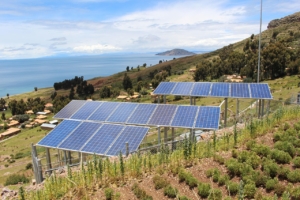 The Amazon region of Brazil, known as Amazônia Legal, covers nearly 60% of the country’s territory across nine states. Yet, it is home to only about 12% of the population. More than 20 million people live within this vast area, including Indigenous residents, many of whom live in villages disconnected from Brazil’s national power grid. In recent years, both the Brazilian government and nongovernmental organizations (NGOs) have begun investing in solar energy in the Amazon in an effort to bring sustainable electricity to the region.
More Light for the Amazon
In 2020, the Brazilian government launched the “More Light for the Amazon” project, later integrating it with the national Light for All initiative. The program aims to deliver renewable electricity to 228,000 homes by 2026, improving lives, creating opportunities for communities long overlooked and protecting the fragile Amazon environment.
These public policies have been essential for scaling up efforts, especially since NGOs alone often lack the resources to reach every village.
Impacts of Solar Energy in the Amazon
The Indigenous territory of Xingu offers a powerful example of how solar energy in the Amazon is transforming daily life. Today, many households have access to renewable electricity. Although it took more than a decade from the launch of the original initiative, families in Xingu can now switch on the lights and even watch TV, thanks to this clean and renewable energy solution.
Another example of how solar energy in the Amazon is transforming lives can be found in Vila Limeira, a village located within a protected area of the rainforest. The nearest city is 112 kilometers away and the community is reachable only by boat. Before solar power, diesel generators were the residents’ sole source of electricity, an expensive and unsustainable option.
Today, thanks in part to a donation from the Charles Stewart Mott Foundation to the World Wildlife Fund, Vila Limeira operates its own solar grid. Families can now enjoy basic amenities like refrigerators and washing machines, dramatically improving daily life.
Solar energy in the Amazon is transforming daily life and helping remote communities thrive. Renewable power now runs irrigation systems, keeps produce and meat fresh through refrigeration and makes simple tasks, like washing clothes at home, possible. Beyond convenience, solar power has also saved lives.
During the COVID-19 pandemic, communities with access to solar energy could refrigerate vital medications and vaccines while also staying informed with reliable updates on resources and the spread of the virus. This access proved critical in such isolated areas, where reaching a hospital or medical facility is often difficult and time-consuming.
Final Remarks
As Brazil continues to expand public policies that promote solar energy in the Amazon, the results are already proving transformative. Remote villages, once isolated from the national grid, are now writing their own success stories, with renewable power bringing light, refrigeration, communication and opportunity into daily life.
Solar energy has minimal environmental impact, which allows communities to preserve their land and traditions while also strengthening local economies. Most importantly, it provides the foundation for future generations to thrive, with improved access to education, health care and the tools needed to build a more sustainable and equitable future.
– Fernanda Nilson
Fernanda is based in North Charleston, SC, USA and focuses on Technology and Solutions for The Borgen Project.
Photo: Pixabay
