• Link to X
  • Link to Facebook
  • Link to Instagram
  • Link to TikTok
  • Link to Youtube
  • About
    • About Us
      • President
      • Board of Directors
      • Board of Advisors
      • Financials
      • Our Methodology
      • Success Tracker
      • Contact
  • Act Now
    • 30 Ways to Help
      • Email Congress
      • Call Congress
      • Volunteer
      • Courses & Certificates
      • Be a Donor
    • Internships
      • In-Office Internships
      • Remote Internships
    • Legislation
      • Politics 101
  • The Blog
  • The Podcast
  • Magazine
  • Donate
  • Click to open the search input field Click to open the search input field Search
  • Menu Menu

Archive for category: Developing Countries

Information and stories about developing countries.

Developing Countries, Development, Global Poverty

The Togolese-German Program: Togo’s Path to Development

The Togolese-German ProgramTogo’s political history has impeded the country’s democratic aspirations. The recent parliamentary approval to extend President Faure Gnassingbé’s term, following his father’s 38-year rule, has heightened tensions. However, the government is transitioning from a presidential to a parliamentary system. This promises an end to decades of dictatorship and fosters opportunities for progress.

According to the United Nations Human Development Index (HDI), Togo is one of the most impoverished countries globally. Years of autocratic rule have exacerbated corruption and hindered development. Amid these challenges, Togo’s move toward democratization is reflected in its new partnership with the German Federal Ministry for Economic Cooperation (BMZ).

The Togolese-German Program

This collaboration aims to achieve food security and provide job opportunities. Initiatives include loan programs, infrastructure funding for rural roads and vocational training programs, such as motor vehicle mechanics courses. The aim is to attract private investment and boost the economy.

The Togolese-German program focuses on creating jobs suited to the local market and attracting private investors. Vocational training, including motor vehicle mechanics courses, equips young people with skills to repair motorcycles and engines. Recognizing agriculture’s economic potential, the BMZ program supports the sector with school-based and industry-based training in six cities, enhancing skills nationwide.

Ensuring Food Security While Expanding Opportunities

Agriculture is vital to Togo’s economy. However, it remains largely traditional, with widespread poverty in rural areas driving youth to cities due to limited job prospects. To address this, Germany supports improving key agricultural value chains like coffee, cocoa and fruit through tailored farmer training, which boosts yields, reduces costs and creates income opportunities.

Efforts also include developing financial products for smallholders, improving rural infrastructure and enhancing national food security under the “Transformation of Agricultural and Food Systems” initiative. From 2012 to 2020, more than 80,000 farmers received training, leading to increased incomes for most, the creation of thousands of jobs and significant improvements in food security and rural infrastructure.

Enhancing Local Infrastructure and Services

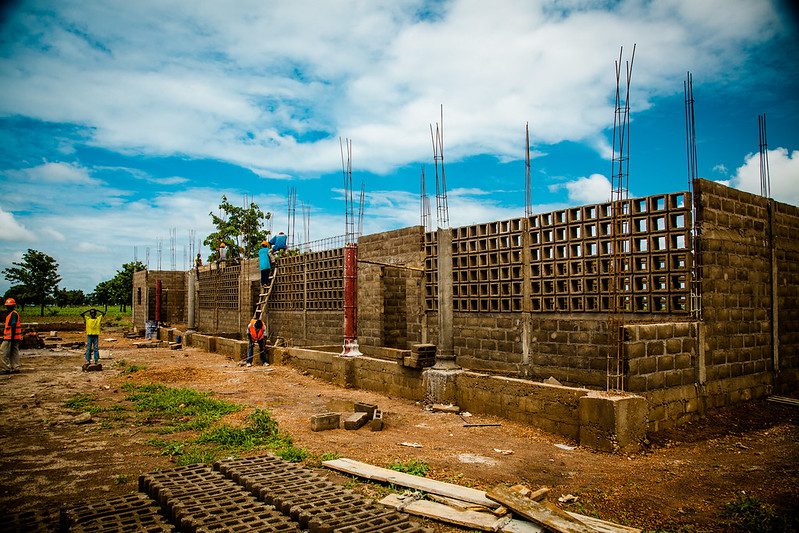
Germany is focused on strengthening local infrastructure and services in Togo by enhancing public service delivery, increasing municipal revenues and promoting civic participation. Efforts include supporting the construction of markets, town halls and citizens’ affairs offices, modernizing civil registration and training municipal workers.

These initiatives empower local communities, ensure more responsive governance and provide citizens with better access to essential services. As a result, millions of Togolese now benefit from improved public services, active participation in community development and greater access to education through streamlined civil registration processes.

Final Remark

Germany is committed to empowering local communities in Togo by improving infrastructure, enhancing public services and promoting civic participation. These efforts ensure better governance, increased municipal revenue and greater access to essential services, benefiting millions of citizens nationwide.

– Lydie Udofia

Lydie is based in London, UK and focuses on Global Health for The Borgen Project.

Photo: Flickr

August 14, 2024
https://borgenproject.org/wp-content/uploads/borgen-project-logo.svg 0 0 Lynsey 2 https://borgenproject.org/wp-content/uploads/borgen-project-logo.svg Lynsey 22024-08-14 03:00:002024-08-14 01:30:02The Togolese-German Program: Togo’s Path to Development
Developing Countries, Global Poverty, Nonprofit Organizations and NGOs

The Girl Generation: Organization Helping FGM Survivors in Kenya

The Girl GenerationFemale Genital Mutilation (FGM) carries many risks, perhaps the most unspoken one being the psychological impacts of the often traumatic procedure. Though there is little research on the mental effects on survivors of FGM, it is widely accepted that many women suffer from conditions like depression, anxiety and post-traumatic stress syndrome.

In Kenya, where prevalence rates of FGM are high, various forms of therapy are being used to help girls and women deal with the lasting consequences of FGM on their mental health. Art therapy has been proven to be an effective way of processing the trauma survivors of FGM in Kenya have experienced.

What Is It?

The World Health Organization (WHO) defines FGM as “all procedures that involve partial or total removal of the external female genitalia or other injury to the female genital organs for nonmedical reasons.” There are many serious risks to these procedures, including short-term issues like shock, infection and serious bleeding. Furthermore, long-term issues include urinary problems, complications in childbirth (increasing the likelihood of newborn death) and psychological trauma.

FGM is considered a violation of human rights. It is most often performed on girls and so can also be a violation of the rights of the child. More than 200 million girls and women alive today are survivors of FGM. It is estimated that around 3 million people are at risk annually. In Kenya, FGM remains a significant issue, with a prevalence rate of 15%. While this marks progress from 21% in 2014 to 38% in 1998, more work is needed to reduce the rates further. In the meantime, it is crucial to support survivors of FGM in Kenya.

Lasting Impacts

After undergoing “the cut,” many girls leave education to marry, meaning the number of girls who remain in education is very low. Out of 80.8% of girls in rural areas who attend primary school, only 14.3% enroll in secondary school. FGM perpetuates poverty for girls by obstructing their access to education and pathways out of poverty.

With one-third of Kenyans living below the national poverty line, FGM exacerbates education gaps, excludes women from the workforce and imposes health care costs due to the procedure’s immediate and long-term effects. This prevents the country from achieving full prosperity.

Support for Survivors

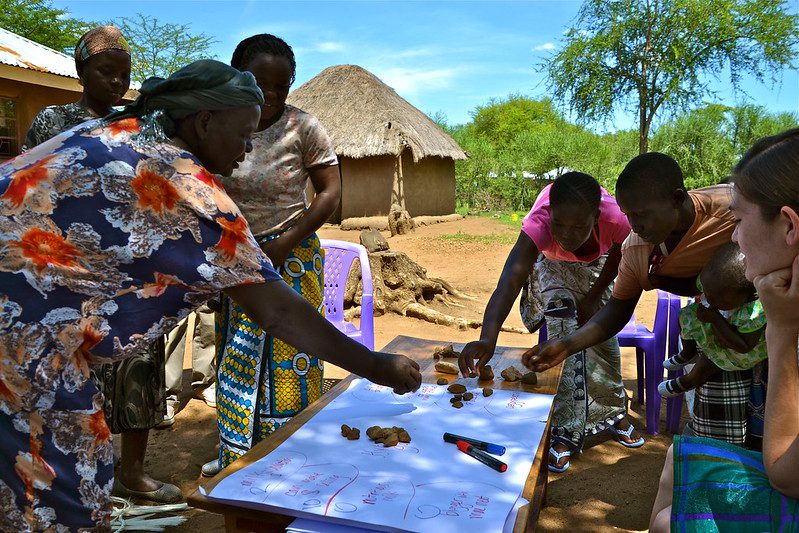
The Girl Generation, in partnership with the U.K. Aid, is providing counseling services for survivors of FGM in Kenya. This initiative helps survivors cope with trauma and rebuild their lives. Since 2022, the organization has helped more than 500 survivors in Kenya. The Girl Generation also supports girls who dropped out of school to continue their education. Indeed, this allows them to escape the cycle of poverty.

Summary

Many girls and women remain silenced after experiencing FGM, with their suffering often ignored or dismissed. Art therapy and counseling provide a platform for these women to express their struggles and receive the support they need. The Girl Generation is one organization delivering these services to FGM survivors in Kenya.

– Eryn Greenaway

Eryn is based in East Sussex, UK and focuses on Global Health for The Borgen Project.

Photo: Flickr

August 14, 2024
https://borgenproject.org/wp-content/uploads/borgen-project-logo.svg 0 0 Lynsey 2 https://borgenproject.org/wp-content/uploads/borgen-project-logo.svg Lynsey 22024-08-14 01:30:512024-08-14 01:12:08The Girl Generation: Organization Helping FGM Survivors in Kenya
Developing Countries, Global Poverty, Slums

Slum Art Form: Rap in Dharavi, Mumbai

Slum Art FormsThere are diverse ways in which we, as spectators, characterize poverty. However, it is worth asking how those living in abject poverty themselves view their situations. People in different parts of the world are not just passive recipients of their circumstances and our interventions. They have active ways to cope with, speak up about and change their realities, including art and creativity. In Dharavi, Mumbai, India, the rap culture constitutes a unique kind of slum art form, expressing anger, aspiration and ambition all at once.

Dharavi’s Living Conditions

Dharavi is situated in front of Mumbai’s upscale and prosperous central business district, the Bandra-Kurla Complex. However, its material conditions render it nearly unlivable. The cramped quarters of its estimated 1 million residents line its dim, narrow alleyways, some of the most densely populated in the world. Close to 3,000 people share every single toilet here. The open sewers drain into the heavily polluted Mahim Creek adjacent to the slum. This creates fertile grounds for the rampant spread of contagious diseases.

Rap as Dharavi’s Slum Art Form

Hip-hop and rap music come from the streets or “gullies” – starting from The Bronx in New York City in the ’70s, it is the creation of people whose everyday struggles are not reflected in mainstream art forms. And indeed, far away from the romantic balladry and opulent consumerism of nearby Bollywood lies the heart of Dharavi’s music, its slum art form. Every beat brings catharsis and individual expression to its people.

Dharavi is dotted with many such musicians, from individual acts to crews. Such artists have been around for very long – but they were smaller in number, scattered and lacked access to streaming and production platforms. Rap culture truly took off around 2010, when some artists started releasing music albums independently, thanks to YouTube.

It has also created local employment. The acclaimed group SlumGods, for example, quickly expanded from two to 40-50 core members in four years. It also regularly organizes tours of Dharavi that highlight the resilience and entrepreneurial spirit of its people, thus bringing recognition to the community.

The songs, written in peculiar Mumbai slang, potently combine frustration at piercing social realities with hope for a better tomorrow. DIVINE’s 38 million views-strong collaborative track “Mere Gully Mein” (In My Gully) highlights widespread political corruption and hypocrisy. However, it also focuses on Dharavi’s secular attitude and its residents’ generosity and sense of community. Bombay Lokal sings about the “darkness” of deprivation but also the “sunshine” experienced by those who take the risk of “standing beneath the clouds” and fighting for change.

Artists like these two are immensely popular now, performing in metropolitan venues across the country. However, what they still have in common with Dharavi’s smaller up-and-coming acts is a strong attachment to their grassroots identities and willingness to speak up about socioeconomic woes.

Taking the Slum’s Art Form to Its Children

Many nonprofits also encourage skill development and recreation among Dharavi’s children by teaching them the art of rap and breakdance. These safe spaces help them deal with their immediate circumstances and find their voices. Dharavi Rocks is a percussion band operated by the ACORN Foundation, aiming to enhance waste collection and management. Its 20 young members, all drawn from Dharavi, make music out of junk and clutter, earning the appreciation of India’s most well-known production companies. Additionally, the Dharavi Dream Project, established in 2014, offers free after-school hip-hop classes to more than 150 students and has trained more than 1,500 children in total.

– Shiveka Bakshi

Shiveka is based in London, UK and focuses on Good News and Global Health for The Borgen Project.

Photo: Pexels

August 12, 2024
https://borgenproject.org/wp-content/uploads/borgen-project-logo.svg 0 0 Lynsey 2 https://borgenproject.org/wp-content/uploads/borgen-project-logo.svg Lynsey 22024-08-12 01:30:502024-08-10 14:55:30Slum Art Form: Rap in Dharavi, Mumbai
Africa, Developing Countries, Global Poverty

How BOMA Is Building Climate Resilience in Africa’s Drylands

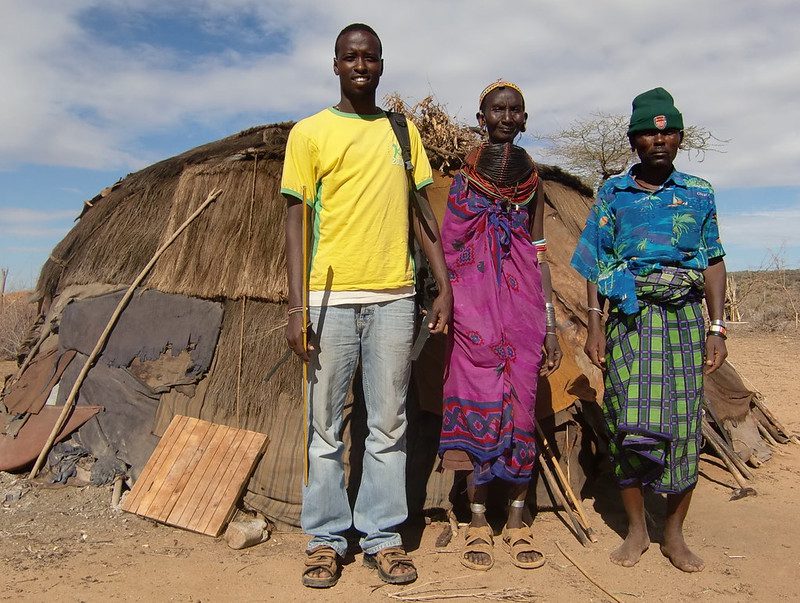
BOMAIn the Samburu region of Kenya, Pamela Lenolnyenje is one of the thousands of nomadic people living in/around the Kirisia Forest. Many such people live in extreme poverty partly due to rising temperatures and the collapse of fragile local ecosystems. However, due to financial training and a $175 grant provided by BOMA, a nonprofit organization dedicated to ending poverty and mitigating the effects of adverse weather, Lenolnyenje has since gained an income from managing a tree nursery while setting up her shop to sell produce. Likewise, due to intervention by BOMA, destructive land management practices have fallen considerably among the local community.

This is just one example of the work BOMA is doing to combat both environmental degradation and extreme poverty in Africa’s drylands. By combining education with access to capital, BOMA has sought to help vulnerable people escape the trap of climate-induced poverty by improving climate resilience. Refugees, in particular, have formed a primary target group, with sub-Saharan Africa hosting more than a quarter of the world’s refugee population.

The Rural Entrepreneur Access Project

The organization’s Rural Entrepreneur Access Project (REAP) strategy has been key to helping vulnerable populations in this way. Through this strategy, BOMA maps the key barriers to overcoming extreme poverty for pastoral families before implementing a series of interventions, including conditional cash transfers and financial training, for two years. However, due to the unique challenges facing Africa’s drylands, a more specialized “Green REAP” strategy is now used to tackle the twin crises of environmental collapse and extreme poverty.

The Green Reap Project

While environmental issues may appear of secondary concern to those facing extreme poverty, the sustainable management of scarce resources and fragile ecosystems can, in fact, considerably reduce poverty levels. Improving communities’ resilience to the impacts of changing climatic conditions, flood control, water filtration and other issues is crucial for sustainable development. Thus, BOMA, alongside its partners, provides funding and training to help people set up small, environmentally-friendly enterprises, which also help to conserve local ecosystems, such as the tree nursery discussed earlier.

One example of this Green REAP approach in action is the LIFT project in Northern Kenya, established in 2023. The project aims to improve opportunities for 15,600 women, young people and refugees by helping these people build and sustain 3,650 small enterprises. Of these 15,600 LIFT participants, approximately 30% of them come from in and around the Kakuma Refugee Camp and Kalobeyei Refugee Settlement, thus underlining BOMA’s commitment to refugees.

Impact

A 2016 study found that BOMA’s model resulted in a 147% increase in income for participants, alongside a 14,000% increase in savings and a 63% decrease in the number of children going to bed hungry. The Green REAP pilot scheme similarly indicated that 60% of participants shifted away from destructive practices such as charcoal harvesting, demonstrating Green REAP’s impact on climate resilience.

Final Remark

Ultimately, BOMA’s estimates indicate that more than 93,000 people in Kenya will benefit directly or indirectly from the LIFT project in the next two years. However, as the earth’s average temperature continues to ravage the drylands of Africa and trap many in positions of extreme poverty, the need for programs like this remains as high as ever. Thus, only through the incredible work of charities like BOMA can extreme poverty truly be eliminated from the African continent.

– Ben Evans

Ben is based in Abbots Langley, Hertfordshire, UK and focuses on Good News for The Borgen Project.

Photo: Flickr

August 12, 2024
https://borgenproject.org/wp-content/uploads/borgen-project-logo.svg 0 0 Lynsey 2 https://borgenproject.org/wp-content/uploads/borgen-project-logo.svg Lynsey 22024-08-12 01:30:392024-08-11 12:15:29How BOMA Is Building Climate Resilience in Africa’s Drylands
Developing Countries, Global Poverty, Sports

Indian Premier League Improving the Economy

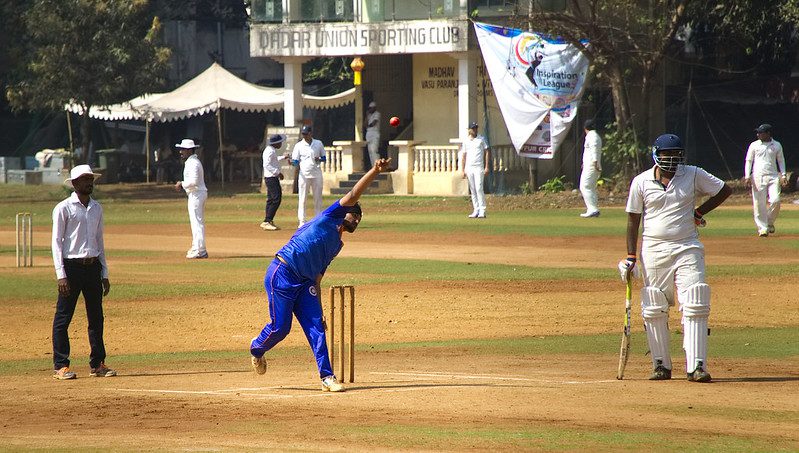
Indian Premier LeagueRecent cricket tournaments, such as the Twenty20 (T20) World Cup and the Indian Premier League, have significantly benefitted the economies of developing nations through the beloved sport.

Poverty in India

India, home to approximately 1.4 billion people, faces significant wealth inequality, with 63 million individuals living in poverty. According to Oxfam, chronic under-investment is leading to difficulties accessing substantial education and health care. Despite this, India has one of the fastest-growing economies, with 77% of the world’s total national wealth being present in the top 10% of the Indian population.

Despite these reports of massive wealth inequality, poverty rates in India have been slashed. The University of Oxford conducted a report that found that the multidimensional poverty index (MPI) in India decreased hugely from 55% to 16% in the span of 15 years.

Indian Premier League

The Indian Premier League (IPL) is the world’s largest T20 cricket tournament. The tournament is still in its early years, starting as a franchise in 2008 and has built a strong global fan base. In 2024, the IPL consisted of 10 teams playing a total of 74 matches. A report by the Mastercard Economics Institute found that not only has the sport and tournament unified people in India and globally, it has had a ripple effect on local economies.

The report found that Mastercard transactions increased by 25% on match days. This was attributed to an increase in spending in bars and restaurants during the game. In addition to this, Mastercard saw a higher spend in cities where matches were taking place. The IPL is driving huge amounts of tourism into and around the nation, including increased investments in hotels and hospitality. In 2019, the Indian Premier League generated $68 million in the hospitality industry.

The Economist reported that the tournament drove $6.2 billion in 2022. The game has led to India being branded as the “dominant economic power in cricket” by the Economist. Additionally, it has opened up tourist experiences and jobs for residents. Similarly, other tournaments have been observed to alleviate poverty through various sports. The 2010 FIFA World Cup in South Africa had a significant impact on the country’s economy. According to a study by the South African government, the tournament created 415,000 jobs. Additionally, it contributed approximately $3 billion to South Africa’s economy.

ICC Men’s T20 World Cup

The International Cricket Council Men’s T20 World Cup wrapped in June 2024. The World Cup was hosted by the West Indies and the United States of America teams. Due to this, games were held in six venues in the West Indies, in nations such as Guyana and Saint Lucia.

Guyana currently has one of the highest poverty rates in the Caribbean, with poverty rates of 48.4% in 2019, according to the World Bank. This includes issues regarding limited access to basic services in the nation for those living in poverty. However, due to the T20 World Cup, we may see an alleviation of this, following in the footsteps of the IPL.

– Ella Turner

Ella is based in St Helens, UK and focuses on Good News for The Borgen Project.

Photo: Flickr

August 12, 2024
https://borgenproject.org/wp-content/uploads/borgen-project-logo.svg 0 0 Lynsey 2 https://borgenproject.org/wp-content/uploads/borgen-project-logo.svg Lynsey 22024-08-12 01:30:202024-08-10 15:04:39Indian Premier League Improving the Economy
Africa, Developing Countries, Global Poverty

The Poverty Reduction Scheme in Liberia

The Poverty Reduction Scheme in LiberiaUrban Liberia has seen a steady decrease in poverty rates, with only three in 10 people living below the poverty line in its capital city, Monrovia, as of 2016. However, in rural areas of Liberia, this figure stands much higher, with eight in 10 living below the poverty line. During his inauguration speech on January 22, 2024, President Joseph Boakai outlined his plans for a poverty reduction scheme in Liberia, known as the ARREST Agenda for Inclusive Development (AAID). Set to operate from 2025 to 2029, with a launch scheduled for November 30, 2024, the ARREST agenda focuses on six key areas.

How Does the AAID Poverty Reduction Scheme in Liberia Work?

  1. Agriculture: Currently, Liberia’s economy relies on agriculture and the export of natural resources like gold. In his inauguration speech, Boakai emphasized agriculture’s crucial role in the country. Boakai noted that it provides jobs to 50% of the population, either directly in agriculture or in related industries. Boakai identified agriculture as “a key driver” in the Liberian economy. Furthermore, the agriculture sector could provide a stable income and food security to many, whilst reducing poverty in Liberia.
  2. Roads: Existing roads in Liberia are among the least developed in West Africa. The country spans 111,370 square kilometers, but the road network covers only about 10,600 kilometers. The majority of these roads are unpaved. Boakai recognized the need for roads to connect citizens. Furthermore, he stated the need for significant spending on roads as a “critical intervention for economic growth and national development.” By connecting more rural areas to big cities, such as Monrovia, people in rural areas are able to reach higher-paying jobs.
  3. Rule of Law: Following two civil wars and accusations of the previous government being corrupt, with the United States treasury having to sanction three of George Weah’s government officials for corruption, Boakai made sure to highlight the urgency for transparency and accountability within his government. This campaign against corruption is likely to ensure that government spending is in the best interest of citizens.
  4. Education: In order to reduce poverty in Liberia, Boakai has stated that he will “rethink” the education system in such a way that provides students with vocational skills and more subjects within the curriculum. This will then better prepare students for higher-paying jobs in a wider array of sectors, helping to boost development.
  5. Sanitation: Currently, in Liberia, around a quarter of citizens do not have access to clean water and drinking facilities and 40% of the population is forced to practice open defecation without access to well-equipped sanitation services. This then exposes people to diseases closely linked with unclean water, such as cholera. Improving sanitation increases the ability of people to work without the impact of disease. Furthermore, this ensures a steady stream of income and allows children to stay in school. Without prolonged absence, the chances of a life affected by poverty are greatly reduced.
  6. Tourism: After two civil wars, Liberia’s tourism industry was incredibly damaged. In 2014, the Liberian Tourism Association was established, a nonprofit organization partnering with companies to unite the Liberian tourism industry. In his inauguration speech, Boakai expressed a desire to “unlock the potential of the tourism sector.” The aim would be to create further contributions to the country’s gross domestic product (GDP), reducing poverty in Liberia.

Final Remark

This poverty reduction scheme established by Boakai will enable the development of Liberia. Additionally, this will allow for the reduction of poverty among Liberian citizens, removing the economic divide that currently exists between those in urban and rural areas of the country.

– Freyja Stone

Freyja is based in Manchester, UK and focuses on Politics for The Borgen Project.

Photo: Flickr

August 11, 2024
https://borgenproject.org/wp-content/uploads/borgen-project-logo.svg 0 0 Lynsey 2 https://borgenproject.org/wp-content/uploads/borgen-project-logo.svg Lynsey 22024-08-11 01:30:542024-08-10 13:50:34The Poverty Reduction Scheme in Liberia
Developing Countries, environment, Global Poverty

Targeting Poverty and the Environment in South Africa

Environment in South AfricaUnemployment has been a persistent concern in South Africa. At the same time, South Africa is a water-scarce nation facing inconsistent rainfall, which disproportionately affects the country’s impoverished population. To address poverty and the environment in South Africa, the nation launched the Working for Water (WfW) program in 1995. This has expanded to larger environmental and social employment programs that are still effective today.

Impacts of the WfW Program

The WfW program hires unemployed persons to remove invasive plant species, thereby providing income while targeting pressing environmental concerns. These plant species deplete water resources in an already water-scare nation, limiting water supply for health and economic needs. In addition to water, the invasive plant species also threaten biodiversity and ecosystems. They contribute to soil erosion and obstruct grasslands used for livestock grazing. The program also has social targets, seeking to hire at least 5% disabled persons, 20% youth and 60% women, with baby chrèches provided for mothers with young children.

The program has successfully targeted poverty and the environment in South Africa. According to the South African government, 20,000 jobs have been created through the WfW program. Furthermore, 52% of participants were women. It has removed more than one million hectares of invasive plant species, which, as of 2010, has helped the nation retain more than 46 million cubic meters of water and prevent $22.7 billion of national income from being lost.

The Working for Energy Program

With the success of the WfW program, the government has rolled out additional “Working for” programs to target poverty and the environment in South Africa. One notable example is the Working for Energy program, which was inspired by the leftover biomass from the WfW program. This program focuses on providing low-income families with electricity generated from renewable sources.

The initiative is projected to generate 720 megawatts (MW) of electricity and create 50,000 jobs, demonstrating a sustainable approach to both energy production and economic development. In addition to Working for Energy, programs have been implemented targeting wetlands, fire, the coast and waste. In total, these programs are expected to create 230,000 public employment opportunities by 2025.

The Expanded Public Works Program

With the success of the “Working for” programs, the South African government established the Expanded Public Works Program (EPWP) following the Growth and Development Summit in 2003. This initiative continues to create employment opportunities under the summit’s goal of “more jobs, better jobs, decent work for all.” The EPWP targets additional sectors of the environment, which now runs the “Working for” programs, including Infrastructure, Social and Nonstate. The EPWP continues to be successful, having achieved its goal of the creation of one million jobs ahead of schedule in 2008.

Looking Ahead

Despite such successes, challenges lay ahead. Though the EPWP presents employment opportunities, larger structural concerns are at play. Unemployment rates have been rising in the last 20 years, currently sitting at 32.9%. Water shortages are also becoming increasingly common. Furthermore, though the expansion of EPWP can create some permanent employment, most of the jobs it provides for the unemployed are temporary.

The United Nations Development Programme claims that the program can benefit from additional skills training to help its beneficiaries switch into employment outside of the EPWP. However, the “Working for” programs and its continued development as the EPWP remains an innovative measure. It is frequently cited as one of the leading examples globally of simultaneously targeting poverty and environmental concerns.

– Imme Koolenbrander

Imme is based in Beijing, China and focuses on Business and Solutions for The Borgen Project.

Photo: Flickr

August 10, 2024
https://borgenproject.org/wp-content/uploads/borgen-project-logo.svg 0 0 Lynsey 2 https://borgenproject.org/wp-content/uploads/borgen-project-logo.svg Lynsey 22024-08-10 01:30:542024-08-12 02:33:03Targeting Poverty and the Environment in South Africa
Developing Countries, Global Poverty

The Shadows of the Himalayas: Poverty in Nepal

Poverty in NepalNepal, a developing country, has nearly one-quarter of its population living below the national poverty line. The rural areas, which constitute a significant portion of the country’s demographic, are particularly affected. In such regions, poverty manifests in multiple dimensions, including lack of access to basic health care, education, clean water and sanitation.

The mountain people of the Himalayas frequently stay on the outskirts of socioeconomic and geopolitical opportunities, living on the fringes of society. Agriculture remains the backbone of the Nepalese economy. However, the sector is plagued by low productivity, limited modernization and vulnerability to adverse climatic conditions, maintaining a cycle of poverty in Nepal.

Education and Child Labor

Education is a critical factor in breaking the cycle of poverty. Yet, many Nepalese children face significant barriers to accessing quality education. School facilities are often inadequate and qualified teachers are scarce. Furthermore, child labor is a persistent issue, with many children forced to work to support their families instead of attending school. About 13.4% of children aged 5 to 9 are engaging in agricultural activities during the prime years of their basic education.

Health Care Challenges

Health care in Nepal is another sector that highlights the disparity between urban and rural populations. While the capital, Kathmandu and other metropolitan areas have seen improvements in health care infrastructure, rural regions lag far behind. However, the government has introduced a health policy encouraging the private sector to invest in the production of health workers and in providing quality health services. While this is an important step, it may harm low-income people who have nowhere to turn to but to rely on their government. Many villagers have to travel long distances to reach the nearest health facility. Once there, they often need more medical supplies and trained professionals.

The Role of Tourism

Tourism significantly contributes to Nepal’s economy, bringing in substantial foreign exchange and creating employment opportunities. However, the benefits of tourism are not evenly distributed. The industry is heavily concentrated in certain areas, like Kathmandu and Pokhara, leaving other regions with little to no benefit.

Steps Toward Alleviating Poverty

Cordaid, a nonprofit dedicated to addressing the causes of fragility, has been working in Nepal since the ’80s, phasing out activities in the nation. Cordaid works with smallholder farmers to build their resilience to adverse weather. They provide vocational training and certification to increase employment opportunities.

Furthermore, CARE Nepal helps improve marginalized communities’ lives through various programs. These program included initiatives in health, education, women’s empowerment, economic development, disaster risk reduction and water, sanitation and hygiene (WASH) programs. It provides maternal and child health care, promotes gender equality in education, empowers women with vocational training and economic opportunities and supports sustainable agricultural practices.

In 2023, CARE Nepal’s “Gender Justice and Health and Education Rights” program reached nearly 40,000 people, empowering women and girls from vulnerable communities to lead healthy, violence-free and distinguished lives.

Conclusion

With its towering peaks and deep cultural roots, Nepal is a country of immense potential and equally significant challenges. Poverty remains a persistent shadow over its picturesque landscapes. Addressing this issue requires sustained efforts from the government, international community and local stakeholders. By focusing on education, health care, economic diversification and equitable development, Nepal can begin to lift its people out of poverty. The future is as bright as the sunlit peaks of the Himalayas.

– Rika Mokal

Rika is based in London, UK and focuses on Global Health for The Borgen Project.

Photo: Pixabay

August 9, 2024
https://borgenproject.org/wp-content/uploads/borgen-project-logo.svg 0 0 Lynsey 2 https://borgenproject.org/wp-content/uploads/borgen-project-logo.svg Lynsey 22024-08-09 07:30:502024-08-09 01:30:05The Shadows of the Himalayas: Poverty in Nepal
Africa, Developing Countries, Global Poverty

Poverty and Population Growth in Tanzania

Population Growth in TanzaniaTanzania, located on the eastern coast of Africa, struggles with high rates of poverty. About 25.2 million Tanzanians lived in extreme poverty in 2022, based on the threshold of $1.90 a day. While the poverty rate has declined in the last few decades, the absolute number of Tanzanians living in extreme poverty has remained stagnant. A major reason for this is rapid population growth in Tanzania, which increases the number of people born into poverty. Tanzania has one of the highest fertility rates in the world, at 4.5 births per woman.

Population Growth in Tanzania and Its Effects on Poverty

According to the National Library of Medicine, rapid population growth tends to be more common in developing countries such as Tanzania due to higher unplanned pregnancy rates, social structure and economic prosperity levels. From 2015 to 2019, 46% of pregnancies in Tanzania were unintended. The nation also faces a high teen pregnancy rate. As of 2021, about one in four girls had become pregnant or given birth by age 18.

The Guardian, in an article on population growth in Tanzania, cites the low use of contraceptives as a major contributing factor. Poor sex education and misinformation about the effects of birth control reinforce these numbers. A high unplanned pregnancy rate not only increases the nation’s overall birth rate but also reduces career options for the women involved, limiting their ability to participate in the economy. Many women are unable to work full time given the added responsibility of child care. For teenage girls, pregnancies reduce their net years of employment considerably. This is an obstacle to overcoming poverty not just for women themselves but also for Tanzania as a whole.

Effect of Population Growth in Tanzania

According to the United Nations (U.N.), the current balance between economic and population growth is not working in Tanzania’s favor. While the nation’s economy has grown steadily in recent years, its agriculture sector still has untapped potential. As of February 2024, it contributes one-third to the gross domestic product (GDP) and employs two-thirds of Tanzania’s population.

A fertility rate as high as 4.5, however, which more than doubles the replacement rate of 2.1–2.3 births per woman, can put significant pressure on these resources. Suppose Tanzania does not realize the full potential of its agricultural sector. In that case, high population growth may push more and more people into poverty.

Reconciling Economic Growth with Population Growth

Addressing the intertwined problem of poverty and population growth in Tanzania requires two major approaches. The first is to improve sex education, increase the use of contraceptives and reduce Tanzania’s unplanned pregnancy rate. The second is to maximize economic growth, specifically to tap into the potential of Tanzania’s sizable agricultural sector to provide for a growing population.

SolidarMed focuses on the first approach. This nonprofit organization, concentrated on improving health throughout Africa, works specifically in Tanzania to train health workers in sexual health counseling and host awareness campaigns to promote sexual education. In March 2024, SolidarMed trained six young men and women to counsel adolescents. Furthermore, they examined flaws in the nation’s current sexual education system.

Building a Better Tomorrow: Youth and Women Initiative for Agribusiness (BBT-YIA) focuses on the second approach. An initiative championed by Tanzania’s Minister of Agriculture Hussein Bashe, this organization aims to increase youth participation in the agricultural sector. The initiative aims to boost productivity and enhance sustainable food systems. Youth (aged 15–35) account for roughly 56% of Tanzania’s active labor force. By 2030, BBT-YIA hopes to increase youth employment by 1.5 million people and grow the agricultural sector by 10%. As an 8-year plan, it also aims to set up at least one youth-led agribusiness in each of the nation’s 12,000 villages.

The United States Agency for International Development (USAID) has also recently introduced a program to reduce poverty and malnutrition in Tanzania by strengthening its agricultural sector. It will work with the Tanzanian government, nongovernmental organizations (NGOs) and other organizations to develop the industry in four key ways. These include boosting productivity and competitiveness through targeted investments and private sector engagement, improving nutrition through the Feed the Future program, building long-term sustainability and enhancing the sector’s business environment.

Looking Ahead

By increasing the productivity of the agricultural sector and improving sexual education for its population, Tanzania may enhance its economic growth. With the help of USAID, SolidarMed and BBT-YIA, the country may be able to provide for its rapidly growing population.

– Lana Swindle

Lana is based in Princeton, NJ, USA and focuses on Global Health and Politics for The Borgen Project.

Photo: Flickr

August 8, 2024
https://borgenproject.org/wp-content/uploads/borgen-project-logo.svg 0 0 Lynsey 2 https://borgenproject.org/wp-content/uploads/borgen-project-logo.svg Lynsey 22024-08-08 03:00:082024-08-08 00:56:27Poverty and Population Growth in Tanzania
Developing Countries, Global Poverty, Humanitarian Aid

Youth Organizations in Yemen and Myanmar

Youth OrganizationsYemen and Myanmar face significant humanitarian issues. The issue is due to governments imposing restrictions and regulations preventing assistance. The threat of economic collapse also hinders the delivery of resources needed to rebuild broken communities. It is not just the work of today’s older generations that can stop these unnecessary hardships but also the help of younger minds who amplify their voices through youth organizations to bring about the needed change. Adolescents in humanitarian action provide more support to nations in need through their contributions and by leading solutions that call for change to stop negative possibilities.

Yemen

A 23-page report titled “Progress Study on Youth, Peace and Security” written by Youth4Peace reflects the views of more than 4,000 people and the impact the younger generation makes on the world. Youth organizations play a crucial role in turning young people’s ideas into reality, significantly impacting and revitalizing broken communities.

Yemen Youth Lead is considered an important initiative for effecting change in Yemen’s climate. In association with Partners Global, Yemeni youth have successfully highlighted to government officials and international donors the importance of including young people in policy conversations to affect communities in need positively. Mohammed Al-Shami, a Yemen-born computer engineer turned advocate and guest blogger for Partners Global, volunteered with local communities and civil societies before partnering with Yemen Youth Lead. “I have personally witnessed the fearlessness, hope and commitment that the youth of Yemen had to offer,” he said, “I know firsthand Yemen’s transformation will come through the efforts of the youth.”

The Youth Without Borders Organization for Development is another nonprofit Yemeni foundation focusing on socially empowering Yemeni youth. Part of its mission is to work with passionate professionalism to provide an environment conducive to young people playing more significant roles later in life. Based on its belief that youth play a major part in public decision-making, the organization seeks to empower them through sustainable programs designed for the Yemeni reality. It cooperates with local and international partners to enhance community work, delivering effectiveness in public life and peacebuilding in Yemen.

Additionally, the Yemen Relief and Reconstruction Foundation aims to increase public awareness of humanitarian crises in Yemen, support relief and reconstruction efforts and facilitate campaigns to bring peace to the country through U.S. lobbying and policymakers. Its best strategic aim is promoting broad awareness of grave health and security issues by raising funds to support critical needs and relief efforts. Ultimately, this accumulates into advocating and facilitating support for the Yemeni people during the reconstruction efforts. The organization’s president, Aisha Jumaan, a Yemeni-born citizen, uses her experiences to help build health-related development and training activities to improve the living conditions of Yemeni citizens.

Myanmar

In Myanmar, the Myanmar Youth Empowerment Opportunities (MYEO) offers a mobile-based platform to reach out to the country’s youth and provide the skills necessary for being ready for future employment. The organization’s app delivers social media content that includes jobs, internships and volunteering, complete with online training, mobile partners and membership programs at an affordable cost.

Another Myanmar program that offers support is Peace Point Myanmar (PPM). PPM is a group of Myanmar’s youth that offers different kinds of support and empowerment training to develop skills later in society. PPM offers human rights programs along with peace-building and youth development. One of its greatest strengths as an organization is the ability to deliver library projects that educate those vulnerable by promising fun activities and learning materials to all. PPM’s library project greatly reduces anger and tension among the youth and encourages more moderate positions with social cohesion.

Youth Organizations in Yemen and Myanmar

The efforts to make a change in both countries with the youth in mind are progressing slowly. While these efforts are taking longer due to increasing global issues, Yemen and Myanmar represent the first steps toward building a better future for the world’s youth.

– Jacob Barker

Jacob is based in Ames, IA, USA and focuses on Good News and Technology for The Borgen Project.

Photo: Flickr

August 7, 2024
https://borgenproject.org/wp-content/uploads/borgen-project-logo.svg 0 0 Lynsey 2 https://borgenproject.org/wp-content/uploads/borgen-project-logo.svg Lynsey 22024-08-07 07:30:062024-08-07 05:15:29Youth Organizations in Yemen and Myanmar
Page 13 of 157«‹1112131415›»

Get Smarter

  • Global Poverty 101
  • Global Poverty… The Good News
  • Global Poverty & U.S. Jobs
  • Global Poverty and National Security
  • Innovative Solutions to Poverty
  • Global Poverty & Aid FAQ’s
Search Search

Take Action

  • Call Congress
  • Email Congress
  • Donate
  • 30 Ways to Help
  • Volunteer Ops
  • Internships
  • Courses & Certificates
  • The Podcast
Borgen Project

“The Borgen Project is an incredible nonprofit organization that is addressing poverty and hunger and working towards ending them.”

-The Huffington Post

Inside The Borgen Project

  • Contact
  • About
  • Financials
  • President
  • Board of Directors
  • Board of Advisors

International Links

  • UK Email Parliament
  • UK Donate
  • Canada Email Parliament

Get Smarter

  • Global Poverty 101
  • Global Poverty… The Good News
  • Global Poverty & U.S. Jobs
  • Global Poverty and National Security
  • Innovative Solutions to Poverty
  • Global Poverty & Aid FAQ’s

Ways to Help

  • Call Congress
  • Email Congress
  • Donate
  • 30 Ways to Help
  • Volunteer Ops
  • Internships
  • Courses & Certificates
  • The Podcast
Scroll to top Scroll to top Scroll to top