• Link to X
  • Link to Facebook
  • Link to Instagram
  • Link to TikTok
  • Link to Youtube
  • About
    • About Us
      • President
      • Board of Directors
      • Board of Advisors
      • Financials
      • Our Methodology
      • Success Tracker
      • Contact
  • Act Now
    • 30 Ways to Help
      • Email Congress
      • Call Congress
      • Volunteer
      • Courses & Certificates
      • Be a Donor
    • Internships
      • In-Office Internships
      • Remote Internships
    • Legislation
      • Politics 101
  • The Blog
  • The Podcast
  • Magazine
  • Donate
  • Click to open the search input field Click to open the search input field Search
  • Menu Menu

Archive for category: Developing Countries

Information and stories about developing countries.

Developing Countries, Global Poverty

Everything You Need to Know about Poverty in Jordan

Poverty in JordanThe Hashemite Kingdom of Jordan, situated in the Southern Levant region of West Asia, borders the occupied Palestinian West Bank to the west and Iraq to the east. The nation’s most famous landmark, Petra, is one of the world’s seven wonders. Jordan, once home to several empires, including the Roman Empire, was a member of the Ottoman Empire until 1918. It was also a mandate of the United Kingdom before gaining independence in 1946. Despite its cultural significance, Jordan faces many challenges, including high poverty. A Department of Statistics report shows that 24.1% of Jordanians live in poverty. This means 2.72 million out of the 11.3 million are classified as vulnerable. The World Bank sets the poverty line of $7.90 per capita per day, a harsh reality for those living below that threshold in Jordan.

A Poor Economic State

Jordan’s economic state is reflected in its average monthly salary, which ranges from $850 to $1,130. Even so, the country has a high cost of living index of 41.2, posing a challenge for families in low-income households and worsening poverty. This makes it difficult for them to meet their needs. For comparison, the cost-of-living index in Egypt is 21.0. The cost of living exceeds the average salary of the local Jordanian population, making it difficult for them to live comfortably. Even though they earn less on average, a large portion of their income is spent on necessities, worsening Jordan’s poverty rates.

The Economic Research Forum notes that income inequality in Jordan is low, as measured by the Gini index. However, in 2016, the pre-tax national income shares of 10% of the distribution exceeded 40%, highlighting that most of the country’s income is concentrated among the wealthiest.

High Unemployment Rates

One reason for the high poverty levels in Jordan is the increase in unemployment rates among the Jordanian youth. According to the Department of Statistics, as of March 2024, the unemployment rate has increased to 21.4%. According to the Atlantic Council, long-standing issues in the labor market, such as a decline in the necessary skills for certain jobs within the population, are also contributing to rising unemployment rates.

Regional Instabilities

Wars in neighboring countries have put a significant strain on Jordanian society. The influx of refugees from these countries has increased the population to 11 million since 2000. With Jordan hosting more than 745,000 refugees, the government is at the forefront of hosting refugees per capita worldwide. This has impacted the labor markets, health care, educational quality and increased living expenses.

As refugees struggle to find jobs and face limited quality education and health care, many Syrians in Jordan rely on international aid. This creates pressure on Jordan’s already strained resources and creates challenges for both the host country and the refugees.

Children Are Among the Most Affected

As poverty rates rise in Jordan, the impact on children is becoming more evident. The United Nations Children’s Fund (UNICEF) explains that of the 3.16 million children in Jordan, one in five is multidimensionally vulnerable. Furthermore, a World Health Organization (WHO) study found that 13.8% of the 9,734 births analyzed were underweight. This elevated low birth rate poses a significant challenge to public health in Jordan.

Moving Forward

As Jordan faces poverty challenges, it is implementing solutions to address them. According to the World Bank, in 2021, the Jordanian government launched a 10-year, three-track agenda to modernize politics, the public sector and the economy. The plan aims to create one million new jobs and empower women and children to participate in Jordanian politics. Consequently, according to a U.N. report, Jordan’s strategies have increased economic growth, rising from 2.4% in 2022 to 2.6% in 2023.

To assist refugees, Jordan has established a system to address their needs, including cash and voucher assistance schemes that also benefit Jordanian citizens. The support includes employment opportunities for both Jordanians and Syrians. More than 2.8 million people have benefited from this project, which improved local services and created 45,000 working days of employment.

In summary, Jordan is firmly working to address its high poverty rates through targeted assistance and modernization efforts, aiming to improve the lives of Jordanian citizens and refugees.

– Nouf Hunaiti

Nouf is based in Rancho Cucamonga, CA, USA and focuses on Good News and Politics for The Borgen Project.

Photo: Wikimedia Commons

August 26, 2024
https://borgenproject.org/wp-content/uploads/borgen-project-logo.svg 0 0 Lynsey 2 https://borgenproject.org/wp-content/uploads/borgen-project-logo.svg Lynsey 22024-08-26 01:30:272024-08-25 08:38:48Everything You Need to Know about Poverty in Jordan
Developing Countries, Global Poverty, Mental Health

Improving the State of Mental Health in Suriname

Mental Health in SurinameSuriname, ranked second by the Pan American Health Organization (PAHO) for its high suicide mortality rate (exceeding 10 deaths per 100,000 people), has only recently begun to address its mental health challenges. It wasn’t until 2015 that the first epidemiological research effort on depression and anxiety in the country’s population was conducted. This delay highlights the lack of attention previously given to mental health in Suriname. However, in recent years, there has been more focus on this issue and solutions are beginning to take shape.

The Mental Health of Indigenous Peoples

The Suriname Herald highlights the correlation between the effects of changing climatic conditions and the decreasing mental health of Indigenous populations is often overlooked. The article shares an interview with an Indigenous Surinamese woman who explains how varying weather conditions have affected the practice of traditional knowledge that was passed down through generations. As weather patterns change, drought causes some agricultural land to become infertile. In contrast, flooding causes harvests to fail in others. The stress and loss of centuries-old ancestral traditions that are tied to the well-being of the land is taking a toll on the mental health of Indigenous people.

In response, a joint effort between a Dutch and Surinamese University and the psychiatric center in Suriname launched the Suriname Indigenous Mental Health Study (SIMH) in 2023. The study aims to bridge the gap in understanding the mental well-being situation among the Indigenous population. With the knowledge gathered from the study, a framework can be built for mental health treatment that implements traditional Indigenous health care systems.

Youth and Women

The COVID-19 pandemic revealed the concerning state of mental well-being among children and youth. In 2023, the United Nations Children’s Fund (UNICEF) reported that 36.2% of youth in Suriname aged 16 to 25 years old have struggled with suicidal thoughts. Additionally, UNICEF found that about 75% of the youth experienced symptoms of stress or depression in 2022.

BMC Public Health’s 2022 study suggests that female respondents in the districts of Nickerie and Paramaribo were at a higher risk of developing depression and anxiety disorders. Researchers found possible cases of depression in 11.5% of male participants. This is in comparison to 19.4% of females from the population of Paramaribo. The cause of the difference between genders in the results is not yet determined. Possible factors contributing to poor mental health for women include limited economic opportunities, a lack of (financial) autonomy, domestic violence and limited family support.

Supporting Mental Health Services

UNICEF recently launched a one-year pilot program to improve mental health in Suriname, beginning in October 2023. The program focuses on the rural district of Nickerie in the Northwest and spans from October 2023 until October 2024. The issue is approached on three fronts:

  • Decreasing the stigma of mental health
  • Strengthening mental health services
  • Equipping parents with information regarding the psychosocial upbringing

The program aims to reach 25,000 people in Nickerie through a media campaign. Additionally, it aims to engage 500 children and 500 parents in an initiative to teach mental health skills. UNICEF shared the program’s accomplishments through March 2024:

  • Social media content and television broadcasts have been developed to raise awareness about mental well-being.
  • Progress has been made in setting up a helpline for mental health-related issues and self-harm prevention.
  • A program to teach children mental health skills is in development. It is expected to launch in the summer of 2024.
  • The first in a series of sessions to educate parents on mental well-being and how to support their children’s mental health was launched in May 2024.

Conclusion

Socioeconomic and climate-related issues impact mental health in Suriname. Studies have shown that women, youth and Indigenous people are disproportionately affected. The good news is that when the numbers are clear, solutions can start to take shape. UNICEF’s educational approach to positive mental health and the SIMH study that collaborates with Indigenous communities will positively impact mental health in Suriname for future generations.

– Tanisha Groeneveld

Tanisha is based in Leeds, UK and focuses on Good News and Global Health for The Borgen Project.

Photo: Flickr

August 25, 2024
https://borgenproject.org/wp-content/uploads/borgen-project-logo.svg 0 0 Lynsey 2 https://borgenproject.org/wp-content/uploads/borgen-project-logo.svg Lynsey 22024-08-25 07:30:202024-08-24 23:51:29Improving the State of Mental Health in Suriname
Developing Countries, Global Poverty, Refugees

The Sahrawi Refugee Response Plan

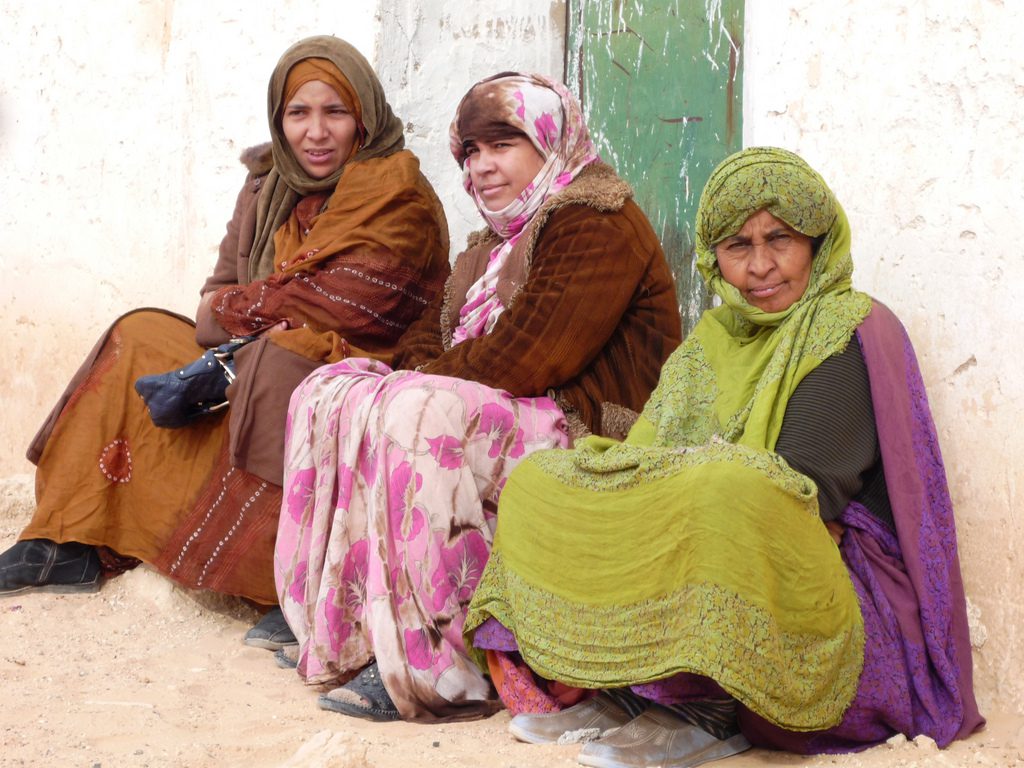
Sahrawi refugeeThe Sahrawi refugee crisis, one of the longest-standing in the world after the displacement of Palestinians in 1948, continues to persist with little resolution in sight. Since 1975, following Spain’s withdrawal from Western Sahara and the ensuing armed conflict between Moroccan forces and the Polisario Front, approximately 173,600 Sahrawi refugees have lived in five camps near Tindouf, Algeria.

Current Situation

The Sahrawi refugees are scattered across five camps on the unforgiving “hammada,” a vast and remote desert plain in the Sahara. The most distant camp lies 170 kilometers southwest of the Algerian city of Tindouf, in an area marked by isolation and a lack of economic opportunities. The harsh climate, with temperatures soaring to 50 degrees Celsius in the summer, frequent sandstorms and occasional floods, further exacerbates challenges facing the refugees, such as limited access to necessities and health risks.

Food insecurity is a dire issue, with nearly 90% of the “Sahrawi refugees either food insecure or vulnerable to food insecurity.” A 2022 Joint Assessment Mission and Nutrition survey by the World Food Programme (WFP) reveals a worsening nutrition crisis. The prevalence of life-threatening wasting among children aged 6 months to 59 months has risen from 7.6% in 2019 to 10.7% in 2022. More than half of these children suffer from anemia, two-thirds do not receive the diverse diet needed for healthy development and nearly a third suffer from chronic malnutrition.

Furthermore, the refugees’ heavy dependence on international humanitarian aid, severe living conditions and food shortages have forced many households to cut back on health expenditures or sell off their livestock. Inadequate infrastructure severely hampers the delivery of essential services such as education and health care, leading to high child and maternal mortality rates and adversely affecting the population’s overall health and well-being.

Additionally, employment opportunities within the camps are minimal, leaving a third of Sahrawi refugees without any income and 60% economically inactive. The extreme climate and remoteness of the camps have curtailed traditional income sources like agriculture and livestock rearing. This is particularly detrimental to young people who, due to economic frustrations, may resort to high-risk activities such as smuggling and theft.

The Sahrawi Refugee Response Plan

In response to the myriad of challenges the Sahrawi refugees face, in 2003, the United Nations High Commissioner for Refugees (UNHCR) launched the interagency Sahrawi Refugee Response Plan (SRRP). This initiative, requiring a total of $214 million, represents the first unified effort to address the needs of the Sahrawi refugee population. The plan brings together 28 partners, including the Algerian Red Crescent and the University of Madrid, to deliver coordinated humanitarian assistance.

The SRRP

The SRRP outlines several key priorities, including ensuring refugee protection and legal assistance and providing essential services such as food, shelter, health care and education. The plan also aims to improve water, sanitation and hygiene (WASH) conditions in the camps, which are critical given the harsh desert environment.

In addition to these immediate needs, the SRRP aims to support livelihoods by providing essential supplies, vocational training and income-generating activities. This includes the distribution of 1,500 high-quality cooking stoves and 3,000 bales of second-hand clothes from UNIQLO. On the health care front, the plan addresses the prevalent malnutrition with supplementation, including iron and folic acid, systematic deworming and outpatient care for particularly severe cases.

Education is another focal point, with the SRRP aiming to improve the quality of instruction by training teachers and educational personnel. By tackling a broad scope of issues and closely coordinating with the Algerian government, nongovernmental organizations (NGOs) and other United Nations (U.N.) agencies, the SRRP aims to deliver a comprehensive and effective response, ideally addressing the immediate and long-term needs of the Sahrawi refugee population.

Challenges and Way Forward

A U.N. press briefing from November 2023 confirms that, although the plan has received some donor support, operations remain underfunded. The U.N. actively calls for additional contributions to implement the plan and fully sustain refugee humanitarian assistance. The success of the fundraising efforts is still being determined, but the plan is set to run through 2024 and 2025. By the end of this period, it will be evident whether these initiatives have provided the support needed to improve the livelihoods of the Sahrawi people and move them closer toward long-term stability and self-reliance.

– Asma Issa

Asma is based in London, UK and focuses on Politics for The Borgen Project.

Photo: Flickr

August 25, 2024
https://borgenproject.org/wp-content/uploads/borgen-project-logo.svg 0 0 Lynsey 2 https://borgenproject.org/wp-content/uploads/borgen-project-logo.svg Lynsey 22024-08-25 03:00:562024-08-24 23:23:48The Sahrawi Refugee Response Plan
Developing Countries, Electricity and Power, Global Poverty

How Renewable Energy Can Save Tunisia’s Economy

Tunisia's economyTunisia’s economy fell dramatically in 2023 due to several factors, including the aftermath of COVID-19, a severe drought and financial issues. These challenges have made Tunisia one of the slowest countries in the Middle East and North Africa to recover and stabilize its economy. The economic crisis, exacerbated by COVID-19, has led to a projected increase in multidimensional poverty, with the national poverty line expected to decline in 2024.

However, there is hope on the horizon. The World Bank has helped create a plan for recovery, showing significant improvement. The initiative, titled “The Renewed Energy to the Economy,” aims to boost the economy by 2.4% in 2024. One key strategy is to enhance Tunisia’s renewable energy resources, which is expected to contribute to economic growth.

The Impact of Expanding Renewable Energy in Tunisia

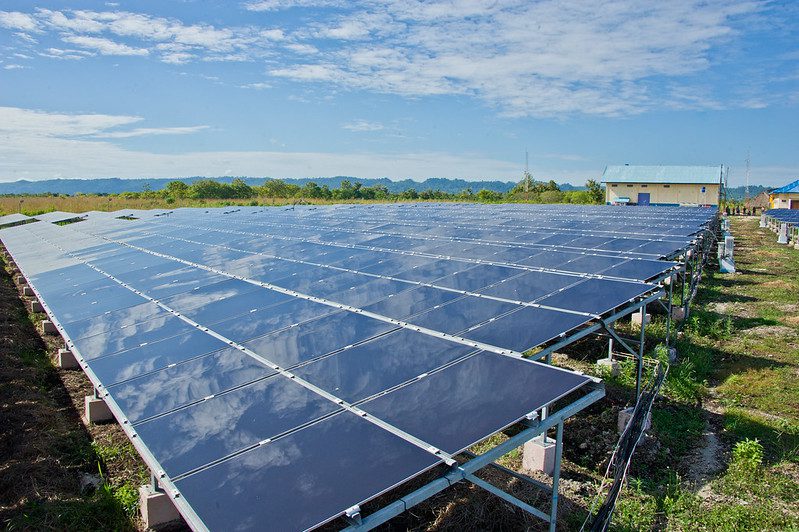
About 90% of Tunisia’s electricity is generated from natural gas, with more than half of it imported due to rising demand. By harnessing wind and solar resources, Tunisia could meet its electricity needs more sustainably. The country has the potential to generate up to 280 gigawatts (GW) of solar power, while its current peak electricity generation stands at only 5 GW. This significant capacity could greatly benefit the nation. This shift would also allow for the development of energy exports and decrease the amount of finances spent on importing fossil fuels, which can be directed elsewhere.

Presently, the cost of natural gas accounts for more than 70% of the cost of electricity produced. The plan sets a goal of generating 35% of Tunisia’s electricity from renewable sources, such as wind and solar, by 2030. This would mark a significant achievement, considering the country currently utilizes only 3% of its renewable resources. The total projected investment for this project is $4.5 billion. One of the key support systems for this initiative involves enhancing the electricity connection between Tunisia and Italy.

Alexandre Arrobbio, the World Bank’s Country Manager for Tunisia, says, “Despite ongoing challenges, there are significant opportunities for Tunisia to transform and strengthen its economy. With strategic investments, particularly in renewable energy, Tunisia could significantly enhance its economic resilience and sustainability.” The new transformative plan is ambitious and faces several environmental challenges, but it could be the economic solution Tunisia needs. Arrobbio suggests that transitioning to renewable resources and reducing dependence on international fossil fuels would not only improve the country’s financial position but also advance its move toward a sustainable lifestyle, adding a layer of security for Tunisia’s future.

Key to Sustainability

Tunisia needs to reduce the cost of electricity, especially given the rise in oil prices since 2022 and the reliance on natural gas for electricity production. The increasing cost of electricity from fossil fuels is becoming unsustainable. Renewable energy can significantly lower overall electricity costs, particularly amid volatile international energy prices. Revitalizing renewable energy has the potential to improve Tunisia’s economy, reduce poverty and move toward greater financial independence and sustainability.

– Charlotte Johnston

Charlotte is based in London, UK and focuses on Good News, Technology and Solutions for The Borgen Project.

Photo: Flickr

August 20, 2024
https://borgenproject.org/wp-content/uploads/borgen-project-logo.svg 0 0 Lynsey 2 https://borgenproject.org/wp-content/uploads/borgen-project-logo.svg Lynsey 22024-08-20 01:30:012024-08-20 07:45:05How Renewable Energy Can Save Tunisia’s Economy
Africa, Developing Countries, Global Poverty

How the British Red Cross Helps People in the Sahel

People in the SahelThe Sahel is a region in the continent of Africa that includes countries such as Chad, Burkina Faso, Niger and Mauritania. The Sahel’s climate is semi-arid, meaning it experiences extended periods of dryness in the summer and rainy weather in the winter. As result of these weather conditions, drought and flooding are common and have a detrimental impact on the lives of people across the region, leading to the destruction of crops and food shortages.

When certain foods become scarce, prices soar, leaving people unable to afford the food they need to survive. As of December 2023, more than 150 million people across the Sahel found themselves unable to access an adequate amount of food and this number is sure to grow if changing climate conditions continue to influence weather conditions within the region. Spurred on by the desperate situation, the British Red Cross works tirelessly across the Sahel to improve living conditions for needy people.

Help for Communities

Through its Sahel Hunger Prevention Program, the British Red Cross helps people in the Sahel by establishing groups for young mothers to receive information on maintaining their health and their babies through good personal hygiene and nutrition. These groups also allow young mothers to develop their livelihoods, as the Red Cross provides them with seed funding to help cover the costs of setting up a small business and any personal expenses the women may have.

This scheme positively impacts women in the Sahel as it enables them to have financial independence and be strong, valued members of the community who can advocate for their own health and that of the region as a whole.

Support for Migrants

Migrants from nearby regions often travel to the Sahel for a better life. However, the transition to their new home is not always easy. The British Red Cross helps people in the Sahel by setting up service areas where migrants can access care for their physical and psychological health and necessities such as food and personal care items.

In addition to this, the British Red Cross provides support to migrants who have experienced distressing situations such as human trafficking and gender-based violence. To strengthen the relationship between migrants and natives, the organization helps people in the Sahel by holding sports games, allowing all community members to interact and share positive experiences.

Financial Assistance

Another way the British Red Cross helps people in the Sahel is by providing financial assistance through grants that enable those in need to access food, education and health care. In 2021, the charity organization facilitated cash distributions to 1,000 vulnerable families in Chad and Mauritania. As well as being beneficial on a personal level, this scheme also benefits the economy of the Sahel because if people are more able to afford food, then markets within the nation will continue to thrive. As a result, jobs will be created.

Furthermore, the British Red Cross helps people in the Sahel by supporting farmers and livestock owners in preparing for extreme weather conditions such as drought and flash flooding. Collaborating with the Niger Red Cross, it identifies early warning signs of impending severe weather. Then, it develops action plans to address these challenges. These plans include using drought-resistant seeds and providing financial assistance to farmers and their families if harvests are insufficient.

Summary

The British Red Cross supports the Sahel region through a range of initiatives. It empowers women with knowledge and resources to improve their lives and start businesses, aid migrants with health care and community integration and boost the local economy by providing financial assistance to families. The organization also helps farmers adapt to extreme weather conditions, enhancing crop resilience and providing financial aid during poor harvests. Overall, its efforts have significantly improved life in the Sahel, with hopes for continued positive impact.

– Sue-Joyce Headon

Sue-Joyce is based in Liverpool, UK and focuses on Good News and Celebs for The Borgen Project.

Photo: Flickr

August 15, 2024
https://borgenproject.org/wp-content/uploads/borgen-project-logo.svg 0 0 Lynsey 2 https://borgenproject.org/wp-content/uploads/borgen-project-logo.svg Lynsey 22024-08-15 07:30:542024-08-15 05:20:37How the British Red Cross Helps People in the Sahel
Developing Countries, Global Poverty, Technology

Sudan’s Digital Transformation

Digital TransformationIn 2021, the World Bank stated that digital technologies can enable economic transformation in Africa and help create more jobs for its people. Africa’s share of global poverty increased from 15% in 1990 to 63% in 2018 and may reach 90% by 2030. Thus, the World Bank’s statement was repeated at the Sixth African Science, Technology and Innovation (STI) Forum in April of this year. It was said that Africa has to invest in human capital development to learn how to produce, sell and use emerging technologies such as artificial intelligence and genomics that are transforming every aspect of life. The need for digital transformation would ameliorate many private and public sectors by increasing the efficiency of service delivery to people with low incomes, monitoring living conditions and predicting imminent crises in crowded or remote areas.

The Case for Sudan

In the case of Sudan, technological growth is more important than ever because it is placed at the top of the International Rescue Committee’s (IRC) Emergency Watchlist for 2024. This was following Sudan’s escalating conflict, mass displacement, economic crisis and near collapse of health care services. Currently, a civil war between the Sudanese Armed Forces (SAF) and the Rapid Support Forces (RSF), which erupted in 2023 but has been ever present since the coup d’état of Omar al-Bashir in 2019, has been driving humanitarian needs as 15.8 million people need humanitarian aid. While war continues to inflict further turmoil on the state, the hope of Sudan’s digital transformation can allow grassroots progression in the face of leadership-level destruction.

Empowering Female Farmers

Poverty is tackled head-on in Sudan’s digital transformation through nuclear technology to help female farmers. Agriculture is the primary source of income and livelihood for up to 80% of the population in Sudan. In a project funded in part through the Peaceful Uses Initiative (PUI), local scientists from the Agricultural Research Cooperation (ARC) were trained and provided technical support by experts. Scientists at Kassala Research Farm used the soil moisture neutron probe technique to measure moisture levels in soil, helping quantify crops’ water needs. They also employed the nitrogen-15 isotopic technique to optimize nitrogen fertilizer applications. These studies informed the water and fertilizer delivery through the drip irrigation system. This technology has enabled the water-scarce nation to continue farming. It can save up to 70% of water, allowing for more extensive agriculture.

Hundreds of women, many refugees or internally displaced, relied on their husbands’ incomes and had limited access to food, leading to malnutrition. However, small-scale farms and home gardens optimized with nuclear technology have enabled them to grow various vegetables, benefiting their families and entire villages. Rashid Sir El Khatim, Coordinator, Talawiet Organization for Development, Sudan, has asserted the project’s success because “If the women are empowered, they can share in the decision-making in the family and the community. It helps to reduce poverty and it makes future planning more effective. When women are empowered, the community is more empowered.”

Mobile Money, Digital Finance and Internet Connectivity

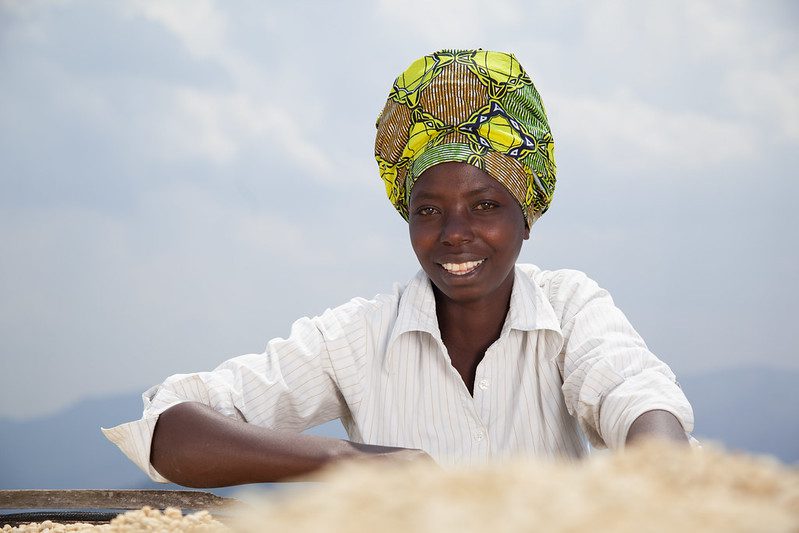
The civil war in Sudan has led to a mass exodus, with people being displaced from their homes, shops and businesses, resulting in widespread looting and loss of possessions. Financial technology (fintech) uses computer programs and other technology to support or enable banking and financial services. In Sudan, this allows people with a mobile phone and internet connection to more safely buy basic groceries, settle bills and receive money from abroad, easing some of the hardships.

When interviewed by The New Humanitarian, Sudanese citizen Hussein stated, “I only realized the value of [fintech] when my money and belongings were stolen right in front of my eyes.” For displaced people, this is a safety measure as much as it guarantees putting food on the table for loved ones. Bank of Khartoum’s Bankak is a smart app that facilitates easier and more secure transactions, savings and access to credit. Applications like this have been pivotal in providing financial services to the unbanked population.

Final Remark

Sudan’s digital transformation offers hope amid conflict, economic instability and humanitarian crises. The country can achieve significant socioeconomic improvements by leveraging fintech and nuclear technology in agriculture. Apps like Bank of Khartoum’s Bankak and digital wallets such as MyCash and RittalPay provide secure financial services to the unbanked, enabling economic activities and resilience. Nuclear technology empowers women farmers, optimizing resources and fostering food security. These targeted interventions highlight the transformative potential of digital technologies for financial resilience and social empowerment. For Sudan, digital transformation is essential for survival and a better future.

– Kathryn Dodd

Kathryn is based in the United Kingdom and focuses on Technology and Solutions for The Borgen Project.

Photo: Wikimedia Commons
August 15, 2024
https://borgenproject.org/wp-content/uploads/borgen-project-logo.svg 0 0 Lynsey 2 https://borgenproject.org/wp-content/uploads/borgen-project-logo.svg Lynsey 22024-08-15 07:30:222024-08-15 05:10:11Sudan’s Digital Transformation
Africa, Developing Countries, Global Poverty

Reducing Poverty in Egypt: Balancing Tradition and Modernity

Reducing Poverty in EgyptEgypt, a nation steeped in millennia of history, faces contemporary challenges that test its ability to reduce poverty while maintaining its rich cultural heritage. The delicate balance between preserving tradition and embracing modernity is crucial for sustainable development and reducing poverty in Egypt.

Traditional Approaches to Poverty Alleviation

Egypt’s history of community-based support systems and charitable giving, rooted in Islamic traditions, plays a significant role in poverty reduction. Zakat, one of the Five Pillars of Islam, mandates Muslims to give a portion of their wealth to the less fortunate. This practice, deeply embedded in Egyptian society, has historically provided a safety net for many impoverished families.

Nongovernmental Organizations (NGOs) like the Misr El Kheir Foundation, driven by these traditional values, have been pivotal in offering food, clothing, education and health care to those in need. These organizations operate through local networks, ensuring aid reaches even the most remote areas. The emphasis on community and familial bonds further reinforces the support system, making it a resilient method of reducing poverty in Egypt.

Modern Initiatives and Government Programs

While traditional methods form the backbone of poverty reduction efforts, modern initiatives spearheaded by the government and international agencies are indispensable. The Egyptian government has launched several programs for economic reform and social protection. These include:

  1. Takaful and Karama Programs: Launched in 2015, these social safety nets financially assist the most impoverished families. Takaful (Solidarity) offers conditional cash transfers linked to health and education, ensuring children attend school and receive medical care. Karama (Dignity) supports older and disabled people with unconditional cash transfers.
  2. Economic Reform Program: In partnership with the International Monetary Fund (IMF), Egypt embarked on an ambitious economic reform program in 2016. Measures included floating the Egyptian pound, cutting subsidies and implementing value-added tax (VAT). Despite initial hardships, these reforms have stabilized the economy, attracted foreign investment and created jobs, reducing poverty in Egypt.
  3. Infrastructure Development: Investments in infrastructure, such as the New Administrative Capital and the expansion of the Suez Canal, aim to boost economic growth and job creation. These projects modernize the country’s infrastructure and provide employment opportunities, thereby reducing poverty.

Challenges and the Path Forward

Balancing tradition with modernity in poverty reduction efforts comes with challenges. The initial impact of economic reforms, such as inflation and subsidy cuts, strained many families. Additionally, ensuring that aid reaches those in need without getting lost in bureaucratic inefficiencies remains a concern.

To address these challenges, Egypt continues to refine its strategies. Enhancing transparency and accountability in government programs ensures more effective distribution of resources. Integrating technology, such as digital cash transfers and mobile banking, further streamlines aid delivery and widens access to financial services for people experiencing poverty.

Education and vocational training are critical for equipping the youth with skills needed for the modern job market. Investing in quality education and aligning curriculum with market needs can prepare future generations to contribute to and benefit from economic growth.

Conclusion

Egypt’s efforts to reduce poverty demonstrate a nuanced approach, respecting traditional values while embracing necessary modern reforms. The synergy of these efforts, bolstered by community spirit and innovative government programs, is essential for sustainable poverty alleviation. By continuing to adapt and evolve, Egypt can ensure a harmonious future where economic progress and cultural heritage coexist, providing a better quality of life for all its citizens.

– Rika Mokal

Rika is based in London, UK and focuses on Good News and Global Health for The Borgen Project.

Photo: Pixabay

August 15, 2024
https://borgenproject.org/wp-content/uploads/borgen-project-logo.svg 0 0 Lynsey 2 https://borgenproject.org/wp-content/uploads/borgen-project-logo.svg Lynsey 22024-08-15 01:30:402024-08-15 00:16:49Reducing Poverty in Egypt: Balancing Tradition and Modernity
Developing Countries, Disability, Global Poverty

Disability and Poverty in Cuba

Disability and Poverty in CubaCuba is a developing country in the Caribbean, with a population of 10.9. Cuba’s economy relied heavily on the Soviet Union, which started in 1960. However, during the early ’90s, the Soviet Union fell and Cuba’s economy suffered. Since 2018, the Cuban economy has been severely impacted by international blockade and sanctions. The COVID-19 pandemic has also hindered Cuba’s economic growth. In 2020, Cuban gross domestic product (GDP) decreased by 11% and only increased by 0.4% in 2021 and 1.8% in 2022. Moreover, Cuba’s economy has recently experienced inflation and the population has had limited access to essential resources like food and health products. The nation’s fuel supply has also struggled to meet the needs of citizens, causing periodic energy and transport crises.

In 2023, more than 360,000 people with disabilities lived in Cuba and they were all impacted by these economic challenges. The Data Disability Initiative published that women with physical disabilities experience a higher level of multidimensional poverty than women without physical disabilities. Despite these challenges, the Cuban government has made efforts to develop education policies that better cater to children with disabilities. International organizations like the United Nations Children’s Fund and Humanity and Inclusion (HI) have been helping improve the quality of life for people living with disability and poverty in Cuba.

Challenges

According to Human Rights Watch (HRW), Cuba has not established its domestic laws in agreement with the United Nations (U.N.) Convention on the Rights of Persons With Disabilities, nor has the nation’s government developed effective disability rights policies related to accessibility, legal capacity, education, independent living and employment. As of 2022, Cuban law suggests that public buildings, health services and transportation services should all accommodate people with disabilities. However, the government generally has not enforced this law effectively, resulting in the needed facilities and accommodations being rarely available for people with disabilities.

According to the 2019 Multiple Indicator Survey 6 results, 10% of women ages 18 to 49 with much functional difficulty have less than primary school as their highest level of education received, while only 1% of women with some functional difficulty and 0% of women with no functional difficulty have less than primary school as their highest level of schooling. Significant differences exist in the number of women with adequate housing and asset ownership. Women who have some functional difficulty are less likely to have these resources and women with much difficulty have even lower rates of access to these resources. Women with some functional difficulty and much functional difficulty were also more likely to report being discriminated against or harassed based on any ground, with rates of 3% and 15%, respectively.

Government Support for Education

Cuba’s 2012 Population and Housing Census took note of 41,374 children and adolescents with disabilities and many live in rural areas. About 57% of this total are visually impaired children and children with intellectual disabilities. Cuba has 355 schools for children who have disabilities, with 33,975 children and students enrolled in these schools in the 2017-2018 school year. Also, 1,978 mainstream schools at all levels educate 11,037 students with disabilities.

Education is state policy in Cuba. The government puts much effort into financing education, resulting in residual illiteracy of 0.2%, an average of 10.1 years of schooling and 10% of the GDP being used for school funding since 2004. Cuba has special and inclusive schools that work together to educate children with disabilities. In 2019, out of 10,598 schools, 342 (3%) of the total schools in the country were special schools. Special schools use the same teaching materials and curriculum as mainstream schools. However, they are flexible so that they can adapt to the specific needs of each student.

Special schools were established as resource centers with exit strategies that help students with disabilities smoothly transition into mainstream schools. In 2019, the number of students attending different centers was 102,477 in mainstream schools, 33,639 in special schools, 1,070 in technical and professional education and 180 in higher education. According to data collected from UNICEF Cuba in 2020, 15% of the students who attended trade schools were graduates of special schools.

Nonprofit Aid

HI is an international nonprofit that focuses on helping vulnerable populations, especially people with disabilities. It has been working in 60 countries around the world, including Cuba. This nonprofit helps Cubans with disabilities, especially women and young people, find employment by giving them kits with the necessary tools to become economically self-sufficient. HI’s teams also raise awareness about disability issues for local employers and help develop new adapted activities and jobs. In 2016, HI’s project helped more than 1,400 people with disabilities in Cuba. The organization’s project partnered with 800 health professionals and community officers, further assisting people with a disability and reducing poverty in Cuba.

Similarly, in 2019, UNICEF helped train 548 specialists across all 16 provinces of Cuba to provide the necessary care for students with disabilities who attend mainstream schools. UNICEF has been working on improving the capacities of teachers, principals and families in rural areas to ensure that students with intellectual disabilities attending mainstream schools receive the educational services they need. UNICEF also uses a communication-for-development strategy to encourage social and academic inclusion for children with disabilities.

Summary

While there seems to be further work to do to strengthen the country’s policies on transportation, employment and independent living for people with disabilities, progress has been made in addressing the needs of children and adolescents through institutions like special schools. International organizations like UNICEF and HI have also been helping to fill the gaps in providing the resources citizens living with disability and poverty in Cuba need.

UNICEF is improving education for children with disabilities by training teachers, principals and families in rural areas to understand intellectual disabilities better. HI’s program in Cuba supports people with disabilities by helping them find employment and providing materials for economic self-sufficiency. Overall, progress is being made in supporting people with disabilities in Cuba and continued support will be crucial for sustaining this advancement.

– Elisabeth Nwasokwa

Elisabeth is based in Bellerose, NY, USA and focuses on Good News for The Borgen Project.

Photo: Unsplash

August 15, 2024
https://borgenproject.org/wp-content/uploads/borgen-project-logo.svg 0 0 Lynsey 2 https://borgenproject.org/wp-content/uploads/borgen-project-logo.svg Lynsey 22024-08-15 01:30:082024-08-15 00:27:53Disability and Poverty in Cuba
Africa, Developing Countries, Global Poverty

Addressing Poverty in Madagascar

Poverty in MadagascarSituated in the Indian Ocean off the coast of Southern Africa, Madagascar has one of the worst poverty rates, exacerbated by recurring natural disasters. According to Global Finance Magazine, Madagascar is ranked the ninth poorest country in the world, with a gross domestic product (GDP) per capita of $1,979. With a population of 29.61 million, its residents face the threat of losing their livelihoods due to rising deforestation and adverse climatic conditions across the island nation.

As a result of these factors, poverty remains a consistent problem within Madagascar. Marks Jacobs, managing director of SEED Madagascar, weighs in his knowledge on the effects of poverty within the nation and its people. “Poverty is a highly complex issue and there can be many types of poverty. It encompasses various deprivations beyond income, including education, health, living standards and access to services,” Jacobs said, “it’s most evident in Madagascar; people are monetarily incredibly poor.”

The Causes of Poverty in Madagascar

Homelessness is one of the major causes of poverty in Madagascar. The nation has a housing shortage of approximately two million. Homelessness exacerbates poverty by eliminating access to stable employment opportunities and essential services, thereby trapping individuals in a cycle of economic instability. Without a permanent address, securing jobs, health care and other critical resources becomes increasingly difficult, perpetuating the cycle of poverty.

The biggest issue is food security. In the past 35 years, more than 50 natural disasters have struck the island nation and, in their wake, have left major food shortages. Responses to food shortages target the most vulnerable and undernourished communities by creating income opportunities for rural households. However, only some households are lucky. “Most recently, this monetary poverty has played into dire food security, particularly in the South,” Jacobs said, “This (year) has seen mashed to the edge of famine in some areas where families lack financial resilience to compensate for poor agricultural outcomes,” he further added.

The effect of poor agriculture is mainly due to much of Madagascar’s infertile soil and scarce water resources. Government and road services are inadequate and access by humanitarian agencies to communities in need is extremely difficult.

The Long-Term Solutions

However, organizations such as the World Bank believe the country can break the vicious cycle of poverty by receiving a sustained period of robust economic growth spanning multiple years. Jacobs, however, believes there is more to this theory. “Though extremely poor and low on the human development index, Madagascar does have a democratic government,” Jacobs added, “and a relatively stable currency with strong elements of international trade, which could argue that Madagascar was already, in fact, stable but poor.”

Madagascar needs to build a pro-growth coalition that prioritizes a strong institutional framework to foster a competitive sector. Addressing the urgent need for robust economic growth has long been a focus and to effectively reduce poverty, the country has to implement a strategic approach to development. Organizations trying to induce growth in Madagascar have attempted to implement a stable, reliable and effective public administration that can provide infrastructure and services that meet regulatory requirements. Some of these organizations include the International Organization for Migration (IOM), which helps the country slowly recover from a political crisis. However, the development challenges remain vast.

International Organization for Migration

A solution from IOM is careful migration, which can help explore possible employment opportunities and gain new resources. A base of operation in Antananarivo provides programs to channel the provision of capacity-building and advisory for those seeking to grow their communities with safe economics. IOM advocates for careful migration, which can help individuals explore employment opportunities and acquire new resources. With a base of operations in Antananarivo, the capital of Madagascar, IOM offers programs that provide capacity-building and advisory services to support community growth through safe and sustainable economic practices.

On the other hand, another nonprofit organization, GlobalGiving, believes that a holistic approach to poverty can transform the lives of local inhabitants. In partnership with SEED Madagascar, it is working toward a $250,000 goal to fund product development and market access projects. This initiative aims to enhance the resilience of local flora and fauna suffering from poverty. By addressing these issues, the long-term impact will help people in Southeast Madagascar rise out of poverty and improve the quality of life for both the people and the vulnerable ecosystems they depend on.

Final Remark

Madagascar is a country in need of extensive support as it recovers from decades of adversity, including natural disasters and infertile soil that hindered crop growth. Despite these challenges, global organizations are committed to helping the country rebuild and create new opportunities for its inhabitants.

– Jacob Barker

Jacob is based in Ames, IA, USA and focuses on Good News and Global Health for The Borgen Project.

Photo: Flickr

August 14, 2024
https://borgenproject.org/wp-content/uploads/borgen-project-logo.svg 0 0 Lynsey 2 https://borgenproject.org/wp-content/uploads/borgen-project-logo.svg Lynsey 22024-08-14 07:30:382024-08-14 06:07:20Addressing Poverty in Madagascar
Developing Countries, Development, Global Poverty

Everything You Need to Know about Health Care in Bangladesh

Health Care in BangladeshAs of March 2024, Bangladesh has committed to transforming into a Smart-Bangladesh High-Income Country by 2041, with health care identified as a key priority in this plan. A collaboration between the World Health Organization (WHO) and the Bangladeshi government has been established to advance health care. As of 2022, Bangladesh had only 13 doctors, nurses and midwives per 10,000 people, compared to the global median of 49. This partnership aims to improve these figures and enhance health care access for millions.

Life Expectancy in Bangladesh

Life expectancy in Bangladesh has increased significantly, from 65.6 years in 2000 to 73.1 years in 2021. This compares favorably to Southeast Asia’s overall life expectancy, which rose by 5.01 years from 63.4 years to 68.4 years in the same period. Bangladesh has improved the accessibility of health care, but there is more to be done.

Smiling Sun Clinics 

Smiling Sun Clinics has been a prominent part of health care in Bangladesh since 1997. It is the world’s largest nongovernmental organization (NGO) network of maternal and child health clinics globally. The NGO Health Services Delivery Project supports the Smiling Sun network, allowing millions of Bangladeshis to access health care. This network is composed of 25 NGOs and 399 clinics that are located in both urban and rural areas.

The services provided include emergency obstetric care and maternity care. More than 10,000 part-time clinics also operate and refer clients to full-time clinics if they believe more care is required. This allows community health workers to offer personal health care to their communities and helps to ensure universal health coverage.

The World Bank and USAID’s Roles in Health Care in Bangladesh

By 2025, one in every 10 people in Bangladesh will be 60 or older and this figure is expected to rise to one in five by 2050. In response, the World Bank organized a workshop in August 2023 to bring together health experts, stakeholders and policymakers. The goal is to foster progress in shaping health care to better address the needs of an aging population in Bangladesh.

Additionally, in August 2023, the World Bank approved $200 million to support primary health care in the country. This pledge benefited the Urban Health, Nutrition and Population Project, which will help 2.5 million children and provide 250,000 pregnant women with at least four antenatal checkups. Furthermore, in 2019, the United States Agency for International Development (USAID) programs in Bangladesh provided more than 46 million health service consultations. Technological improvements included developing solutions to detect deadly drug-resistant TB within two hours and digitizing national health information.

UNICEF’s Role

UNICEF’s immunization programs in Bangladesh have reached 3.5 million newborns with the Measles and rubella vaccine (MR1). Additionally, its nutrition interventions have improved the health and growth of countless children. The organization also helps strengthen health care infrastructure and train health workers to enhance service delivery for vulnerable populations.

– Amy Fox

Amy is based in Birmingham, UK and focuses on Good News and Global Health for The Borgen Project.

Photo: Flickr

August 14, 2024
https://borgenproject.org/wp-content/uploads/borgen-project-logo.svg 0 0 Lynsey 2 https://borgenproject.org/wp-content/uploads/borgen-project-logo.svg Lynsey 22024-08-14 07:30:272024-08-14 06:03:47Everything You Need to Know about Health Care in Bangladesh
Page 12 of 157«‹1011121314›»

Get Smarter

  • Global Poverty 101
  • Global Poverty… The Good News
  • Global Poverty & U.S. Jobs
  • Global Poverty and National Security
  • Innovative Solutions to Poverty
  • Global Poverty & Aid FAQ’s
Search Search

Take Action

  • Call Congress
  • Email Congress
  • Donate
  • 30 Ways to Help
  • Volunteer Ops
  • Internships
  • Courses & Certificates
  • The Podcast
Borgen Project

“The Borgen Project is an incredible nonprofit organization that is addressing poverty and hunger and working towards ending them.”

-The Huffington Post

Inside The Borgen Project

  • Contact
  • About
  • Financials
  • President
  • Board of Directors
  • Board of Advisors

International Links

  • UK Email Parliament
  • UK Donate
  • Canada Email Parliament

Get Smarter

  • Global Poverty 101
  • Global Poverty… The Good News
  • Global Poverty & U.S. Jobs
  • Global Poverty and National Security
  • Innovative Solutions to Poverty
  • Global Poverty & Aid FAQ’s

Ways to Help

  • Call Congress
  • Email Congress
  • Donate
  • 30 Ways to Help
  • Volunteer Ops
  • Internships
  • Courses & Certificates
  • The Podcast
Scroll to top Scroll to top Scroll to top