Addressing Poverty in Madagascar
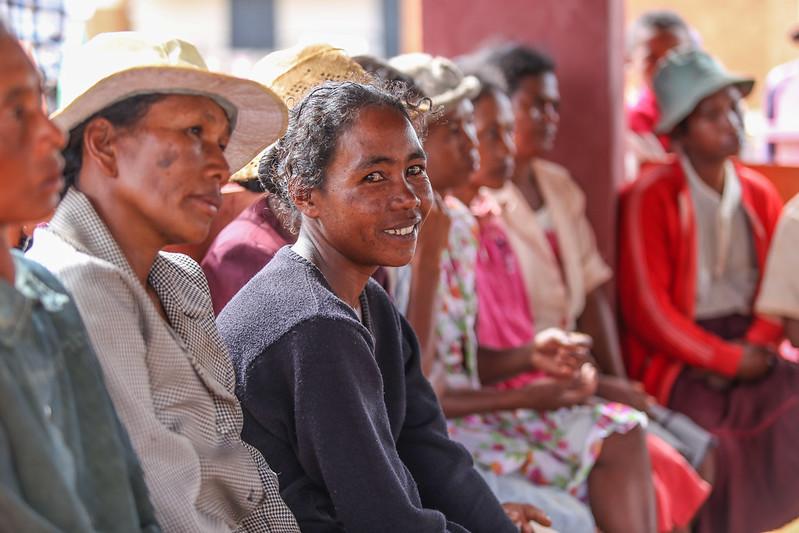 Situated in the Indian Ocean off the coast of Southern Africa, Madagascar has one of the worst poverty rates, exacerbated by recurring natural disasters. According to Global Finance Magazine, Madagascar is ranked the ninth poorest country in the world, with a gross domestic product (GDP) per capita of $1,979. With a population of 29.61 million, its residents face the threat of losing their livelihoods due to rising deforestation and adverse climatic conditions across the island nation.
As a result of these factors, poverty remains a consistent problem within Madagascar. Marks Jacobs, managing director of SEED Madagascar, weighs in his knowledge on the effects of poverty within the nation and its people. “Poverty is a highly complex issue and there can be many types of poverty. It encompasses various deprivations beyond income, including education, health, living standards and access to services,” Jacobs said, “it’s most evident in Madagascar; people are monetarily incredibly poor.”
The Causes of Poverty in Madagascar
Homelessness is one of the major causes of poverty in Madagascar. The nation has a housing shortage of approximately two million. Homelessness exacerbates poverty by eliminating access to stable employment opportunities and essential services, thereby trapping individuals in a cycle of economic instability. Without a permanent address, securing jobs, health care and other critical resources becomes increasingly difficult, perpetuating the cycle of poverty.
The biggest issue is food security. In the past 35 years, more than 50 natural disasters have struck the island nation and, in their wake, have left major food shortages. Responses to food shortages target the most vulnerable and undernourished communities by creating income opportunities for rural households. However, only some households are lucky. “Most recently, this monetary poverty has played into dire food security, particularly in the South,” Jacobs said, “This (year) has seen mashed to the edge of famine in some areas where families lack financial resilience to compensate for poor agricultural outcomes,” he further added.
The effect of poor agriculture is mainly due to much of Madagascar’s infertile soil and scarce water resources. Government and road services are inadequate and access by humanitarian agencies to communities in need is extremely difficult.
The Long-Term Solutions
However, organizations such as the World Bank believe the country can break the vicious cycle of poverty by receiving a sustained period of robust economic growth spanning multiple years. Jacobs, however, believes there is more to this theory. “Though extremely poor and low on the human development index, Madagascar does have a democratic government,” Jacobs added, “and a relatively stable currency with strong elements of international trade, which could argue that Madagascar was already, in fact, stable but poor.”
Madagascar needs to build a pro-growth coalition that prioritizes a strong institutional framework to foster a competitive sector. Addressing the urgent need for robust economic growth has long been a focus and to effectively reduce poverty, the country has to implement a strategic approach to development. Organizations trying to induce growth in Madagascar have attempted to implement a stable, reliable and effective public administration that can provide infrastructure and services that meet regulatory requirements. Some of these organizations include the International Organization for Migration (IOM), which helps the country slowly recover from a political crisis. However, the development challenges remain vast.
International Organization for Migration
A solution from IOM is careful migration, which can help explore possible employment opportunities and gain new resources. A base of operation in Antananarivo provides programs to channel the provision of capacity-building and advisory for those seeking to grow their communities with safe economics. IOM advocates for careful migration, which can help individuals explore employment opportunities and acquire new resources. With a base of operations in Antananarivo, the capital of Madagascar, IOM offers programs that provide capacity-building and advisory services to support community growth through safe and sustainable economic practices.
On the other hand, another nonprofit organization, GlobalGiving, believes that a holistic approach to poverty can transform the lives of local inhabitants. In partnership with SEED Madagascar, it is working toward a $250,000 goal to fund product development and market access projects. This initiative aims to enhance the resilience of local flora and fauna suffering from poverty. By addressing these issues, the long-term impact will help people in Southeast Madagascar rise out of poverty and improve the quality of life for both the people and the vulnerable ecosystems they depend on.
Final Remark
Madagascar is a country in need of extensive support as it recovers from decades of adversity, including natural disasters and infertile soil that hindered crop growth. Despite these challenges, global organizations are committed to helping the country rebuild and create new opportunities for its inhabitants.
– Jacob Barker
Jacob is based in Ames, IA, USA and focuses on Good News and Global Health for The Borgen Project.
Photo: Flickr
