Child Marriages in Malaysia: Tradition, Law and Reform
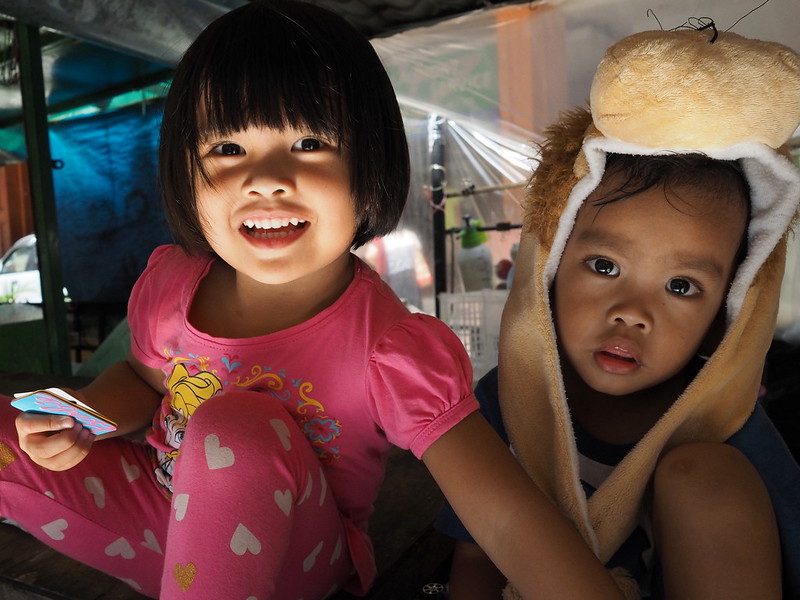 Malaysia, an up-and-coming developing country that has fought its way through Portuguese, Dutch and British colonization from 1511 to 1824. It is also recognized as one of the 17 megadiverse countries, rich in natural heritage and biodiversity. Despite its progress toward modernization, Malaysia has seen an alarming increase in child marriages.
Law
Countries like Iraq, Pakistan, Saudi Arabia, Iran and Malaysia all have one thing in common: the Shariah jurisdiction, which is a form of religious law that is based on Islamic scriptures. The Shariah jurisdictions are split into three different systems:
- Classic Shariah system: Sharia law serves as the national law and the judiciary is often overseen by a monarch, as seen in Saudi Arabia, Iran and Brunei.
- Secular system: Shariah courts handle only personal affairs and have no authority over the country’s legal system, as in Indonesia, India and Nigeria.
- Mixed system: The most common system, where the national legal system coexists with Shariah jurisdiction over specific areas such as marriage, divorce, child custody, dress code and alcohol consumption.
While the jurisdiction of religious laws may appear suitable in some contexts, certain practices may be seen as extreme. For example, in 2019, Brunei’s Sharia jurisdiction introduced a new penal code that mandates death by stoning for offenses such as blasphemy, apostasy, sodomy and insults to Islam.
Correlations
The correlation between child marriages and Sharia courts lies in the fact that Sharia jurisdictions often bypass the legal age requirement for marriage, putting many vulnerable children at risk. One of the most common reasons for child marriages is financial hardship, leading parents to arrange marriages for their children in hopes of securing their future. Unfortunately, this often results in children missing out on their childhood and education and possibly facing abusive relationships.
According to the United Nations Children’s Fund (UNICEF), a total of 1,856 children were married in 2018, 1,372 of whom were female and 170 of whom were male, making 83% of such marriages under the Muslim faith. Unfortunately, according to data from the Shariah Judiciary Department of Malaysia, the approval rate for underage marriage during 2005–2015 was around 82%, with the Law Reform Act 1976 (LRA) unable to detest the Shariah court, allowing the lives of 1,856 children and many more in danger.
Reform
In response, Malaysia’s Ministry of Women, Family and Community Development has launched the National Strategy for Addressing the Causes of Child Marriages, which will run from 2020 to 2025. The plan includes six factors, such as low household income, lack of education and negligent laws. It aims to provide social protection for low-income households, improve access to sexual reproductive health and parenting education, increase school attendance and address stigma around child marriage in communities. The strategy also calls for stricter laws to prevent underage marriages and ensure accurate data on marital status.
This strategic plan has already shown positive results, reducing the number of child marriages in Malaysia from 1,856 in 2018 to 1,042 in 2021, a reduction of approximately 44%. Although there’s still much work to be done, more nongovernmental organizations are collaborating to put an end to child marriage ultimately.
– Rayden Lim Jun Ee
Rayden is based in Tropicana, Petaling Jaya, Malaysia and focuses on Global Health for The Borgen Project.
Photo: Flickr
