• Link to X
  • Link to Facebook
  • Link to Instagram
  • Link to TikTok
  • Link to Youtube
  • About
    • About Us
      • President
      • Board of Directors
      • Board of Advisors
      • Financials
      • Our Methodology
      • Success Tracker
      • Contact
  • Act Now
    • 30 Ways to Help
      • Email Congress
      • Call Congress
      • Volunteer
      • Courses & Certificates
      • Be a Donor
    • Internships
      • In-Office Internships
      • Remote Internships
    • Legislation
      • Politics 101
  • The Blog
  • The Podcast
  • Magazine
  • Donate
  • Click to open the search input field Click to open the search input field Search
  • Menu Menu

Archive for category: Children

Information and stories addressing children.

Children, Global Poverty, Health

RSV in Developing Countries and the Need for a Vaccine

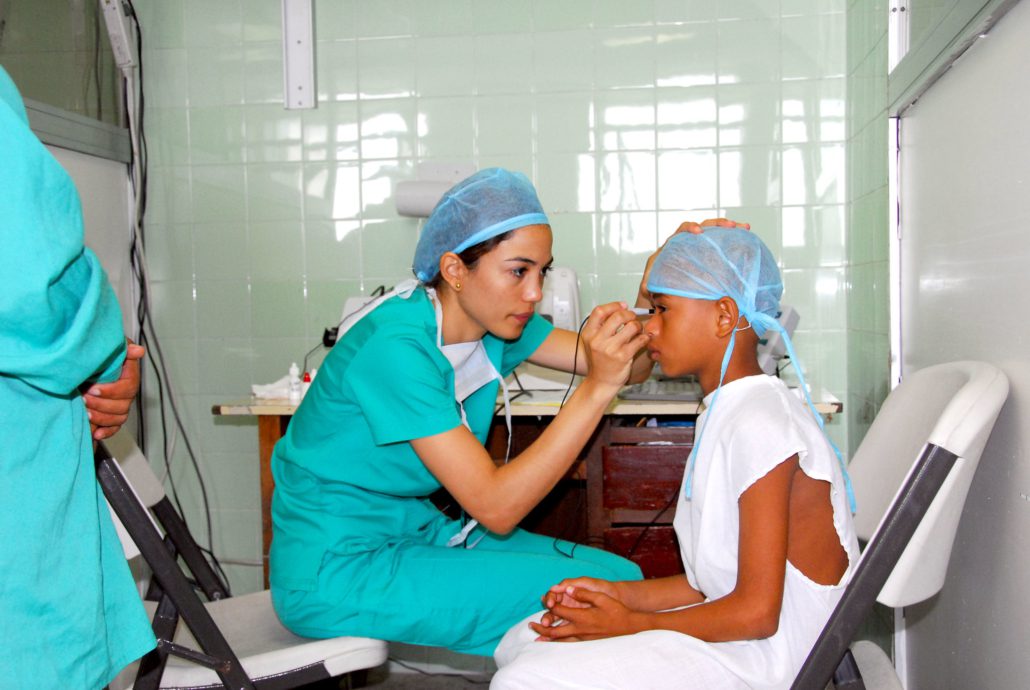
RSV in Developing CountriesAs of 2022, pandemics such as COVID-19 and tuberculosis are still rampant around the world. But there is another respiratory virus called the respiratory syncytial virus (RSV) that poses a risk, especially for those living in low-income countries and young children.
RSV in Developing Countries

RSV is a contagious virus that affects the lungs and breathing passages. The reason why RSV is not as well known is because its symptoms are the same as a cold. These include cough, a runny nose and fever. RSV can infect people of any age, but elderly people and children ages 2 and under are at the most risk of catching the virus. And much like the flu and COVID-19, it spreads when an infected person coughs or sneezes when around others and touches surfaces and objects.

People infected with RSV may even develop severe infections such as pneumonia or bronchiolitis which is the inflammation of the small airways in the lungs. Despite the danger, however, RSV is preventable. People can protect themselves from infections by simply washing their hands with soap and hot water for 20 seconds, covering coughs and sneezes, wiping surfaces that have been frequently touched and maintaining distance.

With these simple prevention methods, one might be asking just why is RSV so dangerous. While cases of RSV can be mild and clear on their own, a person can be infected multiple times in their lifetime. Furthermore, for those with severe symptoms who lack access to health care services, the outcomes can be devastating.

The Importance of Medical Care

“A seasonal virus that emerges during the winter months” causes RSV. Infants are more at risk for catching RSV since they do not have immunity compared to adults. Not only that, but in recent months the virus has been surging and that is ironically due to the prevention protocols against the COVID-19 pandemic.

Prevention methods such as social distancing, hand washing and mask-wearing during the COVID-19 pandemic helped to limit the spread of RSV. As a result, there have been no RSV infections over the past few years. That also means that there are two to three-year-olds who have no immunity to RSV. 

The situation is most worrisome when it comes to tackling RSV in developing countries. Many kids in low-income countries may also live in remote areas without access to medical assistance. “More than 95% of RSV deaths occur in low-income countries,” according to Bill and Melinda Gates Foundation. Unfortunately, a percentage of those who do survive may suffer from long-term health issues such as lung damage.

The Future

Currently, there is no known drug or vaccine for RSV. However, a vaccine to prevent RSV is in development by Pfizer who announced at the end of 2022 that its vaccine “showed an efficacy of 82% against hospitalization among infants under 90 days old and 69% among those younger than six months.”

The only challenge left is facilitating vaccine access to low-income countries. On that note, the Bill and Melinda Gates Foundation announced a grant to support the development of affordable multidose vials for delivery. The foundation is “optimistic that this vaccine could be available to low-income countries at an affordable price by 2024.”

– Aaron Luangkahm
Photo: Flickr

January 3, 2023
https://borgenproject.org/wp-content/uploads/borgen-project-logo.svg 0 0 Naida Jahic https://borgenproject.org/wp-content/uploads/borgen-project-logo.svg Naida Jahic2023-01-03 01:30:232024-05-30 22:30:38RSV in Developing Countries and the Need for a Vaccine
Children, Global Poverty

New Global Alliance Launched to Eradicate AIDS in Children

AIDS in Children
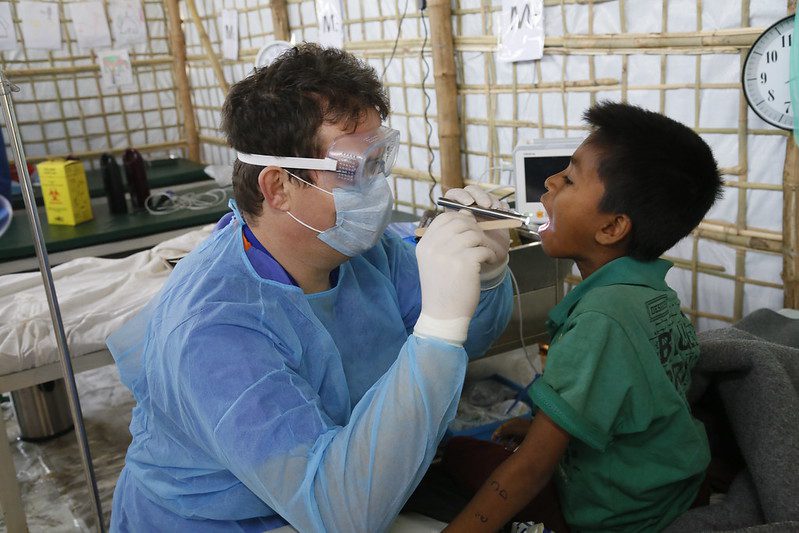
In August 2022, numerous intergovernmental agencies, civil society movements and a dozen countries congregated in Montreal, Canada to establish the Global Alliance for Ending AIDS in Children by 2030. Recognizing that only 52% of children with HIV access treatment, the newly created alliance strives to guarantee that all children living with HIV can access treatment by the end of the decade. Specifically, by closing the treatment gap between children and adults living with HIV, the alliance aims to ensure that all youth deserve the chance to progress into adulthood unimpeded by HIV.

Tackling HIV Treatment Disparities

According to the U.N., one of the most significant issues affecting AIDS response is the disparity between treatment provided to adults versus children. While 76% of adults received anti-retroviral therapy (ART) in 2021—treatment designed to control HIV infection—only 52% of individuals ages 0-14 years accessed ART. Furthermore, only 55% of children ages 15-19 in 21 sub-Saharan countries were on treatment in 2021. Despite technological advancements in HIV testing, “800,000 children and adolescents living with HIV (0-14 years) are untreated,” and “another estimated 400,000 adolescents (15-19 years) many of whom were likely recently infected are not receiving treatment.”

In recognition of these devastating figures, the U.N. believes that the low prioritization of HIV treatment on a national scale is the root of this problem. Specifically, inadequate investment in treatment strategies and national plans to mitigate societal inequalities has exacerbated the discrimination targeting those living with HIV. Although numerous similar plans have been implemented in recent decades—such as the Global Plan towards the Elimination of New HIV Infections Among Children by 2015 and the Start Free Stay Free AIDS Free Partnership—previous movements primarily focused on raising awareness and fostering engagement among leaders.

The Formation of a Global Alliance

Hoping to expand HIV treatment to millions of youths across the world, the alliance prioritizes creating a sustainable framework for HIV prevention in the next 8 years. UNAIDS, UNICEF and WHO are primarily leading the Global Alliance for Ending AIDS in Children by 2030. Beyond U.N. agencies, the alliance consists of “civil society movements…national governments in the most affected countries, and international partners.” The 12 countries involved in the alliance include Angola, Cameroon, Côte d’Ivoire, the Democratic Republic of the Congo (DRC), Kenya, Mozambique, Nigeria, South Africa, Tanzania, Uganda, Zambia and Zimbabwe.

The alliance’s mission is four-fold:

  1. “Close the treatment gap among breastfeeding adolescent girls and women living with HIV and optimize the continuity of treatment.
  2. Prevent and detect new HIV infections among pregnant and breastfeeding adolescent girls and women.
  3. Promote accessible testing, optimized treatment, and comprehensive care for infants, children, and adolescents exposed to and living with HIV.
  4. Address gender equality, and the social and structural barriers that hinder access to services.”

The Global Alliance for Ending AIDS in Children by 2030 seeks to foster a sense of unity within the international community. The alliance stresses how collaboration is the key to eradicating HIV; only by pooling resources, committing to global mobilization, and creating holistic solutions can the world prevent AIDS in children by the end of this decade.

A Promising Future

Going forward, the alliance will ensure that there is accessible treatment and care for children and adolescents living with HIV for at least the next eight years. According to a report published by UNAIDS, the alliance will promote leadership to execute plans on a national level, advance previous programs hoping to end AIDS, collaborate with global organizations to promote advocacy, ensure that governments have access to financing and advance accountability by fostering a sense of collective responsibility. As the Global Alliance for Ending AIDS in Children by 2030 continues to expand HIV treatment to millions of deprived children, the world will inevitably see a new generation devoid of stigma and discrimination surrounding HIV—a promising future that allows children to prosper as they venture into adulthood.

– Emma He
Photo: Flickr

December 15, 2022
https://borgenproject.org/wp-content/uploads/borgen-project-logo.svg 0 0 Jennifer Philipp https://borgenproject.org/wp-content/uploads/borgen-project-logo.svg Jennifer Philipp2022-12-15 07:30:222022-12-13 23:09:21New Global Alliance Launched to Eradicate AIDS in Children
Children, Global Poverty, Refugees

Mental Health Treatment For Syrian Children Refugees

Syrian Children Refugees
Since the Syrian civil war began in 2011, there have been mass casualties, millions of displaced citizens and uncertainty about the country’s future.  According to the UNHCR, the war has forced nearly 5.7 million Syrians to find refuge in Lebanon, Egypt, Iraq, Turkey and Jordan, more than half of whom are children. In total, the UNHCR estimates that more than 13 million Syrians have been displaced or forced to leave the country. With the disruption of the war, Syrian children refugees are at a higher risk for mental disorders like depression, anxiety and post-traumatic stress disorder (PTSD).

Psychosocial Problems

A 2015 UNHCR review suggests that Syrian refugee children have heightened psychosocial problems such as fear, grieving, withdrawal, hyperactivity, warlike play and behavioral problems. According to a UNICEF report in 2019, there were 8 million Syrian children in need of resources and 10,000 unaccompanied or separated children.

Providing mental health treatment for Syrian children refugees is no easy feat. With refugees spread out among several countries such as Lebanon, Jordan, Germany and Turkey and with some still residing in Syria, it is difficult to know just how many children need help.

However, providing mental health treatment for Syrian children refugees is a necessary and time-sensitive issue. The disruptions of the war have created barriers to physical and mental health and could affect generations to come.

Current Treatments and Organizations

As of now, countries around the world offer mental health support for Syrian children. For example, the UNHCR uses a community-based approach to provide the most helpful mental health treatment for Syrian children refugees in different areas. Its child protection programming assists Syrian children in counseling, recreational activities and life skills.

Syrian non-governmental organizations (NGOs) also provide care, although they mostly operate outside the country. Syrian American Medical Society (SAMS) provides mental health and psychosocial support in Syria and in host countries, such as Jordan and Turkey. It manages eight safe spaces for women and girls in northwest Syria, where counselors provide support for those gender-based violence affects.

However, despite efforts at the local, national and international levels, many Syrian children refugees lack mental health resources. There are many overlapping reasons for the lack of resources, ranging from burnout among mental health officials to financial barriers, medication or supplies.

What Experts Recommend

Experts in medicine, psychosocial support and individuals working closely with the Syrian mental health crisis have proposed several new avenues for helping Syrian children. Isra Hussain, a research assistant and program coordinator with the Global Health Policy Center, pushes for a “multilayered system of response.” Instead of only providing basic mental-health resources, Hussein suggests a coordinated approach involving local officials, public and private organizations and humanitarian agencies.

The American Psychological Association proposes a three-step intervention for Syrian refugee children: culturally and linguistically appropriate mental health services, providing services at the client’s preferred location and having trained professionals who can detect mental health difficulties in refugee children.

Apart from direct mental health counseling, Michelle L. Burbage and Deborah Klein Walker with the National Academy of Medicine urge more social and community support for Syrian refugee children. In addition to adjusting support according to different cultural backgrounds and social influences, Burbage and Walker emphasize community outreach and health education to engage Syrian children refugees in mental health programs.

Looking Forward

As the Syrian war continues, more children will undergo life-changing events and potentially traumatizing experiences. It could eventually fall upon the children now to sustain the country’s economy and infrastructure. As many health experts have suggested, it is imperative to address the humanitarian and mental health crisis at hand and look for possible solutions.

– Anna Lee
Photo: Flickr

December 7, 2022
https://borgenproject.org/wp-content/uploads/borgen-project-logo.svg 0 0 Jennifer Philipp https://borgenproject.org/wp-content/uploads/borgen-project-logo.svg Jennifer Philipp2022-12-07 01:30:142022-12-05 07:32:50Mental Health Treatment For Syrian Children Refugees
Charity, Children, Global Poverty

La Bonne Etoile: Helping Children in Vietnam

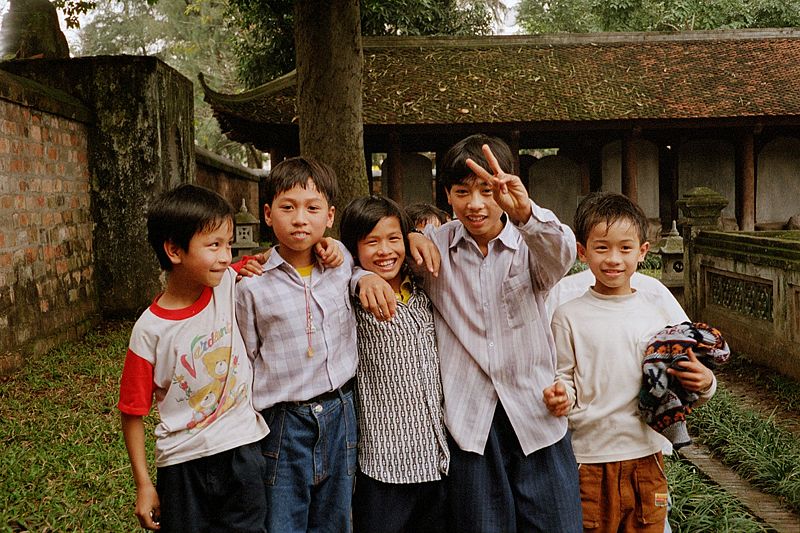
La Bonne EtoileTwo friends, Laeticia Hallyday and the French chef Hélène Darroze decided to create the charity La Bonne Etoile to improve the living conditions of Vietnamese children in need and then extend their aid to the rest of the world. The charity supports children and teenagers who are often orphans left behind and suffering from diseases or disabilities. It provides them with a decent quality of life, giving them access to care, education and vocational training, within a protective emotional framework.
Services Offered

La Bonne Étoile is a nonprofit organization that began in March 2012. The charity “builds schools, rehabilitates social centers, finances training workshops, provides support for health professionals in orphanages, subsidizes medical equipment and participates in emergency food aid in pediatric hospitals.”

The Thuy An MOLISA Center is a rehabilitation and vocational training center where 240 children aged 6 to 18 live in Vietnam. These children are mostly orphans. This Center offers them medical care, physical rehabilitation, access to primary school and vocational training adapted to their disabilities. It is a unique center in northern Vietnam that provides comprehensive rehabilitation (physical and mental) and trains caregivers in others in the region.

In five years, from 2017 to 2021, La Belle Etoile helped this center in many ways such as financing a new professional training workshop in pyrography, a dance class and a course on the hygiene of life and everyday gestures for children with a more severe handicap.

Beyond Vietnam

In 2016, the organization decided to expand its efforts beyond the borders of Vietnam. The charity began its interventions in France with a project to help children in great distress by funding protected hearing rooms within the hospital. These rooms are a reassuring setting for children so they can tell their stories without having to move from one place to another. In this context, La Bonne Etoile worked with Le Rire Médecin to bring joy to children through comedy.

La Bonne Etoile also wanted to devote its energy to helping children in Africa. In 2019, the charity decided to fully finance the construction of a school for refugee children of the village of Visiki in the Democratic Republic of the Congo (DRC) to provide them access to education and the opportunity to evolve in good conditions to prepare for their future. In early 2022, the charity also took charge of building a maternity ward in the Visiki hospital.

Final Thoughts

La Bonne Etoile continues its actions to help children in Vietnam and the world. In October 2022, the charity organized a month-long event for its 10th birthday, in which people could buy raffle tickets to win gorgeous gifts and experiences while helping children. La Bonne Etoile has helped 2,000 children and organized 20 actions. According to the charity, 11 projects are in progress.

– Olivia Roy Fritsch
Photo: Wikimedia Commons

November 16, 2022
https://borgenproject.org/wp-content/uploads/borgen-project-logo.svg 0 0 Jennifer Philipp https://borgenproject.org/wp-content/uploads/borgen-project-logo.svg Jennifer Philipp2022-11-16 07:30:312022-11-14 07:55:18La Bonne Etoile: Helping Children in Vietnam
Children, Global Poverty

Recruitment of Colombian Children into Armed Gangs

Recruitment of Colombian Children into Armed Gangs
Statistics on the recruitment of Colombian children into armed gangs show cause for concern. According to Reuters, armed gangs in Colombia forcibly recruited 313 Colombian children and adolescents between 2018 and 2020. Furthermore, armed gangs forcibly recruited more than 7,400 Colombians under the age of 18 between 1985 and 2020 and as many as 16,000 children lost their lives during Colombia’s conflict. Illegal armed gangs usually recruit children to increase their member numbers and help gangs in “competition for territorial control.” Examples of the largest illegal armed gangs are the Revolutionary Armed Forces (FARC) and the National Liberation Army (ELN) — far-left guerrilla groups that fought in the Colombian conflict beginning in 1964.

Methods of Recruitment

Gangs often prey on impoverished children by “offering money, drugs, alcohol, clothes, motorcycles or weapons.” The lack of government presence and aid is another facet that makes children in certain communities in Colombia more vulnerable, leaving them “with few alternatives.” Furthermore, the coronavirus pandemic exacerbated poverty in Colombia, which rose from a figure of 35.7% in 2019 to 42.5% in 2020.

A report by Reuters established that in 2020 “between 18.9 million and 23.9 million Colombians lived on less than $91 a month” while “15 million missed one meal a day” and others stood on the brink of starvation. This augmented the ease by which gangs were able to recruit children as gangs could “boost their social contol” in impoverished communities, InSight Crime said.

School closures at the onset of the pandemic meant that many rural children who did not have access to internet and technological devices could not continue learning. “The free time and lack of supervision provided them with ample opportunities to carry out assignments for armed groups,” according to InSight Crime.

Amid the pandemic, higher poverty rates and dwindling alternatives to gang recruitment left children more susceptible to gangs than before. Reports suggest that gangs use these children “in different stages of the drug trafficking business” as well as for purposes of sexual exploitation by employing threats and violence and promising better living conditions.

Colombian courts do not express leniency for individuals recruited as children once these individuals reach 18. Courts treat child soldiers who reach adulthood as perpetrators instead of victims of the gang recruitment system.

Efforts to Address the Issue

In the past, programs to prevent the recruitment of Colombian children into Armed Gangs have suffered from underfunding and a lack of support.

The Barça Foundation, in partnership with Gran Tierra and the Bogota Chamber of Commerce, is collaborating to prevent “the recruitment of young people in border states of the country.” The Barça Foundation runs the program “Sport for peace,” which focuses on “generating opportunities for inclusion through sport for children and young people living in socially conflictive environments.” In Bogota, these collaborative partnerships have positively impacted more than 2,000 youths.

Children Change Colombia is an NGO that works with other local organizations, such as Fundación CRAN and Tiempo de Juego, to improve the safety of communities and “keep children off the streets” to reduce the risk of violence and recruitment into armed gangs. The CRAN organization annually “provides foster homes and psychosocial support to 50 children formerly associated with illegal armed groups.” CRAN also provides information to local organizations on how to safeguard about 300 children annually in rural areas as these areas are where the recruitment of Colombian children into armed gangs is most prevalent.

While the recruitment of Colombian children into armed gangs is a cause of concern, NGOs are hard at work to help prevent this. Providing children with more compelling alternatives to joining gangs and working to reduce overall poverty are the most important ways that the government of Colombia and aid organizations can help.

– Priya Maiti
Photo: Flickr

November 15, 2022
https://borgenproject.org/wp-content/uploads/borgen-project-logo.svg 0 0 Kim Thelwell https://borgenproject.org/wp-content/uploads/borgen-project-logo.svg Kim Thelwell2022-11-15 01:30:392024-05-30 22:30:29Recruitment of Colombian Children into Armed Gangs
Child Soldiers, Global Poverty, Hunger

Al-Shabaab’s Terror Reign In Somalia

Terror Reign in Somalia
Al-Shabaab is an insurgent and militant group based mainly in Somalia. It has close relations with Al-Qaeda. For more than a decade now, al-Shabaab and the Somali government have been fighting in the Somali Civil War. Al-Shabaab’s terror reign in Somalia needs to end by combatting the economic instability and poverty that allow it to continue.

Al-Shabaab’s Origin

Al-Shabaab emerged in 2006 as a splinter group of the Islamic Courts Union (ICU) that had taken control of Mogadishu and de facto control of Somalia from the Somalia government. In response, the Somali government backed an Ethiopian invasion that defeated the ICU. The Somali people’s resentment of the Ethiopian invasion and the ICU defeat led to an opening for al-Shabaab and its terror reign in Somalia.

By 2008, al-Shabaab took control of southern Somalia and gained dominance by seizing multiple territories throughout the country. In 2012, al-Shabaab officially aligned itself with Al-Qaeda and became Al-Qaeda’s representative in East Africa.

Poverty Leads to Recruitment and Abduction

A lack of economic stability drives terrorism in Somalia. Al-Shabaab capitalizes on the fact that poverty, unfortunately, aids the recruitment of militant groups. Since about 67% of Somali youth are unemployed, many young men join militant and insurgent groups like al-Shabaab. Al-Shabaab provides a monthly salary that exceeds the average Somali per capita annual income of  $400. Teenagers that are 14 years old and younger are al-Shabaab recruits. In fact, 70% of al-Shabaab’s recruits are under the age of 24 and the median age for recruits is 17.

In addition to this, children between the ages of nine to 15 have been forcibly recruited into al-Shabaab. Since 2017, al-Shabaab has abducted children, predominantly from pastoral and rural areas, to be frontline fighters. Al-Shabaab also forced Islamic teachers and elders in Somalia to recruit children from school and arm them with military-grade weapons.

Famine and Drought Displacement Led to Al-Shabaab’s Recruitment

The Somali government’s lack of response to famine and drought has also allowed al-Shabaab to exploit poverty in Somalia. In May 2022, the United Nations Refugee Agency reported that the 2.97 million Somalis displaced due to drought, violence and food shortages led to extreme overcrowding in refugee camps. Refugee camps are often used as hunting and recruiting grounds for terrorist groups such as Al-Shabaab since they are remote and far away from authorities like police officers.

Support from the United States and the International Rescue Committee (IRC)

After President Trump withdrew all military support from Somalia, in May 2022, President Biden redeployed special forces into the country to help assist the Somali government in its war against al-Shabaab. He also approved a Pentagon request to target specific al-Shabaab leaders as part of the counterterrorism strategy.

In addition to the renewed United States support in the fight against Al-Shabaab’s reign of terror, the International Rescue Committee (IRC) is one organization that is currently helping Somalis get back on their feet economically from the effects of war, drought and food shortages. Since 1981, Somalia’s been receiving aid from the IRC which supports 280,000 Somalis annually.

Since drought is a huge issue, the IRC launched the Building Resilient Communities in Somalia to help educate families about disaster preparedness and financial resilience. These IRC programs mainly target female-led households so that females can learn how to build financial resilience during catastrophes, especially droughts. More than 1,400 Somali families received emergency cash for basic needs from the IRC. The organization has also provided business start-up grants and entrepreneurship training.

Looking Ahead

If Somalia cannot resolve its economic instability, al-Shabaab probably cannot be successfully defeated. Severe poverty is one of the primary reasons why so many young men join al-Shabaab. Joining an insurgent group should never have to be in any child’s future. Children in Somalia deserve better. They deserve a stronger and safer future where al-Shabaab no longer exists and economic instability is no longer a problem for their nation. The support from the U.S. and the IRC should help put Somalia in a better position to combat both poverty and al-Shabaab’s terror reign.

– Yonina Anglin
Photo: Flickr

November 15, 2022
https://borgenproject.org/wp-content/uploads/borgen-project-logo.svg 0 0 Naida Jahic https://borgenproject.org/wp-content/uploads/borgen-project-logo.svg Naida Jahic2022-11-15 01:30:102022-11-11 06:12:57Al-Shabaab’s Terror Reign In Somalia
Child Poverty, Children, Global Poverty

Free Childcare in Portugal

Free Childcare in Portugal
The Portuguese government recently began a new program to introduce free childcare for all children one year and younger. The government also plans to open up free access to childcare to more children in the future. In three years, all children up to the age of three, as well as some children in primary school will be eligible to receive free childcare.

History of Free Childcare in Portugal

Free childcare in Portugal was previously available only to low-income citizens but has now been extended to all children, regardless of income. Not many other European countries offer free childcare to all citizens, regardless of income, making it a revolutionary step forward. This measure was introduced to increase the birth rate in Portugal, which is currently one of the lowest in the world. In addition to free childcare, the Portuguese government will be providing free textbooks and free computers to support eligible families.

Childcare Costs and Poverty

People often disregard childcare when discussing the causes of poverty for families. The costs that childcare imposed are significant expenses for low-income families and parents. In the EU, childcare is very popular with an average of one-third of children under the age of three participating in childhood education or childcare per country. For three-to-five-year-olds, the number rises to almost 90%.

Despite its necessity, childcare is extremely costly. According to data collected in 2019, gross childcare expenses in Portugal were almost 40% of a woman’s median income. Although childcare allows parents to work a full-time job – especially single parents – it also makes it difficult for families to crawl out of poverty. Moreover, it also continues a cycle of generational poverty that puts children at a higher risk of food insecurity, lack of access to good schools, and more.

It is because of this that free childcare in Portugal is such a significant act in the country’s fight against poverty. As Ana Mendes Godinho, Portugal’s Minister of Labor, says, free nurseries can “be lifesavers for many children, allowing them from the beginning to be part of a collective system that integrates them, namely fighting child poverty and cutting intergenerational cycles.”

The Benefits

Research has suggested that early childhood education for low-income children carries future wage benefits and health benefits. It also boosts family income and promotes the well-being of the child. Childcare also has numerous benefits for parents, as it makes it easier for parents to find employment. Additional research has shown that families with access to affordable childcare have a higher rate of maternal employment, which could help lower the gender pay gap between husbands and wives.

The new measure to increase the accessibility of free childcare in Portugal will not only relieve a burden for many families but partake in the fight against intergenerational poverty.

– Padma Balaji
Photo: Flickr

November 12, 2022
https://borgenproject.org/wp-content/uploads/borgen-project-logo.svg 0 0 Naida Jahic https://borgenproject.org/wp-content/uploads/borgen-project-logo.svg Naida Jahic2022-11-12 07:30:352024-06-04 01:18:04Free Childcare in Portugal
Child Poverty, Children, Global Poverty

Foundation Fighting Child Poverty in Iraq

Child poverty in Iraq
Although the statistics regarding child poverty in Iraq are exceedingly high, specific foundations aimed at finding solutions for this ever-growing issue (particularly, in a post-2020 world) are fairly difficult to come by. The COVID-19 pandemic created even more barriers to education, success and safety for children in Iraq, but the groups that do exist are working to shrink these numbers.

COVID-19’s Effect on Child Poverty in Iraq

 The COVID-19 pandemic dramatically complicated the lives of Iraq’s youngest population in poverty, subjecting parents to make difficult decisions about the education and safety of their children.

About 4.5 million Iraqi citizens fell into poverty after the start of the COVID-19 pandemic. This extreme increase in numbers has led to “[l]osses to jobs and rising prices[,]” and the national poverty rate is now sitting at 31.7%. Because of this increase, the amount of children that live below the poverty line has almost doubled.

The combination of “low computer ownership, limited access to internet and poor connectivity” had left millions of children without education during the earliest wave of the COVID-19 pandemic. Those who could access their classwork, however, were also not receiving adequate education because their educators struggled with similar issues and failed to connect with their students. Following the economic impact of the pandemic, many families in Iraq are sending their children to work or, in more extreme cases, marrying them off in order to gain any form of protection or currency for themselves or their children.

Child Poverty in Iraq and its Connection with Sex Trafficking

Hardships, whether stemming from lack of resources, money, or education, left many children circulating in the ring of sex trafficked victims.

Due to Iraq’s large population, its staggering number of children (47%) are consistently at a greater risk of sexual exploitation. Some children resort to “survival sex” in an attempt to break free from the cycle of abuse that they experience. Examples of “survival sex” include superiors forcing young boys to grant them sexual favors to earn their work wages. Families that find themselves below the poverty line can, in an attempt to “protect” their daughters, marry them off in order to receive a “bride price,” or “an amount of money, property or other form of wealth ‘paid’ to the parents of a woman for the right to marry their daughter.”

The Iraqi Children Foundation

The Iraqi Children Foundation (ICF) is an organization that aims to eradicate these issues. Its mission “to intervene with love and hope in the lives of children who are vulnerable to abuse, neglect, and exploitation by [criminals], traffickers, and extremists,” is possible by providing accessible resources to struggling families. The ICF aims to give every Iraqi child a voice and to restore their sense of worth.

A pair of Americans who worked to provide basic necessities for disadvantaged Iraqi children founded the Iraqi Children Foundation in 2007. Since its creation, the ICF continues to hold an abundance of annual events in order to raise funds and awareness towards the issues facing the population of children in Iraq. In 2022, the Foundation celebrated 10 years of its In Their Shoes 5K, where hundreds of participants walked in Washington, DC to support the benefit project. The ICF’s Annual Report relays that 2021 was its most successful year thus far, nourishing more than 500 children and protecting thousands from abuse and child labor.

– Aspen Oblewski
Photo: Flickr

November 2, 2022
https://borgenproject.org/wp-content/uploads/borgen-project-logo.svg 0 0 Jennifer Philipp https://borgenproject.org/wp-content/uploads/borgen-project-logo.svg Jennifer Philipp2022-11-02 07:30:532024-05-30 22:30:24Foundation Fighting Child Poverty in Iraq
Child Poverty, Children, Global Poverty

Pneumonia Worsens Child Death in Honduras

Child death in Honduras
Child death in Honduras is becoming a significant problem as a combination of factors is creating a crisis of poverty in the country. With the Central American country already being one of the poorest in Latin America as well as having the second-highest poverty rate in the LAC according to the World Bank data in 2020, the children of the country experience the brunt of this poverty. The most significant impact this rising poverty rate has had is pneumonia which has grown due to malnutrition, lack of safe water and sanitation and health care.

Poverty in Honduras: An Overview

  • Poverty in Honduras has been a concern for a long time. Before 2020, 25.2% of the country lived in extreme poverty and according to the World Bank, 4.4 million people lived in poverty. Since 2014, there has been very little decline in poverty levels as well.
  • When it comes to human development as well, Honduras has performed very poorly and has the lowest human development outcomes in Latin America. Children in particular suffer from child malnutrition as a result of this. According to the World Food Programme (WFP), 23% of children under 5 experience stunting and anemia affects 29%.
  • The reasons for Honduras’ struggle with poverty have roots in economic, political and environmental factors. The climate makes food insecurity in the region much worse, with extreme droughts in Honduras’ Dry Corridor and irregular rainfalls that resulted in the loss of more than half of the crops in 2015. Moreover, 72% of the country relies on agriculture which makes matters worse.

Rising Cases of Pneumonia

The worsening poverty rates and resulting poor nutrition have resulted in an increase in child mortality rates in Honduras. One of the leading causes of child death in Honduras is pneumonia, which according to UNICEF is 16% of deaths of children under 5 years of age in 2019. The cause of the rising cases of pneumonia is the amount of malnutrition rising in the population due to the poverty crisis. With malnutrition comes a lack of safe drinking water, lack of sanitation and poor healthcare systems. Some parts of the country, such as the south region, are mountainous areas where finding safe drinking water is difficult and jobs are lacking.

These levels could rise as famine will likely hit the dry corridor of Honduras as well as Guatemala, El Salvador and Costa Rica. In an interview with The Guardian, Ramón Turcios, the southern regional director for the Ministry of Agriculture, places the blame for this rising poverty on the government’s lack of response to the droughts. Although The Guardian reported that the World Food Programme (WFP) is providing supplementary nutrition to children in the Vado Ancho region, many doctors and healthcare providers are concerned about the future. “I’m scared that, as a result of the drought, the situation will get worse and there will be more cases of pneumonia, especially in children under five,” said a doctor at a local health center in an interview with The Guardian.

Hope For the Future

While the future looks bleak, there is hope that Honduras might be able to tackle this crisis and help millions of children. The World Bank currently has 11 projects in Honduras that it has committed $814 million. These commitments aim to address sanitation, health care and food security. The World Bank has pledged $70 million to specifically provide water to the Dry Corridor. It is also working on a new Country Partnership Framework with Honduras as of April 2022. Honduras also partnered with UNDP in 2019 to tackle child malnutrition specifically. Although there are fears for the future, many international organizations are working with Honduras to abate the number of pneumonia cases and reduce child death in Honduras.

– Umaima Munir
Photo: Flickr

October 31, 2022
https://borgenproject.org/wp-content/uploads/borgen-project-logo.svg 0 0 Naida Jahic https://borgenproject.org/wp-content/uploads/borgen-project-logo.svg Naida Jahic2022-10-31 01:30:242022-10-27 07:46:35Pneumonia Worsens Child Death in Honduras
Children, Global Poverty, Health

Addressing Children’s Mental Health in the Philippines

Children’s Mental Health in the Philippines
In the Philippines, in 2018, children younger than 18 accounted for about 40% of the population, according to UNICEF data. The Philippine Development Plan for 2017-2023 points out that children stand “among the most vulnerable population groups in society.” Furthermore, the National Statistics Office (NSO) highlights that “mental health illnesses rank as the third most common form of morbidity among Filipinos.” The COVID-19 pandemic has exacerbated mental health issues, making it crucial to address children’s mental health in the Philippines.

Overview of Children’s Mental Health in the Philippines

A 2015 Global School-based Student Health Survey (GSHS) highlights that approximately 17% of Filipino students aged 13 to 17 had attempted suicide once a year at minimum. This data indicates that mental issues among the youth have been an issue even before the pandemic. Notably, from March 2020 to May 2020, the Filipino government documented a “260% increase in online child abuse reports,” including instances of sexual exploitation, which has a direct impact on mental well-being.

Impact of COVID-19

At the beginning of the pandemic, the Philippines’ “militaristic approach” to lockdowns also affected children’s mental health due to the fear of violence under the military presence in communities, according to a study by Grace Zurielle C. Malolos and others.

This strict confinement limited physical activities and social interaction among adolescents, aggravating the stability of children’s mental health in the Philippines. In April 2020, when the Philippines implemented a total lockdown, a survey of 200 children aged 6-12 years old in both public and private schools in Luzon, Philippines, showed that the participants expressed feelings of sadness, fear, anger and disappointment, among other emotions. The study also found that parents’ views regarding the lockdown had a major impact on children’s mental health in the Philippines.

Impact of Extreme Weather

Because of its geographic location, the Philippines faces at least 20 typhoons annually. The Philippines faced 22 tropical typhoons in the year 2020 alone, causing numerous casualties. Overall, extreme weather patterns in the Philippines have had both direct and indirect impacts on the mental health conditions of Filipino children due to the destruction of schools and homes and increased feelings of stress and anxiety, among other impacts.

There is also the indirect impact of the psychological phenomenon known as “climate anxiety” or “eco-anxiety.” A 2021 Current Psychology article highlights that the threat of extreme weather patterns causes an increase in family stress, suicide ideation and amplification of past trauma. This aspect of children’s mental health in the Philippines often goes overlooked.

Efforts to Improve Children’s Mental Health in the Philippines

In 2021, the USAID RenewHealth Project collaborated with the Philippine Department of Health (DOH) to launch the first mobile application to improve mental health in the Philippines. This mobile application, called the Lusog-Isip app, provides access to self-care resources and self-help services for mental health needs. This includes workbooks, activities, journals, audio and more.

A pilot test of the app reveals that users experienced “improved well-being and the ability to use certain coping strategies such as cognitive reappraisal and emotional expression.” In the event that a user requires mental health resources that the app cannot provide, the app directs the user to these resources. The app will undergo further refining to ensure that it is most beneficial to the most vulnerable groups, such as young people.

With a commitment to serving the most vulnerable populations, the government can improve children’s mental health in the Philippines.

– Youngwook Chun
Photo: Flickr

October 23, 2022
https://borgenproject.org/wp-content/uploads/borgen-project-logo.svg 0 0 Naida Jahic https://borgenproject.org/wp-content/uploads/borgen-project-logo.svg Naida Jahic2022-10-23 01:30:512024-06-08 04:13:02Addressing Children’s Mental Health in the Philippines
Page 23 of 137«‹2122232425›»

Get Smarter

  • Global Poverty 101
  • Global Poverty… The Good News
  • Global Poverty & U.S. Jobs
  • Global Poverty and National Security
  • Innovative Solutions to Poverty
  • Global Poverty & Aid FAQ’s
Search Search

Take Action

  • Call Congress
  • Email Congress
  • Donate
  • 30 Ways to Help
  • Volunteer Ops
  • Internships
  • Courses & Certificates
  • The Podcast
Borgen Project

“The Borgen Project is an incredible nonprofit organization that is addressing poverty and hunger and working towards ending them.”

-The Huffington Post

Inside The Borgen Project

  • Contact
  • About
  • Financials
  • President
  • Board of Directors
  • Board of Advisors

International Links

  • UK Email Parliament
  • UK Donate
  • Canada Email Parliament

Get Smarter

  • Global Poverty 101
  • Global Poverty… The Good News
  • Global Poverty & U.S. Jobs
  • Global Poverty and National Security
  • Innovative Solutions to Poverty
  • Global Poverty & Aid FAQ’s

Ways to Help

  • Call Congress
  • Email Congress
  • Donate
  • 30 Ways to Help
  • Volunteer Ops
  • Internships
  • Courses & Certificates
  • The Podcast
Scroll to top Scroll to top Scroll to top