• Link to X
  • Link to Facebook
  • Link to Instagram
  • Link to TikTok
  • Link to Youtube
  • About
    • About Us
      • President
      • Board of Directors
      • Board of Advisors
      • Financials
      • Our Methodology
      • Success Tracker
      • Contact
  • Act Now
    • 30 Ways to Help
      • Email Congress
      • Call Congress
      • Volunteer
      • Courses & Certificates
      • Be a Donor
    • Internships
      • In-Office Internships
      • Remote Internships
    • Legislation
      • Politics 101
  • The Blog
  • The Podcast
  • Magazine
  • Donate
  • Click to open the search input field Click to open the search input field Search
  • Menu Menu

Archive for category: Children

Information and stories addressing children.

Children, Global Poverty

Home of Angels’ Work Aiding Children in Uganda

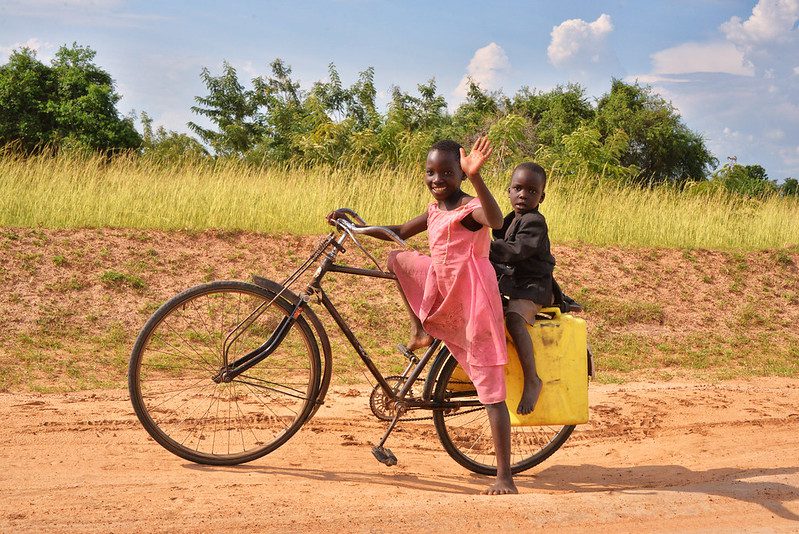
Children in UgandaIn Africa, a large number of people are suffering from poverty and disease. As a result, many children are suffering. Half of Africa’s population comprises children, and the spread of disease has forced many of them to become homeless orphans or die at an early age. Thus, some organizations are implementing concrete actions to improve life for children. For example, in Jinja, Uganda, East Africa, there is a nonprofit non-governmental organization (NGO) called Jaaja Barb’s Home of Angels, which Barb Giruad and Edwin Lufafa founded in 2009, and is helping “protect and care for” orphaned children “by providing education and a loving, stable home.” Here is some information about the organization and its accomplishments.
A Brief Introduction to Jaaja Barb’s Home of Angels

The Jaaja Barb’s Home of Angels’ name has a heartwarming meaning. Jaaja stands for “grandma” in Lusoga and Barbara Giraud is a grandmother who helped found the organization alongside Edwin Lufafa, who is from Jinja, Uganda.

Jaaja Barb’s Home of Angels aims to improve life for Uganda’s children. In Uganda, HIV/AIDS has left many parents unable to afford child-rearing responsibilities. In many cases, young children are caring for themselves and their younger siblings at the same time and many children are homeless. Statistics showed that one in four of Uganda’s households has at least one orphan.

The intent of the organization is to help children find a home and gain education. As a result, Jaaja Barb’s Home of Angels is not only providing a safe haven for orphan children but also acting as a children’s welfare project.

Success Stories

The Borgen Project emailed the staff at the Home of Angels to learn about their experiences with the organization and its accomplishments. The inquiry revealed that Edwin and Barb rescued 11 children who were living at an abandoned orphanage and provided them with shelter, food and water.

Currently, the organization is taking care of 32 children and has even implemented a nursery and a primary school, thanks to donations and the selling of banana bread. The organization also built a grass hut where the children can have meals and attend events. It also contains a projector and screen from which the children can learn English. Additionally, the organization implemented a well to provide both the shelter and its community with access to sanitary water.

Looking Ahead

More recently, Jaaja Barb’s Home of Angels is providing aid to poor families with mentally and physically challenged children by giving their families land and seeds to grow food. Additionally, Edwin is teaching families how to make bricks to sell.

The kindness and love that Barb, Edwin and their co-workers are giving to children in Uganda are incredibly important. Their efforts have helped feed and shelter many children and their families.

– Ella Li
Photo: Flickr

October 13, 2022
https://borgenproject.org/wp-content/uploads/borgen-project-logo.svg 0 0 Naida Jahic https://borgenproject.org/wp-content/uploads/borgen-project-logo.svg Naida Jahic2022-10-13 01:30:342022-10-10 12:58:34Home of Angels’ Work Aiding Children in Uganda
Children, Developing Countries, Development, Global Poverty, Health

New Markets Boom in Dharavi

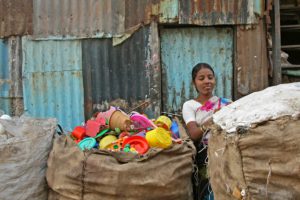
DharaviMumbai’s Dharavi is one of the world’s largest slums and is home to roughly 1 million people since it was established in 1884. Dharavi was initially inhabited by fishermen and later extended to migrant workers from south Mumbai. The slum’s conditions are dire and inhabitants have suffered from the spread of numerous epidemics and diseases due to the lack of sanitation, drinking water, roads and basic healthcare services.
Hidden Markets

Despite its harsh economic and social conditions, Dharavi is close to Mumbai’s two main suburban rail lines, which has made commuting to work easier for workers. Over the years, Dharavi has also developed a large number of thriving small-scale industries that produce embroidered garments, quality leather goods, pottery and plastic. Furthermore, there are estimated to be 5,000 businesses and 15,000 single-room factories located within Dharavi, making it a prime entrepreneurial realm with potential revenue that can total anywhere from $700 million to $1 billion USD a year.

Many of these initiatives are undertaken by women living in the slums, many of whom have taken the lead and become the main breadwinners of their families. In fact, out of the 65,000 rural markets in India, almost 75% are run by women.

Renuka Shinde’s Story

One such example is Renuka Shinde, who was forced to take up the role of the breadwinner after her husband left her and their three sons. Renuka traveled to Kolkata from her home in Dharavi to buy handloom saris to start her small business. At the end of a month’s hard work, Renuka brings home Rs 3,000 or roughly $48 by selling saris and other garments around Mumbai. Renuka makes a profit of Rs12,000 ($200) a month and this tends to increase during Indian festivals such as Diwali and also during wedding seasons.

Pushpalata Chittikindi’s Story

Another example is Pushpalata Chittikindi, who is left to fend for her two sons in the absence of her alcoholic husband. Pushpalata started making metal buckles and sold them piece by piece to nearby factories in the neighborhood. The businesswoman also worked as a cook and cleaner in her spare time. Following the advice of her friends, Pushpalata took a loan to set up her machine but lacked financial knowledge and experience with banks. Pushpalata took the help of a local NGO that gave out small loans to support local women.

With help from the NGO, Pushpalata started making Rs 250, about $4, per day. The businesswoman later pivoted to buying biscuits and snacks from wholesale stores and selling them from her home to nearby school kids. With the money she earned, Pushalata was able to pay off her loans in a year and rented a small store nearby, which she later named after her son, Sagar.

Women in Poverty

The biggest challenge to women looking to follow in the footsteps of Renuka and Pushpalata is access to credit – a first step to overcoming their financial struggles. In India, the poverty rate for women ages 25 to 34 was roughly 12% in 2020 and is said to increase to 14% following the dire effects of the COVID-19 pandemic. On the other hand, Indian men in poverty are roughly 100 men to every 120 women in poverty. The statistics highlight that there is disparity even within the parameters of poverty and that Indian women need support and guidance in their economic endeavors.

Addressing Credit Challenges

Thanks to the Vandana Foundation, an organization that provides low-interest micro-loans to female entrepreneurs in Dharavi, this challenge has become easier to overcome. In addition to the Vandana Foundation, many other NGOs such as the Light of Life Trust, Human Capital For Third Sector and Catalyst For Social Action, also play a big role to support India’s entrepreneurs and inhabitants.

A Take-away from Dharavi

The story of these women stands to show that although we tend to underestimate the power of small-scale local entrepreneurs, they are capable of making a considerable impact. If given the opportunity and starting resources, people have the power to change their financial circumstances and thus their lives, even in slums like Dharavi. There are hidden markets similar to the ones in Dharavi all over the world. By understanding where the opportunities lie and how to best support them, we can help people to help themselves and their communities.

– Samyudha Rajesh
Photo: Flickr

October 5, 2022
https://borgenproject.org/wp-content/uploads/borgen-project-logo.svg 0 0 Naida Jahic https://borgenproject.org/wp-content/uploads/borgen-project-logo.svg Naida Jahic2022-10-05 01:30:412022-10-04 13:40:44New Markets Boom in Dharavi
Children, Developing Countries, Development, Education, Global Poverty, Health

Public Health in Africa: Reducing Meningitis

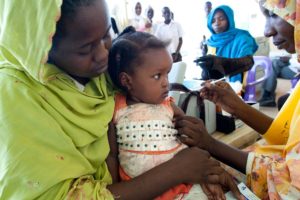
Public Health in AfricaFor many people around the world, the COVID-19 pandemic was an eye-opening event that revealed the dangers and inadequacies of the world’s global health systems. However, for other people, outbreaks of epidemic diseases might be more of a lived reality. On the continent of Africa, many know a certain geographic region in sub-Saharan Africa as the “meningitis belt.” These 26 countries face the dangers of meningitis more than other places around the world, and the outbreak of the COVID-19 pandemic delayed the vaccination of the MenAfriVac meningitis vaccine to 50 million children in these countries. African governments collaborated with the World Health Organization (WHO), the Bill and Melinda Gates Foundation and PATH, a nonprofit health organization, to develop the MenAfriVac vaccine and distribute it to more than 350 million people living in areas of high risk. While this scientific effort made an incredible difference in public health in Africa, the COVID-19 pandemic largely disrupted the processes that allowed these successes to continue. The pandemic reduced services aimed at preventing meningitis by 50% from 2019 to 2020. Despite recent setbacks, WHO developed a plan to address meningitis.
Meningitis: The Disease

Meningitis is a complex disease with several variations. It arises in viral or bacterial form with several types of viruses or bacteria causing meningitis. Some meningitis vaccines protect against several forms of meningitis.

The types of meningitis are important to consider because historically, different types of meningitis affected African communities. Prior to 2010, only 10% of meningitis cases were a form other than meningitis type A; however, after the introduction of the MenAfriVac vaccine, the number of cases of meningitis type A decreased significantly. Since 2017, no person has experienced a case of meningitis type A in the region. While deaths due to meningitis still totaled 140,552 people in Africa in 2019, the elimination of meningitis type A means that about 95% of people diagnosed with meningitis survived in 2021. Since 2013, however, meningitis type C led to several outbreaks in the meningitis belt.

At the end of 2021, the Democratic Republic of Congo (DRC) reported 2,662 cases of meningitis along with 205 deaths due to meningitis. Local mobile clinics and vaccination drives from WHO helped reduce the outcome of death from 85% of cases to 10% of cases fairly quickly.

The Defeating Meningitis Road Map

WHO assists with suppressing the outbreaks of meningitis such as in the case of the Democratic Republic of Congo in late 2021; however, it also develops long-term plans to improve public health in Africa overall. In November 2020, the World Health Assembly approved the Defeating Meningitis by 2030 roadmap. WHO will implement the $1.5 billion plan in January 2023, which will begin the fight to control meningitis in Africa by 2030. The plan includes a goal to achieve a 90% vaccination rate using a new vaccine that will hopefully protect communities against new outbreaks of the disease. From 2023 to 2030, the plan also hopes to reduce deaths of meningitis by 70% and reduce cases of meningitis by 50%. Several steps to achieving these goals include increased disease surveillance to catch meningitis early and increasing awareness of services to improve overall public health in Africa.

With WHO’s plan to defeat meningitis by 2030, public health in Africa will greatly improve the lives of millions of people within the meningitis belt. Meningitis is mostly a preventable disease with the efforts of vaccinations and other measures of public health. As the rest of the world encountered during the COVID-19 pandemic, collaboration within a community goes a long way to keeping everyone safe.

– Kaylee Messick

Photo: Flickr

October 4, 2022
https://borgenproject.org/wp-content/uploads/borgen-project-logo.svg 0 0 Naida Jahic https://borgenproject.org/wp-content/uploads/borgen-project-logo.svg Naida Jahic2022-10-04 07:30:032022-10-04 02:00:26Public Health in Africa: Reducing Meningitis
Children, Developing Countries, Development, Global Poverty, Health

Health in the Pacific Islands: Vanuatu Eliminates Trachoma

Health in the Pacific IslandsHealth in the Pacific Islands recently improved due to the elimination of a disease called trachoma on the island of Vanuatu. This island is located to the north east of Australia in a region called Melanesia. Vanuatu is the first of the Pacific Island countries to eliminate the disease, and the only one of 14 to complete this goal. Health in the Pacific Islands and around the world has improved significantly over time as public health measures reduced the number of people at risk of contracting trachoma by 92% over the past two decades.
Vanuatu

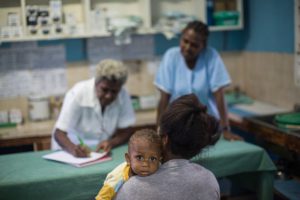
Vanuatu is composed of 83 islands and relies on agriculture. Due to the separation of islands, health in the Pacific Islands, including Vanuatu, is often inadequate. Access to health care remains a challenge to many residents, and there also exists a lack of resources and medical personnel. Though there are six hospitals located throughout the country, many people must rely on health centers due to the rural areas in which they live. The recent success story of the elimination of trachoma follows another success back in 2016 when the country eliminated lymphatic filariasis, a disease that affects the lymphatic system.

Trachoma

The bacterium, Chlamydia trachomatis, causes trachoma, which leads to a visual impairment that is, at times, severe enough to cause the patient to become blind. The bacterium has caused visual impairments in about 1.9 million people in the world so far, and 136 million people remain at risk of contracting the disease as of June 2021. The disease spreads through contact with discharge coming from the eyes or nose, whether through direct contact or intermediates such as flies. Trachoma is classified as a neglected tropical disease (NTDs).

People often find these diseases in countries in Africa, Asia and Latin America. Though there are many NTDs, trachoma is one of the known diseases in this category that can be eliminated from a population through the use of public health measures. Improvements to hygiene and access to clean water help control the spread of the disease, as well as control the spread of possible vectors such as flies. The push to eliminate trachoma began after data from 2014 indicated that trachoma infected 12% of children between the ages of one and nine years old. This means these children were at risk for serious visual impairment that would affect their future. Trachoma also holds a significant economic impact on countries that trachoma impacts, where these countries may lose up to $5.3 billion per year.

A Path Toward Elimination

Other countries can follow the success of Vanuatu by abiding by the recommendations of the World Health Organization (WHO) and mobilizing medical professionals and communities in places of at-risk individuals. The acronym for the policy toward eliminating trachoma is SAFE. It stands for “Surgery for trichiasis; Antibiotics to clear infection; and Facial cleanliness and Environmental improvement to limit transmission.” Communities pair this process with education on avoiding health risks, proper treatment and providing antibiotics to populations, especially rural individuals. Governments, such as the case in Vanuatu, also often partner with international organizations such as WHO, and with organizations that specifically work with treating diseases related to blindness such as the Fred Hollows Foundation.

The Fred Hollows Foundation is particularly important to the regions in and around Australia because it focuses on diseases related to sight. It helps to reduce poverty by providing medical treatments, education and training. It builds health facilities and works with local communities to end preventable blindness.

Looking Ahead

These ongoing partnerships and procedures that WHO outlines eliminate NTDs such as trachoma, allowing medical professionals to greatly improve health in the Pacific Islands. In 1998, WHO set a goal to eliminate trachoma by the year 2020. As of 2020, the new goal for the NTD elimination plan is now 2030. Trachoma remains a health problem in 43 countries. Hopefully, other countries in the Pacific Islands and around the world can use Vanuatu as a role model in eliminating more NTDs to improve health in the Pacific Islands and abroad.

– Kaylee Messick

Photo: Flickr

October 4, 2022
https://borgenproject.org/wp-content/uploads/borgen-project-logo.svg 0 0 Naida Jahic https://borgenproject.org/wp-content/uploads/borgen-project-logo.svg Naida Jahic2022-10-04 07:30:012024-05-30 22:30:15Health in the Pacific Islands: Vanuatu Eliminates Trachoma
Children, Developing Countries, Development, Education, Global Poverty, Health

Education in Mexico: Keeping Kids in School

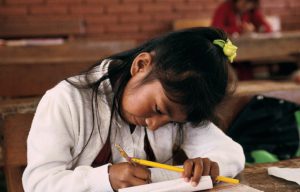
education in MexicoMuch of Mexico’s population faces economic struggles that have only magnified amidst the ongoing COVID-19 pandemic, one of which includes the high dropout rate for school-age children, a challenge education in Mexico is facing.
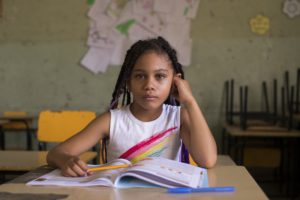
Mexico Faces High Student Drop-Out Rates

Mexico’s enrollment rate is one of the most successful out of the Latin American countries. By the start of the 21st century, almost all of Mexico’s age-eligible population was enrolled in primary and lower secondary school. A study found that the enrollment rate for students in grades one to nine as of 2007 was around 95%. Yet, the country fails to secure a high rate of student enrollment through the end of lower secondary schooling, with the overall drop-out rate being close to 50%

Data shows that less than 60% of students finish upper secondary school (high school level) and of that percentage, a large number of children age-eligible for high school do not even attend, according to a University of Nebraska-Lincoln study. Many students decide to end their educational pursuits around the age 15, due to financial reasons. Additionally, an estimated 5.2 million students, around 14% of Mexico’s school-aged children, had dropped out of school since the start of the COVID-19 pandemic, citing financial hardship as the reason for their educational termination.

The Impact of Poverty

Although the government made secondary education mandatory in Mexico, it doesn’t directly enforce it. Additionally, “children marginalized by… poverty experience particularly high risks of dropping out” due to financial burdens, according to an article published in the International Journal of Educational Development. As children age, their school curriculum tends to become more difficult and financial costs tend to increase. Coupled with that fact, as children grow older they become more capable of contributing to their family’s financial status, whether that labor is through household duties or in the formal job market, the same article reports.

Mexico’s high dropout rates for school-aged children during and prior to secondary school therefore can have two reasons: the country’s poverty rates and the dependency on children’s labor to supplement household income, all of which especially escalated following the onset of COVID-19.

The Cancellation of Prospera

In recent news, Mexico’s President Andres Manuel Lopez Obrador canceled Prospera, a governmental program intended to keep children in school and improve education in Mexico, according to Social Protection. The government developed the program in 1997 in response to Mexico’s economic crisis during the years 1994-1995, renewed it as Oportunidades in 2002, then renamed it Prospera in 2014. Following its cancellation, a new program, the Benito Juarez Scholarship Fund, replaced the educational components of Prospera.

What was Prospera?

Prospera was a conditional cash transfer program (CCT) that not only focused on child education but health and nutrition; it supplied monthly cash subsidies to poor households, primarily those belonging to single and/or unemployed mothers, under certain conditions, Social Protection reports. These conditions included school enrollment and regular trips to health clinics for children.

The CCT program reached 6.2 million households and researchers found that during its implementation, educational attainment for children increased by about 10%, according to Social Protection. Other short-term positive impacts thanks to the program’s conditional healthcare visits included a decrease in maternal death by 11% and infant mortality by 2% and an average improvement in children’s nutritional health.

Long-term impacts of Mexico’s Prospera are still being studied, but one study found that the program’s beneficiaries were “37% more likely to have a job” than those who did not participate and the World Bank attributes one-third of the decrease in Mexico’s rural poverty rates to the program. The World Bank also notes that over 50 countries have replicated Mexico’s Prospera model, adopting similar CCT programs.

Reasons Behind Cancellation

Despite this, Prospera was not particularly popular among voters and Mexico’s president Lopez Obrador eventually canceled it. Data has shown that the program’s beneficiaries received 30% to 40% less in cash value than what was originally intended.

Additionally, the program failed to include 55% of families living in poverty and with household incomes that should have qualified for program consideration, according to Development Pathways.

The Benito Juarez Scholarship Fund

That being said, President Lopez-Obrador and his administration intend for the Benito Juarez Scholarship Fund, Prospera’s replacement, to serve children’s educational pursuits without Prospera’s past corruption. In an effort to confront Mexico’s low enrollment and high dropout rates in secondary education and beyond, the fund will give monetary grants in the form of scholarships to teenagers attending upper secondary (high) schools, Social Protection reports.

This fund, however, does not account for “the removal of conditional health and nutrition requirements of Prospera,” Social Protection reports. Despite this fact, the Benito Juarez Scholarship Fund aims to “encourage [children’s] school enrollment and graduation” without making subsidies conditional upon parents meeting certain requirements.

The program targets families with school-aged children whose monthly income falls under the extreme poverty line and Mexico’s government claims “priority is given to families that live in areas of indigenous populations, areas with high degrees of marginalization or with high rates of violence,” according to Observatory on Social Development.

Mexico’s government has made efforts to improve education in Mexico and school enrollment through programs such as Prospera and, more recently, the Benito Juarez Scholarship Fund.

– Ashley Kim
Photo: Flickr

October 4, 2022
https://borgenproject.org/wp-content/uploads/borgen-project-logo.svg 0 0 Naida Jahic https://borgenproject.org/wp-content/uploads/borgen-project-logo.svg Naida Jahic2022-10-04 01:30:382022-10-04 01:40:06Education in Mexico: Keeping Kids in School
Children, Developing Countries, Development, Education, Global Poverty, Health

Period Poverty in the Dominican Republic  

Period Poverty in the Dominican Republic Joining the fight to tackle period poverty in the Dominican Republic, Batey Relief Alliance, a nonprofit organization in the Dominican Republic, worked with Always, a famous American brand of menstrual products, to distribute pads to Dominican women through their #ChicaAyudaChica campaign.

Period Poverty and its Effects

According to UNFPA, “period poverty describes the struggle many low-income women and girls face while trying to afford menstrual products.” Though period poverty is a global issue, it is more prevalent in countries where women are disproportionately impacted by economic hardship. In the Dominican Republic, while the poverty rate is 3% higher for women compared to men, it is also important to note that “40% of women [carry] out unpaid work at home.”

Societal norms limit many Dominican women to domestic work rather than professional occupations. Women in rural Dominican Republic who do work often earn a total of $1 per day when the average package of pads costs $3, making it near impossible for them to afford the products. Thus, the cycle of period poverty persists.

Along with financial difficulties, women also struggled to access menstrual products due to COVID-19, as shown in a survey conducted in 30 countries including the Dominican Republic. Per the survey, 73% of health professionals noted that increased shortages and disrupted supply chains restricted women from buying menstrual products. In addition, 68% of health professionals highlighted that there was limited access to “facilities to change, clean and dispose of period products.”

Without access to sanitary products, most girls fear they will bleed through their clothing and be seen as “unclean” or “dirty” due to the taboo placed around periods and sexual health. In response, some girls trade sexual favors for money to pay for their menstrual products, while others simply stay home from school. These absences lead to lasting negative effects as these girls sometimes miss out on their education or drop out altogether.

How Batey Relief Alliance is Helping Dominican Women

Batey Relief Alliance is a non-political nonprofit founded in 1997 that addresses extreme poverty for women, children and families across the Americas and the Caribbean. In 2021, the organization revealed that 20% of Dominican girls in rural areas missed an average of 2-3 days of school monthly due to lack of access to menstrual products. Overall, a UNICEF report notes that only 56.7% of Dominican girls complete high school.

In response to period poverty in the Dominican Republic, the organization partnered with Always and a famous supermarket chain in the Dominican Republic called La Sirena to launch the ChicaAyudaChica campaign on April 6, 2022. The ChicaAyudaChica, or GirlHelpsGirl campaign is a response to the financial strain the pandemic placed on low-income families. The initiative grew using platforms like Twitter and Facebook to reach a bigger audience. By the end of the month, Always donated 20,000 sanitary pads to girls who lived in the rural province of Monte Plata, the seventh poorest town in the Dominican Republic.

Moving Forward

Even though the campaign is over, Always continues the fight against period poverty through its ongoing #EndPeriodPoverty movement, using social media as a tool to spread the word. As awareness of period poverty and its effects increases, the more young girls and women can gain control over their well-being and future economic opportunities.

– Blanly Rodriguez
Photo: Flickr

October 3, 2022
https://borgenproject.org/wp-content/uploads/borgen-project-logo.svg 0 0 Jennifer Philipp https://borgenproject.org/wp-content/uploads/borgen-project-logo.svg Jennifer Philipp2022-10-03 01:30:262022-10-03 00:01:37Period Poverty in the Dominican Republic  
Children, Education, Global Poverty, Health

Cafeterias Address Child Poverty in Japan

Children’s Cafeterias in JapanWhile Japan is one of the most developed countries in the world, the country has a pressing issue to solve — child poverty. According to a report by the Organisation for Economic Co-operation and Development (OECD), in 2017, Japan’s child income poverty rate stood at 16.3%, 2.9% greater than other OECD countries. To tackle this issue and meet the needs of children, some Japanese volunteers have set up children’s cafeterias in Japan, also known as Kodomo-Shokudo.
3 Facts About Child Poverty in Japan

  1. Single mothers face higher rates of household poverty. There is a link between child poverty and single parenting. In Japan, children from single-parent households tend to live in poverty because household incomes are relatively lower for this demographic and particularly low for single mothers. While this phenomenon is not exclusive to Japan, the country’s notable gender inequality between men and women is unusual for a developed country. In the World Economic Forum’s Global Gender Gap Report of 2022, Japan did not make it into the top 100 — it ranked 116th out of 146 countries. In terms of the gender pay gap, the average monthly income for female full-time employees stood at 251,800 yen in 2020 ($2,359) in contrast to 338,800 yen ($3,174) for male employees.
  2. Education links to poverty. There is a correlation between child poverty, parents’ economic status and education. Research shows that the lower a household’s income is, the less likely the parents are to prioritize and value the education of their children. This trickles down, and as a result, these children feel less motivated to continue their education. This continues the cycle of poverty as education is a proven path out of poverty.
  3. Child poverty is an invisible issue. In Japan, child poverty is an obscured problem. In fact, anything related to poverty tends to be hidden. “Fear of being seen as disadvantaged in a society that values the appearance of financial security means poverty in Japan is largely hidden from view,” The Guardian reports. As a result of the stigma associated with poverty, many impoverished families ensure in every way possible that their children have a well-to-do appearance. Consequently, this misleads others into thinking poverty is not a reality in Japan and has led to the government’s underestimation of the seriousness of child poverty.

A Solution: Children’s Cafeterias

To address the issue of child poverty in Japan, a vegetable shop owner, Hiroko Kondo, came up with a practical solution – children’s cafeterias. Kondo established the first cafeteria in 2012. The story goes: a primary school teacher told Kondo that a particular student “had only a banana to eat for the day besides school lunch because his single mother was sick.” After hearing this, Kondo decided to open a cafeteria for disadvantaged children in her neighborhood and offered them low-cost but nutritious dinners twice a month.

The Impact

Kondo’s initiative has inspired many volunteers in Japan, leading to an uptick in children’s cafeterias in the country. By 2019, Japan noted 3,718 children’s cafeterias, a 62% increase from 2018. Interestingly, every children’s canteen operates differently. For instance, while one canteen opens between 6 a.m. and 8 p.m. every Monday, giving free meals for children, another “opens from 5.30 a.m. and 7.30 p.m. on the first and third Wednesday each month,” offering 300 yen ($2.07) dinners for children and adults.

During the COVID-19 pandemic, many children’s cafeterias were able to keep their doors open. Some volunteers, however, changed the style of operation. Instead of providing meals in cafeterias, they made boxed lunches for children to collect.

Overall, child poverty is an issue in Japan that authorities often neglect. To tackle the problem, individuals like Hiroko Kondo took the initiative in 2012 by opening the first children’s cafeterias in Japan to offer needy children nutritious meals at discounted prices. More importantly, Kondo’s action has created a ripple effect — helping to address child poverty in Japan on a broader scale.

– Mimosa Ngai
Photo: Flickr

October 3, 2022
https://borgenproject.org/wp-content/uploads/borgen-project-logo.svg 0 0 Naida Jahic https://borgenproject.org/wp-content/uploads/borgen-project-logo.svg Naida Jahic2022-10-03 01:30:252022-10-06 12:01:43Cafeterias Address Child Poverty in Japan
Children, Developing Countries, Development, Global Poverty, Health

Yemen Uses Rainwater Harvesting to Fight Water Crisis

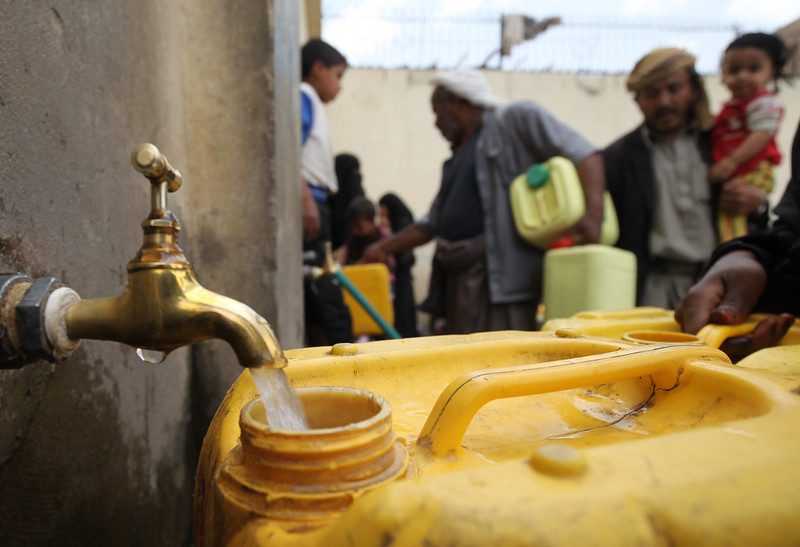
Yemen uses rainwater harvestingThe ongoing water scarcity crisis in Yemen continues to grow. Currently, the country stands as one of the most water-scarce regions in the world. With conflict and climate change making it increasingly harder to obtain fresh water sources, access to safe drinking water is a major concern for people living in Yemen. The World Bank and its partners started a promising project where Yemen uses rainwater harvesting techniques to provide accessible and clean drinking water to local people.

Yemen’s Water Crisis

Yemen is a water-stressed region, and the ongoing conflict has significantly exacerbated the crisis. A rapidly depleting store of groundwater resources in Yemen is negatively impacting the country’s economy, which mainly relies on irrigated agriculture. The International Committee of the Red Cross reports that Yemen’s groundwater overdraft is twice the recharge rate, resulting in declining and unsustainable water reserves. Moreover, the Yemeni Civil War has significantly disrupted crucial infrastructure. The displacement of 4.2 million people in Yemen and extreme water mismanagement have worsened the water crisis.

The United States Agency for International Development states that about 20.7 million people in Yemen lack clean water and essential health services, leading to several dangerous diseases such as cholera. Outbreaks of cholera and acute watery diarrhea have been major health problems in Yemeni communities since the outbreaks began in October 2016. According to the Red Cross, approximately 2.5 million cases have been reported, with more than 4,000 deaths in the Yemen cholera outbreak.

Rainwater Harvesting Solution

With 60% of Yemenis living in rural areas, the country’s biggest infrastructural challenge is providing water access to remote communities. According to the World Bank, people in Yemen undergo hardship in gathering water for daily use by traveling to far-off wells.  The World Bank and its partners collaborated with Yemeni communities to build rainwater harvesting systems.

Rainwater harvesting is not a complex process. Cisterns are built, usually from stones or other materials easily accessible in Yemeni villages, and placed on roofs to collect rainwater. The collaborative effort constructed numerous cisterns in three towns: Al-Adn, Al-Anin and Hawf. The project resulted in the villages being able to store large quantities of water that was free of contaminants.

Benefits of Rainwater Harvesting

Rainwater harvesting cisterns have provided safe drinking water and resulted in employment opportunities for locals. The World Bank offered cash-for-work programs in villages, allowing locals to build cisterns and gain valuable work experience. Cisterns have also eased the burden on the women and children in the villages. Haliya Al-Jahal, one of the women the World Bank interviewed, said, “We no longer have to go through the struggle of fetching water from remote areas.” The cisterns, as Al-Jahal states, have “put an end to [their] misery.”

The Future of the Program

The Yemen Emergency Crisis Response Project (YECRP) has supported the construction of about 1,279 public and 30,686 household harvesting cisterns across Yemen. This has resulted in providing 900,000 cubic meters of clean water to communities. YECRP has shown more promising results where Yemen uses rainwater harvesting to improve areas such as public health, agricultural production and economic gains.

– Umaima Munir
Photo: Flickr

October 2, 2022
https://borgenproject.org/wp-content/uploads/borgen-project-logo.svg 0 0 Naida Jahic https://borgenproject.org/wp-content/uploads/borgen-project-logo.svg Naida Jahic2022-10-02 01:30:572022-09-29 14:03:05Yemen Uses Rainwater Harvesting to Fight Water Crisis
Children, Global Poverty

A Universal Child Allowance in Argentina

Child Allowance in Argentina
Countries worldwide are proposing universal child allowance, which generally entails a stipend to eligible children, to combat childhood poverty. As of 2022,
more than 356 million children worldwide live in poverty. This population lives on less than $1.90 a day. A study on a Universal Child Allowance found that somewhere between $50 to $150 a month could pull between 40% to 50% of children out of poverty worldwide. Childhood poverty remains a key area of concern for governments and nonprofits who recognize that a disparity in early life can lead to drastic consequences later in life. A universal child allowance in Argentina would provide Argentinian children living in poverty with financial help and stability for health care, education and other needs.

Argentina’s Program

Argentina’s, Asignación Universal por Hijo (AUH), or Universal Child Allowance program, which was implemented in 2015, is an example of this theory in action. Argentina implemented the policy as the third pillar of a part of its social state in 2015, and the policy guarantees a minimum of $55 per month to each eligible child.

Children in Argentina

Children make up more than 25% of Argentina’s problem, making it clear why child poverty is a key focus of the government and activist groups alike. Likewise, the median age of Argentina’s population is just 31 years old indicating a young population. Generally, a young population trend is a good sign for a country, as it means there will be a strong labor force in the future. However, countries that cannot care for their youth face challenges. In Argentina, certain marginalized groups still lack access to basic programs and education with particular disparities among indigenous groups and rural communities. A Universal Child Allowance in Argentina seeks to combat these discrepancies by ensuring that children in need have the $55 monthly allowance to serve their needs.

Wealth Inequality

In Argentina, there is a significant wealth disparity among the population. Some families send their children to tuition-required private schools, while others struggle to provide for basic necessities. The Buenos Aires Times reported in 2018 that Argentina’s richest 10% controlled or possessed more than 60% of the country’s wealth. As of 2021, Argentina’s national income reached nearly $16,860 while gross domestic product (GDP) hit slightly more than $19,950. On the other hand, a large segment of the population lives well below that mark. Conversely, a large segment of Argentina’s population is well-educated and employed. Social programs seek to combat the inequalities by lifting the poorest populations up from conditions of poverty.

Moving Forward

As Argentina’s AUH underwent implementation just five years before the devastating COVID-19 pandemic, there is no significant research about the immediate success of the program. However, Argentina has made great strides in many aspects of its social state which can be tracked using other data. The “Plan Familia” program which underwent establishment in 2009, aimed to increase school enrollment and access to health care. School enrollment levels are high on average across the country at just about 98% or 99%. This data is a positive sign because it means that education across the country is possible. A Universal Child Allowance in Argentina may be able to tackle the last percent or two to make education equitable and accessible. Programs like this seek to encourage long-term financial planning and stability with the hopes of evening out wealth inequality of the lowest earners.

– Lara Drinan
Photo: Wikipedia Commons

October 1, 2022
https://borgenproject.org/wp-content/uploads/borgen-project-logo.svg 0 0 Jennifer Philipp https://borgenproject.org/wp-content/uploads/borgen-project-logo.svg Jennifer Philipp2022-10-01 07:30:442022-09-27 09:25:51A Universal Child Allowance in Argentina
Children, Developing Countries, Development, Global Poverty, Health

5 Things to Know About Food Banks in Africa

food banks in AfricaAccording to the Food and Agriculture Organization of the United Nations, approximately 702 to 828 million people worldwide suffered from hunger in 2021, and more than 30% of them were on the African continent. While there are many hunger relief efforts on the continent, food banks are the least prominent or known. There are many reasons for this, including bureaucracy in local governments, lack of funding, poor geographical location and poor infrastructure. Nevertheless, food banks in Africa are increasing in number despite the challenges and are making a significant impact on reducing food insecurity. Some things to know about food banks in Africa include:

Food banks are relatively new to Africa.

While there may be many hunger relief initiatives in Africa with long histories, food banks, especially those formed by local initiatives, did not form before the beginning of the 21st century. The earliest African food banks include the Egyptian Food Bank, founded in 2006, and FoodForward South Africa, founded in 2009.

Food is sourced directly from farmers and processing companies.

Most food waste in Africa comes from post-harvest and food processing levels of food distribution. This is unlike established food banking systems in the U.S. and Europe, which mainly source food waste from restaurants, supermarkets, grocery stores and other similar places. Other differences between these established systems and emerging ones in Africa and other parts of the world are challenging what is understood about food banking. As a result, food banking is being reevaluated on its impact on food insecurity.

Food banks expanded during the COVID-19 pandemic.

In 2020, the number of people in Africa suffering from hunger increased by 46 million; by 2021, 278 million people on the continent faced hunger. New food banks in Africa stepped up to cope with the increase and served 906,026 people, increasing their reach by 169% compared to their impact in 2019. Through the Africa Food Bank Incubator Conference held annually since 2019, African food banks came together virtually during the COVID-19 pandemic to share advice and strategies contributing to their exponential growth.

In 2019, African food banks joined the Global Food Banking Network for the first time.

The Global Food Banking Network is a nonprofit organization supporting food banks worldwide. Except for its partnership with FoodForward South Africa, the organization had no presence in the African continent. In 2019, the organization partnered with 40 food banks in Kenya, Nigeria, Ethiopia, Ghana, Madagascar and Botswana to form the Africa Incubator Program.

Food banks are helping food insecurity.

Food banking systems as a means to combat food insecurity and food waste in Africa will continue to mature as the continent continues to develop alongside the refinement of international interdependence. The present challenges to food banking in Africa can therefore be considered an opportunity to test innovative solutions in the fight against food poverty.

– Kena Irungu
Photo: Wikimedia Commons

September 30, 2022
https://borgenproject.org/wp-content/uploads/borgen-project-logo.svg 0 0 Naida Jahic https://borgenproject.org/wp-content/uploads/borgen-project-logo.svg Naida Jahic2022-09-30 01:30:382024-05-30 22:30:145 Things to Know About Food Banks in Africa
Page 24 of 137«‹2223242526›»

Get Smarter

  • Global Poverty 101
  • Global Poverty… The Good News
  • Global Poverty & U.S. Jobs
  • Global Poverty and National Security
  • Innovative Solutions to Poverty
  • Global Poverty & Aid FAQ’s
Search Search

Take Action

  • Call Congress
  • Email Congress
  • Donate
  • 30 Ways to Help
  • Volunteer Ops
  • Internships
  • Courses & Certificates
  • The Podcast
Borgen Project

“The Borgen Project is an incredible nonprofit organization that is addressing poverty and hunger and working towards ending them.”

-The Huffington Post

Inside The Borgen Project

  • Contact
  • About
  • Financials
  • President
  • Board of Directors
  • Board of Advisors

International Links

  • UK Email Parliament
  • UK Donate
  • Canada Email Parliament

Get Smarter

  • Global Poverty 101
  • Global Poverty… The Good News
  • Global Poverty & U.S. Jobs
  • Global Poverty and National Security
  • Innovative Solutions to Poverty
  • Global Poverty & Aid FAQ’s

Ways to Help

  • Call Congress
  • Email Congress
  • Donate
  • 30 Ways to Help
  • Volunteer Ops
  • Internships
  • Courses & Certificates
  • The Podcast
Scroll to top Scroll to top Scroll to top