• Link to X
  • Link to Facebook
  • Link to Instagram
  • Link to TikTok
  • Link to Youtube
  • About
    • About Us
      • President
      • Board of Directors
      • Board of Advisors
      • Financials
      • Our Methodology
      • Success Tracker
      • Contact
  • Act Now
    • 30 Ways to Help
      • Email Congress
      • Call Congress
      • Volunteer
      • Courses & Certificates
      • Be a Donor
    • Internships
      • In-Office Internships
      • Remote Internships
    • Legislation
      • Politics 101
  • The Blog
  • The Podcast
  • Magazine
  • Donate
  • Click to open the search input field Click to open the search input field Search
  • Menu Menu

Archive for category: Children

Information and stories addressing children.

Charity, Children, Global Poverty

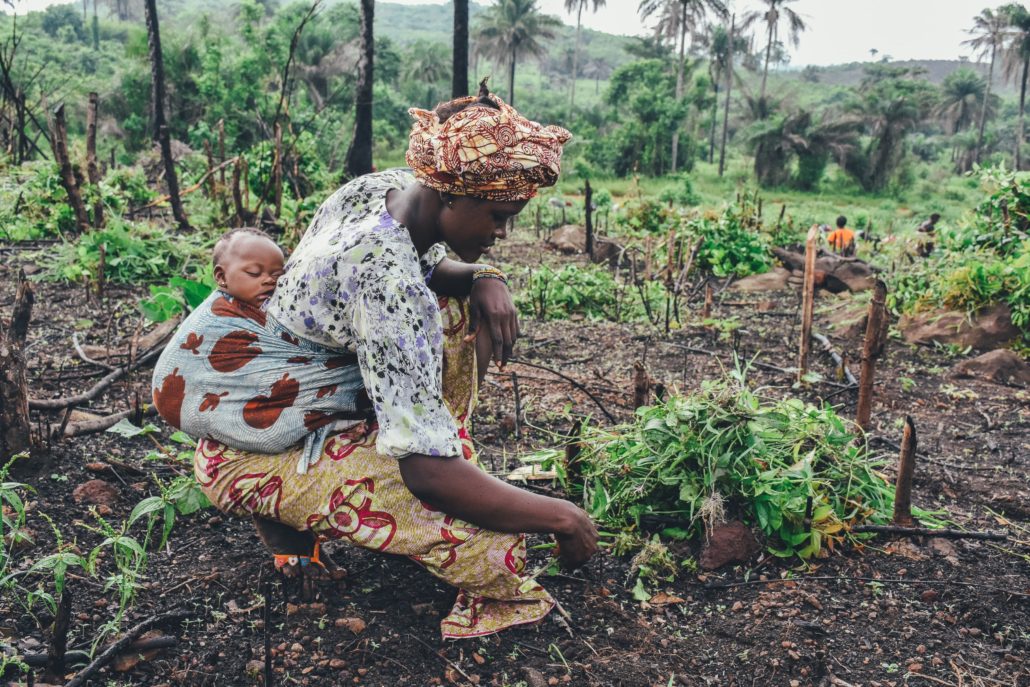
4 Charities Aiding Children in Sierra Leone

Charities Aiding Children in Sierra Leone
Life has been extraordinarily difficult for children living in Sierra Leone. An 11-year civil war, Ebola outbreak and poor quality of education have severely impacted children across the country. However, despite the hardship that children in the country have faced over the past 20 years, charities are working to improve education and health care for children in Sierra Leone.

4 Charities Aiding Children in Sierra Leone

  1. Save the Children. Headquartered in the United Kingdom, Save the Children provides children with education and health support in more than 100 countries. Since 1999, it has worked in Sierra Leone to improve the health, education and protection of children in the country. In terms of learning, the organization provides children with educational tools and facilities to set them up for future employment. The children’s rights charity focuses on increasing school attendance and retention. Due to widespread poverty, Sierra Leone suffers from very low school attendance rates with a UNICEF statistic illustrating that only 22% of students complete upper secondary school. Absence from school prevents children from gaining employable skills that allow for an economically independent future. Save the Children puts focus on aiding the most marginalized children, such as those living in slums or in kinship care, to improve their future prospects and avoid contributing to already high unemployment and illiteracy rates.
  2. Sierra Leone War Trust for Children. Throughout Sierra Leone’s 11-year civil war, many children experienced both physical and mental trauma. The Sierra Leone War Trust For Children is a trust that promotes “education, health, rehabilitation and self-sufficiency” among children impacted by the nation’s history of violence so that they can live economically independent and prosperous lives as adults. The trust not only focuses on the harms of the civil war; it also aids children suffering from more recent issues in the country such as the Ebola outbreak of 2014. Ebola orphans have received school supplies from the trust’s projects to improve education and ensure future employability. The Sierra Leone War Trust For Children has aided 5,000 impoverished children in the country and has raised more than $1 million through donations.
  3. Lilomi. Lilomi is a children’s charity based in the U.K. that ensures better health care and educational facilities/resources for children in Sierra Leone. It works at the Jonathan’s Child Care school and orphanage in the city of Bo providing safe sanitary spaces and higher-quality school equipment, among other efforts. Inadequate access to hygiene and sanitation facilities remains a prevalent issue in Sierra Leone. The Lilomi team built a new set of hygienic toilet blocks in the school/orphanage in 2021 with the aim of protecting children against preventable illnesses. Schools across Sierra Leone are severely underequipped making it difficult for educational facilities to teach practical skills. In order to prevent this from limiting the horizons of children in Bo, in 2019, Lilomi provided the school/orphanage with funds for science equipment, now expanding the scope of learning in science and mathematics. Following this success, the charity has made plans to go one step further and build a science lab for the school.
  4. SOS Children’s Villages. SOS Children’s Villages is a nonprofit organization that has delivered support for children and young adults in Sierra Leone since 1974. The nonprofit organization provides children lacking parental care with a safe home. As a result of the civil war ending in 2002, a third of Sierra Leone became internally displaced and many children lost their families. SOS Children’s Villages helps children to find lost relatives so they can grow up with their families. In the case where a child has no relatives, the organization provides an SOS parent who supports them through difficult periods of adjustment. The organization also runs community schools and kindergartens that have given 3,000 children access to education.

Children-focused charities in Sierra Leone have made monumental efforts in combating the consequences of civil war, Ebola and widespread poverty. By prioritizing the safety of children across the country, charitable organizations can ensure a future generation of healthy and prosperous adults.

– Freddie Trevanion
Photo: Flickr

March 26, 2023
https://borgenproject.org/wp-content/uploads/borgen-project-logo.svg 0 0 Jennifer Philipp https://borgenproject.org/wp-content/uploads/borgen-project-logo.svg Jennifer Philipp2023-03-26 01:30:062023-03-24 04:59:224 Charities Aiding Children in Sierra Leone
Children, Global Poverty, Women

5 Organizations Helping Women and Children in Mauritania

Children in Mauritania
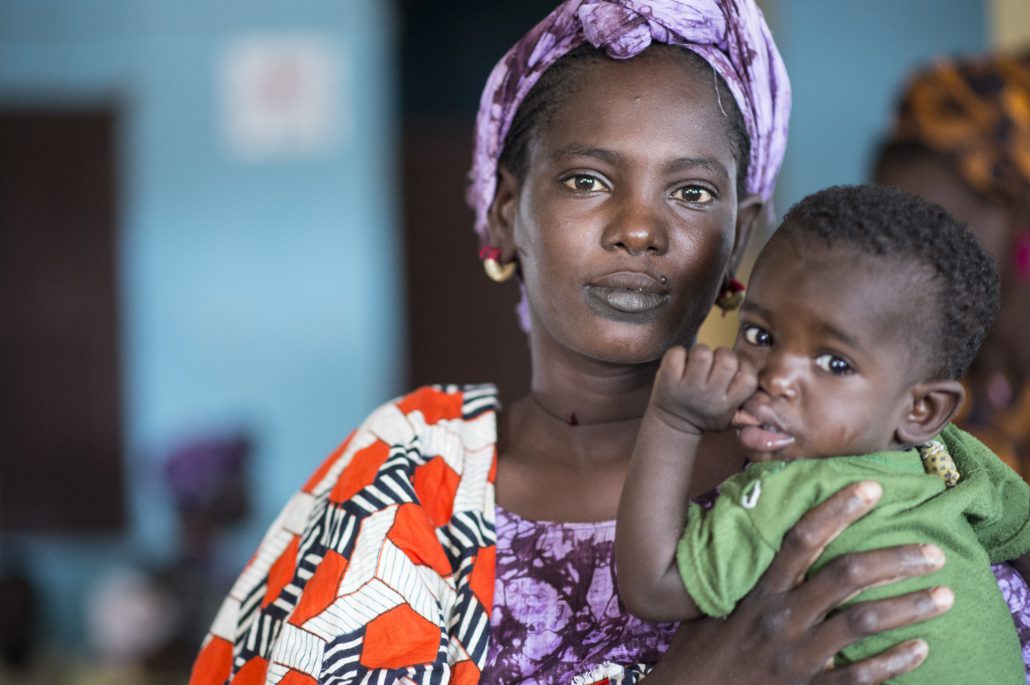
Mauritania is a largely agricultural and pastoral country in the North-Western Saharan desert. As of 2020, only 47.3% of people had access to electricity. In 2021, around 15% of women were first married at 15, and in 2019, 156,142 children of primary school age were out of school. The country’s increasing poverty affects women and children in Mauritania. Here are five organizations seeking to aid women and children in Mauritania.

5 Organizations Helping Women and Children in Mauritania

  1. Association of Female Heads of Households (AFCF): This organization advances women’s and children’s rights in Mauritania by focusing on reform laws and preventive policies. Together with the Women’s Learning Partnership, it is able to help all people by passing effective legislation. AFCF focuses on campaigning for reform laws that prevent trafficking, violence, abuse and slavery, which predominantly affect women and children. AFCF had a huge success in its campaign to implement gender quotas in the Mauritanian parliament. AFCF’s programs directly supported the “election of 99 women including 6 women mayors, a female head of the Urban Community of Nouakchott and dozens of women ministers.” There is a growing amount of slavery prevention groups in West Africa that the organization has been able to support.
  2. United Nations Population Fund Mauritania (UNFPA): UNFPA helps women and children in Mauritania by increasing reproductive health access and initiatives. The programs UNFA supports promote gender equality and the organization has also aided in developing national plans for reproductive health and maternal mortality. UNFPA has been able to increase Mauritania’s ability to address health concerns such as HIV prevention. UNFPA protected 1,000 girls from genital mutilation. The organization trained 229 personnel in clinical rape treatments and created 16 obstetric facilities that have emergency care.
  3. Mauritanian Council for Business Women: This organization advances women’s economic mobility. It encourages participation in the business and finance sectors. It gives women business owners the opportunity to present themselves at regional and local exhibitions. Its goal is to promote further gender equality by encouraging female entrepreneurship. The organization also conducts campaigns for equality politically. By encouraging stronger relations for women in business and by giving women a platform to expand their businesses, women and children in Mauritania receive greater opportunities and are less likely to experience the inequalities both groups may face.
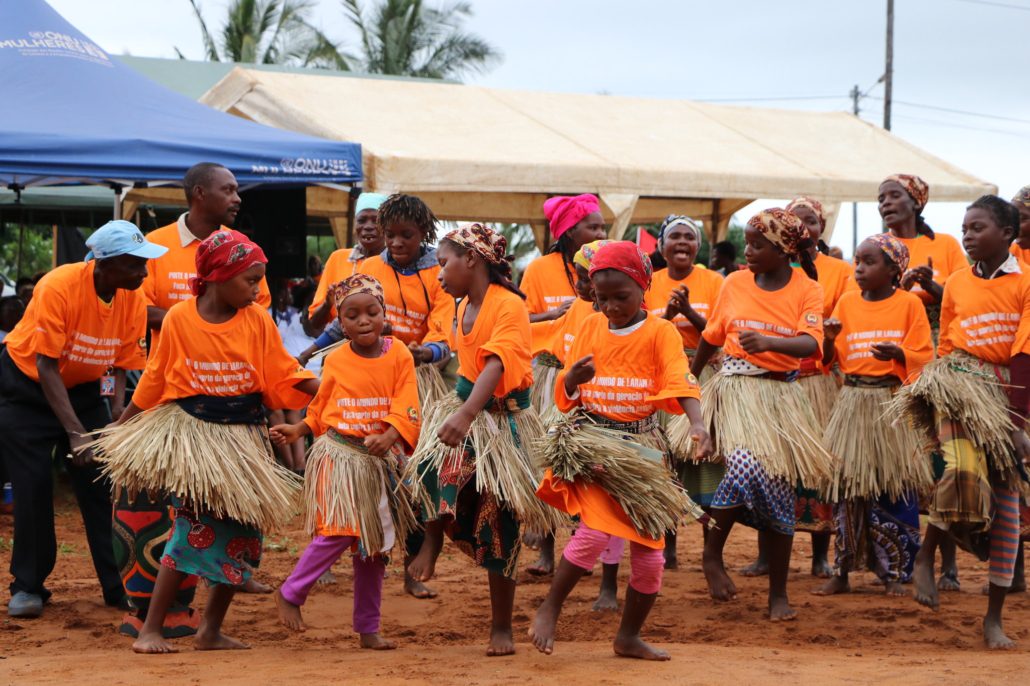
  4. MindLeaps: This is a unique organization that hosts dance classes in schools in Mauritania. It has trained psychologists to address students’ diverse set of needs. In 2017, MindLeaps ran a three-month program of dance classes for 117 street children and juvenile offenders in the capital city of Nouakchott. Since then, it has expanded to other towns and cities in Mauritania. It estimates that around 70% of its students end up being in the top 20% of their educational classes. The time spent in these dance classes builds social and emotional skills necessary for children to develop. The organization tracks each student individually and helps to foster stronger skills. MindLeaps has a 0% dropout rate and prides itself on the strong community building it promotes and its educational pursuits.
  5. Youth and Hope: Houleye Thiam founded Youth and Hope in 2011 in response to the lack of organization and funding in rural Mauritanian schools. It focuses primarily on populations of schools that include black Mauritanians, who are sometimes former refugees who have come back to their homeland. As of 2021, it serves repatriated villages. Its four target villages include Goural, Gawdal, Dolly and Houdalaye. Its goal is to make sure every student in the target villages has enough supplies to study five or more subjects. It has also committed to delivering supplies at least twice a year. The nonprofit acts largely on donations. Improving education efforts can largely improve the situation for the future women and children of Mauritania, as it promotes greater mobility in Mauritania.

Looking Ahead

Despite the challenges that women and children in Mauritania have faced, these five organizations are making a difference. As aid organizations continue their work in Mauritania, it is likely that quality of life will improve for all.

– Anna Richardson
Photo: Flickr

March 19, 2023
https://borgenproject.org/wp-content/uploads/borgen-project-logo.svg 0 0 Naida Jahic https://borgenproject.org/wp-content/uploads/borgen-project-logo.svg Naida Jahic2023-03-19 01:30:352023-03-19 10:42:485 Organizations Helping Women and Children in Mauritania
Children, Global Poverty, Health

Aiding Children through World Vision Birthday Celebrations

World Vision Birthday Celebrations
For many children, birthday parties are annual celebrations that children anticipate months in advance. But, for many children living in impoverished countries, a birthday celebration is a luxury uncommon to most. World Vision birthday celebrations work to change this and simultaneously eliminate global poverty.

Child Poverty is a Global Issue

When one thinks about aid for children living in poverty, thoughts go to efforts such as providing clean drinking water, administering vaccines, reforming education or other big-picture efforts. While these are all extremely necessary actions, recognizing the simple pleasures children of impoverished countries are deprived of can often be an afterthought.

Across the world, more than 700 million people live on less than $1.90 a day and children make up about half of this number. This means extreme poverty affects roughly 365 million children around the world. The total number of children living in poverty globally can fill up the National Football League’s largest stadium, the MetLife Stadium, more than 4,424 times. Child poverty is a significant issue, but according to UNICEF, few governments have declared child poverty a national priority. These millions of children live without access to basic needs such as education, health services, nutritional food and even clean drinking water.

Child Poverty Impacts Health in Adulthood

Not only does child poverty impact children’s health in the present time but it also can affect health during adulthood. According to a study by Dennis Raphael published in the National Library of Medicine, child poverty can increase the risk of noncommunicable diseases later in life. This refers to diseases that are not contagious but arise due to poor diet and lifestyle, for instance, cardiovascular diseases and Type 2 diabetes. This displays that child poverty has a far-reaching impact on a large part of the global population. Considering the severity of child poverty globally, World Vision addresses child poverty in several manners, such as through World Vision birthday celebrations.

World Vision’s Birthday Celebrations

World Vision is a global humanitarian organization focused on diminishing global poverty through donations from sponsors. It has worked to combat poverty since 1950, and, as of 2023, serves more than 3.5 million children in almost 100 different countries. World Vision implements programs that directly aid impoverished children, families and communities in the areas of health, education, clean water access, food and nutrition, child protection and more.

One of World Vision’s most interesting programs, funded by sponsors, is its annual communal birthday celebrations for struggling children in impoverished countries. The goal of these celebrations is to show impoverished children love and support while also giving sponsors the opportunity to meet the child they sponsor if they so wish. World Vision’s birthday celebrations host about 1 million attendees per year. Celebrations have taken place in Ecuador, Vietnam, Mexico, Ghana and Romania along with various other impoverished countries.

World Vision’s birthday celebrations consist of brightly colored balloons, dancing character animals, singing, games, sports and lots of cake. These celebrations provide a day full of laughter and joy, but also can bring families, and even communities, out of poverty.

The Far-Reaching Impacts of the Celebrations

Matthew Sakala, who was once also a sponsored child through World Vision, now runs World Vision sponsorship programs in Moyo, Zambia. In an interview with World Vision, he says he has personally seen growth in his community due to the resources provided through birthday celebrations and continuous donations from World Vision sponsors. Sakala speaks of various opportunities, such as a training base provided through sponsorship donations so community members could learn skills in plumbing, carpentry, baking and more. Birthday celebrations enable connection and fellowship between sponsors and residents, making donations all the more meaningful.

In addition to typical children’s birthday gifts, World Vision gifts, through the support of sponsors, including audiovisual equipment, educational tools such as books, games and backpacks and recreational supplies including basketball, soccer and volleyball equipment. Other necessities, such as blankets, bedding, computers and water purification systems, are also accounted for, depending on the needs of the community. These items all contribute to uplifting communities even after the celebration ends.

Recognizing the Simple Joys

World Vision’s effort to recognize the simple joy in a birthday party and the lack of these experiences for impoverished children has led to the creation of a unique and impactful program. World Vision birthday celebrations provide joy and care to impoverished children while also fostering opportunities for growth and poverty minimization in entire communities.

– Leah Smith
Photo: Flickr

March 19, 2023
https://borgenproject.org/wp-content/uploads/borgen-project-logo.svg 0 0 Kim Thelwell https://borgenproject.org/wp-content/uploads/borgen-project-logo.svg Kim Thelwell2023-03-19 01:30:182023-03-16 14:10:32Aiding Children through World Vision Birthday Celebrations
Children, Global Poverty, Sanitation

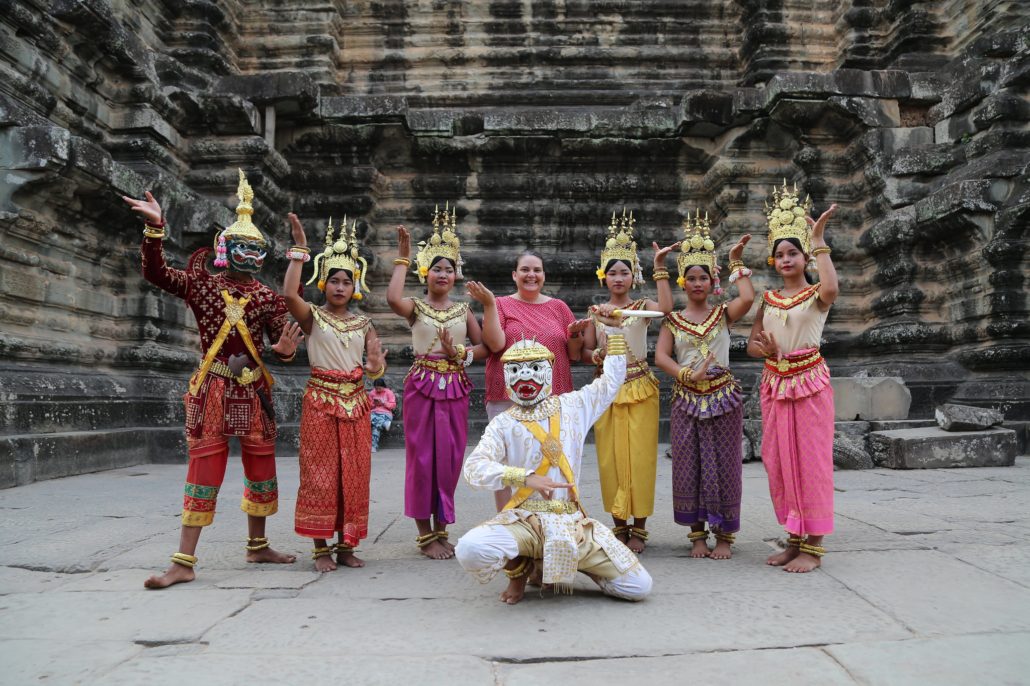
Everything to know about poverty in Cambodia

About Poverty in Cambodia
In the 1970s, the Khmer Rouge conducted one of the largest genocides known in history, killing an estimated 1.7 million Cambodians, although the exact number remains unknown. The extreme communist beliefs of the Khmer Rouge caused the death of approximately 21% of Cambodia’s population. The rebuilding and reopening of the country to the international market revealed the depth of the effects of the regime on the country’s poverty levels. Despite various poverty reduction measures being taken that have had drastic impacts on the poverty present within Cambodia, poverty is still rife in the country with almost 13% of the population living below the poverty line. Here is everything to know about poverty in Cambodia.

Housing 

Because of poverty, 62% of the Cambodian population lives in inadequate, one-bedroom housing. Cambodia’s population is growing increasingly urban with more than 25% of citizens living in cities. Meanwhile, in the capital of Phnom Penh, one in five people live in the slums or informal settlements, with limited access to basic needs and hygiene. There are an estimated 4,000 homeless children across seven Cambodian cities. 

Water and Sanitation 

Although 50% of Cambodians have access to a basic water supply, only a quarter of its population can access water that is safely managed. According to Lifewater, 2 million Cambodian citizens are without clean water, with a further 6 million without safe sanitation. Rural Cambodians face much more challenging hygiene problems than those in urban areas with a high rate of 80% of rural Cambodians openly defecating, as opposed to only 11% of those in the cities. The same is true of handwashing facilities, to which only 60% of those in rural Cambodia have access compared to 88% of urban Cambodians. 

Hunger 

Often, a country’s hunger rate is an indicator of poverty. According to the World Food Programme (WFP), 15% of Cambodia’s population suffers from undernourishment. Meanwhile, Cambodia’s children bear the heaviest burden, with 32% of young children facing stunted growth from malnourishment and 10% suffering from wasting. Floods and droughts threaten the rural Cambodian food system, putting the future of Cambodian nourishment at risk. 

Cambodian Children’s Fund 

Founded in 2004, the Cambodian Children’s Fund (CCF) focuses on providing hands-on care to the children that need it the most in the Cambodian slums of Steung Meanchey. CCF focuses on covering four main solutions: basic needs, family and community, education and leadership. CCF has helped more than 3,500 children and their families find a route out of poverty. One of these children is Sophy, who was living in the garbage dump of Steung Meanchey when CCF encountered her and is now on a full scholarship at the University of Melbourne.

Looking Ahead 

Despite the steady progress, poverty in Cambodia is still rife and its population is still one in need. When looking to help those in poverty, people must not forget countries that have faced detrimental conflicts with impacts that last many years later, such as the Khmer Rouge’s genocide of Cambodia. Nonetheless, in order to continue to lower Cambodian poverty rates, the first step is to raise awareness of everything there is to know about poverty in Cambodia.

– Genevieve Lewis
Photo: Flickr

March 17, 2023
https://borgenproject.org/wp-content/uploads/borgen-project-logo.svg 0 0 Naida Jahic https://borgenproject.org/wp-content/uploads/borgen-project-logo.svg Naida Jahic2023-03-17 07:30:492024-05-30 22:30:52Everything to know about poverty in Cambodia
Children, Global Poverty

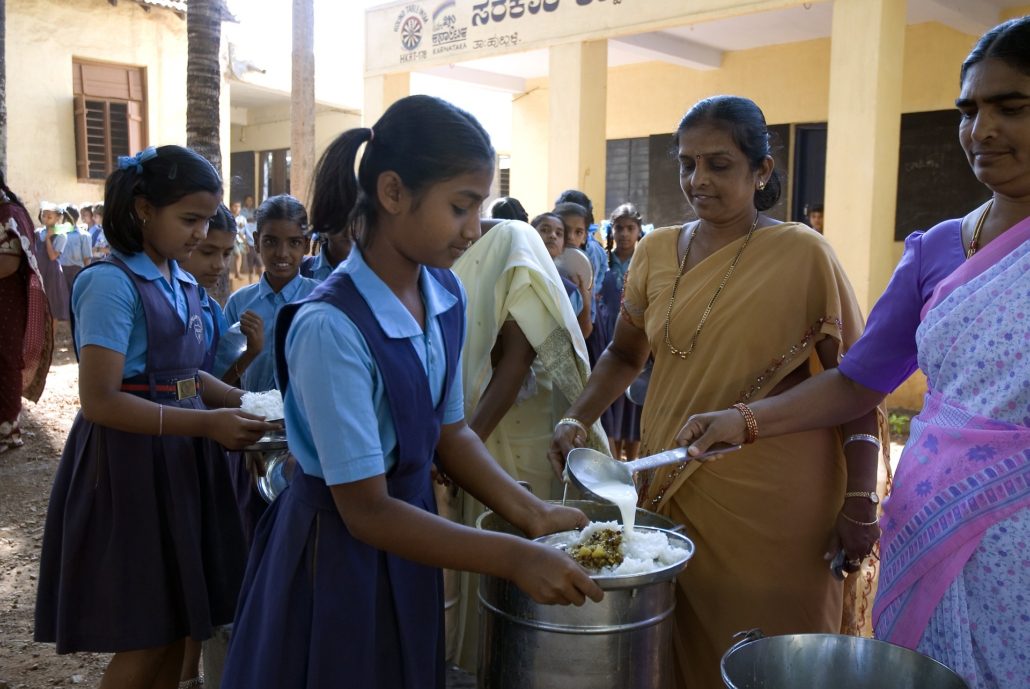
What to Know about India’s Mid-Day Meal Scheme

India's Mid-Day Meal Scheme
India aimed to address hunger among students through its mid-day meal scheme, officially implemented in 1995 to feed 120 million children studying in government-funded schools, making it the “world’s largest school food program.” India’s mid-day meal scheme, now known as Pradhan Mantri Poshan Shakti Nirman Yojna (PM Poshan), is a central government scheme with the objective to reduce hunger and malnutrition among children. The PM Poshan scheme already covers more than 1.2 million schools and provides one daily hot meal to pre-primary children and students from classes one to eight.

History and Objectives

The central government under the prime ministership of P.V. Narasimha Rao launched India’s mid-day meal scheme on August 15, 1995, as the National Programme of Nutritional Support to Primary Education (now PM Poshan). The scheme aimed to feed impoverished children enrolled in government schools. One of the main objectives of the scheme was to reduce child malnutrition in India, which, at that time, accounted for 40% of the globe’s malnourished children. The mid-day meal scheme also aimed to encourage children from poor backgrounds and disadvantaged sections to attend school.

However, the history of the mid-day meal scheme goes back to the 1920s when the Chennai Corporation Council passed a resolution approving a proposal for providing ‘tiffin,’ or a light meal, to children of a local school. The ‘tiffin’ scheme has been a success — the school noticed a rise in attendance rates.

The PM Poshan meal scheme, which received approval on September 29, 2021, will run until 2026. This new version of the mid-day meal scheme also benefits about 120 million children.

Program Challenges

The mid-day meal scheme has faced some challenges. for instance, due to caste discrimination in some rural areas, upper-caste parents and students would refuse to eat meals prepared by a lower-caste cook. Low quality and minimal quantities of food also stood as an issue, among several other challenges.

Poor hygienic practices during food preparation and food contamination have led to the deaths of several students across several schools. Most recently, in January 2023, several children at a school in West Bengal had to go to the hospital after consuming a mid-day meal that allegedly contained the body of a snake.

Regardless of these challenges, with a commitment on the part of the government to sufficiently monitor the program and put in place protocols and standards to address the issues, the continuing program has the potential to bring benefits to India’s most disadvantaged children.

Revised Guidelines

The government of India released extensive guidelines on the mid-day meal scheme in December 2022 to address the issues the program has run into. In particular, the government sets out guidelines regarding the quality and safety aspects of the scheme. For instance, the government directs that meals be nutritious and well-balanced and has increased the production cost of meals to ensure meals of higher quality and quantity.

The protocols include specific rules regarding storage, handling and preparation of food to reduce the risk of contamination. The teachers must also taste the food before serving it to learners and must keep a log book in this regard.

Furthermore, “hot cooked meals provided to children shall be evaluated and certified by the Government Food Research Laboratory or any laboratory accredited or recognized by law, so as to ensure that the meal meets with the nutritional standards and quality specified,” the guidelines direct. Specific hygiene and cleanliness regulations apply to kitchen personnel and kitchen premises. Furthermore, schools must take pest control measures to ensure kitchens are pest-free.

Positive Outcomes

According to a December 2021 press release by the Ministry of Women and Child Development, India’s food and nutrition programs have led to a reduction in malnourishment among children under 5 from 38.4% to 32.1% by 2021.

The program hires women from the community to fulfill the roles of the kitchen staff as of way of empowering women and reducing local unemployment rates. The scheme promotes community engagement with the mothers of the students watching and overseeing the feeding of their children. Mothers can also give their suggestions to improve the meal program. The program terms this “Mothers Watch.” This has also helped to reduce caste bias as it gives employment opportunities to Dalit (lowest class) women, making them crucial contributors to the program.

Looking Forward

The mid-day meal scheme provides a daily dose of nutrition to school children. The former vice-president of India, Venkaiah Naidu, also suggested adding milk to the lunch menu to add more nutritional value to the meal. Moreover, the government of India plans to allocate more than Rs 110 billion to PM Poshan for the financial years 2023-24.

India’s mid-day meal scheme, now PM Poshan, tremendously supports health, nutrition and education among underprivileged children by fighting classroom hunger.

– Aanchal Mishra
Photo: Pixabay

March 3, 2023
https://borgenproject.org/wp-content/uploads/borgen-project-logo.svg 0 0 Kim Thelwell https://borgenproject.org/wp-content/uploads/borgen-project-logo.svg Kim Thelwell2023-03-03 07:30:242023-03-02 09:36:32What to Know about India’s Mid-Day Meal Scheme
Child Poverty, Global Poverty

Addressing Rising Child Poverty in Eastern Europe

 Child Poverty in Eastern Europe
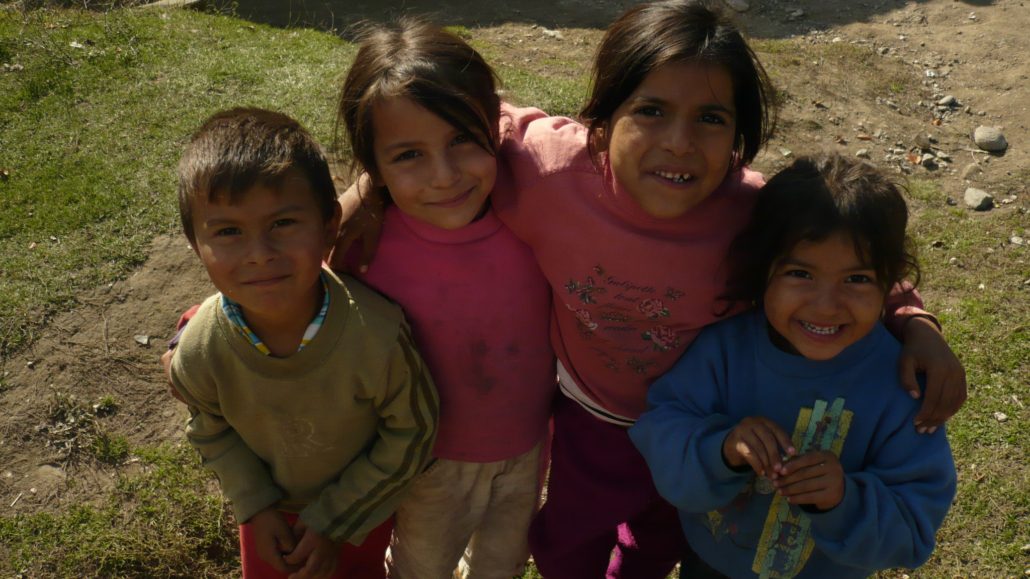
The uncertainty of the Russo-Ukrainian war looms over Europe, affecting trade routes, education and the overall state of the continent. For adults, the conflict is a mere reminder of the post-Soviet Union tensions and Russian aggression that frequent the region. For children, it is a catalyst that causes them to slip deeper into poverty. Child poverty in Eastern Europe is skyrocketing during the Ukrainian war. Fortunately, as rates of child poverty in eastern Europe grow, the efforts to subdue those rising rates are increasing as well.

Causes of Child Poverty

In October 2022, UNICEF reported that an additional 4 million children across Central Asia and Eastern Europe have ended up in poverty, a 19% jump since 2021. Russia accounts for 75% of the entire increase. Ukraine reports 500,000 newly impoverished children. With the third-highest increase, Romania reports about 110,000 new children in poverty.

A 2017 study that the European Parliament conducted found that “poverty often remains a legacy that is inherited.” That is, children born into poverty are more likely to stay in it. A parent’s working status and education help determine child poverty outcomes. At least 50% of children whose parents attained low levels of education were at risk of poverty in 2021. This risk doubles if a child lives in a single-parent household or a large family.

Effects of War on Child Poverty

Though the Russo-Ukrainian war has launched millions into poverty, it is the children who it has most affected. Child poverty in Eastern Europe stood at 40%. Constant warfare has increased the cost of goods all over Europe, and in some parts, the prices have inflated significantly. Eastern Europe’s inflation rose to a 17% average, with Hungary’s rates teetering at 25%, increasing the overall price of goods.

Ukraine is one of the EU’s largest trading partners, with nearly 40% contributing to the totality of EU’s trade in 2021. Many also regard it as Europe’s breadbasket. Russia is another trade capital that is the world’s second-largest oil producer. Almost 12% of the world’s oil exports come from Russia. The inflation that the war caused is one of the reasons for heightened rates of child poverty in Eastern Europe. Because most poor families spend their income on essential items, their children are at risk of not having certain necessities as consumer prices continue to increase. The war displaced many children. Learning institutions have been in the crossfire of the conflict, resulting in their closing and the interruption of childhood education. 

The Solutions to End Child Poverty in Eastern Europe

In March 2022, Pierre-Alain Fridez released a report on behalf of the Parliamentary Assembly. The report outlines solutions to ending child poverty and examines alternative approaches to the issue. These include increasing the amount of funding appropriated for the common goal of alleviating child poverty and reinforcing EU member states’ commitment to the updated version of the European Social Charter. It also means getting those who have yet to ratify the Charter to do so.

Parliamentary encourages the implementation of the European Child Guarantee, an initiative focused on granting children equal access to childcare, education and housing. The Guarantee began in an attempt to curate a more equal society and close the gaps between the drawing up of a plan and its execution. To meet this goal, the European Social Network enlisted the help of the EU which seeks to place an emphasis on the Guarantee’s five major components. Through the Guarantee, children will receive formal recognition as a deprived group whose needs will help tailor specific policies, recommendations and fund allocation. UNICEF aims to end child poverty. So far, it has introduced and incorporated the Social Protection Strategy, a scheme that provides children with social assistance benefits that help increase the standard of living while also lowering child poverty rates. In recent years, it has partnered with other governments and humanitarian organizations including the World Bank. It treats child poverty on a case-by-case basis. This means monitoring trends and analyzing data about child poverty to create an approach that best serves a particular country.

– Dorothy Quanteh
Photo: Flickr

February 20, 2023
https://borgenproject.org/wp-content/uploads/borgen-project-logo.svg 0 0 Naida Jahic https://borgenproject.org/wp-content/uploads/borgen-project-logo.svg Naida Jahic2023-02-20 01:30:412023-02-16 19:02:17Addressing Rising Child Poverty in Eastern Europe
Children, Global Poverty, Health

What to Know About USAID’s Maternal and Child Health Roadmap to 2030

Maternal and Child Health
USAID recently unveiled its Roadmap to 2030 for Maternal and Child Health and Nutrition, a plan that seeks to help countries reach the target date for completing part of their Sustainable Development Goal 3 (SDG 3) targets in 2023. USAID’s Roadmap to 2030 identifies areas where the agency can shift its work in order to help countries achieve certain targets for completing SDG 3, many of which poverty and access to basic needs directly impact.

Current Data

Globally, the under-five mortality rate (U5MR) has fallen according to UNICEF, and as of 2021 stands at 38 deaths for every 1,000 births. While some of USAID’s “target countries” have made tremendous progress in maternal and child health and are currently on track to meet some of their SDG 3 goals by 2030, many have not, according to the agency. In order to meet their SDG 3 goals, countries must meet four criteria by 2030 according to USAID:

  • A projected under-five mortality rate (U5MR) of ≤25.
  • A nation-specific projected maternal mortality ratio (MMR).
  • A projected neonatal mortality rate (NMR) of ≤12.
  • A projected postneonatal mortality rate (PNMR) of 13 for children under five.

Very few countries are on track to achieve some of these goals, according to the framework. Out of 24 target countries, six are on track to meet the U5MR target, and projections have indicated that three will meet their specific MMR target, three will meet their NMR target and 12 will meet their PNMR goal.

The Goal of the Roadmap

The self-stated main goal of USAID’s Roadmap to 2030 is to help put target countries on track to meet their SDG 3 targets and to “save lives, decrease morbidity and disability, and increase the potential of women, newborns, children, families, and communities to thrive.” Through a series of five intermediate results, the agency seeks to achieve some of the following in regard to maternal and child health:

  • Improve access to pre and postnatal care, as well as childcare.
  • Improve health care systems and providers’ ability to deliver high-quality care.
  • Support programs that work with local actors.
  • Continuing to improve the nutritional status of women and children, while also increasing access to water and sanitation.

Many of these proposed programs would combat the effects of poverty on child health, putting target countries closer to being on track to meeting SDG 3 in 2030.

Shifts in USAID’s Work

While significant worldwide progress has occurred toward achieving SDG 3, which seeks to “ensure healthy lives and promote well-being for all at all ages,” the COVID-19 pandemic has threatened “decades of progress” toward achieving the goal, according to the United Nations. As a result of the pandemic, 22.7 million children did not receive basic vaccinations in 2020, putting children at significant risk of infection or death from preventable illnesses.

Due to the fact that many countries are at risk of not meeting some of their SDG 3 goals, USAID’s Roadmap to 2030 identified three areas where they can shift their current work in order to further assist these countries. One of these areas is in primary health care approaches, as the pandemic “underscored the need for more resilient systems,” according to USAID. On top of millions having missed essential vaccinations, the report also projected that 3.6 million children would experience growth stunts due to the disruption to global food systems in 2022 as a result of the lasting effects of the pandemic.

The other two areas are localization and private sector engagement, both of which the agency seeks to use in order to provide more local engagement in combating these issues — ensuring that progress toward the goals involves both local government and private sector participation. 

With COVID-19 having exposed flaws in some approaches to combating the effects of poverty on maternal and child health, USAID’s Roadmap to 2030 identifies and adjusts approaches in order to further combat these issues. With the pandemic on the back burner, this roadmap provides a much-needed “renewed sense of urgency” on the issue of maternal and child health and represents an effort to put countries back on track to meeting SDG 3 by 2030.

– Mohammad Samhouri
Photo: Unsplash

February 12, 2023
https://borgenproject.org/wp-content/uploads/borgen-project-logo.svg 0 0 Jennifer Philipp https://borgenproject.org/wp-content/uploads/borgen-project-logo.svg Jennifer Philipp2023-02-12 01:30:512023-02-11 06:34:13What to Know About USAID’s Maternal and Child Health Roadmap to 2030
Children, Global Poverty, Women

Saving Women and Children in Kenya Amid Drought

 Women And Children in Kenya
Millions of women and children in Kenya are at risk of death due to the most severe drought experienced in four decades, the United Nation reported in January 2023. The drought has forced families to migrate away from health facilities in search of food and water, which means the rate of skilled birth attendance has reduced, increasing the risk of maternal mortality. Kenya’s maternal rate is 342 mothers per 100,000 live births and could increase due to the drought’s impacts. The United Nations Population Fund for Population Activities (UNFPA) created an innovative motorbike emergency ambulance service to reduce maternal deaths in Kenya. Furthermore, the World Food Programme (WFP) partnered with the national government to provide various aid services to women and children in the most vulnerable regions, thus, minimizing the impact of Kenya’s drought on the population’s health.

The Long Drought

Before Kenya’s drought, health facilities in Kenya supported an average of 411 births per month, which amounts to a 70% skilled birth attendance rate. However, deliveries at these facilities drastically decreased to 100 per month by November 2022, equating to a 24.6% skilled birth attendance rate. A lack of skilled maternal care via trained professionals contributes to Kenya’s high maternal mortality rate.

Regardless of technological advances, Kenya consistently maintains a high maternal mortality rate. The government of Kenya has made efforts to train more health care professionals, but low-income people located in rural areas must still undertake arduous journeys to health centers due to the country’s complex geographical layout. Access to timely and routine health checkups at a closely located health facility is out of reach for many pregnant women in rural areas.

The drought has caused severe nutritional concerns for children and pregnant women due to food shortages. In particular, the drought has led to the deaths of 1.5 million livestock, which served as a primary source of food and income. By July 2022, more than 9,000 Kenyan children under 5 and 135,000 pregnant/nursing mothers suffered acute malnourishment.

The UNFPA and the WFP

The UNFPA created an emergency motorbike program, operational since November 2022, that transports pregnant women to health centers and significantly reduces the delivery time of emergency medical supplies. In the past, some pregnant women in rural Kenya delivered on the side of the road as they could not reach a health facility in time. The emergency motorbike ambulance program aims to help about 135,000 pregnant women/new mothers in Kenya who have difficulty accessing essential health care.

 The UNFPA provides reproductive health care services every two weeks to 15-20 pregnant women in the most rural parts of the country. Furthermore, the UNFPA also provides nutritional and immunization services to these communities. To continue its critical work amid Kenya’s drought, the UNFPA is appealing for $113.7 million to finance its Response Plan for the Horn of Africa Drought Crisis 2022-2023, with particular emphasis on supporting women and children in Kenya.

Amid the drought, in July 2022, the WFP partnered with Kenya’s government to transfer emergency cash and food to 19,000 families and implemented resilience programs to support more than 300,000 people. Moreover, the WFP also appealed for $130 million more to expand the aid to further families. The call for extra funding aimed to “cover food and cash for 960,000 and blanket supplementary feeding for 486,000 children and 122,000 pregnant and breastfeeding women in the worst affected counties.”

Kenya’s drought directly threatens the health of pregnant women and children in Kenya. However, by establishing programs and funding to increase access to health care and nutrition, the UNFPA and the WFP are providing life-saving services. The work of these intergovernmental organizations improves countries’ health, leading to more prosperity worldwide.

– Andres Valencia
Photo: Flickr

February 9, 2023
https://borgenproject.org/wp-content/uploads/borgen-project-logo.svg 0 0 Naida Jahic https://borgenproject.org/wp-content/uploads/borgen-project-logo.svg Naida Jahic2023-02-09 07:30:022023-02-08 06:19:38Saving Women and Children in Kenya Amid Drought
Child Poverty, Children, Global Poverty, Technology

How Digital Technologies Can Help End Child Poverty

Digital Technologies
Impoverished children have long been the target of anti-poverty efforts. In addition to being one of the groups most vulnerable to the effects of penury, ensuring children have opportunities to grow economically and socially is vital in the long-term fight against global poverty, considering they will form coming generations. This aspect has become more important than ever; due to factors such as the COVID-19 pandemic, child poverty has seen a substantial increase in many parts of the world, and the fight against child poverty as a whole has experienced complications. Thankfully, focusing on digital technologies can yield multiple solutions to many of the issues bound up in child poverty.

Understanding Child Poverty

Today, 1 billion children are in multidimensional poverty (with about 356 million of those children being in extreme poverty), which means they lack access to various necessities ranging from clean water and food to a proper education. In recent years this number has unfortunately increased, with the COVID-19 pandemic pushing another 100 million children into poverty.

The effects of child poverty can be devastating, both short and long-term. About 3.1 million children die each year (or 8,500 children a day) from a lack of proper nutrition. For many other children, not having adequate nutrition or clean food can lead to several issues such as stunted growth. In the long term, if these impoverished children are unable to get a proper education, that will stymie opportunities for them to climb the economic and social ladders and raise themselves out of poverty. For these issues and many more, child poverty is a vital facet to focus on when fighting against world impoverishment.

Technological Solutions

Thankfully, digital technology has emerged as one avenue to fight child poverty. For example, one huge way digital technologies are improving the lives of impoverished children is by providing greater access to education. As technologies like computers and cellular connectivity continue to gain a greater foothold in the world’s poorest regions, they provide opportunities for children to have complete, safe and efficacious access to sources of education. Studies that the United Nations and agencies like UNICEF have backed this up by showing that using digital technologies to educate poor children can not only help them get into the educational system but help them catch up on time they lost in the classroom during events such as the COVID-19 pandemic.

Digital technology can also help fight child poverty in ways many may have never considered. For example, the introduction of new technologies into poor regions can help improve their Civil Registration and Vital Statistics (CRVS) systems, programs that various national governments use to record data such as birth date, place and other vital information about individuals. These systems do not have records of many of the world’s poorest children, which means these children cannot access things that their governments provide such as social, health and education services. Streamlining digital technologies that allow for poor children to be registered in these systems, will ensure they have the full support and protection of rights from the government necessary to thrive and survive.

Looking Forward

Child poverty remains a top issue in the fight against global poverty. Thankfully, several of the issues rooted in this fight are possible to combat through the promotion of the innovative use of digital technology in the world’s poorest regions. As more research continues into how digital technologies can help end child poverty, progress will continue.

– Elijah Beglyakov
Photo: Flickr

February 9, 2023
https://borgenproject.org/wp-content/uploads/borgen-project-logo.svg 0 0 Jennifer Philipp https://borgenproject.org/wp-content/uploads/borgen-project-logo.svg Jennifer Philipp2023-02-09 01:30:482023-02-08 05:39:32How Digital Technologies Can Help End Child Poverty
Children, Global Poverty

Bukayo Saka’s Fight Against Surgical Poverty

Surgical Poverty
At the age of 21, Bukayo Saka is not just the face of Arsenal Football Club, he is the face of every Nigerian who emigrated to North London. He is the face of every black child whose dreams ignite as the Emirates symphony floods the night. Despite his tender years and relaxed demeanor, Bukayo Saka is not ignorant of the significance of his example. He has already inspired generations with his tireless work ethic and mercurial footwork. However, his recent partnership with BigShoe aims to fill a much bigger pair of boots. Bukayo Saka and BigShoe are fighting against surgical poverty, which hampers the prospects of children everywhere.

The Issue of Surgical Poverty Amongst Deprived Children

A Meta-Analysis by Bull World Health Organ found that 1.7 billion children could not access surgical care in 2017. This surgical poverty exists intensely in low-income communities, where less than 3% of children can access life-saving medical care. Surgical poverty has a devastating impact on children under 5 in particular. Treatable birth defects, injuries and diseases cause mass disability and death. In 2019, 5.2 million children under 5 died from treatable causes. Despite meaningful progress in infant mortality rates this century, surgical poverty still wreaks havoc amongst the poorest children.

BigShoe’s Mission to Provide Impoverished Children With Critical Surgery

BigShoe is a charity that funds critical operations for children who cannot afford them. It began with a fundraising campaign for Nourisson, a little girl who was born in Togo with a cleft. Today, BigShoe is a vast NGO that encourages prominent football players around the globe to fork out large sums of money, funding operations for needy children. Mesut Özil, Antonio Rüdiger, Phillip Lahm, Oleksandr Zinchenko and Paul Pogba are some of the high-profile players who partnered with BigShoe over the last two decades. Since the creation of BigShoe during the 2006 FIFA World Cup, BigShoe has facilitated essential operations for 2,398 children in need, as of January 2023.

Bukayo Saka and BigShoe

In November 2022, Bukayo Sako joined a growing community of premier league footballers who dedicate their platform and paychecks to charitable causes. In keeping with the example that his peers set, Bukoyo Saka made a diligent donation. Together, Bukayo Saka and BigShoe facilitated 120 life-changing operations for impoverished children.

Speaking about the new partnership, Bukayo Saka stated: “I feel blessed to be in a position where I can contribute to making the children’s lives easier and better through these surgeries… for me, it is very important to use my abilities to have a positive impact where I can. I want to do more and more and help as many children as I can.”

Whilst not much older than a child himself, Bukayo Saka speaks with wisdom beyond his years. Bukaya Saka seems determined to make a lasting impact with his influence and money. The young cub sets an example for his senior premier league peers who are content to live lavishly. Child poverty remains rife in the modern world, but even one player can make a massive difference. Bukayo Saka and BigShoe play for the most important team of all, as the future of the planet rests in the health of the children.

– David Smith
Photo: Flickr

February 3, 2023
https://borgenproject.org/wp-content/uploads/borgen-project-logo.svg 0 0 Jennifer Philipp https://borgenproject.org/wp-content/uploads/borgen-project-logo.svg Jennifer Philipp2023-02-03 01:30:182023-01-31 10:00:18Bukayo Saka’s Fight Against Surgical Poverty
Page 22 of 137«‹2021222324›»

Get Smarter

  • Global Poverty 101
  • Global Poverty… The Good News
  • Global Poverty & U.S. Jobs
  • Global Poverty and National Security
  • Innovative Solutions to Poverty
  • Global Poverty & Aid FAQ’s
Search Search

Take Action

  • Call Congress
  • Email Congress
  • Donate
  • 30 Ways to Help
  • Volunteer Ops
  • Internships
  • Courses & Certificates
  • The Podcast
Borgen Project

“The Borgen Project is an incredible nonprofit organization that is addressing poverty and hunger and working towards ending them.”

-The Huffington Post

Inside The Borgen Project

  • Contact
  • About
  • Financials
  • President
  • Board of Directors
  • Board of Advisors

International Links

  • UK Email Parliament
  • UK Donate
  • Canada Email Parliament

Get Smarter

  • Global Poverty 101
  • Global Poverty… The Good News
  • Global Poverty & U.S. Jobs
  • Global Poverty and National Security
  • Innovative Solutions to Poverty
  • Global Poverty & Aid FAQ’s

Ways to Help

  • Call Congress
  • Email Congress
  • Donate
  • 30 Ways to Help
  • Volunteer Ops
  • Internships
  • Courses & Certificates
  • The Podcast
Scroll to top Scroll to top Scroll to top