• Link to X
  • Link to Facebook
  • Link to Instagram
  • Link to TikTok
  • Link to Youtube
  • About
    • About Us
      • President
      • Board of Directors
      • Board of Advisors
      • Financials
      • Our Methodology
      • Success Tracker
      • Contact
  • Act Now
    • 30 Ways to Help
      • Email Congress
      • Call Congress
      • Volunteer
      • Courses & Certificates
      • Be a Donor
    • Internships
      • In-Office Internships
      • Remote Internships
    • Legislation
      • Politics 101
  • The Blog
  • The Podcast
  • Magazine
  • Donate
  • Click to open the search input field Click to open the search input field Search
  • Menu Menu

Archive for category: Children

Information and stories addressing children.

Child Poverty

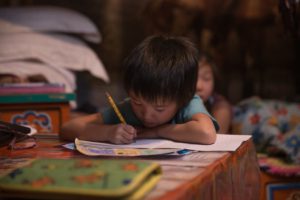
The Top 4 Facts About Child Poverty in Bhutan

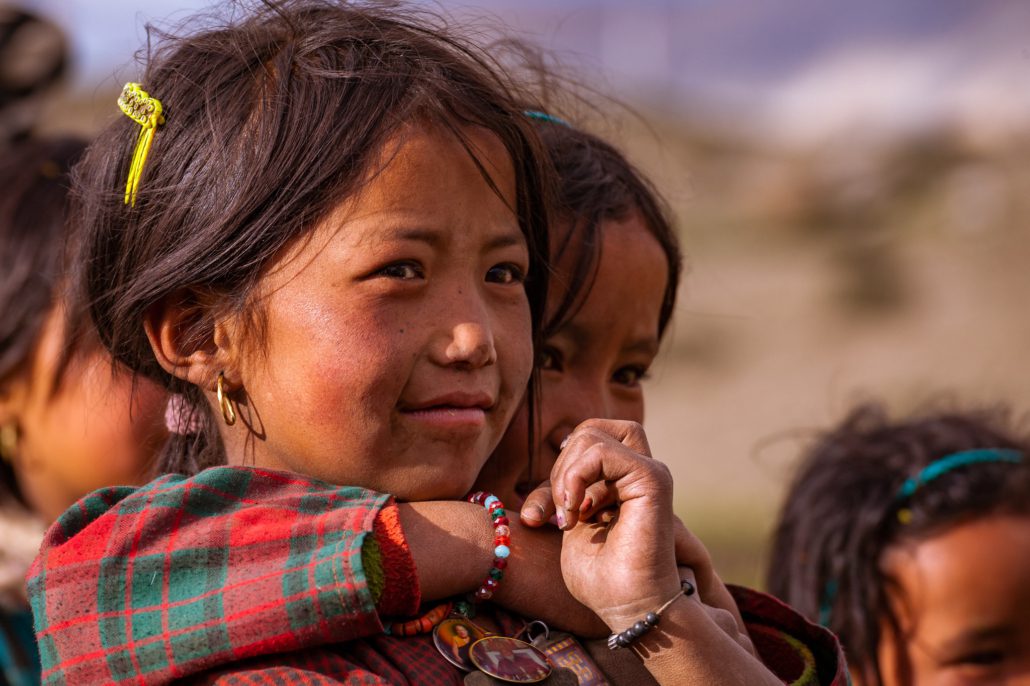
Child Poverty in BhutanIn Bhutan, 25% of children from the ages of 10 to 17, and 20.7% of children of all ages live in poverty. Though Bhutan has made great strides to help end poverty, 39.50% of the total population still lives on less than $5.50 a day. Children living in poverty often have large families, lack access to education and participate in child labor. 
Top 4 Facts About Child Poverty in Bhutan

  1. Lack of Education – Bhutan had no formal schools until the 1960s. Despite the country’s education budget now accounting for one-fifth of its total expenditures, working towards creating adequate, free learning instruction, many Bhutanese children do not go to school. The greatest issue that keeps children from school in Bhutan is the financial burden that education creates on families. Many families cannot afford the cost of school supplies, and since school is not required for children in the country, many families send their children to work and provide for the family, instead of earning a thorough education, because it is their only option. Therefore, 17.9% of children do not complete their primary education.
  2. Child Labor – In rural areas in Bhutan, children ages 7–17 are twice as likely to work underage as their urban peers. As children enter their young adult life, many are expected to earn profits to support their families, and around 20% of all 17-year-olds work in Bhutan. The fields in which Bhutanese children work are agriculture, industry, services and forced labor, often facing sexual exploitation and compulsory domestic work. The primary issue regarding child labor in Bhutan is that their labor laws are not in compliance with global standards and permit children under the age of 14 to work.
  3. Inadequate Child Disability Protections – Disabilities in Bhutan are stigmatized, and children with them are effectively put at a disadvantage compared to their counterparts. Of disabled populations, 53% of children with a disability do not have access to schools, with girls being at a greater disparity than their male peers. Additionally, children within this population lack access to social services regarding their health and well-being.
  4. Discrimination – Socially, migrant children in Bhutan face the most scrutiny. In order to be considered of the Bhutanese nationality, a child’s parents must both be from Bhutan, which keeps many children from belonging to the Bhutanese state. Due to this, it is harder for non-nationals to gain rights to public services, including education and health care. These same social stigmas also apply to minority children in minority populations. With provisions against discrimination, but no laws regarding civil rights, it is hard for many migrants and mixed-ethnicity children to obtain their full legal rights in Bhutan.

How UNICEF Helps Children in Bhutan Living in Poverty

UNICEF has created Early Childhood Care and Development (ECCD) centers to help aid populations of children living in poverty. By implementing schools to focus on the development of children ages 3 to 5 in rural areas, UNICEF has raised the ECCD attendance rate by 22%. Furthermore, they have recognized the struggles of children living with disabilities, and have created programs to keep young girls with disabilities in school. Through creating 200 ECCD centers, and 16 centers to help children with disabilities, UNICEF has provided children living in the mountainous regions of the Himalayas access to education.

Final Thoughts

In conclusion, child poverty in Bhutan remains a significant challenge that requires urgent attention. Despite the country’s progress in reducing overall poverty rates, children continue to suffer from lack of access to basic necessities such as education, health care and proper nutrition. Addressing child poverty in Bhutan requires a multi-faceted approach that includes targeted government policies, increased investment in social programs and collaboration with international organizations. It is crucial to prioritize the well-being and future of Bhutan’s children, as they are the foundation of a prosperous and sustainable society. By addressing child poverty, Bhutan can ensure a brighter future for its youngest generation and contribute to the overall development and well-being of the nation.

– Nadia Soifer
Photo: Flickr

October 19, 2023
https://borgenproject.org/wp-content/uploads/borgen-project-logo.svg 0 0 Yuki https://borgenproject.org/wp-content/uploads/borgen-project-logo.svg Yuki2023-10-19 07:03:252024-05-30 22:32:29The Top 4 Facts About Child Poverty in Bhutan
Children, Global Poverty

Helping Orphaned Children in Iraq Through Al-Ayn

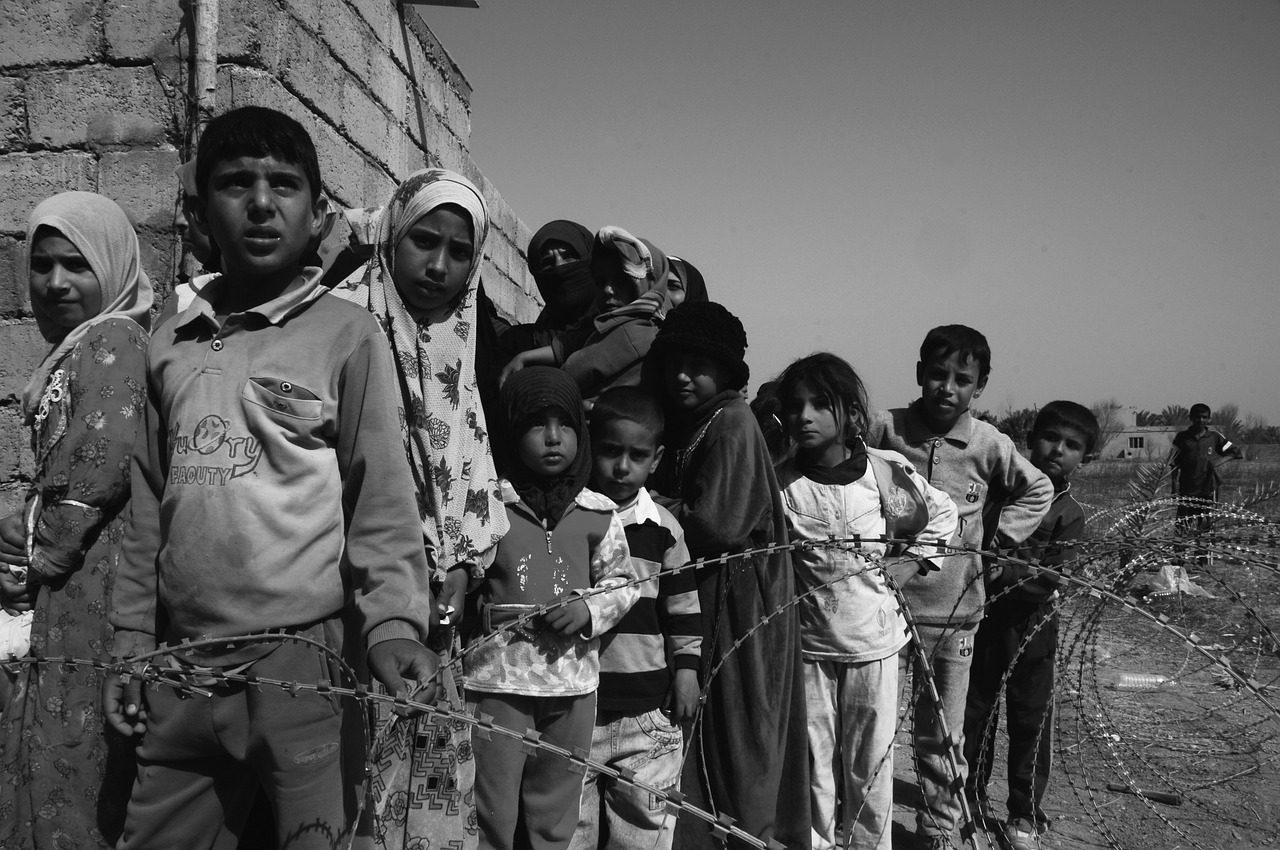
Children in IraqIraq is a nation tarnished by on-and-off wars for the last 30 years. International sanctions and conflict have led to millions suffering due to these wars, tanking the economy and leading to a high poverty rate within the country. People’s entire lives have been disrupted by conflict, hunger and unstable political situations. Unsurprisingly, all these issues have contributed to Iraq’s massive poverty problem. When faced with these obstacles, it is no wonder the Iraqi people are struggling to get by.
Another factor that has led to a high poverty rate in Iraq is the COVID-19 pandemic. This trend is most evident in the rate of impoverished people who are children. According to the Ministry of Planning, nearly 10 million people live below the poverty line in Iraq, accounting for 25% of the population. Of those millions of people, almost 5 million of them are children. In addition, the Iraq wars have displaced more than 1 million people. This issue must be solved because it prevents children from enjoying being children. They have to grow up quickly. 

The Situation

With so many children needing care, the situation may seem hopeless. However, some foundations specialize in helping these children get back on their feet. They provide education, medical care and other needs to help the children recover and break the poverty cycle that has gripped Iraq for years. Al-Ayn is an organization specializing in giving children whatever they need to get back on track.

Al-Ayn is an organization that primarily focuses on sponsoring Iraqi children displaced by war and deals with poverty and many other issues. Founded in 2014, Al-Ayn has been at the forefront of trying to help children who need it most. It does this work in coordination with its sister organization based in Iraq. The primary way they help these children is through sponsorship agreements so people can support the children in lifting themselves out of poverty.

How the Sponsorship Works

As mentioned, Al-Ayn operates by sponsoring children and giving them whatever they need. Whether medical assistance or educational or financial needs, children can look forward to having their basic needs taken care of. First, a child must apply for sponsorship. Once approved, they will have three basic sponsorship packages available to them. They range from the standard option to medical to academic. These sponsorships ensure that no child has the resources to lift themselves out of poverty. Al-Ayn distributes a monthly donation to the child’s mother or a legal guardian if they are orphaned. Al-Ayn makes sure that their futures look much brighter.

What the Organization Has Done to Help

According to its website, Al-Ayn has had a significant impact in helping poverty-stricken children in Iraq. It feels it has “created a measurable, repeatable and systematic method to ensure that orphans are educated, fed, loved and safe.” As of January 2022, they have helped more than 70,000 orphans out of the more than 100,000 registered with their organization. Hopefully, this organization will continue to do great things in the future.

Al-Ayn is an organization that has done countless good for the orphaned and destitute in Iraq. This organization is making a massive difference for a country with too much hardship over the past three decades. Whether through education, basic needs or medical needs, this organization has the best interests of the poverty-stricken children of Iraq at heart. May they be continuously successful in their fight against poverty.

– Calder Miller
Photo: Pixabay

October 18, 2023
https://borgenproject.org/wp-content/uploads/borgen-project-logo.svg 0 0 Yuki https://borgenproject.org/wp-content/uploads/borgen-project-logo.svg Yuki2023-10-18 07:30:572023-10-14 20:53:57Helping Orphaned Children in Iraq Through Al-Ayn
Child Poverty, Child Poverty, Education, Global Poverty

Policy Reform Needed for Bidoon Children in Kuwait

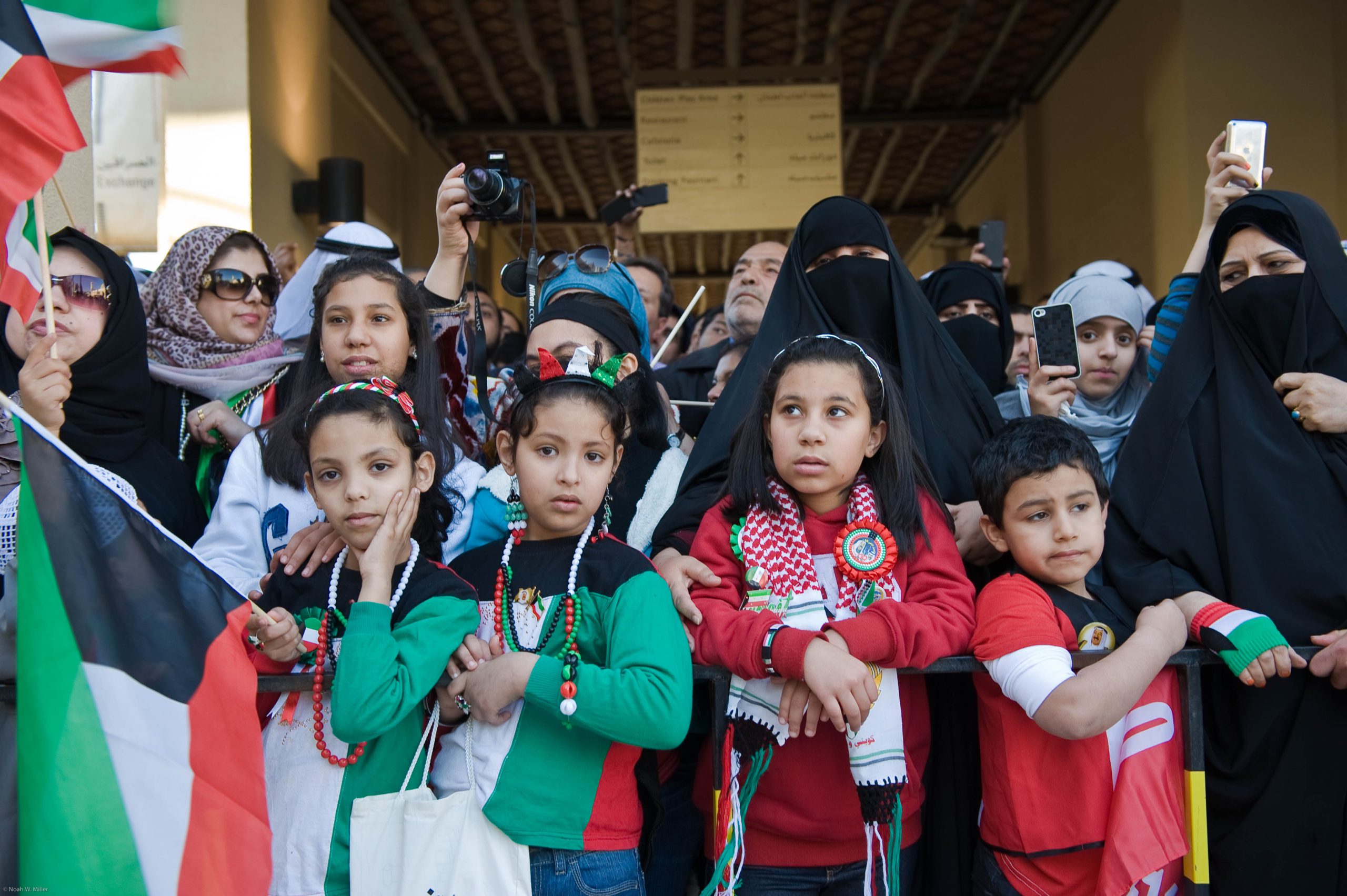
Bidoon ChildrenKuwait is known for its wealth, hovering around the top five wealthiest countries. Kuwait’s geographic location and access to oil reserves have boasted Kuwait to be one of the highest per capita GDPs globally, at roughly $43,000. However, not all residents within Kuwait enjoy the same privileges as its citizens. As a developing country with a fast-paced, growing market, many people residing in Kuwait have been less fortunate.
Citizens in Kuwait are allowed many freedoms, but not all those who live in Kuwait are citizens. A group of people known as “Bidoon,” short for Bidoon Jinsiya, meaning in Arabic “without nationality.” In Kuwait, this means those of Bidoon descent are stateless and illegal residents of the government. About 110,000 stateless people are living in Kuwait. Many of those who are Bidoon come from generations of Nomad families who were there before Kuwait declared independence in 1961. Some Bidoon didn’t understand the concept of registering for citizenship in 1961.

In the 1980s, a change happened in legislative terms where Bidoon were considered ‘illegal residents’ and lost further rights such as free public health care, education and housing. Others labeled Bidoon are those of families who served in the Gulf War and are from neighboring countries such as Iraq, Saudi Arabia and Syria. The government rejects Bidoon who have tried to gain citizenship.

The Hardship of Being Bidoon

Bidoon individuals face significant hardships due to their stateless status. They lack political rights, access to land, business registration, employment, public health care and public education. Bidoon people experience many hardships as they are technically illegal and have temporary identification cards. These cards are vital as they are necessary for employment. Many Bidoon face the challenge of acquiring a job, resulting in many Bidoon individuals living in poverty compared to Kuwait citizens. From being illegal persons in Kuwait, they have been discriminated against, harassed and exploited. Bidoon people face job discrimination because they are not deemed legal residents; job security and salary are significantly lower.

Education Policy Currently in Kuwait for Bidoons

Those of Bidoon descent face many obstacles, such as access to education being a significant prevailing problem. Education is a pillar of Kuwait and its citizens, but in the 1980s, Bidoon children could not attend public schools. Now, Bidoon children struggle to find a private school that most families cannot afford, and these private schools provide a lower quality of education.

Parents must pay up to 30% of the Private school tuition; the state financial assistance covers the rest for Bidoons. Those privileged Bidoons can afford this, but many children end up not going to school and skipping years to save money. Boy children will go more to school than girls as boys’ education is a higher priority and because Bidoon families cannot afford to send all of their children to school.

Journey of Policy Reform

The lack of education is enormous as it impacts their lives daily. Access to quality education would uplift many Bidoon and their children from impoverished lifestyles. The private schools are known to be inferior places of learning — much of the policy reform movement is from the human rights efforts. Having the denial of citizenship creates a loop where they cannot gain proper education because of no citizenship, which inhibits their life further. Policy reform for the Bidoon people would include desegregation of education and allowing Bidoon children to gain an equal public education.

In 2019, the speaker of the Kuwait National Assembly announced a proposed law amendment for Bidoons to gain proper education, medical care and ID papers. Yet, three months after the proposal, the jurisdiction committee denied the new amendment, which would have made non-Kuwaiti citizens eligible for more rights.

Advocating for a new amendment is to help the people and Bidoon children gain a quality education and better their lives from the risk of impoverishment. Prosecution is a reality for protesters who advocate for Bidoon’s rights, as many have been fined or jailed. To end the fight for the Bidoon people, the National Assembly must enforce and uphold the amendment for naturalization rights.

Looking Ahead

Many still need citizenship due to the history of the independence of Kuwait and the movement of other peoples from other countries to Kuwait. Even if generations of these people lived in Kuwait, they must be considered legal citizens with proper documentation. This status of statehood has disproportionately affected their lives and has restricted their access to resources. Bidoon children do not have naturalization rights in practice. The education disparity for Bidoon people is vast as they have no access to public schools, looking towards private schools that require tuition and have worse quality. Advocating will help end this disparity as policy reform for an amendment or the naturalization amendment will help save the Bidoon people from impoverishment.

– Ariana Wauer
Photo: Flickr

October 16, 2023
https://borgenproject.org/wp-content/uploads/borgen-project-logo.svg 0 0 Yuki https://borgenproject.org/wp-content/uploads/borgen-project-logo.svg Yuki2023-10-16 01:30:432024-05-30 22:32:27Policy Reform Needed for Bidoon Children in Kuwait
Child Poverty, Global Poverty

Fighting Child Poverty In Sierra Leone

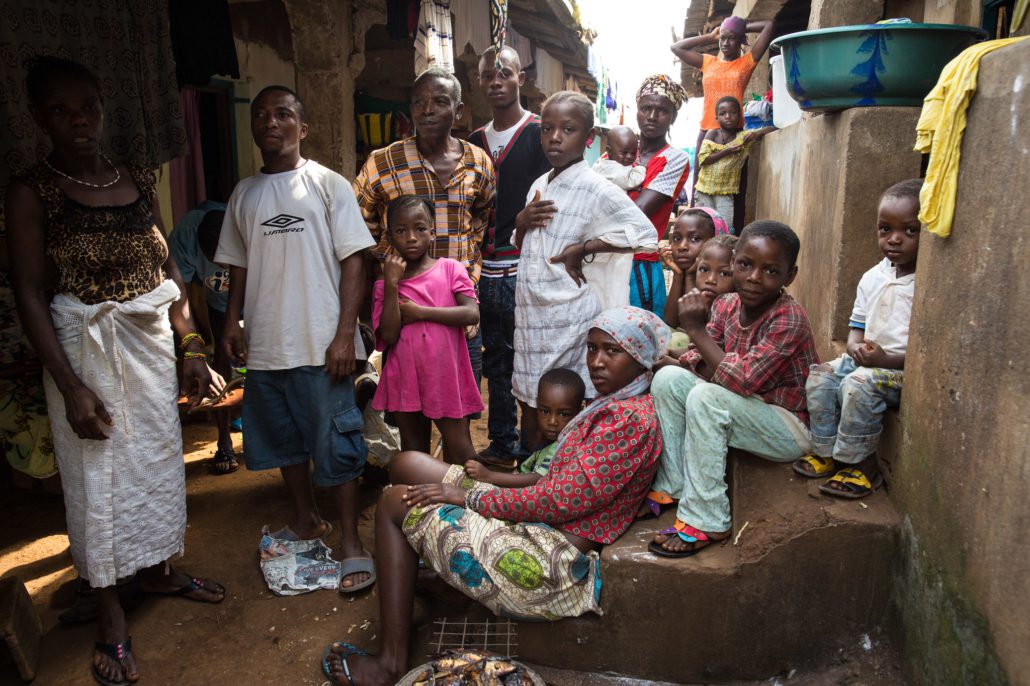
Child Poverty in Sierra Leone
Sierra Leone is one of the World’s poorest countries, and as much as 77% of children live in poverty without having all of their basic needs met. UNICEF defines child poverty in Sierra Leone as a child being deprived of at least one of seven basic needs: nutrition, water, sanitation, health, housing, education and information. UNICEF uses the term multidimensional poverty to describe this. The way that UNICEF defines child poverty is important because children experience poverty very differently from adults. Adults are expected to work in order to make an income, whereas children are not expected to work or have any income.

About Child Poverty in Sierra Leone

In 2016, UNICEF conducted a report on child poverty in Sierra Leone. It found that roughly 80% of children in Sierra Leone are considered to be poor. The most common basic need that these children are being deprived of is housing, where more than half of them are living in overcrowded or mud dwellings. On average, most children in Sierra Leone are deprived of at least two of their basic needs. About 28% of children are deprived of at least three basic needs and 11% are deprived of at least four. Ultimately, 77% of children who are impoverished are deprived of more than one of their basic needs. 

Child poverty is worse in rural areas where children lack access to a lot of things that can be found in more urban areas. In these rural areas, the amount of impoverished children can rise to as much as 90%. The area of Pujehun is estimated to have a child poverty rate of 93% and the area of Bonthe is estimated to have a child poverty level of 91%. Both Pujehun and Bonthe are in Southern Sierra Leone. Child poverty is generally highest in the North and the South where many children are living in more rural areas. The East and the West have lower levels of child poverty due to the larger more populated cities which bring more opportunities for families. In the South, a significantly higher number of children are deprived of at least three, four or five basic needs compared to the East and the West. 

Challenges With Education in Sierra Leone

Children are also entitled to an education. In Sierra Leone, more than half of children aged 15 and up are illiterate. Lack of education and information has greatly contributed to the amount of children living in poverty. UNICEF reports that among the children in rural areas who took exams in 2019, 24% failed the NPSE and 43% of them failed the BECE5. Girls are reportedly dropping out of school at rates much higher than boys, this is most likely caused by gender norms. Many girls have become involved in issues such as transactional sex and early marriages. 

A Solution 

UNICEF’s report on child poverty in Sierra Leone shows that reducing or eliminating the number of impoverished children in one area of their basic needs has little impact, therefore different measures must be taken that provide relief to multiple areas of the basic needs of children. The government of Sierra Leone has committed to reaching a sustainable development goal by 2030. Sustainable Development Goals (SDGs) are a collection of 17 interlinked goals working towards the betterment of planet Earth as a whole. The SDGs include goals like clean water, sanitation and quality education for all. This goal would cut the number of men, women and children living in poverty by at least half. UNICEF is working closely with the government and has committed to reducing the number of children living in multidimensional poverty in Sierra Leone. 

The government of Sierra Leone approved a National Social Protection Policy (NSPP) for the first time ever in 2011. Social protection is a framework that is concerned with preventing and managing situations that may negatively affect a population’s well-being. An NSPP may help families in extreme poverty find jobs and invest in the education and health of their children. Since the approval of an NSPP in Sierra Leone, UNICEF has been supporting the government in establishing a social protection system that provides aid to poor and vulnerable populations. The first phase of this system was officially launched in 2014, and by 2018 it had already reached 9 of the 16 districts in Sierra Leone helping more than 70,000 children. 

Looking Ahead

In the future, UNICEF will be working to establish child-sensitive policies that will aid children suffering from multidimensional poverty. These child-sensitive policies will support the government of Sierra Leone in monitoring the child poverty reduction rates and provide financial support to national surveys which will in turn help the government collect data so it can gauge program effectiveness and change it if necessary. 

– Jack Wells
Photo: Flickr

October 7, 2023
https://borgenproject.org/wp-content/uploads/borgen-project-logo.svg 0 0 Yuki https://borgenproject.org/wp-content/uploads/borgen-project-logo.svg Yuki2023-10-07 07:30:252023-10-03 07:27:34Fighting Child Poverty In Sierra Leone
Child Poverty, COVID-19, Global Poverty

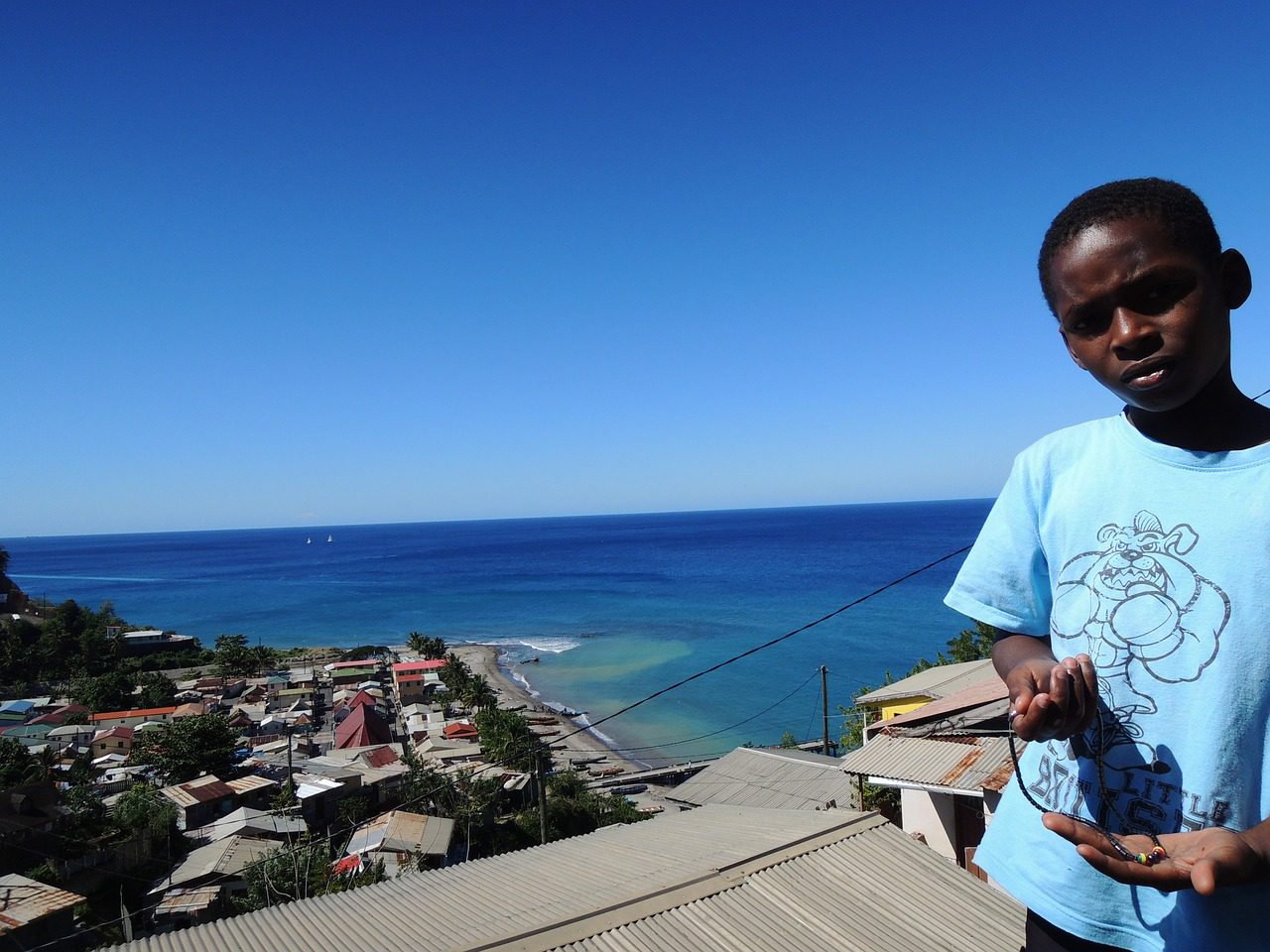
Solutions to Child Poverty in Saint Lucia After COVID-19

Child Poverty in Saint Lucia
When the COVID-19 virus spread out into the world in 2020, it caused hardships for all countries. People feared contracting the virus but were also impacted by entire countries shutting down, putting citizens indefinitely out of work.
Saint Lucia was one small Caribbean island whose children felt the burden of their parents’ lack of income. Child poverty in Saint Lucia, a country with a population of 180,000, rose to 34.5% in 2021.

In 2020, the economic and social impact on households was directly related to the closing of schools, businesses and the border itself. This led to a reduction in income due to job loss and restriction of hours. In addition, many citizens were unable to work due to their health. The biggest impact lies in the hotel and tourism sectors, with 33,000 people impacted by the shutting down of hotels, restaurants and retail stores, according to a United Nations presentation of the Saint Lucia Economic Stimulus, Recovery and Resilience Strategy. In a survey of citizens, “30% of households ran out of food once or more during the 30 days prior to the survey.” For poor households, “nearly 50% experience[ed] a time when they ran out of food.”

Effects of the COVID-19 Virus on Child Labor

The accumulation of this loss of income has increased child poverty in Saint Lucia. Many children had to take jobs such as street vending to provide for their families. However, it also led to more dangerous options, such as drug and sex trafficking. In 2020, the government began a revision of the Labor Act to address issues that did not meet the Labor Department’s mandates. It also approved the Counter-Trafficking Amendment Act, which protects victims of trafficking regardless of citizenship.

Saint Lucia took several other steps to eliminate child poverty and child labor. Its efforts included increased labor inspectors, updated standard operating procedures and a minimum age for work of 15. This allowed children to stay in school until legally able to work. It also passed a prohibition on forced labor and child trafficking. Labor enforcement funding has also risen from $392,313 in 2020 to $496,296 in 2021, according to the U.S. Department of Labor. St. Lucia also employed twice the number of inspectors in 2021 who were being trained before going out into the field and offered refresher courses for them. 

Organizations Assisting Relief Efforts in Saint Lucia

On December 16, 2021, the Saint Lucia Ministry of Equity, UNICEF and the UN met for a development session on the impact and effects of the COVID-19 virus. They conferred together about the different measures that can be taken to learn from this pandemic. They also explored the extent of aid from social assistance responses. The World Food Programme (WFP) also stepped up in favor of the Income Support Program, which provided $1,500 each to more than 4,800 people unemployed due to the COVID-19 pandemic.

Additionally, UNICEF donated up to $400 from July to September 2020 to children in foster care and $300 to the Child Disability Grant. The Public Assistance Program was able to accommodate an additional 1,000 households from November 2020 to April 2021, thanks to funding from the World Food Programme ($229,610) and the India UN ($500,000). 

However, citizens did not sit around waiting for assistance to find them. Despite the decrease in crucial tourist revenue, 16 hotels prepared and distributed meals to those impacted by the economic shutdown. In two months, they served 19,131 meals to those affected. 

The COVID-19 pandemic affected all families, but work is occurring to pull children off this path and into a promising future. “The highest poverty reduction effect overall would be achieved by supporting a large number of households (bottom 40%), followed by a universal child grant,” said the United Nations. “Support to all children would also achieve the highest reduction in the child poverty rate.” A better future for children means a better future for their country. 

– Jennifer Arias
Photo: Pixabay

October 7, 2023
https://borgenproject.org/wp-content/uploads/borgen-project-logo.svg 0 0 Jennifer Philipp https://borgenproject.org/wp-content/uploads/borgen-project-logo.svg Jennifer Philipp2023-10-07 01:30:252023-10-03 07:03:32Solutions to Child Poverty in Saint Lucia After COVID-19
Children, Global Poverty

Organizations Addressing Child Poverty in Saint Lucia

Child Poverty in Saint Lucia
Although the population of St Lucia stands at about 180,000 people as of 2021, UNICEF found that one in three children lives in poverty on the small island in the Caribbean. The poverty rate for children is higher than that of the adult population in St Lucia, despite children representing only 22% of the population. These individuals are at a higher risk of violence because children living in poverty are more prone to experience high rates of crime and inadequate and unsanitary housing. 

The Impact of the Pandemic

In its study to evaluate the well-being of young people in Saint Lucia, UNICEF predicted a dramatic increase in the number of children living in severe poverty due to the COVID-19 pandemic, with rates climbing from 2% pre-pandemic to 28%. The pandemic disrupted young people’s education, employment and mental health, resulting in an increased burden of long-term economic and social consequences. 

The Jermain Defoe Foundation

The Jermain Defoe Foundation is a charity that the famous English footballer Jermain Defoe founded, who saw that poverty was rife among the children living in his family’s home country but often went unnoticed due to the island’s popularity as a paradisiacal holiday destination.

Since its launch in 2013, the foundation has hosted multiple events to help the children living in poverty in St. Lucia. The same year, it hosted a gala dinner, which raised more than £80,000 to go towards a new children’s home. In 2017, the foundation completed the Rainbow Children’s Home in one of the poorer areas on the south of the island and equipped it to help children in need.

The foundation has hosted multiple charity football tournaments with Defoe to get children socializing and involved in the sport while also raising money to help the children in need in St. Lucia.

In 2016 and 2017, the organization rallied the public to contribute to the Christmas Shoebox Appeal and was able to deliver 181 boxes to children living in poverty in 2016. The organization filled these boxes with donated toys, clothing, sweet treats and activity packs, distributing them among Daigen School in St. Lucia. In 2017, the foundation gave 178 Shoeboxes to students, which were needed more than ever following the devastating Hurricane Maria a few months prior.

Food For The Poor

Food For The Poor (FFTP) focused on disaster relief when the COVID-19 pandemic hit in March 2020, distributing goods to those in need. To help with the strain put on agriculture, health care, livelihoods and education in 2021, the charity shipped 29 tractor loads of aid to the island filled with agricultural tools, medical equipment, clothing, furniture and food.

FFTP also initiated multiple projects to promote sustainable economic solutions. It built 20 greenhouses to assist schools with feeding programs while educating children about the benefits of agriculture, plant life and reforestation.

The organization also formed the St. Lucia’s Home Food Production Project, which created self-sustaining chicken farms and vegetable gardens among the communities to improve nutrition and generate income with fewer operational costs. It also designed the Pastoral Centre Bee Farm Project to provide employment and learning opportunities and revenue from the sale of honey. 

Irie Kids Inc.

Irie Kids Inc. is a registered nonprofit that works exclusively in Saint Lucia and is dedicated to improving the lives and opportunities available to impoverished children on the island.

Volunteers solely run its programs, with 100% of donations going straight toward the organization’s efforts. Irie Kids seeks to impact children’s lives through education and resources through activities such as tutoring, one-to-one coaching and group talking therapy in a “Tea Party For Teens.”

The programs have free registration for all children, and Irie Kids Inc. designed them to foster creativity and grant new opportunities and a future-orientated outlook. Programs have included a Pet Care Program, which teaches children about animal care and the basics of veterinary medicine, and included a trip to the local animal shelter. Another impactful event was the First Period Preparedness Program, which Irie Kids Inc. formed to promote a celebration of womanhood and incite open conversations. This process involved a tea party alongside a Q&A with a certified instructor to answer any queries and, most importantly, the distribution of a period kit to each student. 

While child poverty in Saint Lucia persists, numerous organizations are working to make a difference. The Jermain Defoe Foundation, Food For the Poor and Irie Kids Inc. are three examples of NGOs that are active in the nation. Their support goes a long way to secure brighter future for the next generation of youth in the island nation. 

– Maia Winter
Photo: Flickr

October 4, 2023
https://borgenproject.org/wp-content/uploads/borgen-project-logo.svg 0 0 Yuki https://borgenproject.org/wp-content/uploads/borgen-project-logo.svg Yuki2023-10-04 07:30:282026-04-16 10:20:59Organizations Addressing Child Poverty in Saint Lucia
Child Poverty, Global Poverty

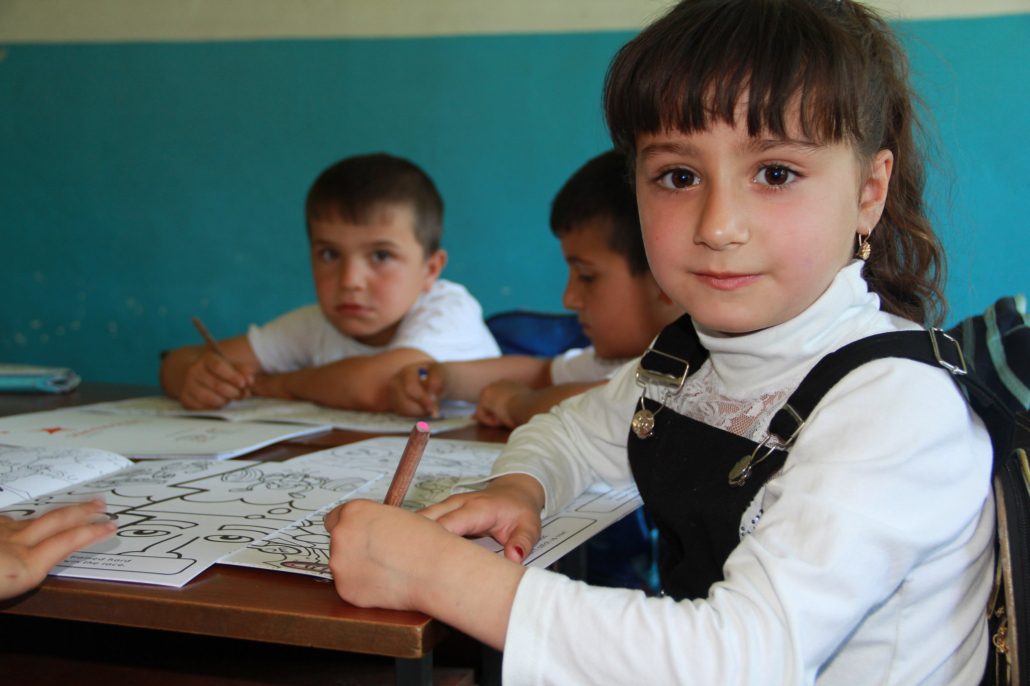
Why Child Poverty In Azerbaijan Is Still An Issue 

Child Poverty in Azerbaijan
In the last two decades, child poverty in Azerbaijan has shown improvement amid economic expansion. However, this economic growth has also led to increased inequality. The benefits of this growth are primarily in urban areas, while rural regions face diminishing opportunities, resulting in a notable rise in child poverty among affected communities.

The Causes

Despite its increasing wealth and growing influence in wider regions, poverty and corruption still overshadow much of the development occurring in Azerbaijan. 

More than 90% of Azerbaijan’s exports come from the concentrated area of Greater Baku, located near the offshore oil and gas reserves of the Caspian Sea. This means that the money earned from exports often only reaches a relatively small area. According to the 2021 World Bank report, Azerbaijan exhibits more than two times the inequality of any other country in Europe and Asia. While More than 40% of the population works in agriculture, it only accounts for 5.7% of exports. More than 60% of Azerbaijan’s poor live in rural areas that depend on agriculture as their primary source of income, highlighting the large divide between the different regions of the country. 

The Effects 

There are currently around 20,000 children without parental care in Azerbaijan. Though many of their parents are still alive, extenuating circumstances like poor treatment and abuse can lead to children in poverty becoming ‘social orphans.’ Faced with unbearable living conditions out on the streets or in underfunded orphanages, these children often find themselves victimized emotionally and physically with little to no avenues out of this situation many children find themselves victimized emotionally and physically. These unaccompanied minors also have limited access to education, making the poverty trap even harder to escape.

Around 11% of girls marry before the age of 18. Different factors such as religion, education or social status can exacerbate child marriage, but often poverty is the driving force behind it. Child marriage rates are highest in the more rural areas of Azerbaijan, where many families marry off their daughters in the hope of securing a more prosperous life for them. 

Azerbaijan currently considers child marriage a significant issue, but the prevalence of children born out of wedlock suggests that the practice might be more common than officially reported. Each year, thousands of unmarried mothers give birth to children. One contributing factor is the occurrence of illegal marriages involving girls under the age of 15. These underage brides are unable to legally marry until they are older, so their children are classified as born out of wedlock until they can marry within the legal framework.

The Issue of Child Labor

There has been minimal advancement in eliminating child labor in recent years. A 2001 study revealed that at least 70,000 children aged 5 to 14 were performing some form of child labor. Many struggling families use child labor to augment their income, and many children without families use it simply to survive. The agricultural sector employs the majority of child laborers, while street children and those from marginalized communities often find themselves in more perilous situations. These “worst forms of child labor” encompass activities like forced labor, involvement in the drug trade, begging under coercion and engagement in prostitution.

Ongoing Efforts and Solutions

One way to tackle child poverty in Azerbaijan is through education, and the country has made remarkable progress in this field in recent years, with its public spending on education increasing by more than 5% since 2018.

The 2022 update of the human capital index even recognized Azerbaijan as one of the top 10 global improvers with respect to progress in health and education between 2010 and 2020. Still, there are vast differences between the quality of schooling for children in and out of poverty. Standardized testing shows that students from wealthier families scored 96 points – the equivalent of three school years – above students from poorer families. There was also a divide seen between urban and rural areas, where rural students scored 48 points lower on average. To target these inequalities, there is a need for Azerbaijan to continue to invest in educational access, particularly in poorer regions.

One NGO making strides in tackling child poverty with education is United Aid for Azerbaijan (UAFA). Founded in 1988 with a goal to ‘aid long-term development of life in Azerbaijan, with particular focus on children, health and education’, the organization now operates from 21 different regions of the country and has helped more than 13,000 children by developing social services for those in need of special protection and reducing the number of young people in state care. The country has also seen support from other organizations such as the International Committee for the Red Cross (ICRC), which rehabilitated and furnished 33 schools across Azerbaijan between 2021 and 2022.

Looking Ahead

While there are still significant issues with child poverty in Azerbaijan, the country has also seen significant improvements. UNICEF reports that in the last two decades, child mortality rates have fallen (going from 54.172 to 18.746), poverty rates have drastically decreased as a whole and primary school enrolment has improved. As Azerbaijan’s economy expands, the country could also benefit from increasing its investment in the nation’s most promising asset – its youth. This commitment is crucial to continually improving the quality of life for all young individuals who require support.

– Jodie Donovan
Photo: Flickr

October 3, 2023
https://borgenproject.org/wp-content/uploads/borgen-project-logo.svg 0 0 Jennifer Philipp https://borgenproject.org/wp-content/uploads/borgen-project-logo.svg Jennifer Philipp2023-10-03 07:30:252023-09-29 03:49:40Why Child Poverty In Azerbaijan Is Still An Issue 
Children, Global Poverty, Women

Helping Children and Women in Nepal

Women in Nepal
In 2015, a magnitude 7.9 earthquake struck Nepal and surrounding countries, claiming the lives of thousands. This earthquake not only displaced millions but also plunged more than 1 million Nepali people into poverty. The most susceptible demographic, children and women in Nepal, bore the brunt of the impact. Many children found themselves orphaned, compelled to aid their remaining family members, which led to them forsaking school attendance and engaging in child labor full time. Among the tasks undertaken by many children was the labor of breaking rocks along the riverbed to sell the stones for monetary gain. After visiting Nepal and witnessing these circumstances, U.S. citizen Maggie Doyne made a commitment to help children and women in Nepal rise out of poverty.

About Maggie Doyne

Fast forward to 2008, when an 18-year-old American girl named Maggie Doyne, who had opted for a gap year after high school to travel, discovered a girl breaking rocks on the banks of a river in Surkhet, Nepal. This encounter prompted Doyne to establish a connection with the young girl and develop a friendship. Doyne proceeded to assist the girl by paying for the girl’s school books, uniform and school tuition fees.

The encounter with the girl prompted Doyne to contemplate the stark contrast between those who possess abundance and those who endure scarcity in the world. As time passed, Doyne extended her support to other disadvantaged children in Nepal. Doyne helped to send the children to school but soon recognized that some of these children required more than just access to education. The children lacked a stable and nurturing home environment. This realization compelled Doyne to take further action.

Kopila Valley Children’s Home

Doyne took action by using her savings to acquire a piece of land in Nepal. In collaboration with Nepali resident Top Malla and the support of the local community of Surkhet, Doyne brought Kopila Valley Children’s Home into existence in 2008. This establishment offers a stable and safe environment that now serves as the home for more than 40 children in Nepal.

Many of these youngsters come from backgrounds with profoundly distressing circumstances. They receive support not only from Doyne, whom they affectionately refer to as their mother, but also from a diverse group of caregivers they address as aunts and uncles. Doyne and her team have managed to deliver tailored assistance to these children. “Kopila Valley was born and soon blossomed into BlinkNow, a nonprofit foundation serving an ever-growing, ever-inspiring community in Surkhet, Nepal,” the BlinkNow website says.

Kopila Valley School

Eventually, Kopila Valley Children’s Home embarked on an expansion that included the establishment of Kopila Valley School in 2010. Currently, the school accommodates more than 400 students hailing from the neighboring community. Additionally, the school ensures that its students receive nourishing meals and access to health care services. The school infrastructure was upgraded to a “green campus” to place a focus on sustainability. For example, the implementation of solar power systems and the use of earthquake-resistant materials. Notably, all educators and staff members at the school are of Nepali origin and many other staff members are from the local community.

Kopila Valley Women’s Center

Kopila Valley has undergone further expansion, solidifying that it plays a fundamental role in the community it serves. In addition to the children’s home, school and health clinic, BlinkNow developed the Kopila Valley Women’s Center in 2013. This center is committed to empowering marginalized women in Surkhet by delivering vocational and empowerment training. With a mission to address issues like abuse, educational deficits and limited economic prospects, the center offers comprehensive assistance.

Many of the training participants are survivors of domestic violence and early marriages. The participants receive intensive instruction in valuable vocational skills like sewing, weaving and cosmetology. This training equips them to secure employment and undertake economic endeavors and enhance their overall livelihoods.

The empowerment courses also cover self-confidence skills, health and wellness, women’s rights, Nepali law, basic literacy, business and and maths skills. Trainees also have access to “counseling services, which provides mediation, legal support, and general stress and trauma care and management,” the BlinkNow website says. The Center’s influence reaches even further through its community workshops, fostering gender parity and women’s empowerment.

The training has enabled graduates to develop independent enterprises and cooperative endeavors. Beyond skill development, the Center fosters a nurturing atmosphere where women come together to heal, uplift and support each other. This nurturing environment catalyzes positive transformation within the community, effectively showcasing the profound impact of education and the formidable strength of women in Nepal.

BlinkNow has had a profound impact on children and women in Nepal. The work of Maggie Doyne and her team has helped lift many people out of poverty, allowing them to secure independence, strength and support.

– Ada Rose Wagar
Photo: Flickr

September 30, 2023
https://borgenproject.org/wp-content/uploads/borgen-project-logo.svg 0 0 Yuki https://borgenproject.org/wp-content/uploads/borgen-project-logo.svg Yuki2023-09-30 07:30:122023-09-27 00:27:26Helping Children and Women in Nepal
Child Poverty, Global Poverty

Child Poverty in Bulgaria

Child Poverty in BulgariaBulgaria is a beautiful country located on the Balkan Peninsula in Southeast Europe, known for its rich history and wonderful beaches bordering the Black Sea. Also known about Bulgaria is that it is one of the poorest countries in Europe. In 2022, food price inflation hit 22%, affecting low-income Bulgarian households disproportionately. Young people are also heavily impacted as the child poverty rate in Bulgaria stands at 22.9%.

While securing equality for Bulgarian children is an ongoing journey, there have been some positive steps in the right direction.

Ongoing Efforts

In 2021, Bulgaria enacted the Bulgaria Child Guarantee National Action Plan (NAP). Specifically, this plan places a strong emphasis on early education. Children whose parents obtain a low level of education are 10 times more likely to be living in poverty — emphasizing the importance of ending a generational lack of access to education.

This plan also touches on the idea of health care aid as a way to help children living in poverty, placing a specific emphasis on children who suffer from disabilities and chronic illnesses. Nutrition is also an issue for underprivileged families, and with the NAP, children are able to receive free lunches and parents are able to receive access to mental health care. The housing strategy supports access to housing for migrant children and emphasizes the importance of providing support for immigrant children’s easy adaptation. Lastly, the NAP placed a focus on the development of foster care systems and aid to young parents. 

Mission Without Borders

Yamur faced financial hardship growing up, as her father had to leave school at a young age to support their family. However, with the assistance of Mission Without Borders’ sponsorship program, Yamur and her family received the financial support they needed to access education.

As a result of this support, Yamur was able to continue her education and pursue her dream of becoming a teacher. Despite the economic challenges her family faced, she did not have to marry at a young age and could focus on working toward her life goals.

By helping children in Bulgaria access education, organizations like Mission Without Borders create opportunities for more success stories like Yamur’s to emerge.

Unbound

Unbound is a program that has invited people from around the world to support each other through sponsorship. By sponsoring a child living in Bulgaria, they have more to provide for their family and moreover are less obligated to spend school time working to provide and more time learning for their future. The beauty of the program is that it does not only sponsor the lives of underprivileged children but also helps to foster friendships between people across the world. When donating, 91.4% of proceeds go directly to the sponsorship program, 3.8% goes to administration and 4.8% goes to fundraising. In 2021, Unbound raised nearly $2 million in support of sponsorship for low-income children and families across the globe.

Looking Ahead

While Bulgaria boasts natural beauty, its children endure hardships. One key avenue for reform is improving access to early education, as breaking the cycle of low-education families is crucial for reducing the risk of poverty. Organizations like Unbound and Mission Without Borders offer vital financial support and opportunities to Bulgarian children, helping bridge the gap and offer brighter prospects.

– Aubrey Acord
Photo: Flickr

September 27, 2023
https://borgenproject.org/wp-content/uploads/borgen-project-logo.svg 0 0 Kim Thelwell https://borgenproject.org/wp-content/uploads/borgen-project-logo.svg Kim Thelwell2023-09-27 01:30:222023-09-30 13:30:34Child Poverty in Bulgaria
Children, Global Poverty

A Closer Look at How Child Rights Are at Risk

Child Rights
Recent studies that UNICEF conducted have found that South Asian children — in Afghanistan, Bangladesh, India, Maldives and Pakistan — are living above the normal high temperatures. These countries are experiencing enduring heatwaves and temperatures above 35 degrees Celsius (95 degrees Fahrenheit) for more than 83 days in a year, which experts consider “rare, once-a-century events.” UNICEF found that these heat exposures vulnerably impact 76% of South Asian children below the age of 18 in comparison to the rest of the world’s children (32%).

While all children in the region face vulnerability, it’s crucial to highlight that those belonging to the low socioeconomic status are at the greatest risk, which in turn jeopardizes their fundamental rights. The following are four key facts that underscore how child rights are at risk.

4 Facts About How Child Rights are at Risk

  1. Most Vulnerable Group: According to UNICEF, the heat can aggravate children’s lives since their young bodies cannot handle it. However, poor children are at the most risk since they lack access to cooling and water in their homes. Universally, low- and middle-income children who experience inequality and discrimination have their rights backfire on them, compounding the dire impacts they face against these environmental changes.
  2. Health Impacts: With these warm temperatures, children have demonstrated symptoms that may result in heat-related illnesses such as high body temperature, headaches, fainting, dehydration, rapid heartbeat, heat cramps, heat strokes and heat exhaustion. Additionally, UNICEF has found neuro and cardiovascular developmental setbacks in South Asian children. Generally, children classified as low in the socioeconomic spectrum and affected by inequality and discrimination are the most vulnerable due to lack of access to proper health care.
  3. Disrupts Lifestyle: Heatwaves and high temperatures have been shown to impact children’s lifestyles, via education and home. Research has revealed that “every one degree Fahrenheit increase in temperature reduces the amount learned in a school year by 1%.” The heat disrupts children’s ability to learn and concentrate, which leads to “lower levels of achievement during hot school years.” Recent studies of Pakistani children and families show that those living in poverty cannot afford the electricity it takes to cool their homes, as it consumes 30% of their monthly income.
  4. Confronting Hunger: As a result of parents working in the “informal sector,” poor children experience hunger during the summer months. Amnesty International reports that informal sector workers in Pakistan encounter significant difficulties during the extreme heat season. Their daily wage jobs lack predictability and extended breaks, forcing them to find ways to rest without compromising their income. Consequently, they often resort to working at a slower pace and ensuring they stay hydrated. Failing to do so could result in shorter work hours, reduced daily earnings or even the risk of not getting paid at all. With frequent heat waves hitting Bangladesh, families experience power outages in their shops, “wiping out their daily incomes” or reducing them to a minimum that “pushes food further out of reach” for them and their children.

Early Responses

Recent studies have asserted that South Asian countries — such as Pakistan — have responded inadequately toward a heat action plan(s). In light of this, some cities in India have taken action to find solutions. The city of Ahmedabad, India, was one of the first to publish a government-led heatwave action plan in 2013. The plan consisted of implementing cool roofs in the city’s slum communities. In 2017, the program installed 3,000 roofs which successfully “lowered indoor temperatures.” As a result, the city of Ahmedabad launched a cool roof program in 2020 that went on to help more than 15,000 slum homes and 1,000 government buildings. 

Looking Ahead

Child rights are at risk due to rising temperatures. However, innovative technologies and proactive measures are equipping children and families to better adjust and respond to these heat waves.

– Amy Contreras
Photo: Flickr

September 19, 2023
https://borgenproject.org/wp-content/uploads/borgen-project-logo.svg 0 0 Lynsey Alexander https://borgenproject.org/wp-content/uploads/borgen-project-logo.svg Lynsey Alexander2023-09-19 07:30:272024-05-30 22:32:21A Closer Look at How Child Rights Are at Risk
Page 18 of 137«‹1617181920›»

Get Smarter

  • Global Poverty 101
  • Global Poverty… The Good News
  • Global Poverty & U.S. Jobs
  • Global Poverty and National Security
  • Innovative Solutions to Poverty
  • Global Poverty & Aid FAQ’s
Search Search

Take Action

  • Call Congress
  • Email Congress
  • Donate
  • 30 Ways to Help
  • Volunteer Ops
  • Internships
  • Courses & Certificates
  • The Podcast
Borgen Project

“The Borgen Project is an incredible nonprofit organization that is addressing poverty and hunger and working towards ending them.”

-The Huffington Post

Inside The Borgen Project

  • Contact
  • About
  • Financials
  • President
  • Board of Directors
  • Board of Advisors

International Links

  • UK Email Parliament
  • UK Donate
  • Canada Email Parliament

Get Smarter

  • Global Poverty 101
  • Global Poverty… The Good News
  • Global Poverty & U.S. Jobs
  • Global Poverty and National Security
  • Innovative Solutions to Poverty
  • Global Poverty & Aid FAQ’s

Ways to Help

  • Call Congress
  • Email Congress
  • Donate
  • 30 Ways to Help
  • Volunteer Ops
  • Internships
  • Courses & Certificates
  • The Podcast
Scroll to top Scroll to top Scroll to top